Attractions and Places To See around Forchheim - Top 20
Attractions and places to see around Forchheim offer a blend of medieval history, cultural experiences, and natural beauty. The region, known as the "gateway to Franconian Switzerland," features rolling hills, deep valleys, and impressive rock formations. Visitors can explore historical landmarks, picturesque natural features, and a vibrant beer culture. The Regnitz River also flows through Forchheim, providing scenic views and outdoor opportunities.
Best attractions and places to see around Forchheim
- The most popular attractions is Oswald Cave, a cave that is a karst cave on the Hollow Mountain, east of Muggendorf. It is a passage cave that can be crossed, with sections as low as 1.5 meters.
- Another must-see spot is Ruins of Neideck Castle, a castle and landmark of Franconian Switzerland. Visitors can climb the main tower to enjoy panoramic views of the Wiesenttal.
- Visitors also love Basilica of the Holy Trinity, Gößweinstein, a religious building and significant pilgrimage site. This monumental church, built by Balthasar Neumann, is a key example of late Baroque architecture in Franconia.
- Forchheim is known for its caves, castles, and religious buildings. The area offers a variety of attractions to see and explore, from historical sites to natural monuments and viewpoints.
- The attractions around Forchheim are appreciated by the komoot community, with over 3500 upvotes and more than 2100 photos shared.
Last updated: October 9, 2026
Oswald Cave
Highlight • Cave
Translated by Google •
Tip by

Quackenschloss
Highlight • Cave
The oblique oval shape of the cave is determined by two longitudinal fissures and two diagonally sloping bank joints. Two larger fissures cross the passage. One portal is about 7 meters wide and 2.5 meters high, the other, divided by a rock pillar, is about 9 meters wide and 5 meters high.
The cave is registered as C 4 in the Franconian Alb Cave Register (HFA). It has been designated by the Bavarian State Office for the Environment as an important geotope (474R060)[1] and as a natural monument (ND-04580).
The cave, which is easily accessible via hiking trails, is one of the most frequently visited destinations in the Franconian Jura, also because of its scenic location. There is a sport climbing area next to the cave.
Source: Wikipedia
Translated by Google •
Tip by

Sign up now to discover places like this
Get recommendations on the best single tracks, peaks, & plenty of other exciting outdoor places.
Ruins of Neideck Castle
Highlight • Castle
Quite apart from that, this is just a nice place. There is a lot to discover, the view is great and in good weather it makes sense to take a little break and let the sun shine on your fur.
Translated by Google •
Tip by

St. Walburga's Chapel and Statue, Walberla Plateau
Highlight • Religious Site
Translated by Google •
Tip by

Riesenburg Collapse Cave
Highlight • Cave
Translated by Google •
Tip by
Basilica of the Holy Trinity, Gößweinstein
Highlight • Religious Site
Translated by Google •
Tip by

View over the Wiesent Valley
Highlight • Viewpoint
Translated by Google •
Tip by

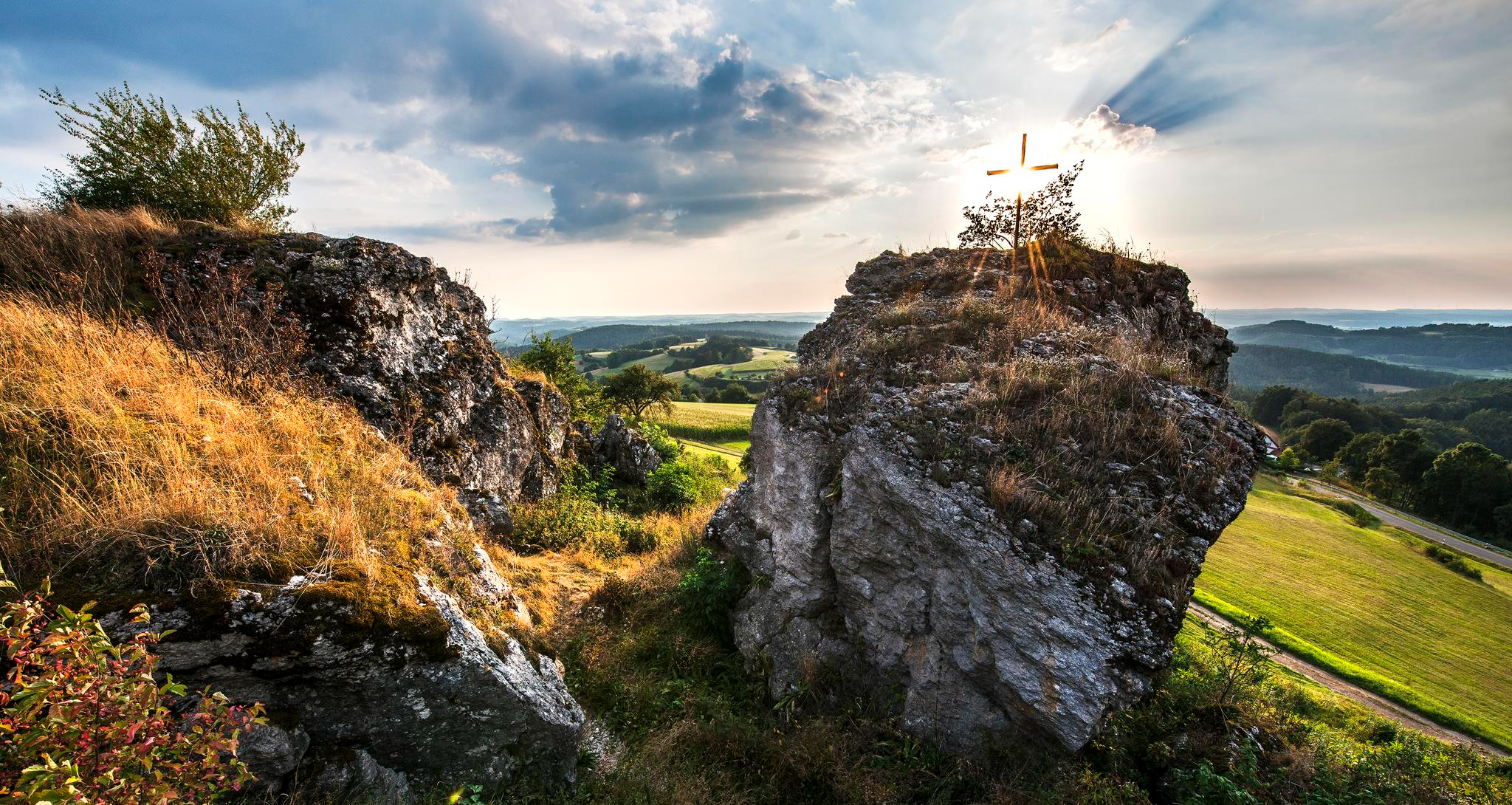
Hohes Kreuz Observation Tower
Highlight • Viewpoint
Translated by Google •
Tip by

Lillach Tufa Terraces
Highlight • Waterfall
Translated by Google •
Tip by

Rodenstein
Highlight • Summit
Translated by Google •
Tip by
Sign up for free to discover even more attractions around Forchheim.
Already have an account?
Start today with a free account
Your next adventure awaits.
Popular around Forchheim
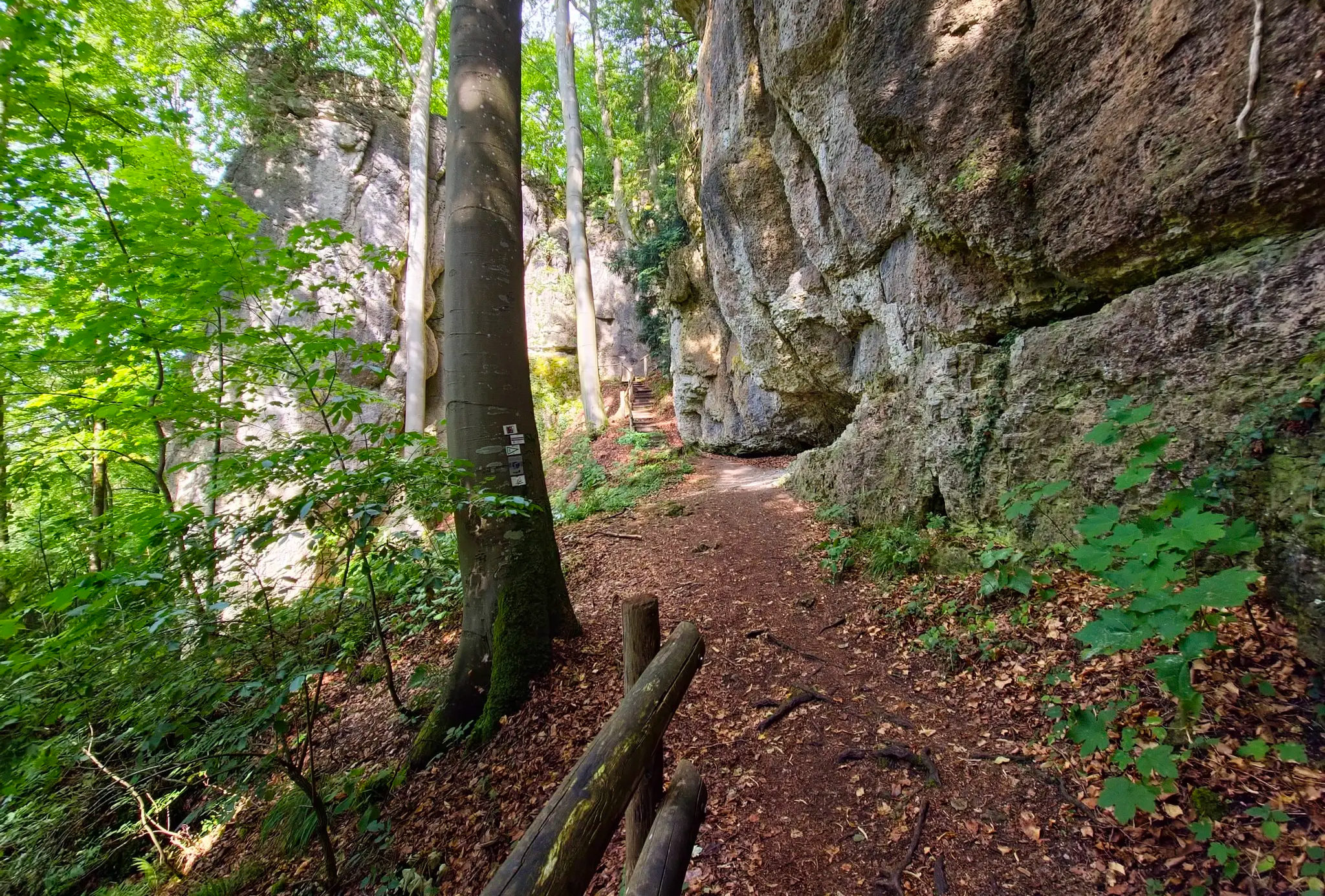
Ultratrail Fränkische Schweiz – 2 Days Burgen, Wälder, Trails
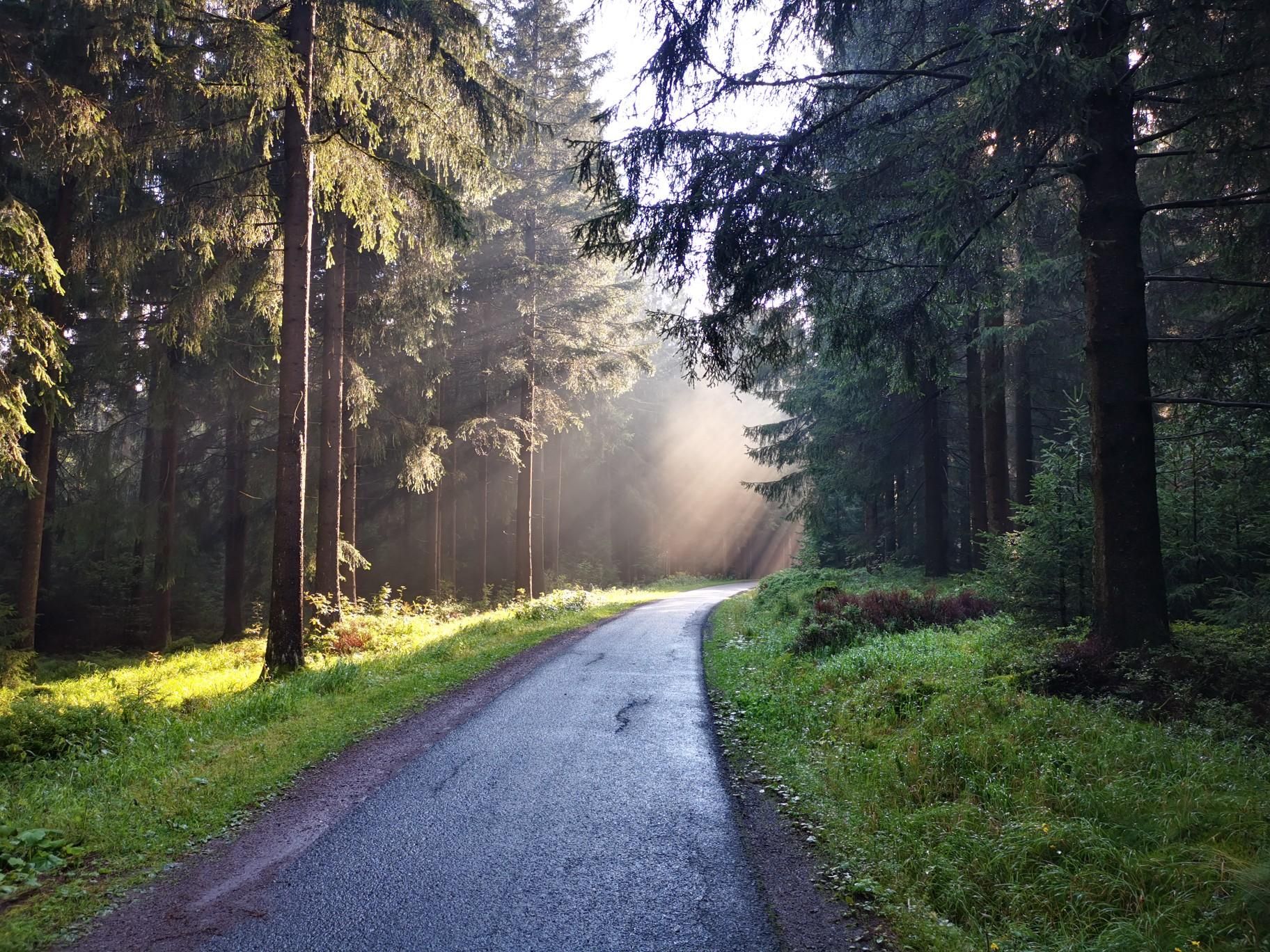
Nuremberg to Erfurt – Discover the German countryside by bike
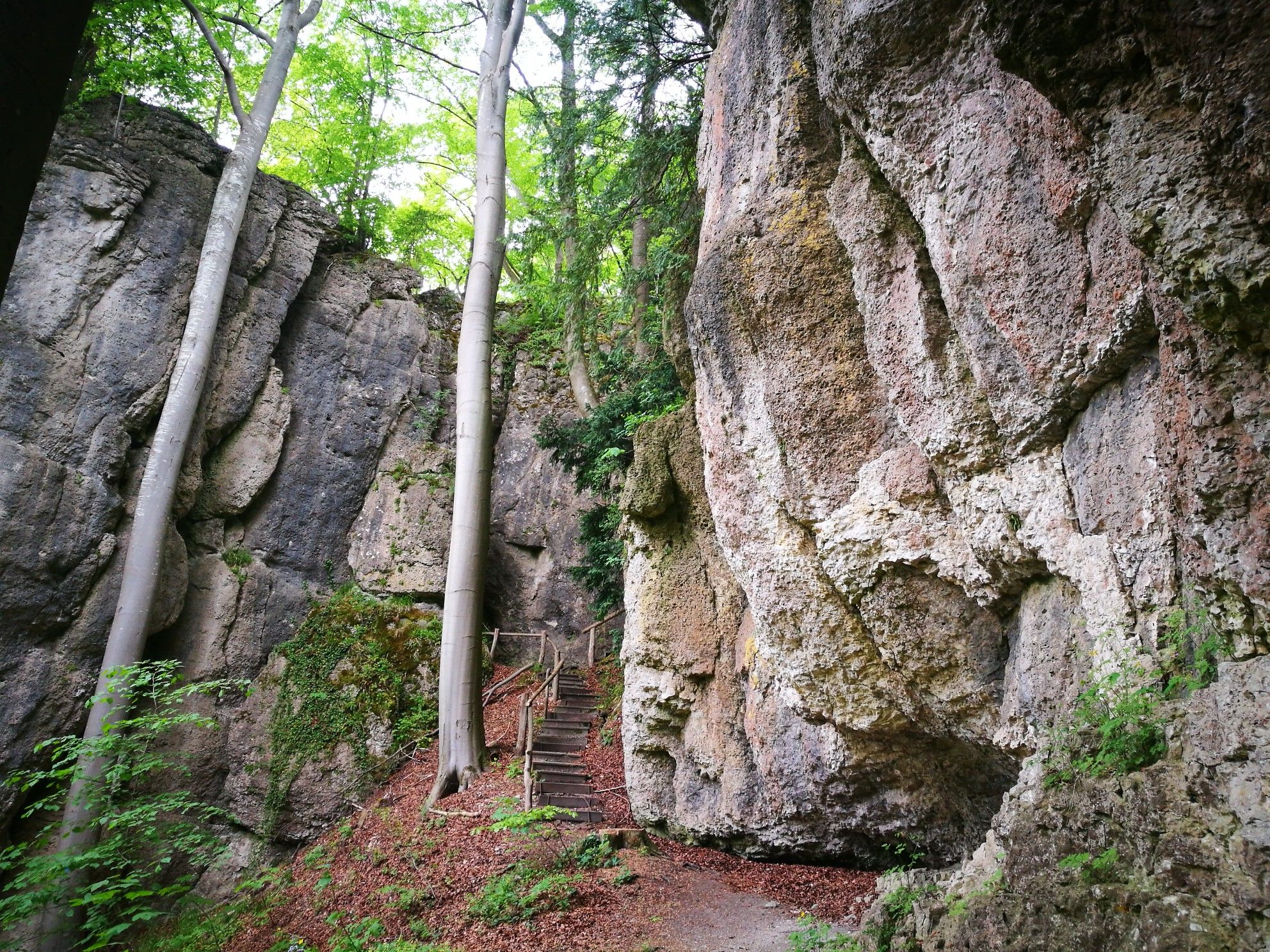
Forests, rocks and castles – 5-day circular through Franconian Switzerland
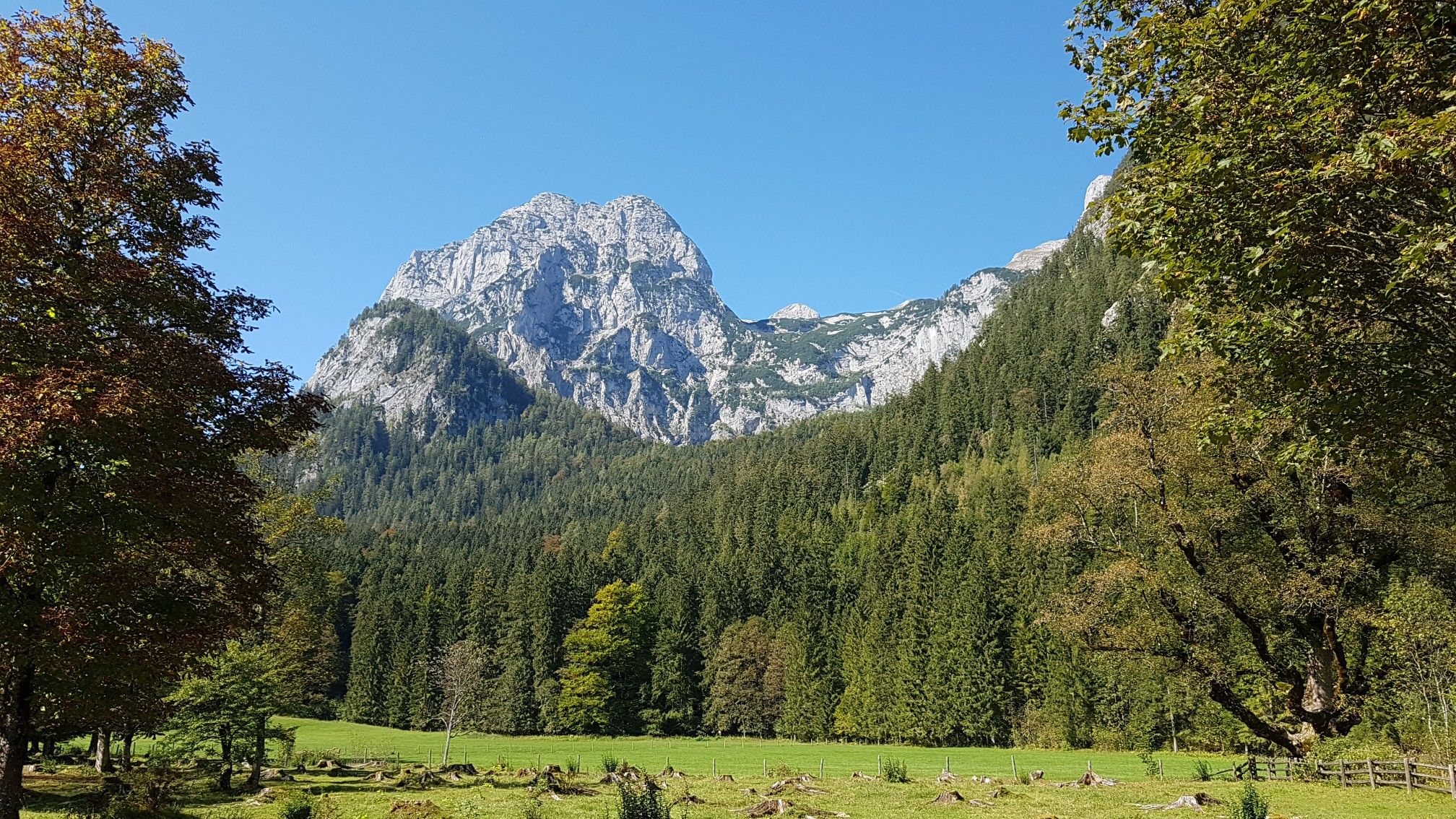
The National Natural Landscapes in Bavaria
From the metropolis to enjoyment – city hiking on the VGN
Fun hiking and wonderful views in Franconian Switzerland
Ten fantastic hikes throughout Germany
Catch the bus and train into nature – VGN Leisure Tips 2023
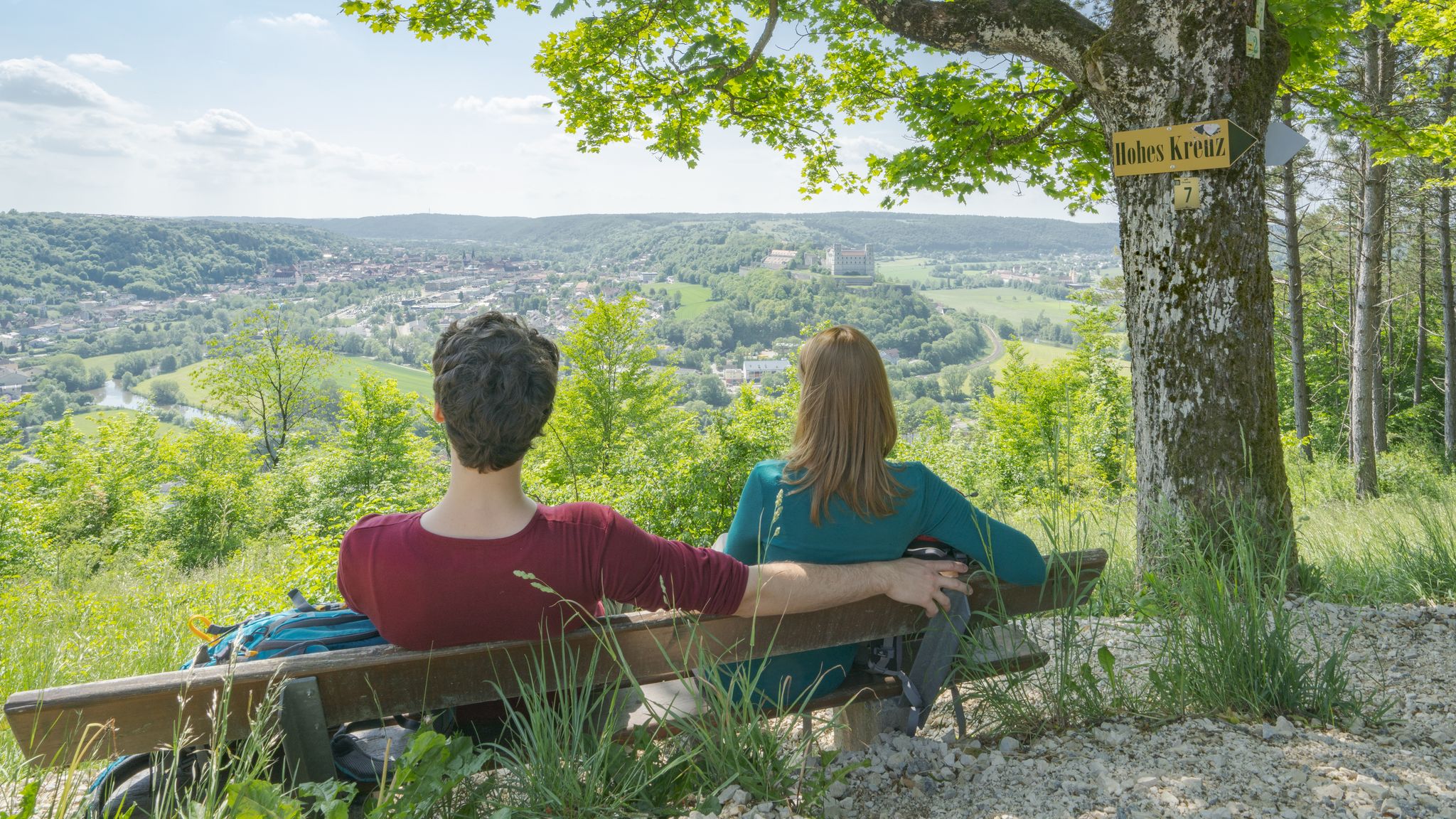
Pleasure, nature and culture – hiking around the Franconian towns
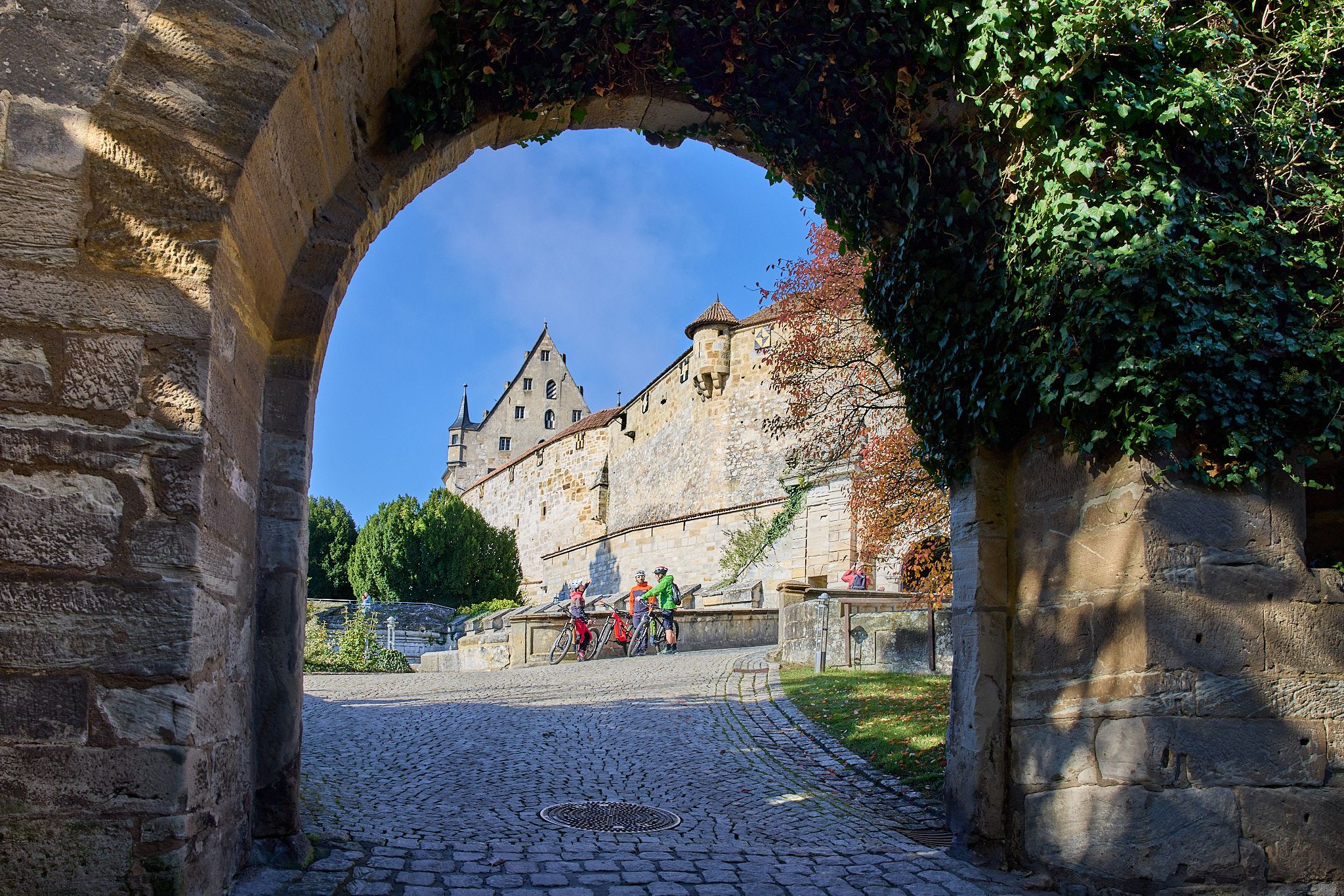
Fun, nature, and culture – cycling around the Franconian cities
Other adventures around Forchheim


Tips from the Community

The pilgrimage church of the Holy Trinity is the landmark of Gößweinstein. This monumental church, whose two towers majestically greet the country, together with its pilgrimage forms the religious center of Franconian Switzerland. Thousands of pilgrims come to this place of worship every year. In addition, the basilica is the destination of many art lovers and tourists. After all, the church, built between 1730 and 1739, is one of the most important creations of late Baroque architecture in Franconia and is considered a sacred masterpiece by the great architect Balthasar Neumann.
24
1

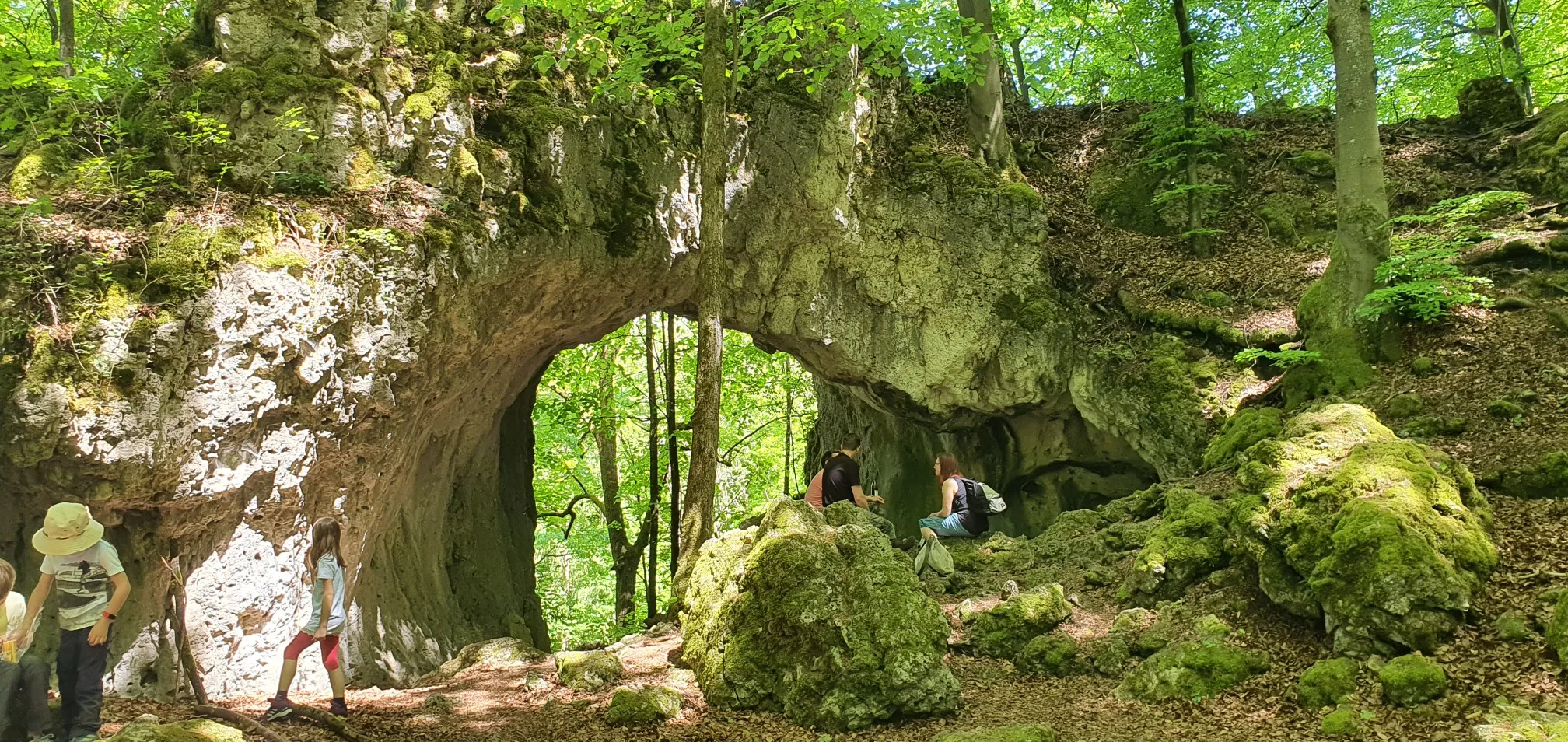
The Quackenschloss is a passage cave about 18 meters long. It is the remains of a very old and high-lying cave system. The rock wall has a patchy appearance due to the weathering of individual shells. The cave probably gets its name from this rock composition. The type of stone with holes in it (smokewacke) is called quacke here. The oblique oval shape of the cave is determined by two longitudinal fissures and two diagonally sloping bank joints. Two larger fissures cross the passage. One portal is about 7 meters wide and 2.5 meters high, the other, divided by a rock pillar, is about 9 meters wide and 5 meters high. The cave is registered as C 4 in the Franconian Alb Cave Register (HFA). It has been designated by the Bavarian State Office for the Environment as an important geotope (474R060)[1] and as a natural monument (ND-04580). The cave, which is easily accessible via hiking trails, is one of the most frequently visited destinations in the Franconian Jura, also because of its scenic location. There is a sport climbing area next to the cave. Source: Wikipedia
19
0
The Quackenschloss is a cave ruin, the remains of which belong to a very high (505 meters) and therefore very old cave system. The rock grotto, which is about three meters high and six meters wide, is open on two sides and can be safely entered from the east side. In the gallery cave, which takes its name from the enclosed fossils, the so-called Quacken, the remains of a 17-meter-long cave system can be explored.
17
0

A small steep path leads to the roof of the Quakenschloss. Great view from above.
14
0
The Oswald cave is a passage cave that can be crossed effortlessly.
19
0
There is a bench just below the tower. Ideal for snacks.
15
0

The Oswald cave is a beautiful passage cave, you should take a flashlight with you because of the height, it is accessible all year round.
21
1

With its new (built in 2012), 12-meter-high observation tower, the Hohe Kreuz – the highest point of the "hollow mountain" (522 + 12 m) – is now on par with the Adlerstein in height. The view extends over 270° from the Wiesent Valley with the Neideck, across the Aufseß Valley, to the Ochsenkopf in the Fichtel Mountains, and eastward into the Upper Palatinate region – on a clear day! https://www.fraenkische-schweiz.com/detail/id=5f5773735f7f9b38066ef2d9
16
0
Frequently Asked Questions
What historical landmarks can I explore in Forchheim?
Forchheim boasts a rich history. You can visit the Kaiserpfalz (Imperial Palace) & Pfalzmuseum, a 14th-century castle housing four specialized museums, including the Archaeological Museum of Upper Franconia. The Rathaus (Town Hall) is a beautiful half-timbered building, and St. Martin's Church features Romanesque and Gothic elements. Don't miss the remnants of the historical fortifications, such as the Nuremberg Gate and the Heritage Museum "Rote Mauer".
Are there any unique natural features or viewpoints near Forchheim?
Yes, Forchheim is the gateway to Franconian Switzerland, offering many natural wonders. Explore the Oswald Cave, a fascinating passage cave near Muggendorf. Another highlight is the Ruins of Neideck Castle, where you can climb the main tower for panoramic views of the Wiesenttal. The Lillach Tufa Terraces are also a popular natural spot with unique sinter formations.
What outdoor activities are available around Forchheim?
The region around Forchheim is ideal for outdoor enthusiasts. You can enjoy hiking, cycling, and mountain biking. For example, there are numerous routes for gravel biking and cycling through Franconian Switzerland, as well as dedicated MTB trails. The Regnitz River also offers opportunities for water sports like canoeing and stand-up paddling.
Are there family-friendly attractions or activities in the Forchheim area?
Many attractions around Forchheim are suitable for families. Exploring passage caves like Oswald Cave or Quackenschloss can be an exciting adventure for children. The Ruins of Neideck Castle also offer an engaging historical experience with great views. For a relaxing time, the Forchheim City Park provides a peaceful space with exotic trees.
What is the best time of year to visit Forchheim for outdoor activities?
The best time for outdoor activities in Forchheim and Franconian Switzerland is generally from spring to autumn (April to October). During these months, the weather is pleasant for hiking, cycling, and exploring natural sites. The region also hosts various festivals, such as the annual Annafest in summer, adding to the vibrant atmosphere.
Where can I experience Forchheim's famous beer culture?
Forchheim is renowned for its lively beer culture. You can visit the Kellerwald (Cellar Forest), which features 23 traditional beer cellars, making it a popular spot for locals and visitors. The city is home to three family-run breweries and is part of the Franconian Beer Route. Consider taking the self-guided Walk of Beer Tour to explore local breweries and learn about brewing traditions.
Are there any significant religious sites to visit near Forchheim?
Yes, the region features notable religious architecture. The Basilica of the Holy Trinity in Gößweinstein is a monumental church built by Balthasar Neumann and a significant pilgrimage site, considered a masterpiece of late Baroque architecture. Within Forchheim, St. Martin's Church and the small Gothic Spitalkirche St. Katharina are also worth visiting.
What are some less crowded natural spots or hidden gems around Forchheim?
While popular sites are wonderful, you might find tranquility at the Quackenschloss, a fascinating passage cave that is also an important geotope. The Forchheim City Park offers a serene escape with unique trees. For hiking, exploring the lesser-known trails around the Walberla and Rodenstein can lead to peaceful moments and stunning views away from the main tourist paths.
Can I find easy hiking trails suitable for beginners or families with strollers?
Yes, Franconian Switzerland offers a range of trails. While some routes can be challenging, you can find easier paths suitable for beginners, especially along the Regnitz River or within the Forchheim City Park. For families with strollers, look for paved or well-maintained paths, particularly around the flatter sections of the Wiesenttal or designated nature walks.
What is the 'Walberla' and how can I visit it?
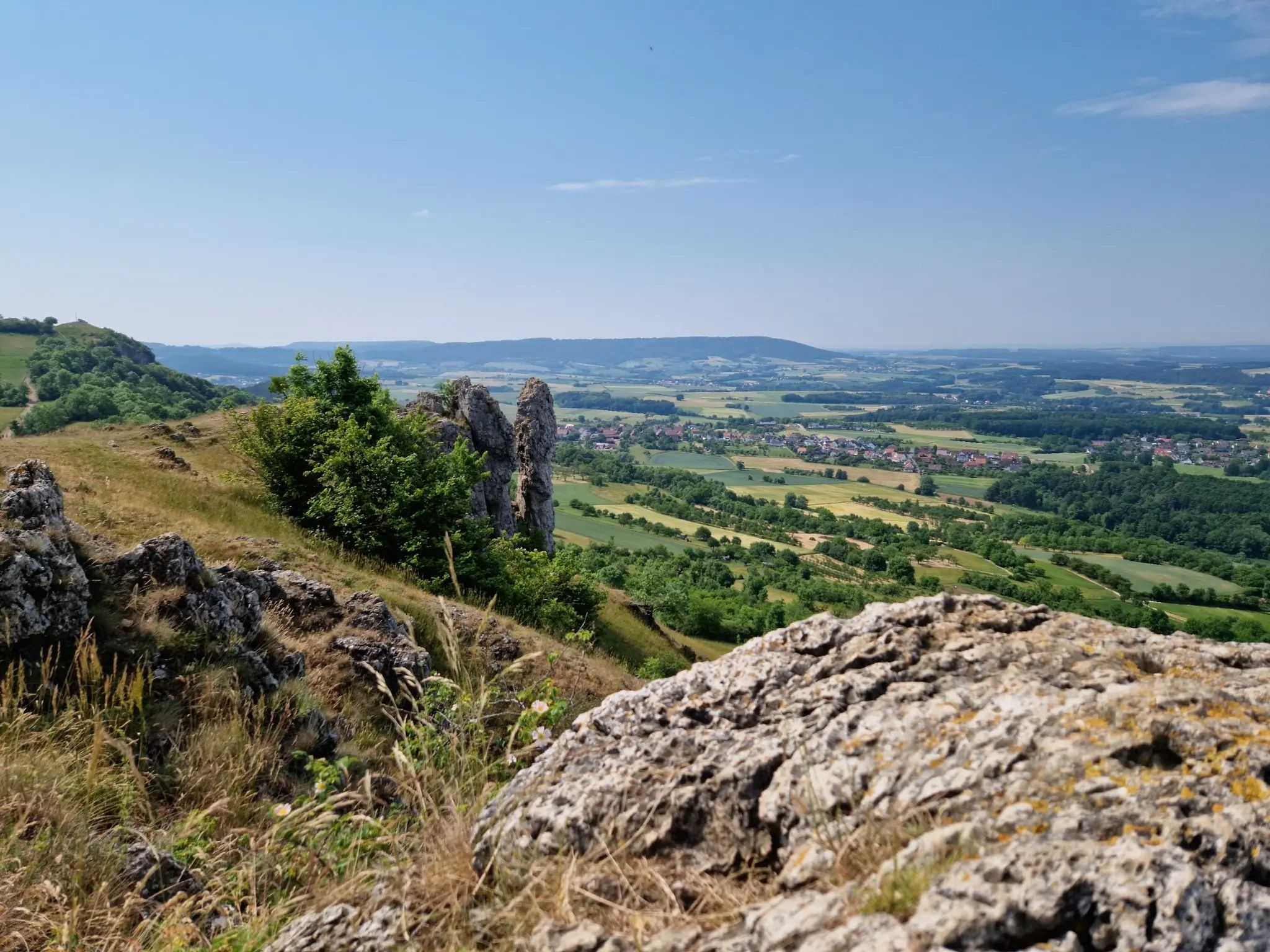
The Walberla, officially part of the Ehrenbürg mountain, is a prominent landmark in Franconian Switzerland, known for its distinctive twin peaks. You can visit the St. Walburga's Chapel and Statue on the Walberla Plateau, which offers expansive views. It's a popular hiking destination, and various trails lead to the summit, providing scenic vistas of the surrounding landscape.
What kind of views can I expect from viewpoints in the Forchheim area?
The viewpoints around Forchheim offer diverse and stunning panoramas. From the Ruins of Neideck Castle, you'll get sweeping views of the Wiesenttal. The Walberla Plateau provides extensive vistas over the Franconian Alb foothills. Other spots like the View over the Wiesent Valley and the Hohes Kreuz Observation Tower also promise picturesque landscapes of rolling hills, valleys, and rock formations.
Are there any unique historical houses or architecture in Forchheim's Old Town?
Forchheim's Old Town is famous for its charming half-timbered houses and narrow cobblestone streets. A particularly unique example is the "Schiefes Haus" (Leaning House - Kammerers Mühle), built in 1697, which is notable for its visible lean towards the Wiesent river. The Rathaus (Town Hall) itself is a masterpiece of half-timbered construction from the 14th to 16th centuries.
Most popular routes around Forchheim
Most popular attractions around Forchheim

Get inspired with the komoot mobile app


Didn’t find what you were looking for?
Are you keen on exploring more awesome places nearby? Browse our guides:
Explore more
Still not found the Highlight you’re looking for? See guides of the top attractions in other regions:
