Top 20 Natural Monuments around Forchheim
Best natural monuments around Forchheim are found within a diverse landscape characterized by karst formations, river valleys, and forested hills. The region offers numerous geological features and scenic viewpoints, making it a destination for outdoor exploration. Many of these natural monuments are easy to visit near Forchheim, providing accessible options for various activity levels. The area's natural beauty is a significant draw for visitors seeking to experience the Franconian Alb.
Best natural monuments around Forchheim
- The most popular natural monuments…
Last updated: August 19, 2026
Oswald Cave
Highlight • Cave
Translated by Google •
Tip by

Quackenschloss
Highlight • Cave
Translated by Google •
Tip by

Sign up now to discover places like this
Get recommendations on the best single tracks, peaks, & plenty of other exciting outdoor places.
Sign up for free
Ruins of Neideck Castle
Highlight • Castle
Translated by Google •
Tip by

St. Walburga's Chapel and Statue, Walberla Plateau
Highlight • Religious Site
Translated by Google •
Tip by

Riesenburg Collapse Cave
Highlight • Cave
Translated by Google •
Tip by
View over the Wiesent Valley
Highlight • Viewpoint
Translated by Google •
Tip by

Lillach Tufa Terraces
Highlight • Waterfall
Translated by Google •
Tip by

Rodenstein
Highlight • Summit
Translated by Google •
Tip by
Lillach Spring
Highlight • Natural
Translated by Google •
Tip by
View of the Wiesent Valley from the Walberla
Highlight • Viewpoint
Translated by Google •
Tip by

Sign up for free to discover even more natural monuments around Forchheim.
Sign up for free
Already have an account?
Start today with a free account
Your next adventure awaits.
Login or Signup
Popular around Forchheim
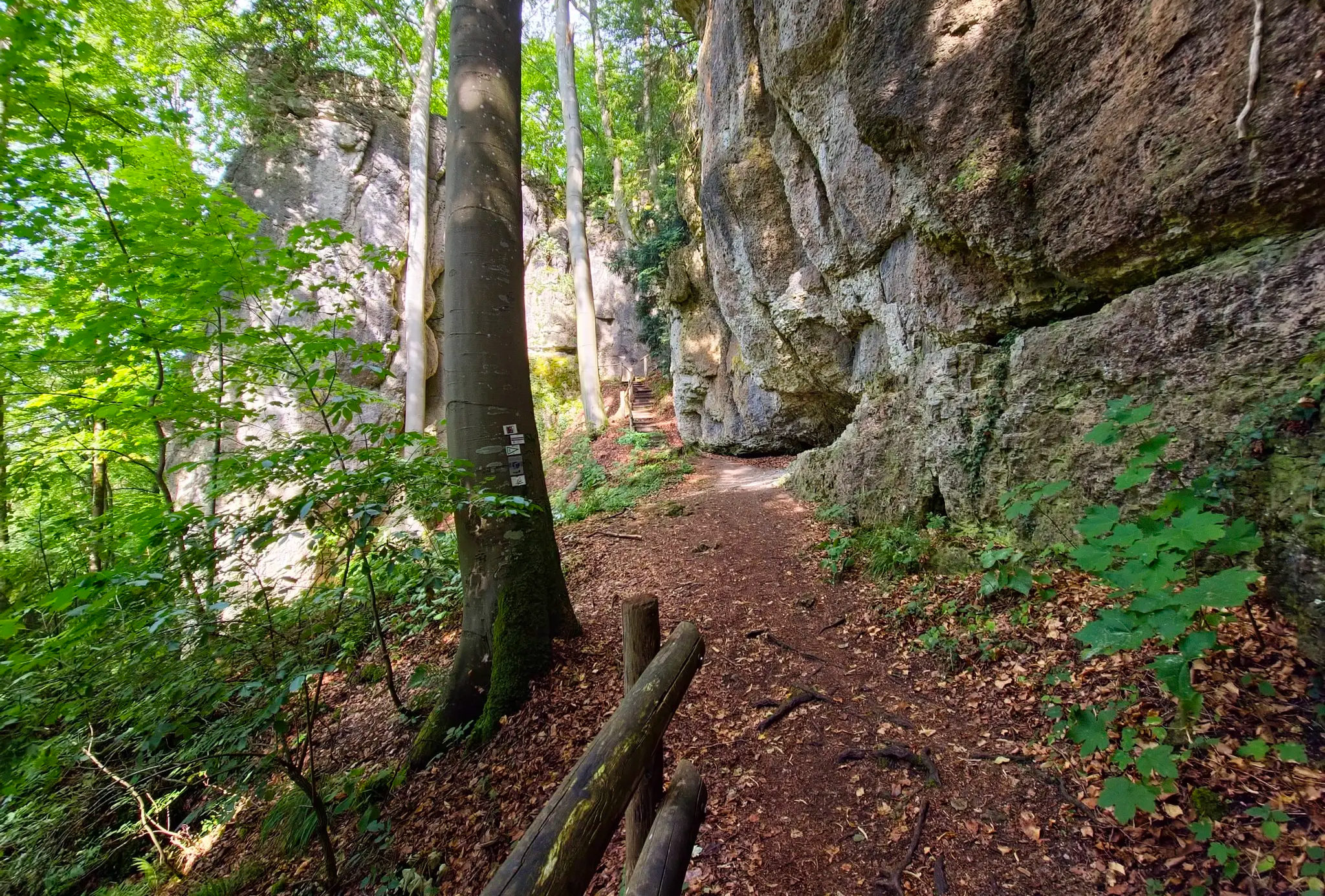
Ultratrail Fränkische Schweiz – 2 Days Burgen, Wälder, Trails
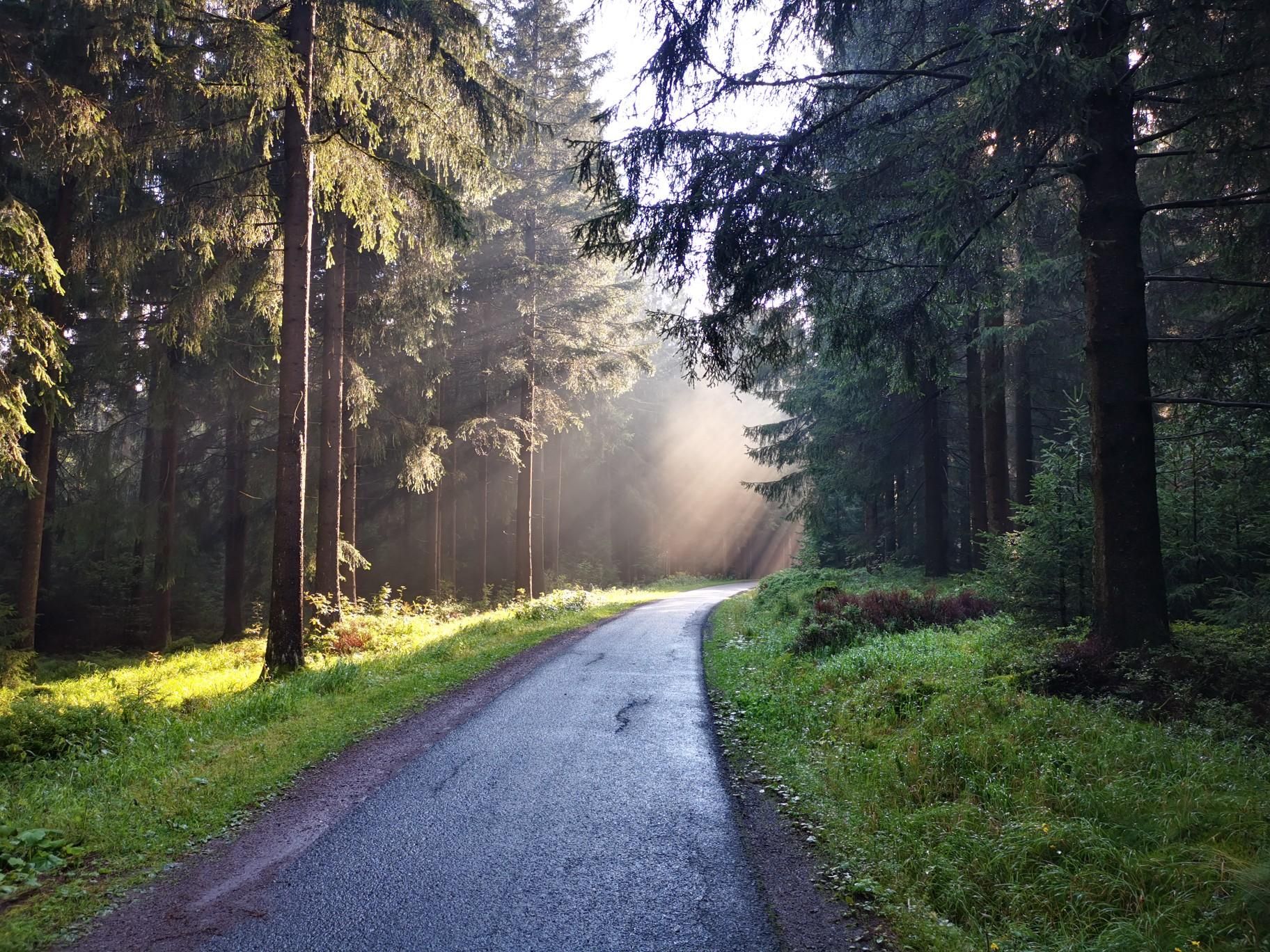
Nuremberg to Erfurt – Discover the German countryside by bike
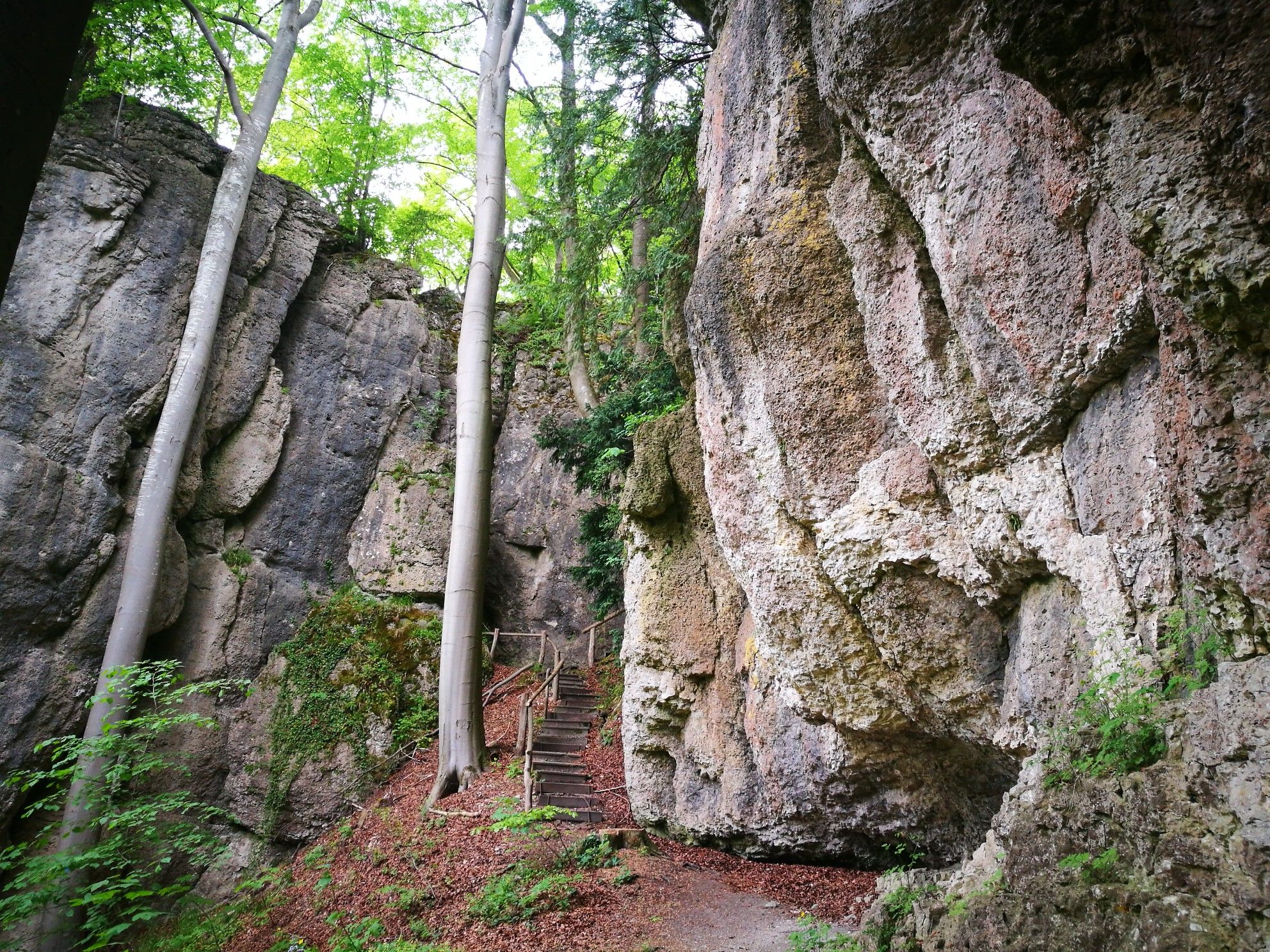
Forests, rocks and castles – 5-day circular through Franconian Switzerland
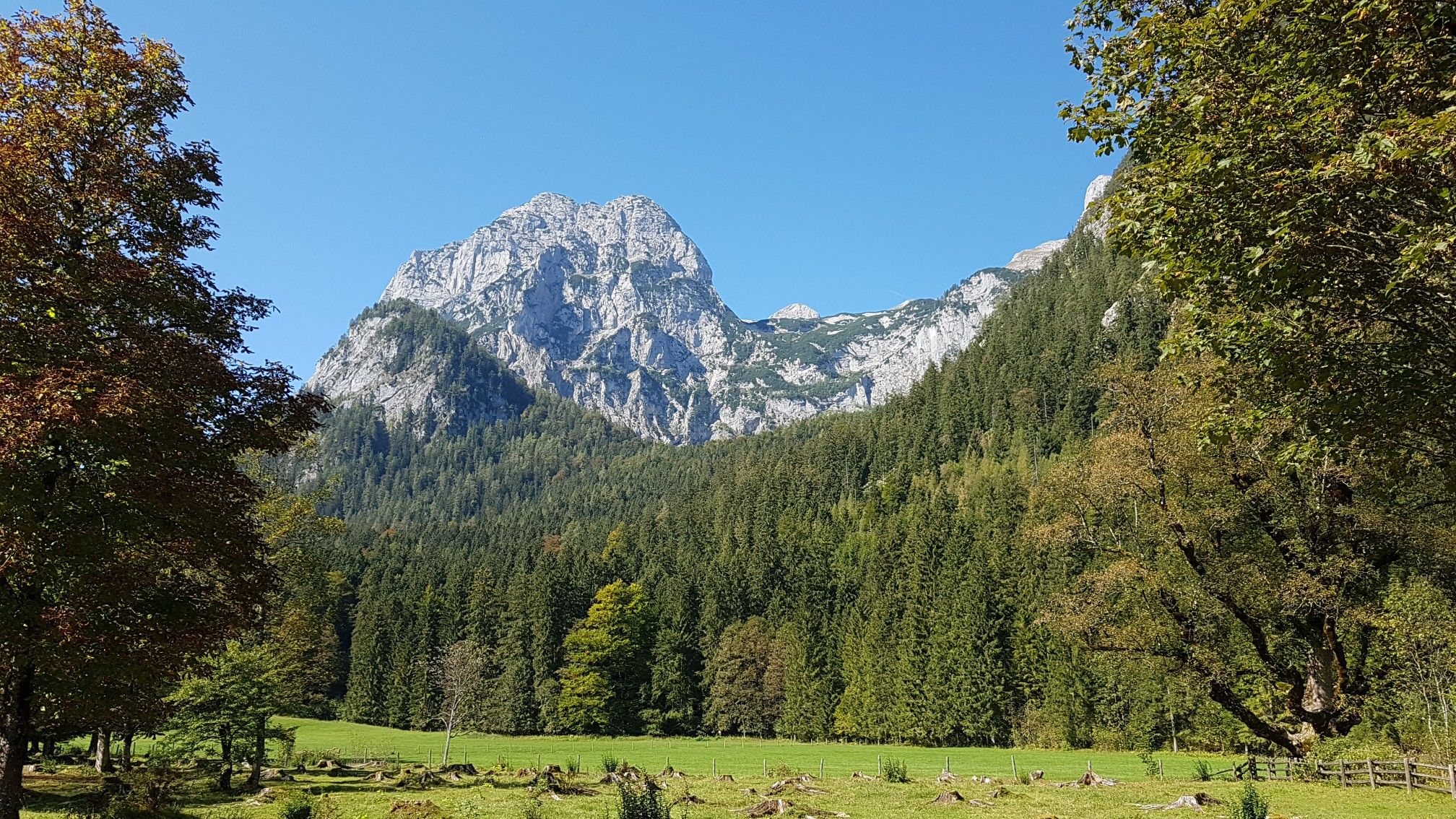
The National Natural Landscapes in Bavaria
From the metropolis to enjoyment – city hiking on the VGN
Fun hiking and wonderful views in Franconian Switzerland
Ten fantastic hikes throughout Germany
Catch the bus and train into nature – VGN Leisure Tips 2023
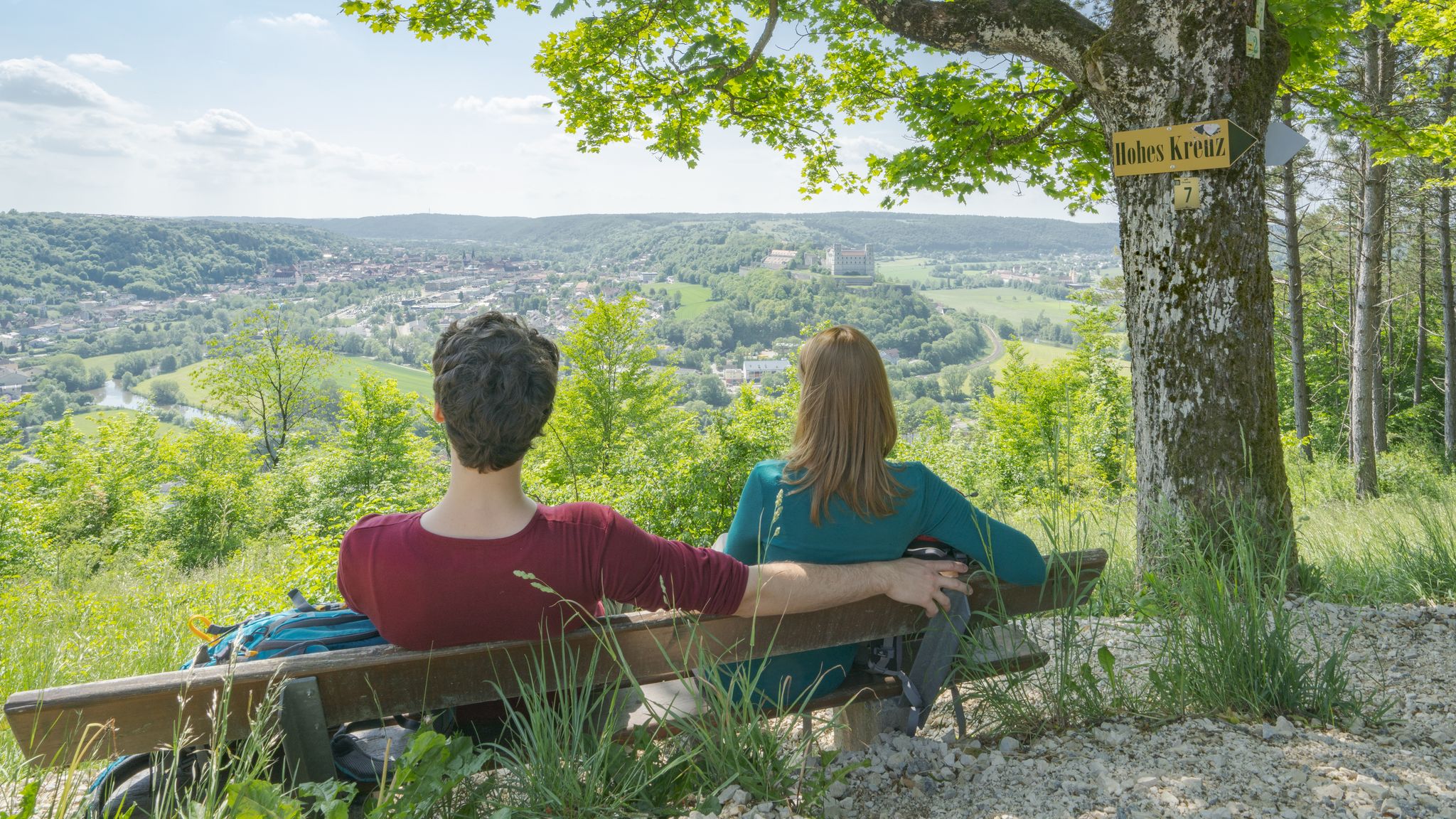
Pleasure, nature and culture – hiking around the Franconian towns
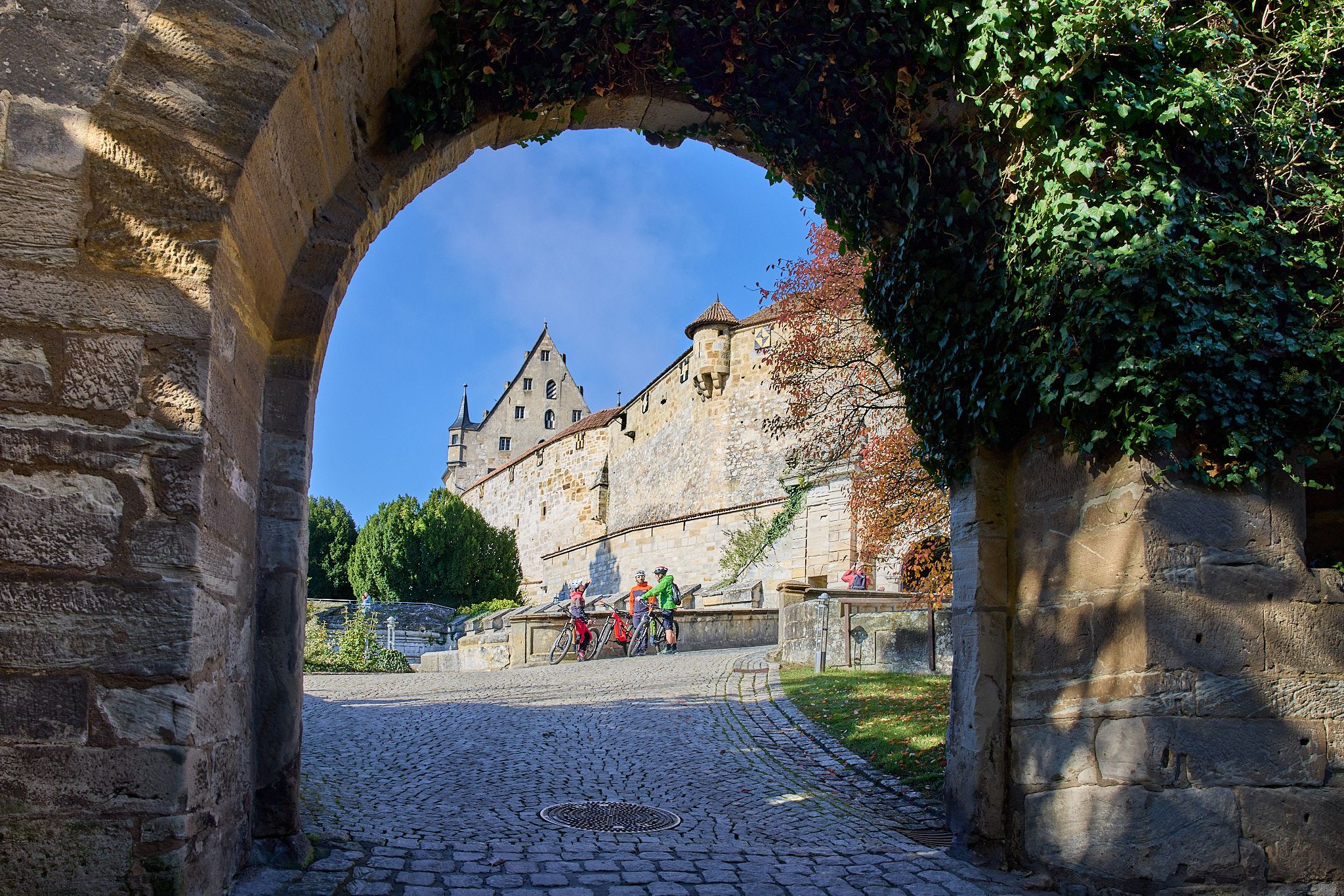
Fun, nature, and culture – cycling around the Franconian cities
Other adventures around Forchheim


Tips from the Community

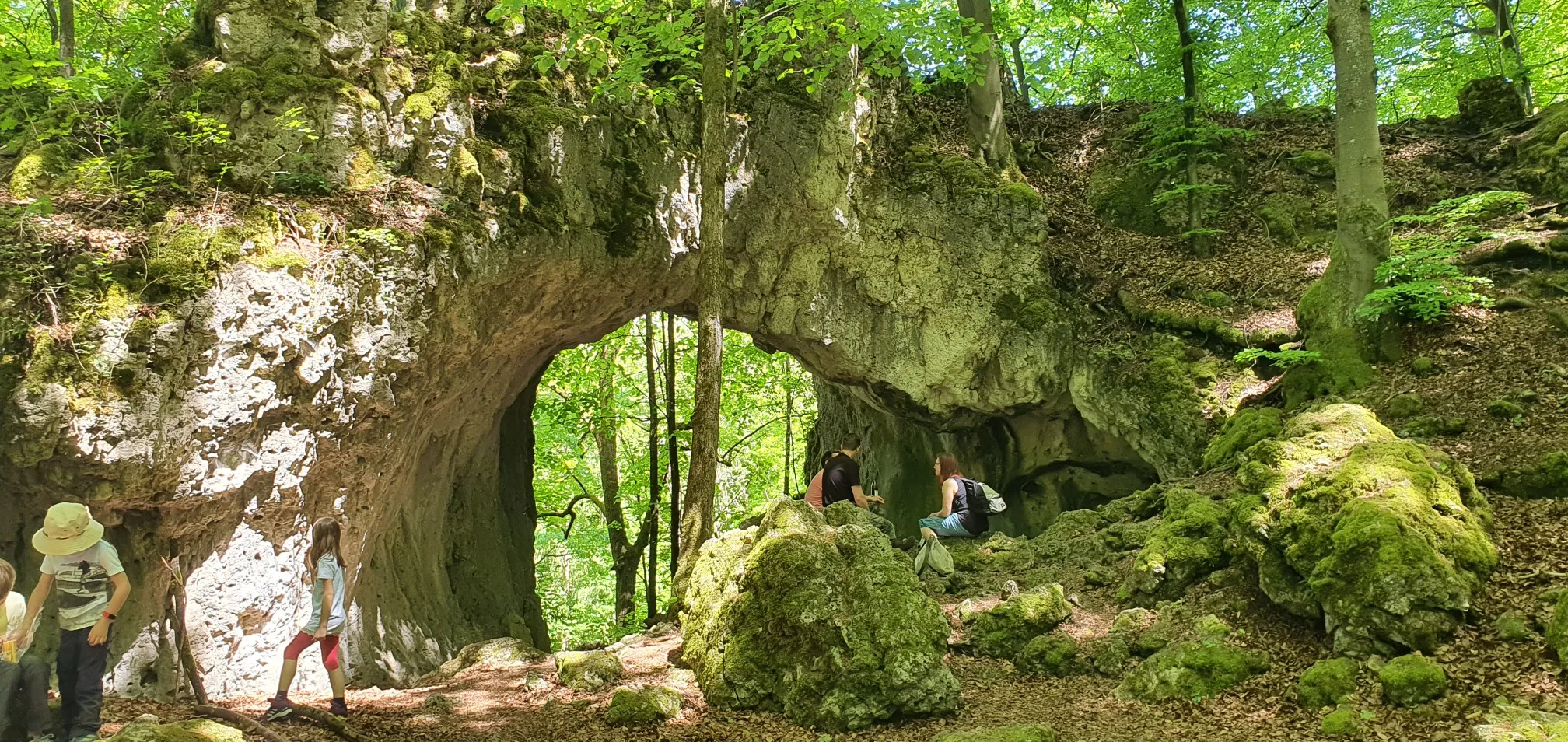
The Quackenschloss is a passage cave about 18 meters long. It is the remains of a very old and high-lying cave system. The rock wall has a patchy appearance due to the weathering of individual shells. The cave probably gets its name from this rock composition. The type of stone with holes in it (smokewacke) is called quacke here. The oblique oval shape of the cave is determined by two longitudinal fissures and two diagonally sloping bank joints. Two larger fissures cross the passage. One portal is about 7 meters wide and 2.5 meters high, the other, divided by a rock pillar, is about 9 meters wide and 5 meters high. The cave is registered as C 4 in the Franconian Alb Cave Register (HFA). It has been designated by the Bavarian State Office for the Environment as an important geotope (474R060)[1] and as a natural monument (ND-04580). The cave, which is easily accessible via hiking trails, is one of the most frequently visited destinations in the Franconian Jura, also because of its scenic location. There is a sport climbing area next to the cave. Source: Wikipedia
19
0

The Quackenschloss is a cave ruin, the remains of which belong to a very high (505 meters) and therefore very old cave system. The rock grotto, which is about three meters high and six meters wide, is open on two sides and can be safely entered from the east side. In the gallery cave, which takes its name from the enclosed fossils, the so-called Quacken, the remains of a 17-meter-long cave system can be explored.
17
0

A small steep path leads to the roof of the Quakenschloss. Great view from above.
14
0
The Oswald cave is a passage cave that can be crossed effortlessly.
19
0

The Oswald cave is a beautiful passage cave, you should take a flashlight with you because of the height, it is accessible all year round.
21
1

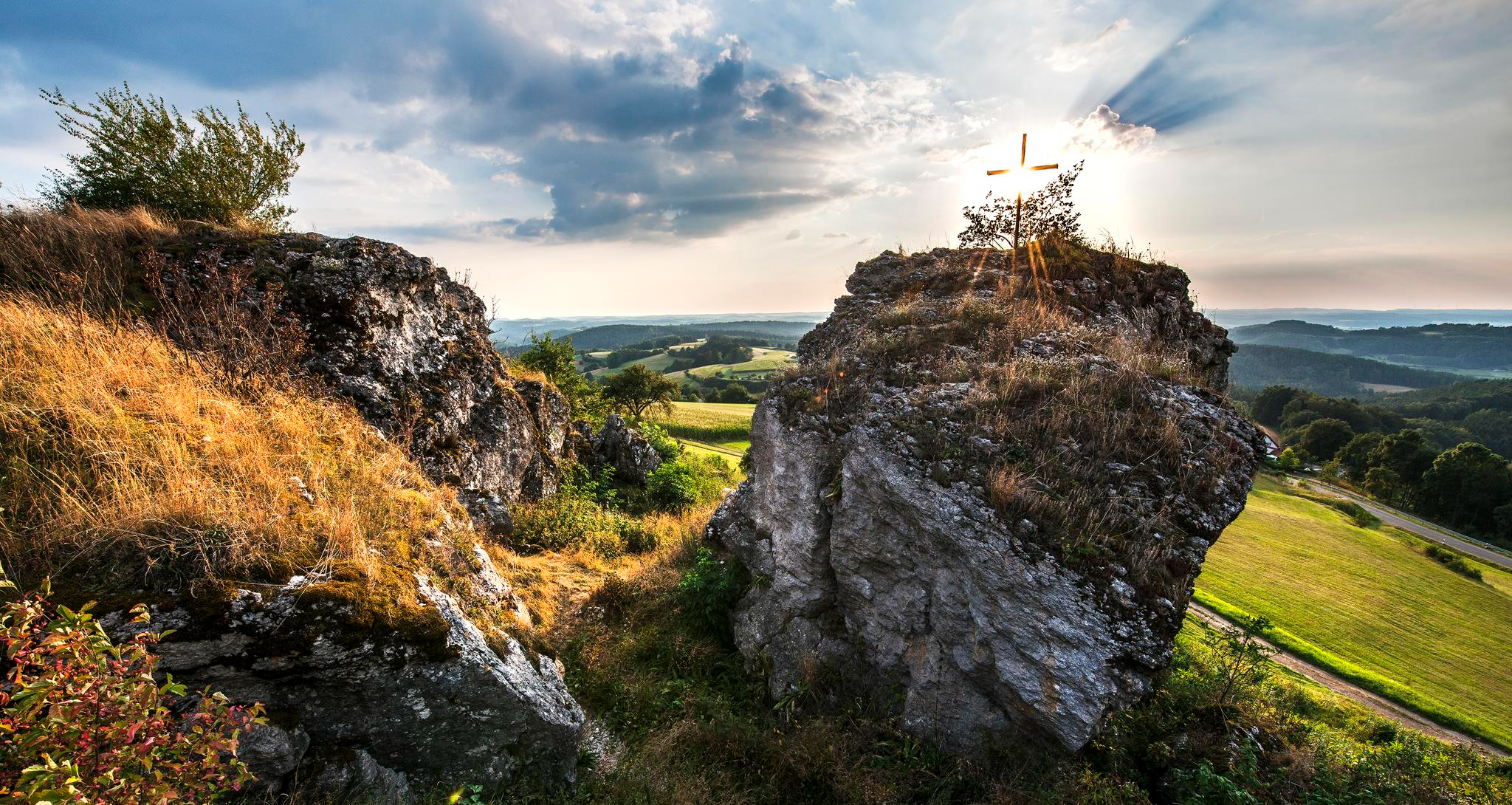
Statue of St. Walburga, Walberla High Plateau in the Ehrenbuerg Nature Reserve, Kirchehrenbach, Franconian Switzerland, Franconia
12
1
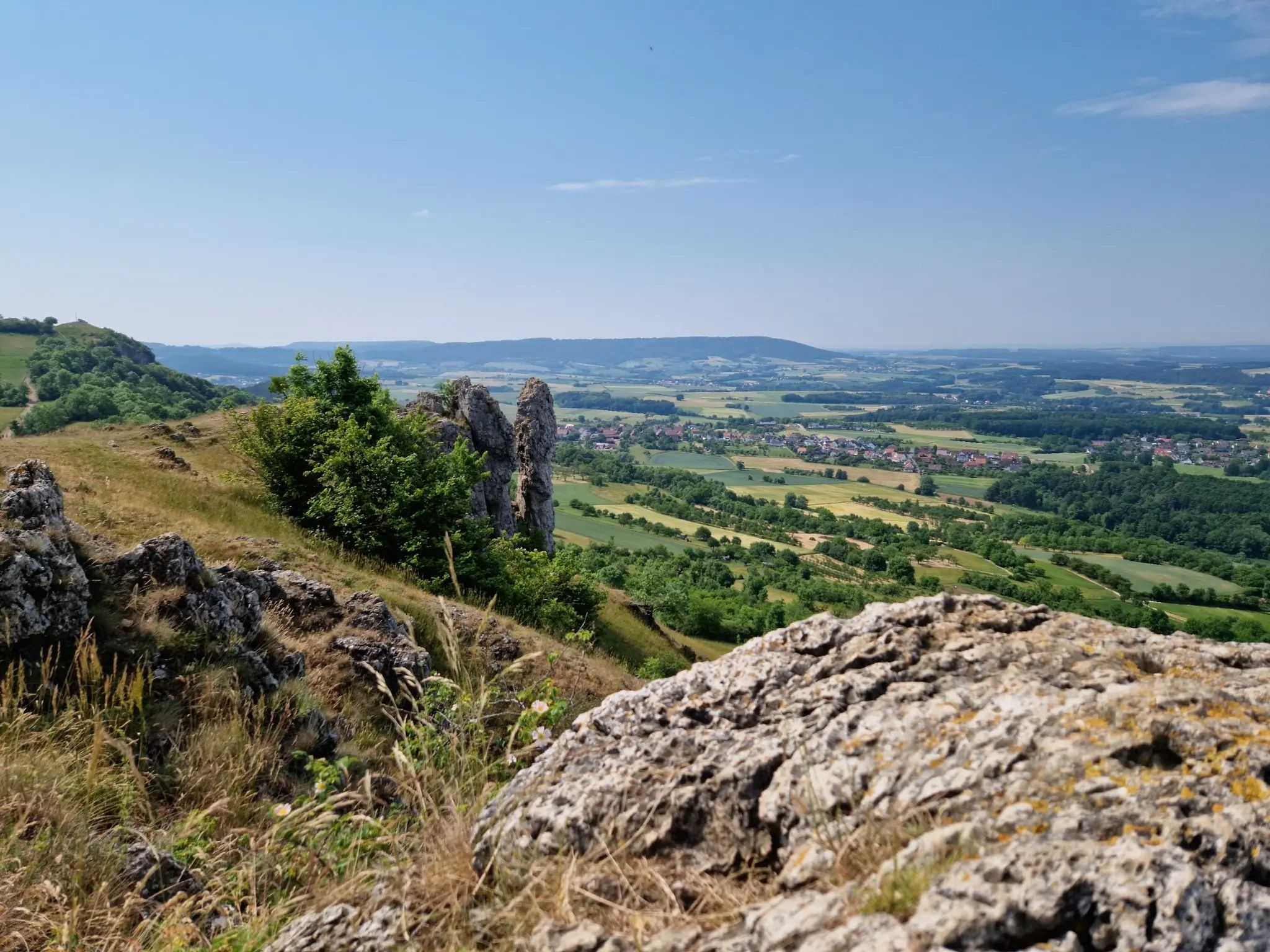
The Ehrenbürg is one of the most popular destinations in Franconian Switzerland. With its double dome, it is framed by the communities of Kirchehrenbach, Leutenbach and Wiesenthau. The Walberla is the northern peak of the mountain and is at around 513 m.
9
0
The Sankt-Walburgis-Chapel is the namesake of the "Walberla-Berg". The chapel was already built in the 17th century. It is dedicated to Saint Walburga. The chapel, which was probably first mentioned in 1350, was originally made of wood. The current chapel was built in 1697 by the Lords of Wiesenthau. The bronze statue of Saint Walburga, which stands in front of the chapel and was inaugurated in 2000, is very striking.
13
0
Frequently Asked Questions
Are there easy-to-visit natural monuments around Forchheim?
Yes, many natural monuments in the region are easily accessible. For instance, the Oswald Cave is a passage cave that can be crossed effortlessly. The Lillach Spring also offers a pleasant resting spot for hikers.
Which natural monuments around Forchheim are suitable for families?
Several natural monuments are great for families. The Quackenschloss, a karst cave, is considered family-friendly. The Lillach Spring is also noted as a fantastic playground for children, and the Ruins of Neideck Castle offer a lot to discover for all ages.
Are there wheelchair-accessible natural monuments or trails in the Forchheim region?
Yes, the St. Walburga's Chapel and Statue on the Walberla Plateau is listed as wheelchair accessible, offering a viewpoint and historical site.
What kind of natural features can I expect to see around Forchheim?
The region is characterized by diverse natural features, including numerous karst formations like caves and springs, river valleys, and forested hills. You can explore geological formations such as the Oswald Cave and Quackenschloss, or the unique Lillach Tufa Terraces.
Are there historical sites among the natural monuments?
Yes, many natural monuments in the Forchheim area also have historical significance. For example, the Ruins of Neideck Castle is a landmark of Franconian Switzerland with a rich history. The Ruins of Streitburg Castle also offers historical insights and fantastic views.
What outdoor activities can I do near these natural monuments?
The area around Forchheim offers a variety of outdoor activities. You can find numerous MTB trails, running trails, and cycling routes. Many of these routes pass by or are close to natural monuments, allowing you to combine your visit with an active outdoor experience.
Are there hiking trails near the natural monuments around Forchheim?
Absolutely. The region is excellent for hiking. You can find many trails, including those that lead to or past natural monuments. For example, the 'Oswald Cave – Shell Spring loop from Leutzdorf' is a challenging running trail that includes the Oswald Cave. For more options, explore the running trails around Forchheim.
What do visitors enjoy most about the natural monuments in Forchheim?
Visitors particularly appreciate the diverse geological formations, scenic viewpoints, and the opportunity for outdoor exploration. Highlights like the Oswald Cave are praised for their exciting passage, while the Lillach Spring is loved as a beautiful resting spot. The scenic location of places like Quackenschloss also makes them popular destinations.
Are there natural monuments with good viewpoints in the Forchheim area?
Yes, the region offers several natural monuments with excellent viewpoints. The Ruins of Neideck Castle provides a great panorama, and the View over the Wiesent Valley is a dedicated viewpoint highlight. The Rodenstein Summit also offers expansive views.
Can I find hidden natural gems or less-known spots around Forchheim?
While many natural monuments are well-known, the region's extensive network of trails and diverse landscape means there are always less-traveled paths. Exploring areas beyond the most popular highlights can lead to discovering quieter spots and unique natural formations. The Riesenburg Collapse Cave, for example, is a significant natural monument that might offer a different experience.
What is the best time of year to visit the natural monuments around Forchheim?
The natural monuments around Forchheim are beautiful year-round. Spring brings lush greenery and blooming flowers, while summer is ideal for longer explorations. Autumn offers stunning fall foliage, and winter can provide a serene, quiet experience, especially for those interested in winter hiking.
Is parking available at natural monuments in Forchheim?
For many popular natural monuments and trailheads in the Forchheim region, you will find designated parking areas nearby. However, it's always a good idea to check specific location details or local signage, especially during peak seasons, as availability can vary.
Most popular routes around Forchheim
Most popular attractions around Forchheim

Get inspired with the komoot mobile app


Didn’t find what you were looking for?
Find even more amazing natural monuments around Forchheim by checking out the top Highlights region by region:
Explore more
Extend your search for the best caves by checking out these guides of the top ones around Forchheim:
