Attractions and Places To See around Dülmen - Top 20
Best attractions and places to see around Dülmen are located in the heart of Münsterland, Germany. This region is characterized by rolling hills, green meadows, and significant natural features. Dülmen offers a diverse range of attractions, encompassing notable landmarks and expansive natural areas. It serves as a starting point for various outdoor activities, particularly cycling and hiking.
Best attractions and places to see around Dülmen
- The most popular attraction is Vischering Castle, a castle that houses a museum and a café. Founded as a fortress in the 13th century, it is one of the moated castles of Lüdinghausen.
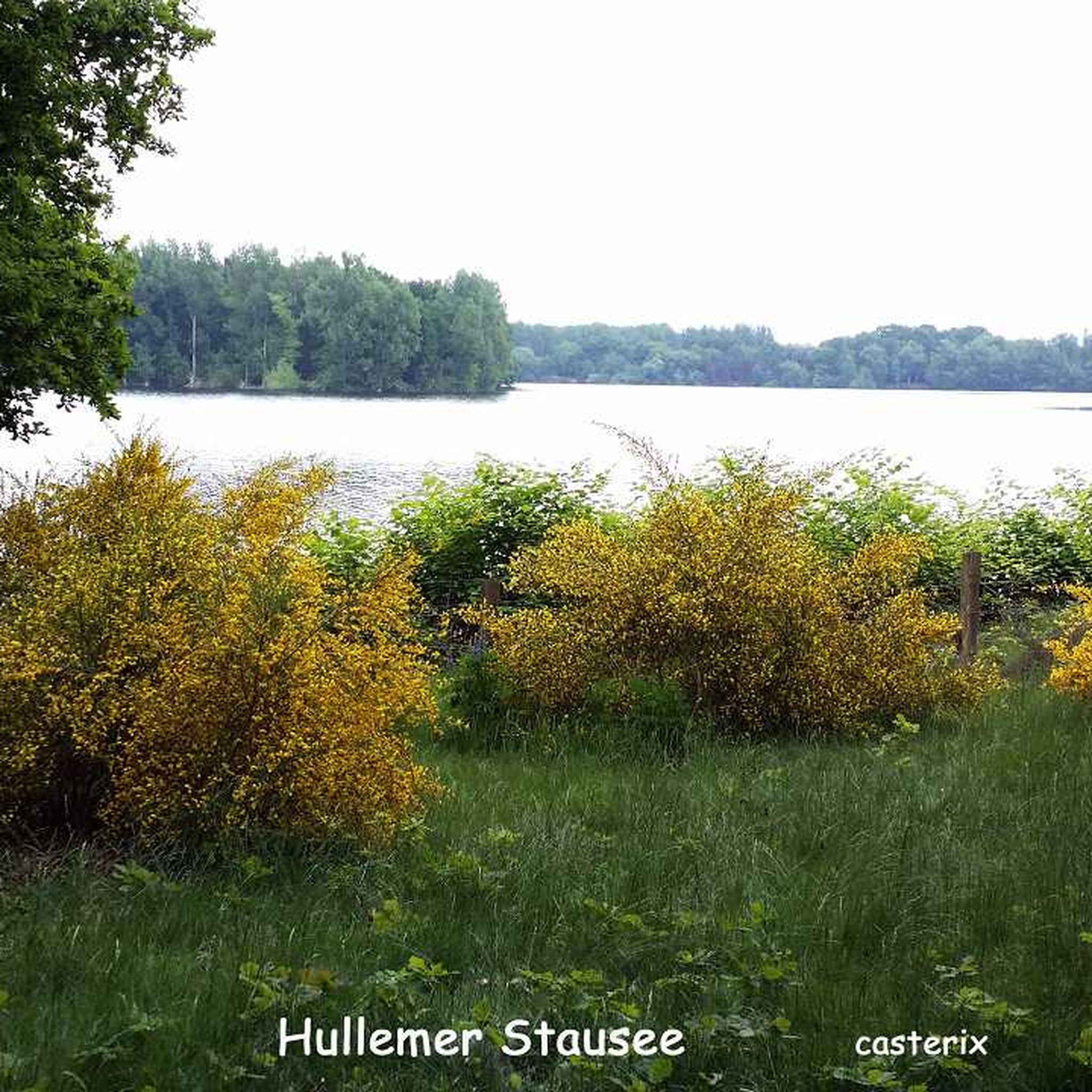
- Another must-see spot is Hullerner Reservoir, a lake that is often less crowded than the Halterner Reservoir. Visitors can enjoy the peaceful surroundings and combine it with a tour of the Halterner Reservoir.
- Visitors also love Westruper Heath, a natural area known for its heathland. This approximately 90-hectare heath is ideal for hikes of varying lengths, with numerous benches inviting visitors to linger.
- Dülmen is known for its historical sites, natural reserves, and extensive cycling and hiking paths. The region offers a variety of attractions, from ancient castles to expansive heathlands and reservoirs, providing diverse exploration opportunities.
- The attractions around Dülmen are appreciated by the komoot community, with more than 4000 upvotes and over 300 photos shared.
Last updated: October 10, 2026
Halterner Reservoir
Highlight • Lake
Translated by Google •
Tip by

North Shore Trail at the Halterner Reservoir
Highlight (Segment) • Trail
Translated by Google •
Tip by

Sign up now to discover places like this
Get recommendations on the best single tracks, peaks, & plenty of other exciting outdoor places.
Vischering Castle
Highlight • Castle
Translated by Google •
Tip by

Hullerner Reservoir
Highlight • Lake
Translated by Google •
Tip by

Westruper Heide (West)
Highlight • Natural
Translated by Google •
Tip by

Sign up for free to discover even more attractions around Dülmen.
Already have an account?
Start today with a free account
Your next adventure awaits.
Popular around Dülmen
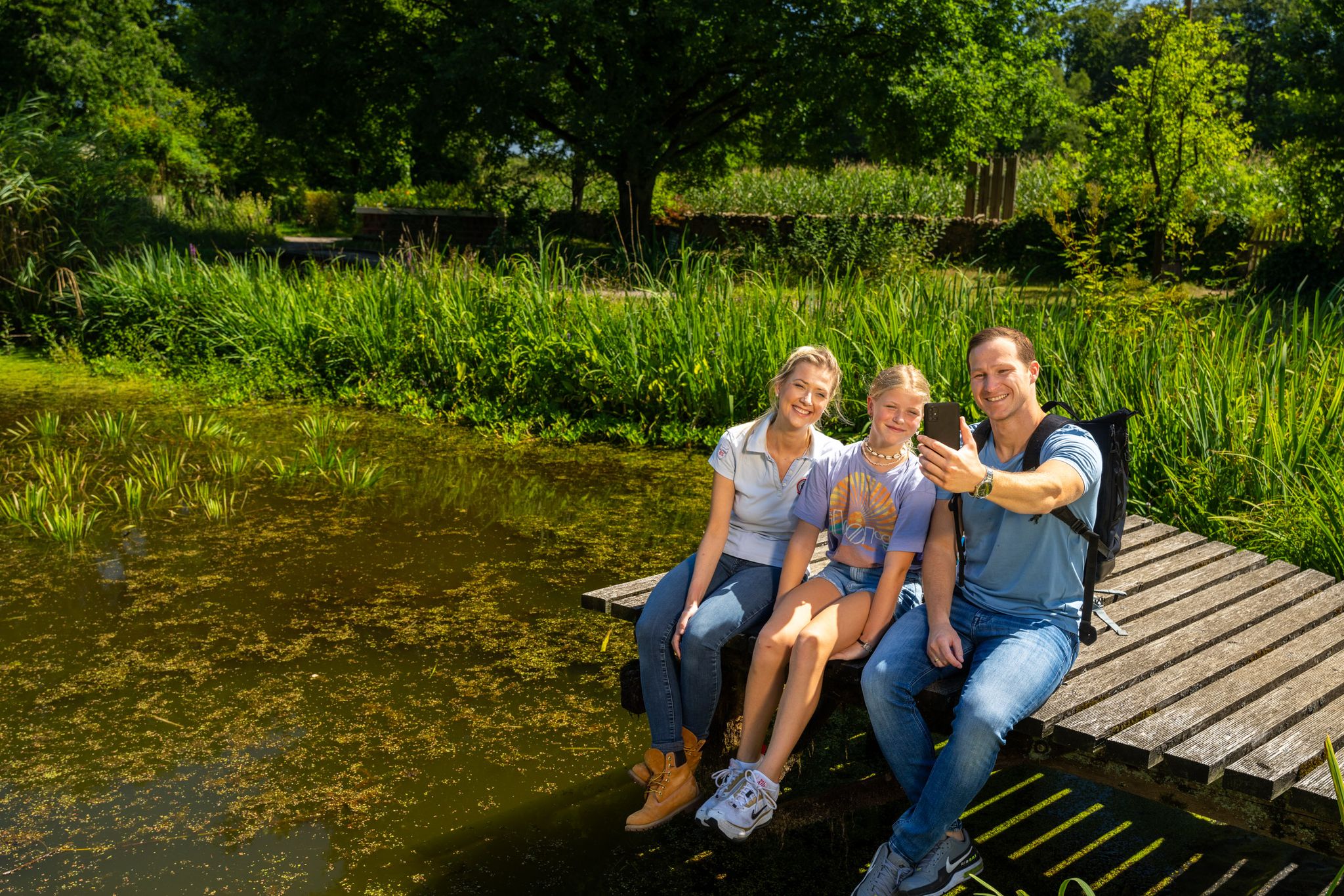
Hiking and discoveries – family walks in the Hohe Mark Nature Park
Forests, water & wildlife – cycling Tours in the Hohe Mark Nature Park
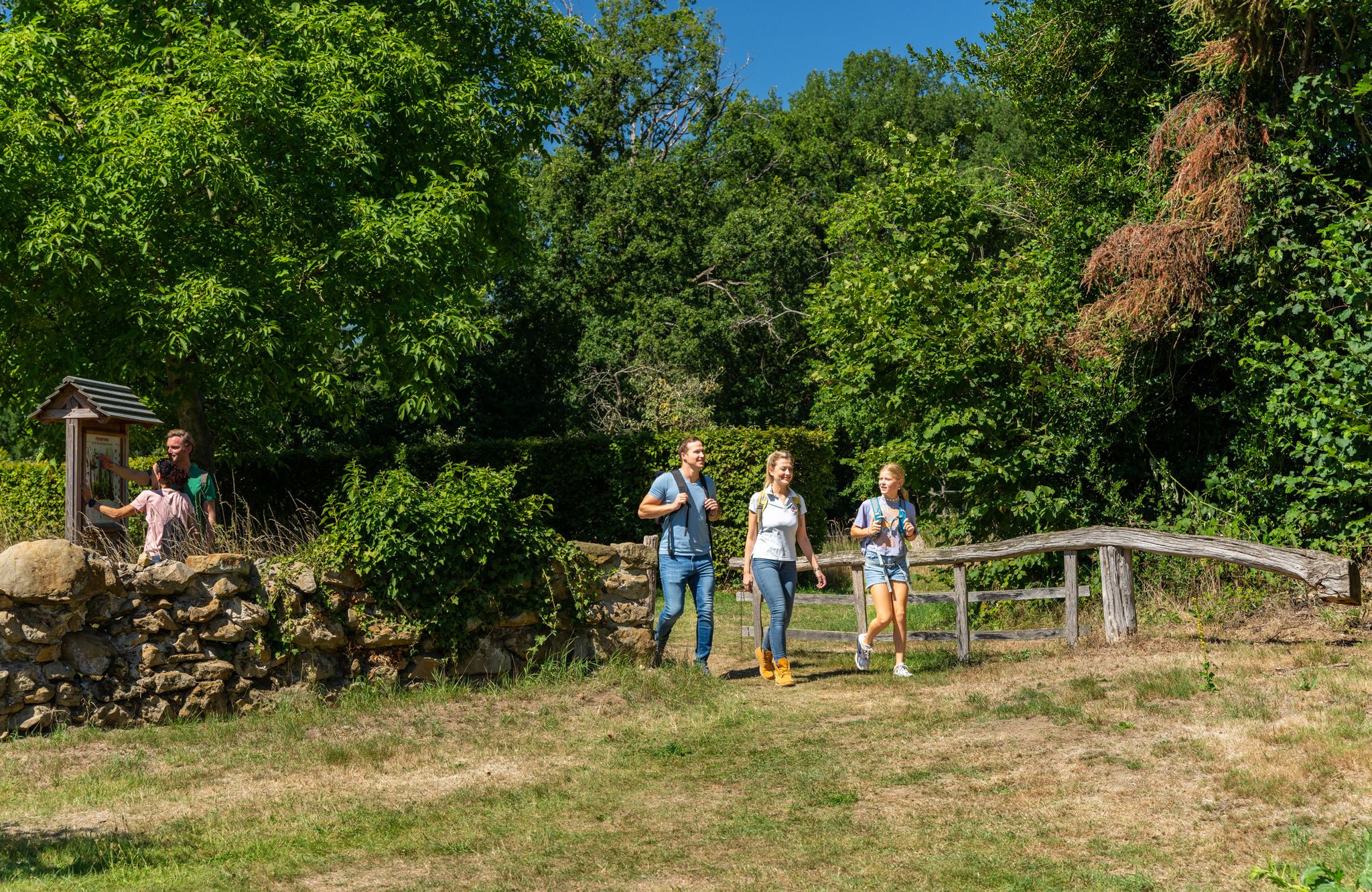
LandStreifer – circular hiking trails to Germany’s Hohe Mark Steig
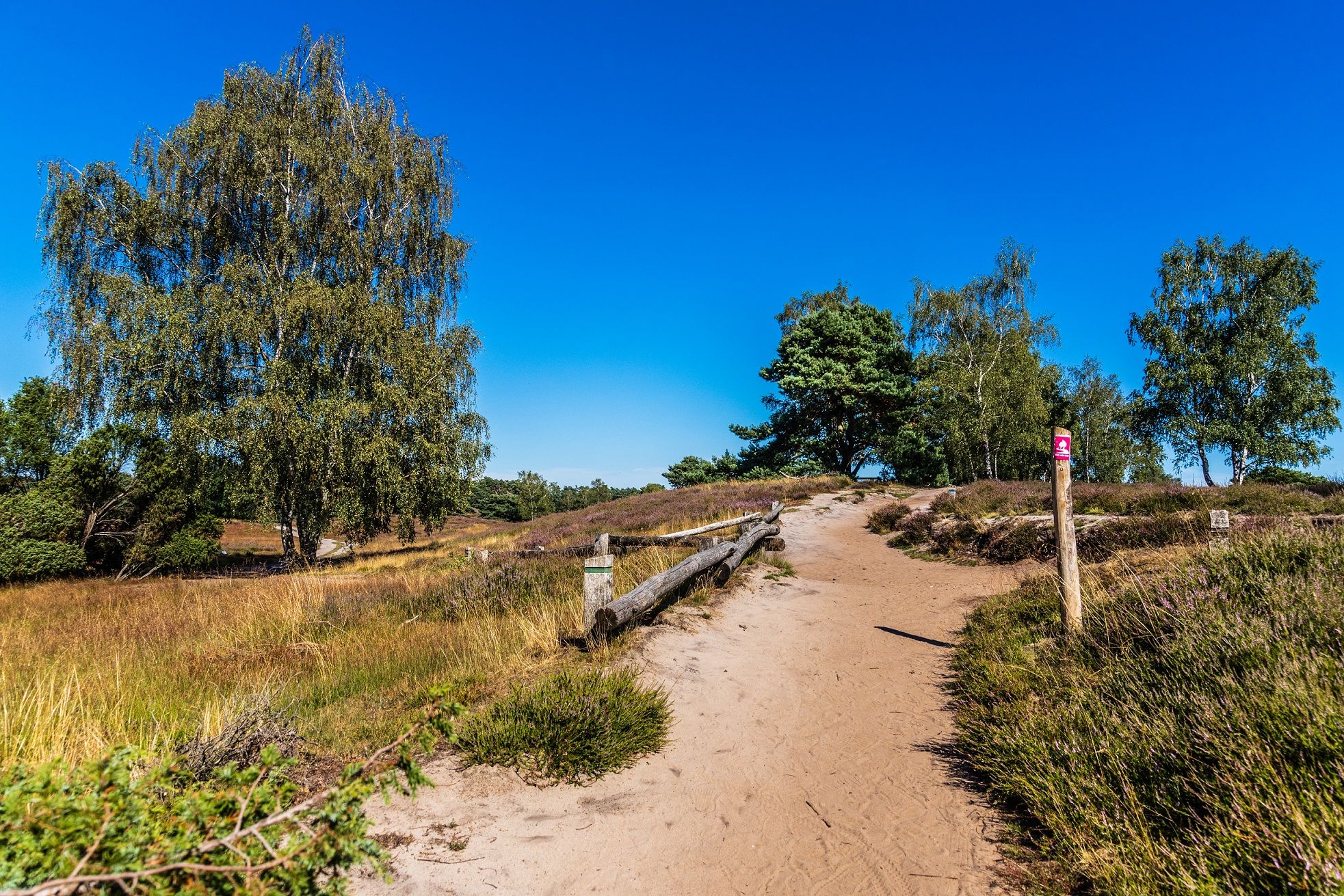
Your bond with nature — Germany’s Hohe Mark Steig
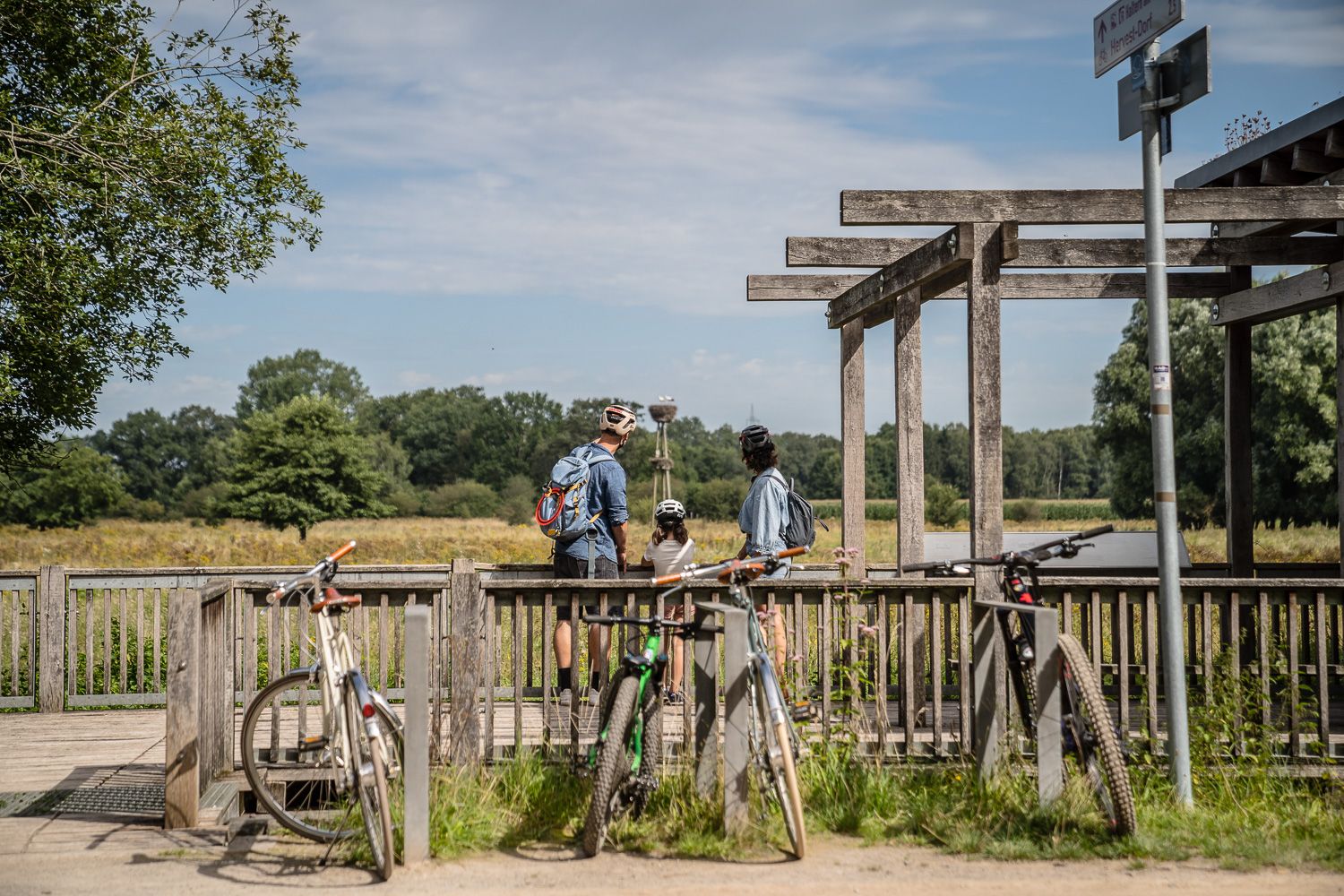
Day Tours on the Hohe Mark cycle route
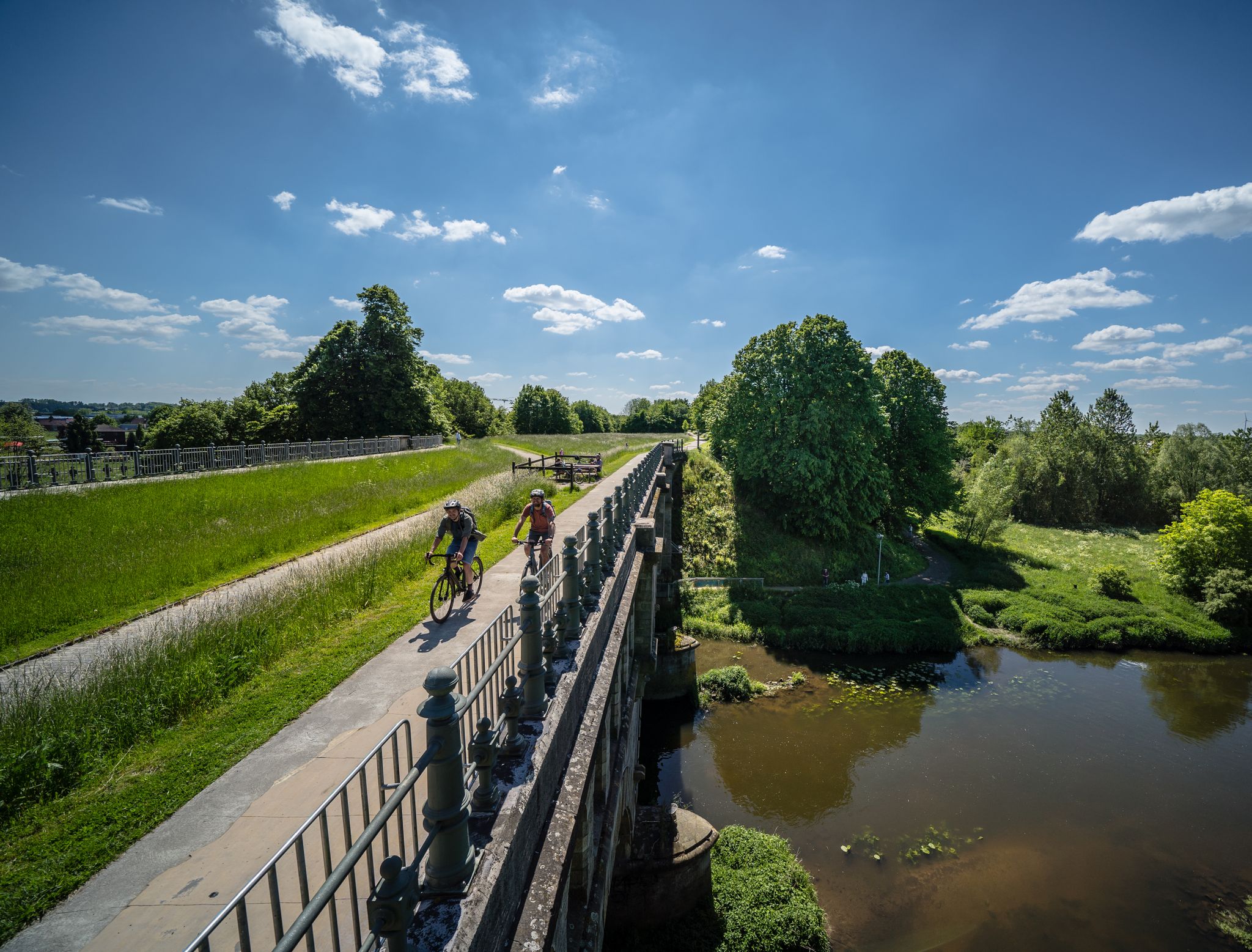
Germany’s Hohe Mark cycle route – escape into nature
Cycling around Dülmen
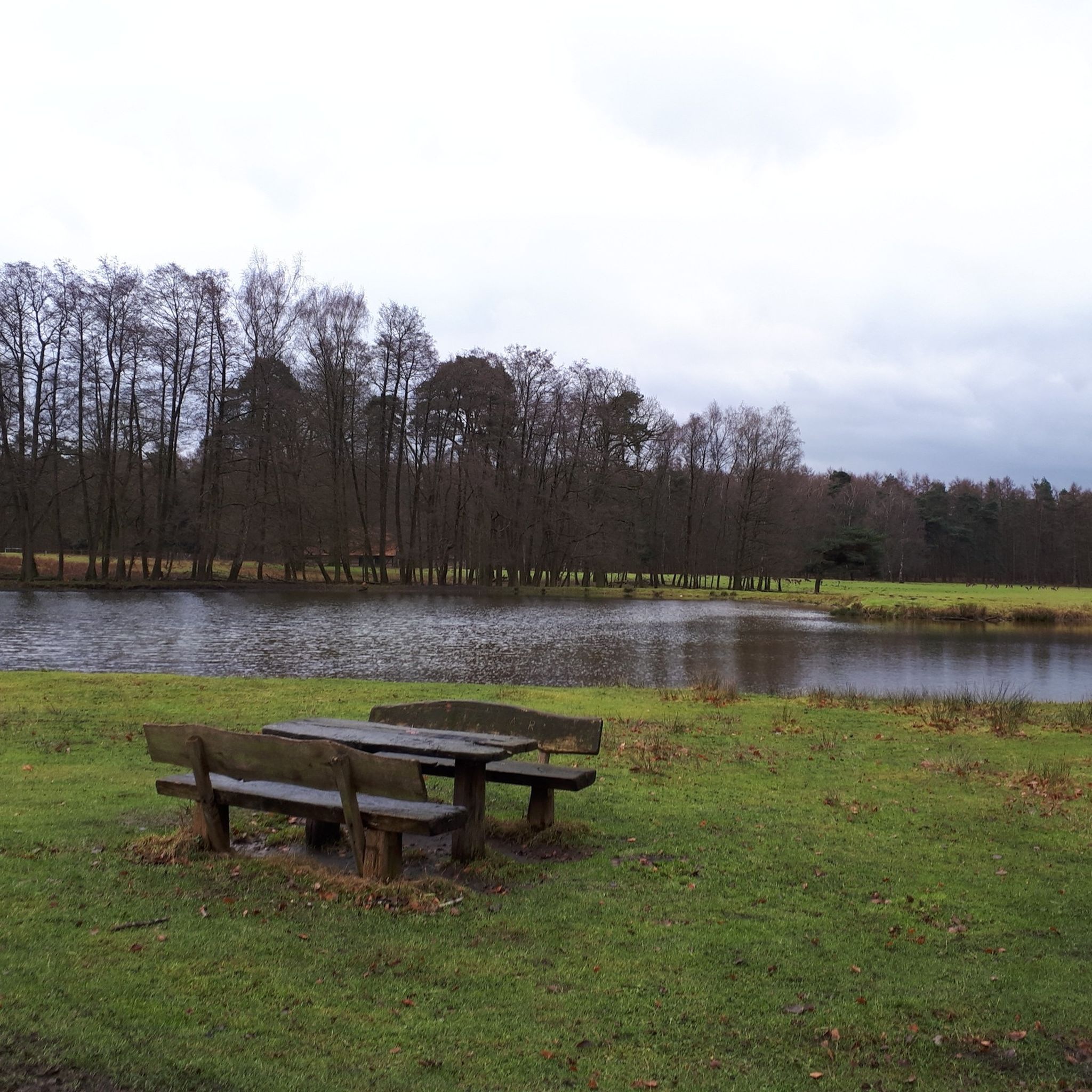
Hiking around Dülmen
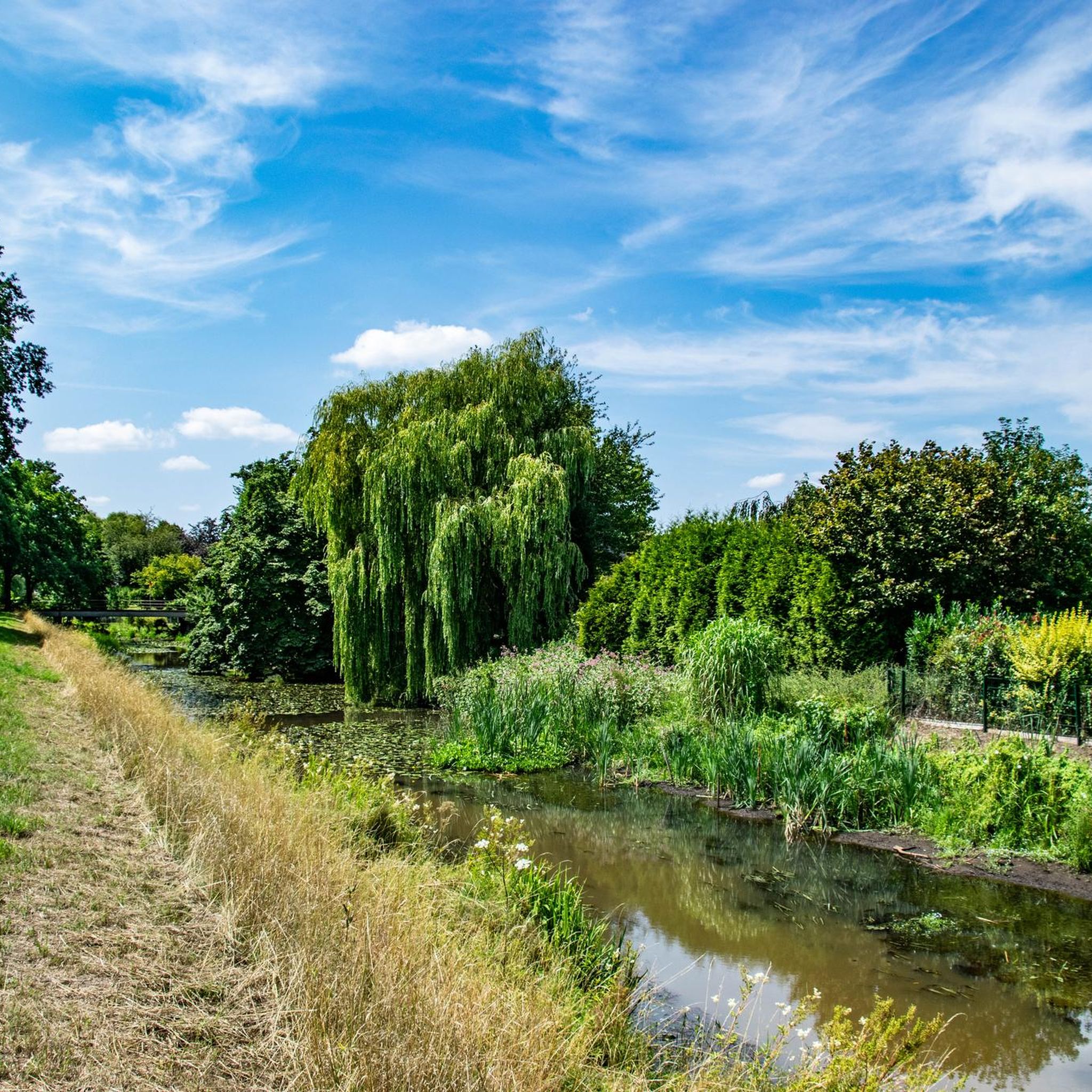
Road Cycling Routes around Dülmen
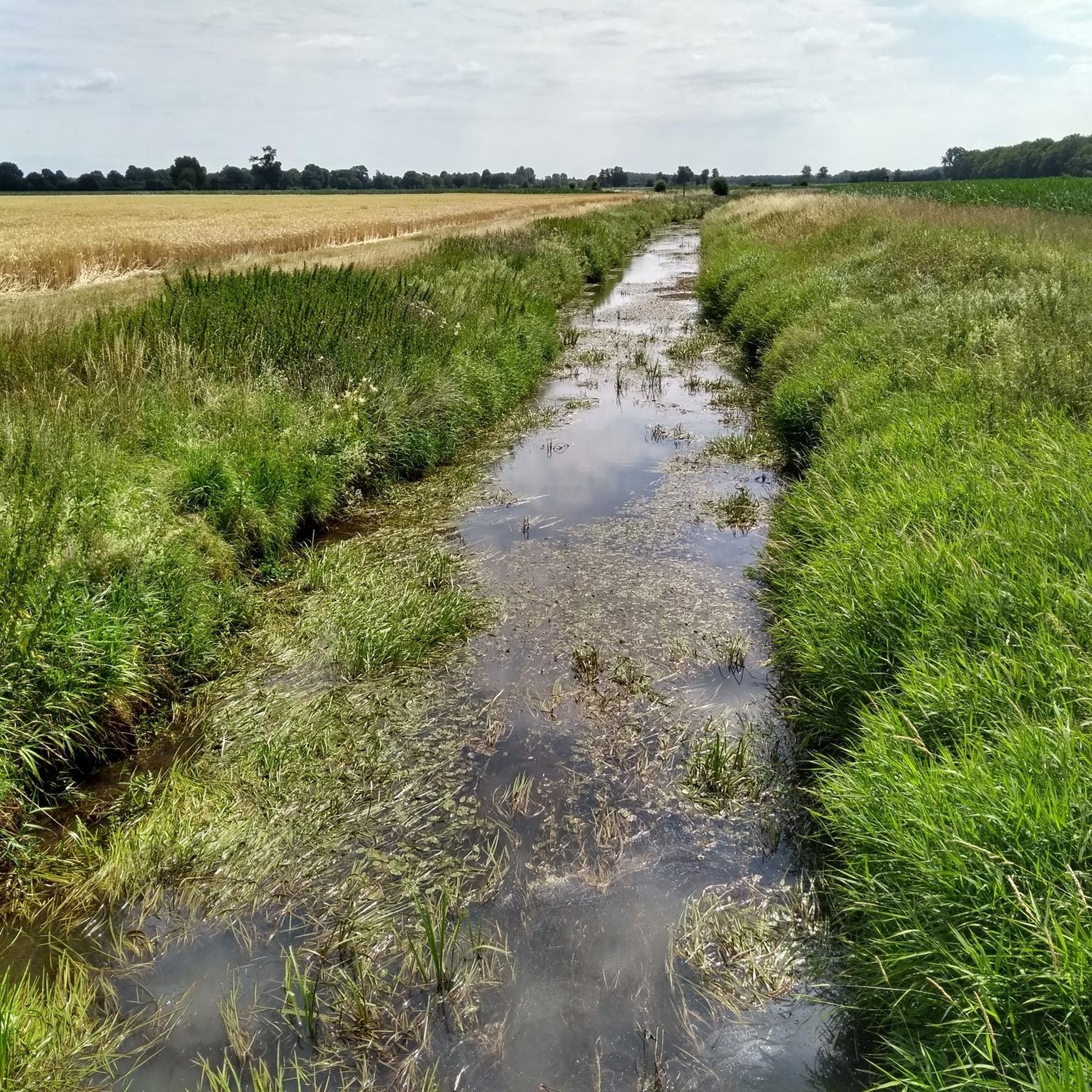
Running Trails around Dülmen
Other adventures around Dülmen


Tips from the Community

In spring 2024, the paths will be in very good condition and accessible to any bicycle.
19
0
The trip around both reservoirs is really fun, but I could imagine that it could be crowded here when the weather is very nice.
16
0

The SteverLandRoute leads here directly along the Haltern reservoir and always allows great views of the large lake and the boats. The SteverLandRoute is the family bike path in the Münsterland: Here, information boards for adults and information boards especially for children (!) provide information about the great project. There are a total of 14 hands-on stations along the route. If you like, you can use the children's discovery card to travel from station to station, collect coin impressions and become a Stever expert. Have a look at our collection :)
9
0

While large areas of the region were still covered with heathland at the beginning of the 19th century, today the Westruper Heide is a remnant of that time. The approximately 90-hectare heath is in the immediate vicinity of the Haltern reservoir.
21
0
The Hullern reservoir is the Stever dammed for drinking water production. This lake only has a "sandy beach" during long periods of drought, like here in August 2022. The SteverLandRoute runs along the banks of the Hullern and Halterner reservoirs and offers beautiful views of the lake from the cycle path, which is otherwise inaccessible. The fourth stage of the Steverland route always leads along the shore of the lake. The SteverlandRoute is the family bike path in Münsterland. Take a look at our collection! :)
11
0

A very well-kept bike path at the Haltern reservoir. If you drive here you have some nice viewpoints to the marina on the north shore.
11
0

With its important past as a Roman base around the birth of Christ, Haltern am See has had town rights since 1289 and is a historical, up-and-coming medium-sized town, located at the northernmost point of the Lippe, embedded in the Hohe Mark, Haard and Borkenberge forest areas. The current urban area of Haltern am See was created as part of the municipal territorial reform in North Rhine-Westphalia in 1975. At that time, the town and the Haltern district, consisting of the communities Kirchspiel-Haltern (Holtwick, Lavesum and Sythen), Hullern and Lippramsdorf, were merged and expanded south of the Lippe to include the communities of Flaesheim (formerly part of the Datteln district) and Hamm-Bossendorf (parts of the Hamm community formerly part of the Marl district). The allocation of districts south of the Lippe to Haltern meant crossing a centuries-old border. A border that was the reason and prerequisite for the granting of town rights to Haltern by the sovereign and Prince-Bishop of Münster, Everhard von Diest, in the 13th century. Since 1908, Haltern am See has had a pumping station to pump drinking water for the northern Ruhr area. Water extraction has been steadily expanded; it helped the city to earn its decorative name "Haltern am See" and reached its provisional end point with the completion of the Hullerner Lake in 1985. A side effect of the area-intensive water management is the increased recreational value of the Haltern landscape, which, free of industry, has become even more attractive to visitors and locals thanks to the creation of the lakes. Today, the Haltern lakes with their boathouses, sailing harbor and seaside resort are the destination of many people seeking relaxation. But Haltern am See has more to offer visitors than just the lake. The attractive and varied landscape is often referred to as the lungs of the Ruhr area. The city is the heart of the Hohe Mark Nature Park. The extensive forests of the Haard and the Hohe Mark, as well as the Westruper Heide, Holtwicker Heide and Sebbelheide nature reserves, are accessible via a dense network of hiking, cycling, horse riding and walking trails. The pedestrian zones of the old town and the modern town centers of Sythen, Flaesheim, Lippramsdorf, Hullern and Lavesum are popular shopping and meeting places for residents and visitors alike.
13
2

Along the northern path you have some beautiful views of the lake and the island of Overath. In the forest section of the local "Hochzeitsallee" (Karl-Homann-Weg), 130 winter linden trees were planted by newlyweds.
12
1
Frequently Asked Questions
What natural attractions can I explore around Dülmen?
Dülmen offers a variety of natural attractions. You can visit the Westruper Heath, an approximately 90-hectare heathland ideal for walks. The Halterner Reservoir and the Hullerner Reservoir provide peaceful lakeside environments. Additionally, the Wildpferdebahn im Merfelder Bruch is home to free-living wild horses, and the Dülmen Wildlife Park features picturesque landscapes with various wild animals.
Are there historical landmarks to visit in Dülmen?
Yes, Dülmen has several historical landmarks. The Vischering Castle, a moated castle, houses a museum and café. Other notable sites include the Lüdinghauser Tor, one of the few surviving historical town gates, the St. Viktor Church with origins dating back to the 8th century, and the historic Town Hall. Haus Visbeck and Schloss Buldern also offer charming historical architecture.
What are some family-friendly activities in the Dülmen area?
Families can enjoy several attractions. The Dülmen Wildlife Park allows observation of wild animals like fallow deer and sheep in a natural setting. The Halterner Reservoir and Hullerner Reservoir are great for walks and enjoying nature. Vischering Castle, with its museum and café, is also a popular family destination.
Where can I observe wildlife near Dülmen?
For wildlife observation, the Wildpferdebahn im Merfelder Bruch is a must-visit, offering a unique opportunity to see approximately 400 free-living wild horses. The Dülmen Wildlife Park, a short walk from the city center, also allows visitors to observe various wild animals, including fallow deer and Heidschnucken, roaming freely in an English park-like setting.
What cycling routes are available around Dülmen?
Dülmen is an excellent starting point for cycling. You can find various routes, such as the 'Natural beauty and cultural sites loop from Dülmen via Buldern' or the 'Dülmen Wildlife Park – Rhododendron Forest in Welte loop'. For more options, explore the Cycling around Dülmen guide, which includes routes like the 'Blue Bridge at the Weir – Halterner Reservoir loop'.
Are there hiking opportunities near Dülmen's attractions?
Yes, the region around Dülmen offers numerous hiking paths. The Westruper Heath provides hikes of varying lengths with many benches for resting. You can also find trails around the Halterner Reservoir, such as the North Shore Trail. For more detailed hiking routes, refer to the Mountain Hikes around Dülmen guide.
What is the best time to visit the Westruper Heath?
The best time to visit the Westruper Heath is typically in August when the heather is in full bloom, creating a vibrant purple landscape. However, the heath is beautiful in all seasons, offering unique scenery throughout the year.
Are there any unique cultural or religious sites in Dülmen?
Dülmen holds significant religious importance as the resting place of Anna Katharina Emmerick, a beatified nun known for her mystical visions. Thousands visit her memorial and grave annually in the crypt of the Heilig-Kreuz-Kirche (Holy Cross Church).
What makes the Hullerner Reservoir a good place to visit?
The Hullerner Reservoir is highly regarded for its tranquility, often being less crowded than the larger Halterner Reservoir. It offers a peaceful natural setting, perfect for a quiet break or combining with a tour around the Halterner Reservoir for a longer outing.
Are there any accessible paths for visitors with mobility needs?
The Westruper Heath is noted for having wheelchair-accessible paths, making it a suitable option for visitors with mobility needs to enjoy the natural landscape.
What do visitors particularly enjoy about the attractions around Dülmen?
Visitors frequently praise the diverse natural landscapes, such as the peaceful Hullerner Reservoir and the scenic Westruper Heath. The historical charm of places like Vischering Castle and the opportunity for extensive cycling and hiking tours are also highly appreciated.
Can I combine a visit to the Halterner Reservoir with other nearby natural areas?
Absolutely. The Halterner Reservoir can be easily combined with a visit to the Hullerner Reservoir for a longer, scenic tour. Additionally, the Westruper Heath is in the immediate vicinity of the Halterner Reservoir, offering a diverse natural experience.
Most popular routes around Dülmen
Most popular attractions around Dülmen

Get inspired with the komoot mobile app


Explore more
Still not found the Highlight you’re looking for? See guides of the top attractions in other regions:
