Attractions and Places To See around Durbach - Top 20
Best attractions and places to see around Durbach include a variety of historical landmarks, natural features, and cultural sites. Situated at the western edge of the Black Forest, Durbach is known for its extensive vineyards and offers views of the Rhine Valley. The region provides opportunities for exploring forests, meadows, and the Mooskopf mountain. It is recognized for its winemaking traditions and picturesque landscapes.
Best attractions and places to see around Durbach
- The most popular attractions is Gengenbach marketplace,…
Last updated: October 9, 2026
Gengenbach marketplace
Highlight • Settlement
Showing Translation
Tip by

Staufenberg Castle
Highlight • Castle
Showing Translation
Tip by

Sign up now to discover places like this
Get recommendations on the best single tracks, peaks, & plenty of other exciting outdoor places.
Geigerskopf Tower
Highlight • Viewpoint
Translated by Google •
Tip by

Ortenberg Castle
Highlight • Castle
Translated by Google •
Tip by

Kinzigtor/ Southern city gate of Gengenbach
Highlight • Monument
Translated by Google •
Tip by

Sign up for free to discover even more attractions around Durbach.
Already have an account?
Start today with a free account
Your next adventure awaits.
Popular around Durbach
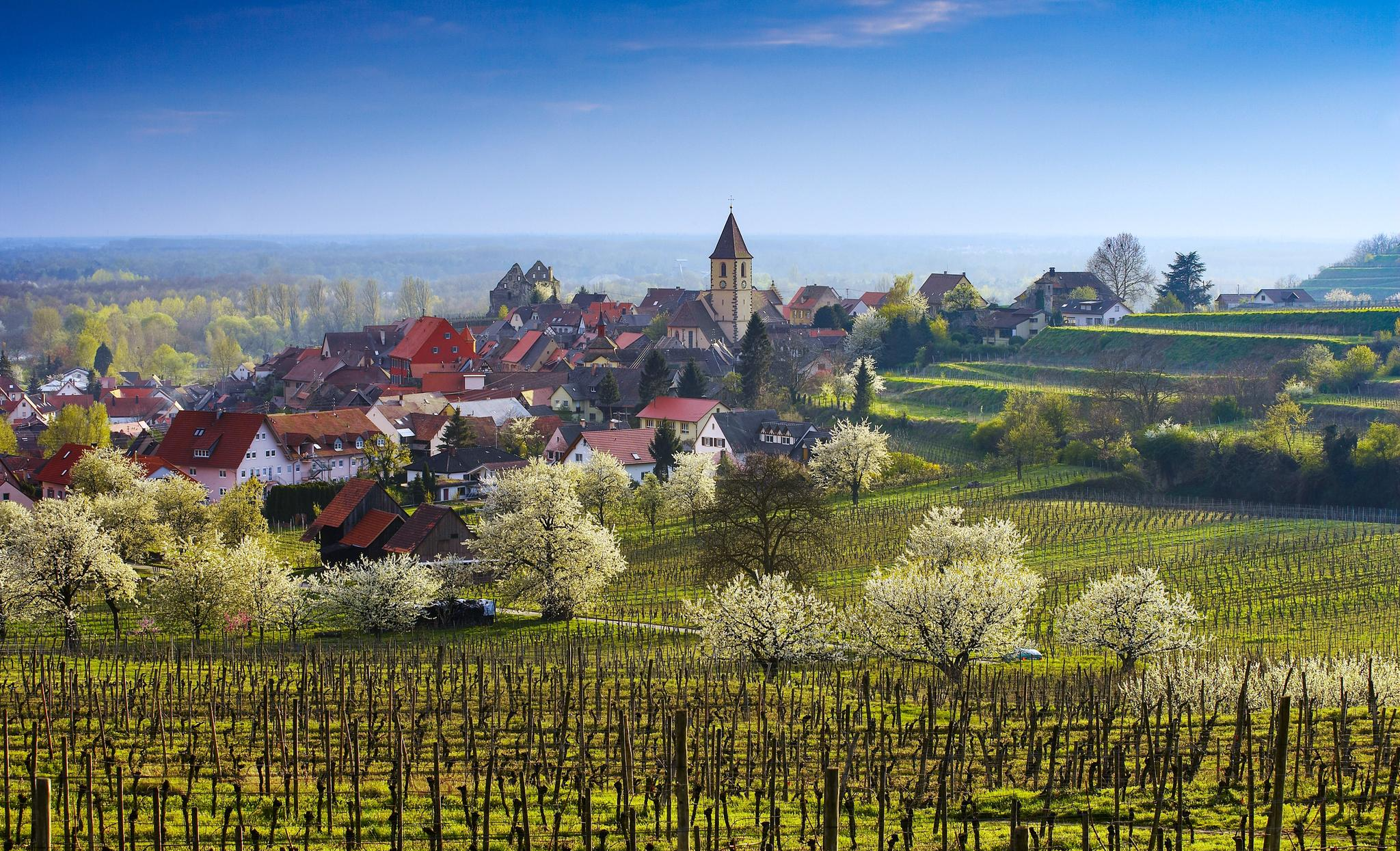
Dreaming in the valley – low-lying spring trails in the Black Forest
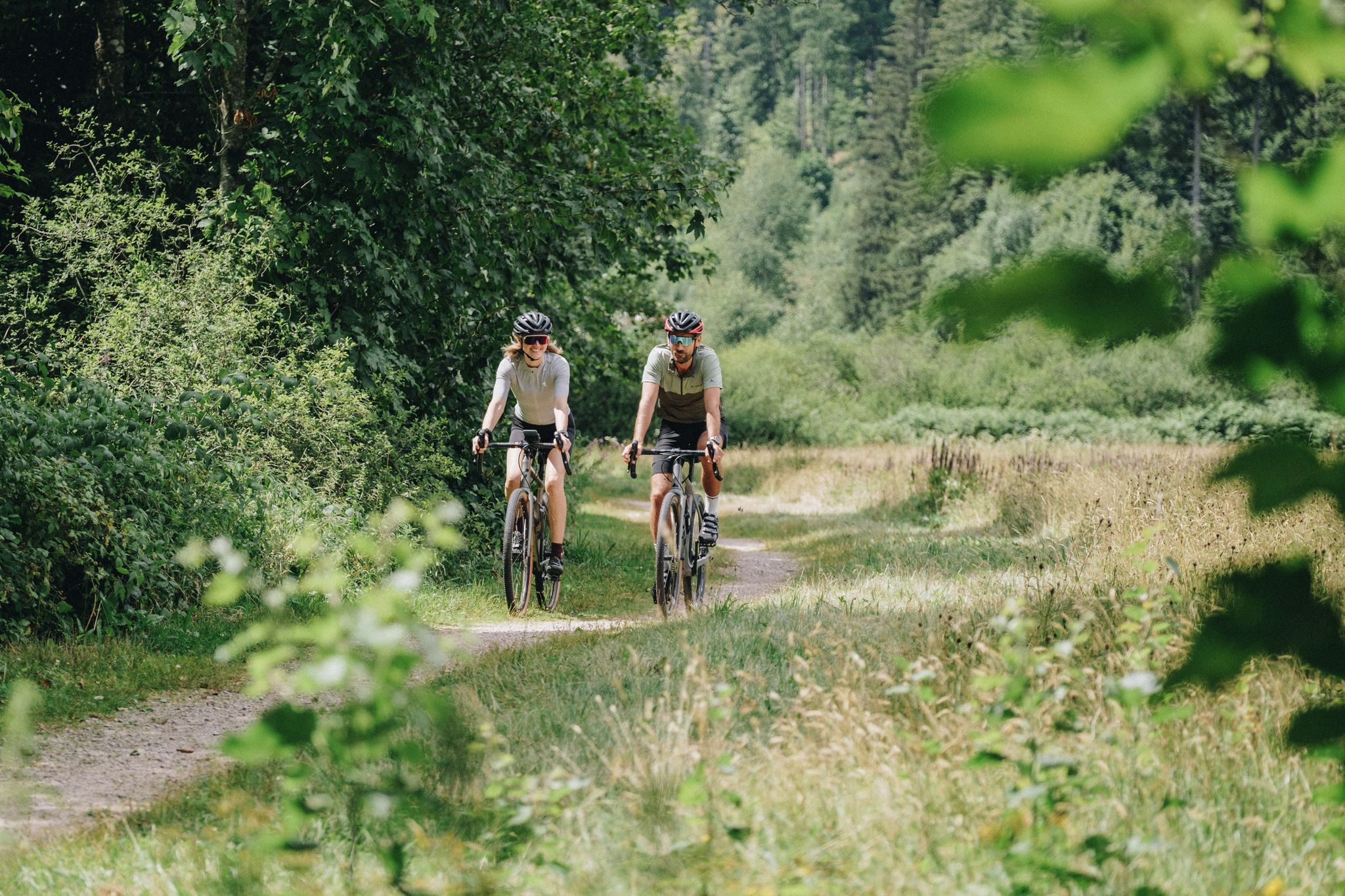
Let's gravel! Superb riding in the Black Forest National Park

Discover the Black Forest on flowy trails
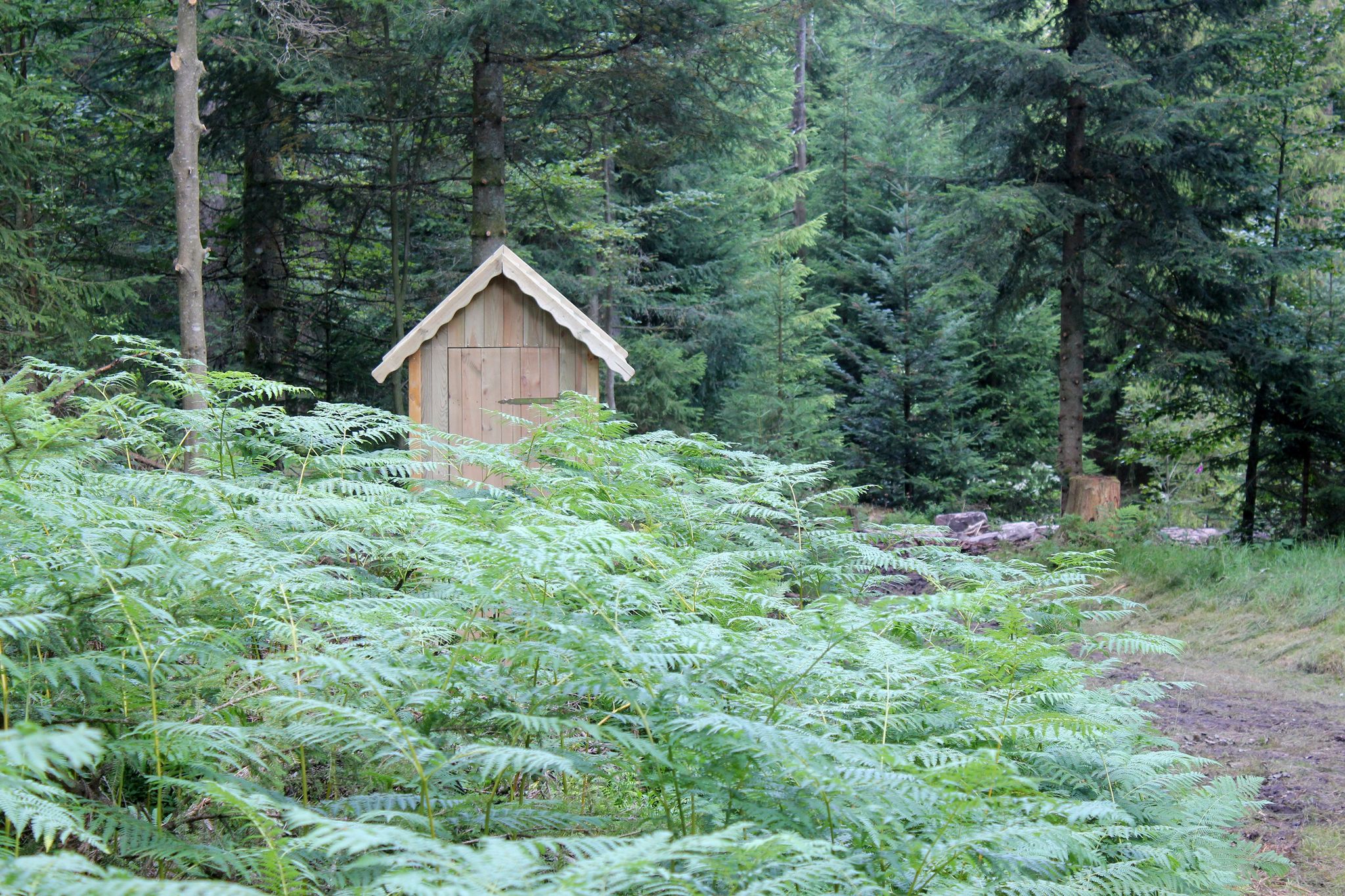
Trekking Black Forest 7-day tour from Alpirsbach to Biberach
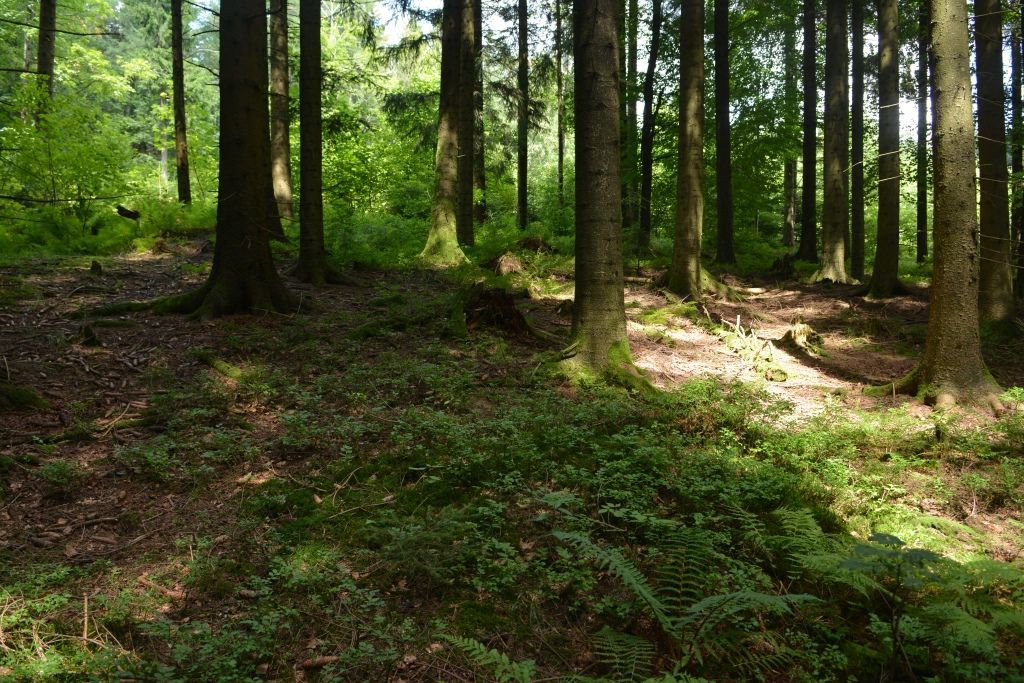
Trekking Black Forest 7-day tour from Forbach to Biberach
Trekking Schwarzwald 6-day tour from Alpirsbach to Gengenbach
Trekking Black Forest 6-day tour from Malschbach to Biberach
Trekking Schwarzwald 6-day tour from Forbach to Gengenbach
Trekking Schwarzwald 5-day tour from Gengenbach to Freudenstadt
Trekking Schwarzwald 5-day tour from Malschbach to Gengenbach
Other adventures around Durbach


Tips from the Community

The Kinzig Gate Tower is the largest and strongest of all towers and had the most important role in the city's defense. The battlements led to this tower from both sides. The city was guarded day and night from the watchman's apartment. The watchman's job was to impose a municipal toll on the approaching rafts on the Kinzig and on the traders arriving over the bridge.
6
0

In the 11th/12th century, the Zähringers built a castle on this site to protect the Kinzig Valley. In the 15th century, the castle was expanded to include defense towers. At the end of the 17th century, the castle was destroyed twice. In the 18th century, the current castle was built in the English style on the ruins of the old castle. Today, there is a youth hostel and a wine-producing farm here.
10
0
With the fountain, the town hall, the surrounding half-timbered houses and the view of the city gates, the town hall square is the center of the city. You can sit comfortably in the numerous cafes and enjoy the medieval atmosphere.
14
0
The 24-meter-high Kinzig Gate was built in the 13th/14th century and has been rebuilt and renovated several times over the years. It is the city gate to the south.
13
0

The Habsburg coat of arms indicates Austrian rule and with it the Catholic influence at that time
10
0

The towers and gates invite you into the historic old town from afar and narrow alleys lead you into picturesque nooks and crannies. The "stone knight" on the market square fountain welcomes us upright. It testifies to the pride and self-confidence of the former Free Imperial City, as does the imposing 200-year-old town hall, which is transformed into the world's largest Advent calendar house in winter and, with its countless romantic half-timbered buildings, dominates the cityscape. 
12
0

The Kinzig Gate Tower probably had the most important task in Gengenbach's history. In addition to defending the town, it served to secure the Kinzig Bridge and to protect trade sovereignty. When a raft that was subject to customs approached on the Kinzig, the tower guard blew his brass horn. It is no coincidence that the Kinzig Gate Tower is the largest and strongest of Gengenbach's three towers. It is around 40 m high up to the weather vane and 6.5 x 6.5 m square and is integrated into the town wall. Source: https://buergergarde-gengenbach.de/die-geschichte-des-kinzigorturm/
7
0

This historic building is in an exposed location between Kinzig and the hills of the Black Forest and offers beautiful views - it is also an eye-catcher itself.
9
1
Frequently Asked Questions
What historical landmarks can I visit in Durbach?
Durbach is home to several historical landmarks offering stunning views. You can explore Staufenberg Castle, perched atop a vineyard with panoramic views of Durbach, the Rhine Valley, and the Black Forest. Similarly, Ortenberg Castle also provides excellent vistas from its vineyard setting. Both castles are publicly accessible in parts during the day.
Where can I find the best panoramic views around Durbach?
For breathtaking panoramic views, ascend the Geigerskopf Tower, which offers vistas of the Black Forest, Rhine Valley, and Vosges Mountains after climbing 90 steel steps. The Moosturm is another observation tower providing beautiful views. Additionally, both Staufenberg Castle and Ortenberg Castle offer magnificent outlooks over the vineyards and surrounding landscape.
Are there good hiking trails around Durbach?
Yes, Durbach is an excellent base for hiking. The region features numerous trails, including the medium-difficulty premium hiking trails 'Durbacher Weinpanorama' and 'Durbacher Weitblick,' both offering extensive views. The 'Gebirger Höfe-Weg' leads into the Black Forest, and paths to the Mooskopf mountain are also popular. For more options, explore the Running Trails around Durbach guide, which includes routes like the 'Schwedenkreuz Memorial – View of Staufenberg Castle loop'.
What cycling opportunities are available in the Durbach area?
Durbach and its surroundings are well-suited for various cycling activities. You can find numerous routes for road cycling, gravel biking, and mountain biking. For road cycling, consider routes like the 'Bottenau Cycle Path – Staufenberg Castle Climb loop' found in the Road Cycling Routes around Durbach guide. Gravel biking enthusiasts can explore options such as the 'View of Staufenberg Castle – Geigerskopf Tower loop' in the Gravel biking around Durbach guide.
Are there family-friendly attractions or activities in Durbach?
Many attractions in Durbach are suitable for families. Staufenberg Castle is recommended for families, offering delicious ice cream and a comfortable terrace. The Geigerskopf Tower provides an engaging climb and rewarding views. Additionally, the nearby town of Gengenbach marketplace, with its charming old town and half-timbered houses, is a great spot for a relaxed family stroll.
What cultural sites are related to Durbach's wine tradition?
Durbach, known as 'Germany's No. 1 wine village,' offers several cultural sites centered around its winemaking heritage. The Wein- und Heimatmuseum provides insights into local history and winemaking traditions. You can also visit numerous local wineries (Weingut) such as Weingut Alexander Laible or Weingut Heinrich Männle, and the Durbacher Winzer eG, to experience the region's strong wine culture firsthand.
What natural attractions are there to explore near Durbach?
Durbach is situated at the western edge of the Black Forest, offering extensive vineyards, dark forests, and green meadows. The Mooskopf mountain, over 870 meters high, is a significant natural feature. The region also provides consistent, breathtaking views of the Rhine Valley. Further afield, popular destinations like Mummelsee and Hornisgrinde in the Black Forest are a short drive away for more natural exploration.
What is the best time of year to visit Durbach?
Durbach is beautiful year-round, but the spring and autumn months are particularly appealing. Spring brings blooming flowers and vineyards, while autumn offers vibrant foliage and the grape harvest season, making it ideal for wine enthusiasts and hikers. Summer evenings are perfect for enjoying a glass of wine at Staufenberg Castle.
What makes Durbach unique as a destination?
Durbach is uniquely known as 'Germany's No. 1 wine village,' nestled between the Black Forest and the Upper Rhine valley. Its idyllic landscapes are shaped by extensive vineyards, offering picturesque views and a rich winemaking tradition. The blend of historical landmarks, natural beauty, and cultural sites like the Wein- und Heimatmuseum, combined with its reputation for excellent wines, makes it a distinctive destination.
Are there any hidden gems or less-known spots worth visiting in Durbach?
While Durbach's castles and towers are well-known, exploring the Skulpturenpark Durbach offers a unique artistic experience in public spaces. The historic town center itself, with its local restaurants and vintners, provides a charming, authentic atmosphere for leisurely strolls. For hikers, the Kornebene Nature Friends House is a popular spot, offering direct access to the Mosskopfturm and Lothardenkmal, often frequented by locals and hikers.
What can I do in Durbach's historic town center?
Durbach's historic town center invites visitors for a leisurely stroll. You can explore its charming streets, enjoy local restaurants and cafes, and visit vintners to sample the region's renowned wines. It's a perfect place to soak in the local atmosphere and experience the village's strong wine culture.
Can I find places to eat or drink near the attractions?
Yes, several attractions offer dining options. Staufenberg Castle features a winery with catering and a cozy terrace. The Kornebene Nature Friends House is a popular spot for hikers and cyclists, offering good vespers and cool drinks. Additionally, the nearby Gengenbach marketplace has many street cafés and restaurants.
Most popular routes around Durbach
Most popular attractions around Durbach

Get inspired with the komoot mobile app


Explore more
Still not found the Highlight you’re looking for? See guides of the top attractions in other regions:
