Top 7 Castles around Erkner
Best castles around Erkner offer a range of historical sites and natural landscapes. Erkner is situated in a region known for its diverse outdoor activities, including hiking and cycling. The area provides access to a variety of historical castles and palaces, blending cultural significance with natural surroundings. There are 7 castles to explore around Erkner.
Best castles around Erkner
- The most popular castles is Skaby Castle and Berlin Wall Remnants, a historical site with a turbulent history, including its…
Last updated: August 11, 2026
Regatta Course Berlin-Grünau
Highlight • Lake
Translated by Google •
Tip by

Skaby Castle and Berlin Wall Remnants
Highlight • Historical Site
Translated by Google •
Tip by

Sign up now to discover places like this
Get recommendations on the best single tracks, peaks, & plenty of other exciting outdoor places.
Sign up for free
Former Castle Church, Schöneiche
Highlight • Religious Site
used as a registry office and for meetings
Translated by Google •
Tip by

Grunow/Wilke Castle (Herzfelde Castle)
Highlight • Castle
Translated by Google •
Tip by

Start today with a free account
Your next adventure awaits.
Login or Signup
Popular around Erkner
Late riser routes – hiking in the Oder-Spree Lake District
Hut or cask, tent or room – two-day hiking with the S-Bahn
Bikepacking on Germany’s Oderbruchbahn Cycle Path
Explore even more by bike — travelling around Berlin with Brompton
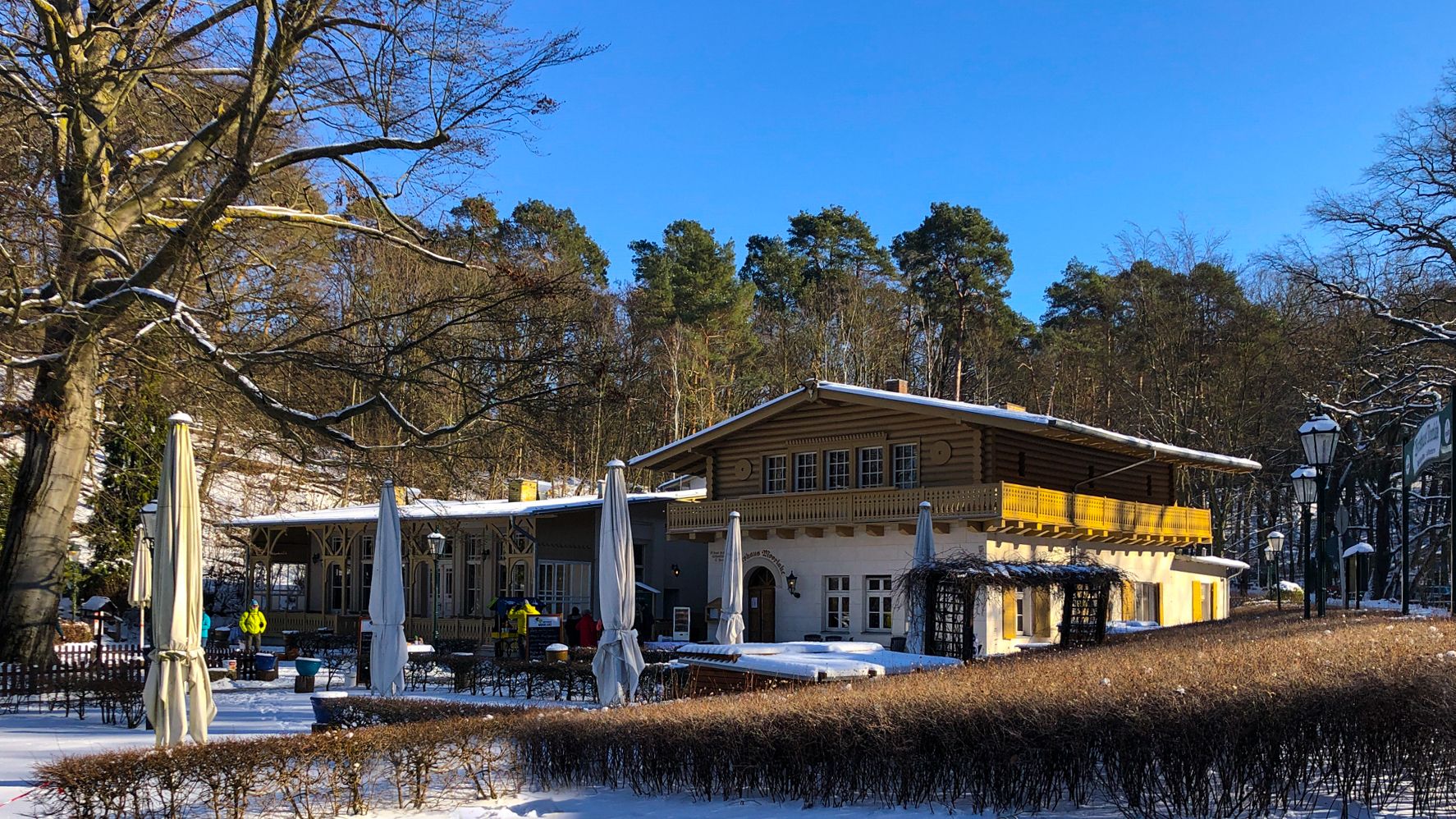
Fireplaces, dumplings and beer – visit rustic inns with Berlin’s S-Bahn
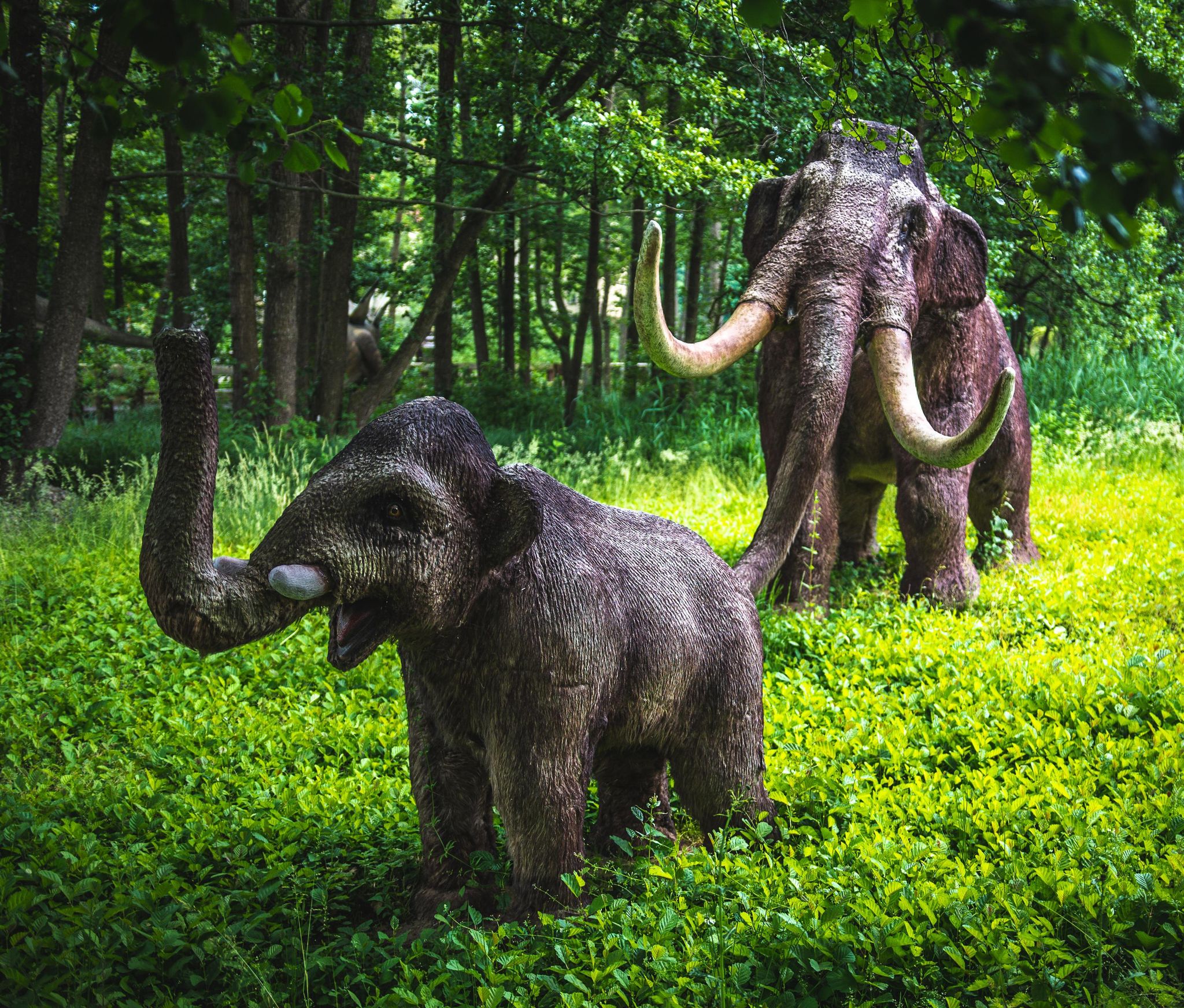
Discover how the Ice Age shaped Berlin with the S-Bahn
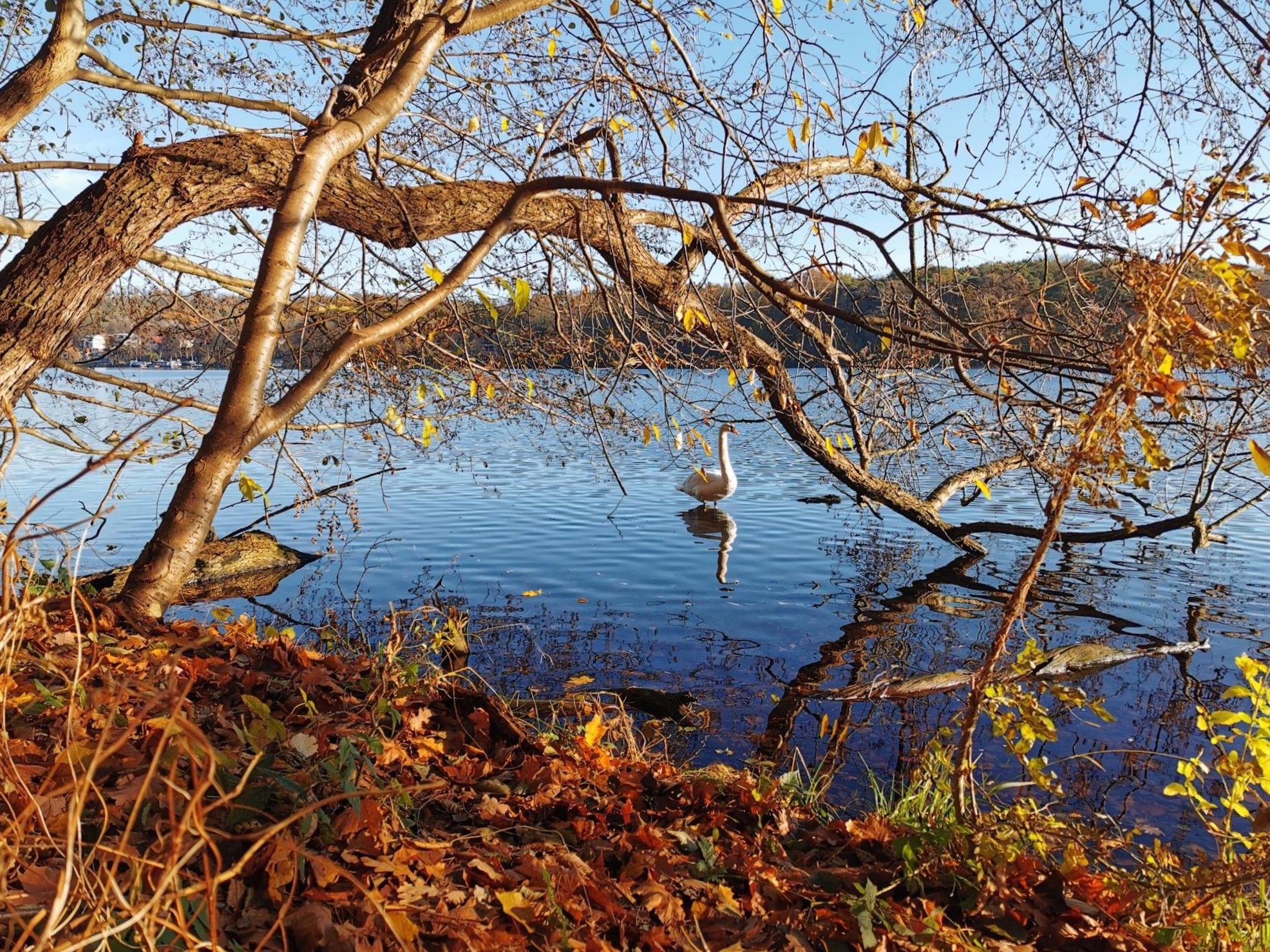
A vibrant sea of leaves – autumn around Berlin with the S-Bahn
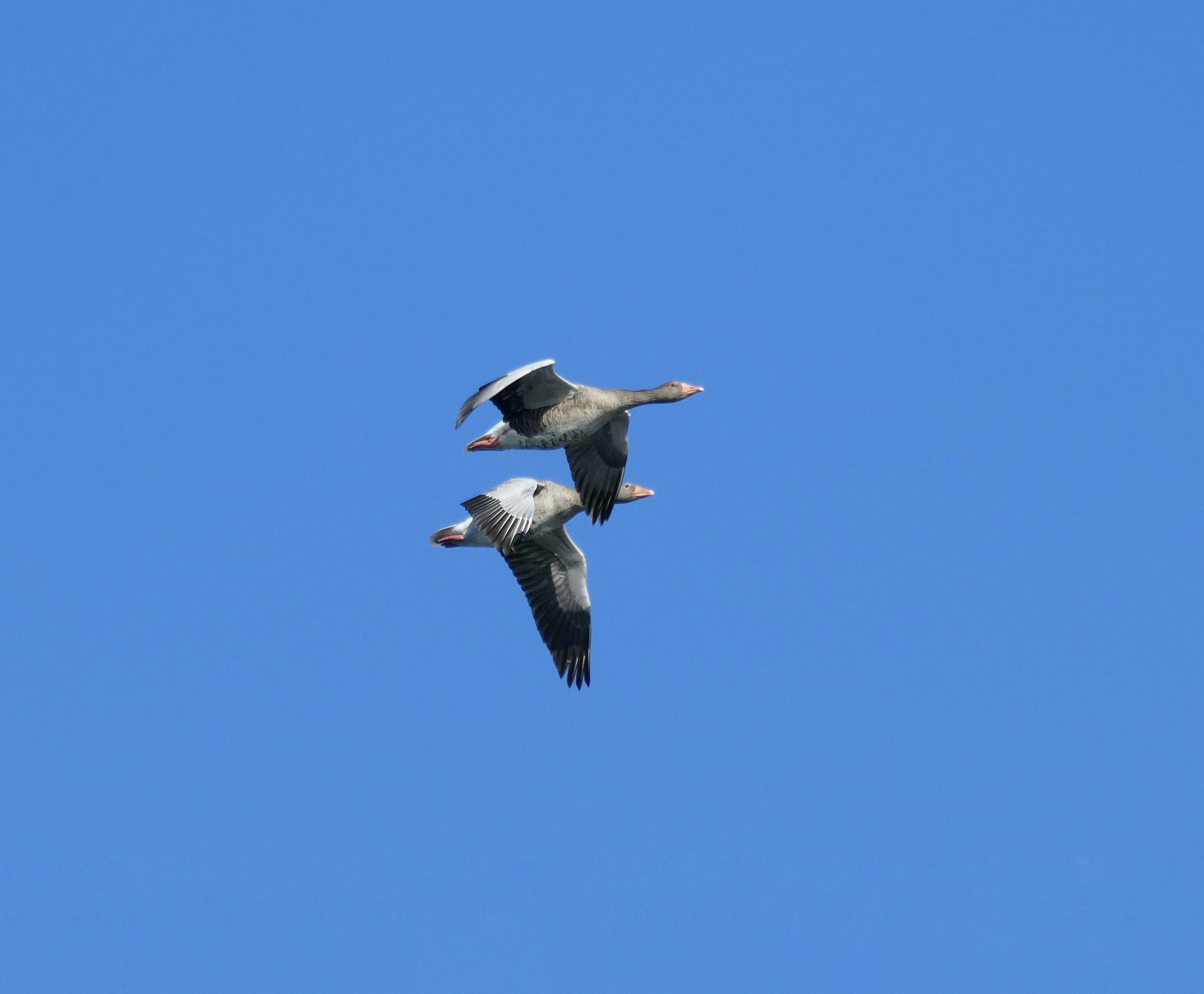
From cranes to wild geese – bird spotting with the S-Bahn in south Berlin
Ten unique cycling tours in the Lakeland Oder-Spree
Flow – Follow Berlin’s streams with the S-Bahn
Other adventures around Erkner


Tips from the Community

Hello everyone. We did this tour yesterday with the Komoot app. At the level of the Skabi Torfsee, the district forester came towards us and asked us what we were doing here and how we got here. We explained the route from Spreenhagen to him and that we were hiking with the Komoot app. He didn't think that was so great and said that there were already legal proceedings against Komoot because this route goes over private property. We should have seen 3 signs, which unfortunately we didn't, apart from signs such as Danger to life mining lake and former military training area. We were supposed to go past the wall and then right through the open barrier, where one of these signs said no entry to private property. Do any of you know this case? Maybe Frank Meyer, who hikes a lot? Would something happen to me if I made my tour public? Greetings, Sille.
0
0

Right next door is a lovely café with ice cream and cakes. The castle park is also highly recommended.
1
0

Villa built in 1910 by the Grunow landowner. Since 1946 children's convalescent home. Since 1982 kindergarten of the municipality of Herzfelde.
0
0

The site may not be entered, even the access roads are private and should not be entered...
2
1

Schloss Herzfelde (also Schloss or Villa Grunow/Wilke) is located on the old B1/5 at the eastern end of town. The manor house with manor park was built in 1910 for the Royal Prussian Rittmeister in the Hussar Regiment No. 5 and manor owner Walter Georg Kurt Wilke (1881-1939) and in 1914 it was taken over by Rittmeister Ernst Grunow. It was once a beautiful building with a Nuremberg-style corner bay window and a sweeping staircase at the front. A beautiful garden adorned the entire ambience of the house, which at the time was clearly visible from Reichsstrasse 1, today's B1/5. In 1947 the house was expropriated as part of the land reform in the Soviet occupation zone. After a long period of vacancy, it was converted into a children's home in 1970, and from 1982 the "Zwergenschloss" kindergarten moved into the house.
2
0

Visible from afar is Schöneich's landmark, the former Castle Church (Dorfstraße 38) - actually an early Gothic fieldstone building that was renovated and expanded in 1725 as a Baroque plaster building. A tower was also added and renovated several times (1830, 1879, 1906, 1932 and 1989) - its characteristic is a slight south-west tilt. The superstructure of the tower is made of wood, divided by pilasters and equipped with rich entablature cranked around the dials. The conclusion is a curved hood, which is clad with slate. It carries an octagonal lantern, erected around 1830. Severin Schindler, the owner of the estate at the time, initiated the conversion. He also donated a valuable library of theological and devotional literature, about a third of which survived. Source: https://schoeneiche.de/freizeit/sehenswuerdigungen/ehemalige-schlosskirche
1
0
This is the former castle church of Schöneiche! The Schöneich landmark, the former castle church (Dorfstrasse 38), is visible from afar - actually an early Gothic field stone building that was renovated and expanded as a baroque plastered building in 1725. A tower was also added and renewed several times (1830, 1879, 1906, 1932 and 1989) - its characteristic is a slight south-westerly inclination. The superstructure of the tower is made of wood, structured by pilasters and equipped with rich entablature cranked around the dials. A curved hood, which is clad with slate, forms the end. It carries an octagonal lantern, erected around 1830. Severin Schindler, who was the owner of the estate at the time, initiated the renovation. He also donated a valuable library with theological and edifying literature, about a third of which has been preserved. Source: https://schoeneiche.de/freizeit/sehenswuerdheiten/ehemalige-schlosskirche
1
0

even with a concert outside
0
0
Frequently Asked Questions
What types of castles can I expect to find near Erkner?
The region around Erkner offers a diverse range of historical sites, from medieval fortresses like Beeskow Castle and Burg Storkow (Mark) to stately Neo-Gothic and Neo-Classical residences such as Schloss Reichenow and Schloss Neuhardenberg. You can also find unique sites like Skaby Castle and Berlin Wall Remnants, which has a turbulent past and distinctive features.
Are there any medieval castles accessible from Erkner?
Yes, several medieval castles are within reach. Burg Storkow (Mark), first mentioned in 1209, is one of Brandenburg's oldest castles and now serves as a cultural center. Beeskow Castle, documented since 1316, is an impressive example of brick Gothic architecture. Further afield, Rabenstein Castle in the Hoher Fläming Nature Park is one of Brandenburg's best-preserved high medieval castles, dating back to at least 1251.
Which castles near Erkner have unique architectural styles?
Schloss Reichenow stands out with its English Tudor-style architecture, complete with battlements and turrets, unique in Brandenburg. Schloss Neuhardenberg is a notable Neo-Classical palace, famously redesigned by Karl Friedrich Schinkel. Even local sites like Grunow/Wilke Castle (Herzfelde Castle), built in 1910 as a manor house, showcase distinct architectural history.
Can I visit castles that played a role in more recent history near Erkner?
Yes, Skaby Castle and Berlin Wall Remnants has a fascinating and turbulent history, including its use during the 'Lebensborn' campaign and later by the GDR leadership, featuring remnants of a 3-meter high concrete wall built from Berlin Wall elements. Schloss Neuhardenberg also has historical significance as a meeting place for conspirators of the 20 July plot against Hitler.
Are there family-friendly castles to visit near Erkner?
For families, Rabenstein Castle is an excellent choice, offering falconry demonstrations, historical buildings, and interactive exhibits. Burg Storkow (Mark) also provides engaging exhibitions on 'Man and Nature' and hosts cultural events. Grunow/Wilke Castle (Herzfelde Castle), once a children's home and kindergarten, has a history that might appeal to younger visitors.
What outdoor activities can I combine with a castle visit near Erkner?
Many castles are situated within or near nature parks, offering excellent opportunities for outdoor activities. For example, Schloss Reichenow is located within the Märkische Schweiz Nature Park, and Burg Storkow (Mark) is a visitor center for the Dahme-Heideseen Nature Park. You can find numerous hiking trails and cycling routes around Erkner that can be combined with visits to these historical sites.
What is the best time of year to visit castles in the Brandenburg region?
Spring and autumn are particularly pleasant for visiting castles in Brandenburg. The weather is generally mild, and the natural surroundings are beautiful, whether with blooming flowers or vibrant fall foliage. Summer can also be enjoyable, especially for castles with extensive parks or outdoor events, but it can be busier.
Are there any castles near Erkner that are dog-friendly?
While specific dog policies vary by castle, many castle grounds and parks in Brandenburg are dog-friendly, often requiring dogs to be on a leash. It's always best to check the individual castle's website or contact them directly before your visit. For example, the extensive park at Schloss Neuhardenberg might be suitable for leashed dogs.
How can I reach these castles from Erkner using public transport?
While Erkner itself is well-connected, reaching some of the more rural castles like Schloss Reichenow or Rabenstein Castle by public transport can be challenging and may involve multiple connections. Castles closer to larger towns, such as Burg Storkow (Mark) or Beeskow Castle, might be more accessible via regional trains and buses. Planning your route in advance using public transport apps is recommended.
Where can I find more information about specific castles like Burg Storkow or Beeskow Castle?
You can find more details about Burg Storkow (Mark) on the Brandenburg Tourism website: brandenburg-tourism.com. For Beeskow Castle, visit: brandenburg-tourism.com. Information on Schloss Reichenow is also available: brandenburg-tourism.com.
What kind of cultural events do these castles host?
Many castles near Erkner serve as vibrant cultural centers. Burg Storkow (Mark) and Beeskow Castle regularly host concerts, exhibitions, and theater performances. Schloss Neuhardenberg is renowned for its rich cultural program, including theater, readings, concerts, and art exhibitions. Even Schloss Reichenow, now a hotel, hosts cultural events and is a popular filming location.
Are there any castles near Erkner that offer accommodation?
Yes, some castles in the region have been converted into hotels or guesthouses, offering a unique overnight experience. Schloss Reichenow operates as a hotel and event venue. Rabenstein Castle also offers accommodation, allowing visitors to immerse themselves in its historical ambiance. Schloss Neuhardenberg includes a hotel as part of its complex.
Most popular routes around Erkner
Most popular attractions around Erkner

Get inspired with the komoot mobile app


Explore more
Looking for the best castles somewhere else? Discover other guides around Erkner:
