The best cycling routes around Eichwald
4.6
(3245)
19,478
riders
554
rides
Touring cycling around Eichwald offers a diverse landscape characterized by forests, hills, and river valleys. The region features a variety of cycling routes, including those along former railway lines and canals, providing scenic views. Paths range from paved surfaces suitable for all skill levels to more challenging routes with significant elevation gains. This area provides a mix of natural beauty and historical sites for touring cyclists.
Best touring cycling routes around Eichwald
- The most popular touring cycling route is Wernsdorf…
Last updated: July 4, 2026
4.7
(20)
112
riders
22.3km
01:25
200m
200m
Moderate bike ride. Good fitness required. Mostly paved surfaces. Suitable for all skill levels.
4.5
(8)
36
riders
16.9km
01:00
100m
100m
Easy bike ride. Great for any fitness level. Mostly paved surfaces. Suitable for all skill levels.

Sign up for free
4.5
(16)
36
riders
Moderate bike ride. Good fitness required. Mostly paved surfaces. Suitable for all skill levels.
4.5
(4)
20
riders
39.2km
02:31
480m
480m
Hard bike ride. Very good fitness required. You may need to push your bike for some segments of this route.
5.0
(2)
15
riders
51.5km
03:32
680m
680m
Hard bike ride. Very good fitness required. Mostly paved surfaces. Suitable for all skill levels.
Get access to more routes and recommendations from other explorers.
Sign up for free
Already have an account?
Our route recommendations are based on thousands of hikes, rides, and runs completed by other people on komoot.
Start today with a free account
Your next adventure awaits.
Login or Signup
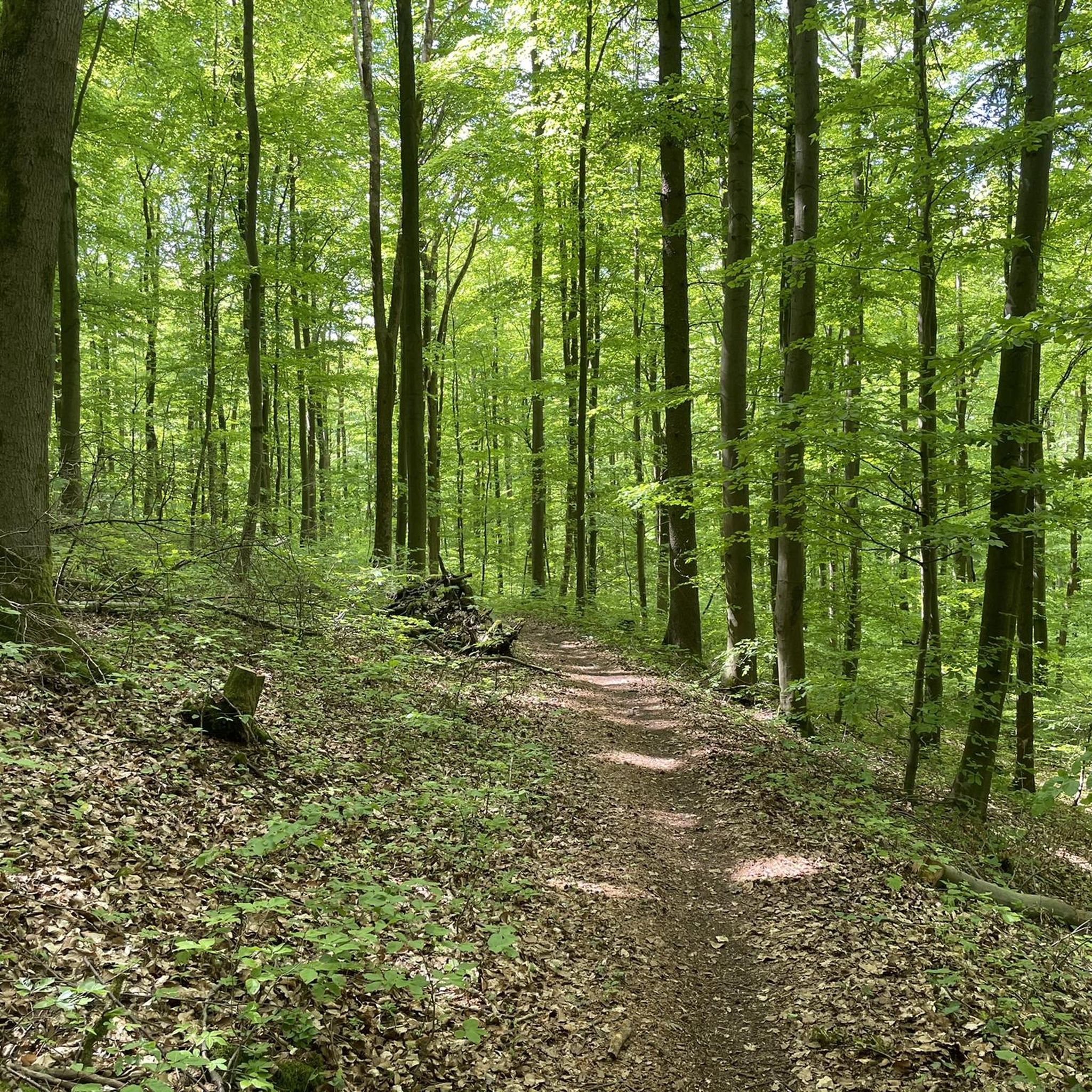
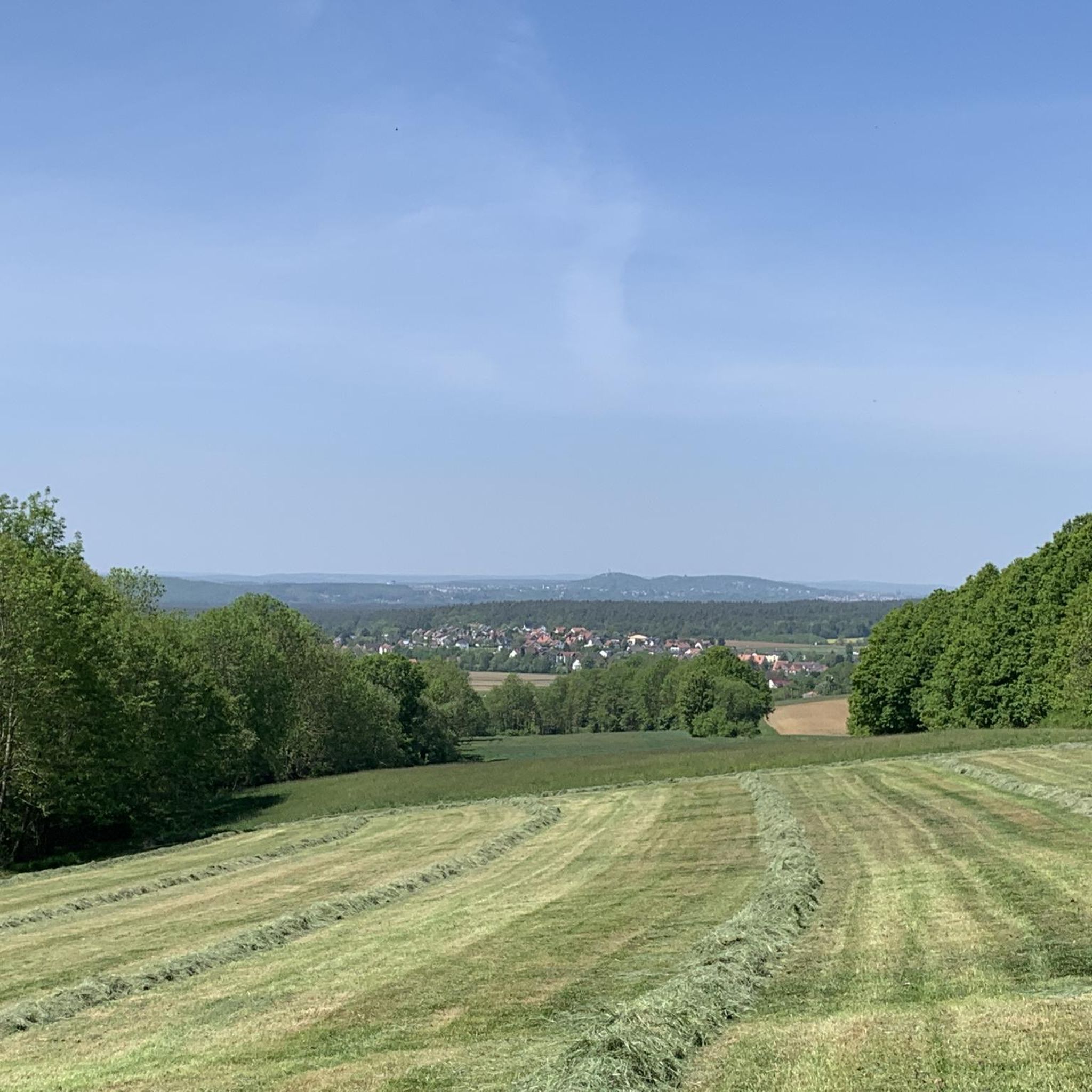
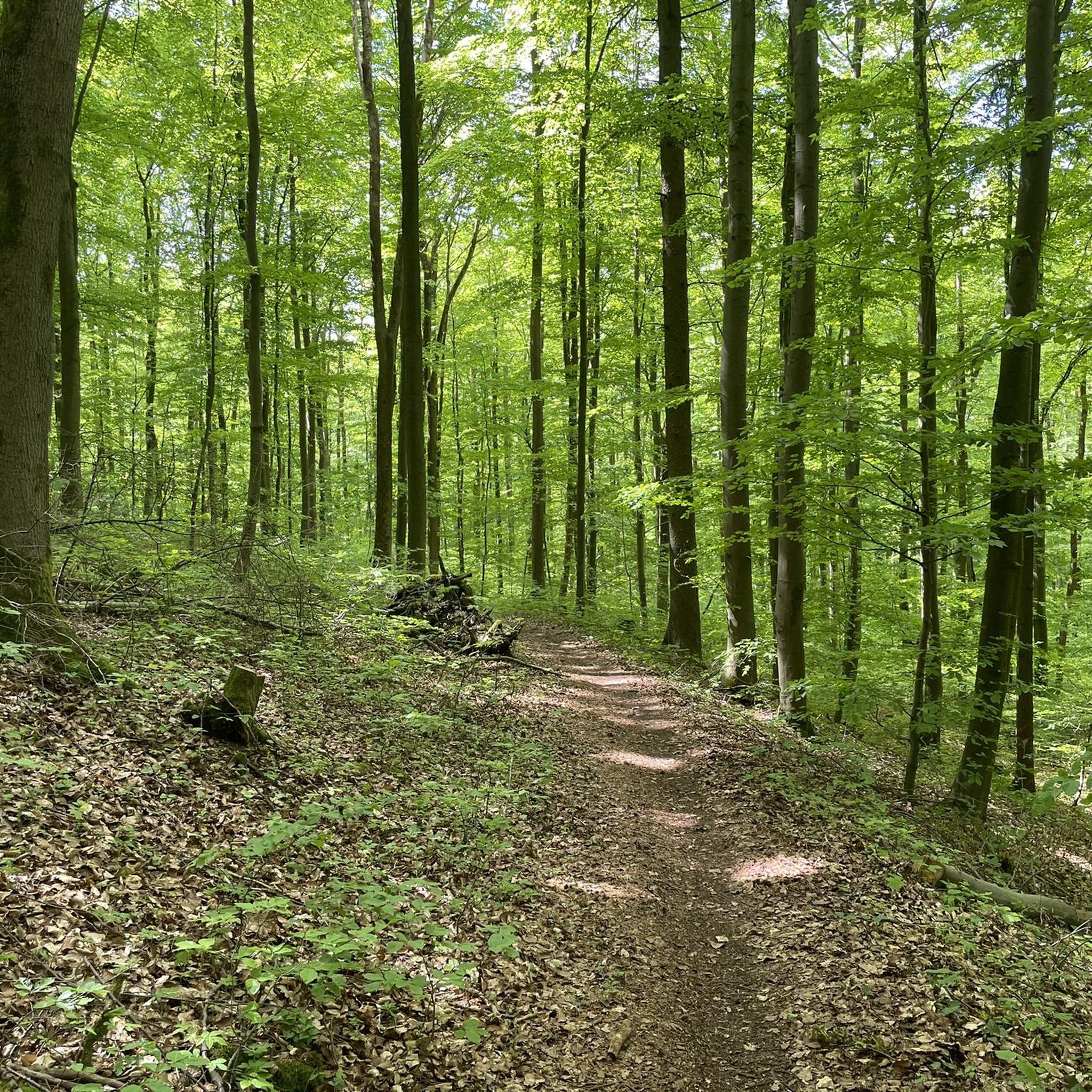
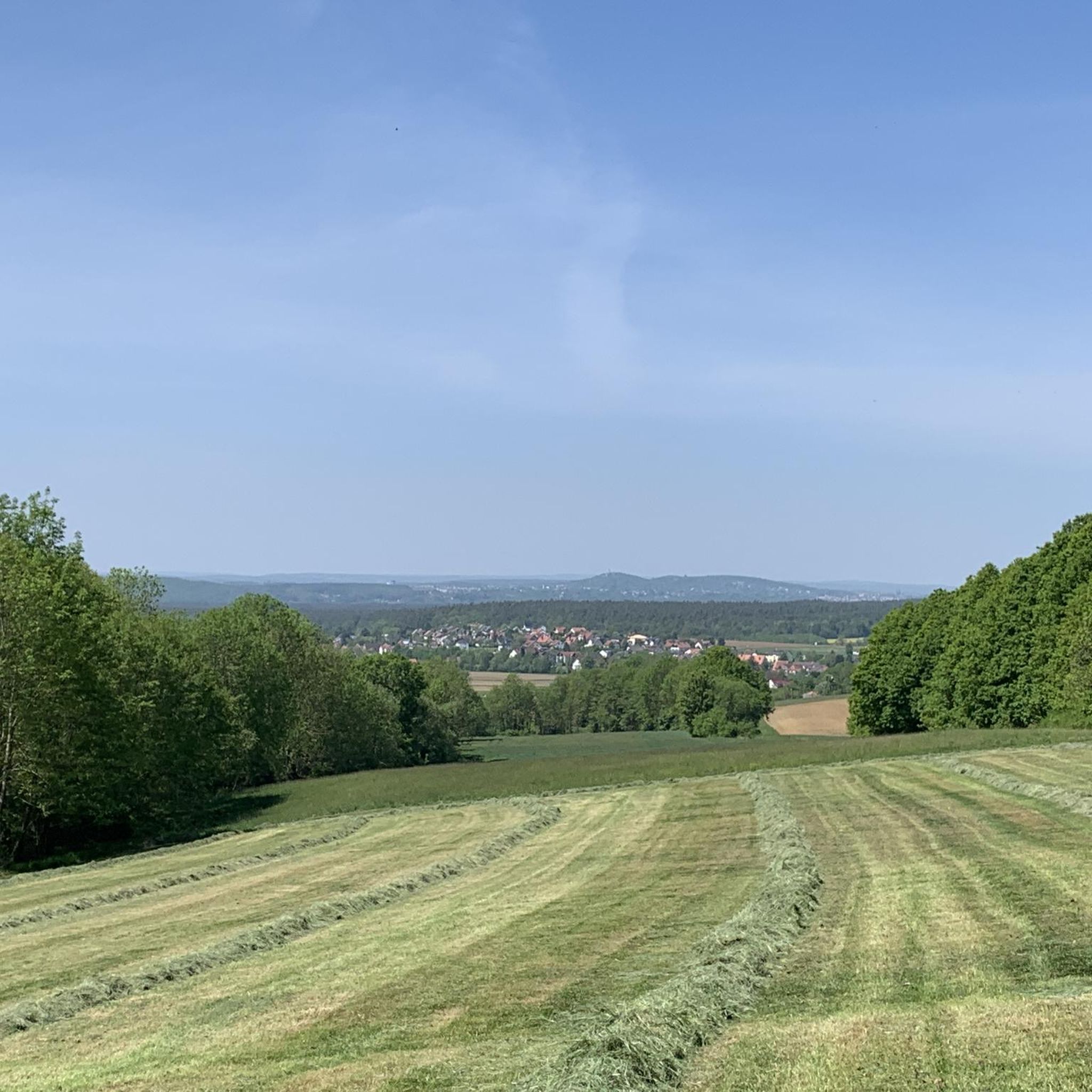
Tips from the Community

By creating additional standing water bodies, efforts are being made here to further increase structural diversity and ecological value. The floodplain offers a habitat for amphibians and insects in the middle of the Hauptsmoor forest.
2
0
The planting of the namesake linden trees took place in 1926 in memory of the fallen of the First World War.
2
0

E-bike charging station
0
0

Mistendorf boasts a wealth of impressive half-timbered houses that lend the town its typical Franconian, picturesque character. The historic ensemble at Lindenplatz is particularly noteworthy. Lindenplatz is considered the heart of Mistendorf's historic architecture. The group of half-timbered houses there is a historical site and a defining feature of the landscape. The oldest house at Lindenplatz (number 6) has been dendrochronologically dated to 1513, making it one of the earliest examples of half-timbered construction in the region. These buildings are characterized by a combination of solid ground floors (often made of local sandstone) and half-timbered upper stories. Many of the buildings date from the 17th to 19th centuries in their current form. The half-timbered structures are distinguished by decorative elements typical of Franconia, such as St. Andrew's crosses and elaborate braces, which lend the buildings stability and aesthetic appeal. A large number of these houses are listed as historical monuments in the Bavarian register of historic monuments, which underscores their importance to the townscape and streetscape. Especially in winter, when the dark beams contrast sharply with the light plaster or snow, these groups of houses offer a popular subject for photographers.
4
0
The most striking landmark of Wernsdorf is the cultural castle. It is home to the Capella Antiqua Bambergensis, which regularly performs concerts of medieval music there. The castle houses a "sounding museum" with over 220 playable musical instruments from the Gothic to the Baroque periods. The building can be visited inside during concerts and themed tours; otherwise, it is usually only viewable from the outside.
4
0
The land consolidation stone near Zeegendorf is a memorial stone marking the successful completion of the Zeegendorf land consolidation project. This project encompassed approximately 185 hectares of agricultural land. Such projects aim to reorganize rural land ownership to improve working conditions in agriculture and promote landscape conservation. Zeegendorf, along with the neighboring villages of Geisfeld-Leesten (568 hectares) and Mistendorf (209 hectares), formed a larger rural consolidation complex within the municipality of Strullendorf. The stone serves as a lasting memorial to the collective achievement of the participating farmers, authorities, and the municipality. It symbolizes the transition to a more modern and efficient land structure in the Zeegenbach Valley. It is typically located at a central or prominent scenic point on the edge of the newly reorganized land, as is the case here along the hiking trail of the scenic Zeegenbach Valley loop.
4
0
The former Leesten watermill is a historic mill in the municipality of Strullendorf, steeped in tradition and now considered a significant cultural monument. The current listed building dates back to the 18th century. It is a characteristic half-timbered house in a quiet location on the outskirts of Leesten. The mill was once powered by the water of the Leesten stream. Remnants of the old millrace are still visible on the slope above the building.
3
0
The parish church of St. Giles in Amlingstadt is one of the most historically significant churches in the Bamberg district. It is considered one of the so-called Slavic churches, whose founding is attributed to a commission from Charlemagne in 793. Archaeological excavations have revealed a small Carolingian church as its predecessor. The core of the present church building dates back to the first half of the 15th century (around 1430) and was consecrated in 1442 by Bishop Anton von Rotenhan. During the Thirty Years' War, Swedish troops burned the church to the ground in 1631. Reconstruction took place around 1640/1659. To alleviate the lack of space, the Bamberg architect Adam Jakob later designed a large transept in the east, while preserving the Baroque character of the interior. While the building's structure is Late Gothic, the interior is now largely defined by Baroque furnishings from the 17th and 18th centuries. An ornate tabernacle with angels and a pelican finial adorns the chancel. The choir stalls with painted depictions of the apostles are particularly noteworthy. The church and cemetery are surrounded by a sturdy wall, which formerly served as a defensive structure and storage area in times of need.
3
0
Frequently Asked Questions
How many touring cycling routes are available around Eichwald?
Eichwald offers a wide selection of touring cycling routes, with over 530 different options available. These routes cater to various preferences, including 190 easy, 189 moderate, and 153 difficult trails.
What is the best time of year for touring cycling in Eichwald?
The most pleasant times for touring cycling in Eichwald are typically spring and summer, when temperatures are mild and nature is in full bloom. Autumn also offers beautiful scenery with colorful foliage, making it another excellent season for exploring the region by bike.
What do other touring cyclists enjoy about the routes in Eichwald?
The touring cycling routes in Eichwald are highly rated by the komoot community, with an average score of 4.5 stars from over 3,100 reviews. Cyclists often praise the diverse landscapes, which include dense woodlands, hilly terrain, and picturesque river valleys, as well as the variety of routes suitable for all ability levels.
Are there easy touring cycling routes suitable for beginners or families in Eichwald?
Yes, Eichwald has numerous easy touring cycling routes perfect for beginners or families. An example is the Wernsdorf Castle – Gasthaus Schiller Beer Garden loop from Eichwald, which is 10.4 miles (16.7 km) long and passes by historical sites and a traditional beer garden. Many paths are paved and suitable for all fitness levels.
Are there challenging touring cycling routes for experienced cyclists?
Absolutely. For experienced cyclists seeking a challenge, Eichwald offers routes with significant elevation gains and varied terrain. The View of the Giechburg – Eulenstein loop from Eichwald is a difficult 24.4 miles (39.2 km) trail that leads through varied landscapes with scenic viewpoints, requiring good fitness.
Are there any circular touring cycling routes in Eichwald?
Yes, many touring cycling routes in Eichwald are designed as loops, allowing you to start and end at the same point. Examples include the Wernsdorf Castle – Gasthaus Schiller Beer Garden loop from Eichwald and the Linden Avenue in Strullendorf – Griess-Keller Beer Garden loop from Zeegendorf, offering convenient options for your tour.
What natural features can I expect to see while cycling in Eichwald?
Eichwald's landscape is characterized by dense woodlands, rolling hills, and serene river valleys. You can also find areas with natural springs, expansive meadows, and unique geological formations like the Leinleiter Dry Valley and the Leinleiter Spring, providing a picturesque backdrop for your rides.
Are there any historical sites or landmarks to visit along the touring cycling routes?
Yes, Eichwald's touring cycling routes often pass by interesting historical sites. You can visit places like Wernsdorf Castle or St. Ägidius Church in Amlingstadt. For a unique experience, consider the Pilgrimage Church of St. Pankratius (Gügel Church), which offers historical and cultural insights.
Can I find routes that feature waterfalls or natural monuments?
Yes, the Eichwald region is home to several beautiful waterfalls and natural monuments. You can explore highlights such as the Deichselbach Tufa Terraces (Tufa Steps), the Großer Tummler Karst Spring, or the Leestener Mühlgraben Waterfall, which are often accessible from cycling paths.
Are there places to stop for refreshments like cafes or beer gardens along the routes?
Yes, traditional beer gardens are a highlight of the Eichwald region and offer pleasant stops for refreshments. Routes like the Wernsdorf Castle – Gasthaus Schiller Beer Garden loop from Eichwald or the Linden Avenue in Strullendorf – Griess-Keller Beer Garden loop from Zeegendorf lead directly to popular spots where you can relax and refuel.
What are the options for parking near the touring cycling trailheads?
Parking options vary depending on the specific trailhead. Many routes, especially those starting from towns or villages, will have designated parking areas. It's advisable to check local signage or route descriptions for specific parking information before you set out.
Is public transport available to access touring cycling routes in Eichwald?
Public transport options, such as regional trains or buses, may be available to reach certain starting points of touring cycling routes in and around Eichwald. Cyclists often use these services to access trails or to return from a one-way tour. Specific availability can depend on the exact location within the broader Eichwald region.
Are there any unique experiences, like ferry crossings, on the touring cycling routes?
Yes, some routes in the broader region offer unique experiences. For example, you might encounter the Regnitz Chain Ferry, which is the oldest and only non-motorized ferry in Upper Franconia, operating seasonally from March to October, providing a charming interlude to your cycling tour.
Are there accommodations suitable for touring cyclists in the Eichwald region?
Yes, the Eichwald region and surrounding areas often feature accommodations that cater specifically to touring cyclists, sometimes adhering to 'Bed & Bike' standards. These establishments provide services like secure bike storage, drying facilities for gear, and sometimes even packed lunches, ensuring a comfortable stay after a day on the trails.
Most popular attractions around Eichwald

Get inspired with the komoot mobile app


Explore more
Browse the best Cycling routes in other regions.
