Top 20 Castles around Quedlinburg
Best castles around Quedlinburg are found in a region known for its remarkably preserved medieval architecture and its status as a UNESCO World Heritage site. The area is characterized by its historic old town, nestled within the Harz foothills. Castles here often sit atop prominent rock formations, offering views of the surrounding landscape and the Selke Valley. This region provides a blend of historical significance and natural beauty for exploration.
Best castles around Quedlinburg
- The most popular castles is Lauenburg…
Last updated: October 9, 2026
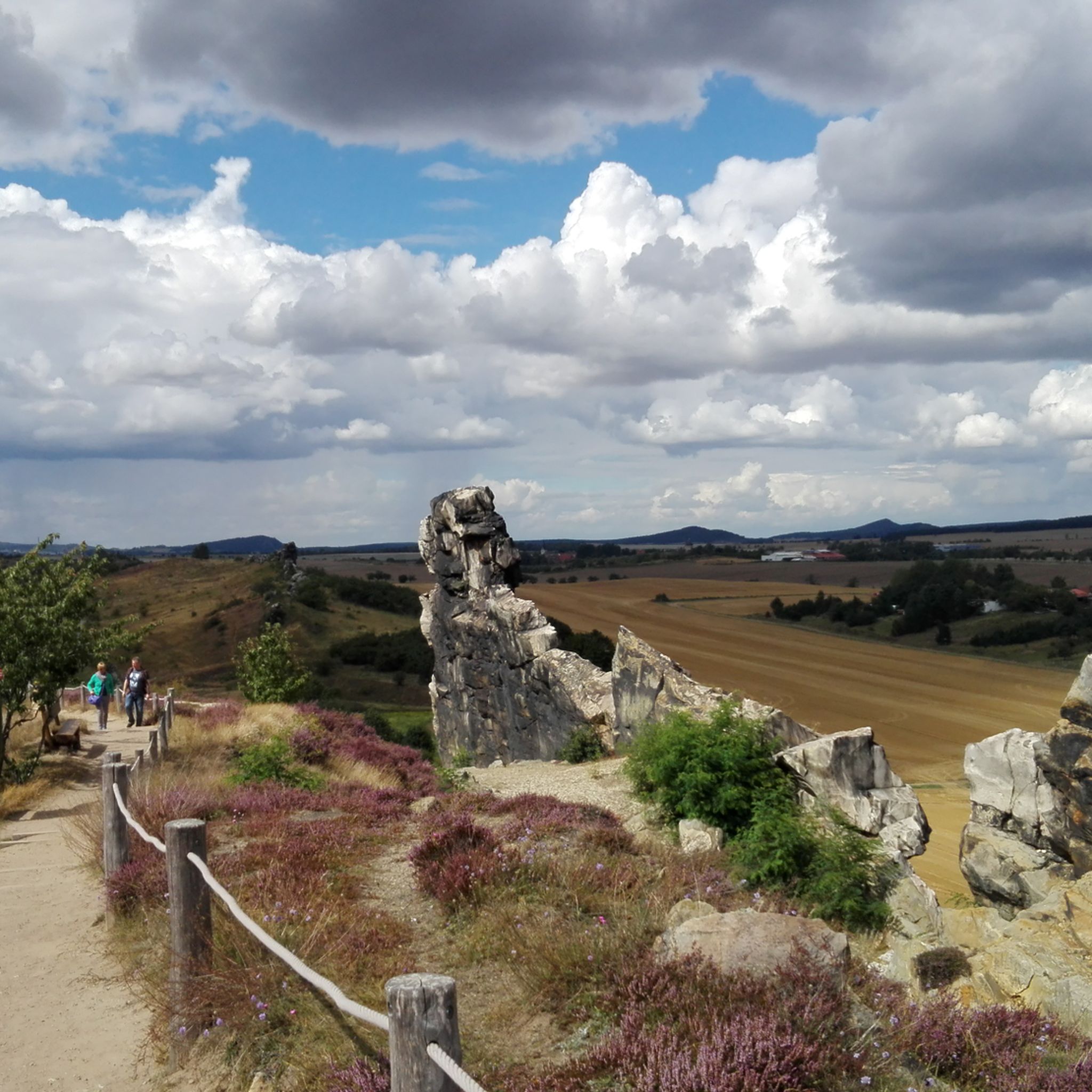
Regenstein Castle and Fortress
Highlight • Castle
Translated by Google •
Tip by

Falkenstein Castle
Highlight • Castle
Translated by Google •
Tip by

Sign up now to discover places like this
Get recommendations on the best single tracks, peaks, & plenty of other exciting outdoor places.
Lauenburg Castle Ruins (HWN 187)
Highlight • Castle
Translated by Google •
Tip by
View of Treseburg from the Weißer Hirsch (HWN 67)
Highlight • Viewpoint
Translated by Google •
Tip by

Stecklenburg Castle Ruins
Highlight • Castle
Translated by Google •
Tip by

Sign up for free to discover even more castles around Quedlinburg.
Already have an account?
Other adventures around Quedlinburg

Tips from the Community

Here is the stamp location 187 Lauenburg.
15
1
A beautiful viewpoint and a good place for a rest.
11
1
The remains of the Stecklenburg ruins.
12
1

The two-part castle complex was built in the third quarter of the 11th century as an imperial castle under Henry IV and was first mentioned in documents in 1164. The construction of the outer and main castle probably took up to ten years. The purpose of the complex, which had a total length of more than 350 m, was to protect Quedlinburg and the nearby military roads. In 1180 it was conquered by Frederick I (Barbarossa) during military conflicts. In 1273 the castle was acquired by the Counts of Regenstein, which led to a power struggle between the Bishop of Halberstadt and the Counts of Regenstein. Bishop Albrecht II alone is said to have visited the castle nine times between 1326 and 1351. In 1351 the castle complex came into the possession of the bishops, who then gave the castle back to the Counts of Regenstein as a fief. From 1479 onwards the Quedlinburg Abbey was the fiefholder of the castle. Other owners of the castle were the Dukes Ernst of Saxe-Gotha-Altenburg and Albrecht of Saxe-Coburg, and from 1740 also King Frederick II of Prussia. The Prussian state later bought the castle for demolition. It then became the property of the city of Quedlinburg and in 1887 it became state property again. Source: Wikipedia
7
0

The HWN 200 stamp box is located in front of the castle
9
0

A must have on the way to the Wanderkaiser.
17
1
From up here you have a great view
12
2
Frequently Asked Questions
What is the historical significance of the castles around Quedlinburg?
The castles and complexes in the Quedlinburg region are deeply rooted in medieval European history. The Quedlinburg Castle and Abbey complex (Schlossberg), a UNESCO World Heritage site, served as a royal residence and an important imperial abbey for centuries. It offers an invaluable glimpse into the past, particularly with its Romanesque architecture and the historical significance of the Collegiate Church of St. Servatius.
Are there any specific historical artifacts or treasures to see at the castles?
Yes, the Collegiate Church of St. Servatius within the Quedlinburg Castle and Abbey complex houses the Quedlinburg Treasure. This collection includes significant religious artifacts and ancient manuscripts, offering a profound insight into the region's rich cultural and religious heritage.
Which castles offer the best panoramic views of the region?
Several castles provide excellent views. The Lauenburg Castle Ruins (HWN 187), perched high above Stecklenberg, offers a viewing platform with expansive vistas of the Harz foreland. Similarly, Falkenstein Castle's tower provides views over the Selketal, and Regenstein Castle and Fortress boasts fantastic all-round views from its rocky location. The Quedlinburg Castle and Abbey complex itself also offers breathtaking panoramic views of the historic old town.
Are there family-friendly castles to visit in the Quedlinburg area?
Absolutely. Falkenstein Castle is a great option, featuring a museum, seasonal knight and castle festivals, and a falconer. Regenstein Castle and Fortress is also considered a unique experience for all ages, with its impressive sandstone-carved structure and numerous caves perfect for young explorers. The Lauenburg Castle Ruins (HWN 187) are also family-friendly and freely accessible.
What unique architectural styles can I expect to see among the castles?
The region showcases a blend of architectural styles. The Quedlinburg Castle and Abbey complex is a prime example of Romanesque architecture, particularly its Collegiate Church of St. Servatius. In contrast, the Quedlinburger Stadtschloss (Hagensches Freihaus) exhibits distinctive Renaissance architecture. You'll also find various castle ruins, like Lauenburg and Stecklenburg, which highlight different historical periods and construction methods.
Can I go hiking near the castles around Quedlinburg?
Yes, the area around Quedlinburg offers numerous hiking opportunities. You can find a variety of trails, from easy walks to more challenging mountain hikes. For easy routes, explore options like the "Münzenberg, Quedlinburg – View of Münzberg loop" or the "Bremer Pond – Bear Monument loop". For more demanding adventures, consider trails such as the "Teufelsmauer Ridge Trail" or routes leading to the "Hexentanzplatz Thale". You can find more details and routes in our guide to Easy hikes around Quedlinburg and Mountain Hikes around Quedlinburg.
Are there cycling routes available near the castles?
Yes, the region provides excellent opportunities for cycling, particularly gravel biking. Routes like the "Quedlinburg Old Town – Teufelsmauer near Neinstedt loop" or the longer "Quedlinburg Old Town – Easter Pond loop" allow you to explore the scenic surroundings and approach some of the castles by bike. Discover more routes in our guide to Gravel biking around Quedlinburg.
What unique features can be found at the castle ruins?
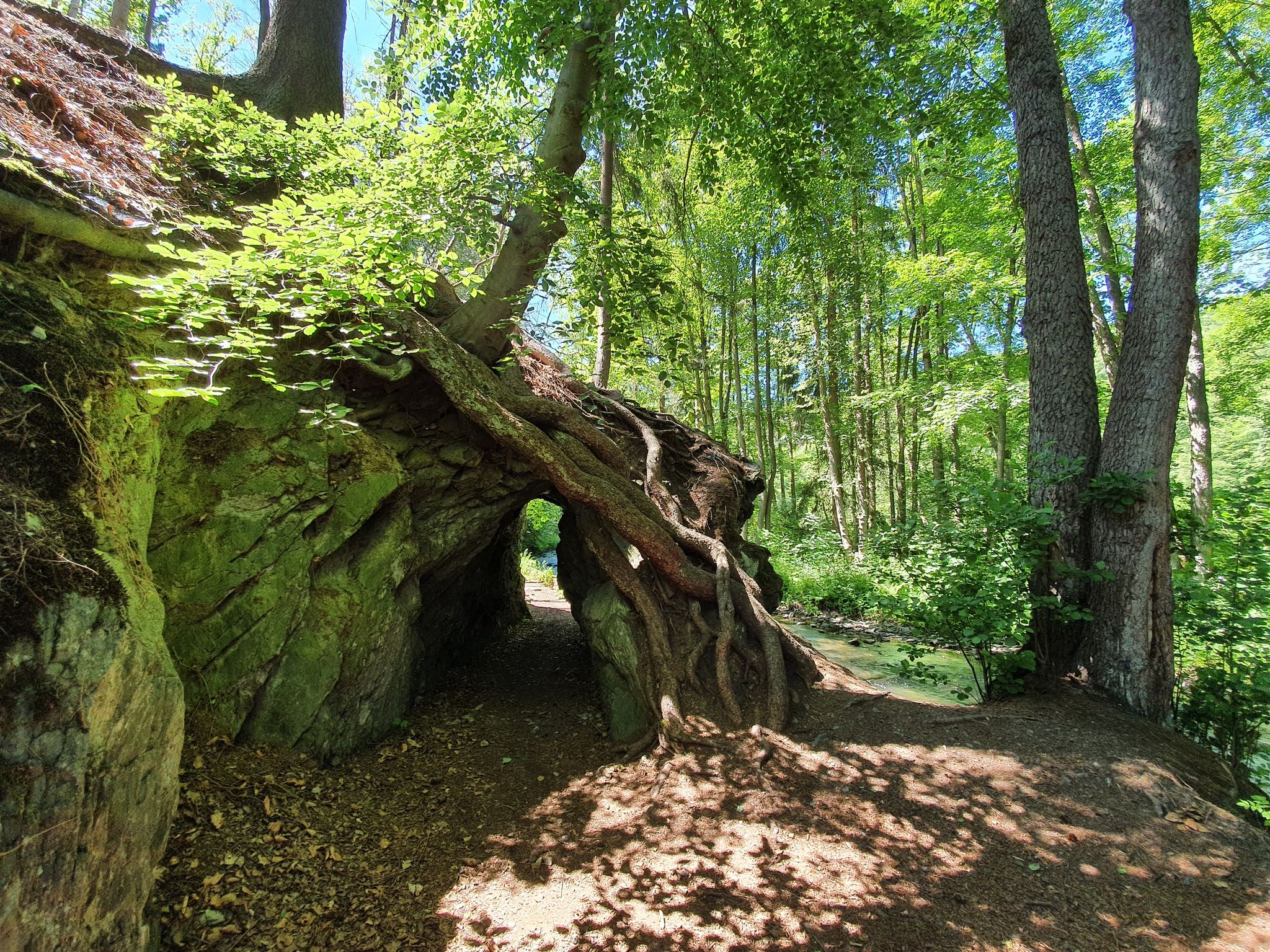
The castle ruins in the area often hold unique surprises. At the Lauenburg Castle Ruins (HWN 187), you'll find a remarkable linden tree that has formed a protective tunnel with its roots. The Stecklenburg Castle Ruins offer a covered picnic table and a bench with a great view of Stecklenberg, perfect for a rest. Regenstein Castle and Fortress is notable for being largely worked directly into the sandstone, featuring a multitude of caves to explore.
What natural features can I see near the castles?
The castles are often nestled within beautiful natural landscapes. The Falkenstein Castle overlooks the picturesque Selketal. The Regenstein Castle and Fortress is situated on impressive rock formations, offering views of the Harz foothills and the Heers pine forest. The region is part of the Harz foothills, characterized by its varied terrain and lush forests.
What do visitors enjoy most about the castles around Quedlinburg?
Visitors frequently praise the impressive ruins and the stunning views they offer. The unique experience of exploring castles like Regenstein Castle and Fortress, with its sandstone-carved features and caves, is highly appreciated. The historical insights provided by museums, such as at Falkenstein Castle, and the peaceful atmosphere of sites like the Lauenburg Castle Ruins are also highlights for many.
Is there a castle that is completely preserved and functions as a museum?
Yes, Falkenstein Castle is a completely preserved castle that serves as a museum. Located above the Selketal, it offers many interesting exhibits that provide historical insights. Visitors can explore the castle, enjoy views from its tower, and even experience seasonal knight and castle festivals.
Are there any castles that are part of the Harzer Wandernadel (Harz Hiking Badge) system?
Yes, several castle sites are part of the Harzer Wandernadel. For instance, the Lauenburg Castle Ruins is stamp location HWN 187, and Luisenburg is stamp office HWN 77. Falkenstein Castle also has stamp office 200 of the Harzer hiking nobility in front of its gate, making them popular destinations for hikers collecting the badges.
Most popular routes around Quedlinburg
Most popular attractions around Quedlinburg

Get inspired with the komoot mobile app


Explore more
Looking for the best castles somewhere else? Discover other guides around Quedlinburg:
