Attractions and Places To See around Schneeberg - Top 20
Best attractions and places to see around Schneeberg, a town in Saxony, Germany, are shaped by its 500-year silver mining heritage and Baroque architecture. The region features historical landmarks, cultural sites, and natural features that reflect its past. Visitors can explore a landscape significantly altered by centuries of mining, including artificial lakes and forested mounds. These Schneeberg natural features and landmarks offer diverse exploration opportunities.
Best attractions and places to see around Schneeberg
- The most popular attractions is Fuchsbrunn Bridge…
Last updated: June 22, 2026
Old Bockau railroad tunnel
Highlight (Segment) • Structure
Translated by Google •
Tip by

Blauenthal Waterfall
Highlight • Waterfall
"After the First World War, the owner of the Toellische paper factory had a new …
Translated by Google •
Tip by

Sign up now to discover places like this
Get recommendations on the best single tracks, peaks, & plenty of other exciting outdoor places.
Sign up for free
Mulde Cycle Path from Blauenthal to Aue
Highlight • Cycleway
Translated by Google •
Tip by

Sosa Reservoir
Highlight • Lake
Translated by Google •
Tip by

Fuchsbrunn Bridge
Highlight • Bridge
Translated by Google •
Tip by

Sign up for free to discover even more attractions around Schneeberg.
Sign up for free
Already have an account?
Start today with a free account
Your next adventure awaits.
Login or Signup
Popular around Schneeberg
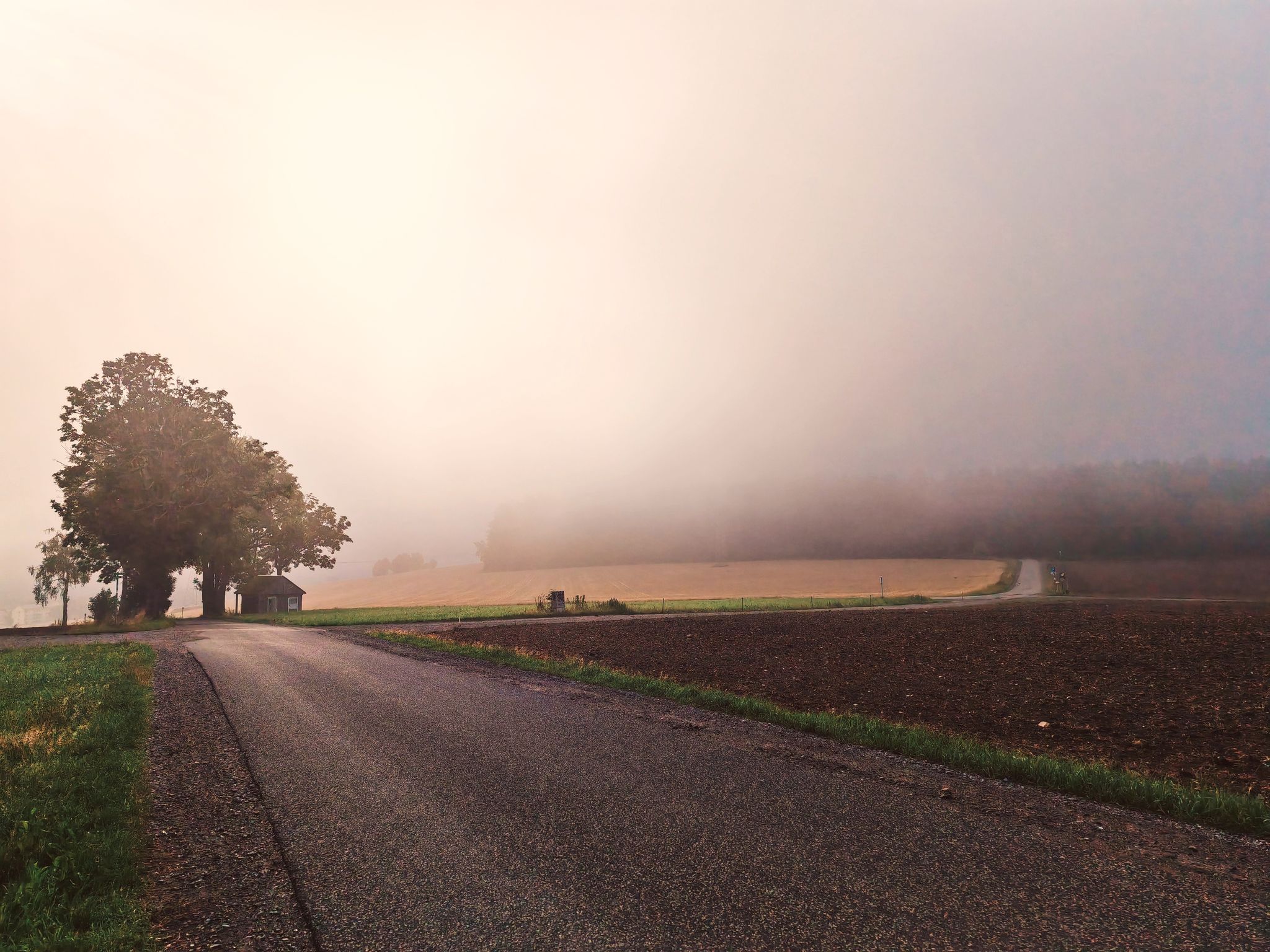
Wonderful Silberberg – Day Tours to the Digital Hiking Badge with SummitLynx
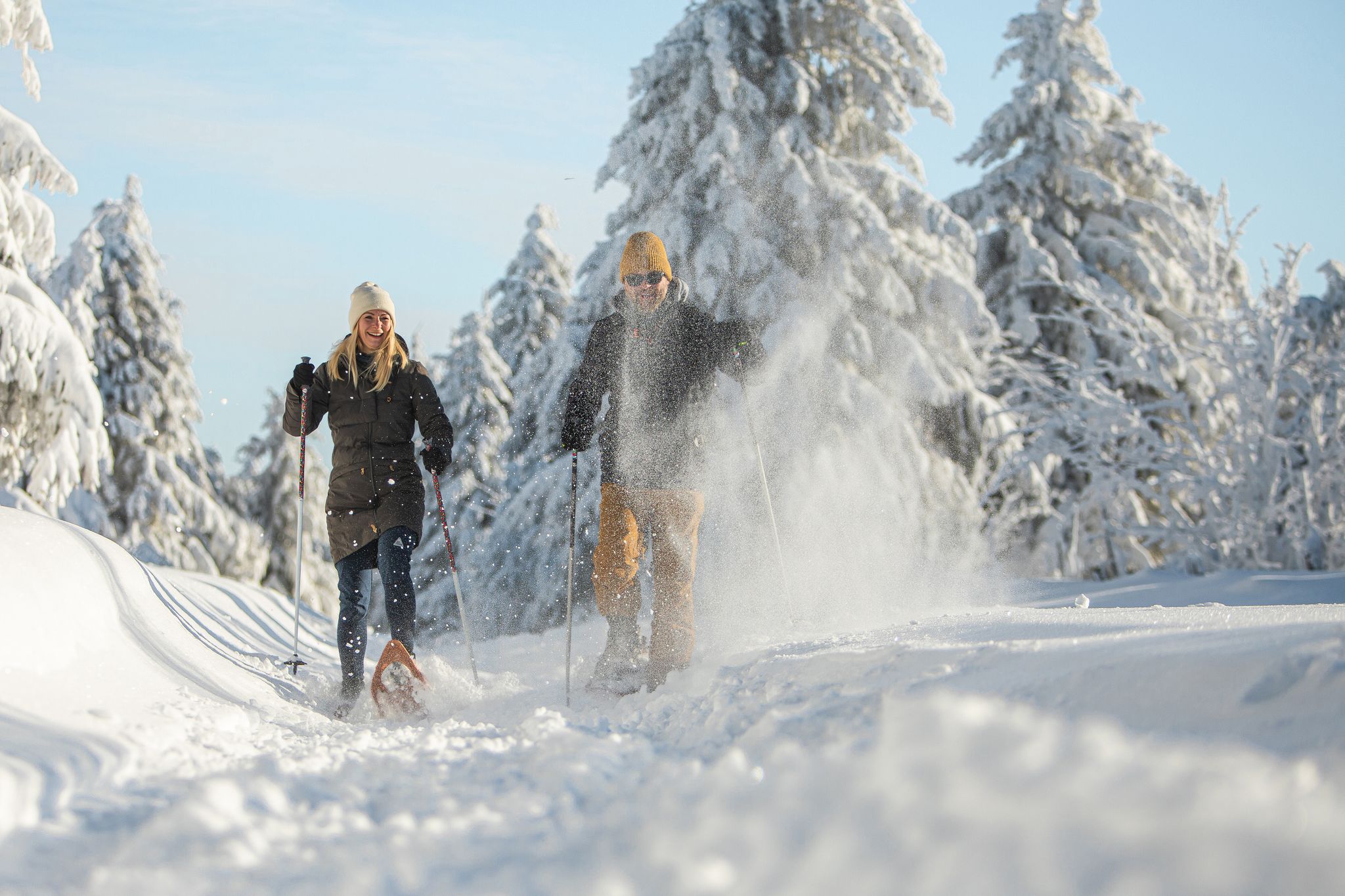
Glittering slopes and forests - winter hiking in the Ore Mountains
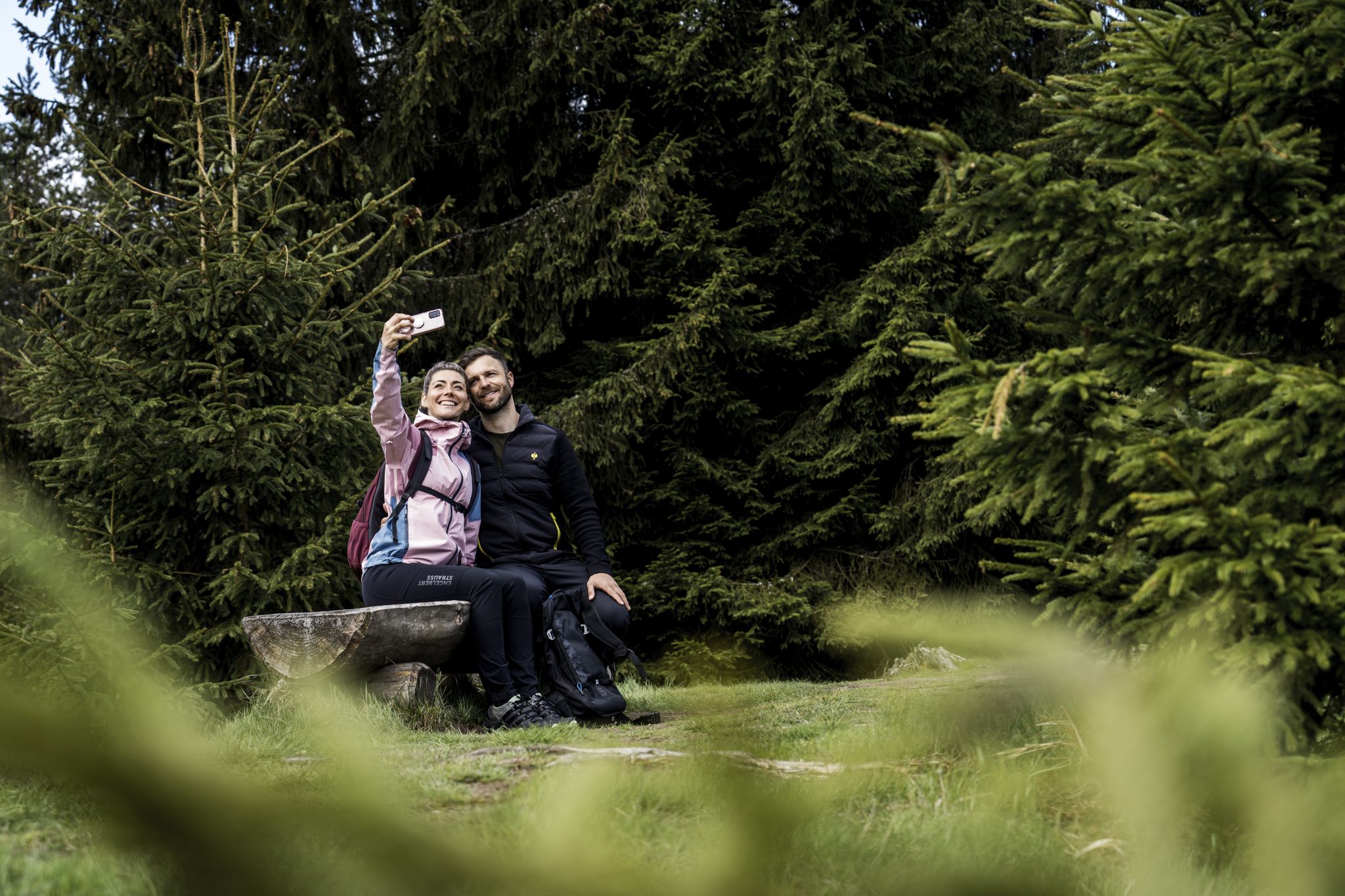
Digitale Wandernadel
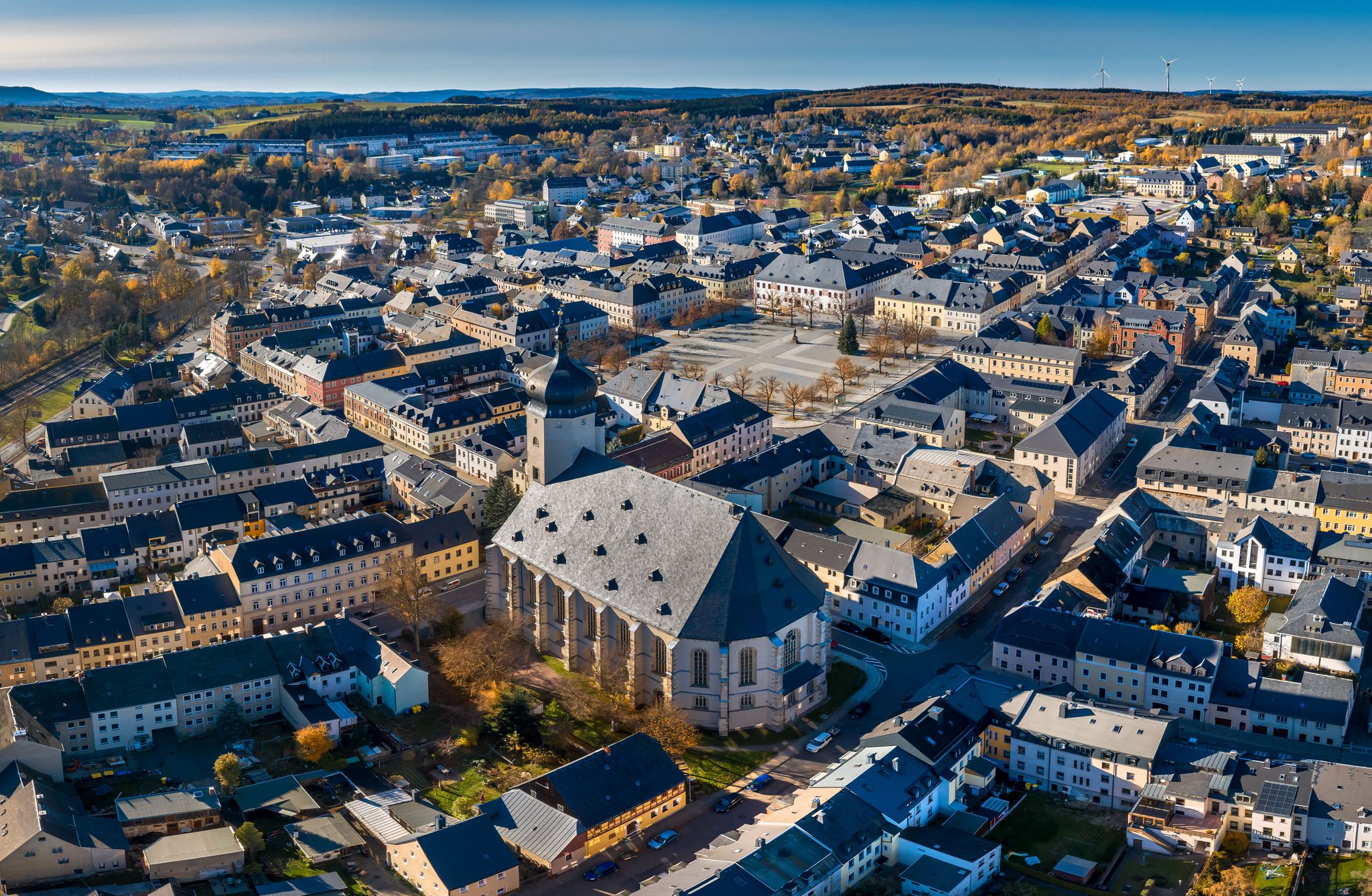
Wandertouren - "Glück Auf" im Welterbe
Wandertouren - Gipfelglück
Hiking around Schneeberg
Cycling around Schneeberg
Running Trails around Schneeberg
MTB Trails around Schneeberg
Road Cycling Routes around Schneeberg
Other adventures around Schneeberg


Tips from the Community

One of the most beautiful waterfalls I know 😍. If you continue the hike to the right, you can see the waterfall from above 😊.
14
2

The largest waterfall in Saxony and one of the highest German waterfalls outside the Alps is located in the immediate vicinity of Blauenthal. This former site of a flour and board mill was bought by Andreas Blau around 1530 and converted into a hammer mill. After the First World War, the owner of the paper factory had a new ditch dug above a steep rock face in order to use the water to drive his turbines. On Sundays and public holidays, the machines stood still and the water rushed down into the valley.
10
1

Former railway tunnel, very wide and somehow great.
9
0

The dam was built between 1948 and 1951. After the founding of the GDR, the dam was called the “Dam of Peace”. It was the first so-called "central youth facility" of the newly founded state on October 7, 1949. Source: http://www.sosa-online.de/geschichte.html
3
0

The panoramic view from the dam wall over the forests is simply picturesque. Great place for hikes around the dam.
5
1

A great bike path. Slightly rising from Aue to Sosa. The first climb to Sosa Can only be done with e-bikes, but pushing is also possible (only about 700 m). Afterwards you will be rewarded with a wonderful view. The Cafe Richter in Sosa is highly recommended. (Open Wed. - Sun 1:00 p.m. - 5:00 p.m.
3
2

Very easy to ride, perfectly developed cycle path on the old railway line.
2
1

The cycle path is very well developed here. In other places you take the busy road.
1
1
Frequently Asked Questions
What historical sites can I explore in Schneeberg?
Schneeberg is rich in history, particularly its 500-year silver mining heritage. You can visit significant landmarks such as St. Wolfgang's Church, often called the "Miners' Cathedral," and the classicistic Town Hall with its Meissen porcelain glockenspiel. The Historic Centre of Schneeberg itself, with its Baroque townhouses, offers a glimpse into the town's past. Other notable sites include St. Trinitatis Church and the Fürstenhaus Royal Residence.
Where can I learn about Schneeberg's mining heritage?
To delve into Schneeberg's mining heritage, visit the Museum of Mining Folk Art, which showcases the world of miners, their culture, and exhibits of mining tools and art. You can also explore the Siebenschlehener Pochwerk, a technical museum providing insight into historical mining processes, and the Silber-Schmelzhütte St. Georgen, an old silver smelter.
Are there any unique natural features or scenic viewpoints around Schneeberg?
Yes, the region offers several unique natural features. The Blauenthal Waterfall is the largest waterfall in Saxony and a must-see. The Sosa Reservoir provides picturesque panoramic views from its dam wall. The surrounding landscape also features tranquil small lakes and forested mounds, which are often historical depositions from centuries of mining.
What outdoor activities can I do near Schneeberg's attractions?
The area around Schneeberg is excellent for outdoor activities. You can enjoy cycling on paths like the Mulde Cycle Path from Blauenthal to Aue, which follows a former railway line. For hiking, there are numerous trails, including easy options like the "View of Filzteich – Filzteich loop from Neustädtel" or the "Anton Günther Memorial Stone – Bismarck Tower Keilberg loop from Griesbach." You can find more hiking routes in the Easy hikes around Schneeberg guide.
Are there family-friendly attractions or activities in the Schneeberg area?
Absolutely. Beyond the historical sites, families can enjoy the Blauenthal Waterfall, which is easily accessible. The Sosa Reservoir is also a great spot for family walks. Nearby, you'll find attractions like the Zoo of Minis in Aue, Wurzelrudis Erlebniswelt in Eibenstock, and Hirschfeld Wildlife Park in Lengenfeld, all within a short drive.
Can I go cycling on former railway lines in the region?
Yes, the region has converted several former railway lines into scenic cycle paths. A prime example is the Mulde Cycle Path from Blauenthal to Aue, an approximately 11 km long route that offers a moderate gradient and shaded sections, making it a pleasant ride. You can also pass through the Old Bockau railroad tunnel on a well-developed bike path.
What is the Fuchsbrunn Bridge and why is it significant?
The Fuchsbrunn Bridge is the last civil engineering structure on the former Zwönitz-Scheibenberg railway line. It holds historical significance as the only surviving landmark of the old Erzgebirgsbahn on the border between Zwönitz and Lößnitz, dismantled after World War II.
What kind of hiking trails are available around Schneeberg?
You can find a variety of hiking trails around Schneeberg, ranging from easy to more challenging. Many trails offer views of the unique mining landscape, artificial lakes, and forested areas. For easy hikes, consider routes like the "Filzteich – View of Filzteich loop from Heide und Moorwald am Filzteich." More options are detailed in the Easy hikes around Schneeberg guide.
Are there any cultural festivals or events in Schneeberg?
Schneeberg celebrates its mining heritage with the Lichtelfest, held before Christmas on the second weekend of Advent. This festival highlights the importance of light to miners and is a significant cultural event in the town.
What do visitors enjoy most about the attractions around Schneeberg?
Visitors particularly appreciate the blend of historical significance and natural beauty. The Blauenthal Waterfall is often praised for its beauty, despite being man-made. Cyclists love the well-developed Mulde Cycle Path for its moderate gradients and shaded sections. The panoramic views from the Sosa Reservoir are also a highlight for many.
What is the best way to experience the unique mining landscape around Schneeberg?
The best way to experience the unique mining landscape is by exploring the trails and viewpoints. What appear to be natural features, such as tranquil small lakes and substantial mounds and hills with forested areas, are often historical depositions of mining material and artificial lakes created for water management in mining. Hiking or cycling through these areas provides direct insight into how centuries of mining shaped the environment.
Most popular routes around Schneeberg
Most popular attractions around Schneeberg

Get inspired with the komoot mobile app


Explore more
Still not found the Highlight you’re looking for? See guides of the top attractions in other regions:
