Top 20 Caves around Schweich
Best caves around Schweich are found in the surrounding regions of the Mosel Valley and the Eifel. These areas are characterized by diverse geological formations, including ancient rock shelters and historical mining sites. The landscape offers a blend of natural beauty and historical insights, providing opportunities for exploration. Many of these sites have historical significance, with evidence of human activity dating back thousands of years.
Best caves around Schweich
- The most popular caves is Klausen Cave (Hermit's Cave), a…
Last updated: June 22, 2026
Genoveva Cave
Highlight • Cave
Translated by Google •
Tip by

Klausen Cave (Hermit's Cave)
Highlight • Cave
Showing Translation
Tip by

Sign up now to discover places like this
Get recommendations on the best single tracks, peaks, & plenty of other exciting outdoor places.
Sign up for free
Roman copper mine and quarry Pützlöcher
Highlight • Historical Site
Translated by Google •
Tip by

Silvester Cave
Highlight • Cave
Translated by Google •
Tip by

Marian Grotto in the Eifel Cliffs
Highlight • Religious Site
Translated by Google •
Tip by

Sign up for free to discover even more caves around Schweich.
Sign up for free
Already have an account?
Start today with a free account
Your next adventure awaits.
Login or Signup
Popular around Schweich
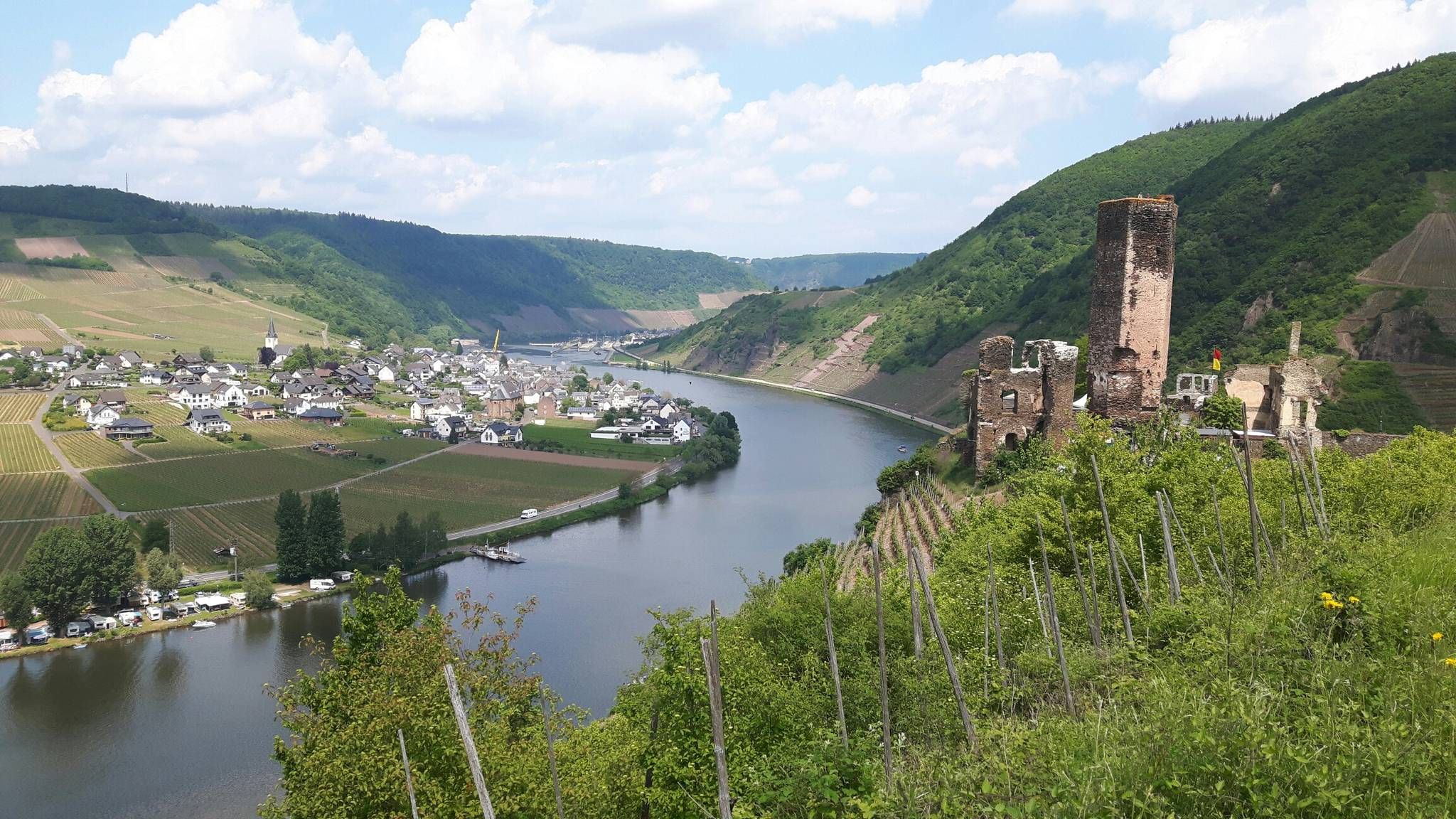
The Moselsteig trail – 24 stages along the sunny Moselle Valley
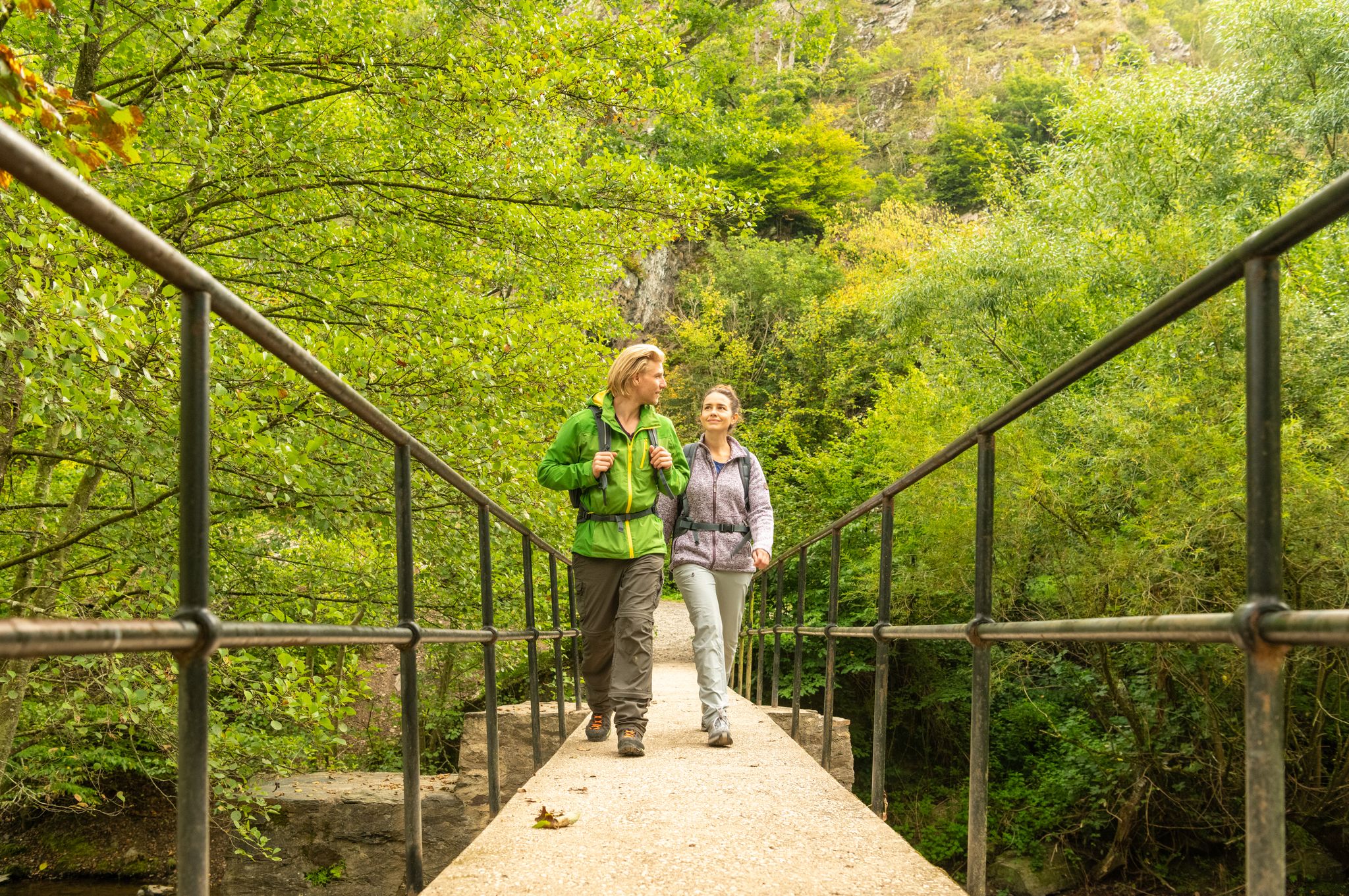
Moselsteig Partner Trails – nature, culture and views
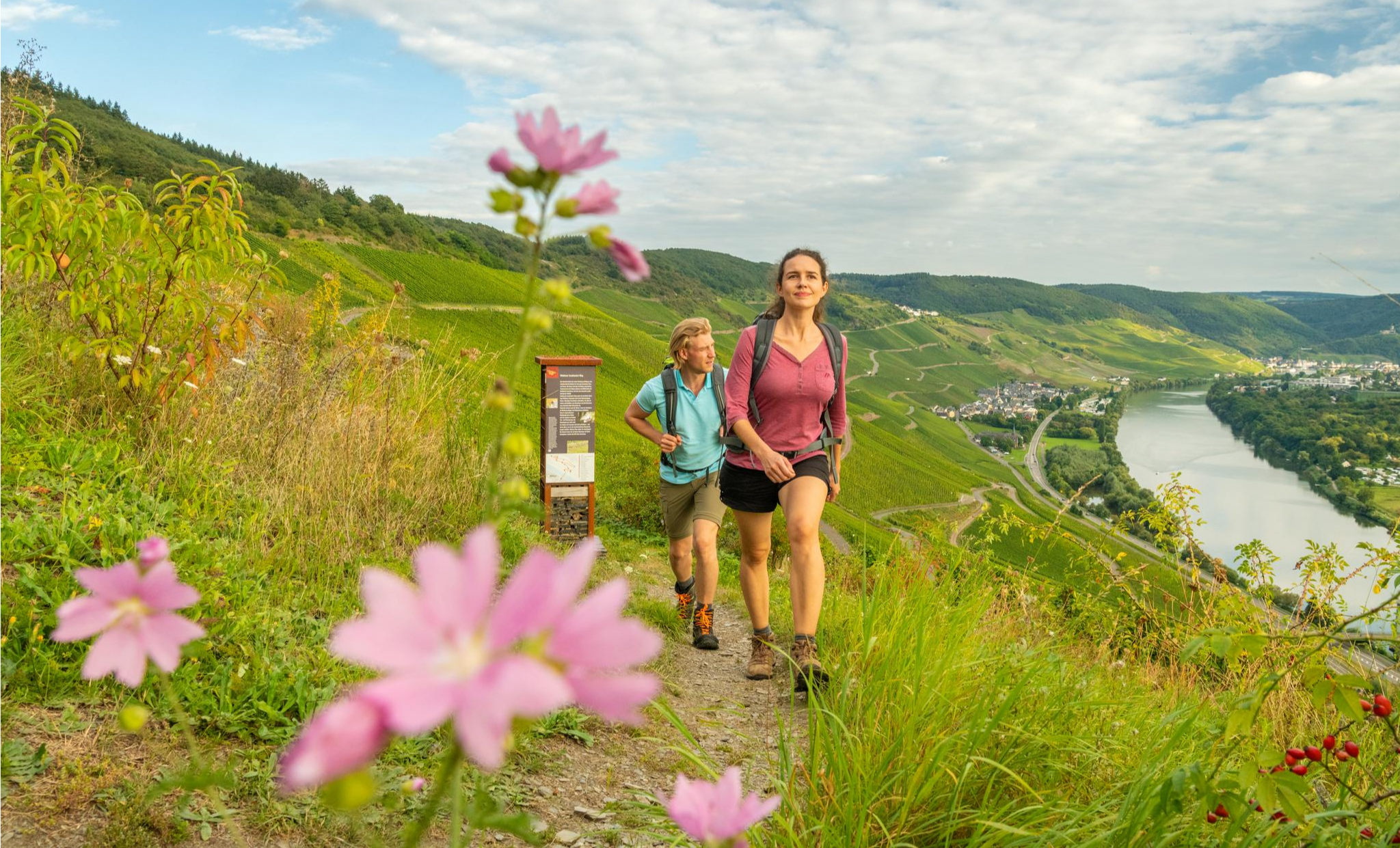
Moselsteig – 24 varied stages from Perl to Koblenz
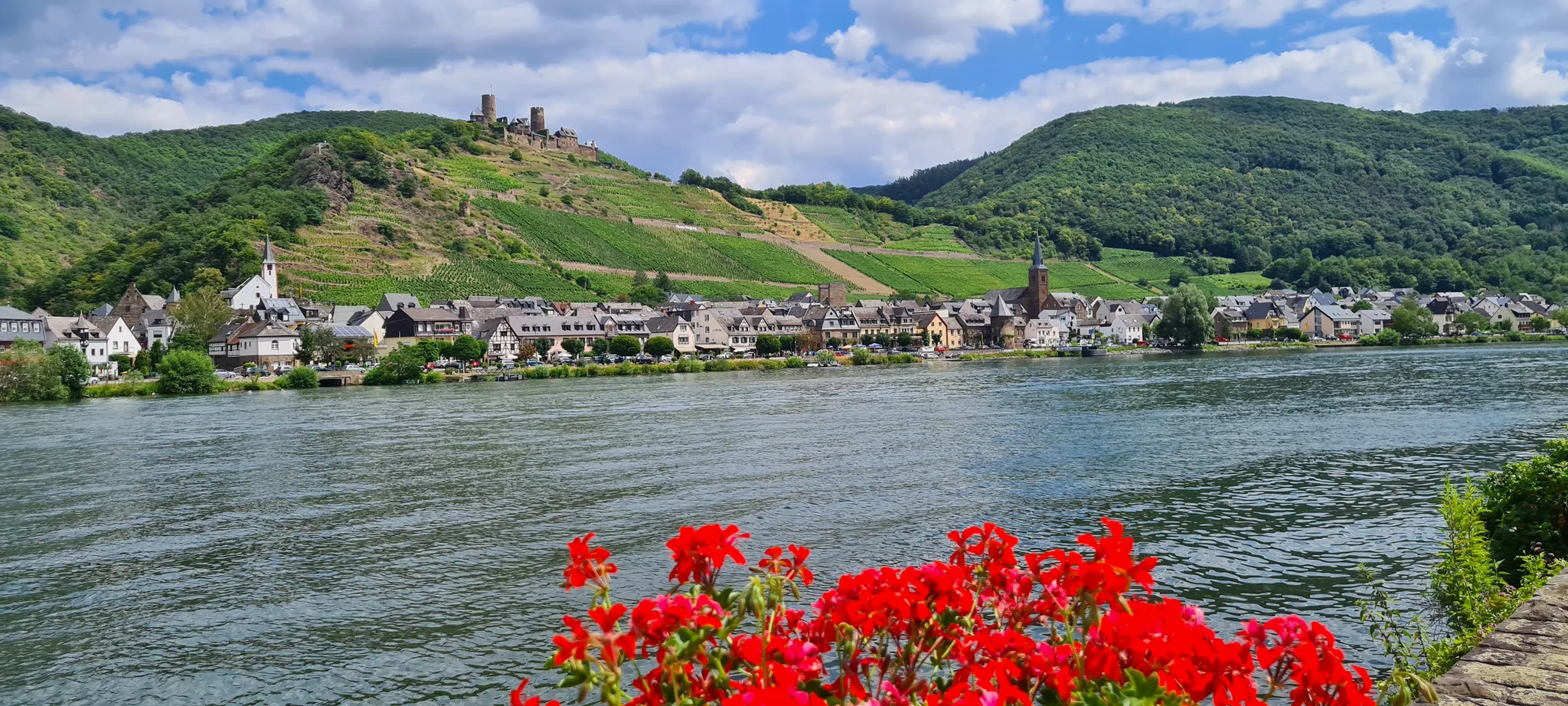
D-Route 5: Saar-Moselle-Main
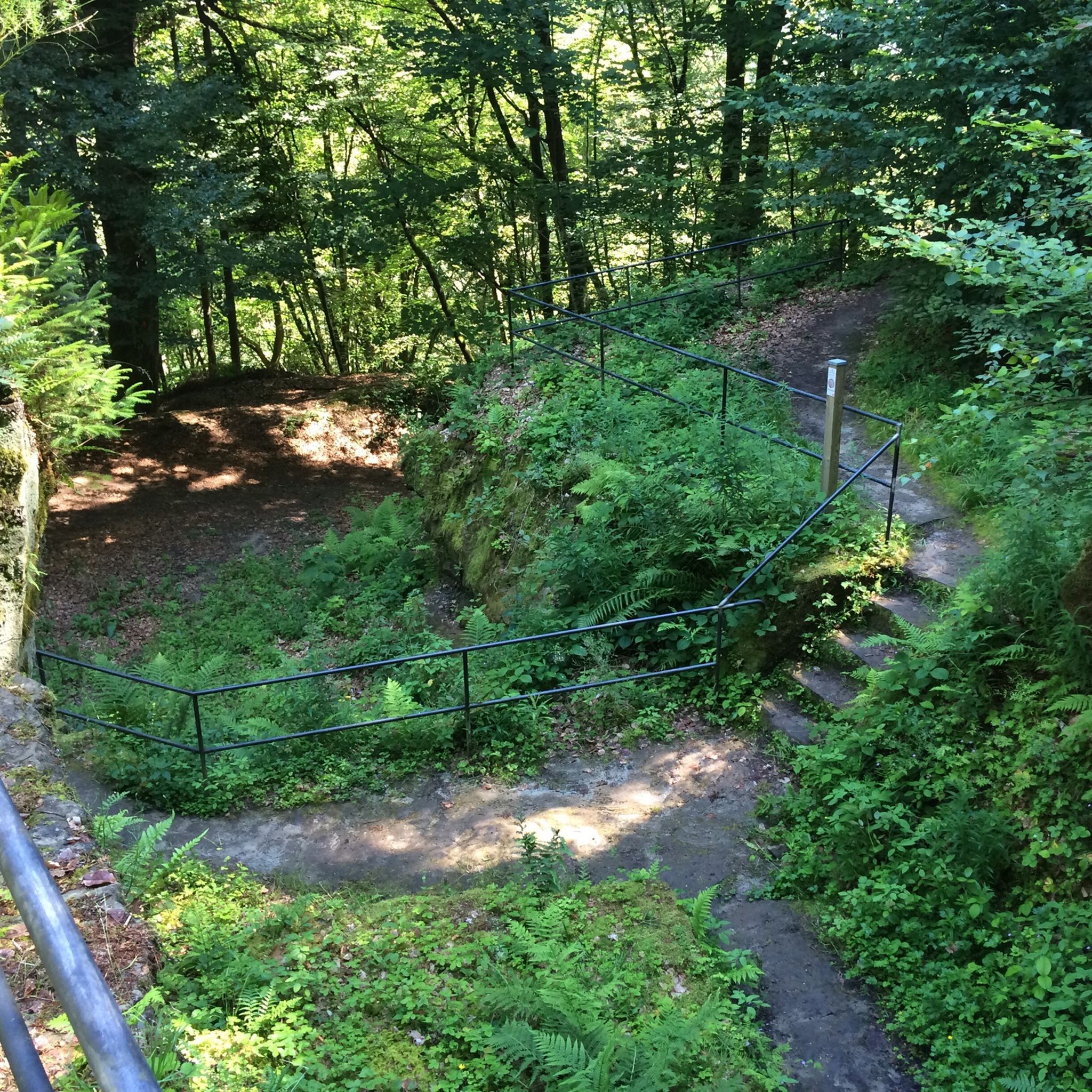
Hiking around Schweich
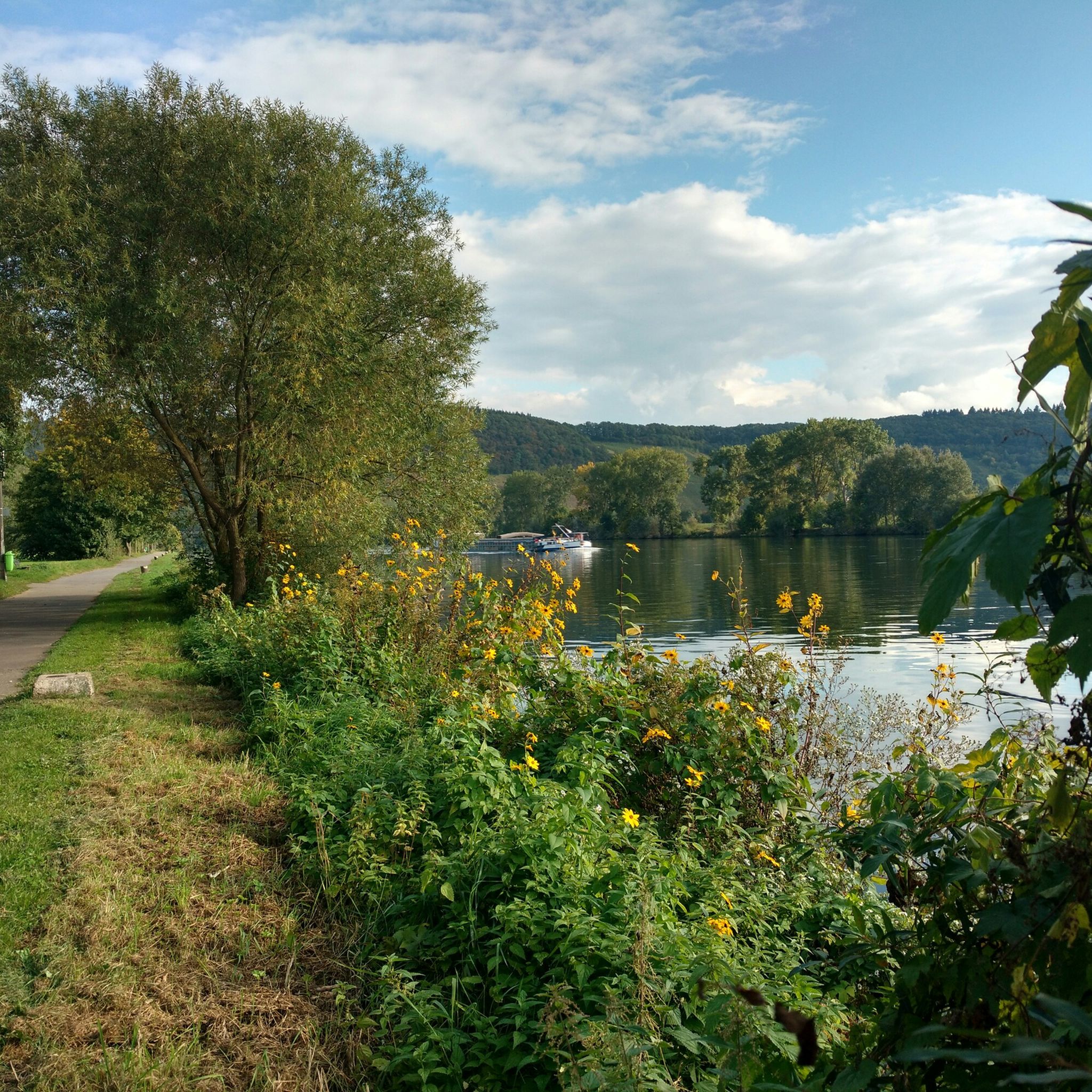
Cycling around Schweich
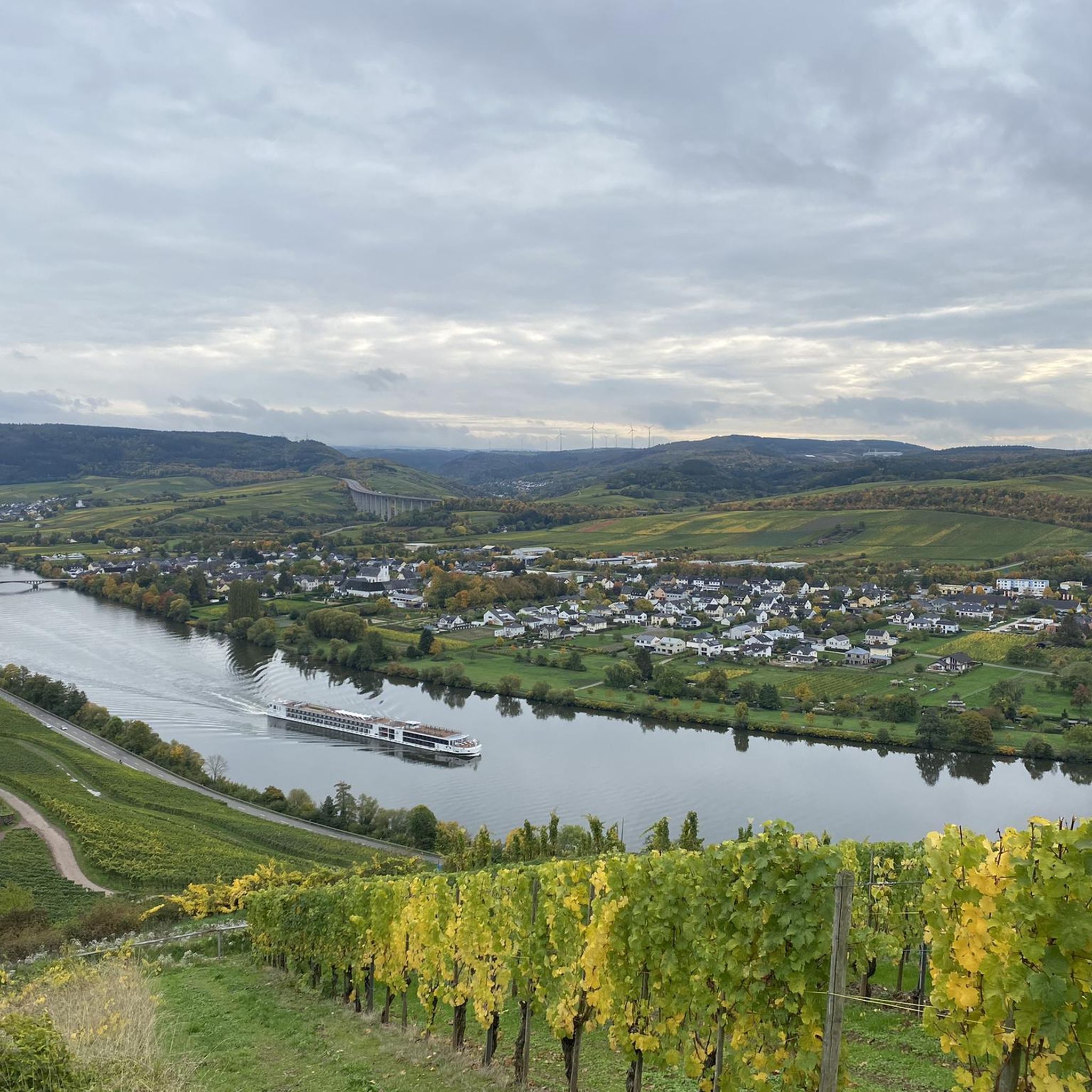
Running Trails around Schweich
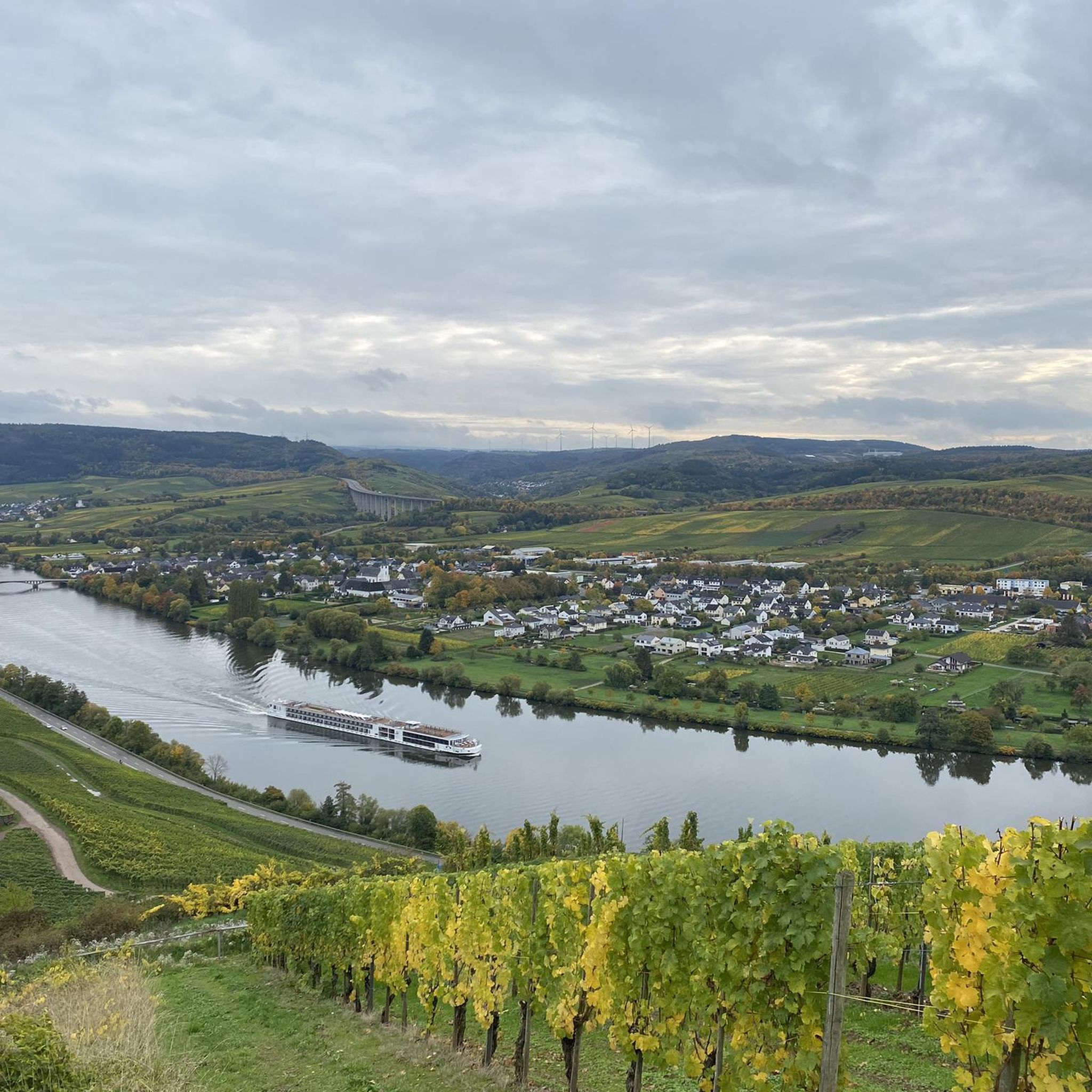
Road Cycling Routes around Schweich
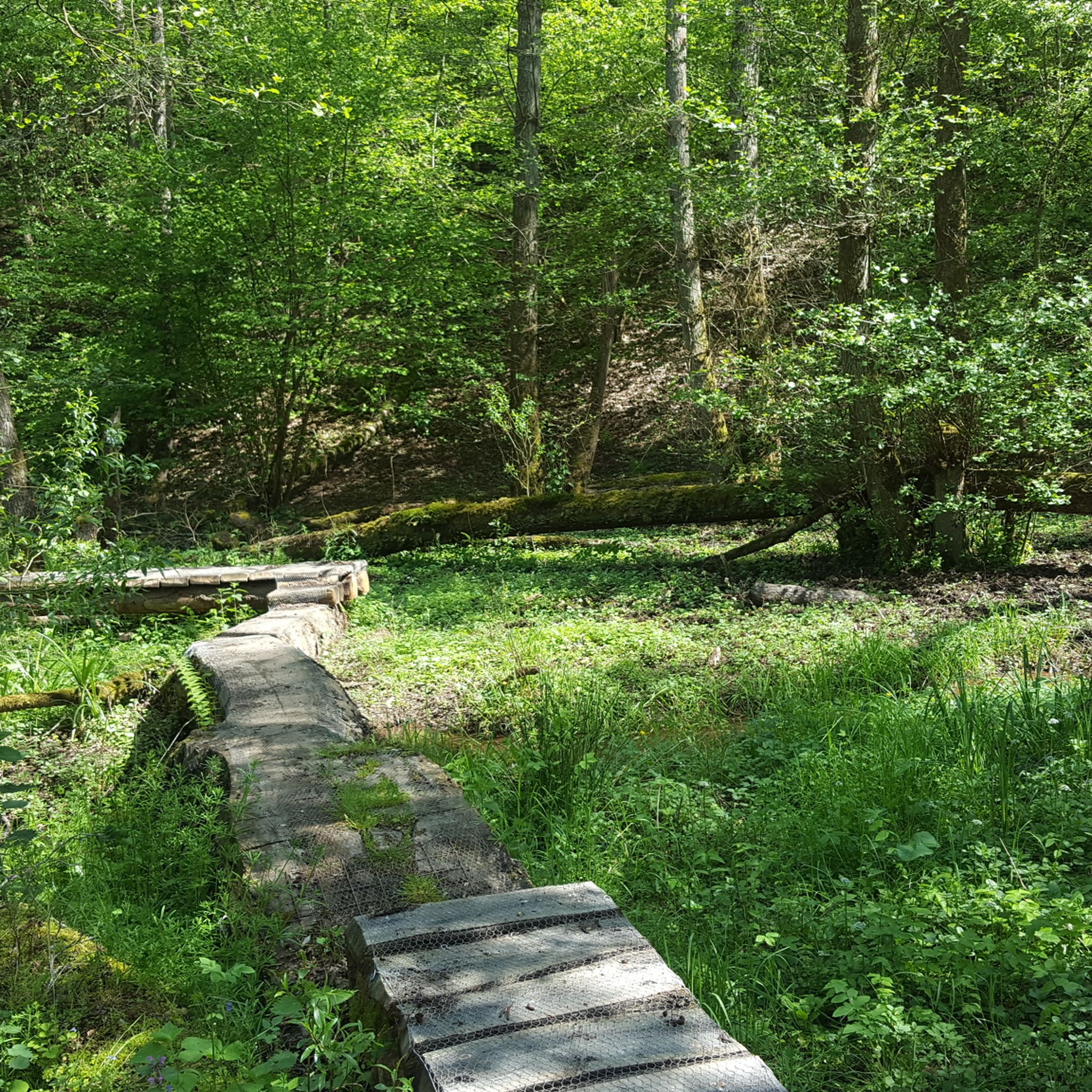
MTB Trails around Schweich
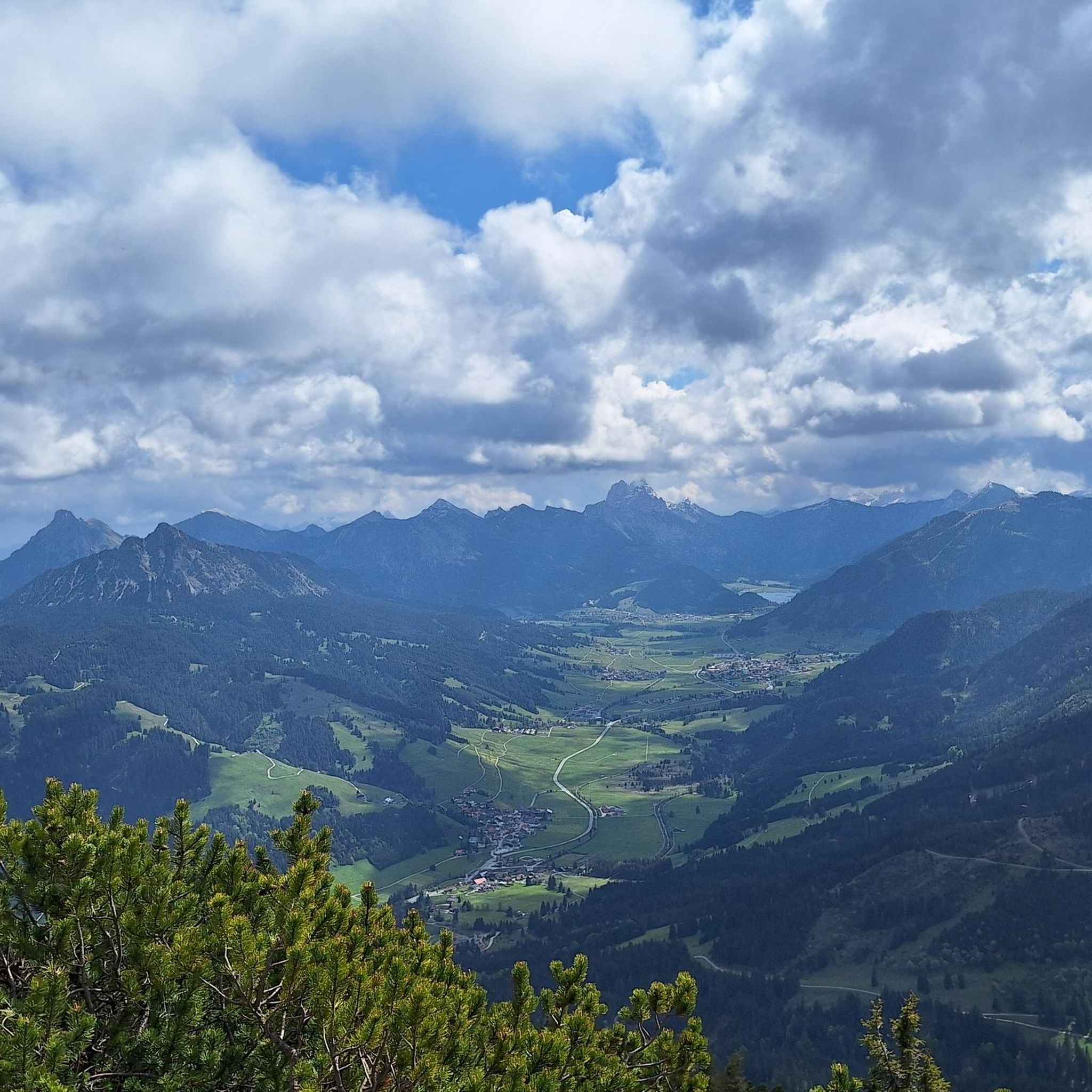
Gravel biking around Schweich
Other adventures around Schweich


Tips from the Community

The Klausenhöhle was inhabited in the 18th century by a hermit. Access is via ladders. Particularly impressive is the view through a natural rock opening, which reveals a view of the surrounding landscape. With its exceptional location and special atmosphere, the cave is one of the region's most appealing photo motifs.
40
0
Even today, blocks of stone with Roman numerals and inscriptions can be found in the mine. It is believed that quarrying continued into the 3rd century, as a coin of Emperor Maximinus Thrax was found in the tunnel. Much later, in the 18th century, the search for ore and copper resumed using state-of-the-art blasting techniques, creating new tunnels approximately 114 meters deep. However, the main tunnel collapsed during this process. Source: https://eifelfuehrer.de/touristische-ziele/geschichtliche-zeugnisse/puetzloecher
36
0
The Roman copper mine "Pützlöcher," located between Kordel and Butzweiler, is one of the oldest in Germany and means "waterhole." Here, in the 2nd century, ores such as malachite and azurite were mined at a depth of 20 meters. However, these ores were not found in large deposits, so the Romans later focused on the nearby quarry. The stones from this quarry were used, among other things, for the construction of the Porta Nigra. Source: https://eifelfuehrer.de/touristische-ziele/geschichtliche-zeugnisse/puetzloecher
43
0

Many Matthias brotherhoods from the Lower Rhine pass by here to rest at Ramstein Castle.
2
0

The name comes from New Year's Eve 1982/83 when the Kordel local history society celebrated the completion of the work in the Butzerbachtal.
4
0

A nice resting place under a rocky outcrop that offers shelter even in a storm. The father's association, which celebrates its festivals here, has existed for 40 years.
7
0

Great, impressive photo opportunity 🎨📸👍🏻👌🏼 Klausenhöhle KORDEL Visit the Klausenhöhle on the Eifelsteig and Römerpfad premium hiking trails and let the past come to life again. In the 18th century, a Klausener, a hermit, who sought to achieve eternal salvation through a life in complete isolation, probably lived in the Klausenhöhle. It's gigantic to see😵👌🏼
11
0
The Porta Nigra in Trier, the Cologne Cathedral and the Reichstag in Berlin have something in common! The building blocks come from the same area near Butzweiler near Trier. "Pützlöcher" is the popular name for a Roman quarry in which the large blocks for the construction of the Porta Nigra were cut out of the rock. Previously, copper ore was mined here.⚒️
12
1
Frequently Asked Questions
What types of caves can I explore near Schweich?
The region around Schweich, particularly the Mosel Valley and the Eifel, offers a diverse range of caves. You can find natural erosion caves like Genoveva Cave, historical mining sites such as the Roman copper mine and quarry Pützlöcher, and rock overhangs like Silvester Cave. There are also unique geological formations and prehistoric sites.
Which caves near Schweich are historically significant?
Several caves boast rich history. Genoveva Cave served as a refuge for thousands of years, with evidence of habitation from the Palaeolithic era through Roman times. The Roman copper mine and quarry Pützlöcher offers insight into ancient Roman mining techniques. Further into the Eifel, Kakushöhle is a significant prehistoric site with Neanderthal traces, and Buchenlochhöhle also shows evidence of Neanderthal use.
Are there family-friendly caves to visit around Schweich?
Yes, Silvester Cave is noted as family-friendly. While more of a rock overhang, it provides a nice rest area. The Genoveva Cave, with its steps carved in 1910, is also relatively accessible and offers a glimpse into history that can be engaging for families.
What are some unique geological features of the caves in the Schweich area?
The region features diverse geological formations. Genoveva Cave is a shell-shaped cave formed by erosion, wind, and frost, featuring intricate stalactites and stalagmites. The Klausen Cave (Hermit's Cave) is part of impressive rocky landscapes with unique geological formations. Further afield, the Millstone Caves of the Rother Kopf are fascinating labyrinths formed by basalt mining, sometimes called 'ice caves' due to trapped cold air.
Can I find hiking trails that lead to or past these caves?
Absolutely. Many caves are integrated into hiking routes. Genoveva Cave is accessible via trails like the Eifelsteig and Römerpfad. Klausen Cave is also found along the Eifelsteig, with some sections explorable via ladders and rock steps. The Roman copper mine and quarry Pützlöcher is part of a hike that includes natural rock formations.
What is the best time of year to visit the caves near Schweich?
Most caves are accessible year-round. However, some, like the Millstone Caves (Mühlsteinhöhlen) of the Rother Kopf, may be temporarily closed in winter to protect hibernating bats. For caves with outdoor access or those integrated into hiking trails, spring and autumn offer pleasant temperatures for exploration. Always check local conditions before visiting.
What should I wear or bring when exploring caves in this region?
When exploring caves, it's advisable to wear sturdy shoes, as paths can be uneven or slippery. Even in summer, cave interiors can be cool and damp, so a light jacket is recommended. For deeper or less developed caves, a flashlight and potentially a helmet (especially for places like the Millstone Caves) would be beneficial. Always remember to take any rubbish with you.
Are there any religious or spiritual sites associated with the caves?
Yes, the Marian Grotto in the Eifel Cliffs is a semi-cave featuring a statue of Mary and an inscription, offering a place for reflection and spiritual significance. It's located high on a rocky slope southeast of Kordel.
Where can I find a secluded cave experience near Schweich?
The Klausen Cave (Hermit's Cave) is described as a 'truly beautiful place, wonderfully secluded and yet easily accessible.' Its tranquil setting makes it ideal for those seeking peace and quiet amidst natural beauty.
What do visitors enjoy the most about the caves around Schweich?
Visitors appreciate the blend of natural beauty and historical depth. Many enjoy the serene atmosphere of places like Klausen Cave and the historical insights offered by sites like Genoveva Cave. The impressive Roman engineering at the Roman copper mine and quarry Pützlöcher also leaves a lasting impression, prompting questions about ancient techniques.
Are there other outdoor activities I can do near the caves?
The region around Schweich offers numerous outdoor activities. You can find various road cycling routes, such as the 'Moselle Riverside Path – Ferry Tower Schweich loop.' For runners, there are running trails like the 'Moselle River near Schweich – Schweich on the Moselle loop.' Gravel biking is also popular, with routes like the 'Trailpark Mehring Mosel – Felsenkreuz Viewpoint Mehring loop.'
How accessible are the caves near Schweich?
Accessibility varies by cave. Genoveva Cave has steps carved in 1910 to make it more accessible. Klausen Cave is described as 'wonderfully secluded and yet easily accessible,' though some sections may involve ladders and rock steps. Many caves are reached via hiking trails, so a moderate level of fitness is often required.
Are there any caves that offer shelter during bad weather?
Yes, Silvester Cave, described as more of a rock overhang, provides natural shelter from bad weather. It also serves as a nice rest area for hikers, often featuring a table and seating.
Most popular routes around Schweich
Most popular attractions around Schweich

Get inspired with the komoot mobile app


Explore more
Extend your search for the best caves by checking out these guides of the top ones around Schweich:
