Top 12 Castles around Viechtach
Castles around Viechtach are situated in the Bavarian Forest, a region characterized by its dense woodlands, rolling hills, and historical significance. The area offers a blend of natural landscapes and cultural heritage, with several historical sites accessible by car from Viechtach. This part of the Upper Palatinate is known for its ancient ruins and castle complexes, providing insights into medieval history. Visitors can explore these sites amidst a scenic backdrop of forests and valleys.
Best castles around Viechtach
- The most…
Last updated: October 4, 2026
Altnußberg Castle Ruins
Highlight • Castle
Translated by Google •
Tip by

Kollnburg Castle Tower
Highlight • Castle
Translated by Google •
Tip by
Sign up now to discover places like this
Get recommendations on the best single tracks, peaks, & plenty of other exciting outdoor places.
Neunußberg Castle Ruins
Highlight • Castle
Translated by Google •
Tip by
Blaibach Castle
Highlight • Castle
Translated by Google •
Tip by

Neurandsberg Castle Ruins
Highlight • Castle
The Ramspergs were originally ministeriales of the Counts of Bogen and were first mentioned in 1190. Their seat was in Altrandsberg, two kilometers north in the Cham …
Translated by Google •
Tip by

Sign up for free to discover even more castles around Viechtach.
Already have an account?
Start today with a free account
Your next adventure awaits.
Popular around Viechtach
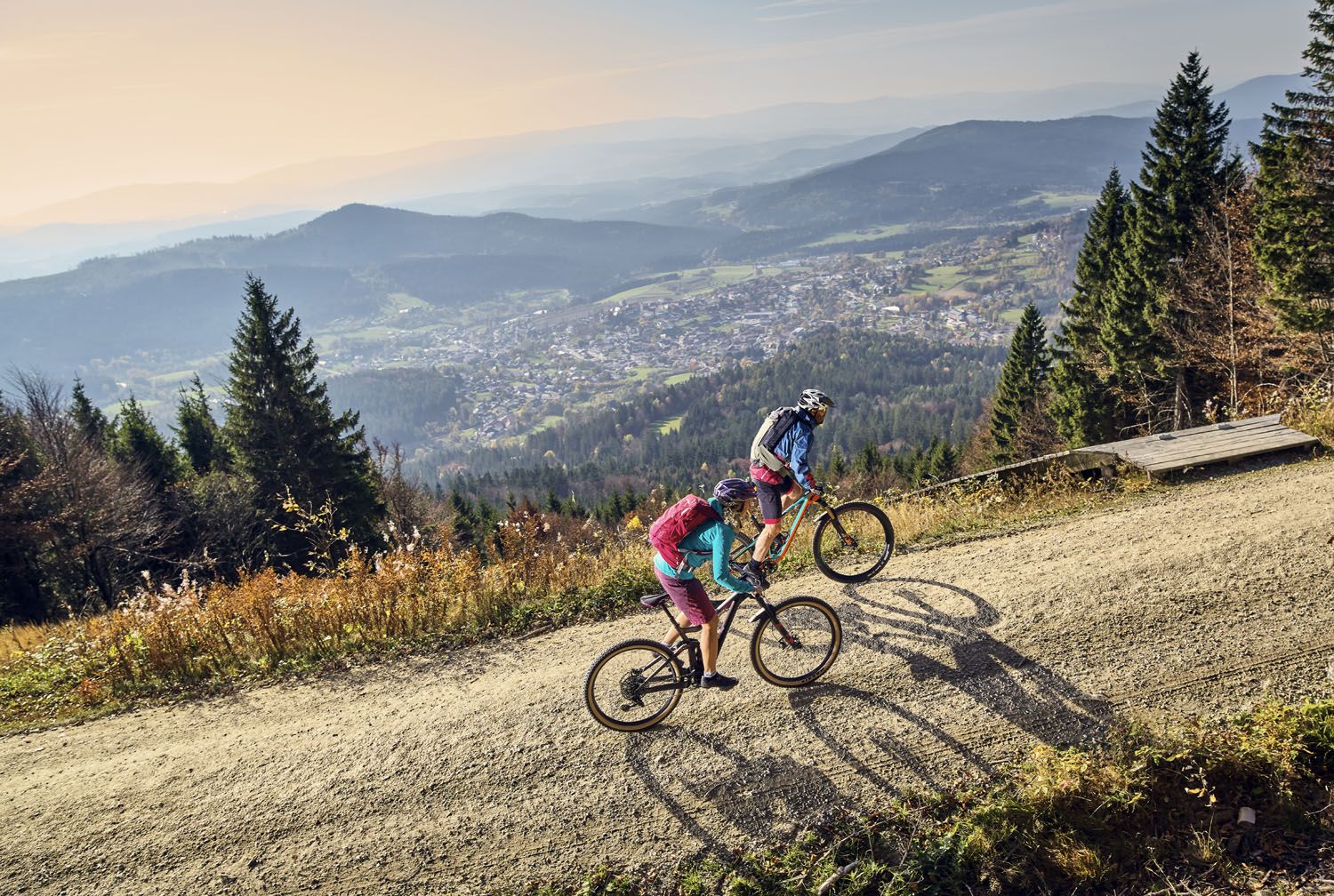
Exciting cycle and (e)-mountain bike Tours in the Bavarian Forest
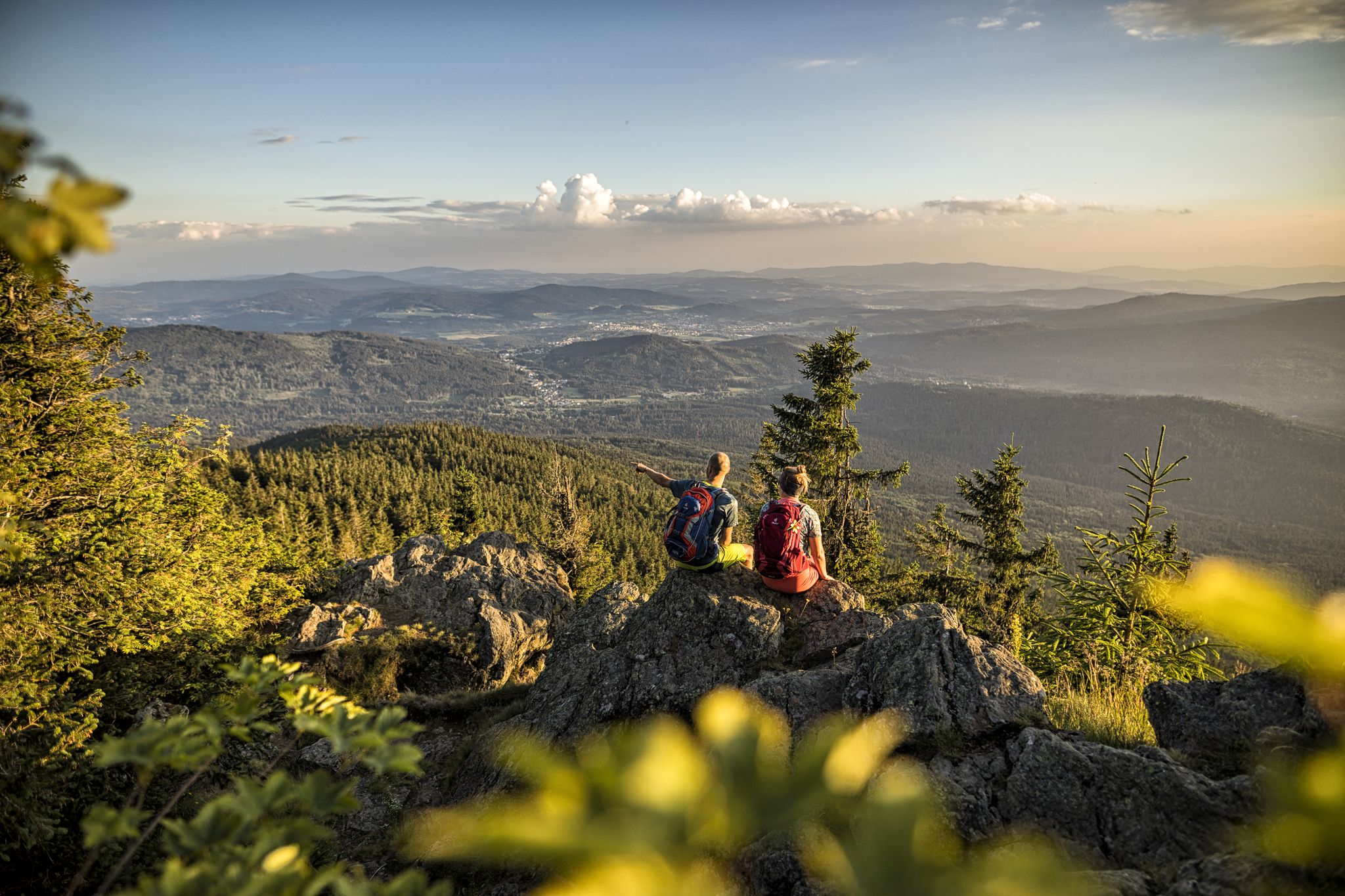
Hiking tips for the Bavarian Forest
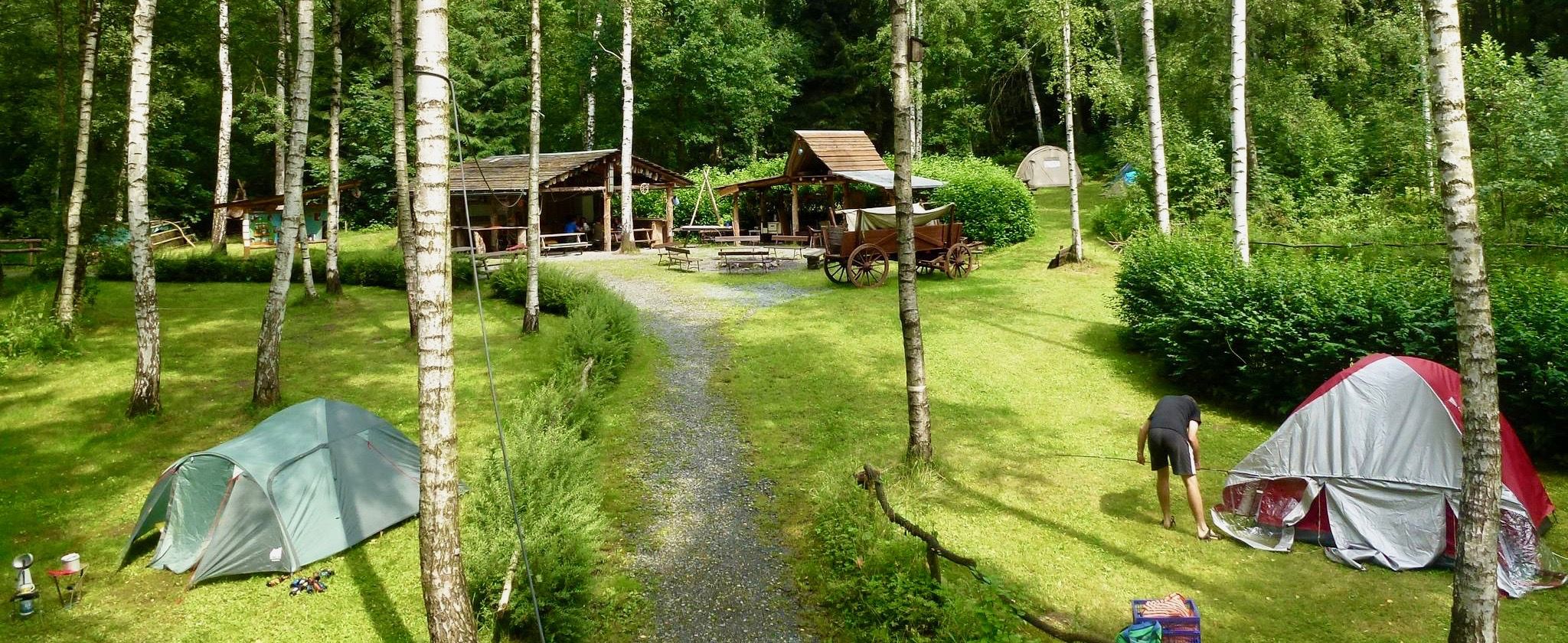
Nature campsites — 13 magical places around Germany
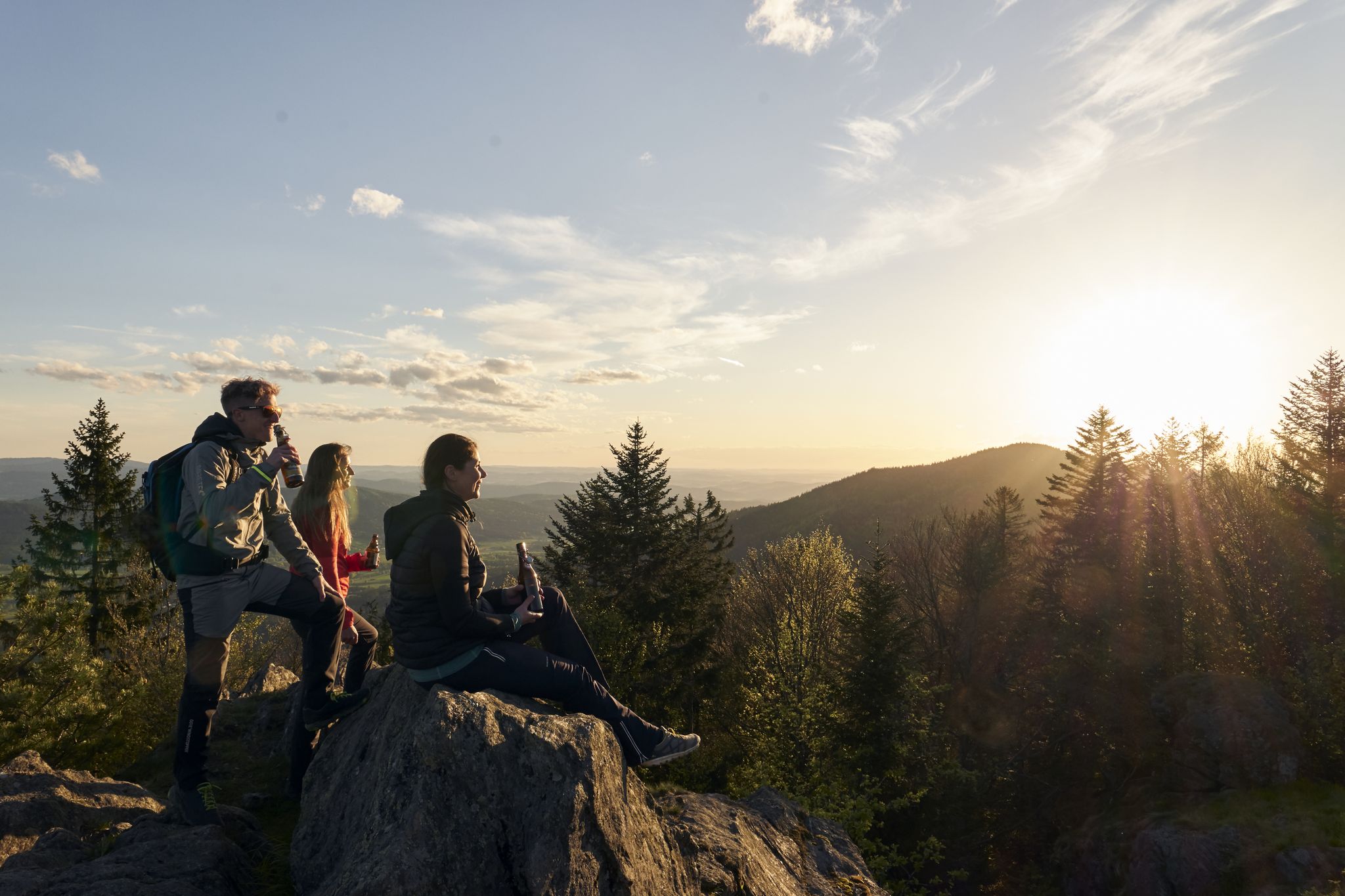
Erster Bierfernwanderweg Deutschlands - unterwegs auf bierigen Pfaden
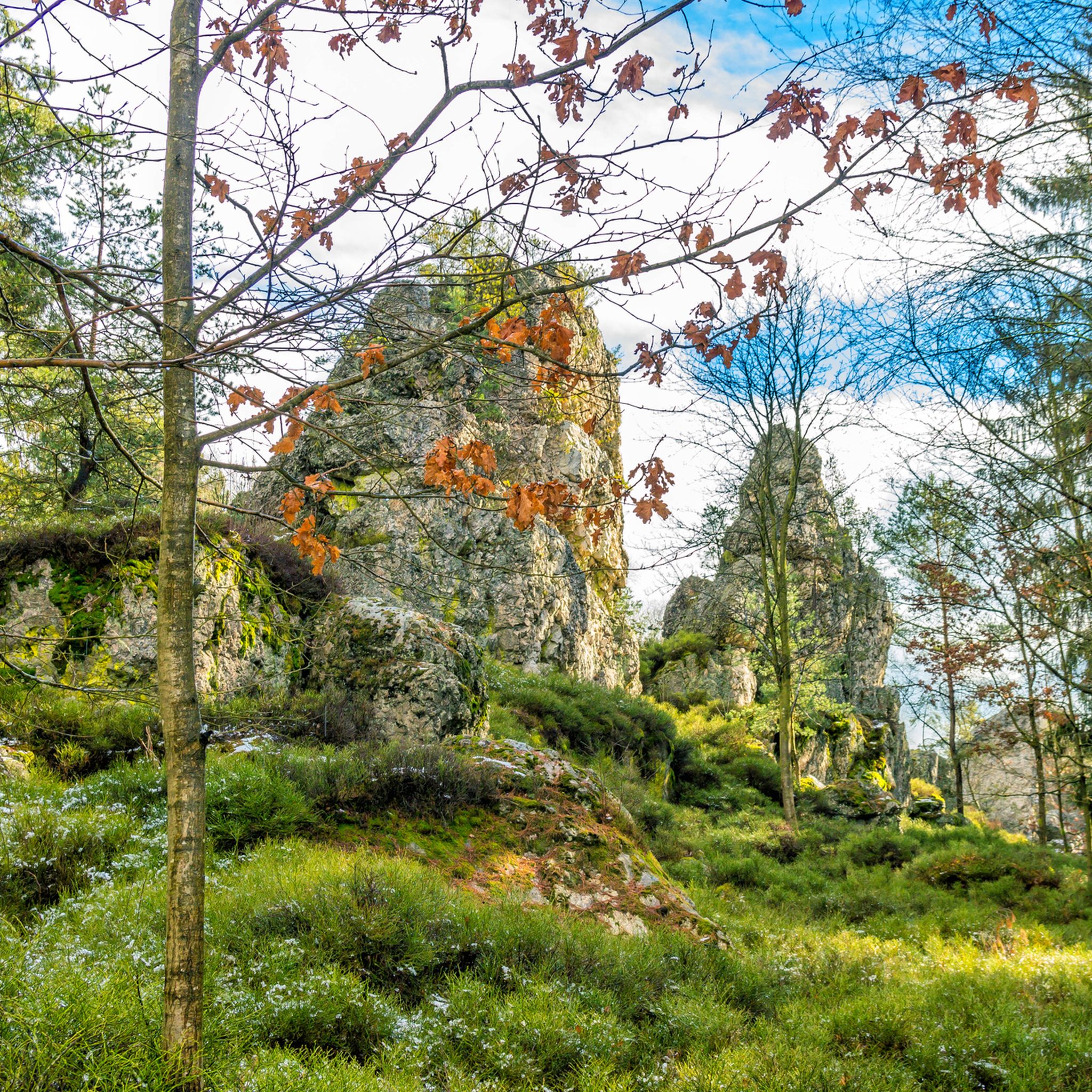
Hiking around Viechtach
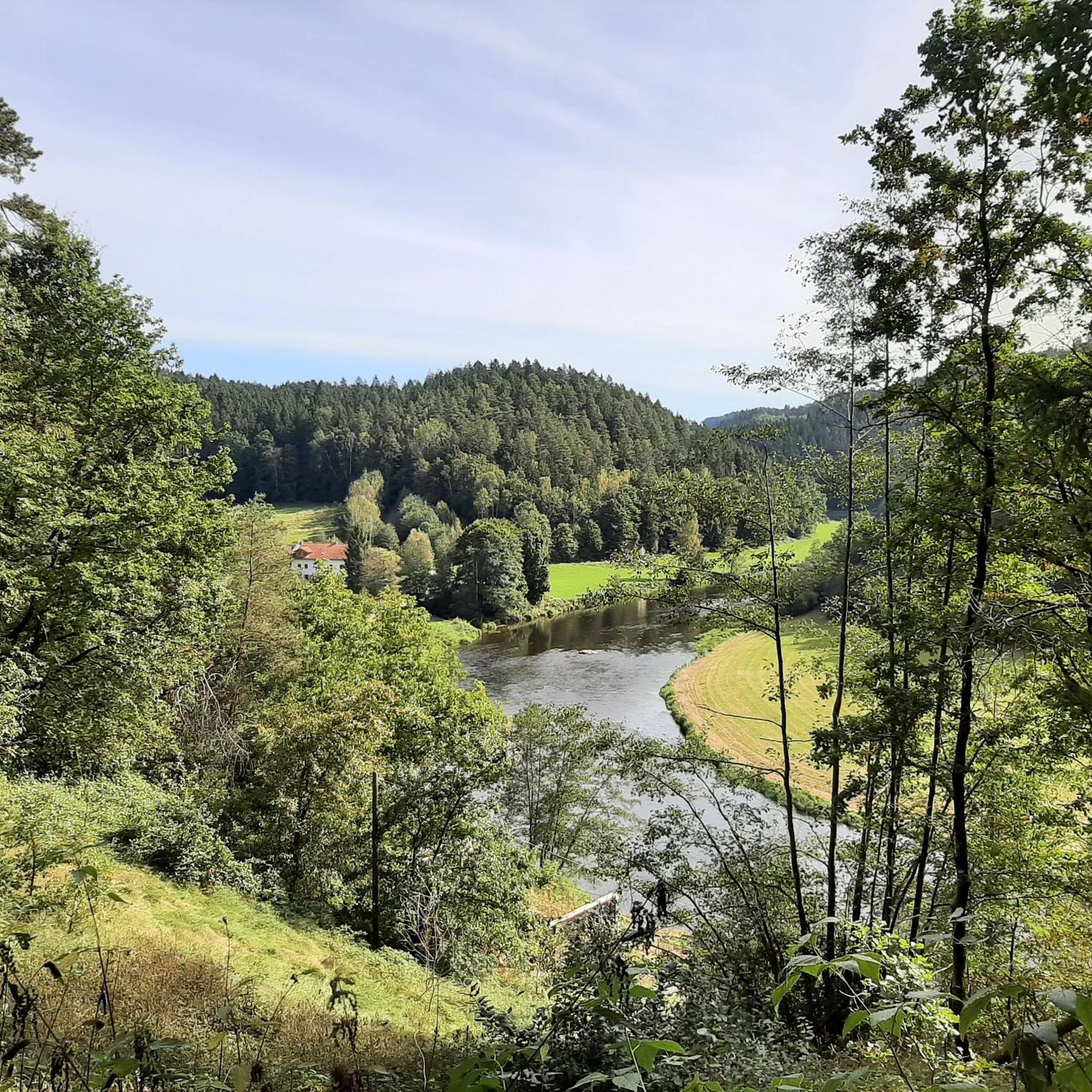
Cycling around Viechtach
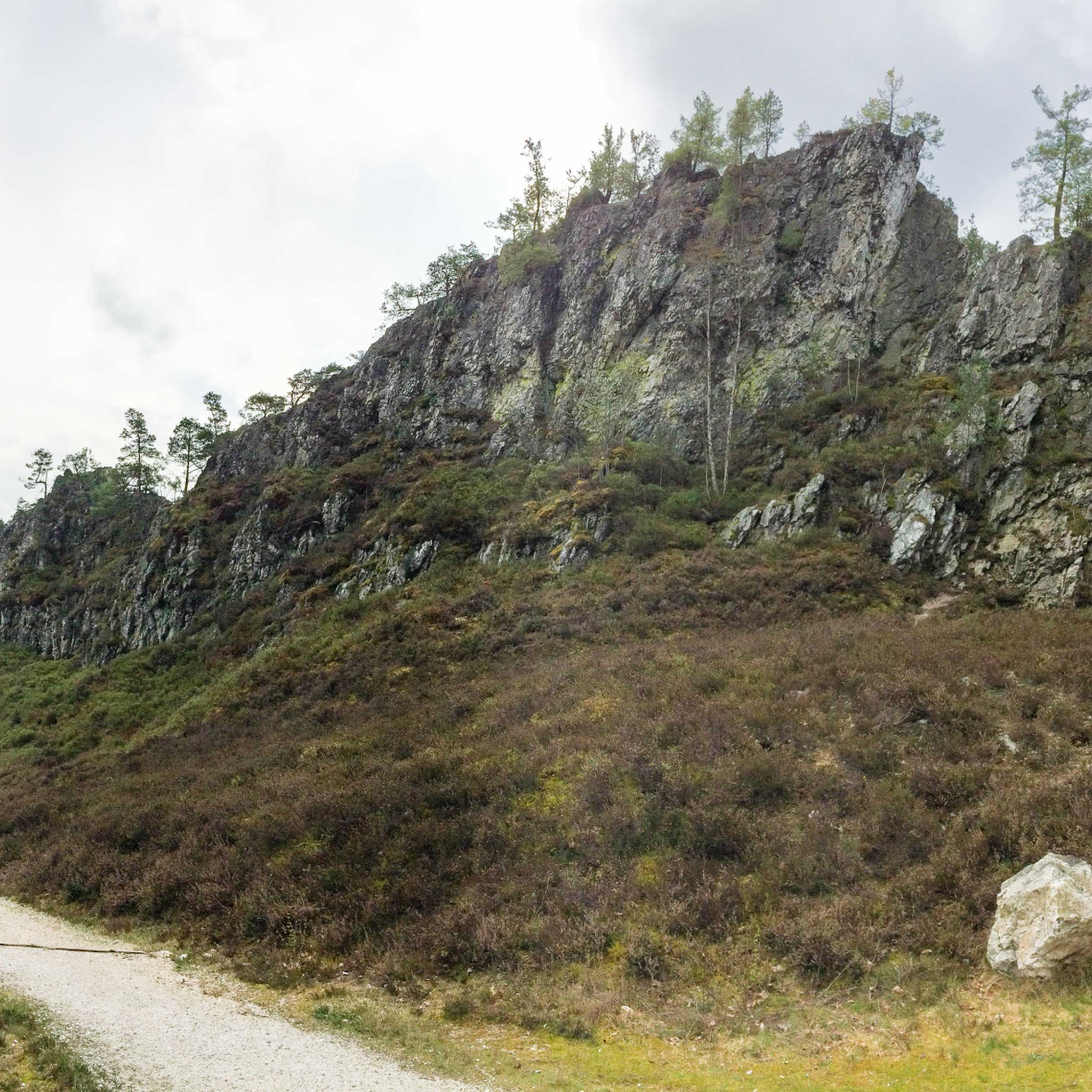
MTB Trails around Viechtach
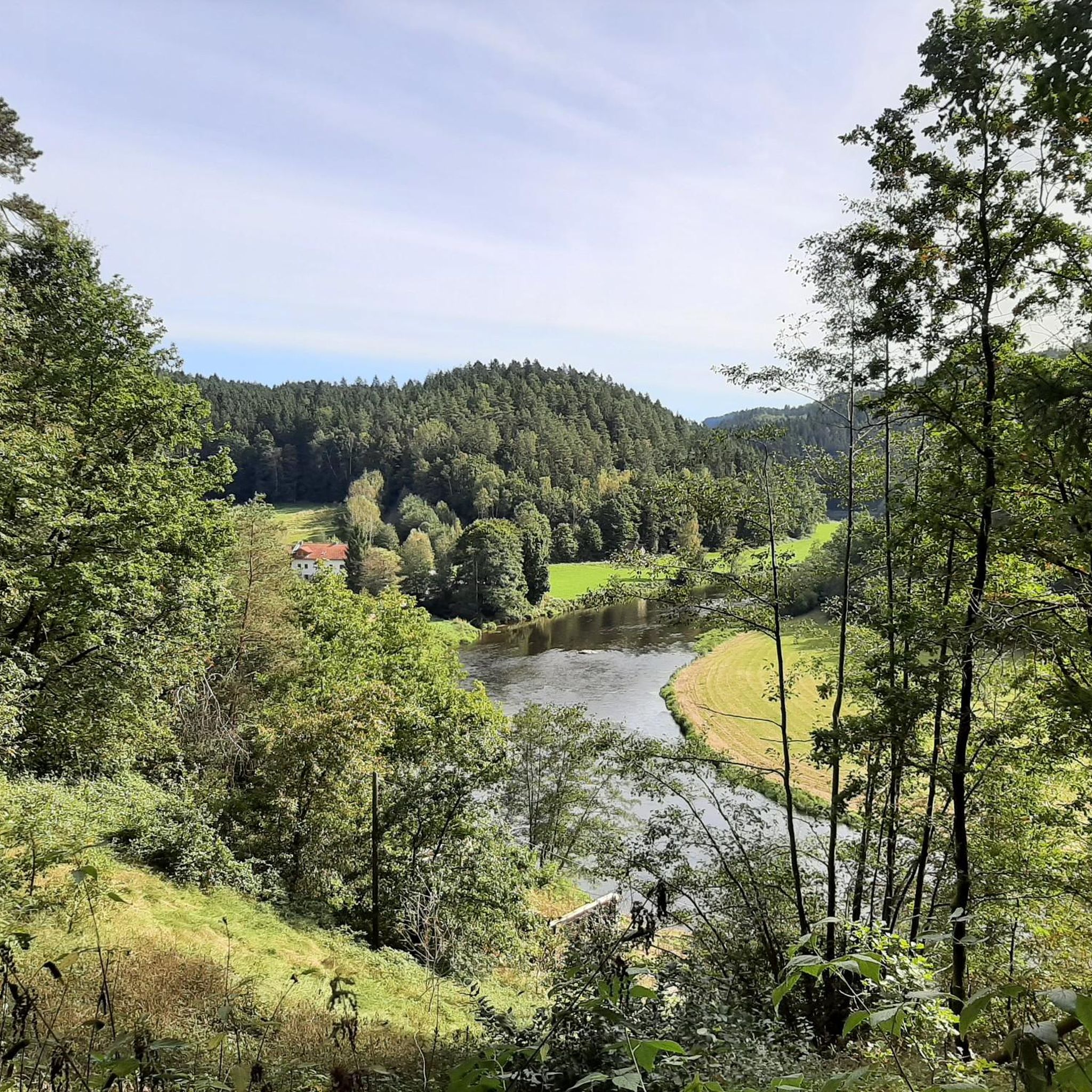
Running Trails around Viechtach
Road Cycling Routes around Viechtach

Mountain Hikes around Viechtach
Other adventures around Viechtach


Tips from the Community

Neurandsberg Castle Ruins The Ramspergs were originally ministeriales of the Counts of Bogen and were first mentioned in 1190. Their seat was in Altrandsberg, two kilometers north in the Cham district. In 1330, Friedrich the Ramsperg probably built the new castle on his own land. Many Ramspergs entered Bavarian service at the end of the 14th century as stewards, for example, in Saulburg and Mitterfels. In the Hussite Wars around 1430, the Ramspergs fought for the Bavarian duke, but soon became involved in military conflicts with him over compensation. This did not do them any good: in 1436, Duke Ernst had Neuramsperg Castle conquered by Haimeran Heuraus. Unlike nearby castles such as Neunussberg, Neurandsberg was never returned to its owners, but instead became a ducal manor. In 1461, Dukes Sigismund and John visited the castle. The dukes gave the castle to Jörg Heuraus, the guardian of Mitterfels, followed by Sattelbogen, Nussberger, and the Nothaft of Wernberg, among others. In 1582, a prison was established at the castle, but in 1615, it was moved to Mitterfels to serve as the district court. In 1633, the Swedes under Colonel Georg Christoph von Taupadell destroyed the castle, and it was never rebuilt. In 1689, guardian of the castle Erttl of Mitterfels asked Elector Max Emmanuel for permission to rebuild the wooden chapel below the castle, which was threatened by rubble. This was approved, and the castle ruins were used as a quarry. Upon entering the complex, the first thing that catches your eye is the well-preserved and elaborate Zwinger (mew). The entire castle is surrounded by it, and the walls are topped with several semicircular towers. The north side, opposite the entrance, is particularly elaborately constructed, with three towers and a wall with a battlement. The original access to the complex is no longer immediately recognizable. Access to the inner castle is, in any case, through a simple gateway in the south of the polygonal circular wall made of rubble stone. The interior of the inner castle is difficult to discern, revealing its structural layout. The buildings were likely leaning against the inner wall, some of which are still well preserved. The site is still being secured. Source: Excerpts from www.burgenseite.de
2
0

The castle was the ancestral seat of the Nussbergers, the hereditary marshals of Bavaria. The hereditary marshal organized the defense of Bavaria. He was responsible for the expansion of the castles, the training of men-at-arms and the production of weapons.
9
0

From the 11-meter-high tower of the castle ruins, which lie at an altitude of 660 meters, you have a sweeping view of the Bavarian Forest all the way to the Arber, which rises about 30 km to the east.
2
0
Blaibach Castle "Dietreich der Götlinger von Playpach" is mentioned for the first time in 1370, i. H. From this point on, Blaibach is considered to be a secure aristocratic seat. Blaibach Castle was largely built in its current form in 1604/1605 by Wolf Albrecht Notthafft von Wernberg. According to the gable inscription on the north wall of the east brewery building, the outbuildings were built in 1679. An engraving by Michael Wening from 1721 shows the castle as it still appears to a large extent today. It is a two storey building with a stepped gable. The outbuildings line up in a rhomboidal arrangement next to the manor building. A wall closes the gap between the buildings. The listed property is a two-story steep pitched roof building. This includes a one-storey eaves-roof building with a hipped west gable from the 17th and 18th centuries. Worth mentioning is the arched passage with a pedestrian gate, which is provided with a rough exposed wall made of quarry or humped stones, also from the 17th and 18th centuries. Source: excerpts from Wikipedia
2
0

Great area for hiking and biking. Beautiful view from the tower.
12
0

Blaibach Castle is located in the Upper Palatinate municipality of Blaibach in the Cham district of Bavaria.
3
0

The tower, which is freely accessible for a little obulos, is very pretty! The view is very, very beautiful!
7
1
Frequently Asked Questions
Which castles around Viechtach offer the best panoramic views?
For breathtaking views, visit Kollnburg Castle Tower, which provides grandiose panoramic views of the Bavarian Forest from its 11-meter round tower. Neunußberg Castle Ruins also offers a fantastic all-round view. Further afield, the 20-meter-high keep of Murach Castle near Oberviechtach provides impressive vistas of the Upper Palatinate Forest.
Are there family-friendly castles to visit near Viechtach?
Yes, several castles are suitable for families. Altnußberg Castle Ruins is family-friendly and features a beer garden. Kollnburg Castle Tower is also considered family-friendly, offering an engaging historical site with great views. Blaibach Castle is another family-friendly historical site.
What historical insights can I gain from visiting castles in the Viechtach region?
The castles offer a deep dive into medieval history. Neurandsberg Castle Ruins, for example, has a rich history involving the Hussite Wars and was once a ducal manor. Murach Castle, first mentioned in 1110, was one of the largest complexes along the Bohemian border. Reichenstein Castle Ruins, with its 11th-century origins, adds to the region's ancient mystique.
Are there any castles with amenities like cafes or restaurants nearby?
Yes, Altnußberg Castle Ruins is known for its beautiful beer garden and cafe. They even offer smoked trout on Wednesdays and Saturdays. Kollnburg Castle Tower hosts cozy garden parties in its castle courtyard, especially during events.
What outdoor activities can I combine with a castle visit?
The region around Viechtach is excellent for outdoor activities. You can find numerous hiking and gravel biking routes that pass by or lead to castles. For example, there's a gravel biking route connecting Neunußberg Castle Ruins and Altnußberg Castle Ruins. You can explore more options on the Hiking around Viechtach or Gravel biking around Viechtach guide pages.
Are there any unique cultural events associated with the castles?
Yes, Murach Castle near Oberviechtach hosts an annual "Hausern Castle Festival" on the first Sunday in August. Additionally, the Count Palatine Castle Complex in Neunburg vorm Wald is integrated into a town that hosts cultural programs, including the "Vom Hussenkrieg" festival in summer, offering a broader cultural experience.
Which castle ruins are particularly well-preserved or architecturally interesting?
Neurandsberg Castle Ruins features a well-preserved and elaborate Zwinger (mew) with semicircular towers. Blaibach Castle, largely built in 1604/1605, is a listed property with a distinctive two-story steep pitched roof building and an arched passage. Murach Castle's 20-meter-high keep is also notably well-preserved.
What do visitors enjoy most about the castles around Viechtach?
Visitors frequently praise the fantastic all-round views from sites like Neunußberg Castle Ruins and Kollnburg Castle Tower. The combination of historical exploration with natural beauty, such as the scenic location of Reichenstein Castle Ruins, is also highly appreciated. The beer garden at Altnußberg Castle Ruins is a popular highlight for many.
Are there any castles that are more off the beaten path or considered 'hidden gems'?
While not explicitly hidden, the Reichenstein Castle Ruins near Oberviechtach are described as an "enchanted castle ruin" rising out of the forest, offering a sense of historical mystique and a beautiful view, making it a less commercialized option for exploration.
Can I find hiking trails that lead directly to castle ruins?
Yes, many castle ruins in the region are popular destinations for hikers. Altnußberg Castle Ruins is a popular spot for hiking, often involving a steep but rewarding climb. You can find various hiking routes that incorporate castle visits by checking the Hiking around Viechtach guide.
What is the best season to visit the castles around Viechtach?
The castles are generally enjoyable year-round. Spring and autumn offer pleasant temperatures for exploring and hiking, with vibrant foliage. Summer allows for outdoor events like the Hausern Castle Festival and enjoying beer gardens. Even in winter, the illuminated Kollnburg Castle Tower can be a striking sight, though some amenities might have reduced hours.
Are there any castles with interesting legends or local folklore?
Yes, the Reichenstein Castle Ruins near Oberviechtach are associated with a local legend suggesting a gold treasure is buried beneath the castle, adding an element of mystery to your visit.
Most popular routes around Viechtach
Most popular attractions around Viechtach

Get inspired with the komoot mobile app


Explore more
Looking for the best castles somewhere else? Discover other guides around Viechtach:
