Top 19 Caves around St Ingbert
Caves around St Ingbert offer a diverse range of subterranean experiences within the Saarland region. The area features both natural rock formations and historical man-made underground structures. Visitors can explore sites with geological significance, ancient folklore, and industrial heritage. These locations provide insights into the region's natural history and past human activities.
Best caves around St Ingbert
- The most popular caves is Lourdes Grotto, Oberwürzbach, a religious building and cave that is idyllically located in the Langen Tal. A…
Last updated: May 4, 2026
Eichertsfels Cave
Highlight • Cave
Translated by Google •
Tip by

Lourdes Grotto, Oberwürzbach
Highlight • Religious Site
Translated by Google •
Tip by

Sign up now to discover places like this
Get recommendations on the best single tracks, peaks, & plenty of other exciting outdoor places.
Sign up for free
Burning Mountain
Highlight • Natural Monument
The surrounding area is very beautiful, however, and it is also worth walking through the small gorge.
Translated by Google •
Tip by

Mithras Cave (Heathen Chapel) on the Halberg
Highlight • Cave
Translated by Google •
Tip by

Steep path to Christkönigsbrunnen
Highlight (Segment) • Trail
Translated by Google •
Tip by

Sign up for free to discover even more caves around St Ingbert.
Sign up for free
Already have an account?
Start today with a free account
Your next adventure awaits.
Login or Signup
Popular around St. Ingbert
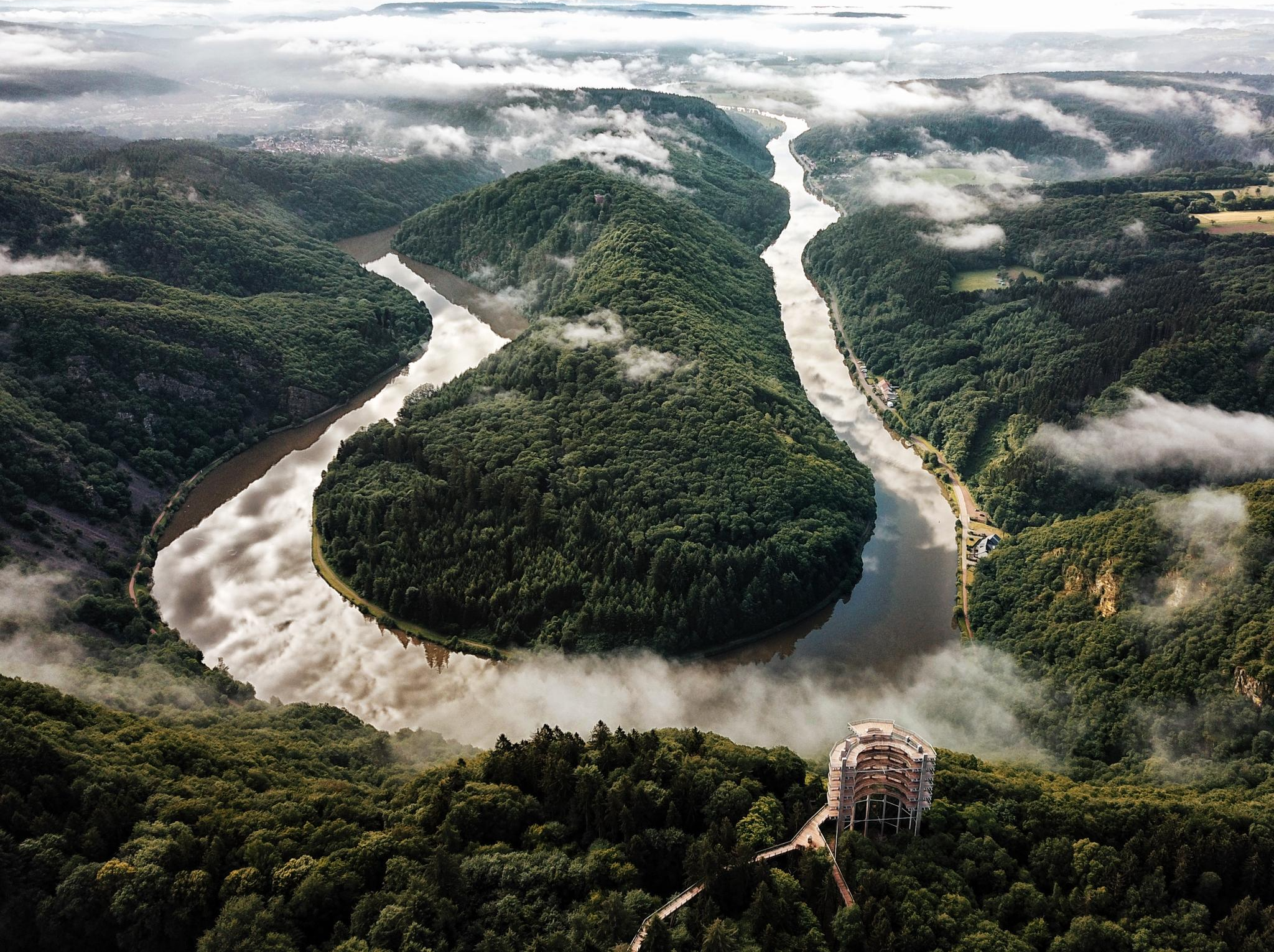
Forests, vineyards and plenty of culture – borderless cycling in Saarland
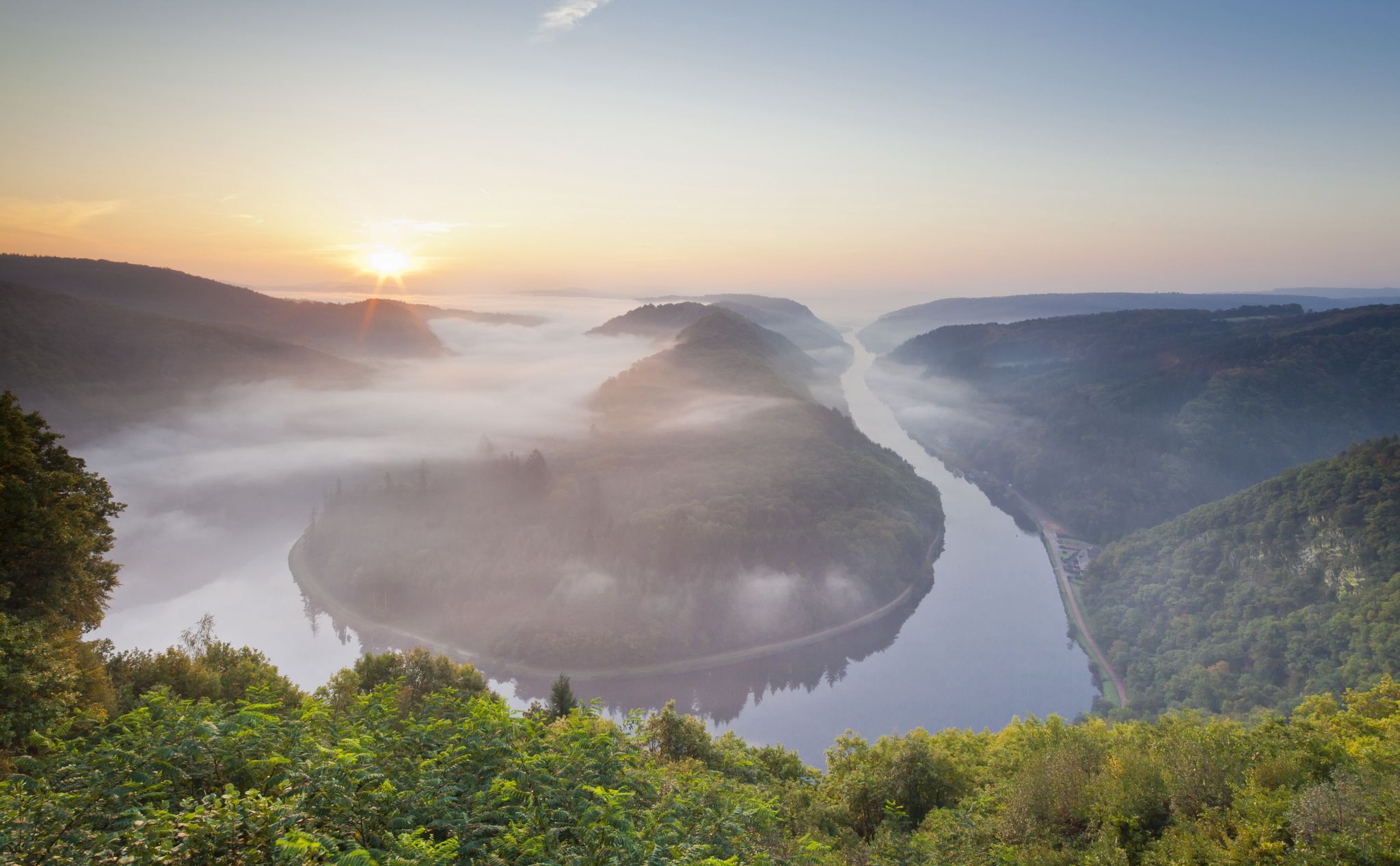
Cycling without borders in Saarland
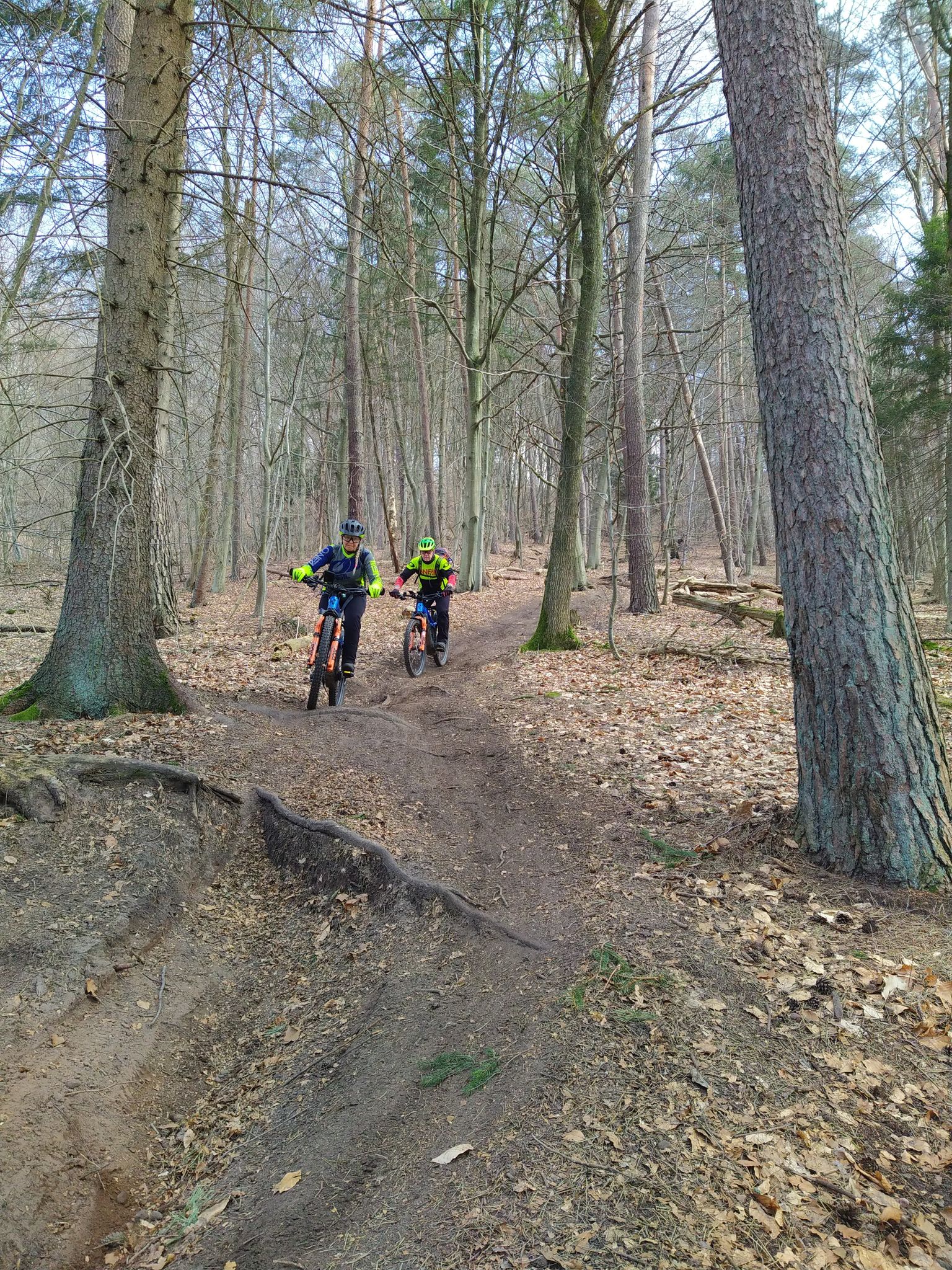
Saarland MTB paradise – official trails around Saarbrücken
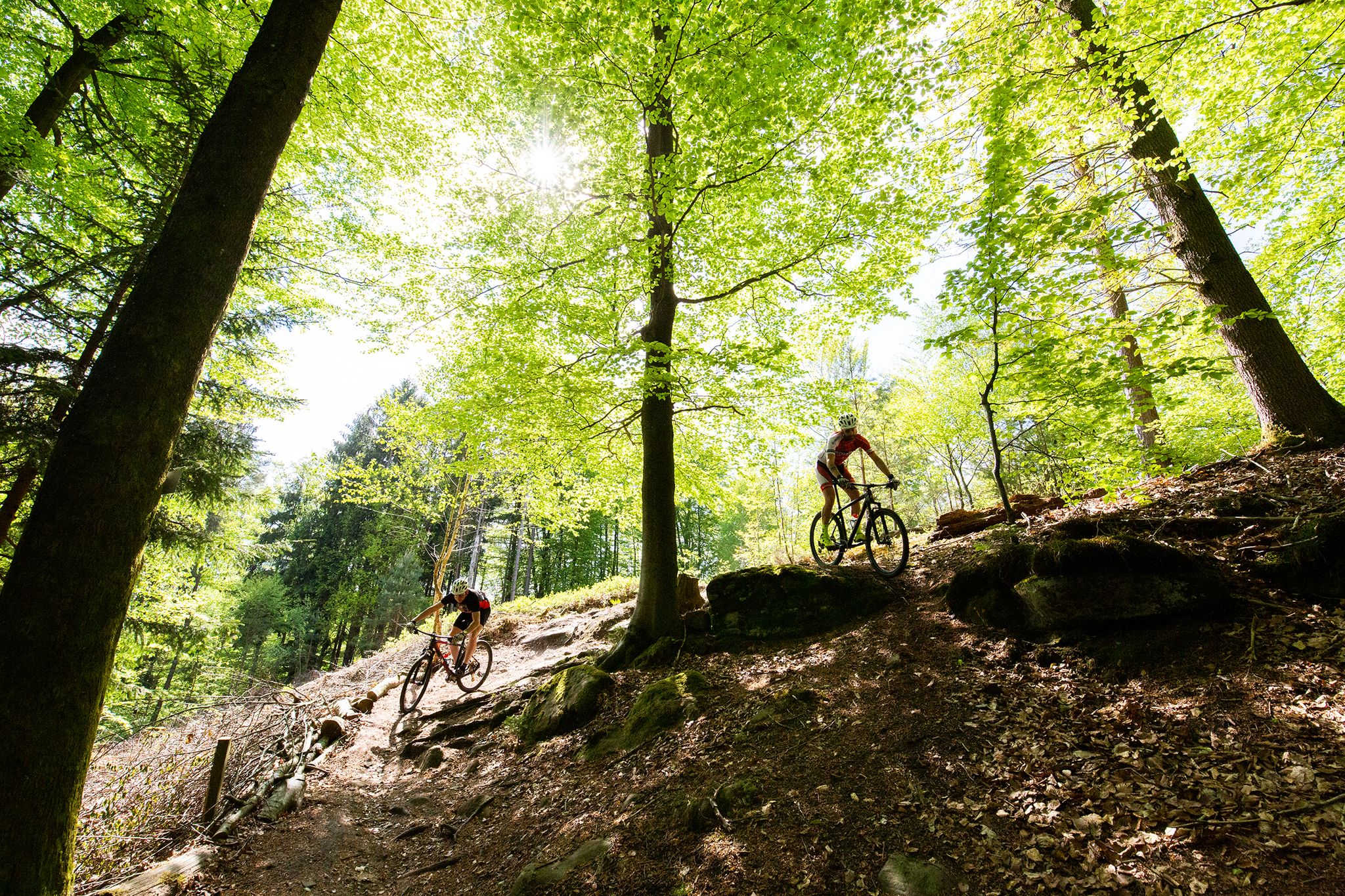
Mountainbiken in the Biosphere Bliesgau - On the way on the PUR
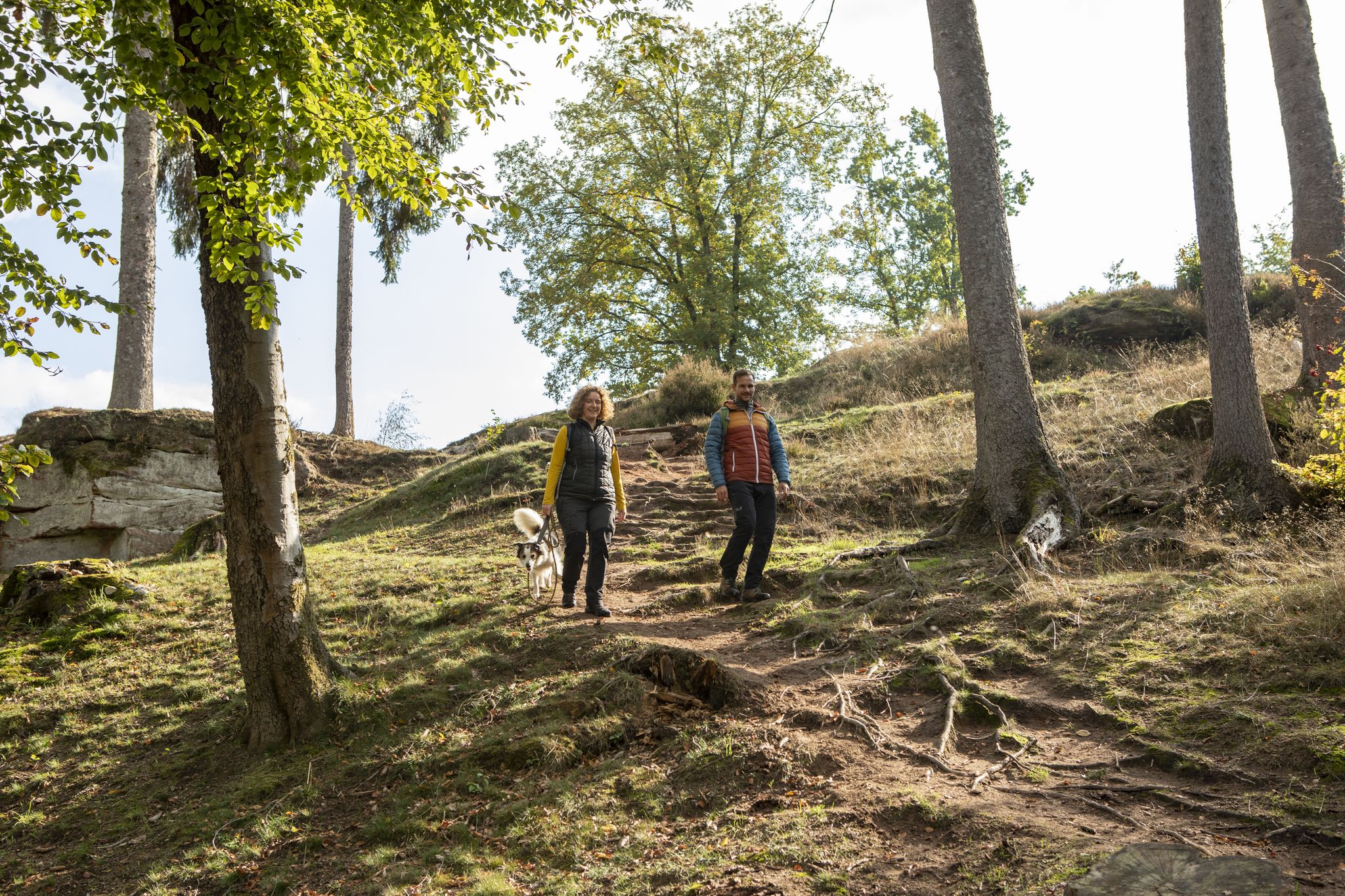
Excellent hiking in the Bliesgau Biosphere - On Premium trails
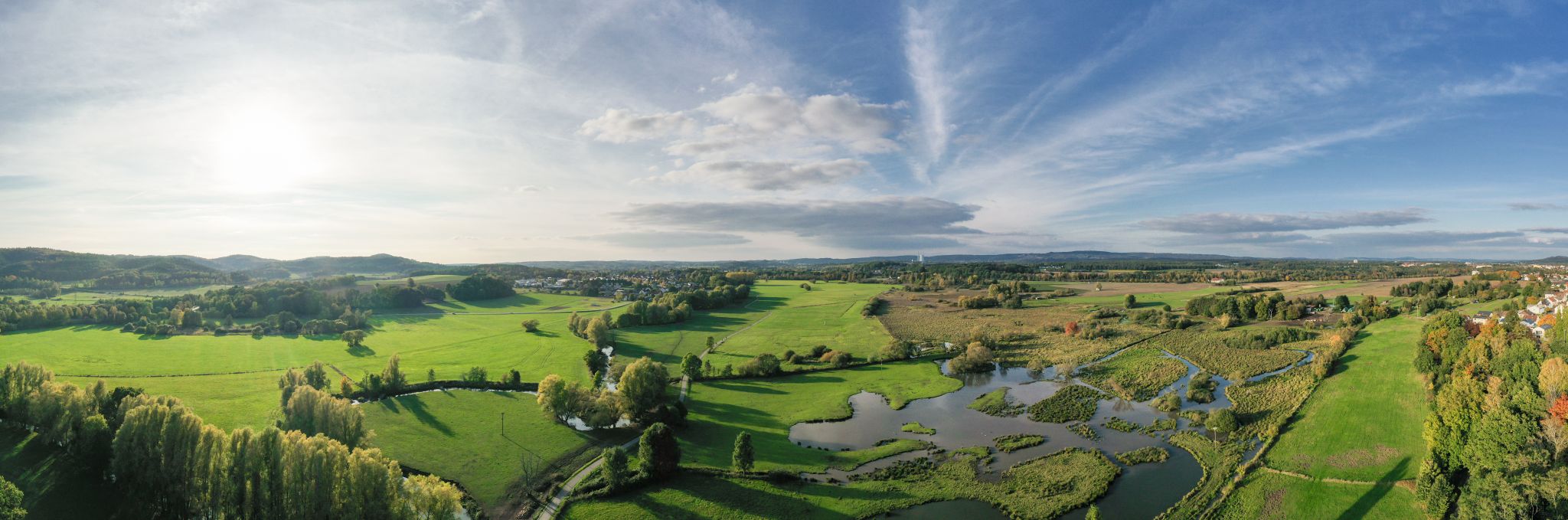
Water, meadows and forests – cycling in the Bliesgau Biosphere Reserve in Germany
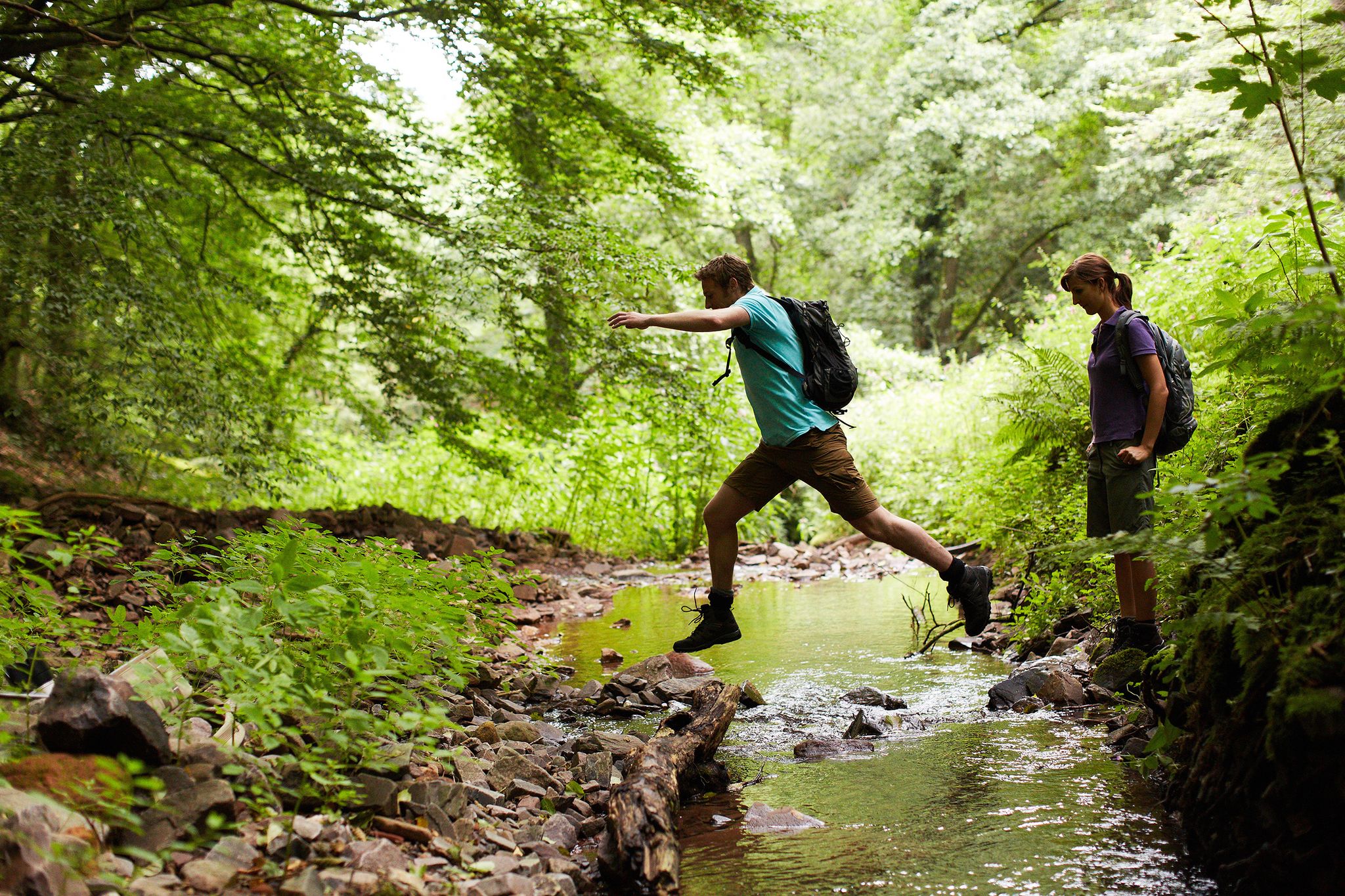
Countless trails, nature & history – hiking in Saarland
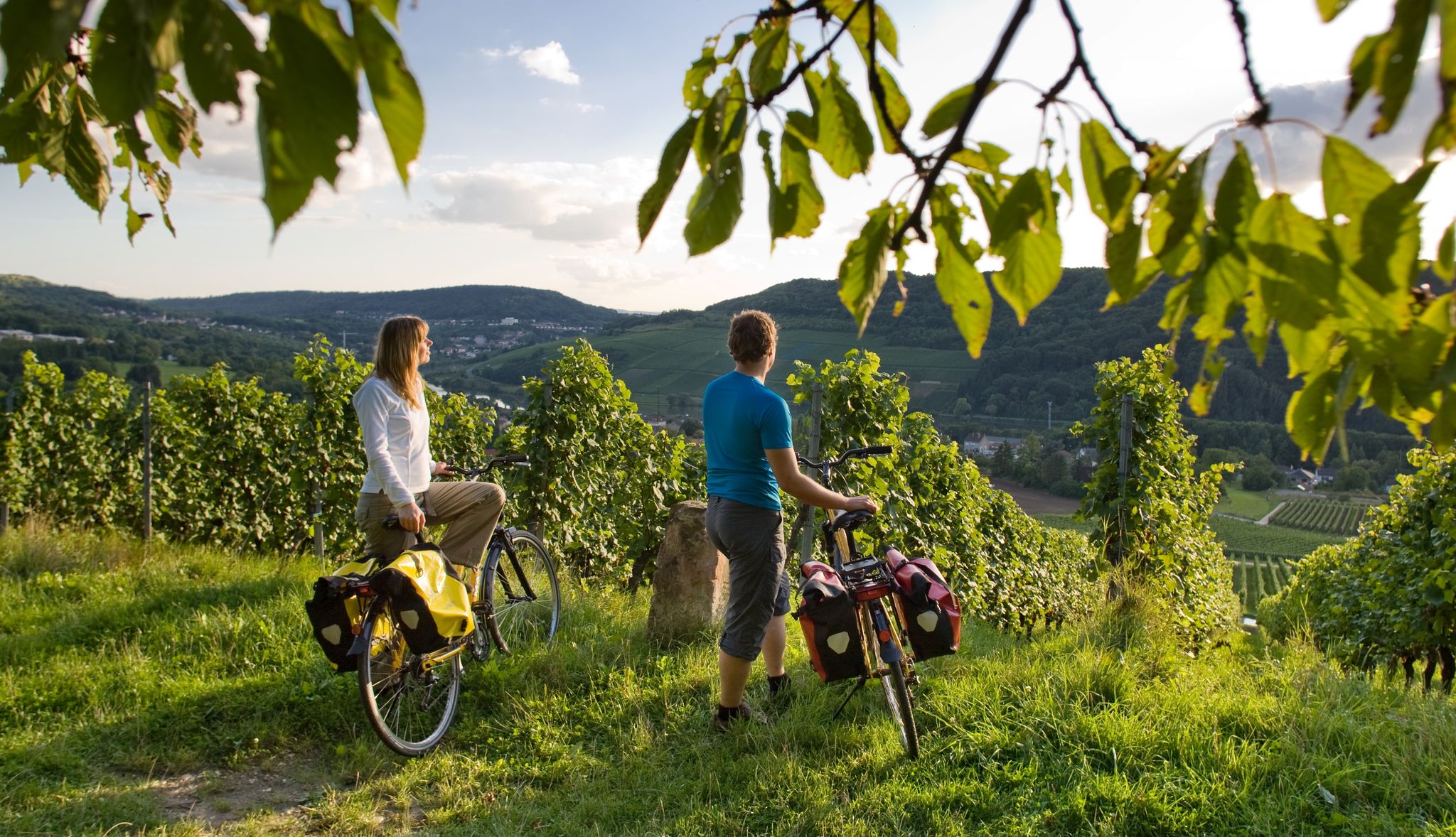
Boundless cycling in Saarland
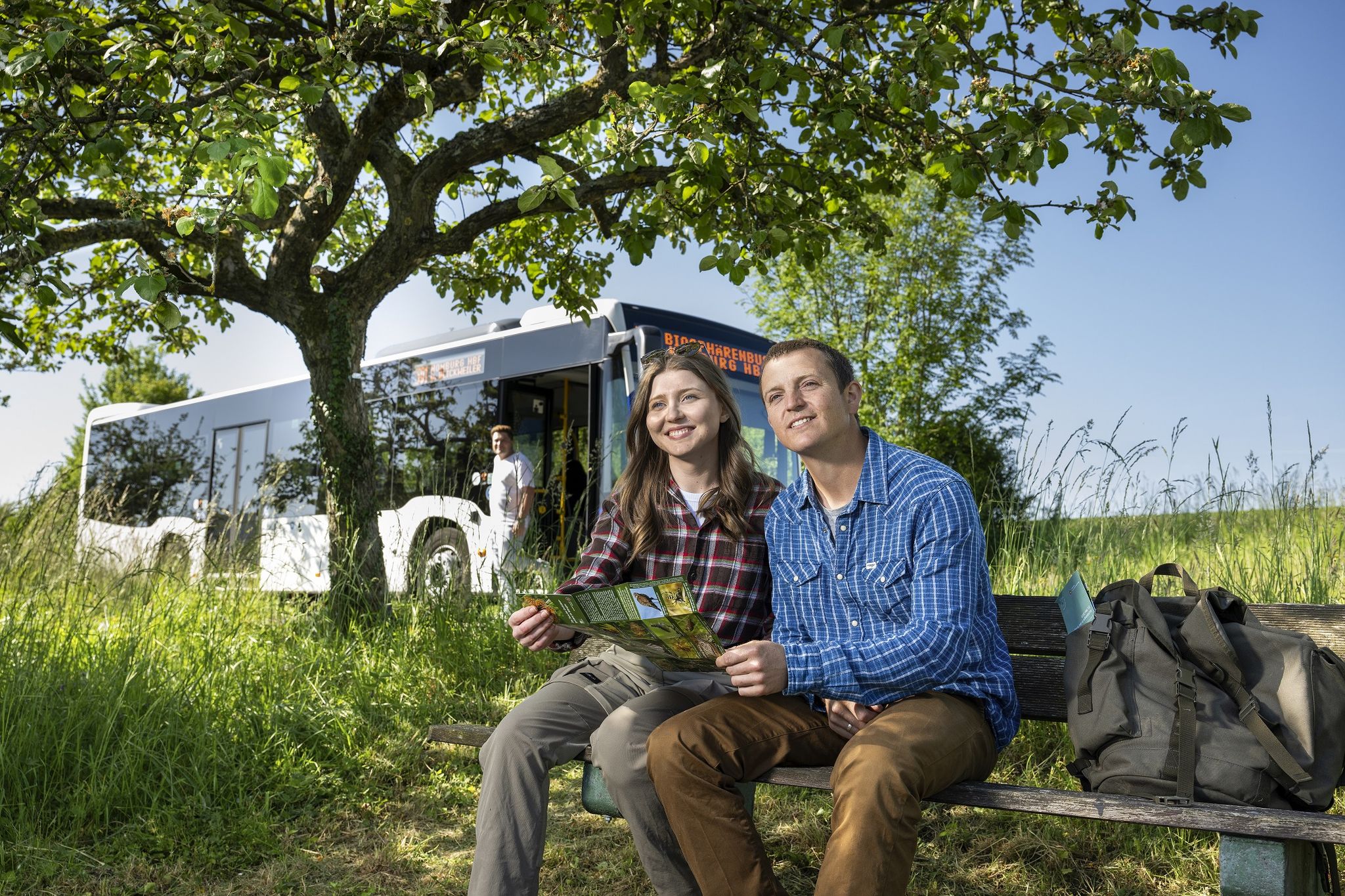
Wandern mit Bus und Bahn – Nachhaltig durch den Bliesgau
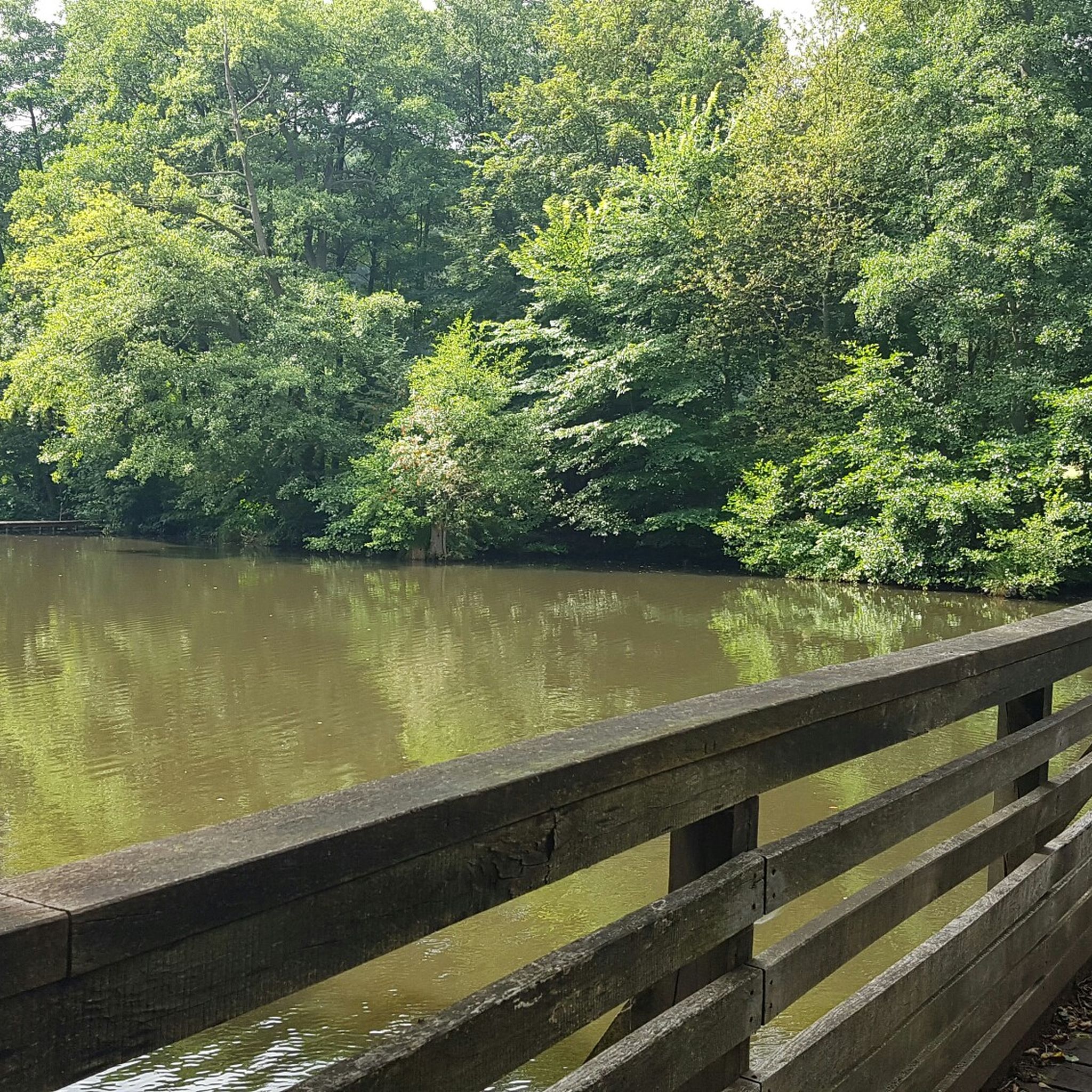
Hiking around St Ingbert
Other adventures around St Ingbert


Tips from the Community

Short break at the Christkönigsbrunnen
0
0

Beautiful meditation place ✝️
2
0

Exhausting, but worth it 👍
0
0

For me this is one of the sensations in Saarbrücken! The cave and the recesses created later are still in great condition. There is also a bench under a ledge. If only it weren't for the car noise (like it was 2,000 years ago). "In pre-Christian and Roman times, a Mithraic cult was practiced on the Halberg - by the Gallo-Romans who lived here or the Roman soldiers of the nearby garrison. For this purpose, they created a barrel-vaulted mithraeum in the sandstone on the western slope of the Halberg, which is known in older literature as the "Heidenkapelle " is called. After Christianization in the 6th century, the grotto was incorporated into Christian worship. This means that the Halberg is possibly the oldest Christian place of worship in the region. The remains of this site can still be admired here and are in a relatively well-preserved condition." https://de.wikipedia.org/wiki/Halberg_(Saarland)
2
0
Very beautiful grotto and very lovingly designed.
2
0

Very beautiful rock. But be careful, there are also hikers here
1
0

Very great acting. I was there at minus 1 degrees. Then you can actually see the smoke. Unfortunately, you can't see it in warmer temperatures.
4
0

Nicely maintained grotto, great.
3
0
Frequently Asked Questions
What types of caves can I explore around St. Ingbert?
The St. Ingbert region offers a mix of natural rock formations and historical man-made underground structures. You can find natural sandstone formations like Eichertsfels Cave, historical mining tunnels such as the Schlossberg Caves in Homburg, and grottoes with religious significance like Lourdes Grotto, Oberwürzbach.
Are there any historical caves or underground sites to visit?
Yes, the region has several historical sites. The Schlossberg Caves in Homburg are vast underground labyrinths created by centuries of quartz mining, offering a unique historical and geological experience. Additionally, the Mithras Cave (Heathen Chapel) on the Halberg is one of Germany's preserved Roman-era sanctuaries dedicated to the god Mithras.
Which caves are suitable for families with children?
Several locations are family-friendly. Eichertsfels Cave is noted for its beautiful sandstone formations and is considered great for kids. The Lourdes Grotto, Oberwürzbach, is also easily accessible and family-friendly. The Schlossberg Caves in Homburg offer guided tours, which can be an engaging experience for older children.
What are the geological highlights of the caves in this area?
The region is known for its Buntsandstein (red sandstone) formations. The Schlossberg Caves in Homburg are Europe's largest Buntsandstein caves, showcasing impressive dome halls and passages. Eichertsfels Cave is another excellent example of a beautiful sandstone formation.
Are there any lesser-known or 'hidden' caves worth exploring?
The "Hääreloch" (Heidenloch) on the southeastern slope of the Rotenkopf near St. Ingbert is a low, roughly thirty-meter-long rock cave subtly hidden among stones and bushes. It's known for its local folklore and legends of ancient inhabitants. The Schlangenhöhlen (Snake Caves) are artificial caves from historical sand extraction, though only the entrance is currently accessible due to safety concerns.
What outdoor activities can I combine with a visit to the caves?
The St. Ingbert area offers various outdoor activities. You can find numerous road cycling routes, such as the Beeder Bruch Nature Reserve – Glan-Blies Cycle Path loop. For gravel biking, explore routes like the Southern Bliesgau – Niederwürzbach Pond loop. Mountain biking enthusiasts can enjoy trails like The Pur - Around St. Ingbert.
Are there any specific hiking trails that lead to or past these caves?
While specific trails directly to all caves aren't detailed, the area around Steep path to Christkönigsbrunnen and the "Hääreloch" is described as a beautiful area for walking. The Lourdes Grotto, Oberwürzbach, is also easily reachable on the way to local hiking club huts, suggesting it's integrated into existing trail networks.
What is the 'Burning Mountain' and how is it related to caves?
The Burning Mountain is a natural phenomenon where a coal seam has been burning underground for centuries. While not a traditional cave, it's an underground geological spectacle. Visitors can sometimes see smoke on cold days and smell sulfur, and the surrounding area features a small gorge, making it an interesting natural and historical site to visit.
What should I know about visiting the Schlossberg Caves in Homburg?
The Schlossberg Caves are the largest Buntsandstein caves in Europe, formed by centuries of quartz mining. They extend over three accessible floors with mysterious passages and dome halls. Guided tours are often available, and helmets are provided for safety. They offer a unique insight into the region's industrial history and geology.
Is the Hasseler Tunnel a cave I can explore?
The Hasseler Tunnel is a historical railway tunnel, not a natural cave. Constructed between 1865 and 1867, it was abandoned due to structural instability and water ingress. While it's a significant piece of regional infrastructure history, it's primarily of interest to history buffs and those studying railway heritage, rather than a recreational cave for exploration. You can find more historical context on Wikipedia.
What do visitors particularly enjoy about the caves around St. Ingbert?
Visitors appreciate the diverse experiences, from the unique historical insights offered by the Schlossberg Caves to the natural beauty of sandstone formations like Eichertsfels Cave. The blend of natural monuments, historical sites, and places of local folklore provides a rich and engaging exploration of the region's underground world.
Most popular routes around St Ingbert
Most popular attractions around St Ingbert

Get inspired with the komoot mobile app


Explore more
Extend your search for the best caves by checking out these guides of the top ones around St Ingbert:
