Top 20 Natural Monuments around Springe
Best natural monuments around Springe are primarily found within the Deister hills, a prominent forested ridge southwest of Hanover. This region is characterized by its well-wooded slopes, diverse forests, and unique geological formations. Springe offers a variety of natural attractions, from ancient rock formations to extensive wildlife enclosures, providing opportunities for outdoor exploration. The landscape features a blend of natural beauty and ecological significance, making it a notable destination for nature enthusiasts.
Best natural monuments around Springe
- The most popular…
Last updated: May 13, 2026
Wennigsen Waterwheels
Highlight • Structure
Translated by Google •
Tip by

Adam and Eve Rock Formations
Highlight • Natural Monument
A detour to the Ith tower past the Bisperoder cliffs and back over the IthssHils way.
Translated by Google •
Tip by

Sign up now to discover places like this
Get recommendations on the best single tracks, peaks, & plenty of other exciting outdoor places.
Sign up for free
Blanketeich
Highlight • Lake
Translated by Google •
Tip by

Devil's Kitchen Gorge
Highlight • Gorge
Translated by Google •
Tip by

Mönchstein rock formation
Highlight • Natural Monument
Translated by Google •
Tip by

Sign up for free to discover even more natural monuments around Springe.
Sign up for free
Already have an account?
Start today with a free account
Your next adventure awaits.
Login or Signup
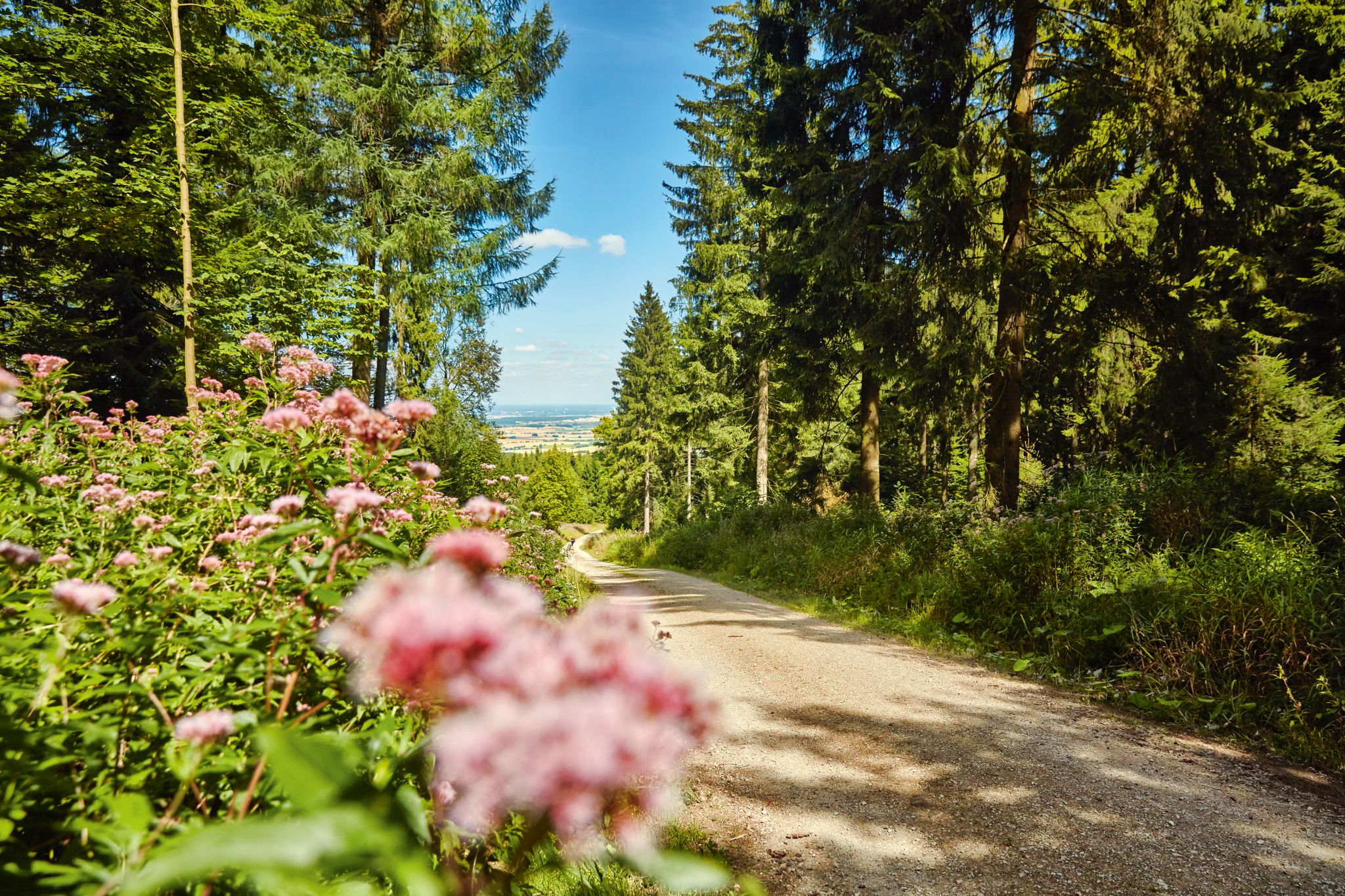
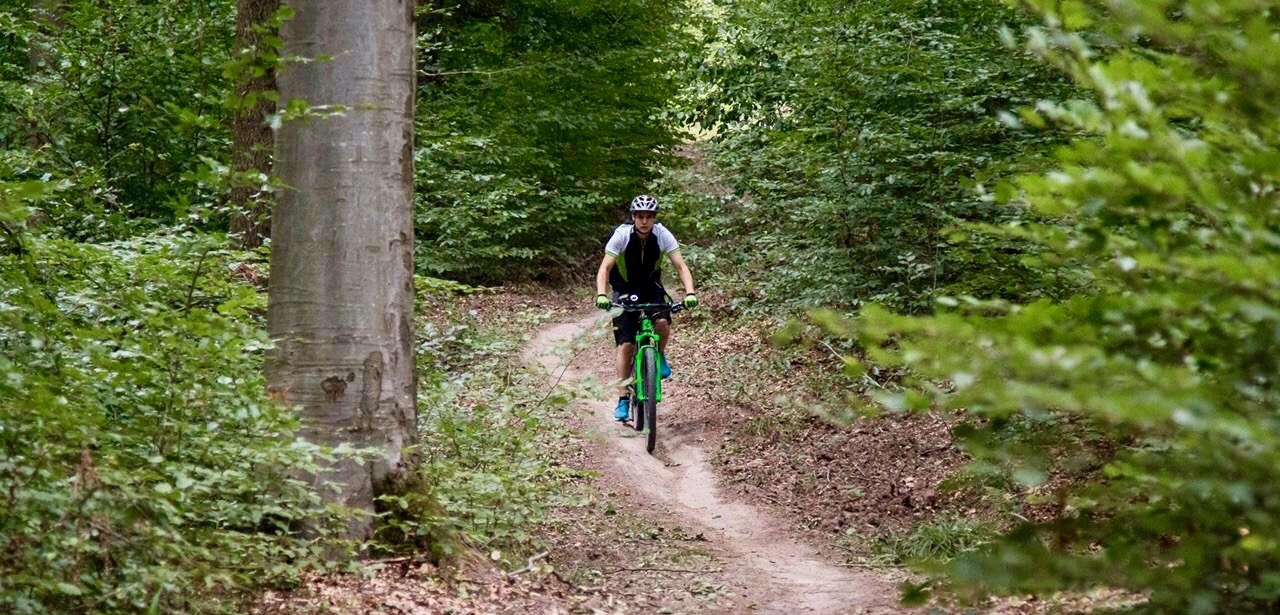
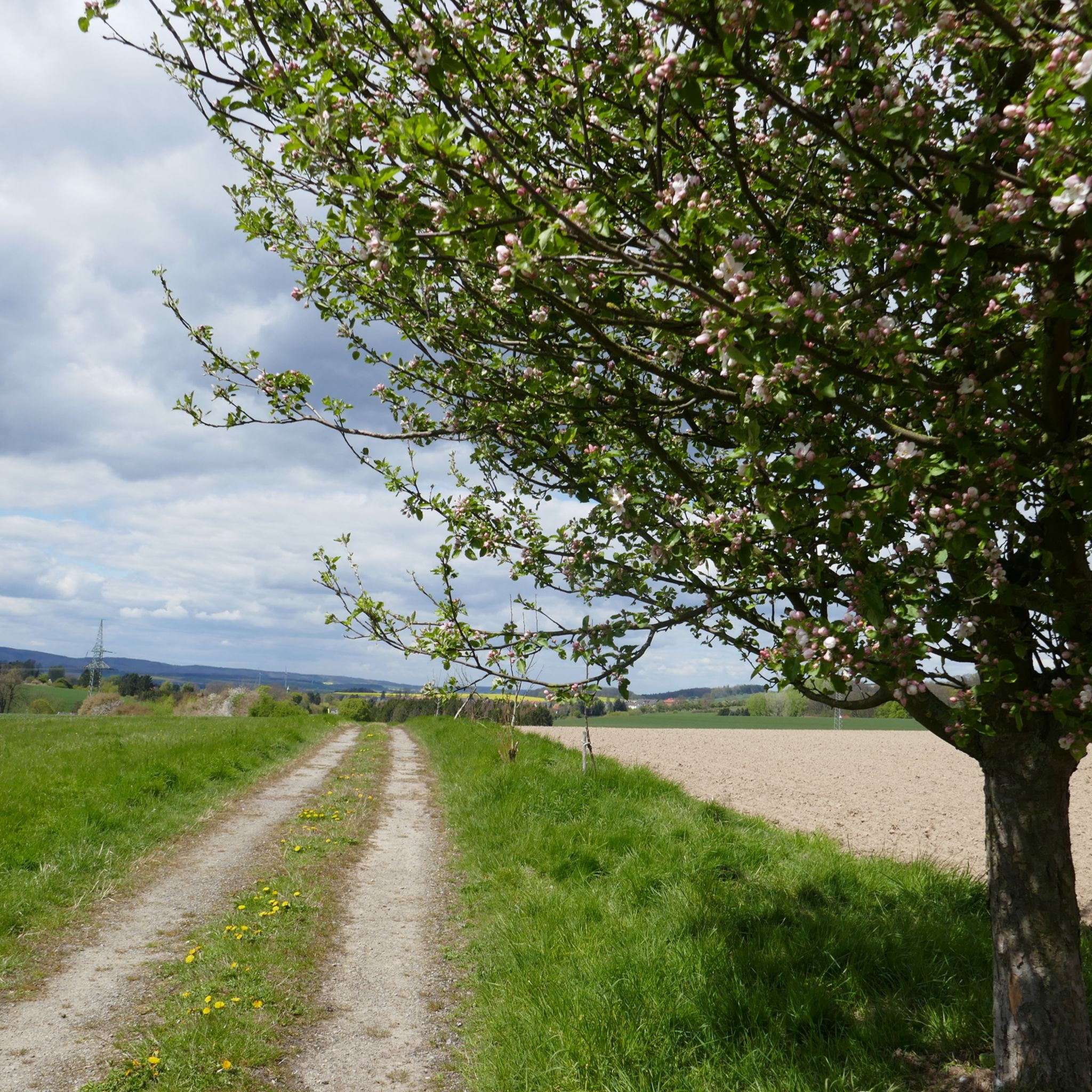
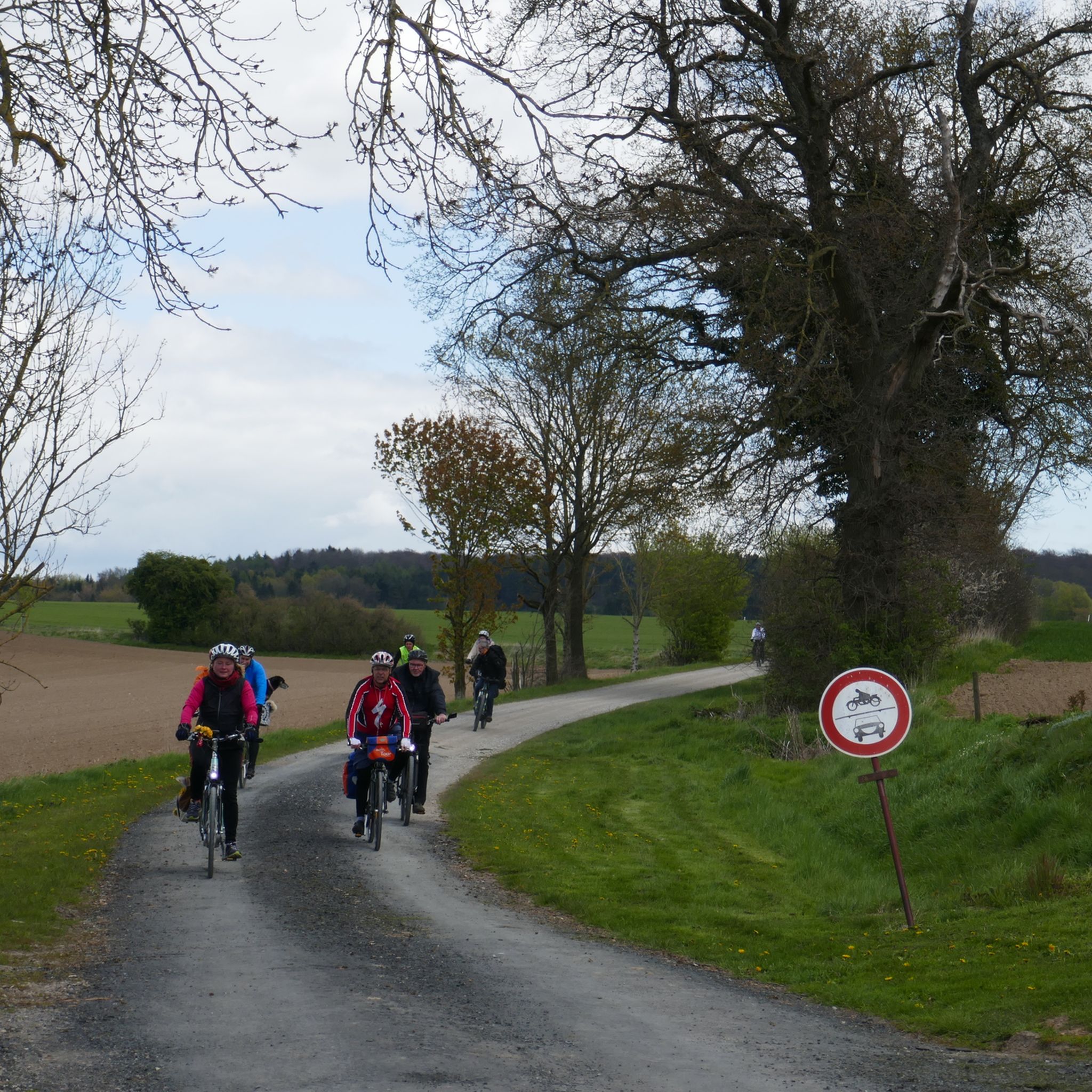



Tips from the Community

Good footwear and sure-footedness are required, especially when it is damp... But the journey is worth it.
3
0
Very striking rock with a beautiful view. Also a great photo opportunity.
3
0

This is an interesting rock formation.
0
0

Nice place on the ridge path, especially if you know the history(s).
0
0

Easily overlooked. You have to walk towards Coppenbrügge
5
0

Legend 1: The Männekenstein is a huge dolomite rock above Bessingen and Bisperode in the crest of the Ithgebirge. According to legend, all sorts of "Männeken" lived there in ancient times, namely giants and dwarves. A mighty giant called “monk” is said to have lived up there; that's why many people like to call this rock "monk stone". Legend 2: Today the Männekenstein is also often called the "Mönchenstein". The rock got this name during the Thirty Years' War. The Imperials under General Tilly had conquered our entire territory in 1625 and have occupied it ever since. Twelve monks were commissioned to preach in the twelve parishes of the Lauenstein district and to reintroduce the old Catholic faith. They had been housed at Lauenstein Castle. On June 28, 1633, the monks all rushed to the top of the Ith on the Männekenstein, from which one can enjoy a magnificent view. Behind Hamelin, near Hessisch Oldendorf, the battle between Georg von Celle and the imperial troops was raging. From the cliff, the monks hoped to watch the Imperials triumph. But things turned out differently; the evangelicals won. When the monks realized this, they gathered up their habit and fled in haste to Lauenstein and from there to Hildesheim. But the people cheered and, to mockingly, called the rock from which the monks saw the imperial banner fall the "Monk's Stone". Source: https://www.salzInhibitororf.de/naturdenkmale-und-deren-bezeichung/
4
0
It was the year 1284. As every year, there had been a series of festive days with boisterous activity in Hamelin around St. John's Day. Moving out and moving, especially of young people and children, were the order of the day. In the darkness, the St. John's fires blazed up on the heights of the surrounding mountains. Stimulated by the festivities of the preceding St. John's Day, a large group of children made their way to Ith, just under two miles away, on June 26th in the most beautiful summer weather. Massive and rugged, the massif of the Fahnenstein juts out into the plain on the northern Ith. According to ancient custom, a midsummer bonfire was burned at its height every year, and the youth of Hamelin wanted to be there. With happy playing and singing, we left Hamelin's Easter Gate. A minstrel, a piper, led the long procession of 130 children. The Cobbenberg, as this Ithhöhe is called in the oldest documents, was reached in good time towards evening. At the foot of the Fahnenstein, halfway up the Cobbenberg, lies the eerie devil's kitchen, a formerly swampy rock basin in the middle of steep cliffs. Tradition has it that this place was an old Germanic place of worship and sacrifice. The devil's kitchen at the foot of the flag stone now particularly attracted the leader of the children. Like all members of his guild, he was still excluded from the church and therefore stuck to the old beliefs. The devil's kitchen was dangerous terrain, due to the swamp basin and the steep cliffs from which large blocks had detached over time and today have completely filled the swamp hole. Mysterious mists rose from the bottom, will-o'-the-wisps floated to and fro. As dusk fell, the children feared spooks and ghosts. As if by magic, they pressed forward. As the foremost sank into the swamp, panic set in, and instead of realizing the danger and turning back, those who stayed behind became utterly shy. Partly driven by superstitions, partly in an effort to save their comrades, they pressed forward and thus to perdition. So the sump of the devil's kitchen on the slope of the Cobbenberg, just under two miles east of Hamelin, became the grave of the 130 Hamelin children. https://www.mystic-culture.de/kultplatz/ith/teufelskueche/rattenfaengersage.html
7
1

Frequently Asked Questions
What are some unique natural monuments to explore in Springe?
Springe offers several unique natural monuments. The Alte Taufe, a striking Wealden sandstone block with a deep depression, is known for its geological features and local myths. Another intriguing spot is the Devil's Kitchen Gorge, an area of high rocks and scattered boulders associated with ancient legends. You can also discover the Adam and Eve Rock Formations, which offer scenic views from ridge paths.
Are there family-friendly natural monuments around Springe?
Yes, Springe has several family-friendly natural monuments. The Wennigsen Waterwheels are a historic, lovingly designed site with the sound of small blacksmith's hammers, set in a natural environment. The Koldinger Lakes Observation Tower provides great views of the lake landscape and its migratory birds, making it an engaging spot for all ages. Additionally, Blanke Pond is an idyllic place for a picnic under old trees, perfect for relaxation.
What kind of wildlife can I observe near Springe's natural monuments?
The Wisentgehege Springe (Bison Enclosure) is a significant natural monument spanning 90 hectares, offering a home to around 100 wild species. Here, you can observe European bison, Przewalski's horses, Mesopotamian fallow deer, wolves, lynx, brown bears, elk, wild boar, red deer, beavers, and otters in natural-like habitats. The Koldinger Lakes Observation Tower also provides opportunities to see various migratory birds.
What historical or cultural aspects are associated with the natural monuments in Springe?
Many natural monuments in Springe carry historical and cultural significance. The Alte Taufe is steeped in local sagas and myths, believed by some to have been a Germanic sacrificial site or used for Christian baptisms. The Devil's Kitchen Gorge is also associated with ancient legends and is thought to have been a pre-Christian place of sacrifice. The wider Deister Hills region contains historical sites such as memorial stones, tumuli, and castle ruins.
Are there specific hiking trails or routes to explore these natural monuments?
Yes, the Deister Hills, where many natural monuments are located, are popular for hiking and cycling. For easy walks, you can explore routes like the 'Ebersberg Communication Tower – Quarry at Ebersberg loop from Springe' or the 'Stucki's herdsman's hut – Friedrichs Eck Rest Area loop from St. Avold'. You can find more options on the Easy hikes around Springe guide. For more challenging routes, consider the 'Wennigsen Waterwheels – Anna Tower on the Bröhn loop from Köllnischfeld' found in the Running Trails around Springe guide.
What is the best time of year to visit the natural monuments around Springe?
The natural monuments around Springe, particularly within the Deister Hills, are beautiful year-round. Spring offers lush greenery and blooming flora, while summer is ideal for hiking and outdoor activities. Autumn brings vibrant fall colors to the mixed forests, and winter can offer a serene, snow-covered landscape. The Wisentgehege Springe is open year-round, with animal activity varying by season.
Are there any unique geological formations to see?
Absolutely. The Alte Taufe is a striking geological marvel, a large Wealden sandstone block with a deep, water-filled depression, formed by unique weathering processes. The Devil's Kitchen Gorge and the Teufelskammer are areas characterized by collections of sandstone blocks and erratic boulders, remnants of ancient geological shifts and erosion within the Deister forest.
Can I find rare plant species in the Deister Hills?
Yes, the Deister Hills are known for their diverse flora. You can find rare plant species such as holly and mezereon. The region is also recognized for its unique dwarf beeches (Süntelbuchen), which are twisted forms of the common beech tree, particularly notable near the picnic area of Lauenau-Feggendorf.
What kind of views can I expect from viewpoints near Springe's natural monuments?
From the Koldinger Lakes Observation Tower, you get a great view of the Koldinger Seenlandschaft and its birdlife. The Adam and Eve Rock Formations offer scenic views, especially in summer, from their easily accessible ridge paths. The Deister Hills themselves provide numerous vantage points with expansive views over the forested landscape.
What kind of outdoor activities are available near Springe's natural monuments?
Beyond exploring the monuments themselves, the Deister Hills offer extensive opportunities for hiking and cycling. You can find various running trails, such as the 'Forest Path in Deister – Tatern Post and Rest Area loop from Springe', detailed in the Running Trails around Springe guide. There are also easy hiking routes and even specific waterfall hikes around Springe.
Are there any natural monuments suitable for visitors with dogs?
Many of the natural areas within the Deister Hills are dog-friendly, provided dogs are kept on a leash, especially in nature reserve areas. The extensive trails around monuments like the Alte Taufe and the Devil's Kitchen Gorge are generally suitable for walks with dogs. Always check local signage for specific restrictions.
Where can I find information about parking near these natural monuments?
Parking is generally available at various access points to the Deister Hills and near specific attractions. For instance, the Wisentgehege Springe has dedicated visitor parking. For other natural monuments and trailheads, look for designated parking areas at the start of popular hiking routes or near villages bordering the Deister. Specific parking details are often found on local tourism websites or trail descriptions.
Are there any cafes or restaurants near the natural monuments in Springe?
While the natural monuments themselves are often in forested or natural settings, you can find cafes and restaurants in the town of Springe and surrounding villages. The Wisentgehege Springe typically has on-site facilities, and there are dining options in nearby areas for visitors looking for refreshments after exploring.
Most popular routes around Springe
Most popular attractions around Springe

Get inspired with the komoot mobile app


Explore more
Extend your search for the best caves by checking out these guides of the top ones around Springe:
