Top 20 Castles around Simonswald
Castles around Simonswald offer insights into the region's history and provide scenic viewpoints. Simonswald, located in the Black Forest, is characterized by its natural beauty and historical sites. The area features a landscape of valleys and hills, providing a backdrop for various outdoor activities. Exploring the castles here combines historical interest with opportunities for walking and discovery.
Best castles around Simonswald
- The most popular castles is Kastelburg Castle Ruins, a castle that offers views of Waldkirch and the surrounding…
Last updated: July 6, 2026
Kastelburg Castle Ruins
Highlight • Castle
Translated by Google •
Tip by

Hochburg Ruins (Emmendingen)
Highlight • Castle
Translated by Google •
Tip by

Sign up now to discover places like this
Get recommendations on the best single tracks, peaks, & plenty of other exciting outdoor places.
Sign up for free
Keppenbach Castle Ruins
Highlight • Castle
Translated by Google •
Tip by

Ruins of St. Severin Chapel (Mauracher Berg)
Highlight • Religious Site
Translated by Google •
Tip by

Ruins of Triberg Castle
Highlight • Castle
de.m.wikipedia.org/wiki/Burg_Triberg
Translated by Google •
Tip by

Sign up for free to discover even more castles around Simonswald.
Sign up for free
Already have an account?
Start today with a free account
Your next adventure awaits.
Login or Signup
Popular around Simonswald
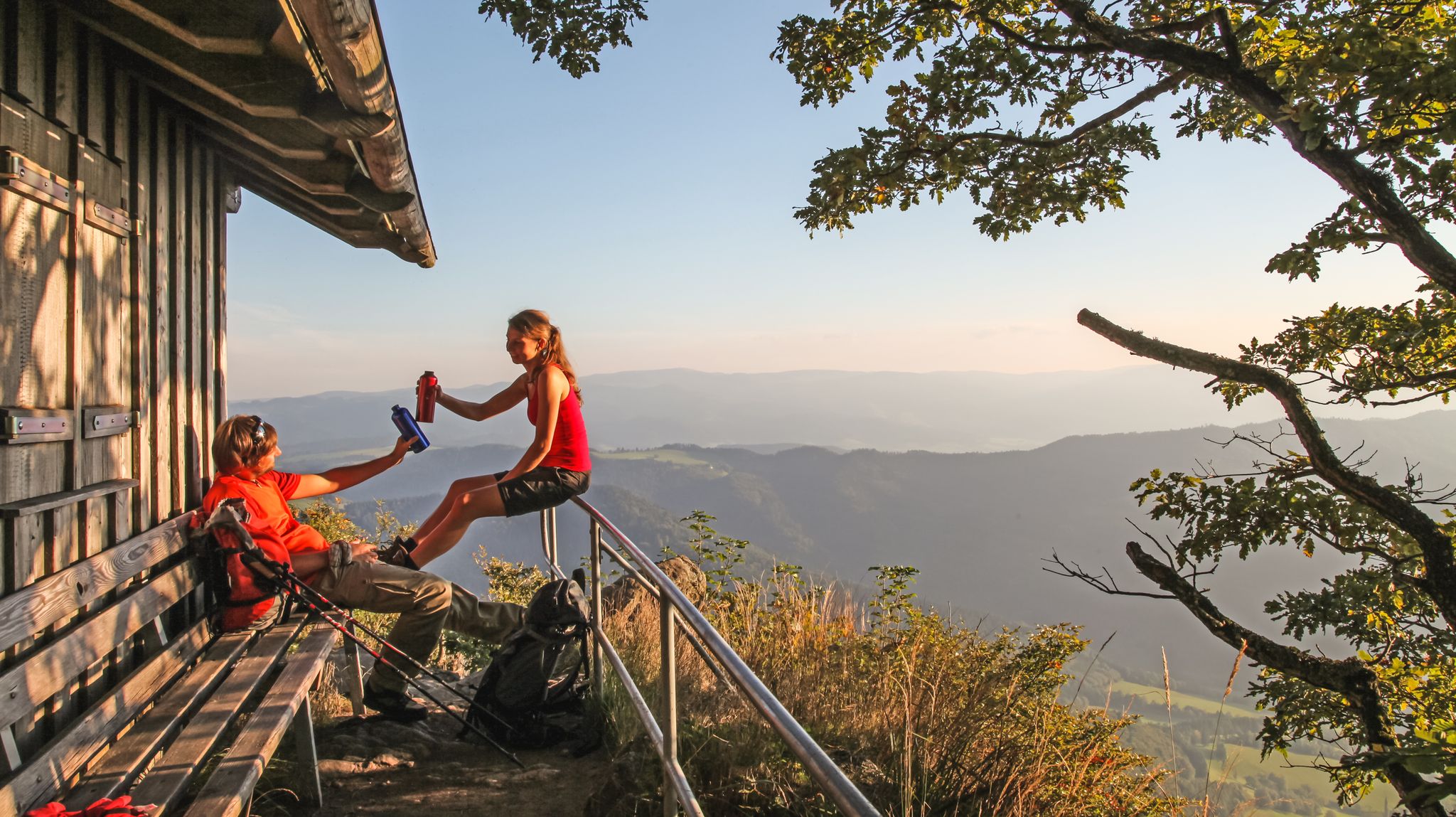
ZweiTälerSteig – 5 stages hiking to discover Germany's Black Forest
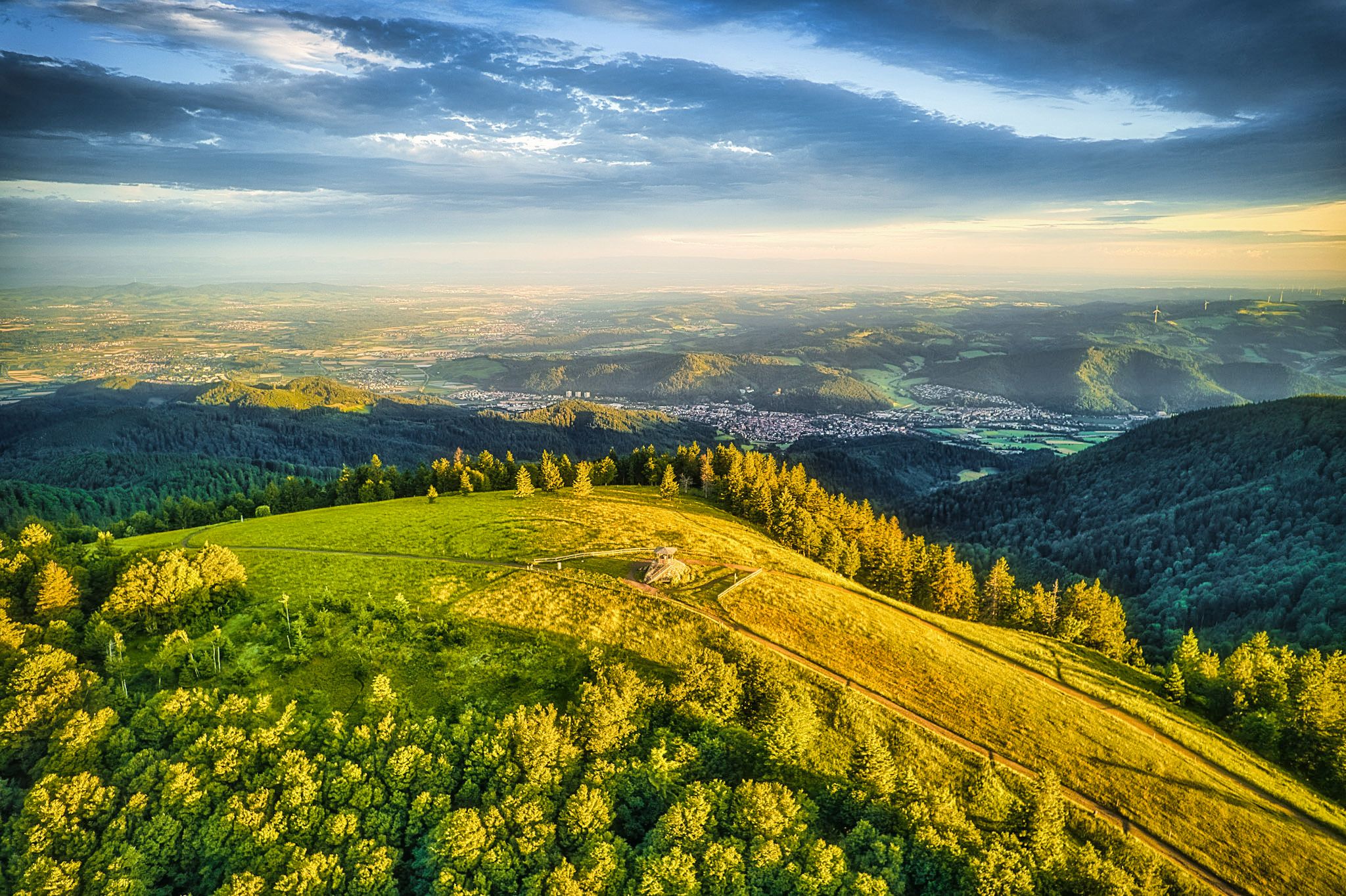
Two valleys, endless views – hiking in the ZweiTälerLand
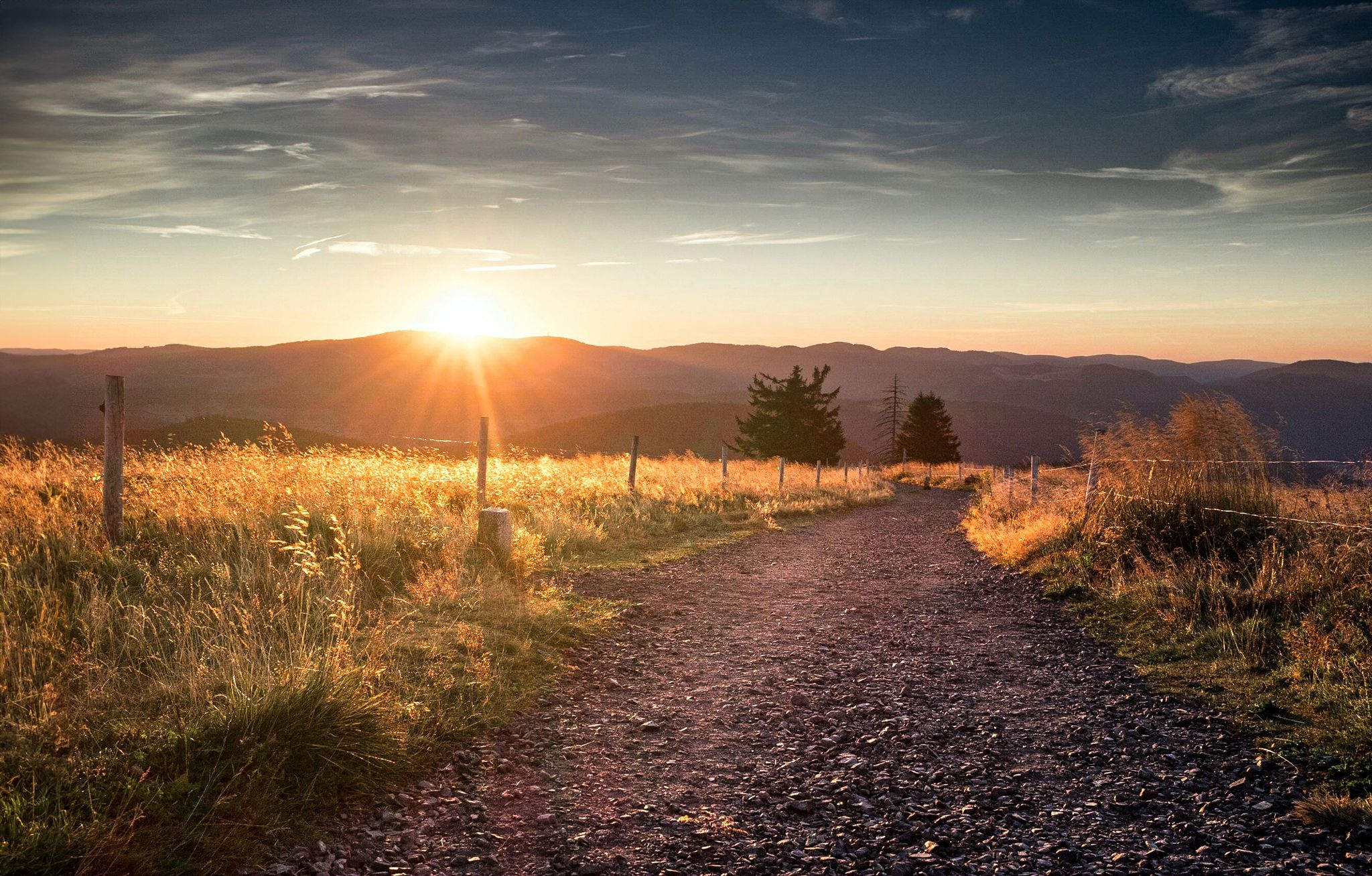
Autumn views on Genießerpfade and quality Tours in the Black Forest
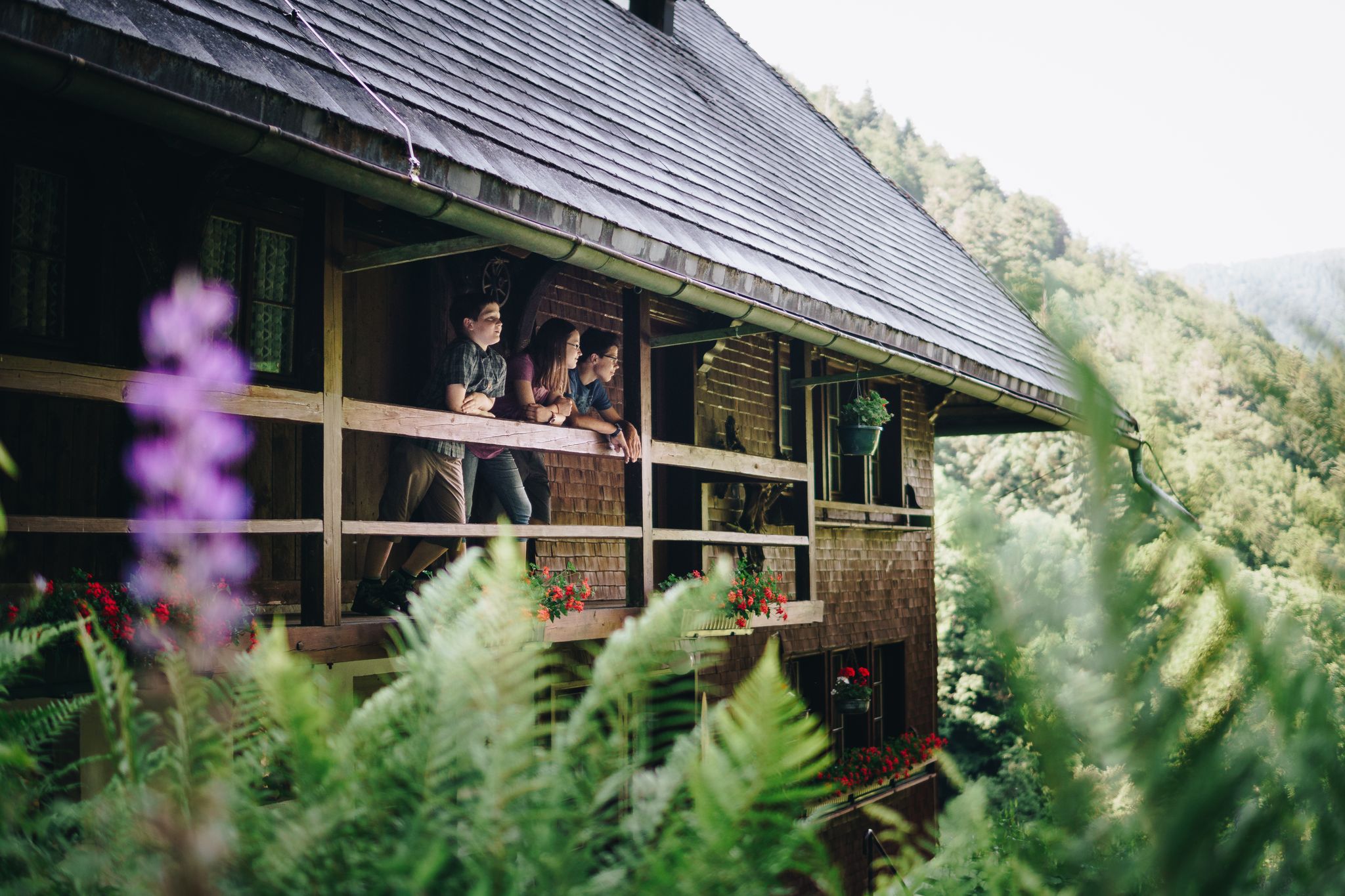
Kids in boots – the most beautiful family Tours in the Black Forest

Ride legendary training passes in the Black Forest
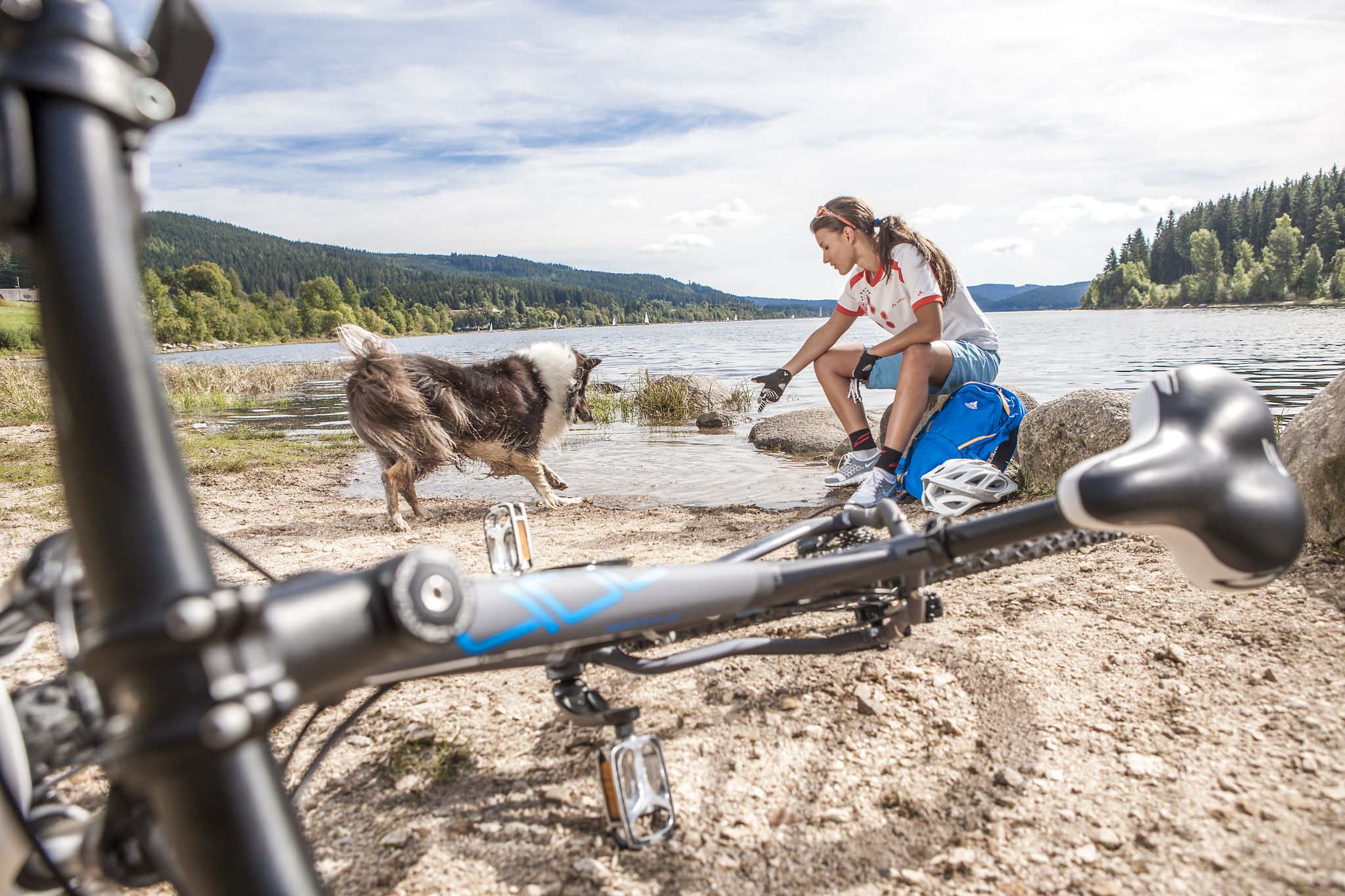
Panoramas, trails and lake hopping – biking in the Black Forest
Rendezvous mit dem goldenen Herbst – Mountainbike-Touren durch den Schwarzwald
Herbst. Wandern. Farbenspiel.
Hiking around Simonswald
MTB Trails around Simonswald
Other adventures around Simonswald


Tips from the Community

Unfortunately not so much left
1
0

Little is known about the exact date of the castle on the Gutach, at the foot of which the town of Triberg developed in the first half of the 14th century. What is uncertain is whether the castle already existed at the beginning of the 13th century or whether it was built after the division of the Hornberg dominion around the year 1200 into the two independent dominions of (Neu-)Hornberg and Triberg.
3
1

The St. Severin ruins are located on the eastern slope of the Mauracher Mountain, an elevation in the municipality of Denzlingen in northern Breisgau. One of Denzlingen's first places of worship was probably located here 1,000 years ago. The ruin bears the year 1497 on the Gothic door arch. Already in the Middle Ages one often heard the name of the "eclesia in Muron" or "eclesia in Gloter", church in Maurach" or in the parish of Glotter. However, the patronage was first mentioned in 1488, when the church of St. Serverin was called "S. Severini in Murach" is mentioned in writing. A relief plate made of red sandstone, which depicts St. Severin as a bishop and was found within the church ruins, is now in the Catholic Jakobuskirche in Denzlingen. Until the Reformation, pilgrimages took place regularly on the Mauracher Mountain. The Reformation, which was carried out in the towns of the Margraves of Baden in 1556, ended the pilgrimages and processions. 1575 It is mentioned that the margrave, after accepting the change of religion, banned pilgrimages to the chapel on the Mauracherberg and closed the little church. However, this probably did not stop many believers from continuing to pray in St. Severin, as the inscriptions on the relief panel from 1771 show. Today only a very dilapidated ruin remains of the old pilgrimage center on the Mauracher Berg, which was once the mother church of the Glottertal. https://www.alemannische-seiten.de/deutschland/denzlingen_st-severin-denzlingen.php
3
0

The settlement of the landscape in Freiamt has probably in the 11./12. Century during the great clearing epoch of the Black Forest. Even then, people knew that there could be silver ore veins between the rocks in the federal sandstone in the Brettenbach valley. So the Zähringer dukes took favorable land and pushed out the smaller nobility who were busy with the clearing. The Zähringers appointed a able subject a knight of Keppenbach and ordered him to build a castle to protect the silver ore mines. This finally reaches a length of 200 meters and a width of 35 meters. However, the yield of silver was lower than hoped. Mining was abandoned around 1800 at the latest. The first written mention of the Knights of Keppenbach was in 1161. Hartmut von Keppenbach is listed as a witness in a purchase deed from Tennebach. Since the age of the castle is not known, it can be concluded that Keppenbach Castle already existed at this time. You can find more information about Bur Keppenbach on my homepage: https://www.breisgau-burgen.de/de/index.php/breisgau-burgen/burgen-a-h/burgen-f/freiamt-burg-keppenbach
0
0
The ruins of St. Severin's Chapel are located on the eastern spur of the Mauracher Berg. It was built in 1497 by the St. Margarethen von Waldkirch monastery. Excavations by the University of Freiburg in recent years have not only documented the foundations of an older church, but also a large number of burials. The evaluation of the written sources has shown that the church was probably the Glottertal parish church until 1466. Only then did the Blasius chapel there receive full parish rights. The dating of the wall and ditch fortifications found on the Mauracher Berg is still open. An origin in prehistory is just as conceivable as an origin in the Middle Ages. But it is also possible to reuse an older fortification in the Middle Ages. For this reason, it cannot yet be said with certainty that there is a castle on the Mauracher Berg. More information on my website: https://www.breisgau-burgen.de/de/index.php/breisgau-burgen/kloester-a-z/denzlingen-ruine-der-st-severinskapelle
2
0

Triberg Castle is a ruined castle on a mountain spur southeast of Triberg in the Black Forest. Little is known about the exact time when the castle complex - which was the seat of the respective Obervogt - was built. Above all, it is uncertain whether the castle already existed at the beginning of the 13th century or whether it arose after the division of the former Hornberg dominion into Hornberg and Triberg. Around the year 1200, the Lordship of Homberg was divided into the two independent Lordships of Homberg and Triberg. The name Triberg was first mentioned in a document in 1239. Ministeriale "Peter von Triberc" appeared as the last of the 15 witnesses on the document on a legal transaction between Count Berthold von Neuenburg and Bishop Lutold von Basel. Triberg Castle was first mentioned in writing in 1325 and was destroyed in 1642. The remains of the former Triberg Castle can still be found in the Burggarten near the Kurhaus. Source: https://www.alemannische-seiten.de/deutschland/triberg_burg-triberg.php
6
0

The history of the castle is very interesting. The tower can be walked on and you can enjoy a fantastic view
7
0

worth the climb, great castle with beautiful views. The tower can be climbed during the day.
7
0
Frequently Asked Questions
What are some notable castle ruins to explore around Simonswald?
The region offers several historically significant castle ruins. You can visit Kastelburg Castle Ruins, which provides excellent views of Waldkirch. Another significant site is Hochburg Ruins (Emmendingen), a large, accessible complex with a rich history. Don't miss Keppenbach Castle Ruins for a glimpse into early medieval history and a peaceful resting spot.
Are there any family-friendly castle ruins in the area?
Yes, Hochburg Ruins (Emmendingen) is considered family-friendly, offering a large and accessible complex for exploration. The Ruins of St. Severin Chapel (Mauracher Berg) also provide a nice spot for a family picnic amidst historical surroundings.
Which castle ruins offer the best panoramic views?
For stunning panoramic views, the Kastelburg Castle Ruins near Waldkirch offer a great perspective of the town and surrounding area. Additionally, the View from the Schwarzenburg ruins over Waldkirch and the Rhine Plain provides extensive vistas and a romantic atmosphere.
What kind of historical insights can I gain from visiting these castles?
The castles around Simonswald offer deep historical insights. Kastelburg Castle Ruins has an information board detailing its history, including its connection to the Schwarzenberg family. Hochburg Ruins (Emmendingen) showcases the region's turbulent past as a major fortress destroyed in the Thirty Years' War. Keppenbach Castle Ruins highlights early medieval settlement and the influence of the Zähringer dukes.
Are there hiking opportunities near the castle ruins?
Absolutely. Many of the castle ruins are integrated into hiking routes. For example, the Kastelburg is part of the recommended Kastelrundweg. You can find various hiking trails, including challenging mountain hikes, around Simonswald. Explore options like the 'Wehrlehof Mill – Schultiskopf (1,072 m) loop' or the 'Wildgutach Waterfall – Hintereck Hut loop' in the Mountain Hikes around Simonswald guide.
What other outdoor activities can I do near the castles?
Beyond hiking, the Simonswald area offers diverse outdoor activities. You can find numerous running trails, such as the 'Schwedenschanze Inn loop' or the 'Günterfelsen – Brend Tower loop', detailed in the Running Trails around Simonswald guide. For cyclists, there are challenging road cycling routes, including the 'View of the Black Forest Hills – Hexenlochmühle loop', available in the Road Cycling Routes around Simonswald guide.
What is the best season to visit the castle ruins around Simonswald?
The Black Forest region, including Simonswald, is beautiful year-round. Spring and autumn offer pleasant temperatures for hiking and exploring the ruins amidst vibrant foliage or blooming nature. Summer is also popular, though it can be warmer. Winter visits can provide a unique, romantic atmosphere, especially if there's snow, but some paths might be more challenging.
Are there any cafes or resting places near the castle ruins?
Yes, some ruins offer amenities. Hochburg Ruins (Emmendingen) sometimes has a small kiosk for refreshments, especially on weekends. Keppenbach Castle Ruins is known for having a resting place, and the Ruins of St. Severin Chapel (Mauracher Berg) provide benches for a picnic.
What do visitors enjoy most about the castle ruins in Simonswald?
Visitors frequently praise the combination of historical exploration and scenic beauty. Many appreciate the well-preserved nature of sites like Hochburg Ruins (Emmendingen) and the extensive views offered by Kastelburg Castle Ruins. The peaceful atmosphere and opportunities for a break at places like Keppenbach Castle Ruins are also highly valued.
How accessible are the castle ruins for visitors?
Accessibility varies by ruin. Hochburg Ruins (Emmendingen) is noted as a large, largely accessible castle complex. Other ruins, being hill castles, may involve some uphill walking or uneven terrain to reach. It's advisable to check specific trail conditions if you have mobility concerns.
Can I reach the castle ruins using public transport?
While Simonswald itself has public transport connections, reaching specific castle ruins often requires a combination of public transport and walking. For example, Kastelburg Castle Ruins are near Waldkirch, which is accessible by public transport, followed by a hike. For detailed public transport information within the region, it's best to consult local bus schedules and plan your route accordingly.
Are there any lesser-known or 'hidden gem' castle ruins worth visiting?
While the main highlights are well-known, the Schwarzenburg ruins offer a lonely and romantic atmosphere with beautiful views, making it a worthwhile detour for those seeking a quieter experience. The Keppenbach Castle Ruins are also a peaceful spot that some visitors find to be a pleasant discovery.
Most popular routes around Simonswald
Most popular attractions around Simonswald

Get inspired with the komoot mobile app


Explore more
Looking for the best castles somewhere else? Discover other guides around Simonswald:
