Top 20 Lakes around Wermelskirchen
Best lakes around Wermelskirchen are characterized by their integration into the natural landscape of the Bergisches Land. The region features several reservoirs, primarily serving as drinking water sources, nestled within forested valleys. These bodies of water offer opportunities for outdoor activities such as hiking and walking. The area's geography includes low mountain ranges and stream valleys, providing varied terrain around the lakes.
Best lakes around Wermelskirchen
- The most popular lakes is View of the Sengbach Reservoir, a viewpoint that…
Last updated: November 20, 2026
Sengbach Reservoir
Highlight • Monument
Translated by Google •
Tip by

Great Dhünn Reservoir
Highlight • Lake
Translated by Google •
Tip by

Sign up now to discover places like this
Get recommendations on the best single tracks, peaks, & plenty of other exciting outdoor places.
Neyetal Dam
Highlight • Monument
Translated by Google •
Tip by

View of the Kleine Dhünn forebay
Highlight • Viewpoint
Translated by Google •
Tip by

Ronsdorf Reservoir
Highlight • Lake
Showing Translation
Tip by

Sign up for free to discover even more lakes around Wermelskirchen.
Already have an account?
Start today with a free account
Your next adventure awaits.
Popular around Wermelskirchen
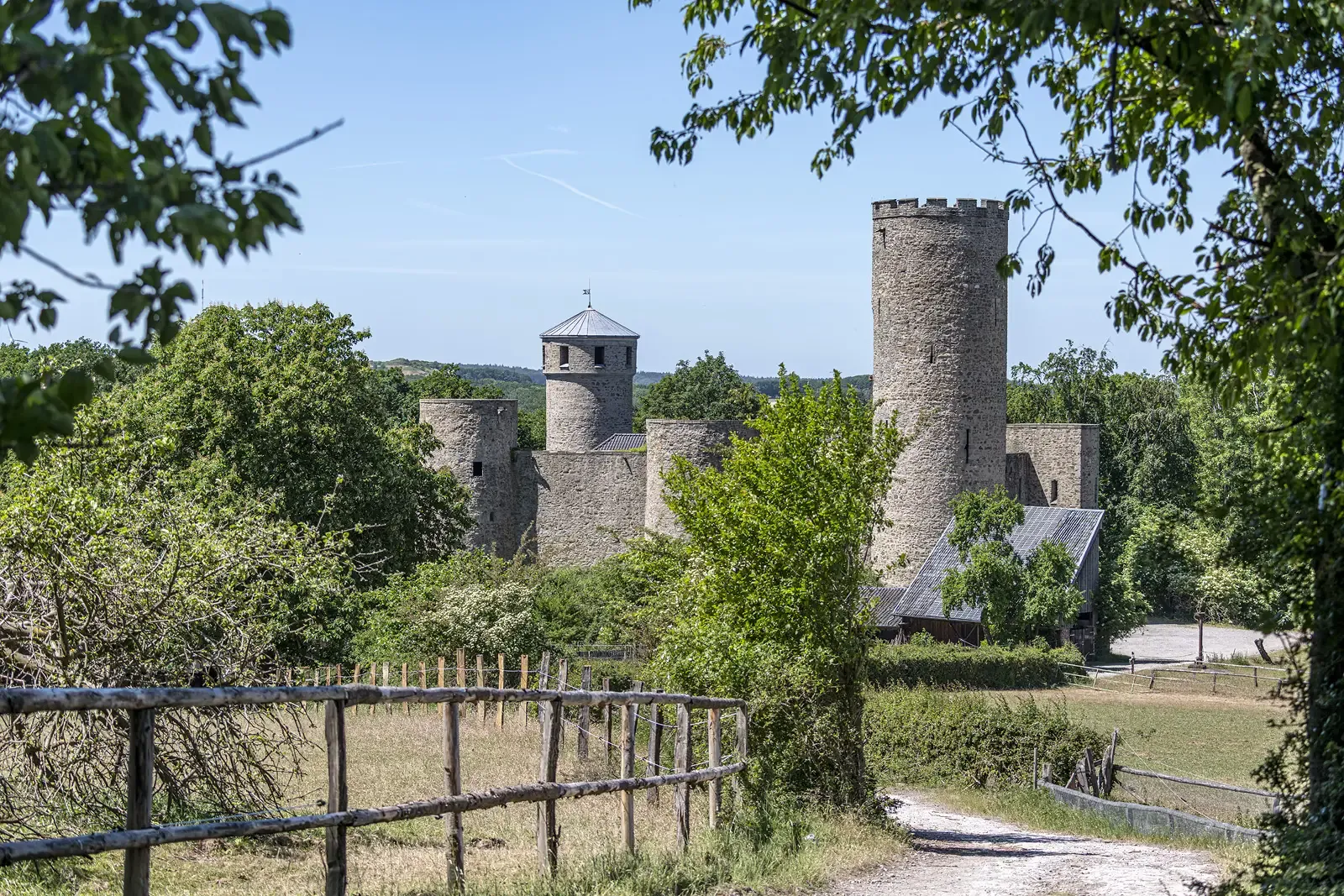
Rhineland Way of St. James – A pilgrimage week
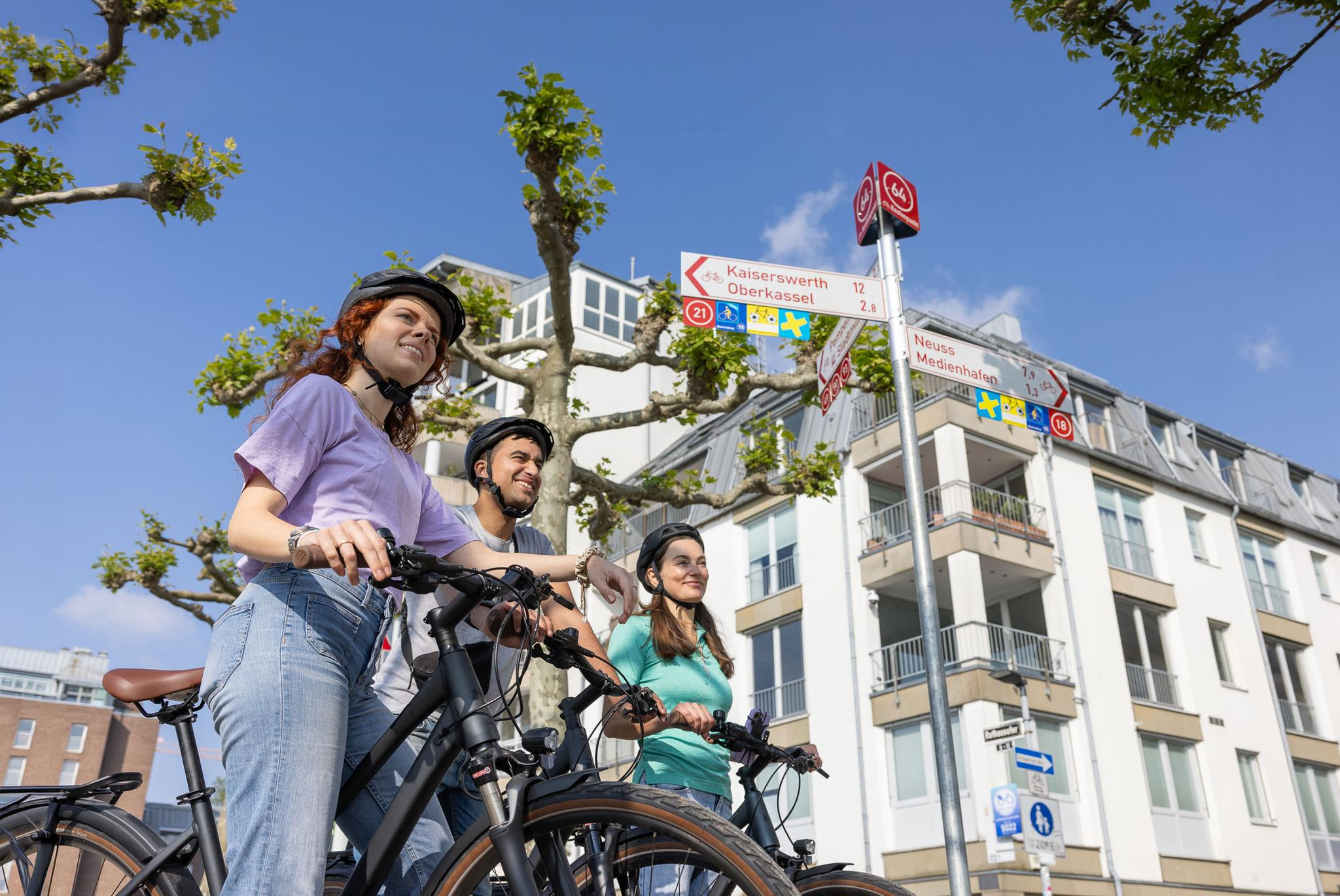
Cycling by Numbers – flexible rides in the Radregion Rheinland
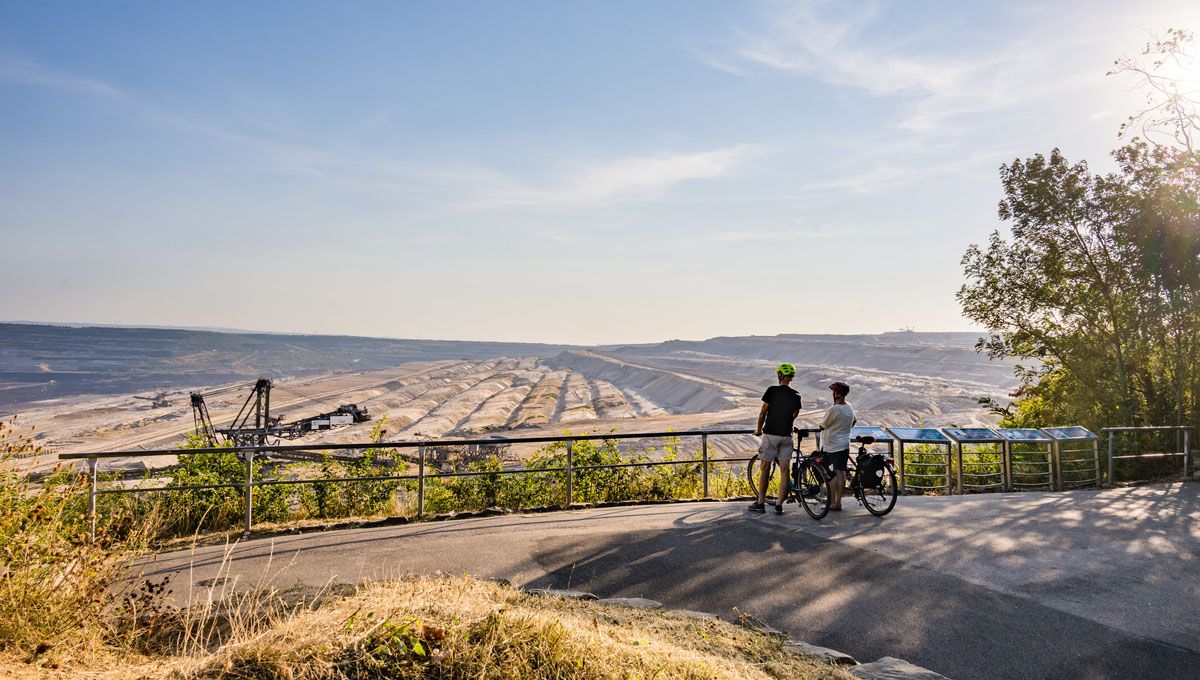
Marvellous views and varied scenery – cycling in the Rhineland
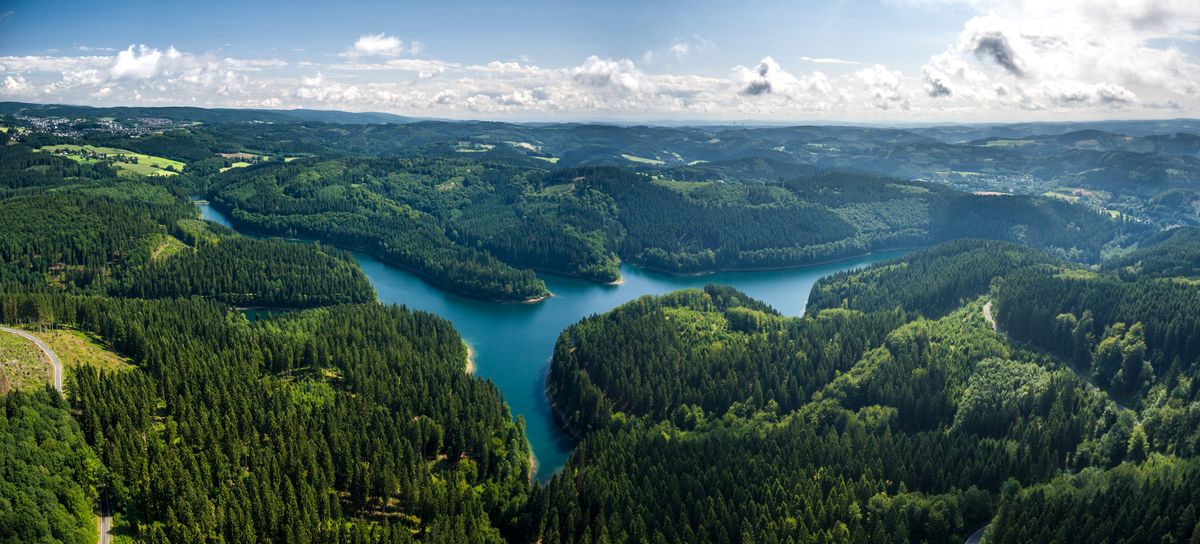
A long-distance hike with spectacular views – Bergischer Panoramasteig
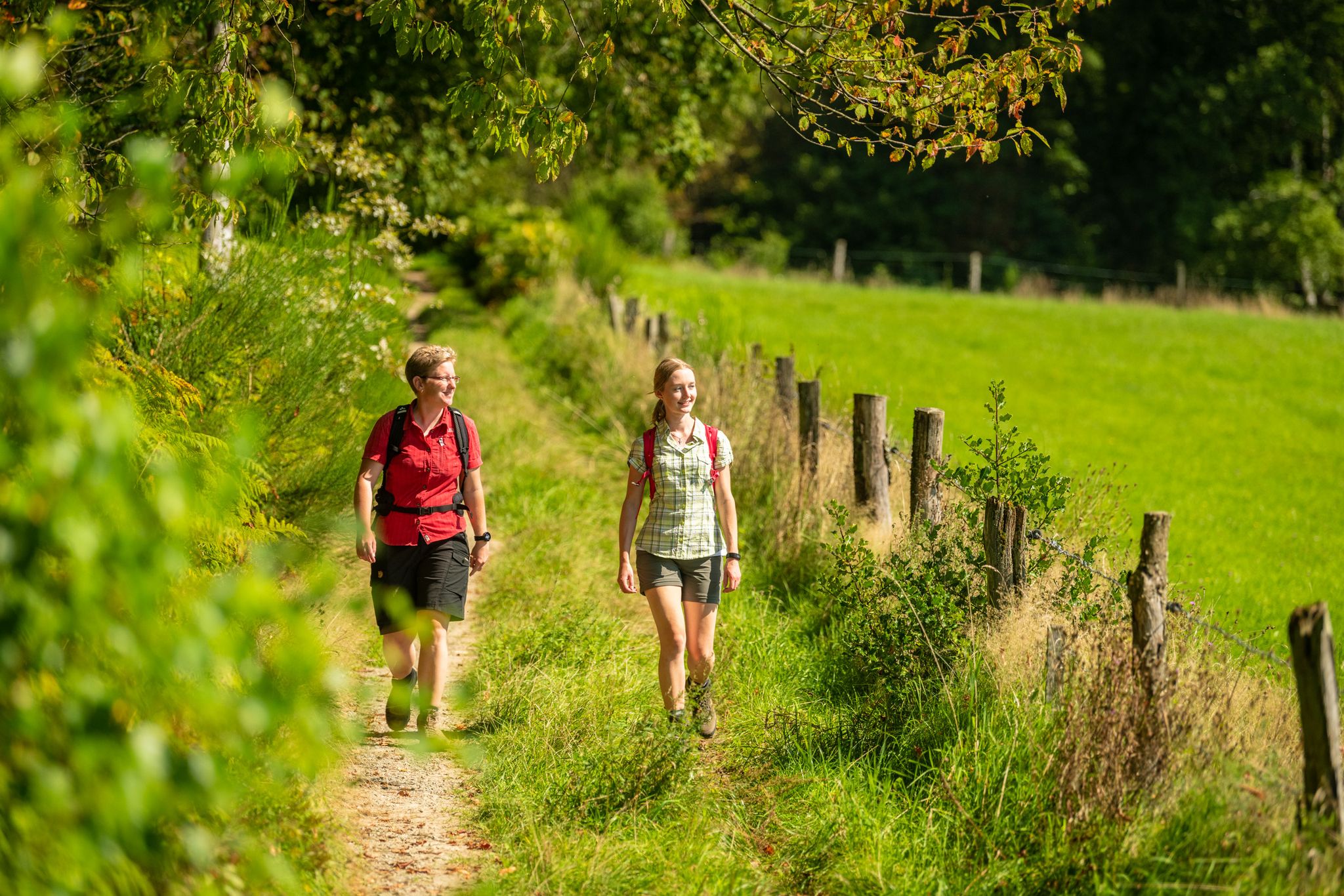
Bergische Rambles – themed and adventure trails in the Bergisches Land region
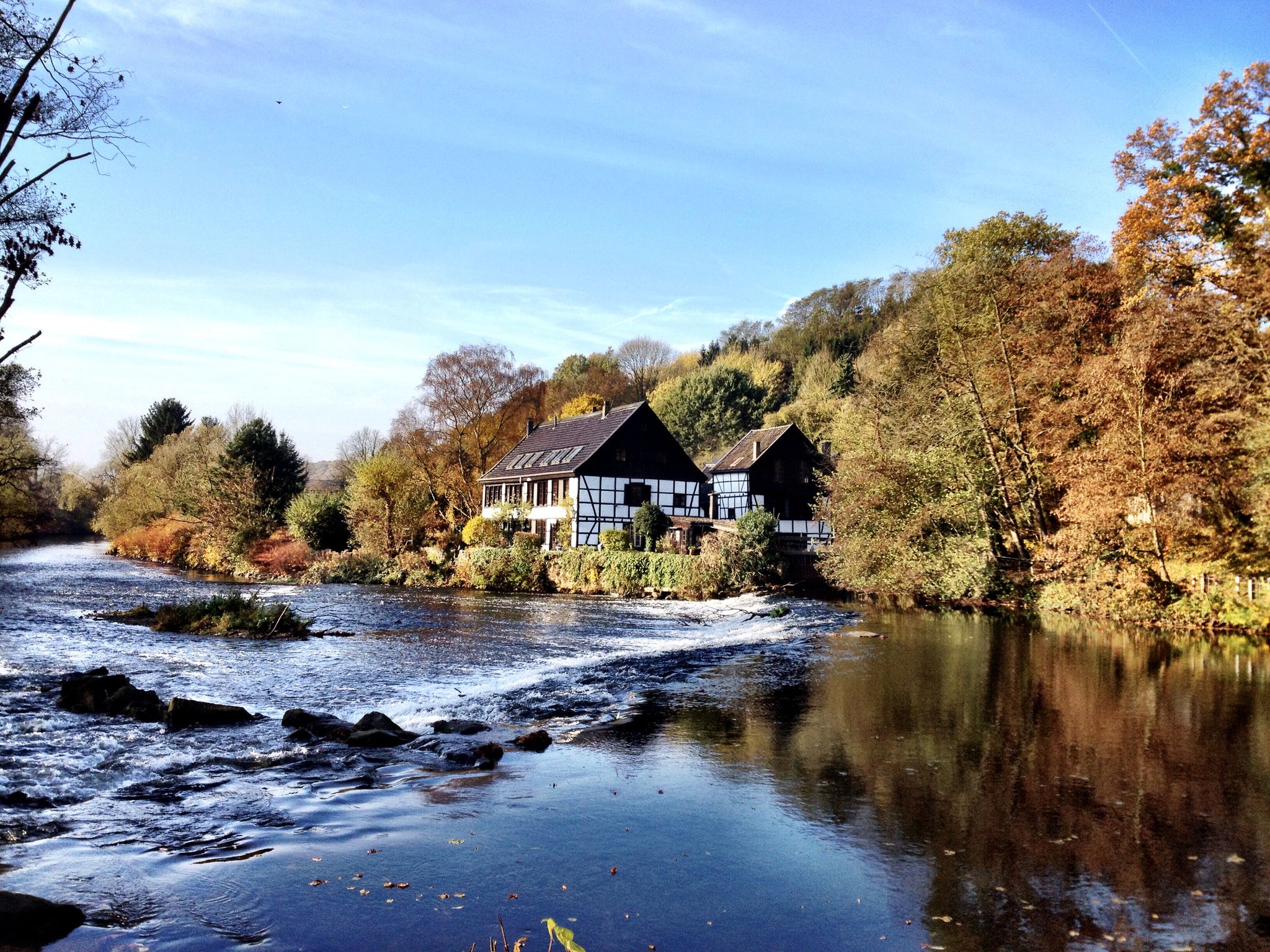
Klingenpfad (Solingen)
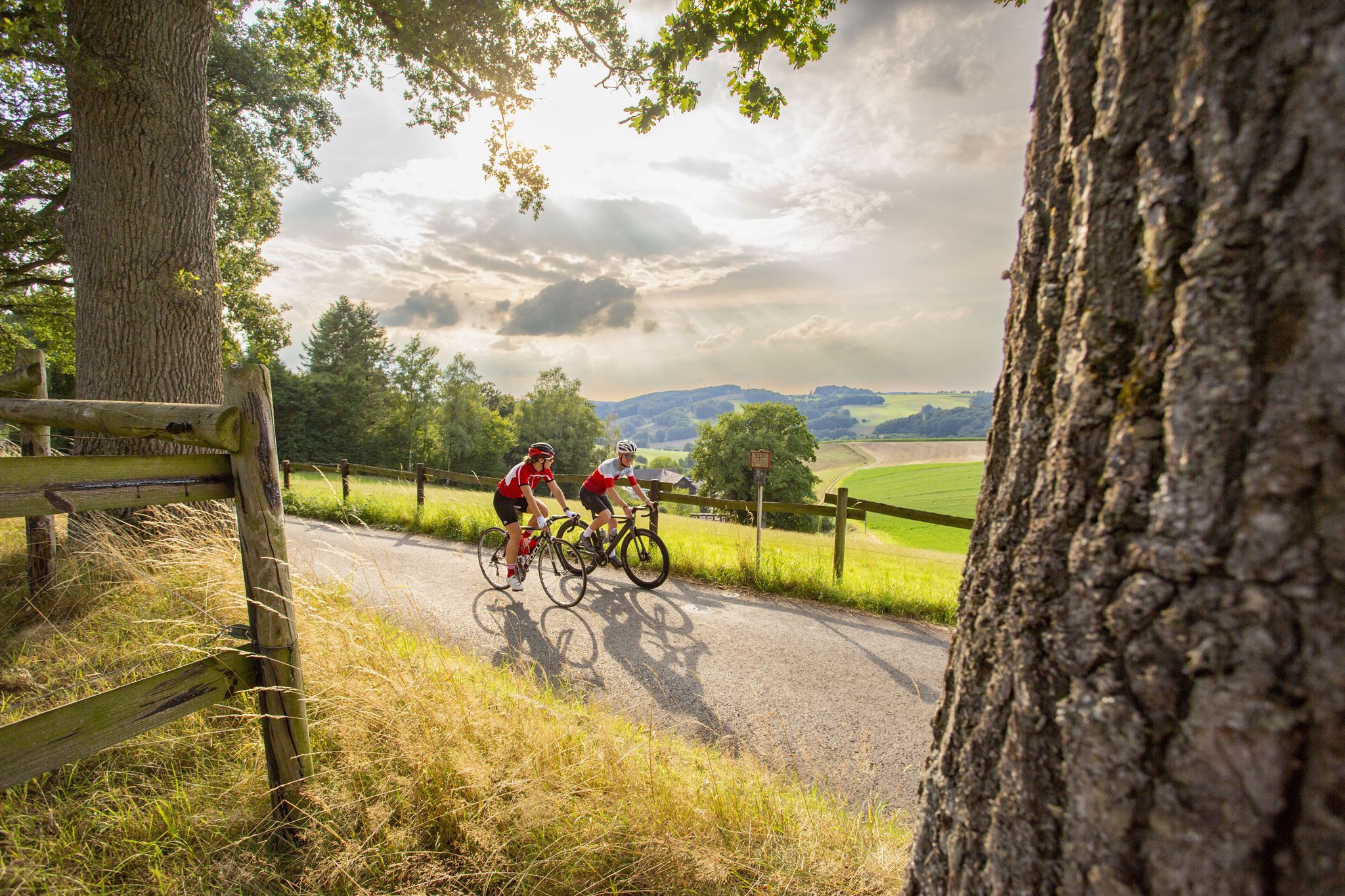
Road bike Tours in the Bergisches Land – endless hills and forests
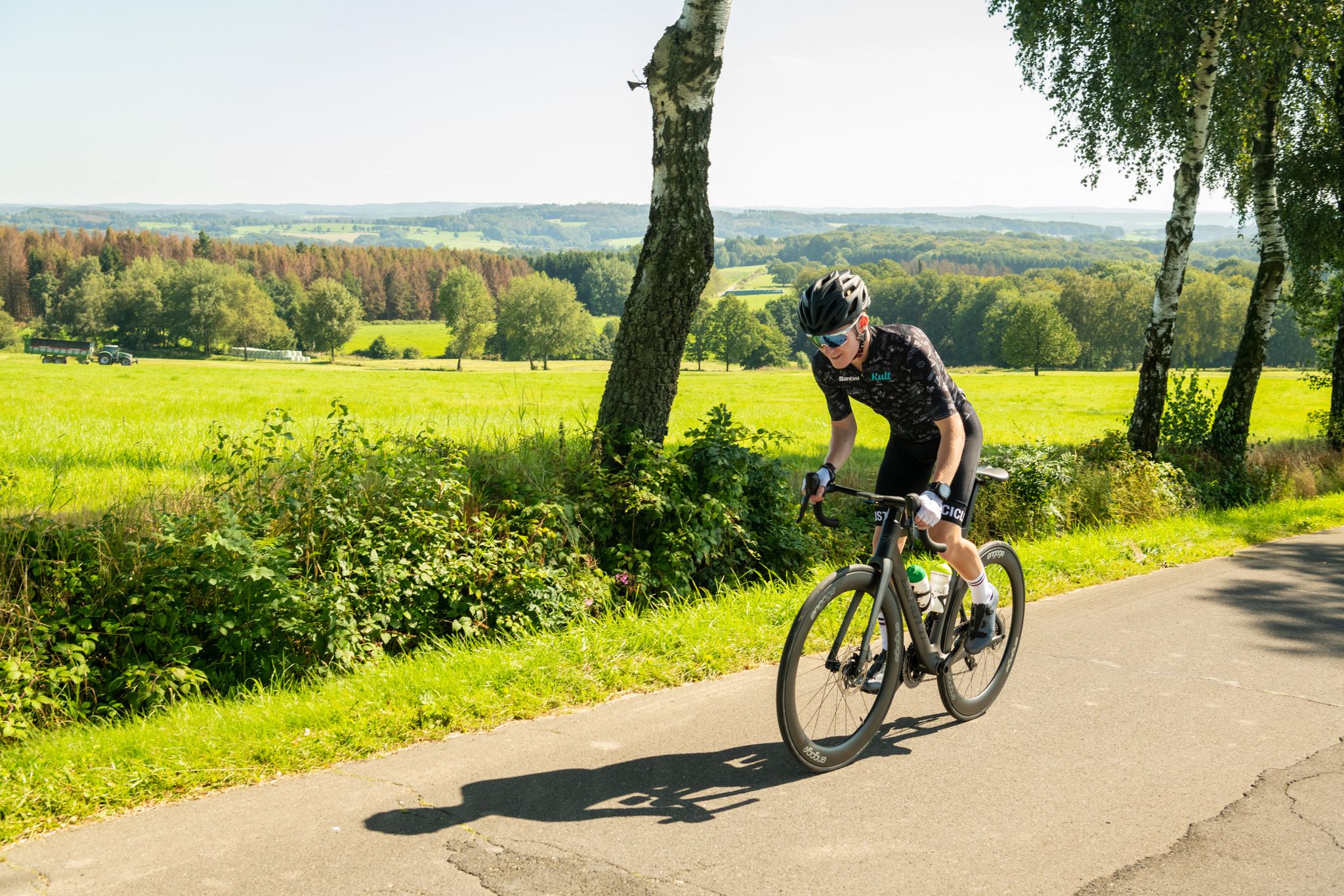
On the trails of Rund um Köln – road cycling routes in the Bergisches Land
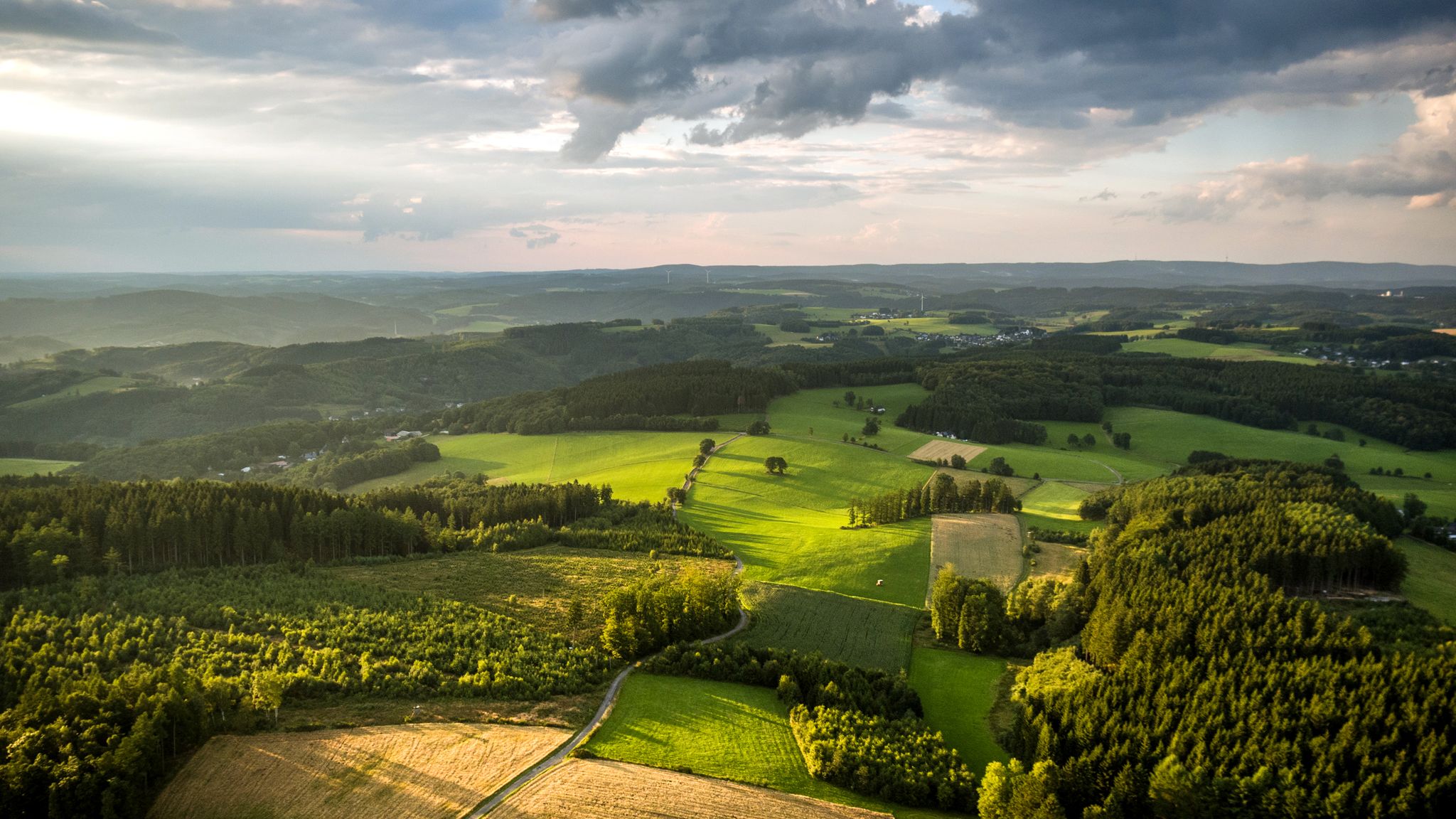
Panoramic adventures — explore Germany’s Bergisches Land
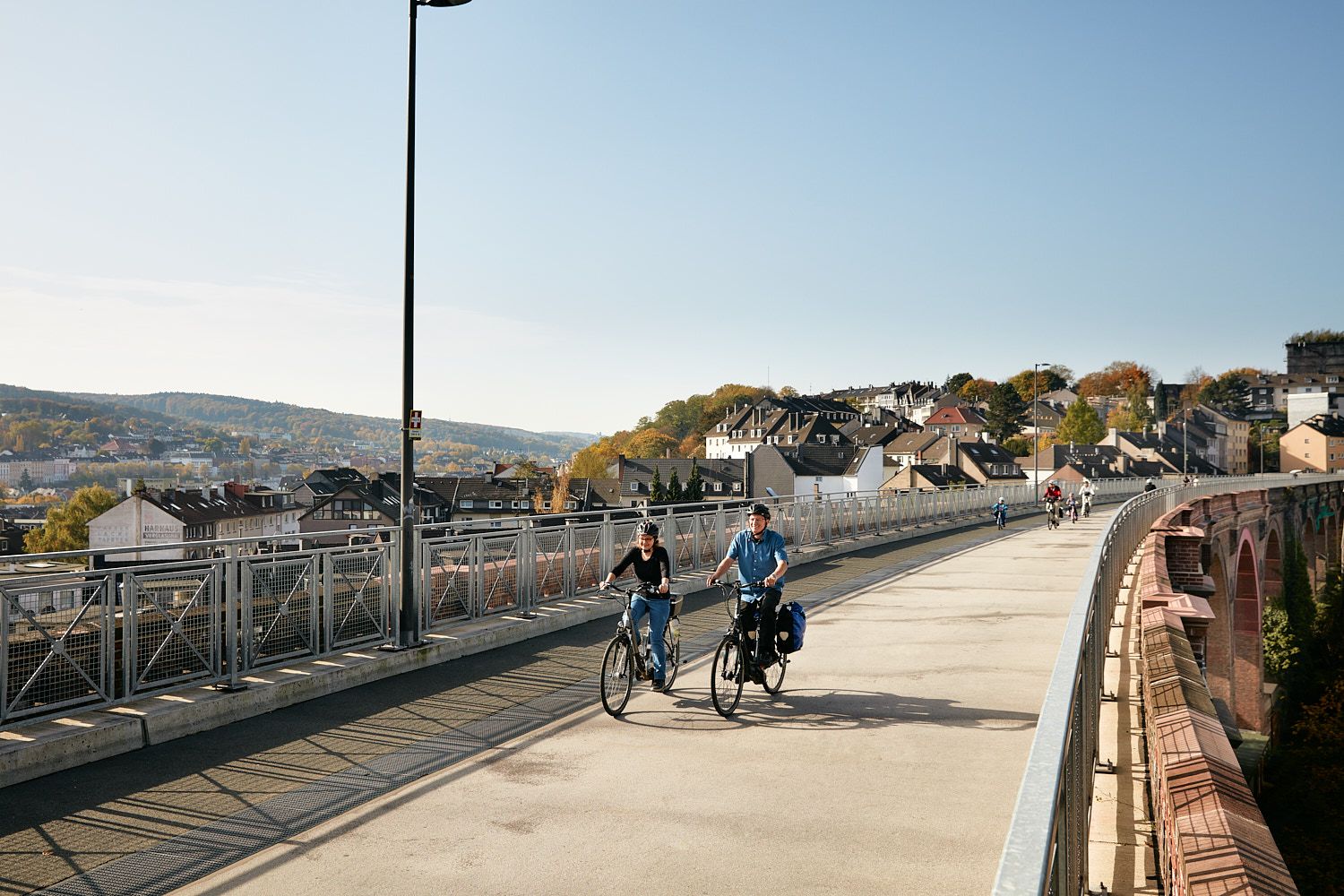
Railway lines & industrial heritage – Cycling through the Bergisches Land
Other adventures around Wermelskirchen


Tips from the Community

The Große Dhünn Reservoir is a real highlight for cyclists who appreciate quiet routes and expansive landscapes. On the designated paths, you'll ride through a protected nature reserve with little traffic and plenty of space to enjoy nature. Long, steady stretches and beautiful views of the water make this section ideal for relaxed tours away from busy routes.
1
0

The Great Dhünntalsperre, fed by the two springs of the Dhünn River, is the second largest drinking water dam in Germany after the Rappbode Dam
12
0

Always good for a short walk, e.g. after eating in one of the Rondorf restaurants.
8
0

The view is beautiful, a great place to take a break
9
0

One of many beautiful views.
9
0

The circumnavigation of the Vorsperre is very varied. Due to the storm damage, not all paths are currently (02/28/2022) passable. However, there are ways to get past the fallen trees everywhere.
11
0

On July 30, 1895, the city council decided to build a waterworks and the associated dam. Professor Otto Intze from the Technical University of Aachen was commissioned with the planning and subsequent implementation. His investigations showed that the most favorable area for a dam was the Saalbach valley with its wealth of sources. At the meeting of the city council on April 14, 1897, Intze's proposals were accepted and the construction of the dam was decided. Almost a year later, the necessary land could be acquired and construction of the dam began. A quarry stone wall was erected, which was built according to the "Intze principle". This principle consisted of creating a wedge-shaped, compacted earthfill on the water side at the foot of the wall, which reached just half the height of the wall. In this way the pressure of the water on the wall could be reduced quite considerably, which enabled a lighter construction method Pump-operated pumping station and on the upper Kurfürstenstrasse, the highest point in Ronsdorf, the water tower. From here the water was fed into the Ronsdorf supply network. The dam was inaugurated on November 11, 1899. It had a storage height of around 19 meters and a capacity of 300,000 cubic meters. Source and more: http://www.ronsdorfer-buergerverein.de/wp-content/uploads/2015/03/2016.08Talsperre.pdf
10
0

An interesting look at one of the inlets of the dam
10
0
Frequently Asked Questions
What kind of natural features define the lakes around Wermelskirchen?
The lakes around Wermelskirchen are primarily reservoirs nestled within the natural landscape of the Bergisches Land. You'll find them integrated into forested valleys, surrounded by low mountain ranges and stream valleys, offering varied terrain and scenic views.
Are there family-friendly lakes or trails around Wermelskirchen?
Yes, several lakes offer family-friendly experiences. For instance, the Sengbach Reservoir and Great Dhünn Reservoir are noted as family-friendly highlights. Many circular routes around the reservoirs are suitable for walks with children.
What outdoor activities can I do near the lakes around Wermelskirchen?
The area is excellent for various outdoor activities. You can enjoy hiking, gravel biking, and running. For example, there are numerous routes like the 'Große Dhünn Reservoir loop' for hiking or the 'Dhünn Dam – Große Dhünn Reservoir loop' for gravel biking. You can find more details on these activities in the Hiking around Wermelskirchen or Gravel biking around Wermelskirchen guides.
Are there circular walks around the lakes?
Yes, circular walks are a popular way to explore the lakes. A circular route of about 10 kilometers leads around the Sengbach Reservoir. The Neyetal Dam also features an approximately 11-kilometer path that circles the reservoir, taking about three hours to complete.
What is the best time of year to visit the lakes?
The lakes around Wermelskirchen offer beauty throughout the year. Spring and autumn provide vibrant colors and pleasant temperatures for hiking. Summer is ideal for longer days outdoors, while winter offers a serene, quiet experience, with opportunities for winter hiking around the frozen landscapes.
Can I swim in the lakes around Wermelskirchen?
Most of the lakes in the region, such as the Sengbach Reservoir, Great Dhünn Reservoir, and Neyetal Dam, are drinking water reservoirs. For this reason, swimming is generally not permitted to protect water quality. Always check local signage for specific regulations.
Are there any historical or man-made monuments among the lakes?
Yes, the region's reservoirs are significant man-made monuments. The Sengbach Reservoir, built in 1903, is one of Germany's oldest drinking water reservoirs. The Ronsdorf Reservoir was inaugurated in 1899, showcasing historical engineering.
Where can I find parking near the Dhünntalsperre Reservoir?
Parking is available at various access points around the Dhünntalsperre. Specific parking areas are usually marked near popular trailheads or viewpoints. It's advisable to check local maps or navigation apps for the most convenient parking options depending on your starting point.
Are there cafes or refreshment options near the lakes?
While the immediate vicinity of some drinking water reservoirs might be undeveloped, you can often find cafes and restaurants in nearby towns or villages. For example, near the Dhünntalsperre, you might find options in communities like Odenthal or Wermelskirchen itself, which are a short drive away.
What makes the <a href="https://www.komoot.com/highlight/86951" target="_blank" rel="noopener">Neyetal Dam</a> unique?
The Neyetal Dam, built between 1905 and 1908, is notable for its historical significance and the tranquility it offers. It's a popular spot for cycling and hiking, with paths running exclusively through the forest. It's also known as a hunting ground for bats at dusk.
Are there less crowded lake walks available?
While popular spots can attract visitors, many of the trails around the reservoirs, especially those that venture deeper into the surrounding forests, offer a sense of peace and quiet. Exploring lesser-known sections or visiting during off-peak hours can provide a more secluded experience.
What should I bring for a lake hike in Wermelskirchen?
For a comfortable lake hike, it's recommended to bring sturdy walking shoes, weather-appropriate clothing, water, and snacks. A map or GPS device is also useful, as is a camera to capture the scenic views. Remember to pack out everything you pack in to preserve the natural beauty.
Most popular routes around Wermelskirchen
Most popular attractions around Wermelskirchen

Get inspired with the komoot mobile app


Explore more
Still not found your perfect lake around Wermelskirchen? Check out the guides of these regions to see even more beautiful places.
