Top 20 Castles around Gumpoldskirchen
Best castles around Gumpoldskirchen are situated amidst vineyards at the foot of the Anninger hills, offering a blend of historical significance and natural landscapes. The region is characterized by its historical landmarks, including fortified structures and ancestral seats. These sites provide insights into centuries of history, from medieval fortresses to renovated castles. Gumpoldskirchen's location in Austria's wine country also connects these historical sites with local wine culture.
Best castles around Gumpoldskirchen
- The most popular castles is Ruins of Mödling Castle…
Last updated: November 20, 2026
Liechtenstein Castle
Highlight • Castle
Translated by Google •
Tip by

Perchtoldsdorf Castle, Parish Church, and Watchtower
Highlight • Castle
Translated by Google •
Tip by

Sign up now to discover places like this
Get recommendations on the best single tracks, peaks, & plenty of other exciting outdoor places.
Ruins of the Pfefferbüchsel Chapel
Highlight • Religious Site
Translated by Google •
Tip by

Kottingbrunn Castle
Highlight • Castle
Translated by Google •
Tip by

Vösendorf Castle
Highlight • Castle
Translated by Google •
Tip by

Sign up for free to discover even more castles around Gumpoldskirchen.
Already have an account?
Start today with a free account
Your next adventure awaits.
Popular around Gumpoldskirchen
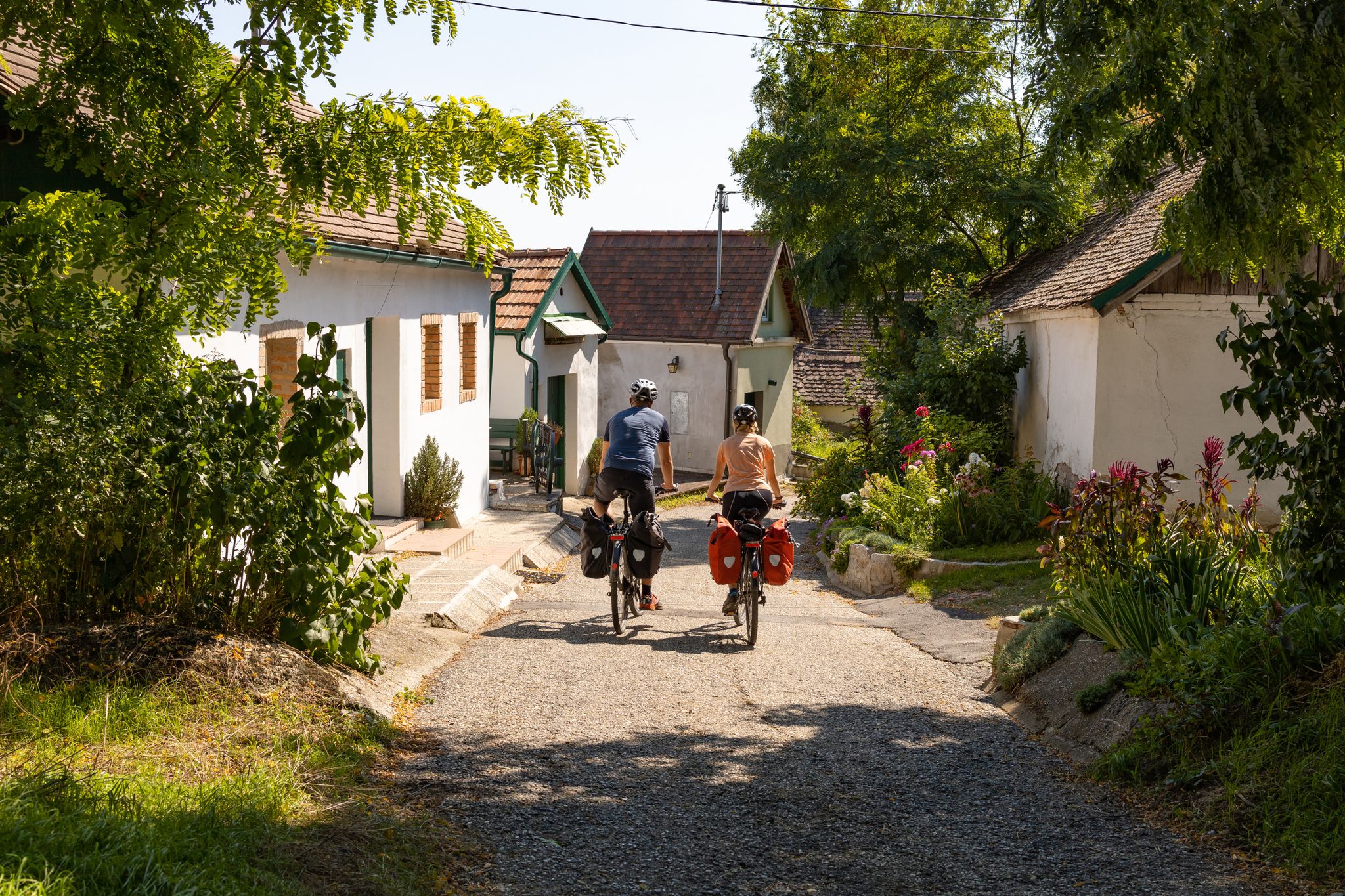
The most beautiful bike discovery Tours in Lower Austria
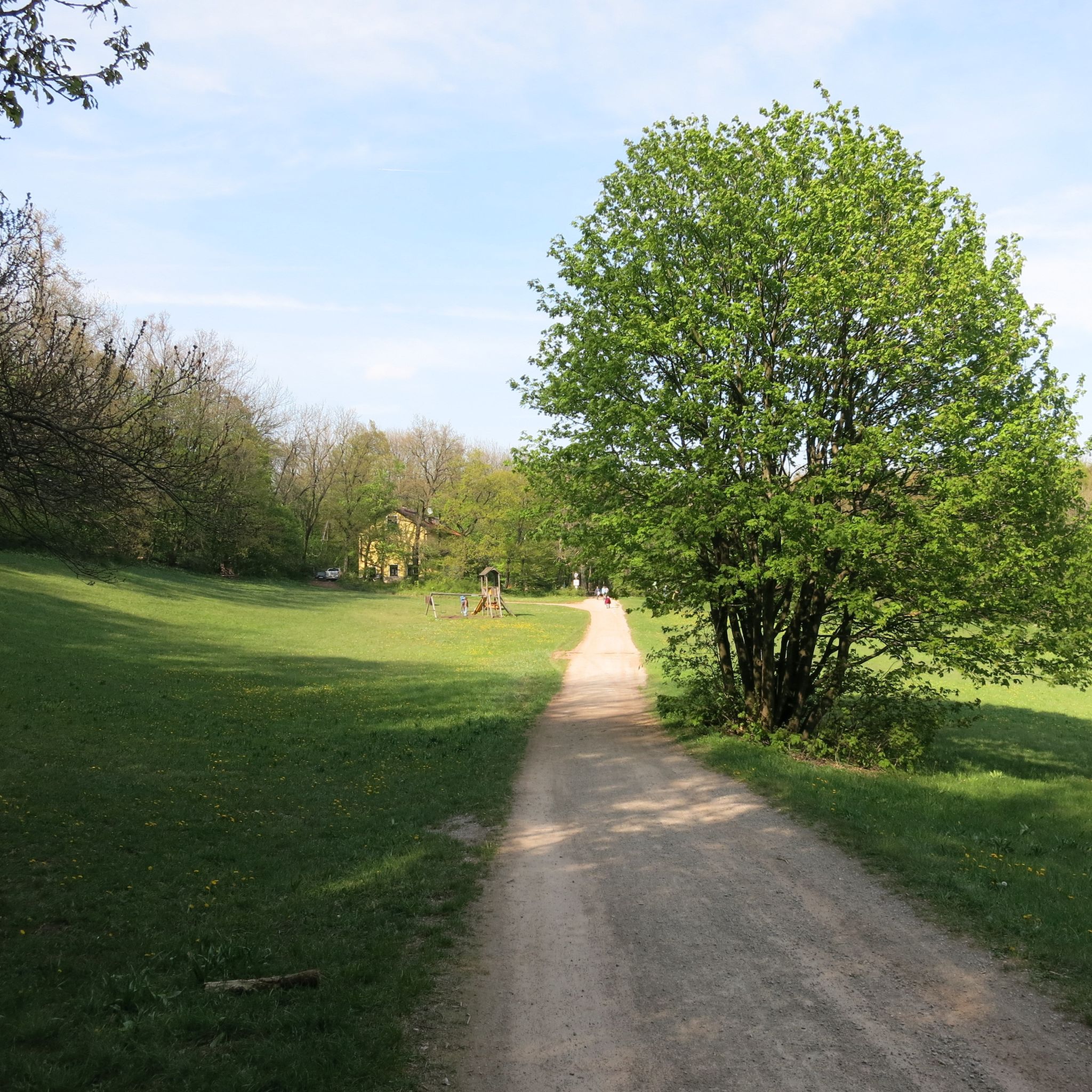
Hiking around Gumpoldskirchen
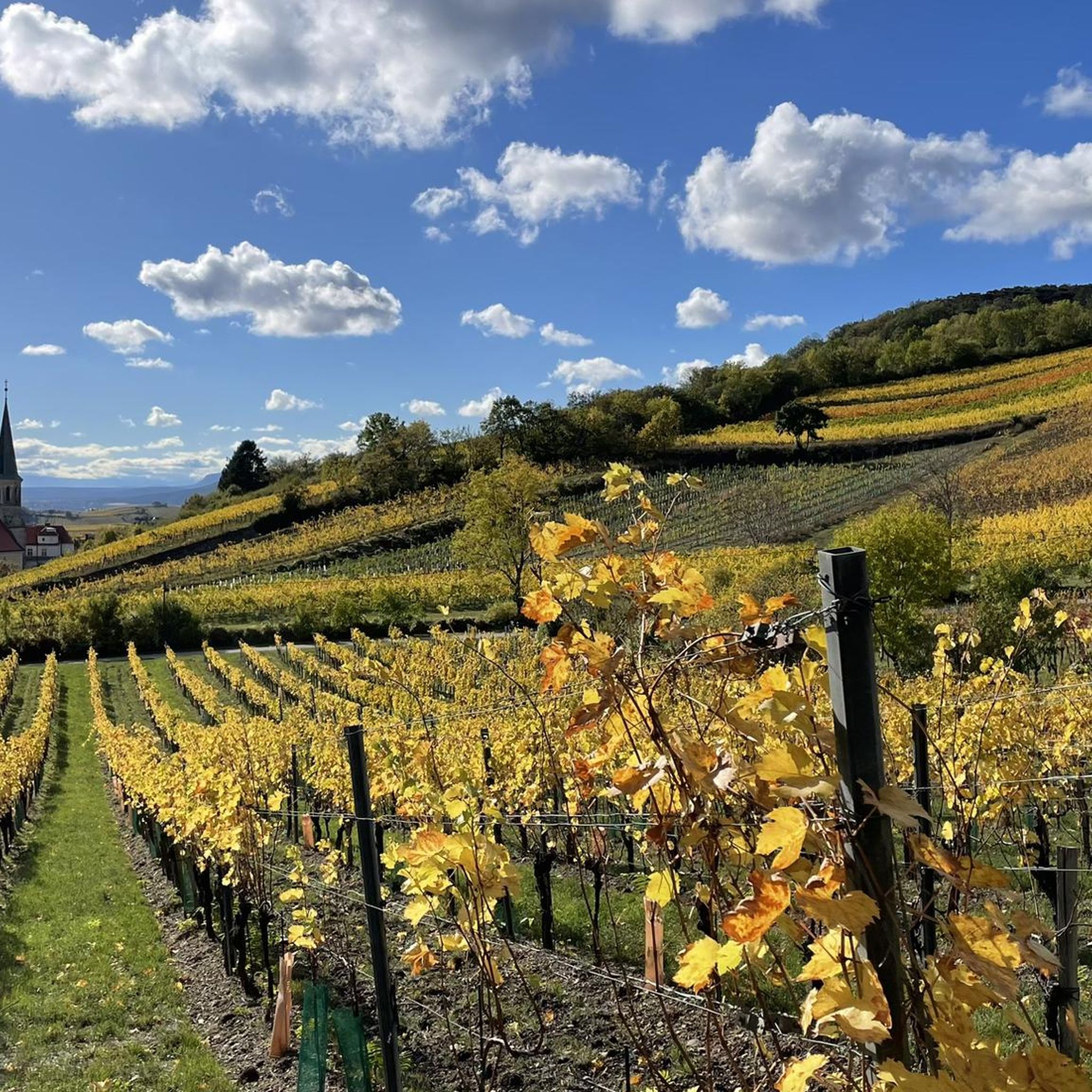
Road Cycling Routes around Gumpoldskirchen
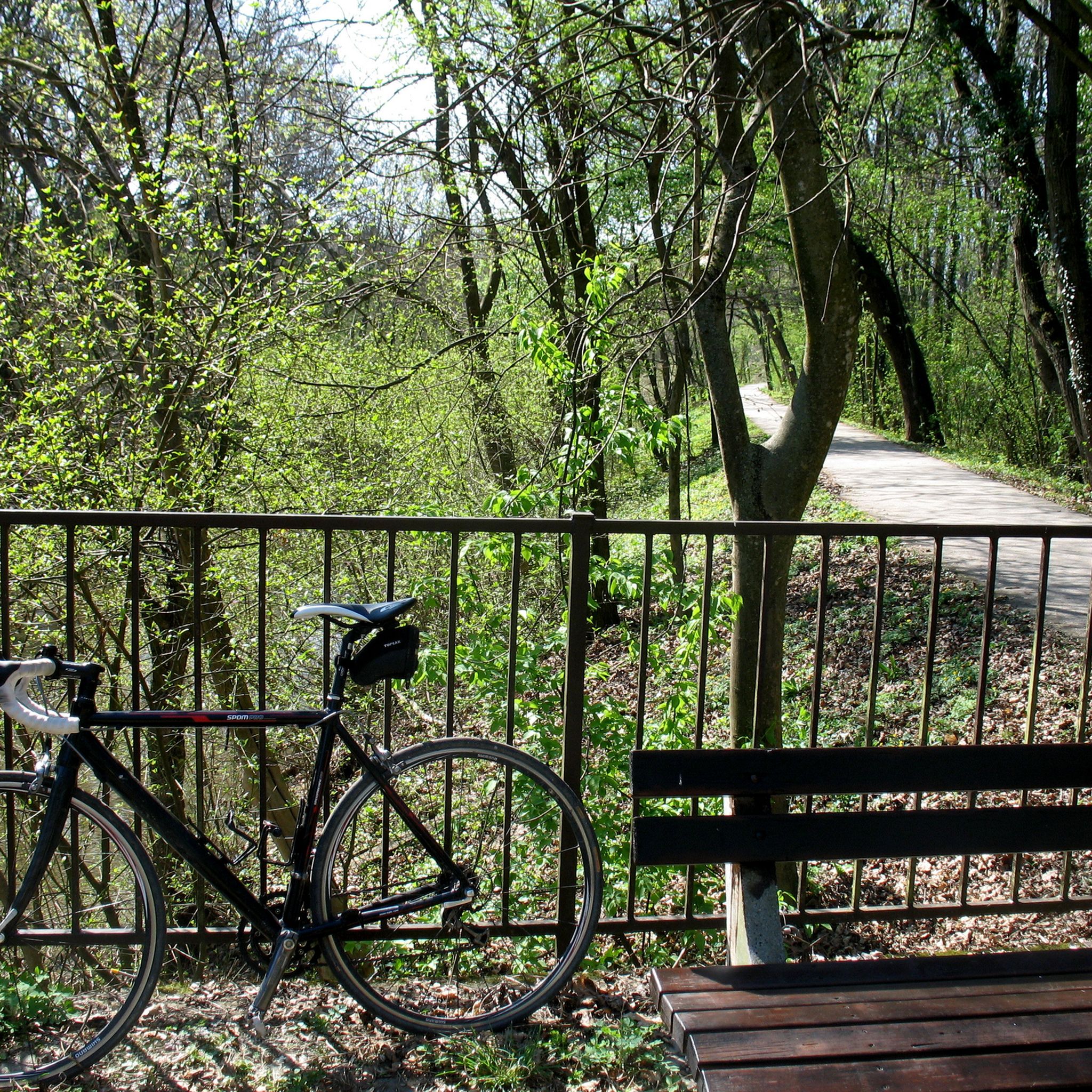
Cycling around Gumpoldskirchen
Running Trails around Gumpoldskirchen
MTB Trails around Gumpoldskirchen
Gravel biking around Gumpoldskirchen
Mountain Hikes around Gumpoldskirchen
Other adventures around Gumpoldskirchen

Tips from the Community

The ruins of the Pfefferbüchselkapelle are remnants of a pilgrimage chapel built in 1818 by Prince Johann I of Liechtenstein in the pine forest of the Kalenderberg near Mödling. Known for its distinctive roof shape as a "pepper pot", the structure was destroyed in 1848 and has since been considered a romantic ruin that, along with the Black Tower and the Augengläser, belongs to the park landscape around Liechtenstein Castle.
4
0
The original structure dates from the 11th century. The castle is first mentioned in documents in 1175. In the 16th century, the castle was rebuilt. It was destroyed in various wars, such as the first and second Turkish sieges, but was always rebuilt. In 1794, Emperor Franz acquired the town and the 'Herrschaftlichen Ziegelofen' (Lordly Brickworks) next to the castle to build the Laxenburg Franzensburg.
4
0

Kottingbrunn Castle is an impressive moated castle located in the market town of Kottingbrunn, in the Baden district of Lower Austria. Here are some interesting facts about the castle: 1. History: - The oldest known structural finds of the castle date back to the first half of the 13th century. - It has a rich history and has been an important building in the region over the centuries. 2. Architecture: - The castle is known for its architectural details and picturesque location, making it a popular destination for visitors. - It is surrounded by a beautiful castle park, which forms the heart of the market town. 3. Castle Museum: - On the first floor of the castle, there is a museum housed in the state rooms. - The rooms are decorated with remarkable stucco work and frescoes that reflect the history of the castle and the region. 4. **Events**: - The castle also offers the opportunity to host weddings and other events, making it a romantic venue for celebrations. 5. **Location**: - The castle is located only 25 km from Vienna, in the heart of the Vienna Woods, making it easily accessible. Kottingbrunn Castle is therefore not only a historical building, but also a cultural center that attracts many visitors.
1
0

Remains of the walls of the so-called Johannes or pilgrimage chapel, which Prince Johann I of Liechtenstein had built in the pine forest of the Kalenderberg in 1818. Because of its somewhat unusual roof shape, this chapel was popularly known as the "Pfefferbüchsel". It was destroyed in the revolutionary year of 1848 and not rebuilt. Source: www.mariaenzersdorf.gv.at/Pfefferbuechsel_2
6
2


In the moated castle there are, in addition to the municipal offices, 2 bars and a theatre
1
0

The newly renovated Vösendorf Castle is located in the middle of the Vösendorf Castle Park. It houses a castle café, the Vösendorf municipal office, a public library, a tax and business consultant, a branch of the Raiffeisenbank, the castle museum and the bicycle museum.
5
1
Frequently Asked Questions
What are the most historically significant castles to visit around Gumpoldskirchen?
The region boasts several castles with deep historical roots. The Ruins of Mödling Castle was once the largest Romanesque castle in Austria, offering a glimpse into medieval history. Liechtenstein Castle is the ancestral seat of the Princes of Liechtenstein, representing 900 years of family history with over 60% Romanesque building material. Additionally, the Perchtoldsdorf Castle, Parish Church, and Watchtower is a tower castle built before the year 1000, offering views over the Vienna Woods.
Are there family-friendly castles to visit near Gumpoldskirchen?
Yes, several castles in the area are suitable for families. The Ruins of Mödling Castle, Liechtenstein Castle, and Perchtoldsdorf Castle, Parish Church, and Watchtower are all categorized as family-friendly. Vösendorf Castle, with its surrounding castle park, is also a great option for a family outing.
What outdoor activities can I combine with a castle visit near Gumpoldskirchen?
The castles around Gumpoldskirchen are often nestled in scenic areas perfect for outdoor activities. You can find numerous hiking and running trails nearby. For example, you can explore routes like the 'Wilhelmswarte on the Anninger – Anninger Hut loop' or 'Viticulture near Gumpoldskirchen' which offer beautiful views and pass by historical sites. For more options, check out the hiking guide or running trails guide for the Gumpoldskirchen area.
Which castles offer good viewpoints or scenic surroundings?
Many castles in the region provide excellent views. From the Ruins of Mödling Castle, you can enjoy breathtaking views of Mödling and the surrounding area. Liechtenstein Castle offers a fantastic panorama that stretches all the way to Vienna. The Perchtoldsdorf Castle, Parish Church, and Watchtower also provides a beautiful view over the Vienna Woods and the city of Vienna.
Is there a main castle in Gumpoldskirchen itself, and what is its history?
Yes, the most notable castle directly in Gumpoldskirchen is the Schloss Gumpoldskirchen, also known as the Deutschordensschloss Gumpoldskirchen (Teutonic Order Castle Gumpoldskirchen). Its origins date back to 1241. It was rebuilt after damage during the first Turkish invasion in 1529 and has undergone several modifications and renovations over the centuries. Today, it serves as an accommodation and seminar hotel, blending historical ambiance with modern comfort.
Can I visit Schloss Gumpoldskirchen, and what can I expect?
Schloss Gumpoldskirchen is utilized by the Teutonic Order as a guesthouse and currently operates as an accommodation and seminar hotel. Visitors can experience its historical charm, well-preserved facade, and meticulously maintained grounds. Nestled amidst vineyards, it's an ideal base for wine enthusiasts, offering proximity to local wine culture. It's also a popular venue for events. You can find more information about its offerings at lower-austria.info.
Are there castles near Gumpoldskirchen that are easily accessible by public transport?
Schloss Gumpoldskirchen itself is easily accessible, located just 25 km from Vienna and an 8-minute walk from the Gumpoldskirchen train station. For other castles, public transport options vary, but many are reachable via local bus services or a combination of train and a short walk from nearby towns. It's advisable to check specific routes and schedules for each castle you plan to visit.
What is the best time of year to visit the castles around Gumpoldskirchen?
The castles around Gumpoldskirchen are beautiful year-round. Spring and autumn offer pleasant weather for exploring the castle grounds and combining visits with hiking or cycling in the surrounding vineyards and Vienna Woods. The autumn harvest season is particularly vibrant due to the region's wine culture. Even in winter, some castles offer a tranquil retreat, and the nearby trails can be suitable for winter walks.
Are there any castles with facilities like cafes or restaurants nearby?
Yes, some castles offer facilities or are close to amenities. Vösendorf Castle has a castle café, and the surrounding castle park is ideal for relaxation, especially when the nearby Buschenschank (wine tavern) is open. Schloss Gumpoldskirchen, operating as a hotel, also provides hospitality services. Many towns with castles, like Perchtoldsdorf, have local cafes and pubs.
What makes Liechtenstein Castle unique among the castles in the region?
Liechtenstein Castle stands out as the ancestral seat of the Princes of Liechtenstein, representing 900 years of family history. It is one of the few Romanesque secular buildings preserved with over 60% Romanesque building material. It's not just a museum but a lively historical site that attracts many visitors, offering a unique blend of history and stunning views.
Can I find castle ruins to explore near Gumpoldskirchen?
Absolutely. The Ruins of Mödling Castle are a prominent example, offering well-preserved remains of what was once the largest Romanesque castle in Austria. Another interesting site is the Ruins of the Pfefferbüchsel Chapel, which are the remains of a chapel built in 1818 and destroyed in 1848, now renovated and offering a recreational meadow.
What do visitors appreciate most about the castles around Gumpoldskirchen?
Visitors frequently appreciate the blend of historical significance and natural beauty. The well-preserved remains of castles like Ruins of Mödling Castle offer fascinating insights into medieval history. The stunning views from places like Liechtenstein Castle and the historical ambiance combined with modern comfort at Schloss Gumpoldskirchen are also highly valued. The opportunity to combine castle visits with hiking in the scenic Vienna Woods and vineyards is a major draw.
Most popular routes around Gumpoldskirchen
Most popular attractions around Gumpoldskirchen

Get inspired with the komoot mobile app


Explore more
Looking for the best castles somewhere else? Discover other guides around Gumpoldskirchen:
