Top 20 Castles around Ebenau
Best castles around Ebenau are situated in the picturesque Bezirk Salzburg-Umgebung (Flachgau region) of Austria. While Ebenau is recognized for its historic mills and brass mining heritage, the broader area features several notable historical castles and ruins. These sites offer insights into regional history and architecture, set within a landscape of mountains and lakes. Visitors exploring things to do Ebenau can discover diverse historical sites.
Best castles around Ebenau
- The most popular castles is Mirabell Palace, a castle that…
Last updated: November 20, 2026
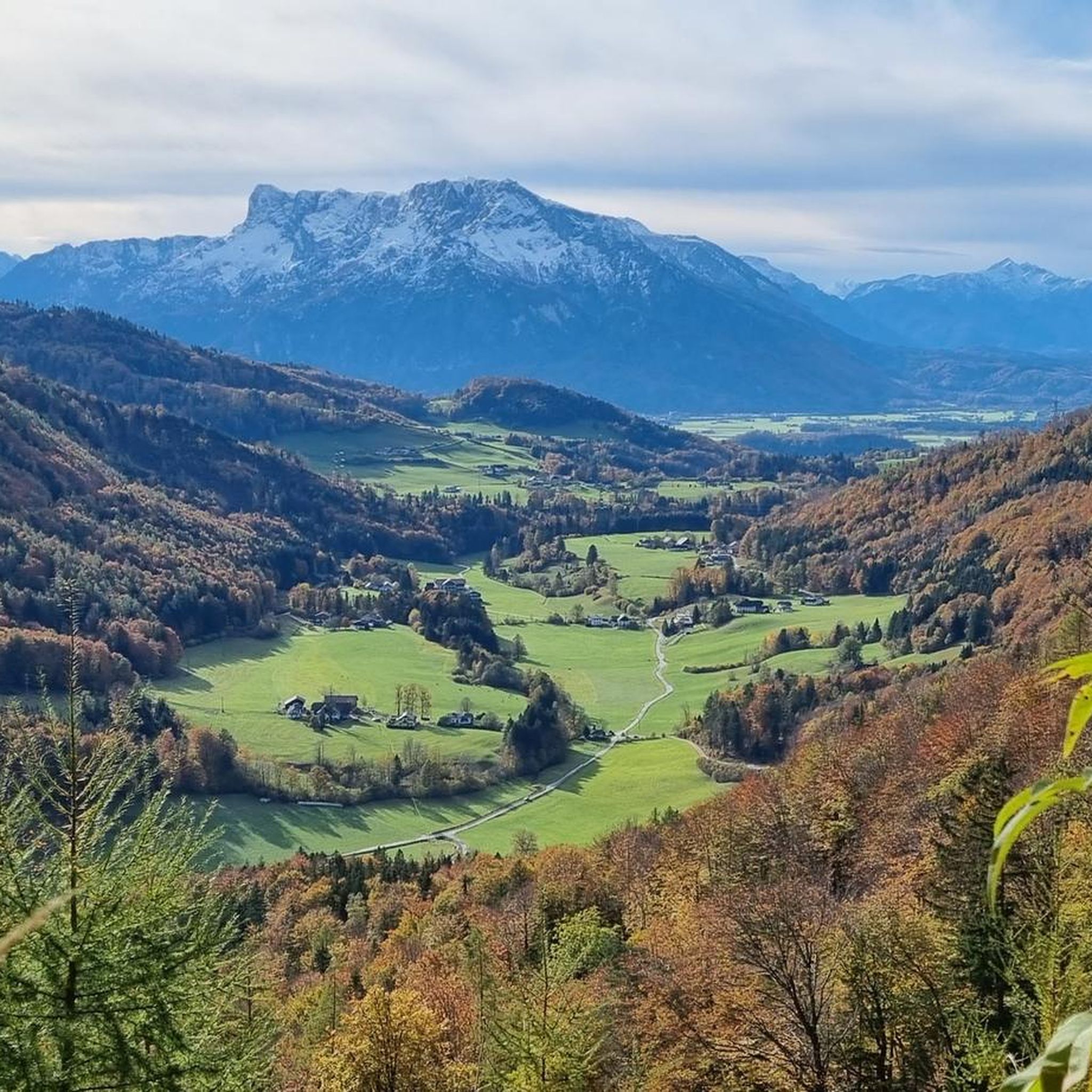
Mirabell Palace
Highlight • Castle
Translated by Google •
Tip by

View of Hohensalzburg Fortress
Highlight • Viewpoint
Translated by Google •
Tip by

Sign up now to discover places like this
Get recommendations on the best single tracks, peaks, & plenty of other exciting outdoor places.
View of Hohensalzburg Fortress and Salzburg’s Old Town from Franz-Josef-Kai
Highlight • Viewpoint
Translated by Google •
Tip by
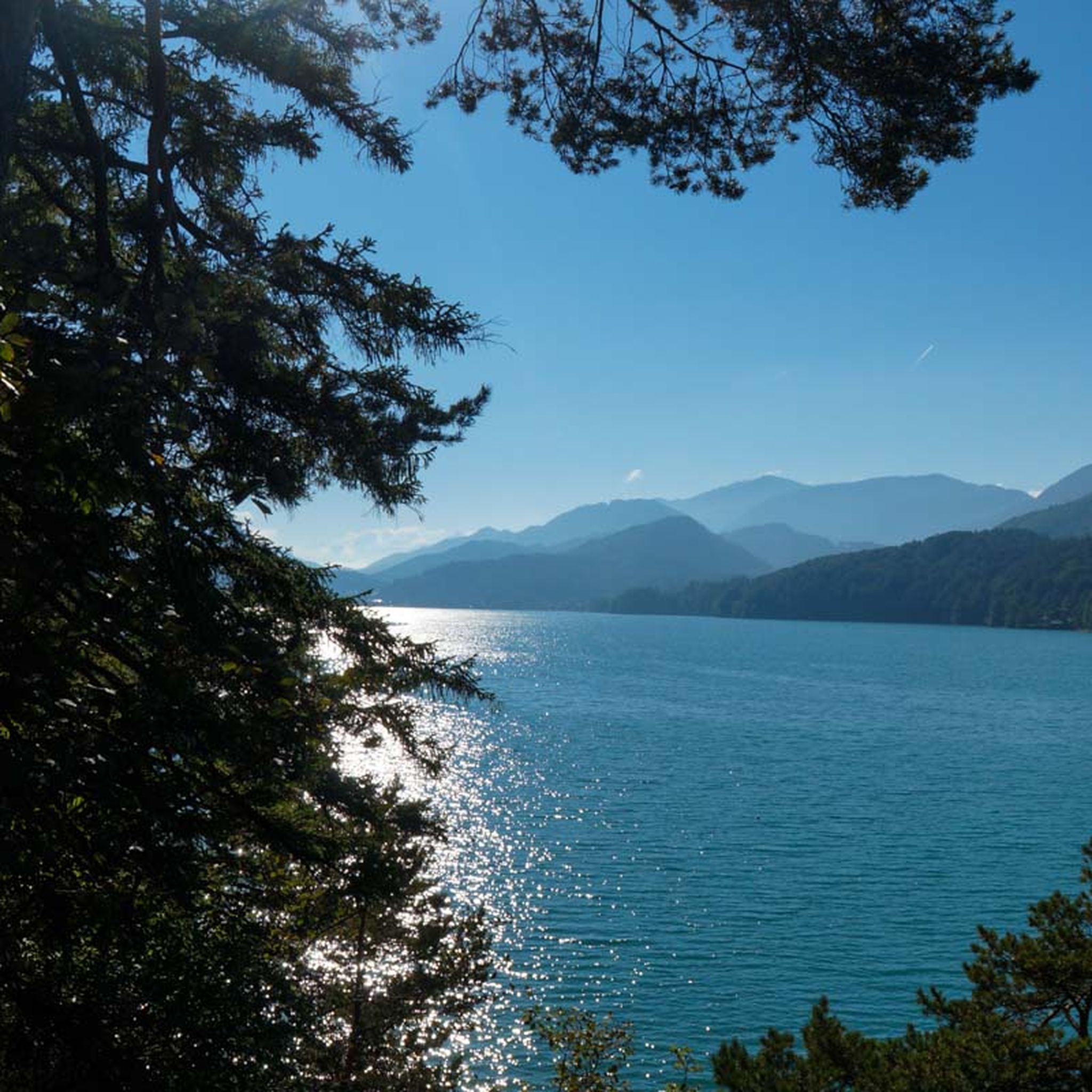
View of Schloss Fuschl on Lake Fuschl
Highlight • Viewpoint
Translated by Google •
Tip by

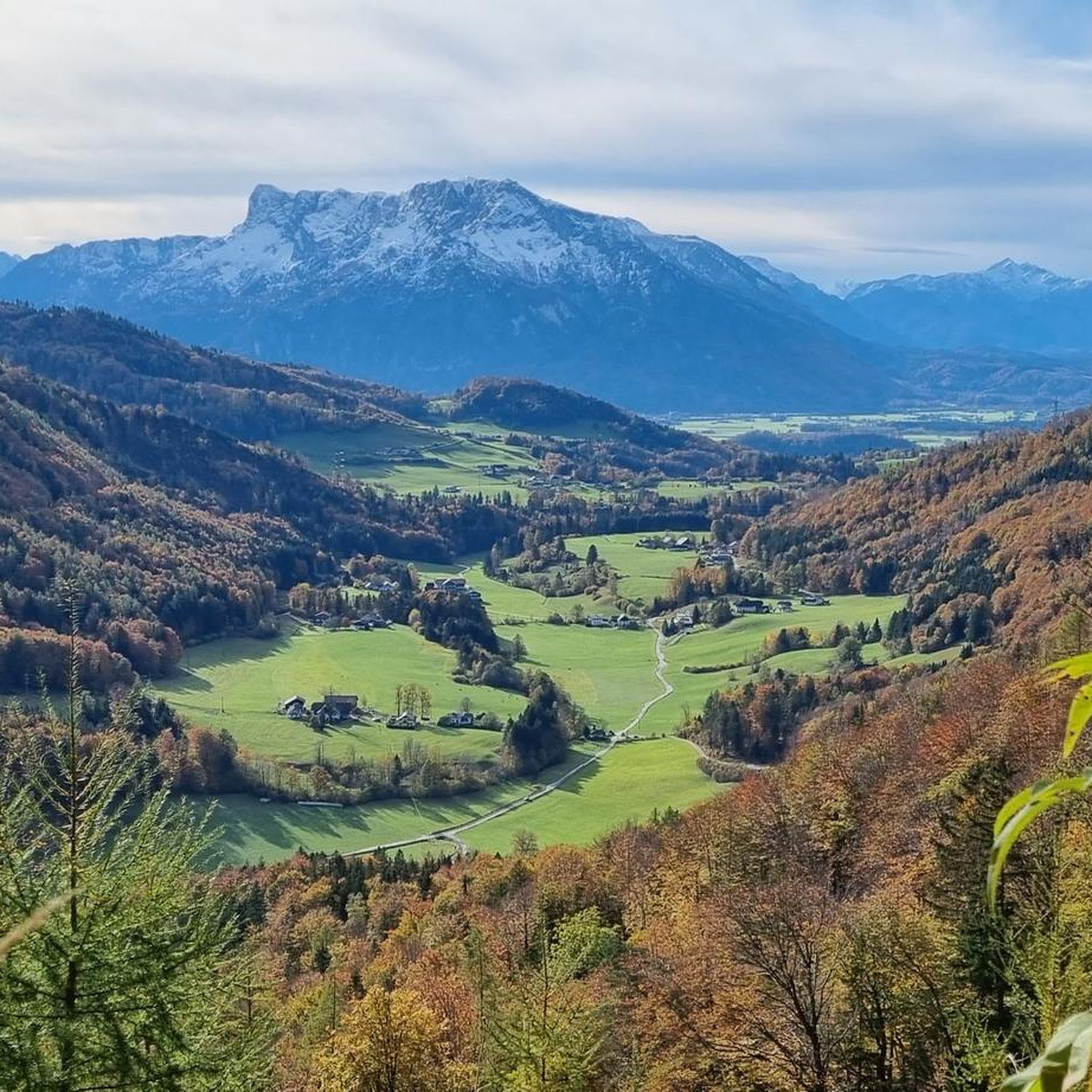
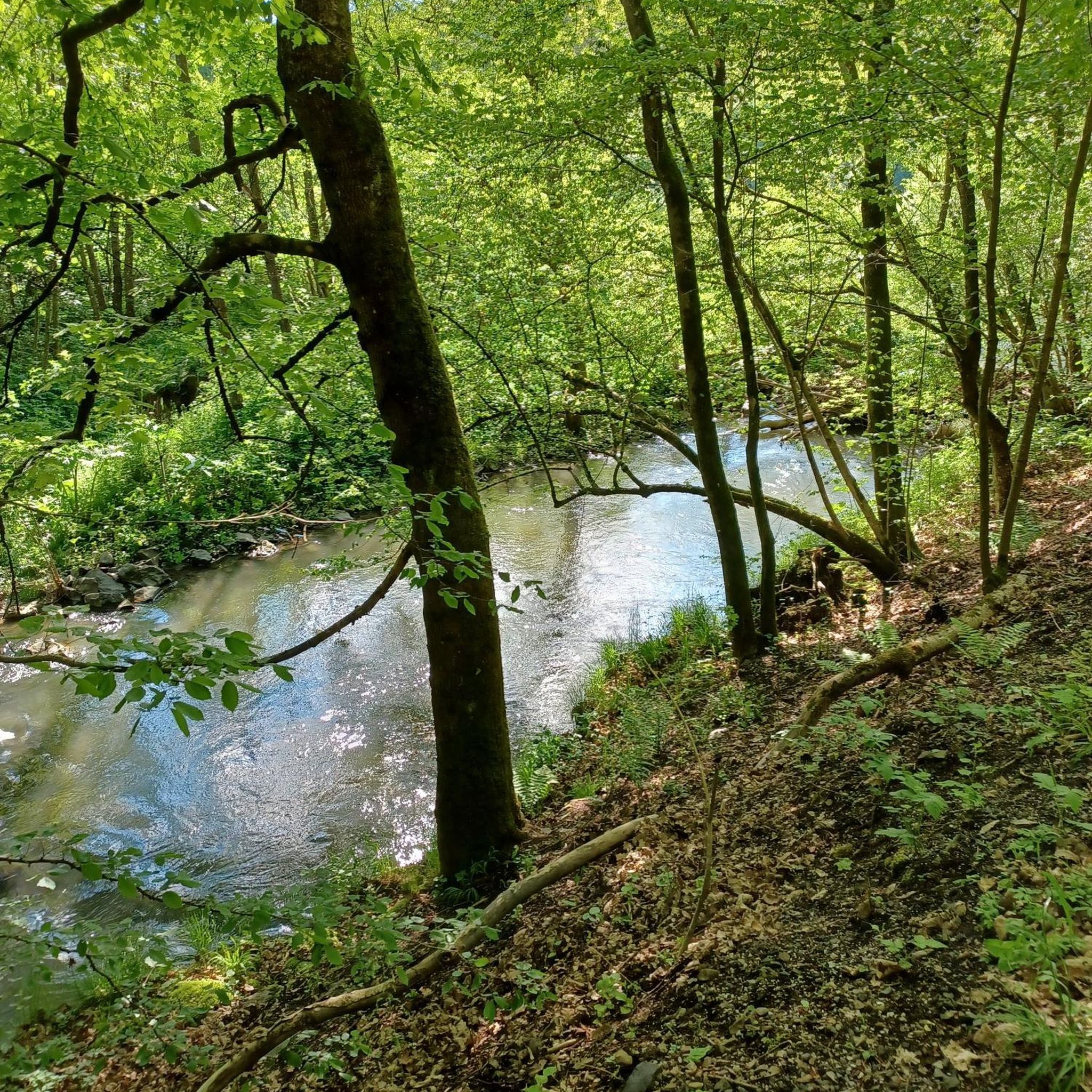
Wartenfels Ruins
Highlight • Castle
Translated by Google •
Tip by
Sign up for free to discover even more castles around Ebenau.
Already have an account?
Start today with a free account
Your next adventure awaits.
Tips from the Community

A detour to the ruins is definitely worth it. :)
2
0

Orangery in the Mirabell Gardens, Mirabell Palace, Salzburg The Orangery in the Mirabell Gardens is more of an insider tip. It is located in the southern part of Mirabell Palace. The palm house was built around 1725 next to the large garden parterre. The name Orangery comes from the time when orange trees and exotic ornamental woods were still being cultivated. Precious, non-hardy plants were brought back to the Orangery to overwinter. Orange trees were seen as a metaphor for wealth in the Baroque period and for this reason were a must even then. The eastern part of the Orangery was used for other purposes after the Second World War and was not put back together until 1980. The Baroque Museum is now located in the southern part of the Orangery. Today, in the northern part of the building, somewhat hidden, there is a small, beautiful tropical garden. A small pool with turtles and goldfish and for bird lovers there is a very large birdcage with numerous birds to marvel at. Opening hours of the Orangery in the Mirabell Gardens Open all year round, daily from 9 a.m. to 4 p.m. Text / Source: Salzburger Saalachtal. com https://www.salzburger-saalachtal.com/ausflugsziele/stadt-salzburg/mirabellgarten/orangerie-mirabellgarten
13
0
Mirabell Palace, Salzburg The Baroque Mirabell Palace was originally built as "Altenau Palace" under the reign of Prince Archbishop Wolf Dietrich von Raitenau in 1606. The palace was created as a gift for Salome Alt, the archbishop's concubine and mother of his children. Mirabell Palace is known for its gardens, which are discussed in a separate article. Wolf Dietrich's successor and adversary, Prince Archbishop Markus Sittikus, renamed the building Mirabell Palace. Prince Archbishop Franz Anton Harrach had large sections of the building demolished and rebuilt between 1721 and 1727 according to plans by Johann Lukas von Hildebrandt. Mirabell Palace was severely damaged by the great city fire of 1818 and rebuilt in the following years according to plans by Peter Nobile. The formerly dominant tower on the east wing of the palace was destroyed, and the facade was rebuilt in the Neoclassical style. Text / Source: TSG Tourismus Salzburg GmbH, Auerspergstraße 6, Salzburg https://www.visit-salzburg.net/deutsch/sehenswuerdig/schloss-mirabell.htm
14
0

Mozart City Salzburg Salzburg is an Austrian city on the border of Germany, with views of the Eastern Alps. The city is divided by the Salzach River, with medieval and baroque buildings of the pedestrian Altstadt (Old City) on its left bank, facing the 19th-century Neustadt (New City) to its right. The Altstadt birthplace of renowned composer Wolfgang Amadeus Mozart is preserved as a museum displaying his childhood instruments.
7
0


Salzburg is a beautiful city. There are so many sights that it would be wrong just to drive through here. A longer stay would therefore be advisable.
11
0

Mirabell Palace is located in the beautiful Mirabell Gardens. Bicycles are prohibited here. However, you can park your bike for a while and explore the grounds.
5
1

A great bike path in a beautiful old town, with many beautiful views.
10
0
Frequently Asked Questions
What are some notable castles and ruins near Ebenau?
While Ebenau itself is known for its historic mills, the surrounding region of Bezirk Salzburg-Umgebung (Flachgau) features several significant historical sites. These include the luxurious Schloss Fuschl, the ancient Wartenfels Ruins, and the historic Plainburg Castle ruins. Each offers a unique glimpse into the region's past and architectural heritage.
What is the history behind Schloss Fuschl?
Schloss Fuschl, located on the shores of Lake Fuschl, began as a 15th-century hunting lodge for the Prince-Archbishops of Salzburg. Over centuries, it saw periods of disrepair and even served as a summer residence for a Nazi foreign minister. Today, it's a five-star hotel, known for its stunning location and its role as a filming location for parts of the 'Sissi' movies.
Can I visit the Wartenfels Ruins, and what can I expect there?
Yes, the Wartenfels Ruins, dating back to 1259, are open to visitors. After being burned down during the Peasants' War in the 16th century, they were never fully rebuilt. Restoration work in the 1980s made them accessible. You can explore the remaining structures and enjoy panoramic views of Lake Fuschl, Mondsee, and the Salzkammergut region from its elevated position.
What is the historical significance of Plainburg Castle?
The Ruins of Plainburg Castle in Großgmain are among Austria's oldest, first mentioned in the 12th century. It served as the ancestral seat of the Counts of Plain and was crucial for defending salt trade routes. Though mostly ruins today, its substantial outer walls still stand, offering a tangible connection to its past. The site also has historical ties to Celtic burial grounds and a Roman fort.
Are there family-friendly castles to visit near Ebenau?
Many of the historical sites and viewpoints in the region are considered family-friendly. For example, Mirabell Palace and its gardens are easily accessible and offer beautiful grounds for families to explore. The Wartenfels Ruins also offer an engaging hike and exploration opportunity for families.
When is the best time of year to visit the castles near Ebenau?
The best time to visit the castles and ruins near Ebenau is generally during the warmer months, from late spring to early autumn (May to October). During this period, the weather is pleasant for exploring ruins, hiking to viewpoints, and enjoying the scenic lake and mountain backdrops. Winter visits can be picturesque, especially with snow, but some areas might be less accessible or have limited opening hours.
What outdoor activities can I do near these castles?
The region around Ebenau offers a variety of outdoor activities. You can find numerous hiking trails, such as those around Ebenau itself, which include routes like the Pertill Mill – Waterfall Trail or the Eder Mill – Plötz Waterfall loop. For cycling enthusiasts, there are gravel biking routes like the Schafbachalm Gravel loop. You can explore more options on the Hiking around Ebenau or Gravel biking around Ebenau guide pages.
Are any castles near Ebenau wheelchair accessible?
Yes, Mirabell Palace in Salzburg is noted as wheelchair accessible, particularly its magnificent garden and the impressive Marble Hall. Viewpoints like the View of Hohensalzburg Fortress and Salzburg’s Old Town from Franz-Josef-Kai are also generally accessible.
What do visitors enjoy most about the castles and viewpoints in this region?
Visitors frequently praise the stunning views, especially from locations like the View of Schloss Fuschl on Lake Fuschl and the Wartenfels Ruins. The historical significance and the opportunity to explore ancient structures are also highly valued. Many appreciate the combination of cultural exploration with beautiful natural landscapes, often incorporating hikes or bike rides.
How can I get to the castles near Ebenau using public transport?
While Ebenau is a smaller municipality, the broader Salzburg-Umgebung region is well-connected. For castles like Mirabell Palace and Hohensalzburg Fortress, which are in Salzburg city, public transport options like buses are readily available. For more remote ruins like Wartenfels or Plainburg, a combination of public transport and a hike or a car might be necessary. It's advisable to check local bus schedules for specific routes.
Are there entry fees for castles near Ebenau?
Entry fees vary by location. For example, the gardens and Marble Hall of Mirabell Palace are free to enter. However, other sites like Hohensalzburg Fortress (not directly near Ebenau but a major regional castle) typically have an admission fee. Ruins like Wartenfels are generally free to explore. It's best to check the specific site's official information for current details.
Can I find cafes or restaurants near the castles?
Yes, especially near the more developed castle sites. Schloss Fuschl, being a hotel, has dining options. In Salzburg city, near Mirabell Palace and Hohensalzburg Fortress, there are numerous cafes, pubs, and restaurants. For more remote ruins like Wartenfels, you might need to plan your refreshments before or after your visit in nearby towns.
Most popular routes around Ebenau
Most popular attractions around Ebenau

Get inspired with the komoot mobile app


Explore more
Looking for the best castles somewhere else? Discover other guides around Ebenau:
