Top 6 Castles around Faistenau
Castles around Faistenau offer a glimpse into the region's history and natural landscape. Faistenau is situated in the Salzburg region, known for its scenic lakes and mountainous terrain. While no castles are directly within Faistenau, the surrounding area features several historical sites. These landmarks provide opportunities for exploration and offer viewpoints over the Salzkammergut.
Best castles around Faistenau
- The most popular castles is View of Schloss Fuschl on Lake Fuschl, a viewpoint that features a former 15th-century hunting lodge…
Last updated: July 7, 2026
View of Schloss Fuschl on Lake Fuschl
Highlight • Viewpoint
Translated by Google •
Tip by

Wartenfels Ruins
Highlight • Castle
Translated by Google •
Tip by

Sign up now to discover places like this
Get recommendations on the best single tracks, peaks, & plenty of other exciting outdoor places.
Sign up for free
Hüttenstein Castle
Highlight • Castle
Translated by Google •
Tip by

Mondsee Abbey, Castle, and Museum
Highlight • Historical Site
Translated by Google •
Tip by

Anif Castle
Highlight • Castle
Translated by Google •
Tip by

Sign up for free to discover even more castles around Faistenau.
Sign up for free
Already have an account?
Start today with a free account
Your next adventure awaits.
Login or Signup
Popular around Faistenau
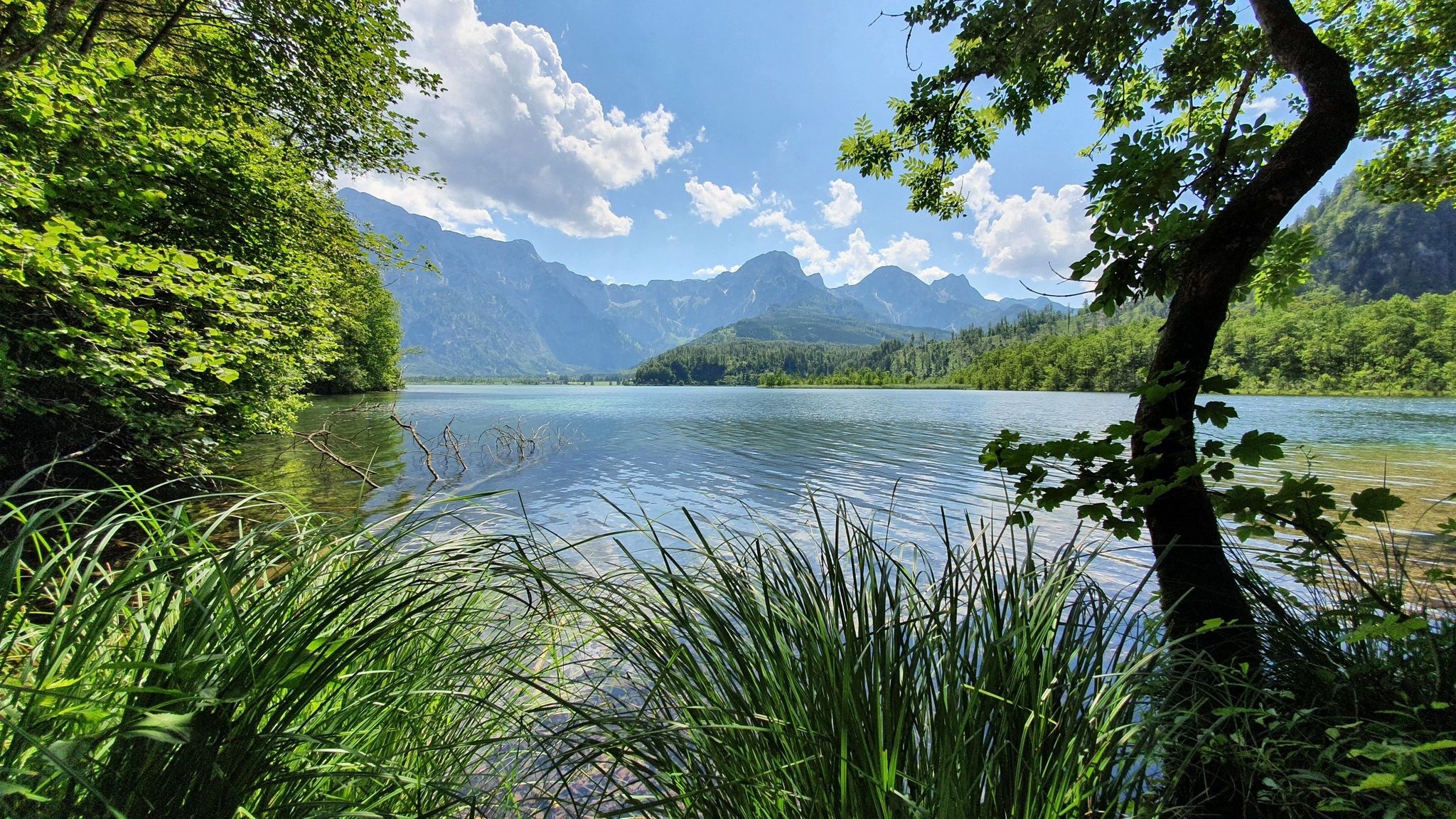
Voralpenweg 04 – From Vienna to Bad Reichenhall
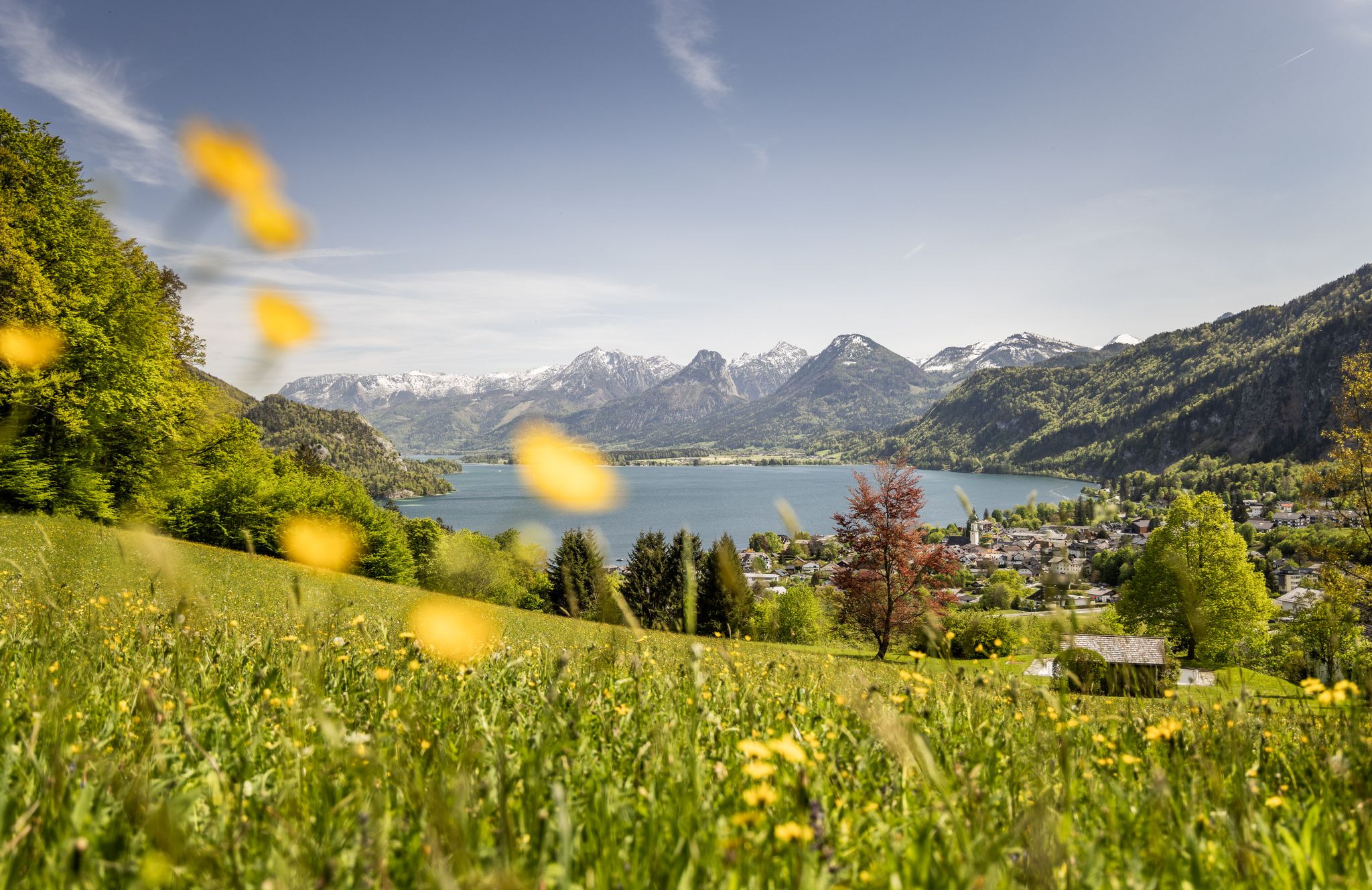
Between water and rock – hiking in Salzkammergut
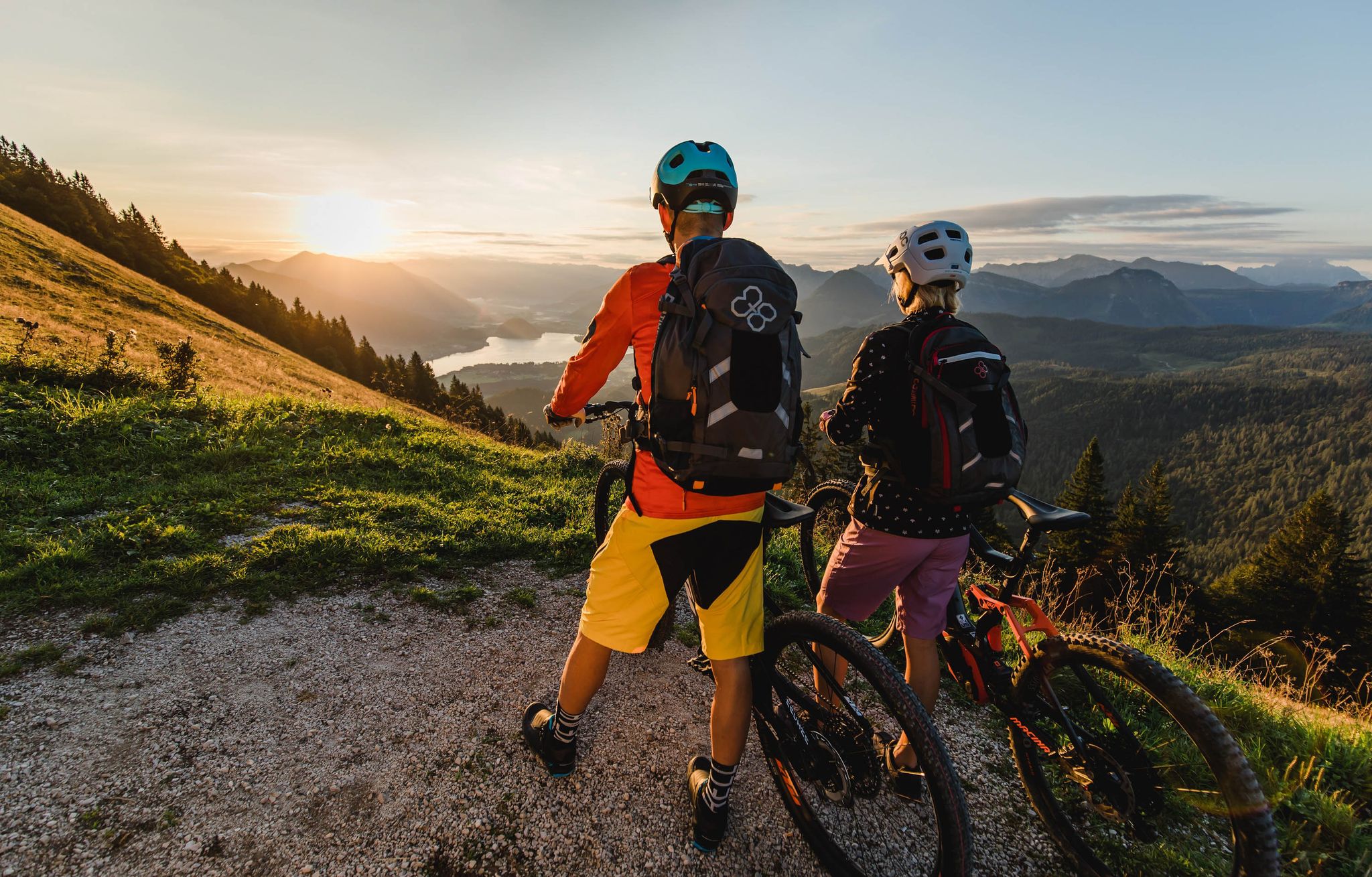
Fantastic MTB Tours between Wolfgangsee and Fuschlsee
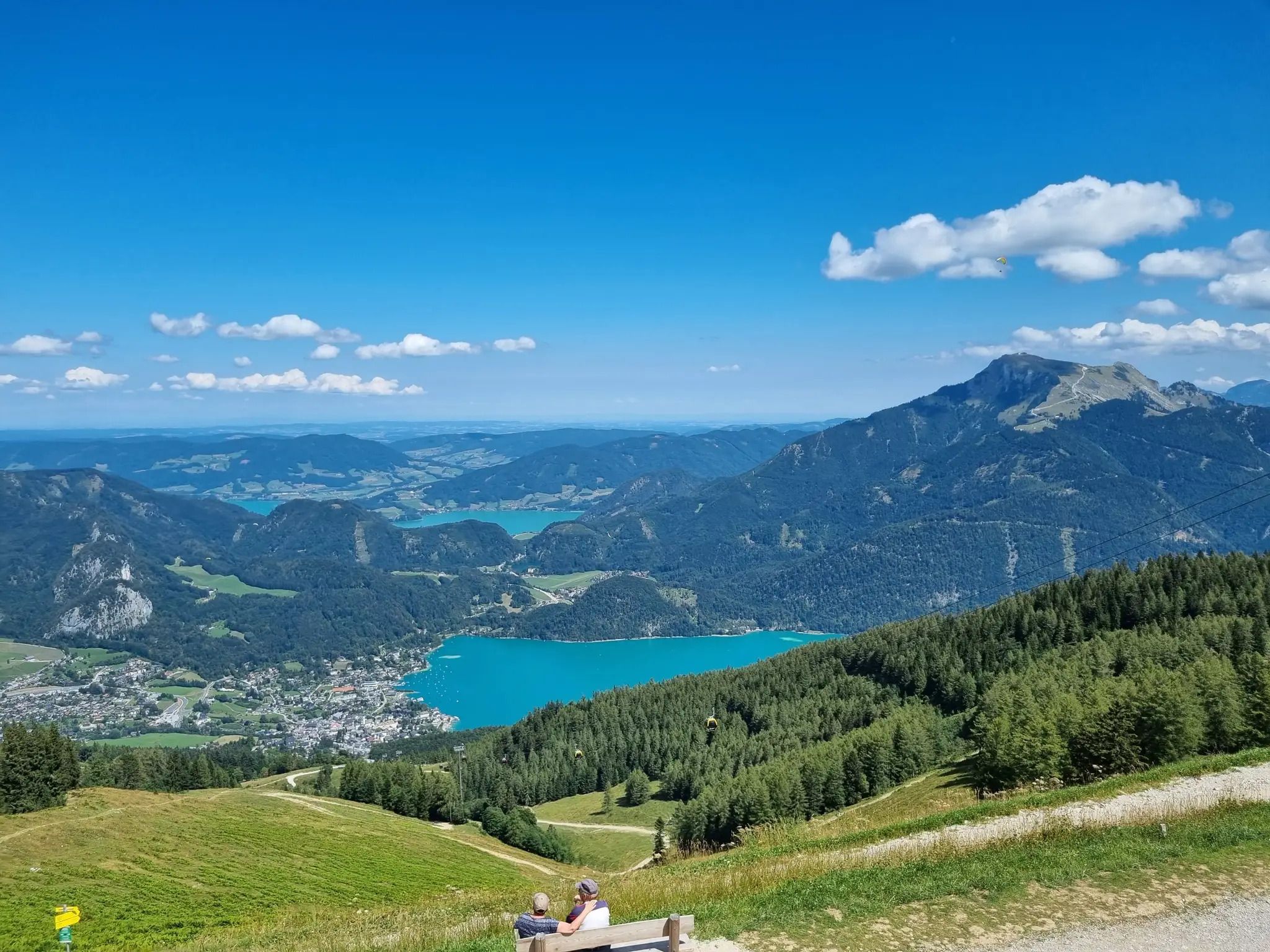
E-biking in the Salzkammergut in Austria on the BergeSeen eTrail
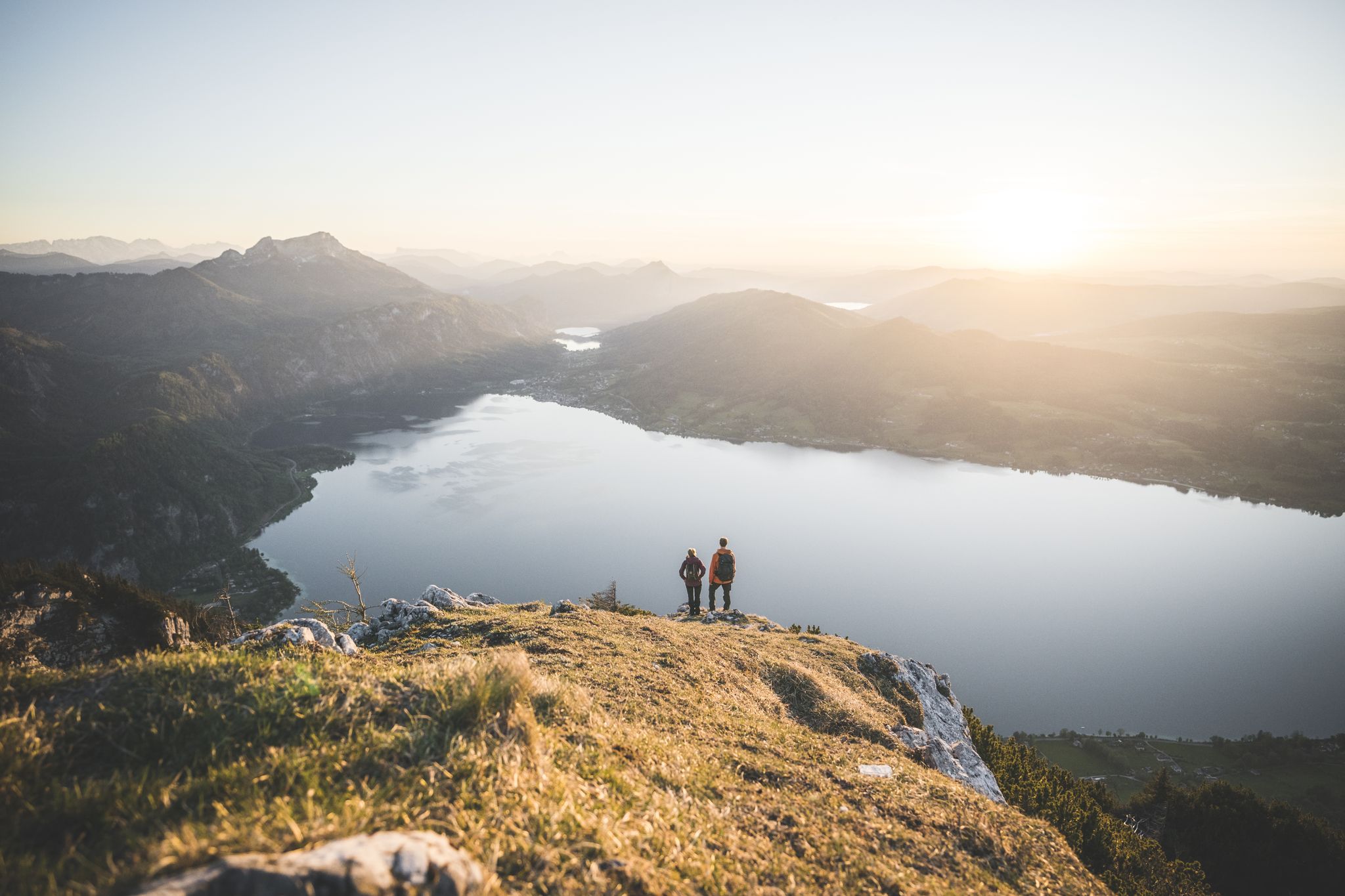
Explore the Salzkammergut on the BergeSeen Trail
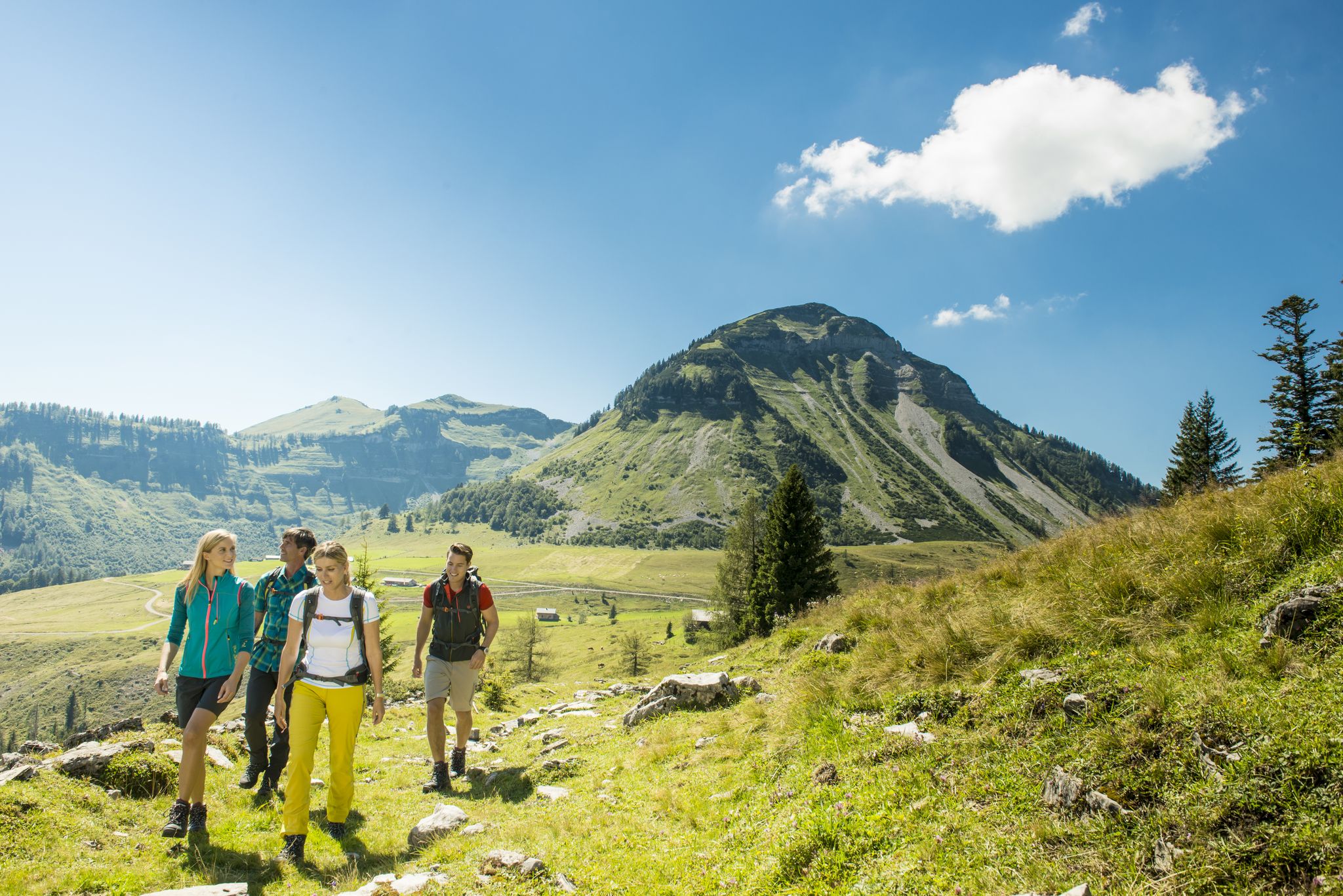
Weekend hikes around Lake Fuschl
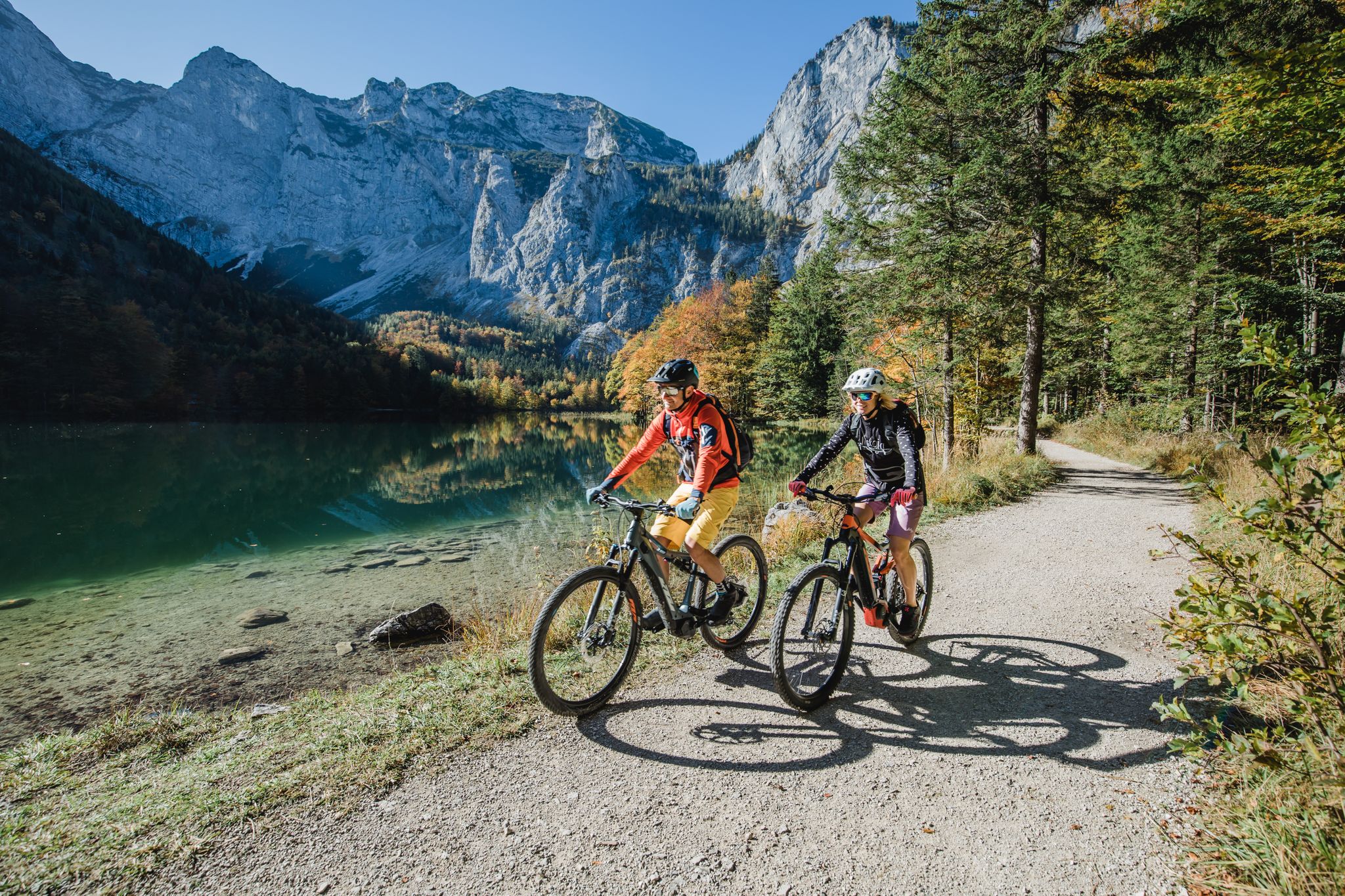
Zwischen Bergen und Seen – Mountainbiken im Salzkammergut

Gravel biking around Faistenau
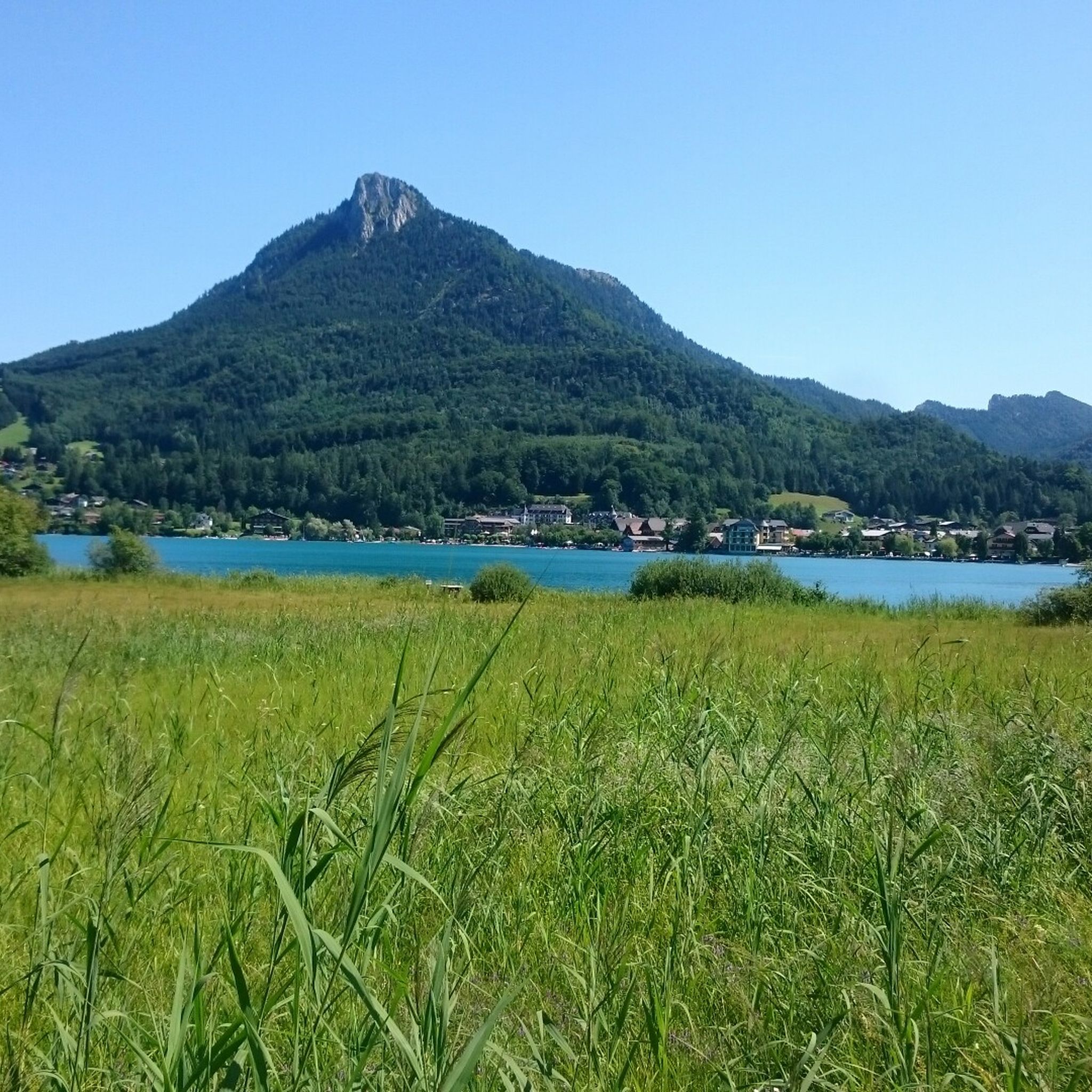
Hiking around Faistenau
MTB Trails around Faistenau
Other adventures around Faistenau


Tips from the Community


The castle's origins date back to a medieval fortress, first documented in 1323. Around 1565, it was converted into a court of law, but over time, its importance declined and it was already uninhabited by 1608. After the court's seat was relocated to St. Gilgen in 1703, the complex gradually fell into disrepair, and by 1811, large parts had been demolished or used as building material. In 1817, Field Marshal Carl Philipp von Wrede acquired the remains of the castle, and his son, Karl Theodor von Wrede, had a neo-Gothic palace built starting in 1843. Four octagonal towers, pointed arch windows, and a crenellated parapet were added, giving the current building its characteristic appearance. From 1880 onward, the castle changed hands several times, including Princess Franziska von Liechtenstein and later Demeter von Frank. Today, Hüttenstein Castle is owned by a private foundation and is not open to the public. The entire grounds, including the adjacent Krottensee lake, are used for private purposes. Visitors can only view the castle from the outside as part of cycling tours in the region.
0
0

I copied the picture because you can't get close to the castle. The land in front of it is private property🤷♂️
0
0

A detour to the ruins is definitely worth it. :)
2
0

Mondsee Castle was and is a lot. Founded as a monastery, it was converted into a castle, today it is a museum and hotel, but also still a church worth seeing. Definitely worth a visit. If you want to learn more about the history, visit the monastery museum, which is part of the Mondsee local history museum.
1
0

The former Benedictine monastery was founded in 748 by the Bavarian Duke Odilo and dissolved in the course of the Josephine church reform in 1791. In 1809, Emperor Napoleon handed over the monastery building and its goods to the Bavarian Field Marshal Carl Philipp von Wrede, who converted it into a castle.
1
0
Frequently Asked Questions
How far are the notable castles from Faistenau?
While there are no castles directly within Faistenau, the surrounding Salzburg region offers several historical sites. These include Schloss Fuschl in Hof bei Salzburg, Wartenfels Ruins, and Hüttenstein Castle, all within a reasonable distance for a day trip from Faistenau.
Which castles near Faistenau offer the best panoramic views?
For stunning panoramic views, the Wartenfels Ruins provide excellent vistas of the surrounding landscape. Additionally, the View of Schloss Fuschl on Lake Fuschl offers picturesque photo opportunities of the lake and mountains.
Are there hiking opportunities around the castles near Faistenau?
Yes, several castles offer hiking opportunities. The Wartenfels Ruins are a popular spot for history enthusiasts and hikers. For more extensive hiking, you can explore routes in the broader region, such as those found in the Mountain Hikes around Faistenau guide.
Which castles are family-friendly for visits near Faistenau?
Many castles in the region are suitable for families. Schloss Fuschl, Wartenfels Ruins, and St. Jakob am Thurn Lake and Castle are all categorized as family-friendly. Hohensalzburg Fortress and Hohenwerfen Castle, though a bit further, also offer engaging experiences for all ages, including falconry shows at Hohenwerfen.
Can I visit castles near Faistenau with my dog?
While specific dog policies vary by site, outdoor areas like the Wartenfels Ruins and the grounds around Schloss Fuschl are generally accessible for dogs on a leash. It's always advisable to check individual castle regulations before your visit, especially for indoor areas.
Are there cycling paths near any of the castles?
Yes, Hüttenstein Castle is noted for having a beautiful bike path running through its park, offering a blend of nature and historical ambiance. You can find more cycling routes in the area through the Cycling around Faistenau guide.
What is the best time of year to visit the castles around Faistenau?
The spring, summer, and early autumn months (May to October) generally offer the most pleasant weather for exploring the castles and their surrounding landscapes. During these times, hiking and cycling paths are fully accessible, and many sites may have extended opening hours or special events.
Are there any castles with significant historical events or unique features?
Absolutely. The Wartenfels Ruins date back to 1259 and have a turbulent history, including being burned down during peasant wars. Hohensalzburg Fortress, a bit further afield, is Europe's largest completely preserved castle and was never captured. Hohenwerfen Castle is known for its medieval revival experience and impressive falconry shows.
What are the public transport options to reach castles near Faistenau?
Public transport options vary by castle. For locations closer to Salzburg city like Hohensalzburg Fortress, a funicular is available from the old town. For other castles like Schloss Fuschl, local bus services might connect from larger towns. It's recommended to check local bus schedules for specific routes to your chosen castle.
Is parking available at the castles near Faistenau?
Parking availability varies. For popular sites like Schloss Fuschl, there are usually designated parking areas, though they might be associated with the hotel. For ruins or less developed sites like Wartenfels Ruins, parking might be at nearby trailheads. Larger attractions like Hohensalzburg Fortress have parking garages in Salzburg city.
Are there any lesser-known or 'hidden gem' castles in the Faistenau area?
While the region is known for its prominent castles, Hüttenstein Castle, enthroned over the Krotensee, offers a more tranquil experience with its scenic bike path. St. Jakob am Thurn Lake and Castle also provides a charming, idyllic setting by a small lake.
What kind of natural features can I expect to see around these castles?
The castles in this region are often set amidst stunning natural beauty. You can expect to see picturesque lakes like Lake Fuschl near Schloss Fuschl, dense forests surrounding the Wartenfels Ruins, and mountainous terrain providing dramatic backdrops for castles like Hohensalzburg and Hohenwerfen.
Most popular routes around Faistenau
Most popular attractions around Faistenau

Get inspired with the komoot mobile app


Explore more
Looking for the best castles somewhere else? Discover other guides around Faistenau:
