Attractions and Places To See around Bisamberg - Top 20
Best attractions and places to see around Bisamberg, a municipality in Lower Austria, offer a mix of natural beauty and historical sites. The region is characterized by the Bisamberg Hill, providing panoramic views of the Danube Valley, and is surrounded by vineyards. It serves as a recreational area with forests and meadows, appealing to those interested in outdoor activities and local culture.
Best attractions and places to see around Bisamberg
- The most popular attractions is Habsburgwarte on the Hermannskogel,…
Last updated: October 11, 2026
Danube Canal between Spittelau and Heiligenstadt
Highlight (Segment) • Cycleway
Translated by Google •
Tip by

Northern tip of the Danube Island
Highlight • Viewpoint
Translated by Google •
Tip by

Sign up now to discover places like this
Get recommendations on the best single tracks, peaks, & plenty of other exciting outdoor places.
Habsburgwarte on the Hermannskogel
Highlight • Monument
Translated by Google •
Tip by

Schemerl Bridge and Nussdorf Weir
Highlight • Bridge
Translated by Google •
Tip by

Inlet structure at the northern end of the Donauinsel (Danube Island)
Highlight • Structure
Translated by Google •
Tip by

Sign up for free to discover even more attractions around Bisamberg.
Already have an account?
Start today with a free account
Your next adventure awaits.
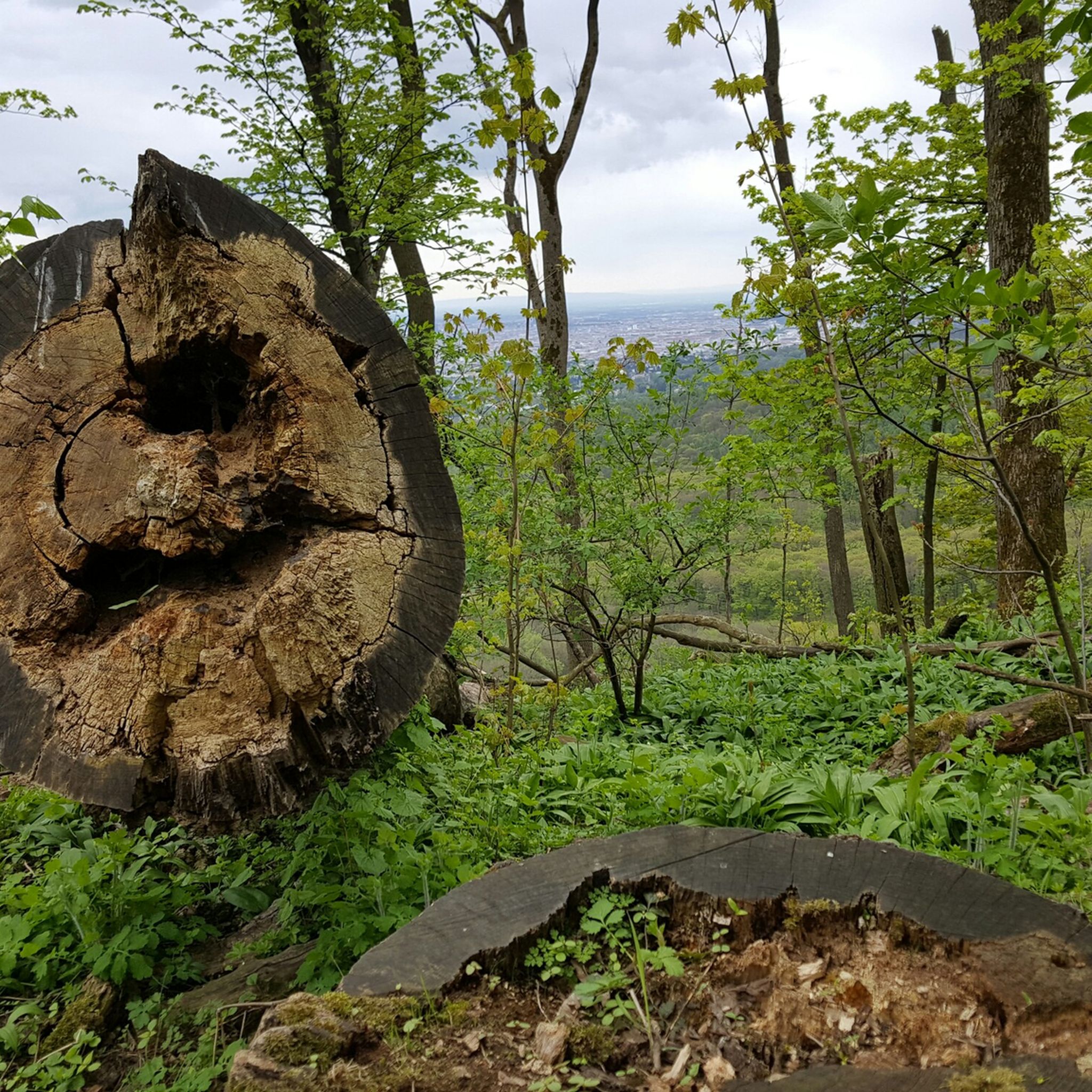
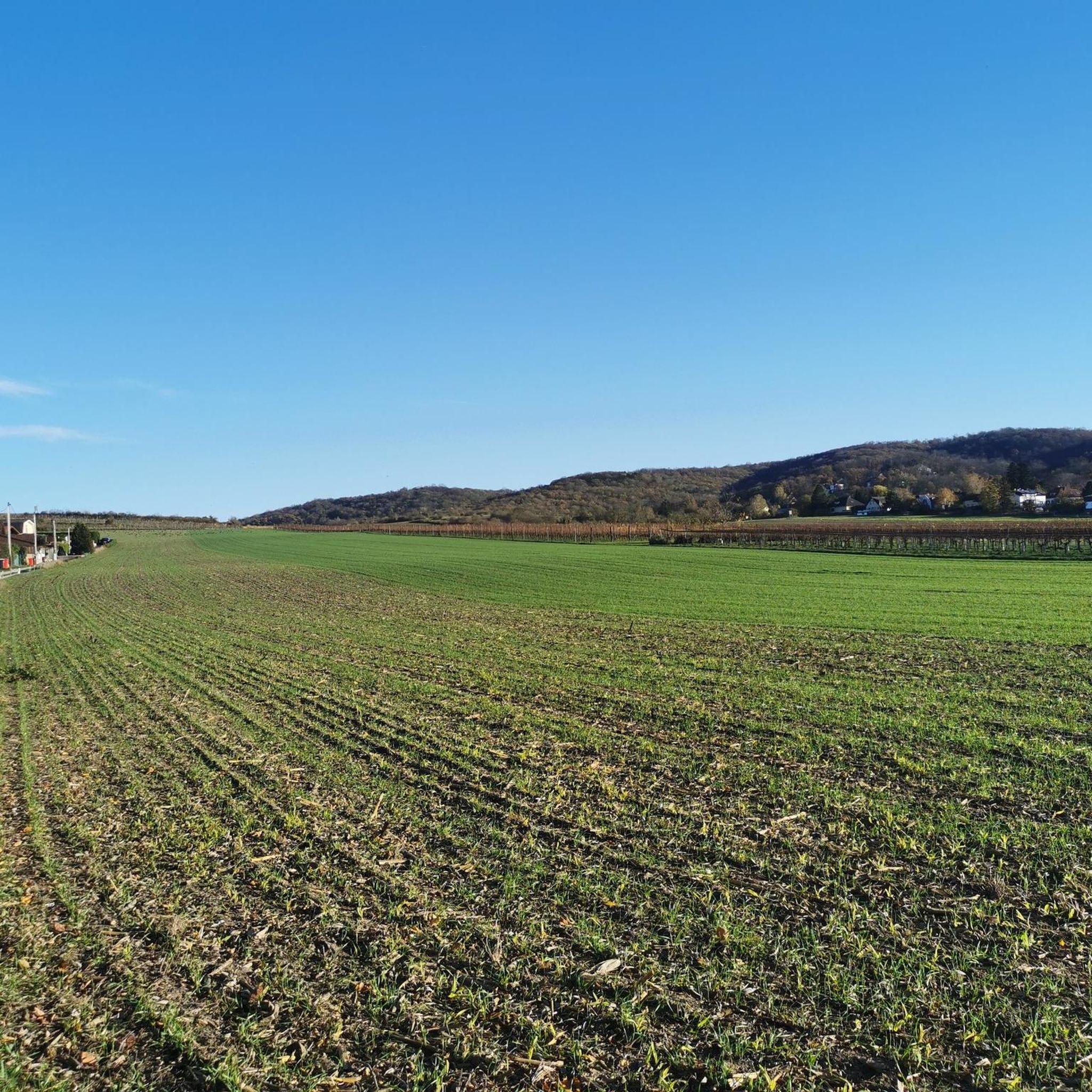
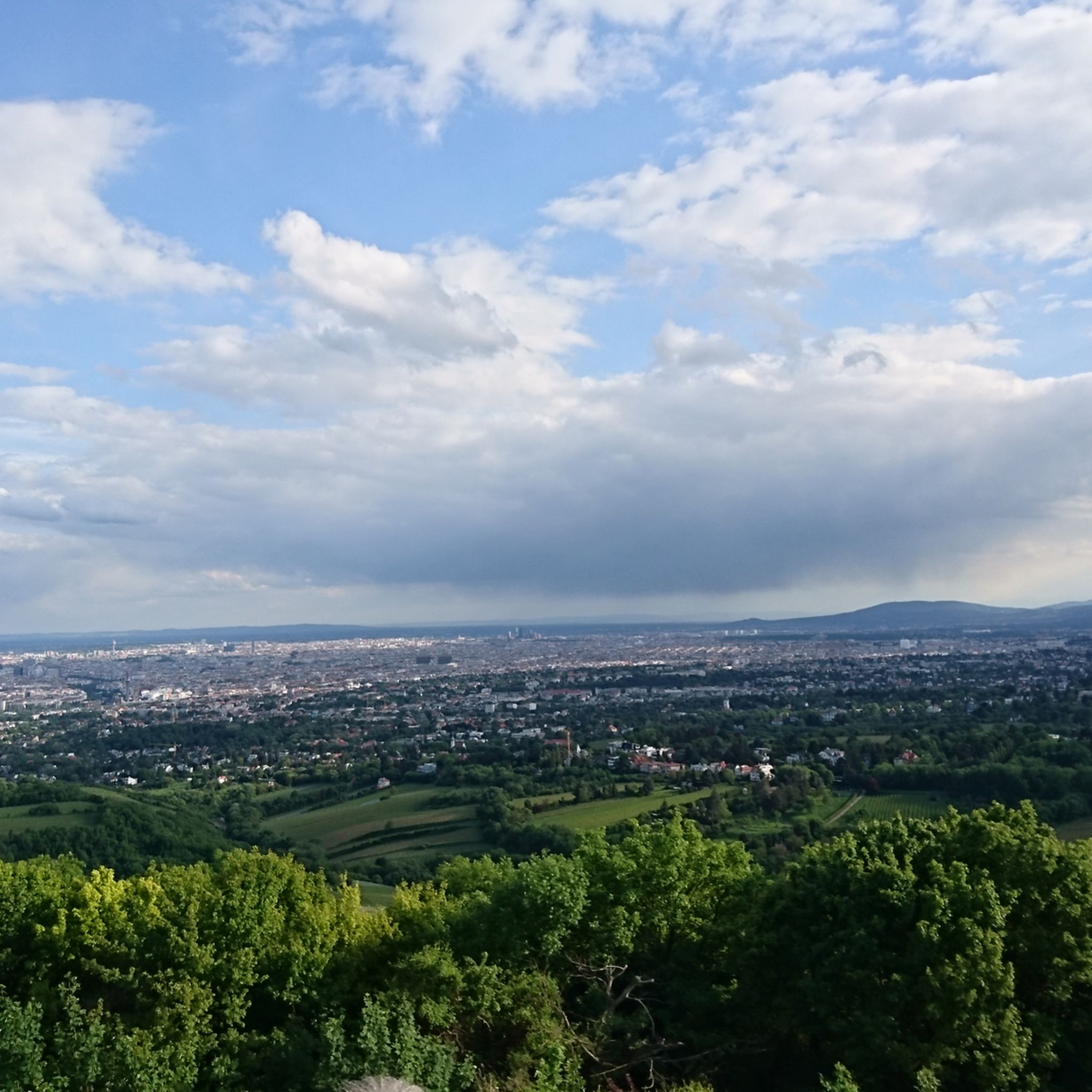

Tips from the Community

The Danube Canal Cycle Path between Spittelau and Heiligenstadt in Vienna offers cyclists a varied route that combines urban flair with green riverside areas. Along the way, cyclists pass modern architecture, cultural sights, and numerous bridges that offer interesting perspectives on the canal. The Hundertwasser waste incineration plant near Spittelau is particularly striking. The route is mostly flat and well-developed, making it suitable for both relaxed leisurely rides and more ambitious sporty rides, creating a pleasant connection between city and nature.
4
1

Danube Island North Tip - always good for a trip
2
0

The Schemerl Bridge is a historic bridge near the Nussdorf Weir, designed by Otto Wagner. It combines functionality with Art Nouveau architecture and offers a magnificent view of the Danube and Danube Canal—guarded by two striking bronze lions. 🦁🌉
14
1

With a view of Kreuzenstein Castle
2
0

This is where the distribution of water between the river and the New Danube is regulated in the event of flooding.
1
0

It's an incredibly nice feeling to be at the top and there is an Eskimo Point for children (and of course for us adults ;-)...).
2
0

Here you can cycle in a relaxed manner
3
1

... there is often an ice cream stand here!
6
0
Frequently Asked Questions
What natural viewpoints offer the best panoramic views around Bisamberg?
For breathtaking panoramic views, head to Elisabethhöhe, the highest point of Bisamberg. It offers expansive vistas of the Danube Valley, and the Vienna and Korneuburg Basins. Another popular spot is the Habsburgwarte on the Hermannskogel, which provides a great view over the Vienna Woods and Vienna.
Are there historical or cultural sites to explore in Bisamberg?
Yes, Bisamberg is rich in history and culture. You can visit the Historischer Kreuzweg (Historical Way of the Cross) dating back to 1696, which leads up to the Pfarrkirche Bisamberg (Parish Church). The Lourdes Grotte on the northern slopes is another significant site. Additionally, the MusikKreativMeile offers a unique promenade combining artistic elements with fitness stations, celebrating local artists.
What outdoor activities are popular near Bisamberg?
The Bisamberg Hill itself is a natural recreational area with extensive forests and meadows, perfect for hiking. The region is also known for its vineyards, offering opportunities for wine tasting tours and exploring cozy 'Heurigen'. For more structured outdoor activities, you can find various hiking routes around Bisamberg, including trails to Elisabethhöhe, and running trails.
Are there family-friendly attractions or activities in the Bisamberg area?
Many of the natural areas and trails around Bisamberg are suitable for families. The Northern tip of the Danube Island is a family-friendly viewpoint with facilities like a water point. The MusikKreativMeile, with its artistic elements and fitness stations, can also be an engaging experience for families. Additionally, the Kulturwanderweg Bisamberg / Klein-Engersdorf offers an accessible way to explore local culture and history.
What kind of hiking trails can I find around Bisamberg?
Bisamberg offers a variety of hiking trails, from gentle strolls through vineyards to more challenging paths. Popular options include the 'Beautiful panoramic view – Elisabethhöhe Viewpoint loop' and the 'Beautiful view – Josef von Eichendorff Memorial loop'. You can explore more options on the Hiking around Bisamberg guide, which features trails with varying difficulty levels.
Where can I experience the local wine culture in Bisamberg?
Bisamberg is surrounded by picturesque vineyards, making it an excellent place to experience Austrian wine culture. You can explore local wineries and indulge in wine tasting tours. The area is famous for its high-quality wines and traditional 'Heurigen' (wine taverns), where you can enjoy local food and wine.
What is the best time of year to visit Bisamberg for outdoor activities?
While Bisamberg offers year-round appeal, spring and autumn are particularly pleasant for outdoor activities like hiking and cycling, when the weather is mild and the landscapes are vibrant with blossoms or autumn colors. The region's vineyards are especially charming during harvest season in late summer and early autumn.
Are there any unique man-made structures or monuments worth seeing?
Beyond the historical sites, you can visit the Schemerl Bridge and Nussdorf Weir, an Art Nouveau masterpiece by Otto Wagner, offering magnificent views of the Danube. The Greifenstein Power Plant is another notable man-made monument and viewpoint, allowing you to switch between Danube Cycle Path variants.
What do visitors particularly enjoy about the attractions around Bisamberg?
Visitors frequently appreciate the stunning views, especially from spots like Elisabethhöhe and the Habsburgwarte on the Hermannskogel. The blend of natural beauty, historical landmarks, and the serene atmosphere of the Bisamberg Hill are often highlighted. Many also enjoy the convenience of switching between Danube Cycle Path variants at locations like the Greifenstein Power Plant.
Can I find cycling paths near Bisamberg?
Yes, the region around Bisamberg offers various cycling routes. The Danube Canal between Spittelau and Heiligenstadt is part of the Danube Canal Cycle Path, one of Vienna's themed cycle paths. You can also find routes that allow you to switch between different Danube Cycle Path variants, such as at the Greifenstein Power Plant.
Are there any easy walking paths suitable for all fitness levels?
Yes, Bisamberg offers gentle strolls through vineyards and fields, as well as sections of longer routes like the Jakobsweg Weinviertel. The 'Beautiful panoramic view – View from Elisabethhöhe loop from Bisamberg' is an easy 3.5 km hike. The Kulturwanderweg Bisamberg / Klein-Engersdorf is also designed to be accessible, providing insights into local culture and history.
Where can I find information about longer-distance trails or themed hikes?
The region around Bisamberg is part of longer routes like the Jakobsweg Weinviertel and the Weinviertler Grenzlandweg. Additionally, the 'Weinviertler Wanderquartett' offers themed hikes around Bisamberg with 28 stations providing interesting facts about the region. For specific routes, you can explore the Hiking around Bisamberg guide.
Most popular routes around Bisamberg
Most popular attractions around Bisamberg

Get inspired with the komoot mobile app


Explore more
Still not found the Highlight you’re looking for? See guides of the top attractions in other regions:
