Top 20 Mountain Passes around Neustift im Stubaital
Best mountain passes around Neustift im Stubaital are found within the Stubai Alps, providing access to routes that link valleys and regions. This area is characterized by its high-alpine terrain, historical trade routes, and opportunities for various outdoor activities. The passes offer diverse landscapes, from challenging climbs to scenic drives, connecting Austria with South Tyrol, Italy.
Best mountain passes around Neustift im Stubaital
- The most popular mountain passes is Passo del Rombo / Timmelsjoch (2,509 m), a mountain pass…
Last updated: September 2, 2026
Passo del Rombo / Timmelsjoch (2,509 m)
Highlight • Mountain Pass
Translated by Google •
Tip by

Descent from Kühtai
Highlight (Segment) • Mountain Pass
Translated by Google •
Tip by

Sign up now to discover places like this
Get recommendations on the best single tracks, peaks, & plenty of other exciting outdoor places.
Sign up for free
Peiljoch
Highlight • Mountain Pass
Translated by Google •
Tip by

Schrankogel Summit
Highlight • Summit
Translated by Google •
Tip by

Friendship Monument at the Timmelsjoch Pass
Highlight • Monument
Showing Translation
Tip by

Sign up for free to discover even more mountain passes around Neustift im Stubaital.
Sign up for free
Already have an account?
Start today with a free account
Your next adventure awaits.
Login or Signup
Popular around Neustift im Stubaital
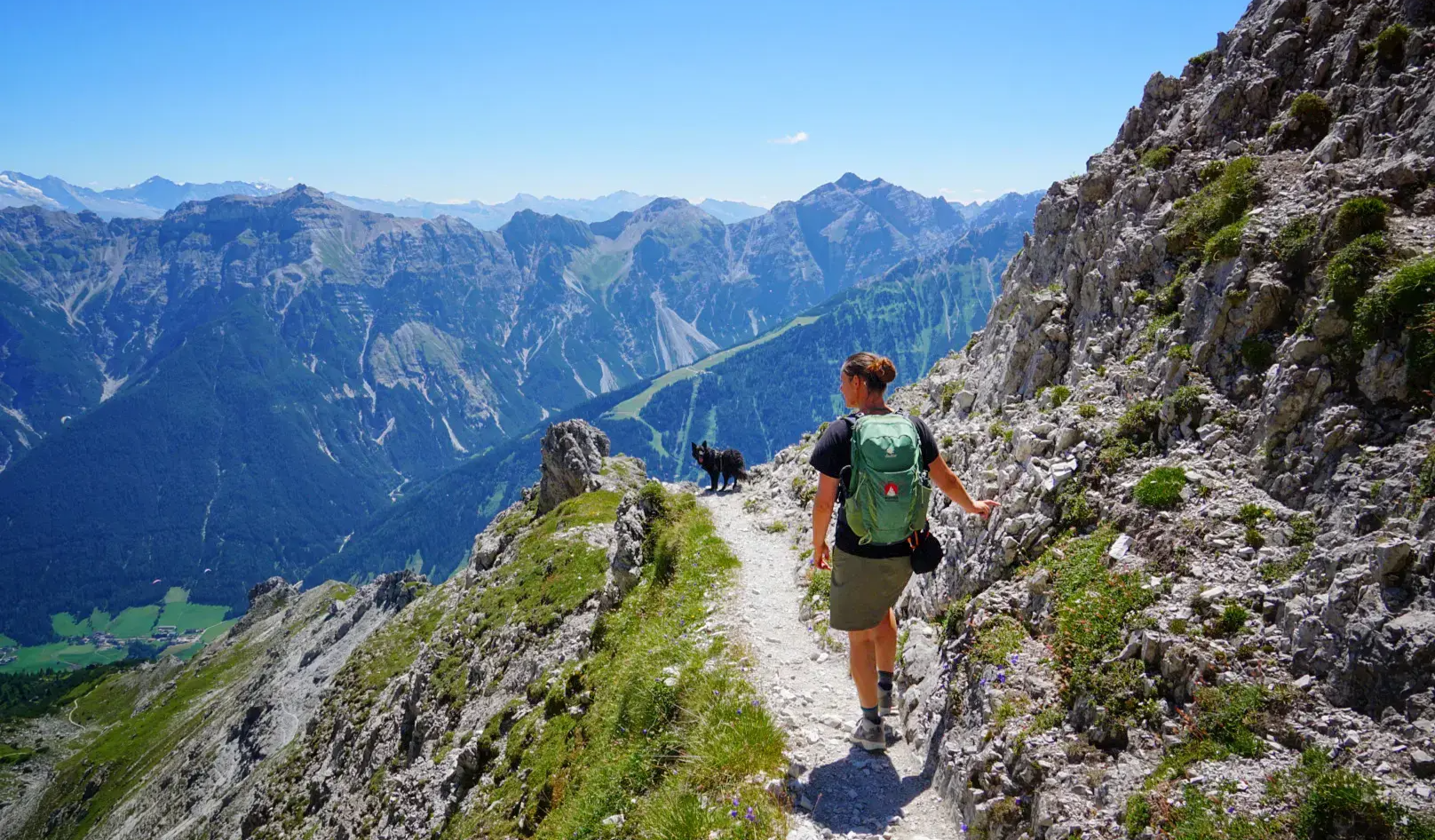
Stubai Valley Hiking Paradise – routes for the perfect break
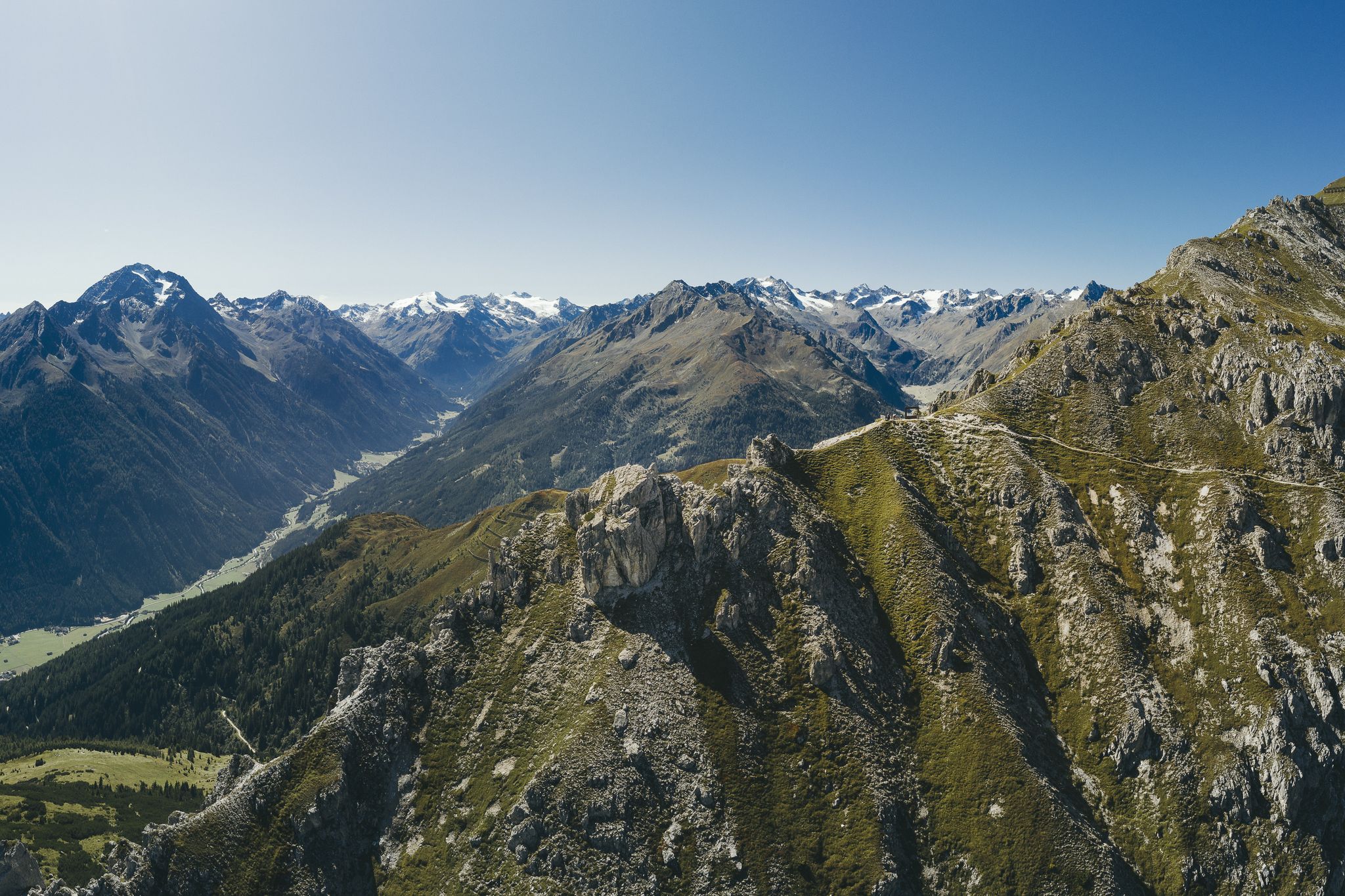
Hiking up high with the Stubai cable cars
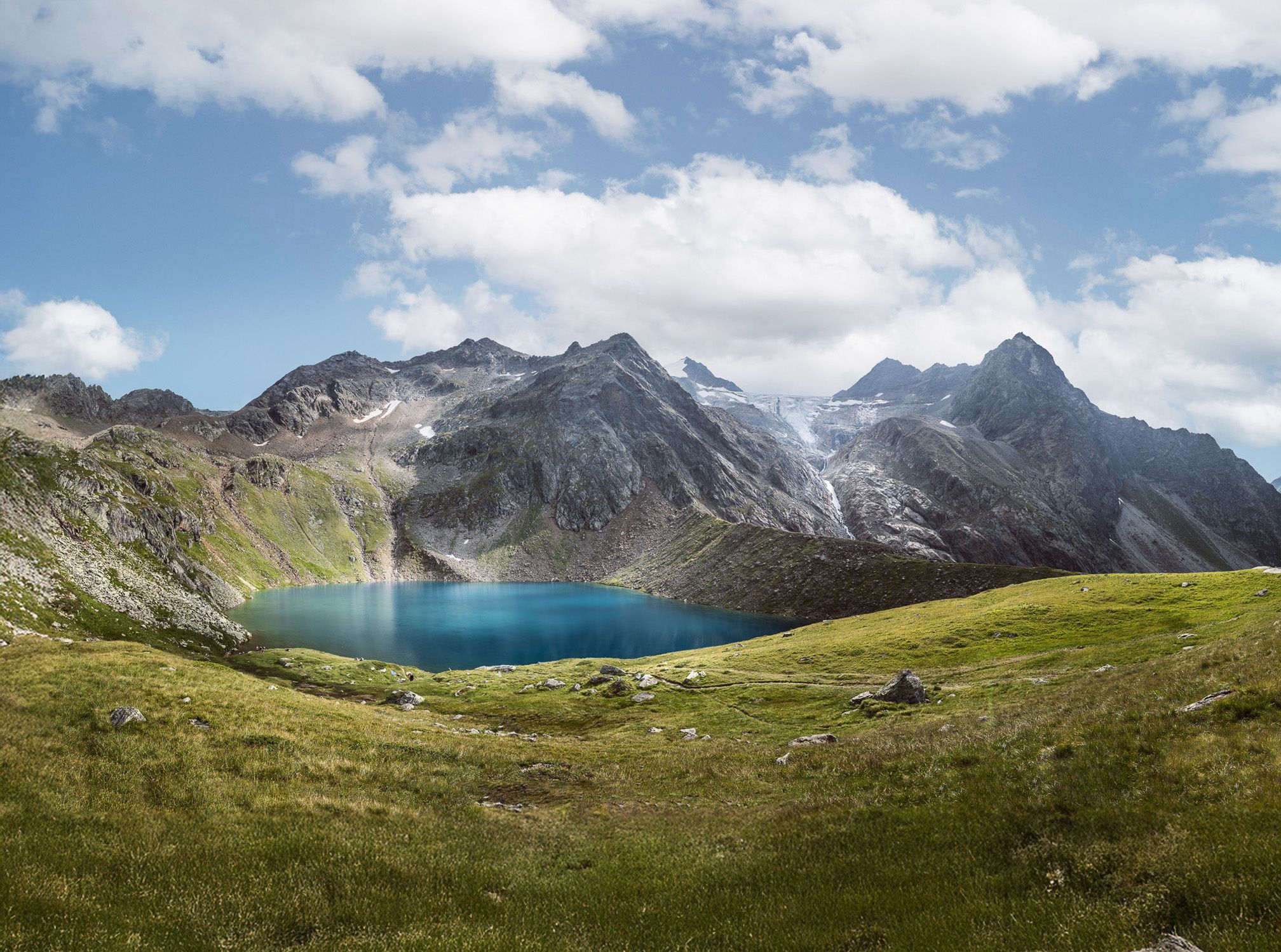
Stubai's mountain lakes – hiking to Tyrol's alpine gems
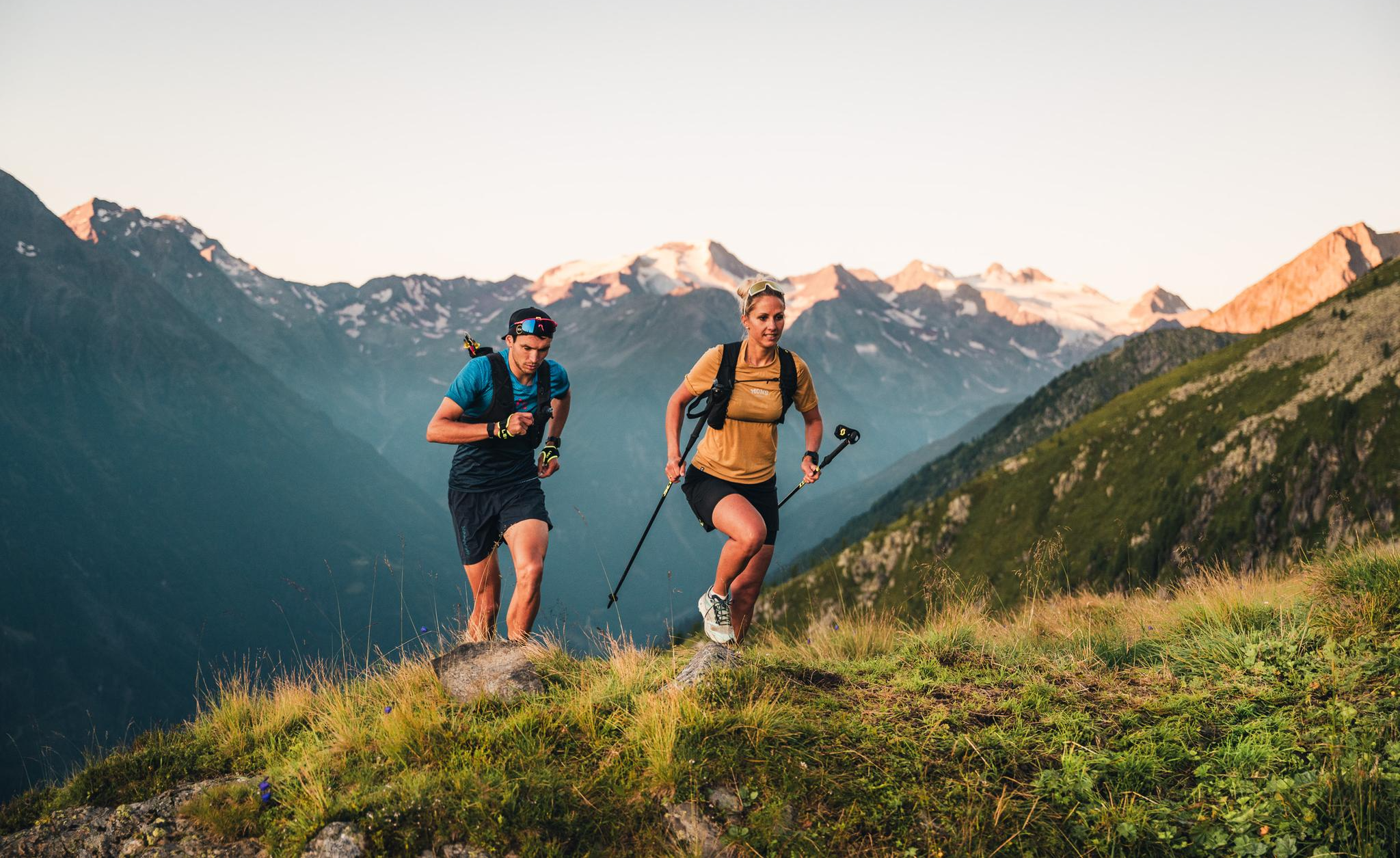
STUBAI ULTRATRAIL 2026
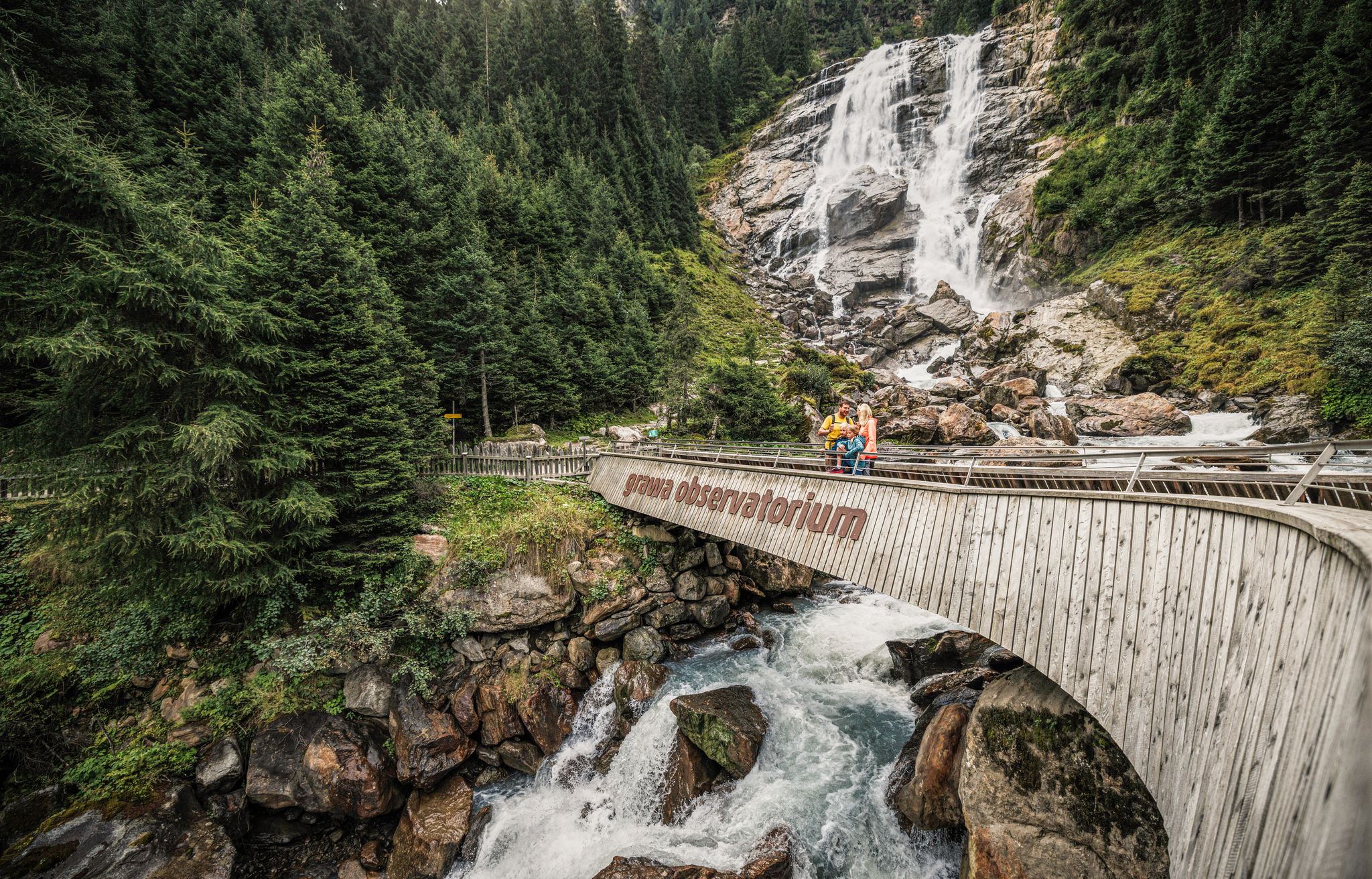
Wild water hiking in Austria – WildeWasserWeg
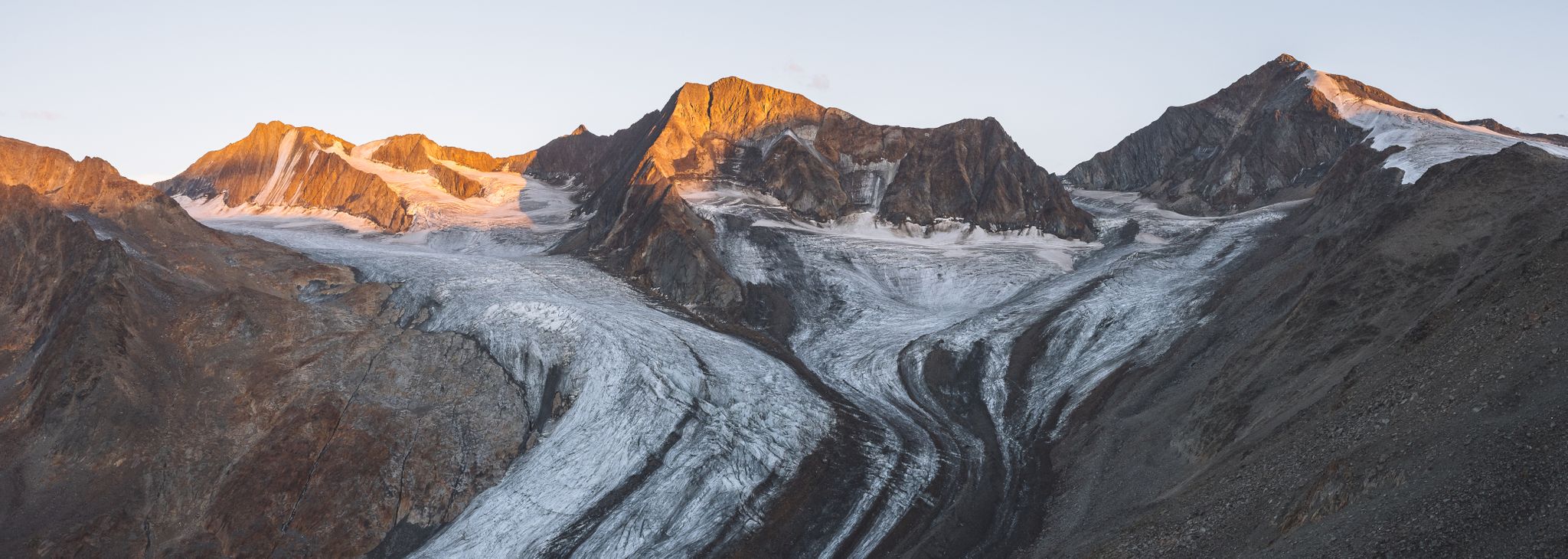
Hikes to the melting giants of the Alps – glaciers
Stubai Alps Crossing – 10 days of pure adventure
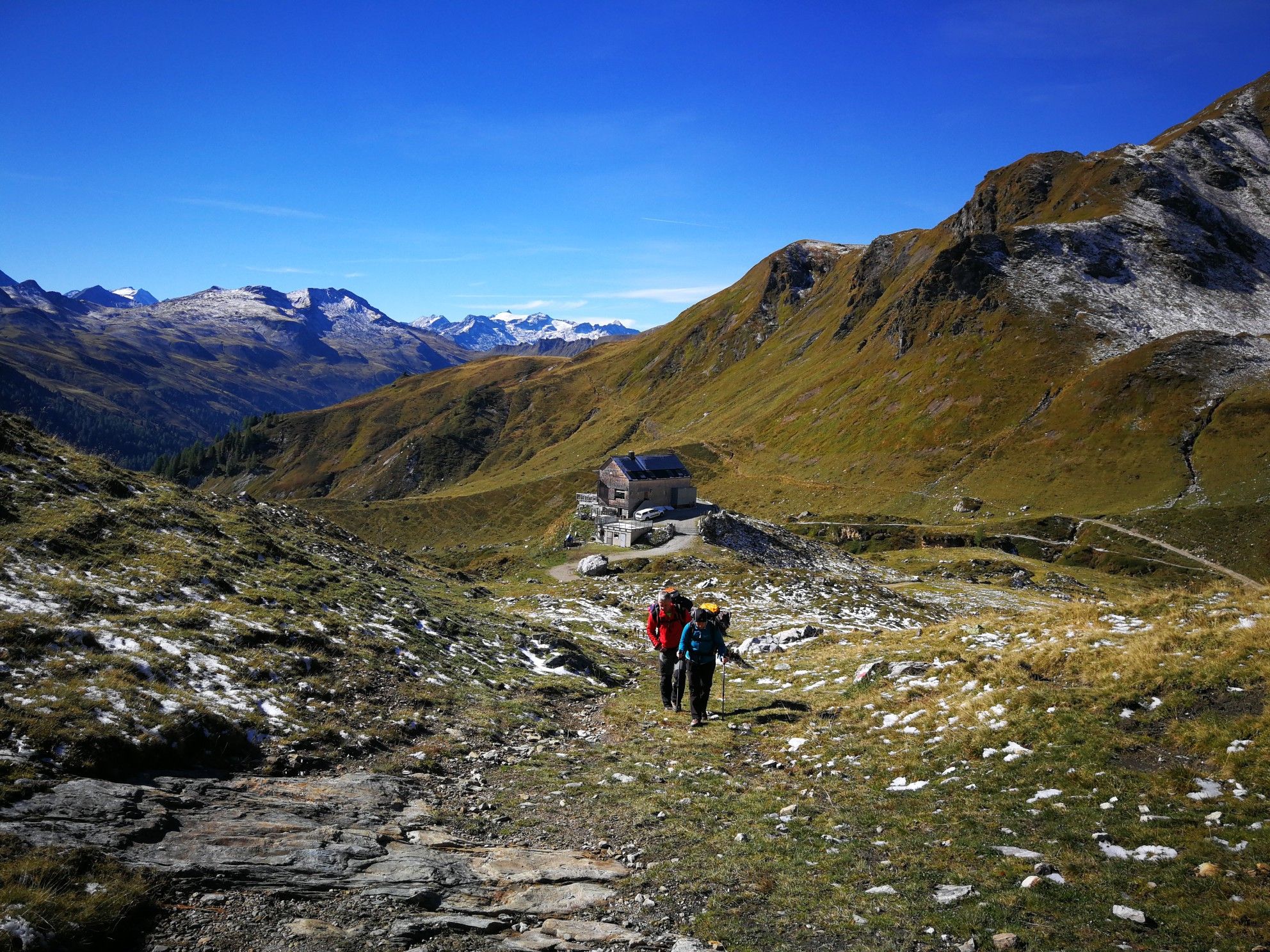
Lower Austria to Carinthia — our favourite huts in Austria
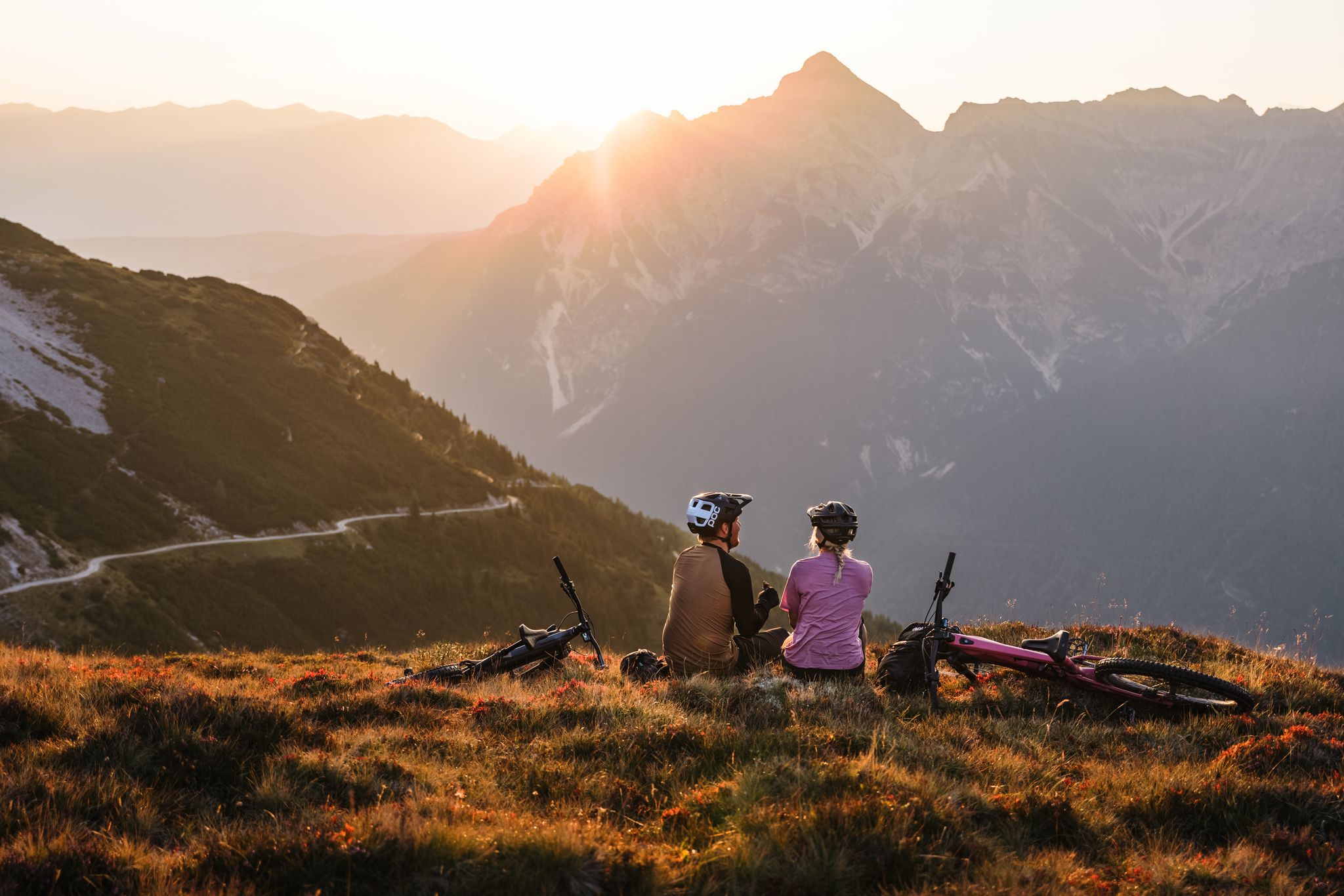
Bike paradise in Stubaital — the 10 most beautiful mountain bike rides
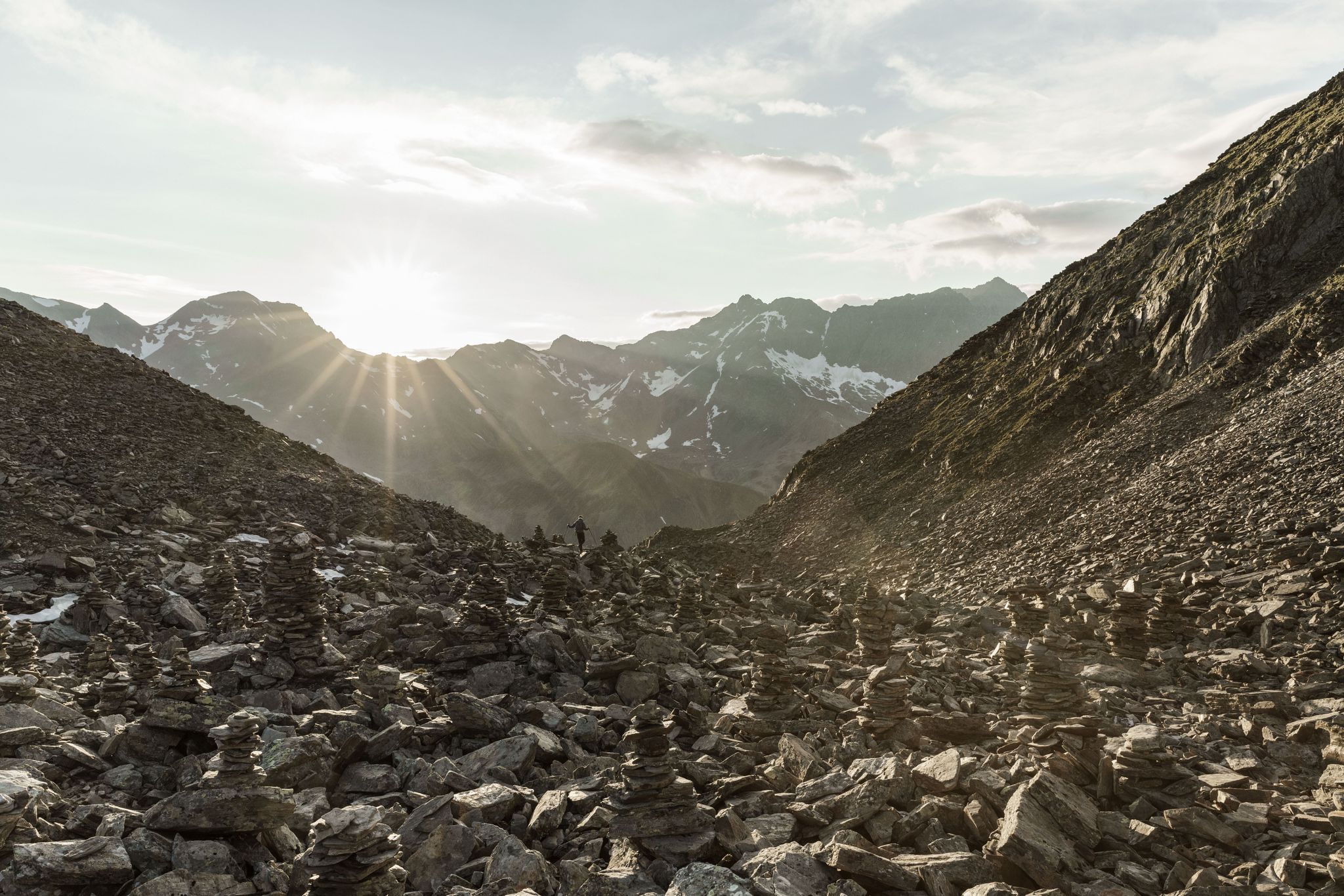
A breath of alpine air on the Stubai High Trail — Great Walks
Other adventures around Neustift im Stubaital


Tips from the Community

Engraved border stone at the Timmelsjoch between Austria and Italy and the year 1966.
4
0
The Friendship Monument at Timmelsjoch (also known as the Eagle Monument) is a symbolic monument located directly at the summit of the Timmelsjoch pass at an altitude of 2,474 meters. It stands right on the state border between Austria (North Tyrol) and Italy (South Tyrol) and symbolizes the historical connection, brotherhood, and growing together of the two regions in the heart of Europe.
4
0

What a panorama and what a feeling of accomplishment to have conquered the pass by bike.
0
1

A relatively straightforward ascent via the Hohe Egg and the west ridge with occasional easy scrambling (I). The ascent or descent via the east ridge is prone to rockfall due to loose scree ⚠️ and is technically more demanding (II).
1
0


Not just for athletes and pass hunters, but also for history buffs. The crown of thorns is said to symbolize the pain of the violent division of the historical region of Tyrol. "What friendship connects, politics cannot separate."
0
0

Simply beautiful 👌 great views
0
1
Frequently Asked Questions
What kind of experiences do the mountain passes around Neustift im Stubaital offer?
The mountain passes in this region offer a diverse range of experiences, from challenging climbs for cyclists and hikers to scenic drives with panoramic views. You can find high-alpine roads like Passo del Rombo / Timmelsjoch (2,509 m), which is the highest road in the Alps, to intermediate passes with stunning viewpoints like Peiljoch, offering views of glaciers and unique landscapes with stone cairns.
When is the best time to visit the mountain passes around Neustift im Stubaital?
The best time to visit is generally during the summer months, from late spring to early autumn, when the passes are free of snow and accessible for hiking, cycling, and scenic drives. High-alpine roads like the Timmelsjoch are typically open from late May/early June until late October, depending on snow conditions. Winter offers opportunities for skiing at resorts like Kühtai Pass, but road access over some passes may be restricted.
Are there challenging mountain passes for experienced hikers or cyclists?
Yes, the region offers several challenging options. For cyclists, the continuous gradient and numerous hairpin bends of the Passo del Rombo / Timmelsjoch (2,509 m) present a significant challenge. Hikers can tackle demanding routes to passes like Peiljoch, which requires surefootedness and offers partially exposed areas secured with wire ropes. The Zwölfernieder also features a very steep and narrow descent that requires a head for heights.
What natural features and viewpoints can I expect on the mountain passes?
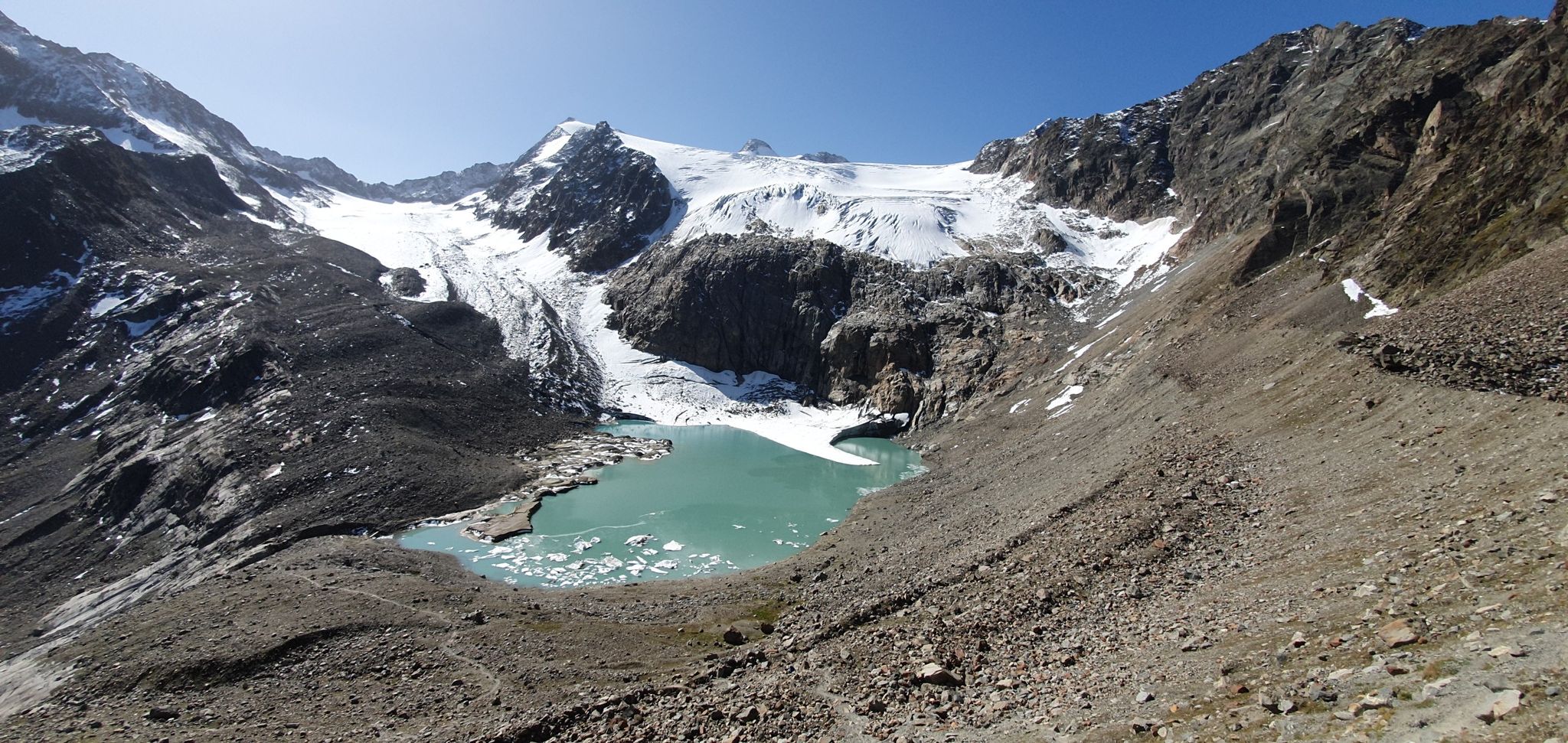
You can expect breathtaking panoramic views of the Stubai and Ötztal Alps, crystal-clear mountain lakes, and alpine flower meadows. Passes like the Timmelsjoch offer dramatic scenery with rugged mountains. From Peiljoch, you can enjoy views of the glacier and the Sulzenausee with its floating ice floes. The 'TOP OF TYROL' summit platform at Stubai Glacier, accessible by cable car, provides a unique 360-degree view of over 109 three-thousand-meter peaks.
Are there family-friendly mountain passes or activities?
While many passes offer challenging terrain, there are family-friendly aspects to the region. The Timmelsjoch is considered family-friendly for scenic drives, and along its road, five stations offer information about the pass. The Schlick 2000 area, accessible by cable car, is a family hiking center with panoramic views and idyllic spots like Lake Panoramasee, providing high-alpine experiences without extreme difficulty.
What historical significance do the mountain passes hold?
Many passes in the region have a rich history, particularly as ancient trade and transit routes. The Brenner Pass, though further afield, has been a crucial north-south link since Roman times. The Timmelsjoch was historically an old mule track and smugglers' trail, part of the European long-distance hiking route E5, allowing hikers to retrace the footsteps of the historical 'Ötztaler Kraxenträger' (basket bearers).
How can I access the mountain passes, and is parking available?
Many mountain passes are accessible by car or motorbike, offering scenic drives. For example, the Timmelsjoch High Alpine Road is a popular route. Parking is generally available at the start of popular routes or at cable car stations that provide access to higher alpine areas. Public transport options, such as buses, also connect Neustift im Stubaital to various trailheads and valley stations, allowing access to areas like the Stubai Glacier or Schlick 2000.
Are there places to eat or stay near the mountain passes?
Yes, you'll find various options for refreshments and accommodation. At the top of the Timmelsjoch, there's a small inn where hikers and cyclists can refuel. In the valleys leading to the passes, and in Neustift im Stubaital itself, there are numerous cafes, pubs, and accommodations ranging from guesthouses to hotels. Mountain huts, like the Dresdner Hütte near Peiljoch, also offer food and overnight stays for hikers.
What other outdoor activities are available near Neustift im Stubaital's mountain passes?
Beyond exploring the passes themselves, Neustift im Stubaital is a hub for various outdoor activities. You can enjoy gravel biking, running, and cycling on numerous trails. For example, there are challenging gravel biking routes like the 'View of Grawa Waterfall – View of the Ruetz Waterfall loop' or scenic cycling tours such as the 'View of the Ruetz Waterfall – View of the Stubai Glacier loop'. You can find more details on these activities in the Gravel biking around Neustift im Stubaital, Running Trails around Neustift im Stubaital, and Cycling around Neustift im Stubaital guides.
What do visitors particularly appreciate about the mountain passes in this region?
Visitors frequently praise the stunning panoramic views and the sense of accomplishment after tackling challenging routes. The unique landscapes, such as the numerous stone cairns at Peiljoch and the dramatic scenery of the Timmelsjoch, are often highlighted. The opportunity for high speeds on descents like the Descent from Kühtai is also a favorite among cyclists.
Are there any permits required for hiking on the mountain passes?
Generally, no specific permits are required for hiking on the established trails and mountain passes around Neustift im Stubaital. However, always ensure you are aware of local regulations, especially in protected areas, and respect private property. For certain high-alpine routes or guided tours, it's always wise to check with local tourist information or mountain guides for any specific requirements or safety recommendations.
Most popular routes around Neustift im Stubaital
Most popular attractions around Neustift im Stubaital

Get inspired with the komoot mobile app


Explore more
See even more epic mountain passes by checking out these guides around Neustift im Stubaital:
