Top 6 Castles around Saalbach Hinterglemm
Castles around Saalbach Hinterglemm are primarily found in the wider Salzburger Land region, offering a range of historical sites accessible for day trips. This area is characterized by its alpine landscape and rich cultural heritage. While Saalbach-Hinterglemm itself is known for its outdoor activities, the surrounding region provides opportunities to explore medieval architecture and local history.
Best castles around Saalbach Hinterglemm
- The most popular castles is View of Kaprun Castle, a viewpoint that offers views over the Salzach Valley and the 12th-century castle. The castle stands above Kaprun.
- Another must-see spot is Schloss Kammer Country Inn, a restaurant and historical site. This location offers a garden and dining options.
- Visitors also love Einödberg Castle, a historical castle featuring a medieval residential tower from the 13th century. The building has undergone various expansions and adaptations over centuries.
- Saalbach-Hinterglemm is known for historical fortifications, residential castles, and castles repurposed as hotels or museums. Visitors can explore a variety of medieval and early modern architectural styles.
- The castles around Saalbach Hinterglemm are appreciated by the komoot community, with over 690 upvotes and 50 photos shared.
Last updated: July 1, 2026
View of Kaprun Castle
Highlight • Viewpoint
Translated by Google •
Tip by

Schloss Kammer Country Inn
Highlight • Restaurant
schlosskammer.at/de
de.m.wikipedia.org/wiki/Schloss_Kammer_(Maishofen)
Translated by Google •
Tip by

Sign up now to discover places like this
Get recommendations on the best single tracks, peaks, & plenty of other exciting outdoor places.
Sign up for free
Einödberg Castle
Highlight • Castle
In recent years attempts have been made to turn the castle, which had become a farmhouse, into a boarding house. This resulted in a change in the window sizes and the interior layout. The previously existing draw well with a large wooden wheel also had to be removed and was filled up in 1969. Inside the building, some simple coffered ceilings from the 16th and 17th centuries have been preserved.
de.wikipedia.org/wiki/Schloss_Ein%C3%B6dberg
Translated by Google •
Tip by

Lichtenau Castle (Stuhlfelden)
Highlight • Castle
In 1624, Christoph Khuen von Belasy brought the castle into its present form of a typical Salzburg residence. Until 1663 the manor remained in the possession of the Khuen von Belasy, then the Lichtenau manor, so freely Aigen, went to Georg Thomas Perger von Emslieb. At that time he was the caretaker of Mittersill and Urbarprobst of the Kellenamt (that was the administrator, tax collector and judge of the archbishopric) Stuhlfelden. In 1676 the castle was acquired by Johann Josef Graf zu Kuenburg and sold on to Archbishop Max Gandolf von Kuenburg in the same year. He lets apartments here, e.g. set up for the Unterwaldmeister of the Pinzgau so that the castle does not stand empty. Until 1811, the palace remained in the possession of the sovereign as an official and residential building, from 1811 to 1816 it was under the control of the royal Bavarian tax office, after which the k. u.k. Forest Service relocated here.
In 1902 the castle was acquired by Alfred Freiherr Plapart von Leenheer. After several changes of ownership, the Congregation of the Brothers of Christian Schools from Vienna acquired it in 1930 and set up a secondary school with boarding facilities here. The rear turret was removed during the necessary adaptation work. In 1959 the Evangelical Church of Stuhlfelden bought the building and set up a home and training center. In 1978 the castle was bought, renovated and revitalized by the Stuhlfelden municipality. Today there is a special education center and event rooms in the castle. The castle also serves cultural purposes.
de.wikipedia.org/wiki/Schloss_Lichtenau_(Stuhlfelden)
Translated by Google •
Tip by

View of Mittersill and Mittersill Castle
Highlight (Segment) • Viewpoint
You just have to cross a big road and there is a traffic island. Nice view of Mittersill and with a great castle hotel as the destination
Translated by Google •
Tip by

Sign up for free to discover even more castles around Saalbach Hinterglemm.
Sign up for free
Already have an account?
Start today with a free account
Your next adventure awaits.
Login or Signup
Popular around Saalbach-Hinterglemm
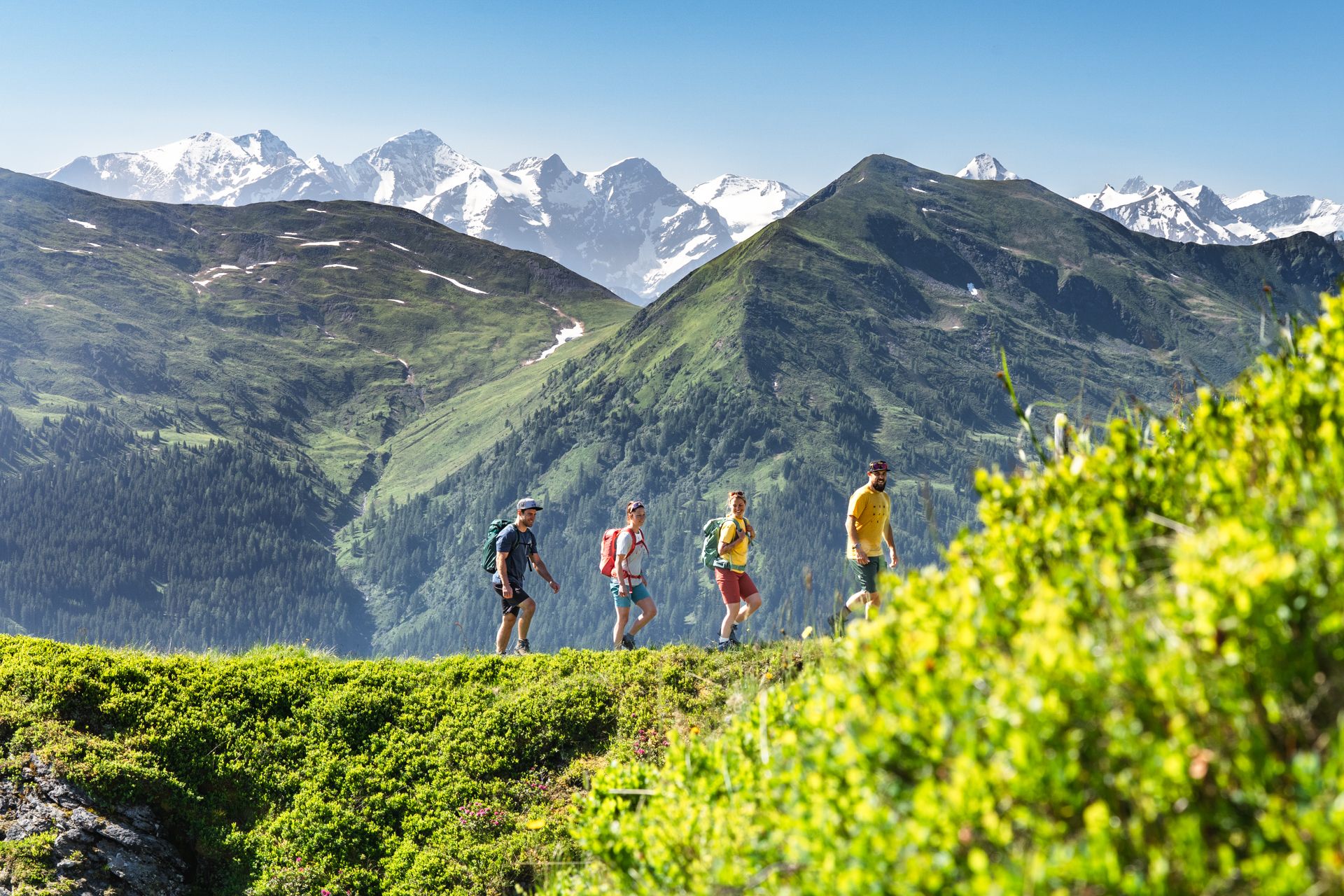
Hiking the Saalach Valley Ridge Way in Austria – Wild nature and mighty peaks
Your Saalbach Hinterglemm holiday bucket list
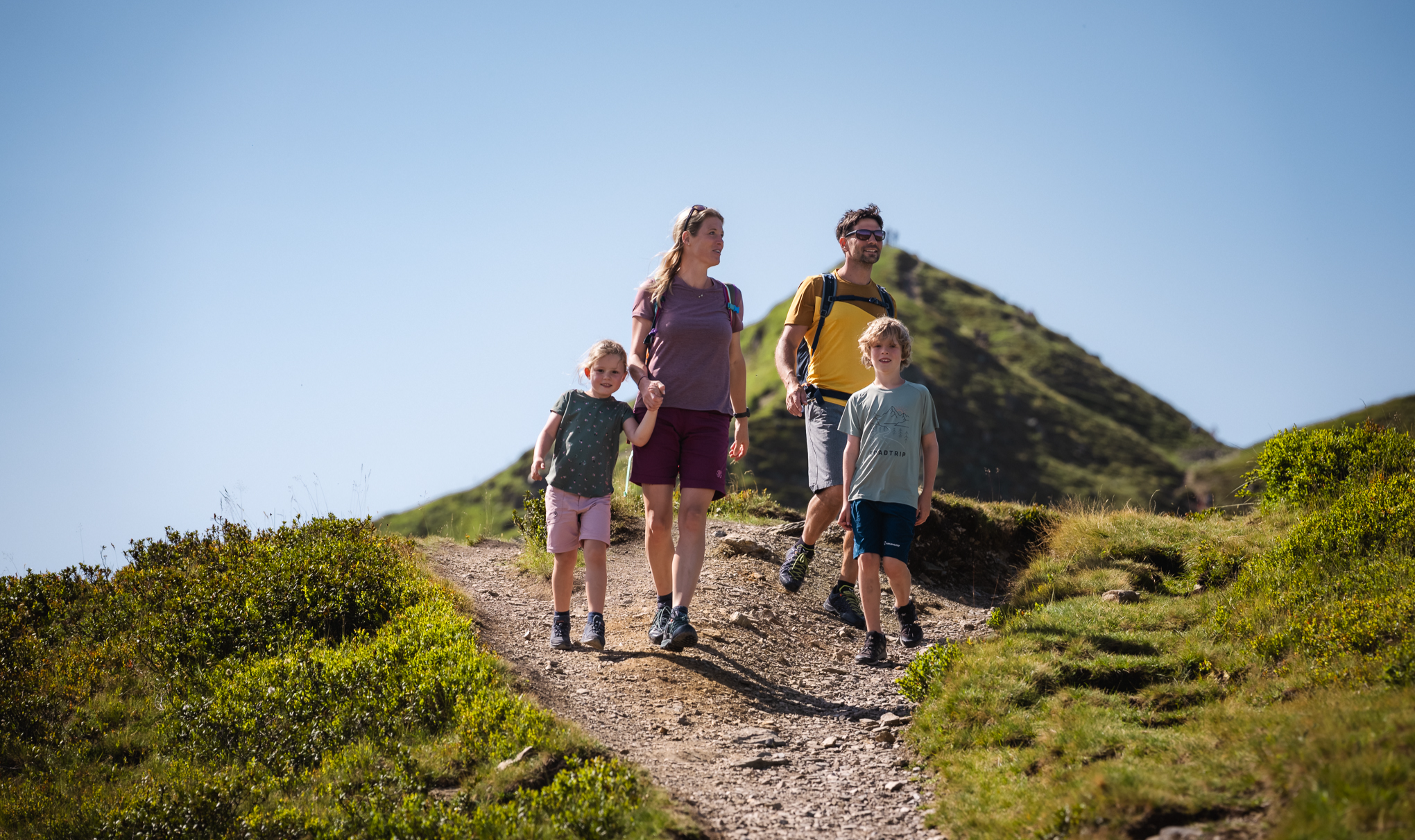
Great casual family hikes in Saalbach Hinterglemm
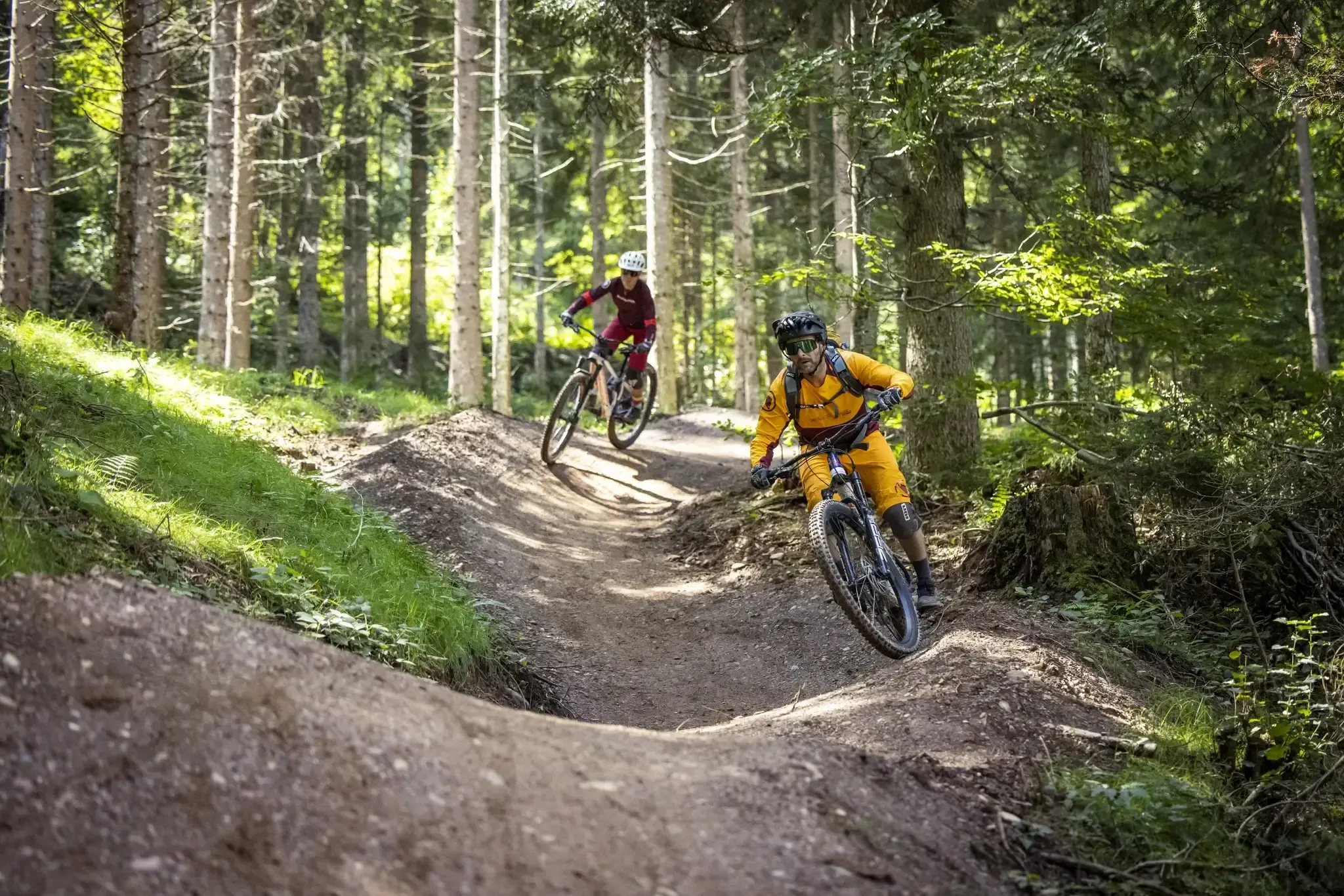
Fresh Trails – rollercoaster rides in Austria’s largest bike region
Single track highlights in Austria's largest bike region
By bike through sport's history – Tour de Champions in Austria's largest cycling region

Powered up, relaxed down – uphill and E-MTB in Saalbach
Magnificent mountain biking on Austria's alpine pastures

Graveltour SalzburgerLand: The Hard
The Soft – a gravel bike loop through the Salzburg region
Other adventures around Saalbach Hinterglemm


Tips from the Community

Further information can be found at the following link: https://www.schlosskammer.at/de https://de.m.wikipedia.org/wiki/Schloss_Kammer_(Maishofen)
2
0

In the west of the castle there is a medieval residential tower from the 13th century, which probably looked similar to the Felberturm or the Weyerturm. In the middle of the 16th century, the tower was expanded with an extension and converted into a Gothic residence with small square towers at the corners of the building. When a wider wing was added to the east of the building at the end of the 16th century, the two towers located here were removed. The two that remain are covered with pyramidal roofs that only slightly surpass the main building. The adjoining farmhouse has three floors; it has a segmental arched portal with a truncated gable on its eastern front. In recent years attempts have been made to turn the castle, which had become a farmhouse, into a boarding house. This resulted in a change in the window sizes and the interior layout. The previously existing draw well with a large wooden wheel also had to be removed and was filled up in 1969. Inside the building, some simple coffered ceilings from the 16th and 17th centuries have been preserved. https://de.wikipedia.org/wiki/Schloss_Ein%C3%B6dberg
0
0

From the cycle path shortly after Kaprun in the direction of Zell am See you have a beautiful view of the castle
2
0

It was built in the 12th century as a fortification and residence for noble families.
5
0

Every year there is a big castle festival where you can see life in the Middle Ages. There are also castle tours. More on the internet.
2
0

In 1582, Baron Dietrich von Kuen-Belasy, Baron von Chiemsee, bought the estate of Peter Kammerer. He built the palace and the chapel. In 1617, Bishop Johann Paulus Ciruletti consecrated the palace chapel. In 1711, parts of the chapel and the top floor of the palace were destroyed by a fire controlled by Fischhorn. In 1785 Josef Neumayer became the tenant of the estate.
1
0

The castle was built in 1503-1506 by the tradesman Wilhelm Rosenberger von Rosenegg. Marble coats of arms of the von Törring and von Labach families used to be attached above the entrance portal, which have now disappeared;[1] there is no evidence of ownership for these families, which can be assumed. In 1624, Christoph Khuen von Belasy brought the castle into its present form of a typical Salzburg residence. Until 1663 the manor remained in the possession of the Khuen von Belasy, then the Lichtenau manor, so freely Aigen, went to Georg Thomas Perger von Emslieb. At that time he was the caretaker of Mittersill and Urbarprobst of the Kellenamt (that was the administrator, tax collector and judge of the archbishopric) Stuhlfelden. In 1676 the castle was acquired by Johann Josef Graf zu Kuenburg and sold on to Archbishop Max Gandolf von Kuenburg in the same year. He lets apartments here, e.g. set up for the Unterwaldmeister of the Pinzgau so that the castle does not stand empty. Until 1811, the palace remained in the possession of the sovereign as an official and residential building, from 1811 to 1816 it was under the control of the royal Bavarian tax office, after which the k. u.k. Forest Service relocated here. In 1902 the castle was acquired by Alfred Freiherr Plapart von Leenheer. After several changes of ownership, the Congregation of the Brothers of Christian Schools from Vienna acquired it in 1930 and set up a secondary school with boarding facilities here. The rear turret was removed during the necessary adaptation work. In 1959 the Evangelical Church of Stuhlfelden bought the building and set up a home and training center. In 1978 the castle was bought, renovated and revitalized by the Stuhlfelden municipality. Today there is a special education center and event rooms in the castle. The castle also serves cultural purposes. https://de.wikipedia.org/wiki/Schloss_Lichtenau_(Stuhlfelden)
2
0

Beautiful castle with a wonderful view of Mittersill
1
0
Frequently Asked Questions
What are some notable castles accessible from Saalbach-Hinterglemm?
While Saalbach-Hinterglemm itself is known for outdoor activities, the wider Salzburger Land region offers several impressive castles for day trips. These include the medieval rock castle View of Kaprun Castle, the historical Einödberg Castle, and the well-preserved Lichtenau Castle (Stuhlfelden). Further afield, you can visit Hohenwerfen Castle with its falconry shows, or the iconic Hohensalzburg Fortress in Salzburg.
Which castles offer a unique historical experience?
For a deep dive into history, Einödberg Castle features a 13th-century residential tower that has seen various expansions. Lichtenau Castle (Stuhlfelden), built in the early 16th century, showcases a typical Salzburg residence. Ritzen Castle in Saalfelden houses a museum with extensive folkloric and historical exhibits from the Pinzgau region.
Are there any castles near Saalbach-Hinterglemm that are now hotels or inns?
Yes, Schloss Kammer Country Inn is a historical site that now operates as a restaurant and offers accommodation. Schlosshotel Rosenegg in Fieberbrunn, originally built in 1187, is another example, retaining its medieval atmosphere while offering modern hotel amenities, wellness facilities, and dining.
What are the distances to some of the major castles from Saalbach-Hinterglemm?
Ritzen Castle in Saalfelden is a relatively short drive. Hohenwerfen Castle is approximately 80 km away, while the Hohensalzburg Fortress in Salzburg is about 120 km. Mauterndorf Castle is further, around 140 km from Saalbach-Hinterglemm.
Which castles are particularly good for families?
Hohenwerfen Castle is known as an 'adventure castle' and is very family-friendly, offering daily historical falconry demonstrations and various exhibitions. The View of Kaprun Castle is also listed as family-friendly, providing a scenic viewpoint over the castle and valley.
Can I find places to eat or stay near these castles?
Yes, Schloss Kammer Country Inn offers a restaurant with a nice garden and accommodation. Schlosshotel Rosenegg in Fieberbrunn provides dining options and wellness facilities within its historic walls. Many castles, especially those further afield like Hohensalzburg Fortress, are located near towns with numerous cafes, restaurants, and hotels.
What kind of outdoor activities can I combine with a castle visit in the region?
The Saalbach-Hinterglemm region is excellent for outdoor activities. You can find numerous hiking trails, such as the 'Valley Closure High Path' or the 'Pinzgau Walk', which can be explored from the area. For cycling enthusiasts, there are routes like the 'Lake Zell – Lake Zell loop' or the 'Glemmtal Cycle Path'. You can find more details on these activities in the Hiking around Saalbach Hinterglemm and Cycling around Saalbach Hinterglemm guides.
Are there any castles that offer scenic viewpoints?
The View of Kaprun Castle is specifically highlighted for its wonderful views over the Salzach Valley, the 12th-century castle, and the surrounding snow-capped mountains. Hohensalzburg Fortress also offers panoramic views of Salzburg city and the Alps.
What is the best time of year to visit castles near Saalbach-Hinterglemm?
Most castles are best visited during the warmer months from spring to autumn (May to October) when the weather is pleasant for exploring and outdoor activities. During this time, all facilities and demonstrations, like the falconry at Hohenwerfen, are typically fully operational. Some castles may have limited opening hours or close certain sections during winter.
Are there any castles that focus on local culture and folklore?
Ritzen Castle in Saalfelden is an excellent choice for those interested in local culture. It houses a museum with a large collection of folkloric items, farming exhibits, and a notable nativity scene collection, providing insight into the heritage of the Saalfelden area and the Pinzgau region.
What do visitors particularly enjoy about the castles in this region?
Visitors appreciate the blend of historical architecture with stunning natural backdrops. The opportunity to explore medieval fortifications, enjoy scenic views, and experience unique attractions like falconry shows or historical museums are frequently mentioned. The historical ambiance and well-preserved structures, such as the largely intact interior of Schloss Saalhof, also receive positive feedback.
Most popular routes around Saalbach Hinterglemm
Most popular attractions around Saalbach Hinterglemm

Get inspired with the komoot mobile app


Explore more
Looking for the best castles somewhere else? Discover other guides around Saalbach Hinterglemm:
