Top 8 Castles around Semmering
Castles around Semmering are located in a region characterized by its historical significance and diverse landscapes. The area features architectural sites ranging from medieval ruins to 19th-century villas. These structures often sit amidst forests or on elevated positions, providing views of the surrounding mountains. The region offers a historical context to its natural environment.
Best castles around Semmering
- The most popular castles is Kranichberg Castle, a castle that is a three-story building with a five-story keep, dating from the early 13th century. It served as a summer residence for the Archdiocese of Vienna for nearly 200 years.
- Another must-see spot is Ruins of Klamm Castle, a castle ruin, originally a fortress from the early 12th century. Its tower and hall stand on the highest point of a mountain cone, with subsequent extensions forming a ring castle.
- Visitors also love Schloss Gloggnitz, a former Benedictine monastery. This castle hosts a regular series of events and features a restaurant and a museum in its church.
- Semmering is known for fortified castles, historic villas, and medieval ruins. The region offers a variety of castles to explore, from well-preserved structures to historical sites.
- The castles around Semmering are appreciated by the komoot community, with 95 upvotes and 59 photos shared by visitors.
Last updated: October 4, 2026
Ruins of Klamm Castle
Highlight • Castle
It is assumed that Schottwien already existed as a fortified independent place at the time when Styria fell to Austria for the first time under Duke Leopold the Virtuous (1192), although the name was first mentioned half a century later.
From the 12th to the 15th century, however, the lords of Chlamme sat, as a powerful and influential family, undefeated and unconquered on the rock castle, to which the whole area was subservient and subordinate, which is why the old chroniclers held their firm seat ars invicibilis, called. This changed, of course, when in 1487 the Hungarian king Matthias Corvinus,
after conquering Vienna and the "always loyal" Neustadt, he also threw his armies in front of the mansions loyal to the emperor in the southern East Mark, whereby under the last gorge with Schottwien fell into the hands of the enemy after a stormy siege. Stone balls walled in in the gorge are still a reminder of this siege.
Translated by Google •
Tip by

Reichenau an der Rax Castle
Highlight • Castle
These property rights were sold in 1311 to the brothers Fallbach on.
Duke Otto the Merry bought the reign of Reichenau and the castle in 1333 and donated the castle to Neuberg Abbey.
The Cistercian monks were resident in Reichenau for over 450 years. Because of the favorable climate, several Neuberg abbots often spent a long time in Reichenau Castle.
In 1784 the reign Reichenau became the property of the Innerberger main union, who used the castle as a residence and home for senior officials.
The last owner, Margarethe Bader-Waissnix, established a foundation in 1992 for the benefit of the municipality of Reichenau. The purpose of the foundation is the establishment of a cultural center. In accordance with this foundation, in 2003 Schloss Reichenau was the main exhibition site of the Lower Austrian Provincial Exhibition. Also in the year 2004 an exhibition could be shown with a big railway exhibition for the anniversary "150 years Semmeringbahn" under the motto "fascination Semmeringbahn".
Translated by Google •
Tip by
Sign up now to discover places like this
Get recommendations on the best single tracks, peaks, & plenty of other exciting outdoor places.
Schloss Gloggnitz
Highlight • Castle
Translated by Google •
Tip by

Wartenstein Castle
Highlight • Castle
Translated by Google •
Tip by
Kranichberg Castle
Highlight • Castle
For almost 200 years, the Kranichburg served the Archdiocese of Vienna as a summer residence. But the costly maintenance costs ultimately tipped the scales to sell the castle. An Austrian couple, who have lived in Switzerland for 25 years but have never lost touch with Austria, are the new owners of Kranichberg Castle in Kirchberg am Wechsel. The time-honored walls are to be used for tourism in the future.
Translated by Google •
Tip by

Sign up for free to discover even more castles around Semmering.
Already have an account?
Start today with a free account
Your next adventure awaits.
Popular around Semmering
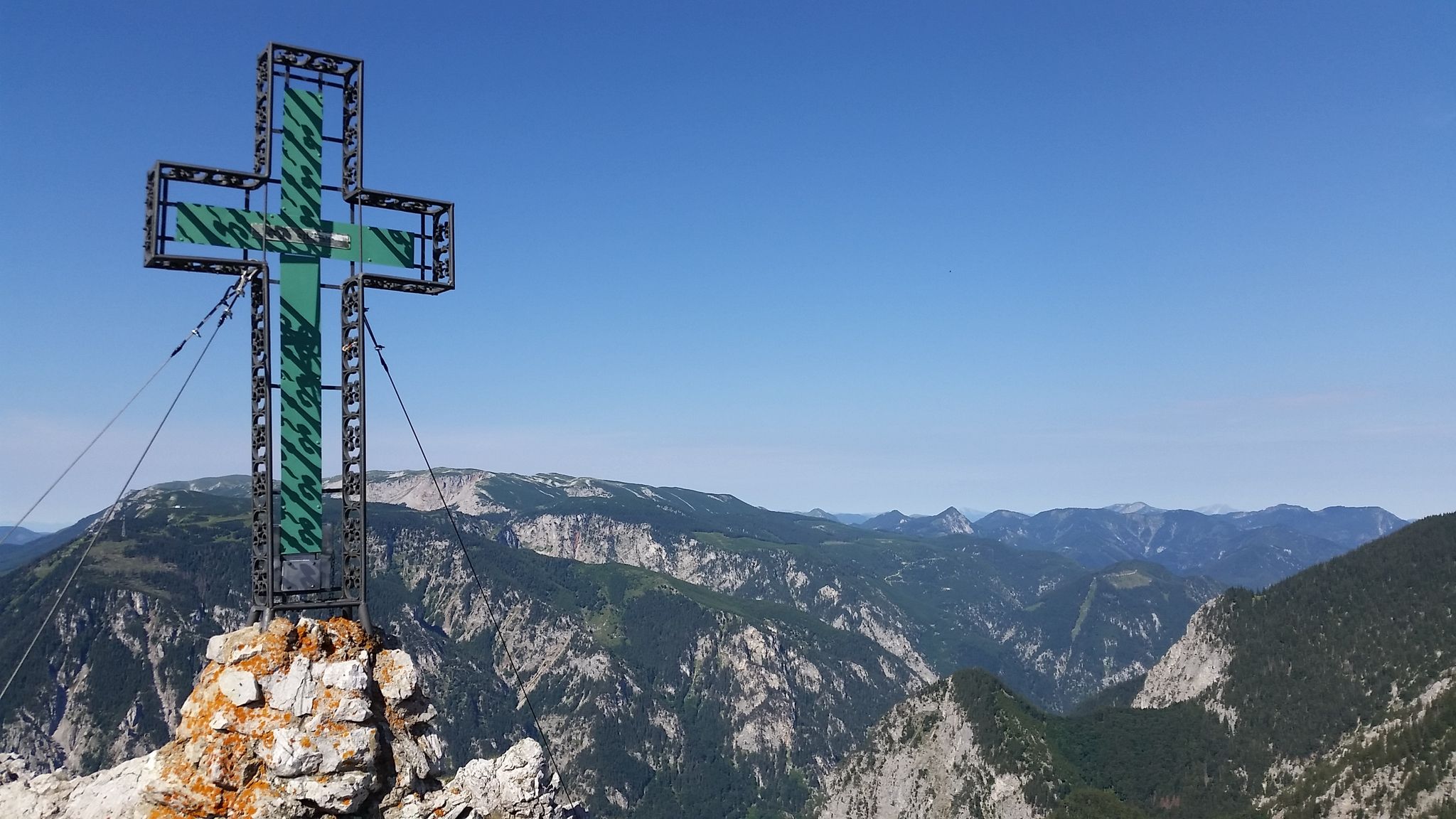
Viennese Alpenbogen – Lower Austria's most beautiful peaks
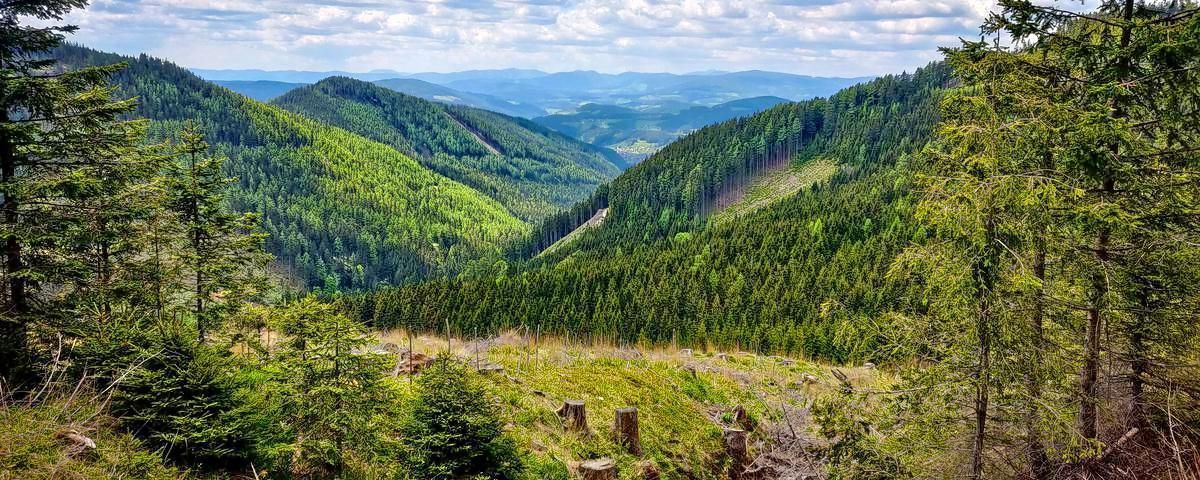
Alpannonia – Crossing borders from Austria to Hungary
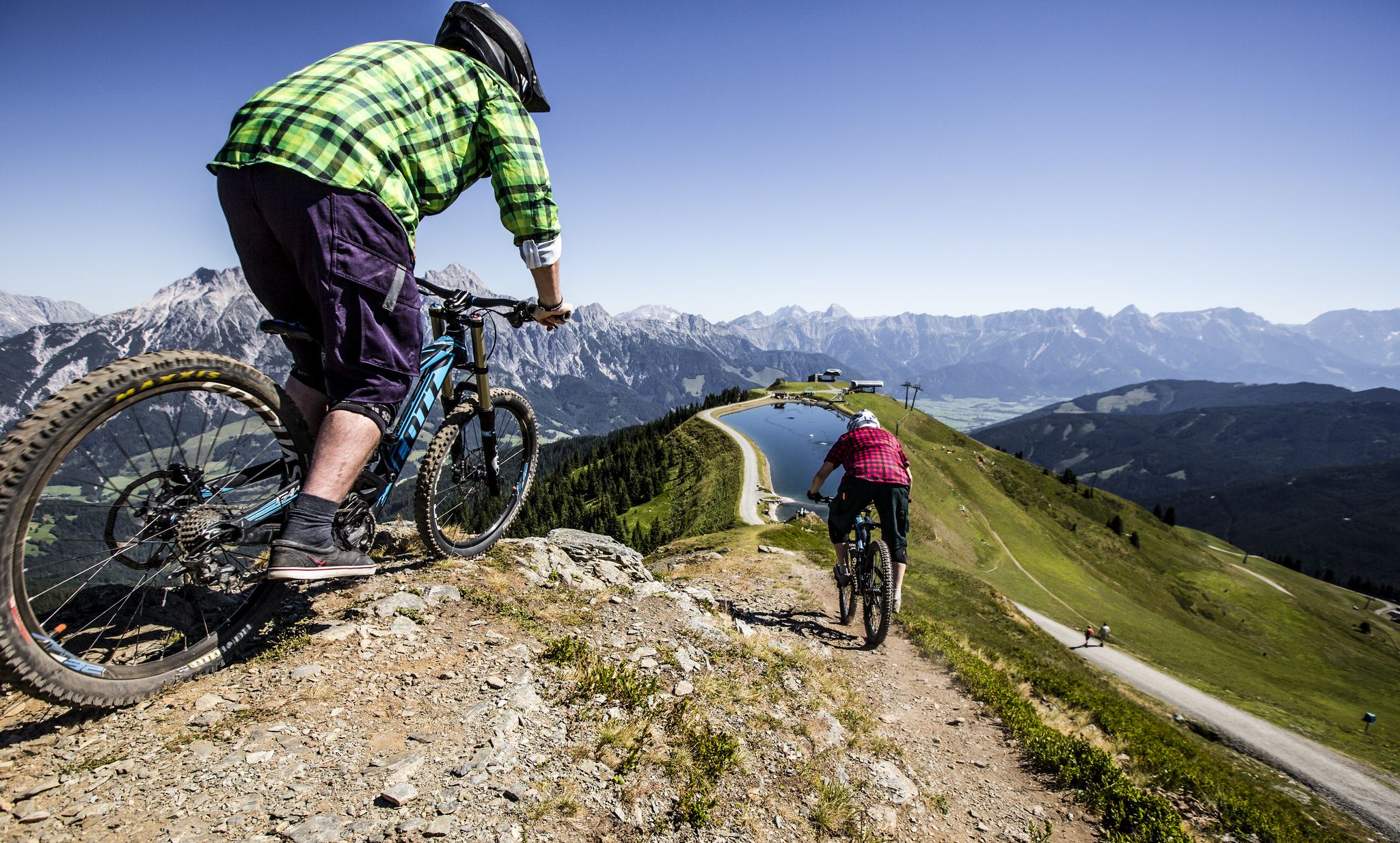
Bike parks in the Alps
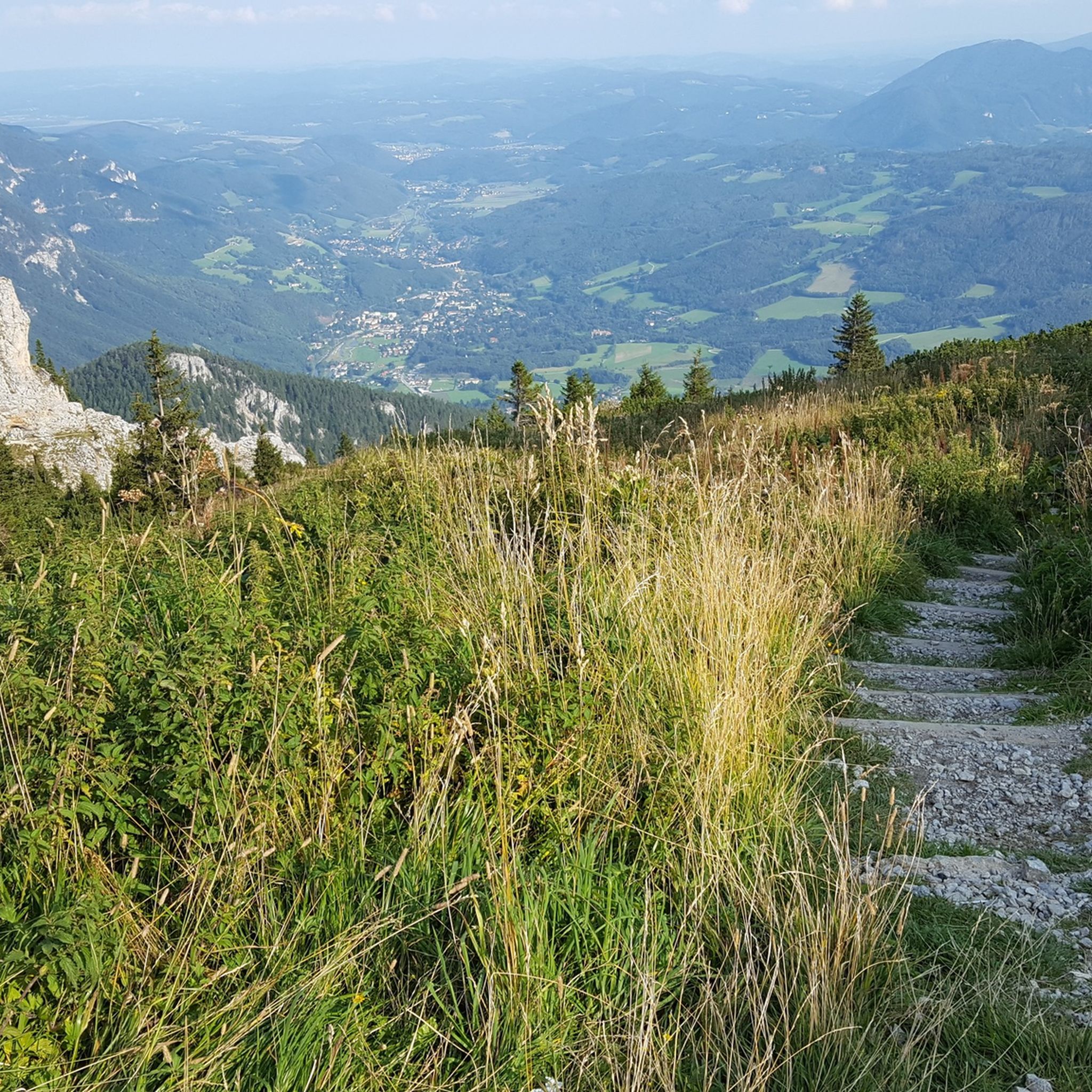
Hiking around Semmering

Mountain Hikes around Semmering
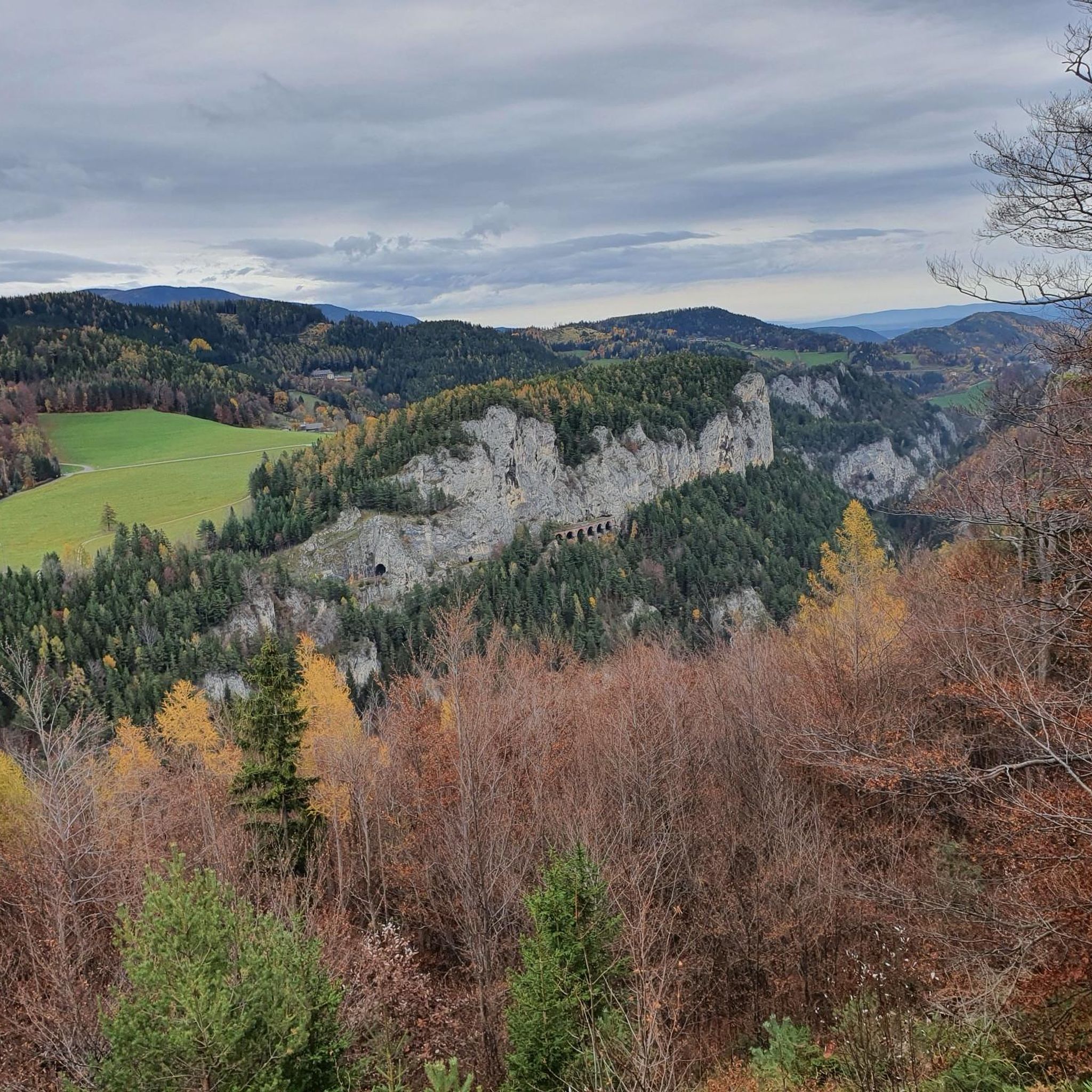
MTB Trails around Semmering
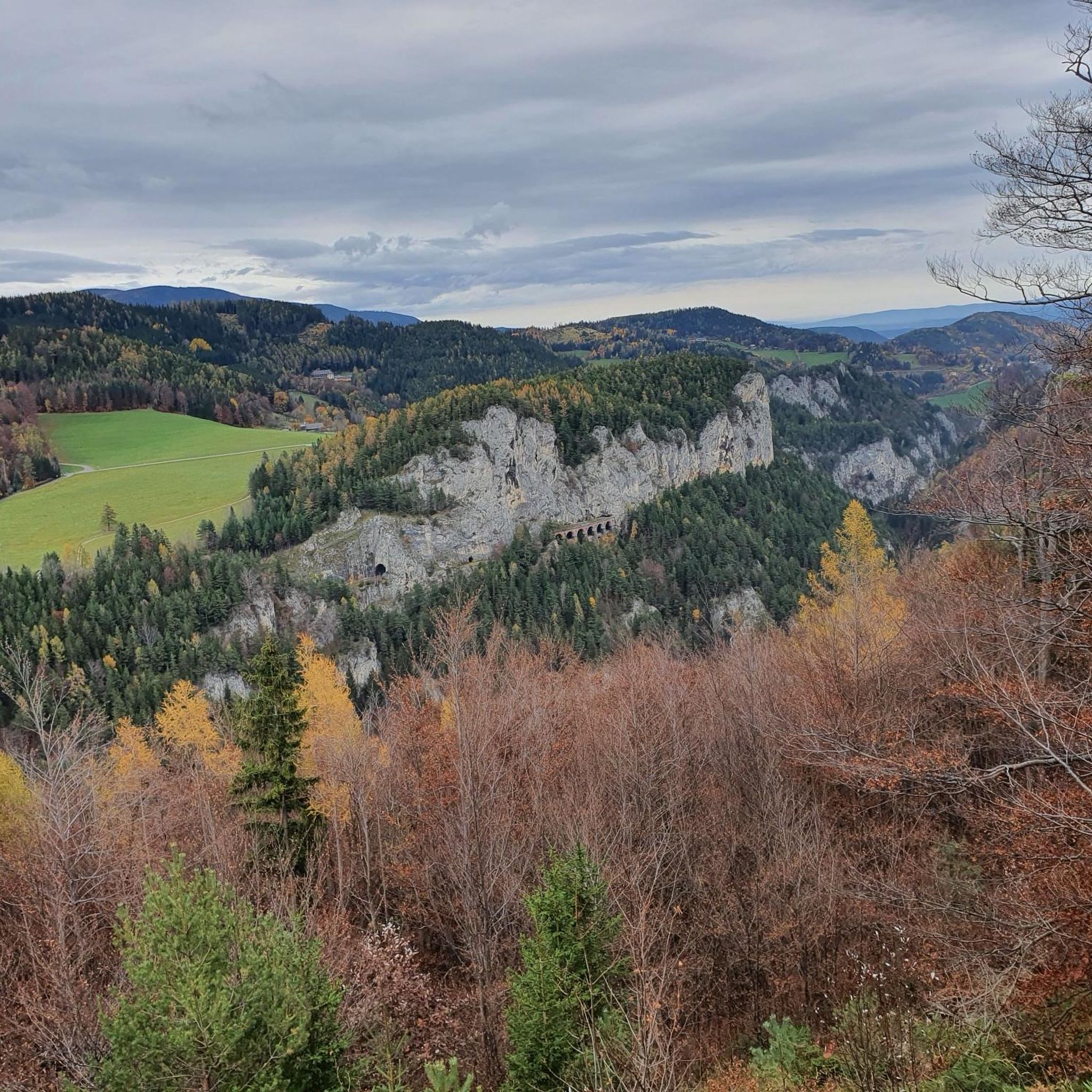
Road Cycling Routes around Semmering
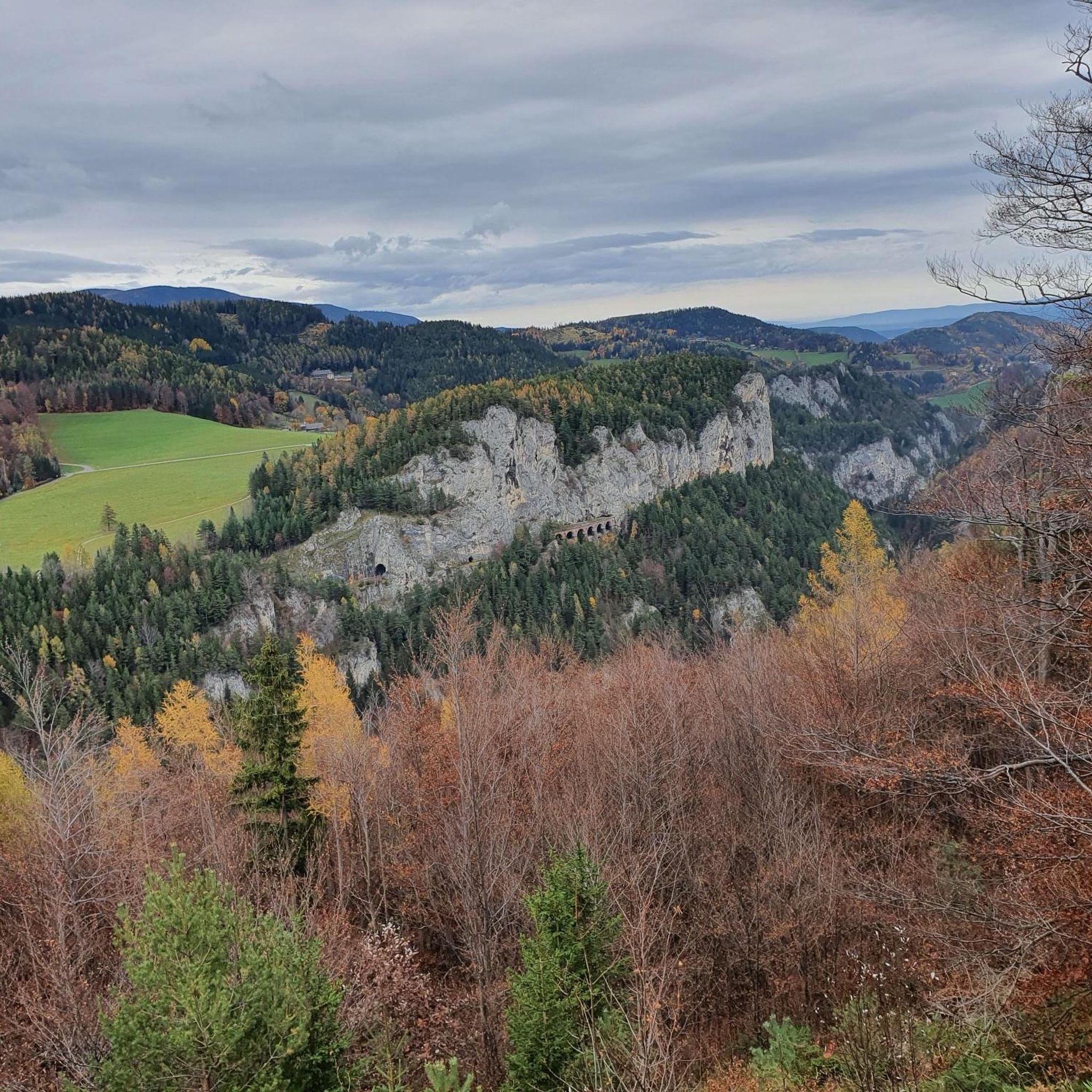
Cycling around Semmering
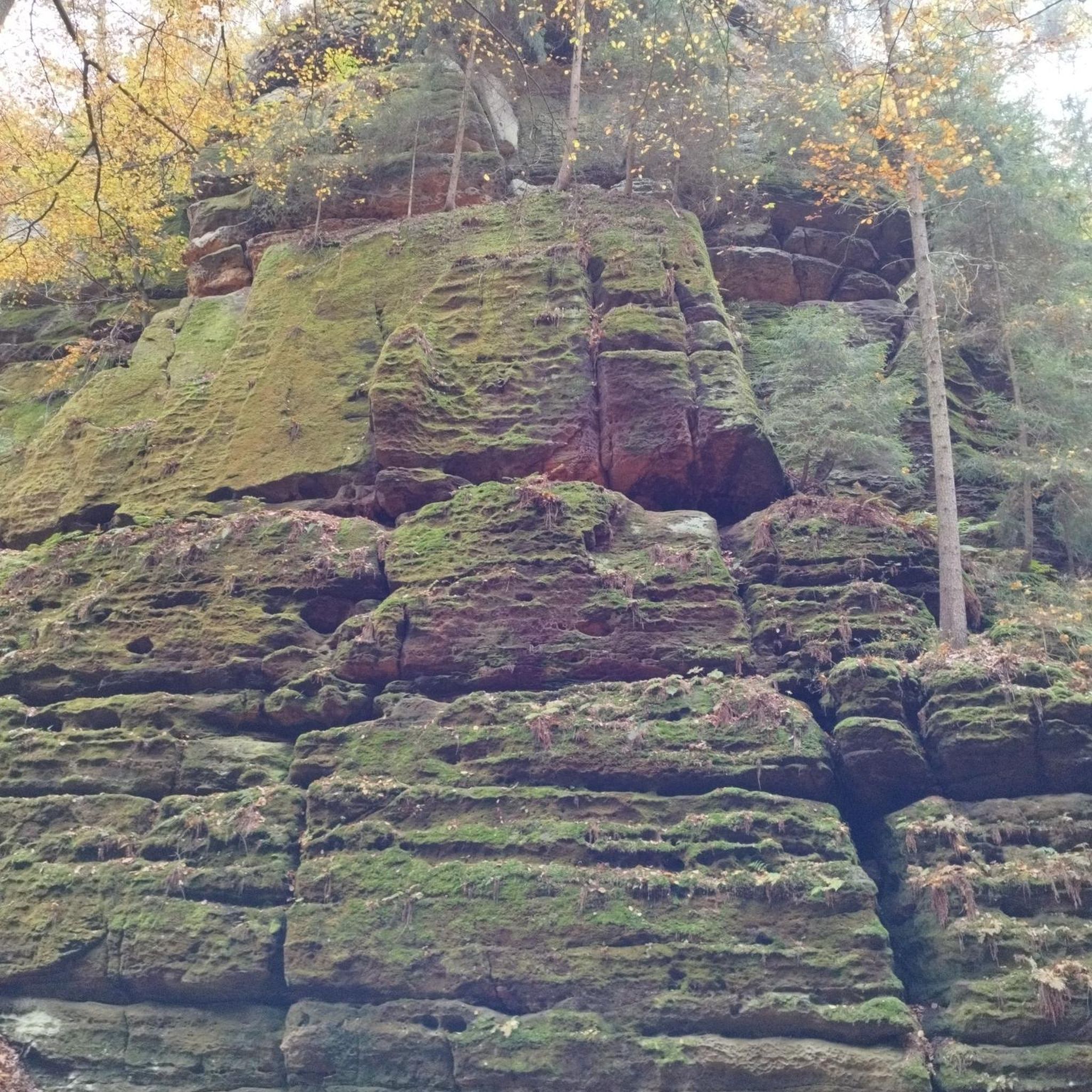
Gravel biking around Semmering
Running Trails around Semmering


Tips from the Community

Around 1130, an Ortolfus de Clamma was mentioned in a document. In 1339, Hermann II. von Klamm-Pitten sold the castle to Dukes Albrecht, Friedrich, Leopold, and Otto. The castle was probably in the possession of the von Rappach family (noble family) until the beginning of the 15th century.
2
0
The original structure dates back to the 12th century and comprised only a keep, a palace, a chapel, and a small courtyard. In the middle of the 13th century, the complex was first expanded. The first lords of the castle were Hermannus de Wartenstein, who is first mentioned in a document around 1190, and the ministerialis Chunradus de Wartenstaine, who is mentioned in a document from the year 1220. In 1287, Heinrich von Stubenberg acquired the castle. He was followed as owner by Erchengerus de Wartenstein.
1
0
In 1094, the Benedictine monastery of Vornbach was elevated to an abbey. To the east, the donation of territories in the Neunkirchen-Pitten-Gloggnitz area to the Benedictines enabled the founding of a Vornbach filial monastery in Gloggnitz. After the completion of the new Christ the King Church (1962) near the town center, the monastery church became the former parish church.
2
0
Reichenau Castle in Reichenau an der Rax was first mentioned in a document in 1256. Today it is used for exhibitions, concerts, and seminars.
1
0

Wartenstein Castle sits majestically overlooking the Schwarza Valley. This historic complex has shaped the landscape on the edge of the Rax region for centuries. From here, breathtaking views of the surrounding mountains and valleys unfold.
6
0
Gloggnitz Castle has shaped the townscape of Gloggnitz for centuries. The former Benedictine abbey impresses visitors with its historic courtyard and tranquil location on the edge of the town center. Today, the castle serves as a cultural and event venue, blending history with vibrant community life.
6
0

Nice fortress but the highlight was stolen by the cows. Go to say hello.
0
0

Beautiful, well-preserved castle with castle café
2
0
Frequently Asked Questions
Which castles around Semmering are most popular with visitors?
Among the castles around Semmering, Kranichberg Castle is highly popular, known for its imposing structure and historical significance. Ruins of Klamm Castle, an early 12th-century fortress, and Schloss Gloggnitz, a former Benedictine monastery, are also frequently visited and appreciated by the komoot community.
Are there family-friendly castles to visit in the Semmering region?
Yes, Schloss Gloggnitz is considered family-friendly, offering a restaurant, a museum in its church, and hosting various events. Its historical courtyard and tranquil park are freely accessible year-round. Reichenau an der Rax Castle also hosts exhibitions and can be booked for events, making it suitable for families.
What historical insights can I gain from visiting castles around Semmering?
The castles offer a deep dive into the region's history. Schloss Gloggnitz, a former Benedictine monastery dating back to 1094, showcases Baroque and Gothic architecture. Ruins of Klamm Castle, an early 12th-century fortress, tells tales of robber barons and sieges. Kranichberg Castle served as a summer residence for the Archdiocese of Vienna for nearly 200 years. Additionally, Schloss Rothschild and Schloss Wartholz in Reichenau an der Rax provide insights into 19th-century aristocratic life and imperial history.
Can I explore the castles from the inside, or are they mostly exterior views?
It varies by castle. Schloss Gloggnitz offers access to its restaurant, museum, and event spaces. Reichenau an der Rax Castle has a small exhibition to visit and can be booked for events. However, Ruins of Klamm Castle is on private property and can only be viewed from a distance, and Wartenstein Castle is privately owned and viewable only from the outside.
Are there any castles with good viewpoints or scenic surroundings?
Many castles in the Semmering region are situated to offer scenic views. Wartenstein Castle, for instance, sits majestically overlooking the Schwarza Valley, providing breathtaking views of the surrounding mountains. The Silbererschlössl, known as the 'Small Neuschwanstein on Semmering,' offers panoramic views of the entire Semmering landscape from its elevated position on the Pinkenkogel.
What kind of outdoor activities can I do near the castles around Semmering?
The Semmering region offers a variety of outdoor activities. You can find numerous hiking trails, including moderate loops like the 'Little 20‑Schilling Viewpoint – Kalte Rinne Viaduct loop'. For cyclists, there are challenging road cycling routes, such as the 'Kalte Rinne Viaduct – Semmering Bend loop'. There are also running trails for those who enjoy jogging through nature.
Are there any castles that host cultural events or have restaurants?
Yes, Schloss Gloggnitz is a vibrant cultural and event venue, hosting medieval festivals and functioning as a popular wedding location. It also features a castle restaurant and confectionery. Schloss Wartholz houses a literary salon that continues to host cultural events and has a café. Schloss Rothschild is also utilized for cultural and official events.
What is the best way to reach Schloss Gloggnitz?
Schloss Gloggnitz is best reached by car via the S6 highway, taking the Gloggnitz exit. Its tranquil location on the edge of the town center makes it easily accessible.
Are there any castles that are particularly well-preserved or have unique architectural styles?
The region boasts diverse architectural styles. Schloss Gloggnitz is an impressive blend of Baroque architecture and Gothic elements. Schloss Rothschild in Reichenau an der Rax is a notable Neo-Louis XIII style manor house with distinct architectural features, including a multifaceted facade and half-timbering. The Silbererschlössl, built in 1894, is a picturesque villa in Neo-Gothic style, often called the 'Small Neuschwanstein on Semmering'.
What do visitors particularly enjoy about the castles around Semmering?
Visitors appreciate the historical significance and diverse landscapes surrounding the castles. The komoot community has given the castles 95 upvotes and shared 59 photos, highlighting their appeal. Many enjoy the blend of historical architecture with natural beauty, and the opportunities for cultural events and outdoor activities nearby.
Is it possible to visit castles in the Semmering region during winter?
While specific opening hours may vary by castle, the region's castles can be visited in winter. The historical courtyards and parks, such as those at Schloss Gloggnitz, are often freely accessible year-round. Burg Kranichberg, for example, offers a quiet environment for walks, especially in late autumn, suggesting its grounds are accessible during colder months. It's advisable to check individual castle websites for winter operating hours and event schedules.
Most popular routes around Semmering
Most popular attractions around Semmering

Get inspired with the komoot mobile app


Explore more
Looking for the best castles somewhere else? Discover other guides around Semmering:
