Top 15 Caves around Semriach
Best caves around Semriach, a market town north of Graz, Austria, is known for its cave systems and natural attractions. The region features a diverse geography, including karst areas and gorges, which contribute to its underground formations. This area offers a range of experiences from large dripstone caves to historically significant sites.
Best caves around Semriach
- The most popular caves is Drachenhöhle Mixnitz, a cave that offers a challenging climb to its entrance. Visitors can explore approximately 500 meters into the cave, reaching a cave book.
- Another must-see spot is Lurgrotte Cave Entrance, an active water cave and natural monument. It is Austria's largest stalactite cave, with the Lurbach stream flowing through it, and offers adventure tours.
- Visitors also love Katerloch, a cave known for its extensive stalactite formations. This show cave features halls like "Fantasy Hall" with around 4,000 large stalactite structures, accessible via a path of about 1 kilometer.
- Semriach is known for dripstone caves, active water caves, and archaeological cave sites. The variety of caves in the region provides opportunities for exploration, from guided tours to more challenging adventure routes.
- The caves around Semriach are appreciated by the komoot community, with 88 upvotes and 49 photos shared by users.
Last updated: June 24, 2026
Drachenhöhle Mixnitz
Highlight • Cave
The Röthlstein rises above the cave, there is a beautiful view of the Murtal and numerous stone blocks line the path. Please don't make any noise here either, otherwise they will be gone before you see them. Another tip... in spring beautiful snowdrops bloom in the area around the cave.
Translated by Google •
Tip by

Katerloch
Highlight • Cave
An imposing cave portal leads to the inwardly sloping entrance hall with mighty mossy sinter columns overgrown with algae. In the 120 meter long and up to 85 meter wide “Fantasy Hall” there is a veritable jungle of around 4,000 large stalactite structures. From here you can reach the “Magic Kingdom” and the “Sea Paradise”. At the lowest point, alabaster-white stalagmites and sinter islands grow up from the shimmering turquoise-green water surface, framed by magnificent bank walls.
Opening hours: From April to November by prior arrangement by telephone (+43 664 48 53 420).
Admission: 20 euros per person, minimum number of 9 people, an additional charge applies for fewer people. The tour lasts about two hours.
More information on the website: katerloch.at.
Translated by Google •
Tip by

Sign up now to discover places like this
Get recommendations on the best single tracks, peaks, & plenty of other exciting outdoor places.
Sign up for free
Lurgrotte Cave Entrance
Highlight • Cave
lurgrotte.at
Source: Wikipedia
Translated by Google •
Tip by

Jägersteig, Weiz Gorge
Highlight (Segment) • Gorge
Translated by Google •
Tip by

View of the Drachenhöhle and the surrounding mountains
Highlight • Viewpoint
Translated by Google •
Tip by

Sign up for free to discover even more caves around Semriach.
Sign up for free
Already have an account?
Start today with a free account
Your next adventure awaits.
Login or Signup
Popular around Semriach
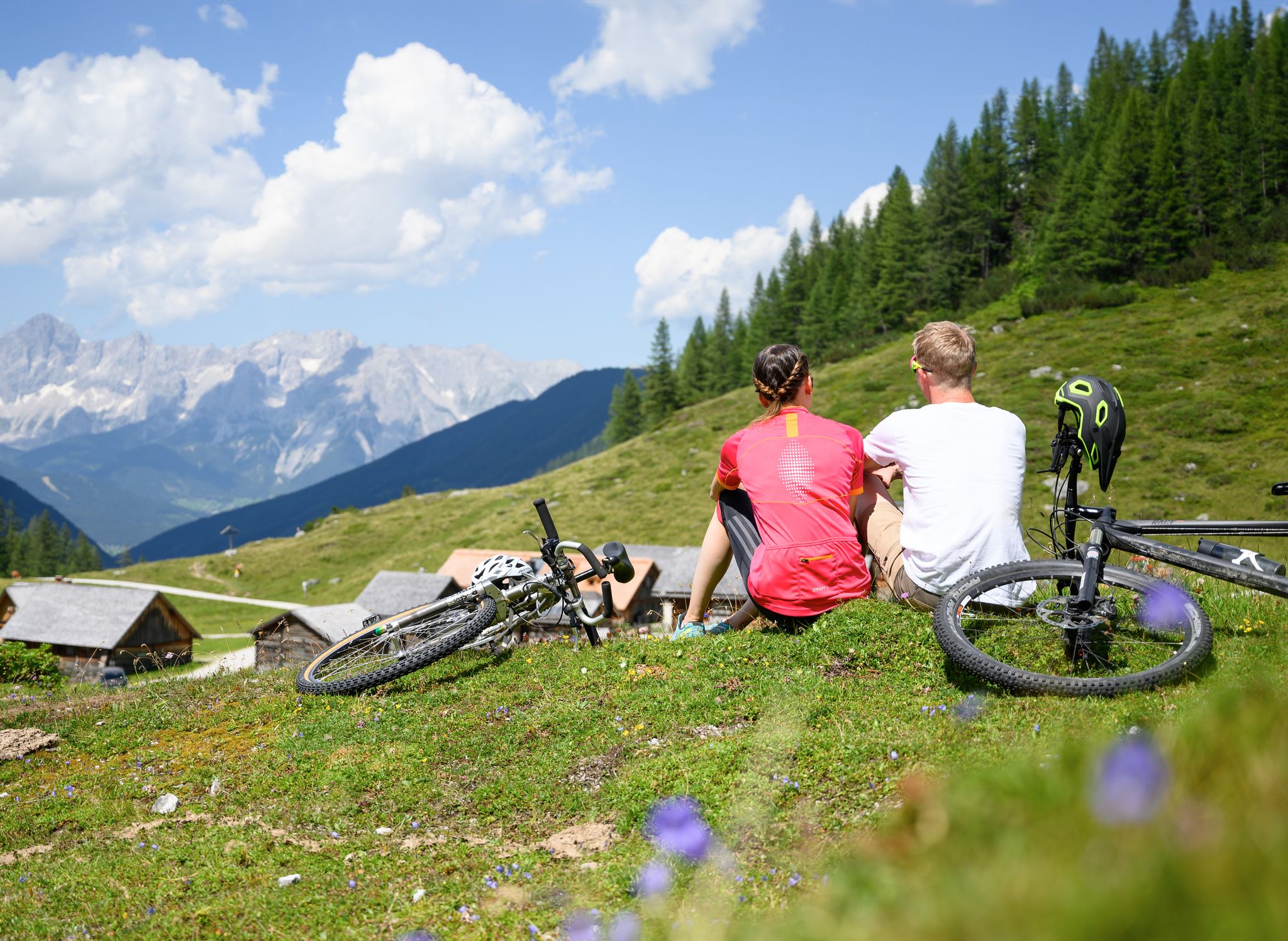
Magnificent mountain biking on Austria's alpine pastures
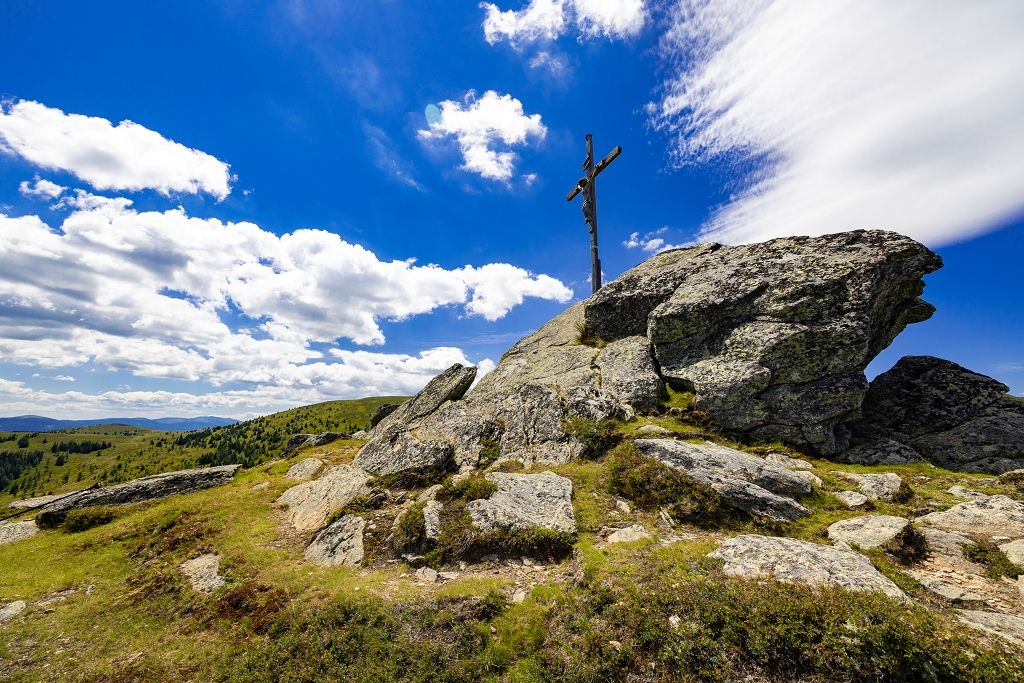
From the city to the countryside in ten minutes – hiking around Graz
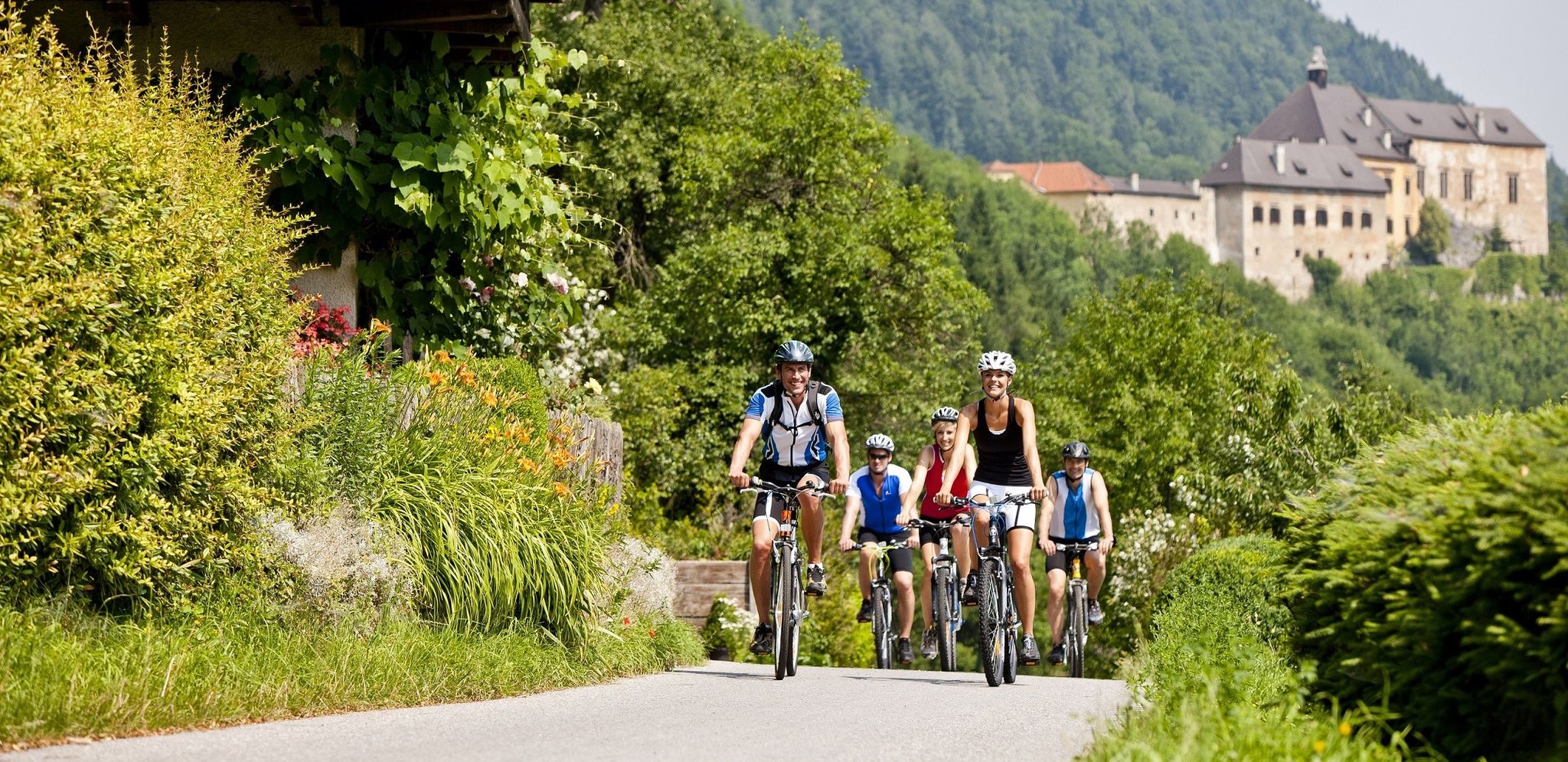
Have fun on two wheels – cycling in Austria’s Graz Adventure Region
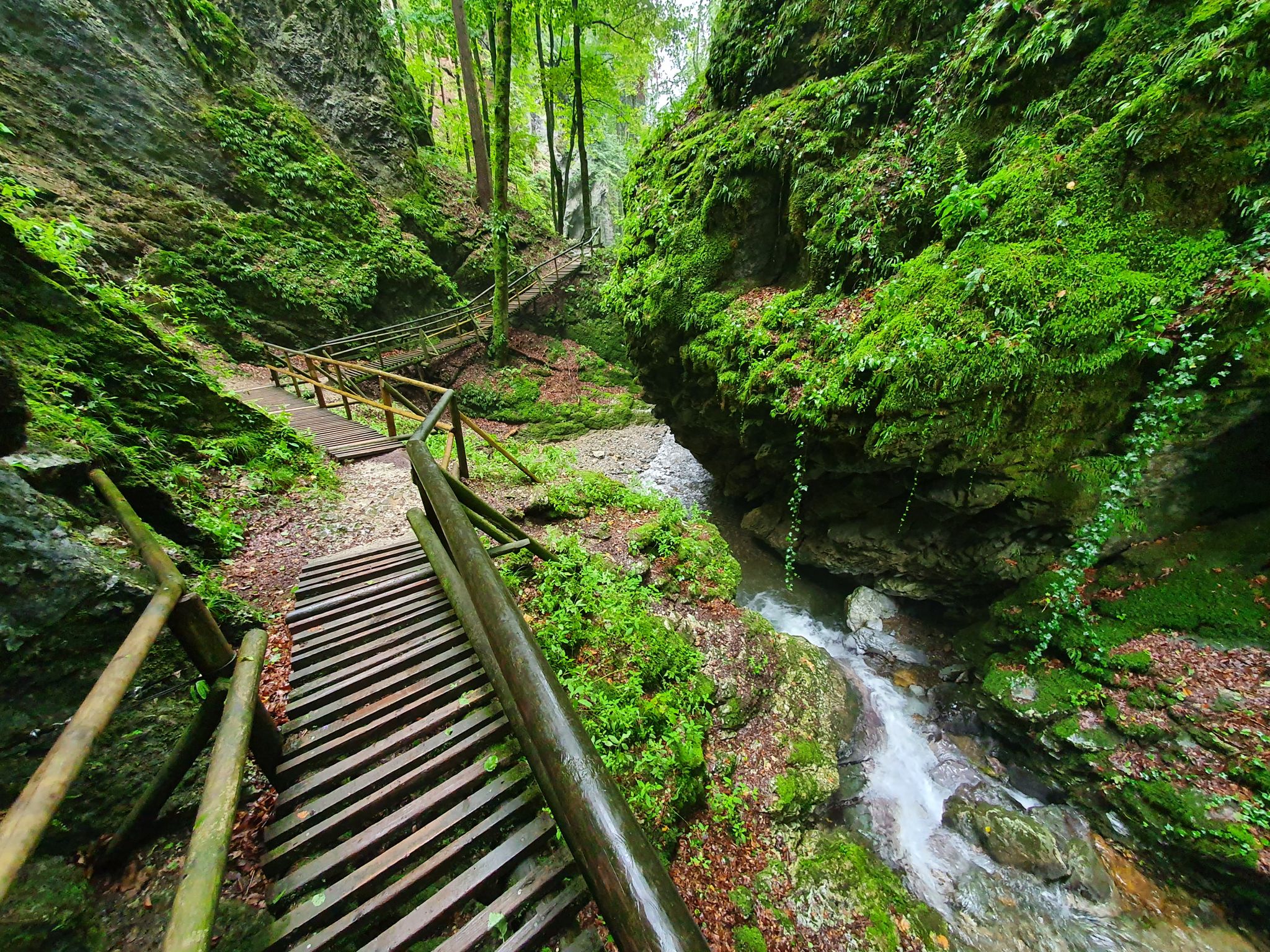
The most beautiful gorges in eastern Austria
Hiking around Semriach
Road Cycling Routes around Semriach
Running Trails around Semriach
Cycling around Semriach

Mountain Hikes around Semriach
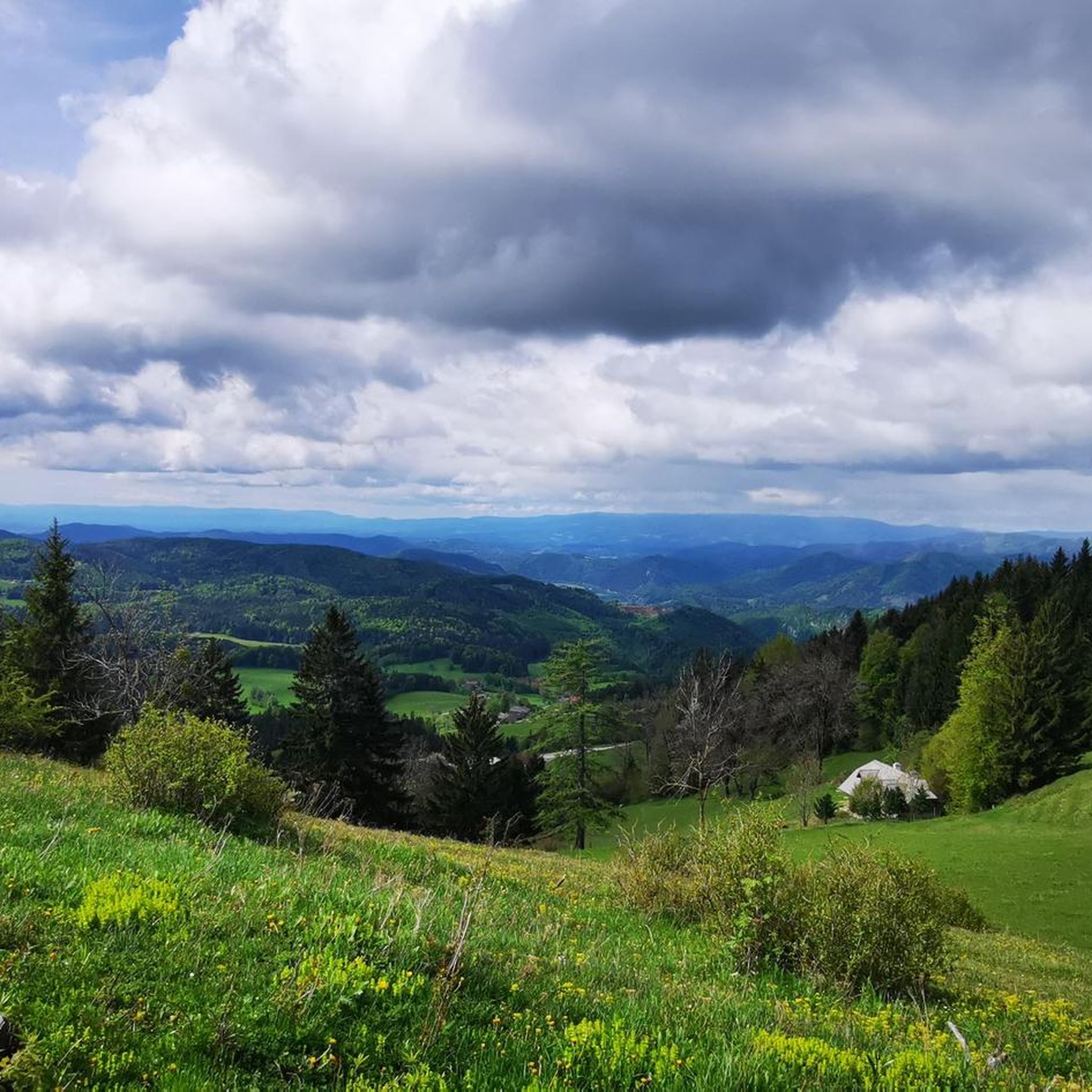
MTB Trails around Semriach
Other adventures around Semriach


Tips from the Community


Very varied trail, a few caves, deep views, mostly rather uneven - surefootedness is a must. Publicly accessible by bus: Naas Felsenkeller stop Public transport tour report: https://www.bahn-zum-berg.at/randgebirge-oest-der-mur/jaegersteig-weizklamm/
0
0
The dragon cave or entrance is overwhelming. I have perhaps never seen such a large cave entrance. Entry is only permitted during guided tours. Maybe that will happen one day.
0
1


Great views and wonderful cave, if you have acrophobia like myself, I would not recommend it at all, and would strongly advise you to not keep going up (believe or not the way you came up is the easiest way down), only pure fear and terror awaits if you go up and around the back to get down :)
0
0

Challenging but beautiful climb, well marked. Sure-footedness is an advantage, and you should also not be afraid of heights. Chamois can be seen just as much as ibexes
0
1
The path from car park P7 to the Drachenhöhle is steep, requires surefootedness and is not necessarily for people who are afraid of heights, but the path is very well marked. From then on, the path, which is not clearly visible, is not really marked. The blue dots on the trees or blue-yellow lines on the trees also help. The path is sometimes very steep. When you arrive at the summit, there is only a small "viewing platform" without a summit cross. A possibly provisional one is there along the way, but hardly any view of the surrounding area. Now does not make climbing the summit so attractive as such. The way back is the same for a short time up to a fence, but then the way becomes much easier to go because the ways are wider. Facit: I find this round well suited for athletic motivation, but if you want to enjoy it, this is not the right mountain.
1
1
Frequently Asked Questions
What makes the Lurgrotte cave a significant natural attraction near Semriach?
The Lurgrotte is Austria's largest stalactite cave and an active water cave, featuring impressive formations like the 40-ton 'Giant' stalactite and the colossal Great Dome. It also offers adventure tours. You can find more information about its entrance here: Lurgrotte Cave Entrance.
Are there any family-friendly outdoor experiences that include a cave near Semriach?
Yes, the Kesselfall Gorge offers a scenic hike that includes passing a cave along its circular trail. It's a well-secured path over footbridges and ladders, suitable for families, though not recommended for very small children or strollers. You can learn more about the gorge here: Kesselfallklamm Gorge.
What kind of geological formations can I expect to see in the caves around Semriach?
The region is known for its impressive dripstone caves. You can marvel at a rich variety of stalactites and stalagmites, with some formations bearing imaginative names like 'Prince' and 'Grand Candlestick' in caves like the Lurgrotte. The Katerloch, for example, is renowned for its extensive stalactite formations, including the 'Fantasy Hall' with around 4,000 large structures.
Are there any historically or archaeologically significant caves in the Semriach area?
Yes, the Badlhöhle, though not publicly accessible, is an important archaeological site where excavations have yielded bones and human-worked bone artifacts. The Lurgrotte also has historical significance, with archaeological finds indicating that cave bears and Neanderthals sought shelter in its outer parts around 50,000 years ago.
What is the best time to visit the caves around Semriach?
The Lurgrotte maintains a constant temperature of +10°C and high humidity year-round, making it a viable visit in any season. Some caves, like the Katerloch, are typically open from April to November by prior arrangement. Adventure tours in the Lurgrotte are also available in winter.
What should I wear when visiting caves in the Semriach region?
Given the constant cool temperatures (around +10°C) and high humidity inside the caves, it's advisable to wear warm clothing, even in summer. Sturdy, non-slip footwear is also recommended for navigating potentially damp or uneven cave paths.
Are there challenging cave experiences available for more adventurous visitors?
Yes, for those seeking a more challenging experience, the Lurgrotte offers adventure tours, particularly in winter. These tours involve crawling and wading through water in undeveloped parts of the cave. Additionally, the Drachenhöhle Mixnitz requires a challenging climb to its entrance and allows exploration up to 500 meters inside.
What outdoor activities can I combine with a visit to the caves around Semriach?
The Semriach area offers various outdoor activities. You can find numerous hiking trails, such as those around the Kesselfall Gorge, or explore gravel biking and mountain biking routes. For more details on routes, you can check out the guides for Hiking around Semriach, Gravel biking around Semriach, and MTB Trails around Semriach.
Can I explore the caves on my own, or are guided tours required?
Many of the major caves, such as the Lurgrotte and Katerloch, primarily offer guided tours to ensure visitor safety and protect the delicate cave environment. For instance, the Katerloch requires prior arrangement for visits. Some outer parts or less developed caves might be accessible independently, but it's always best to check specific cave regulations.
What unique natural features are found in the Semriach region beyond the caves?
Beyond the impressive cave systems, the Semriach region is characterized by its diverse geography, including karst areas and gorges like the Kesselfallklamm. These features contribute to the area's natural beauty, offering scenic hikes through cascading waterfalls and unique rock formations such as the 'Stone Gate' in the Kesselfall Gorge.
Are there any specific tips for visiting the Drachenhöhle Mixnitz?
The Drachenhöhle Mixnitz involves a challenging climb to its entrance. Visitors are advised to bring a headlamp for exploring the cave, as torches are not recommended due to bats. The path inside leads about 500 meters to a cave book, marking the end for most hikers. The area also offers beautiful views of the Murtal.
Most popular routes around Semriach
Most popular attractions around Semriach

Get inspired with the komoot mobile app


Explore more
Extend your search for the best caves by checking out these guides of the top ones around Semriach:
