Top 20 Lakes around Disentis/Mustér
Best lakes around Disentis/Mustér offer diverse experiences in a region known for its natural beauty. This area, situated in the Swiss Alps, features a landscape of jagged peaks and numerous mountain lakes. Disentis/Mustér is a destination for those seeking outdoor activities, with opportunities for hiking and enjoying clear waters. The region provides a variety of natural features, from high-altitude reservoirs to accessible bathing lakes.
Best lakes around Disentis/Mustér
- The most popular lakes is Muttsee Reservoir, a lake that is…
Last updated: September 28, 2026
Oberalp Pass
Highlight • Mountain Pass
Translated by Google •
Tip by

Lake Oberalp
Highlight • Lake
Translated by Google •
Tip by

Sign up now to discover places like this
Get recommendations on the best single tracks, peaks, & plenty of other exciting outdoor places.
Ochsenstäfeli
Highlight • Lake
Translated by Google •
Tip by

Griesslisee
Highlight • Lake
Claridensee: The secret glacier lake on the Klausenpass at 2098 m
Glacier lake at the foot of the Clariden north face and the rock formation “Tyyfelsfriedhof”.
Translated by Google •
Tip by

Lag Serein
Highlight • Lake
Translated by Google •
Tip by

Sign up for free to discover even more lakes around Disentis/Mustér.
Already have an account?
Start today with a free account
Your next adventure awaits.
Popular around Disentis/Mustér
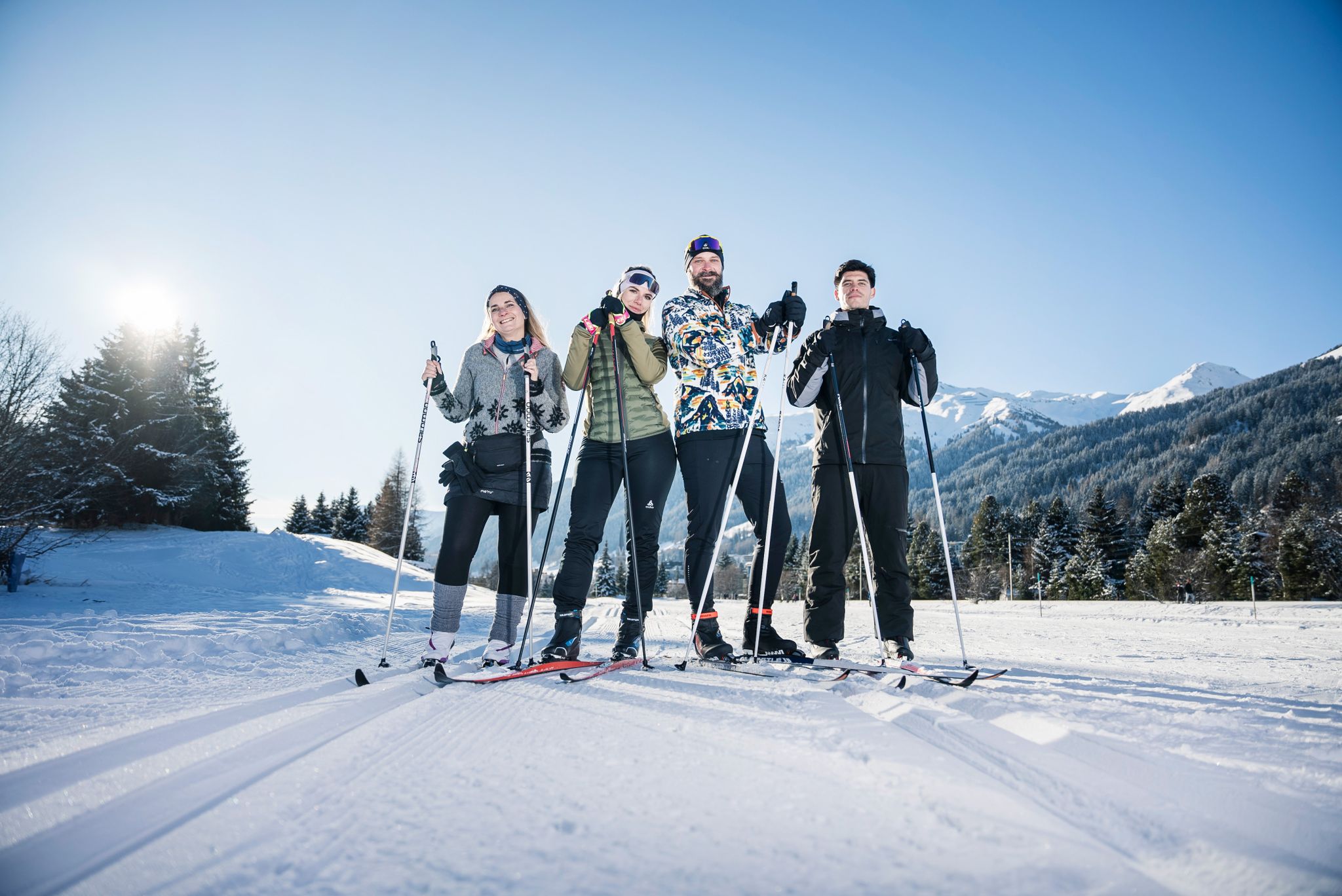
«Everyone runs long»: Cross-country ski trail tips from Graubünden
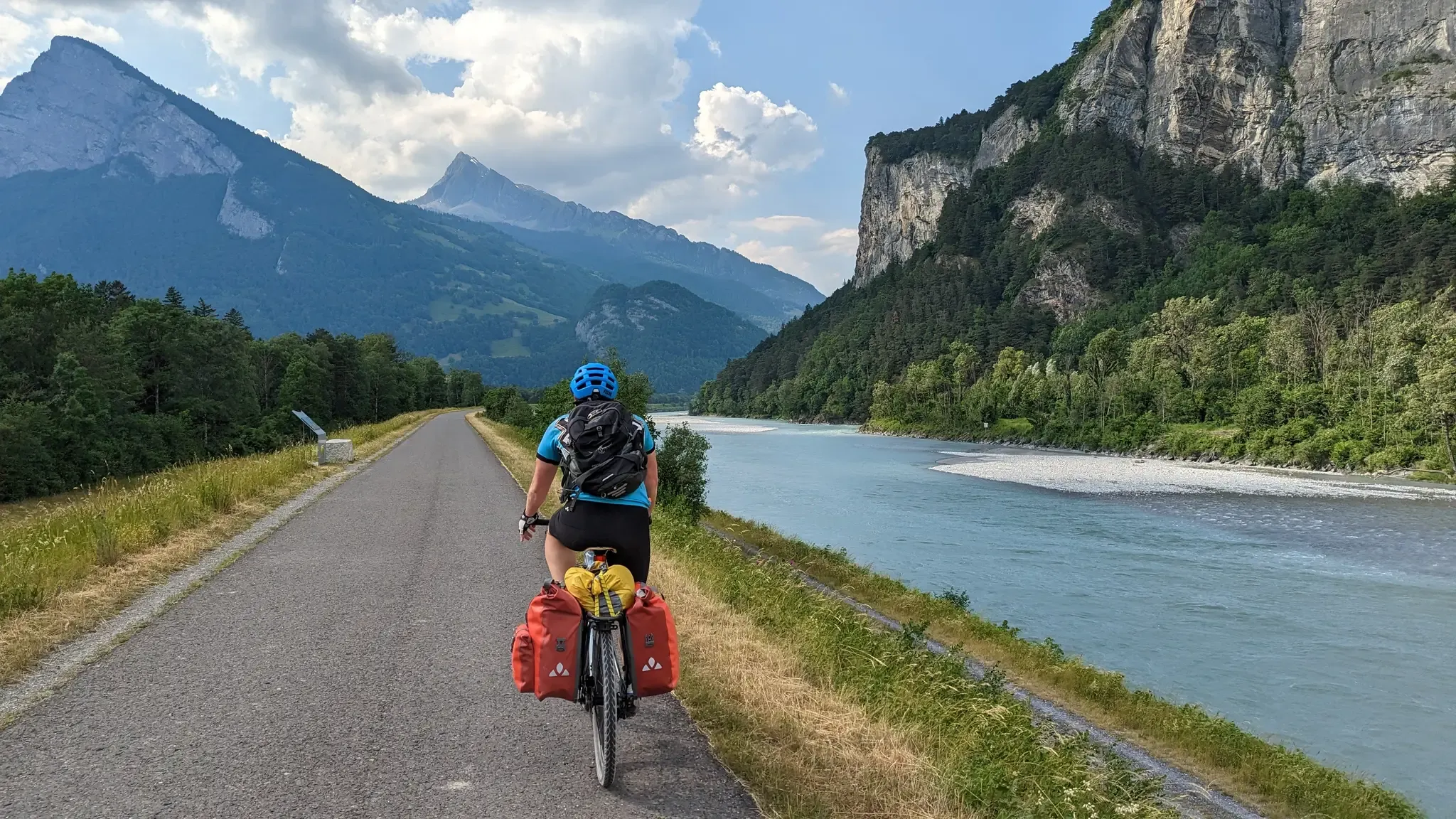
The Rhine Cycle Path — From the source to the North Sea
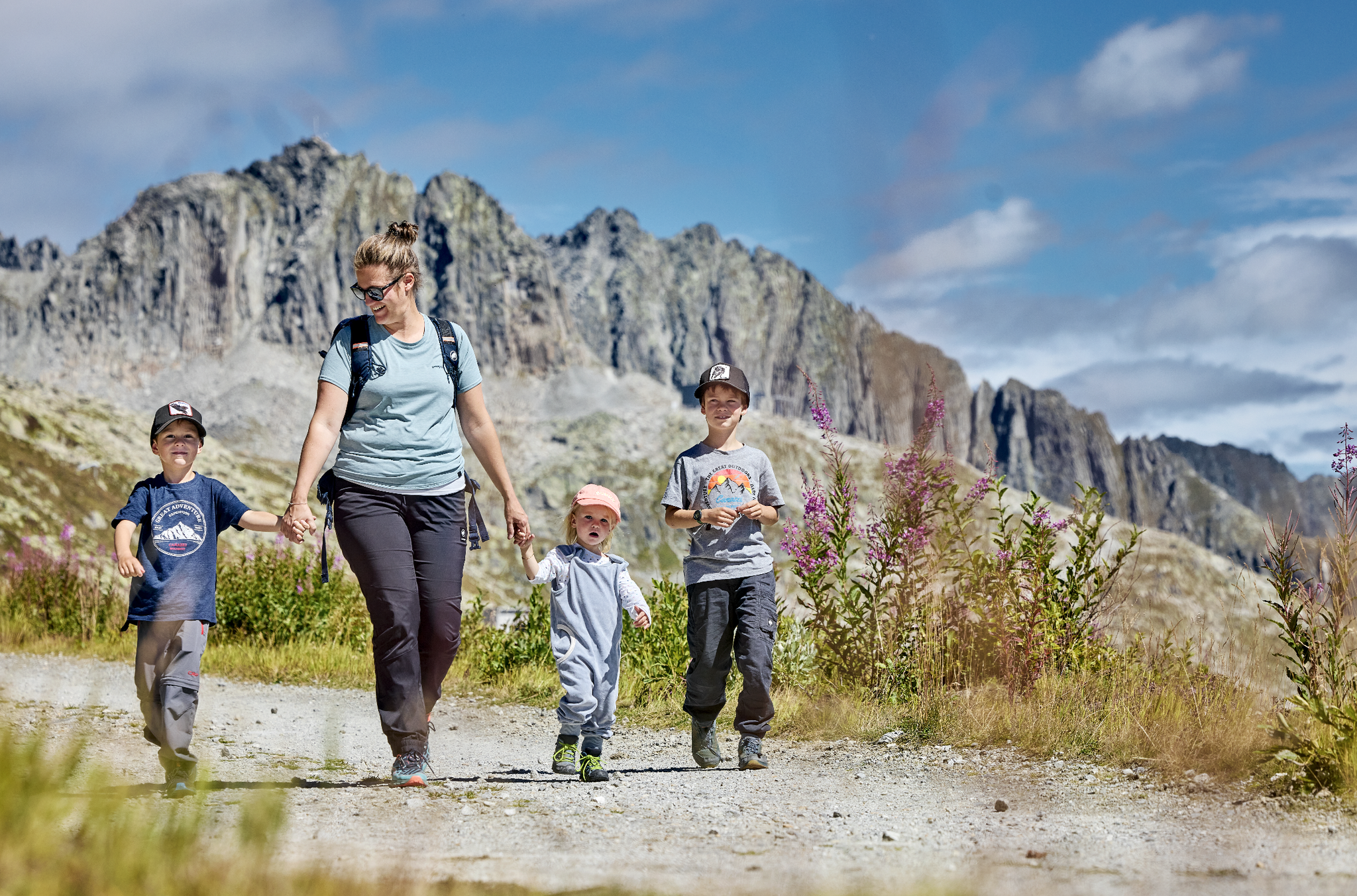
Mountain Playground – family adventures in Andermatt-Sedrun-Disentis
Mountain Playground – family adventures in Andermatt-Sedrun-Disentis
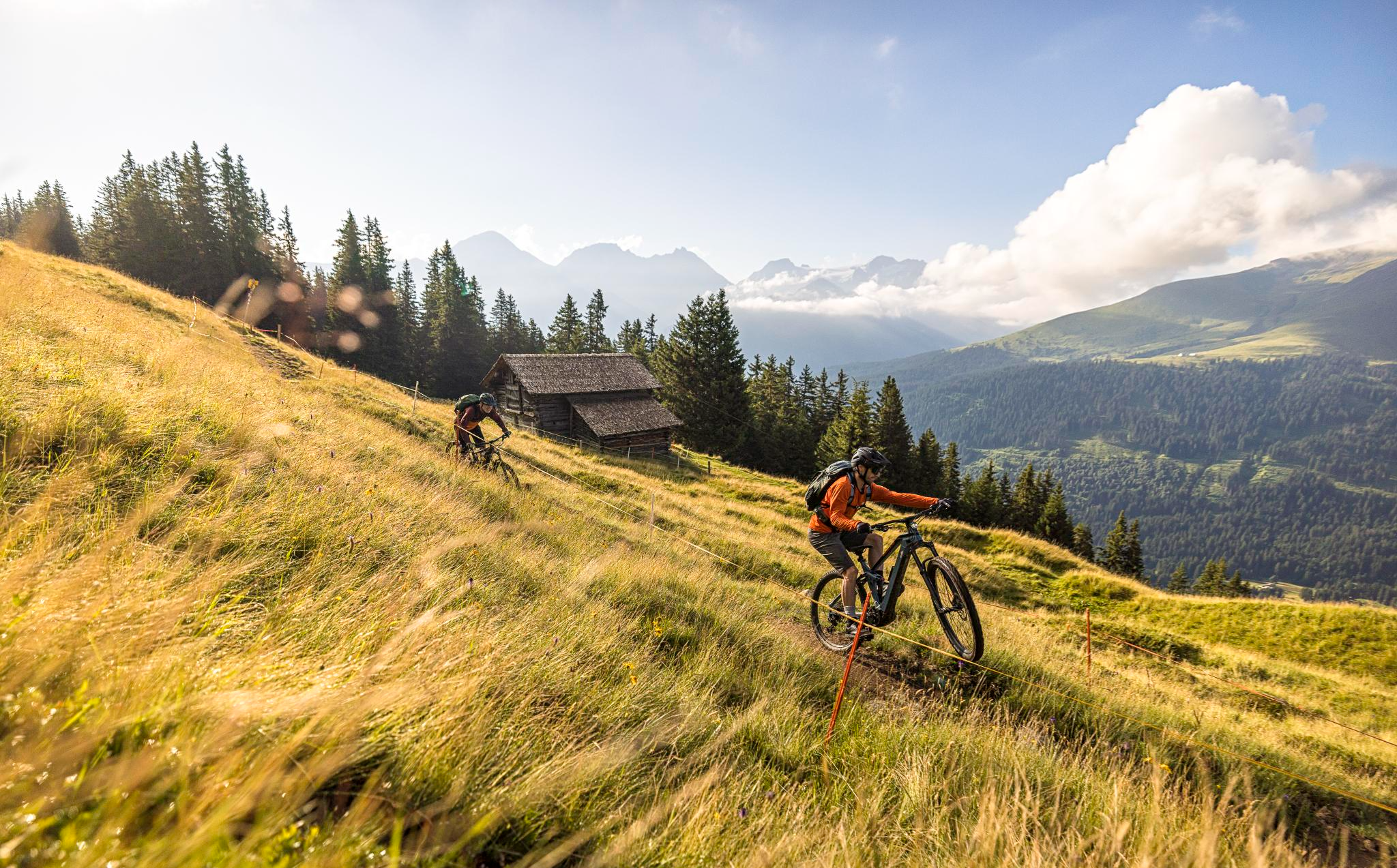
Flowy MTB trails with wonderful views – the best of Disentis Sedrun
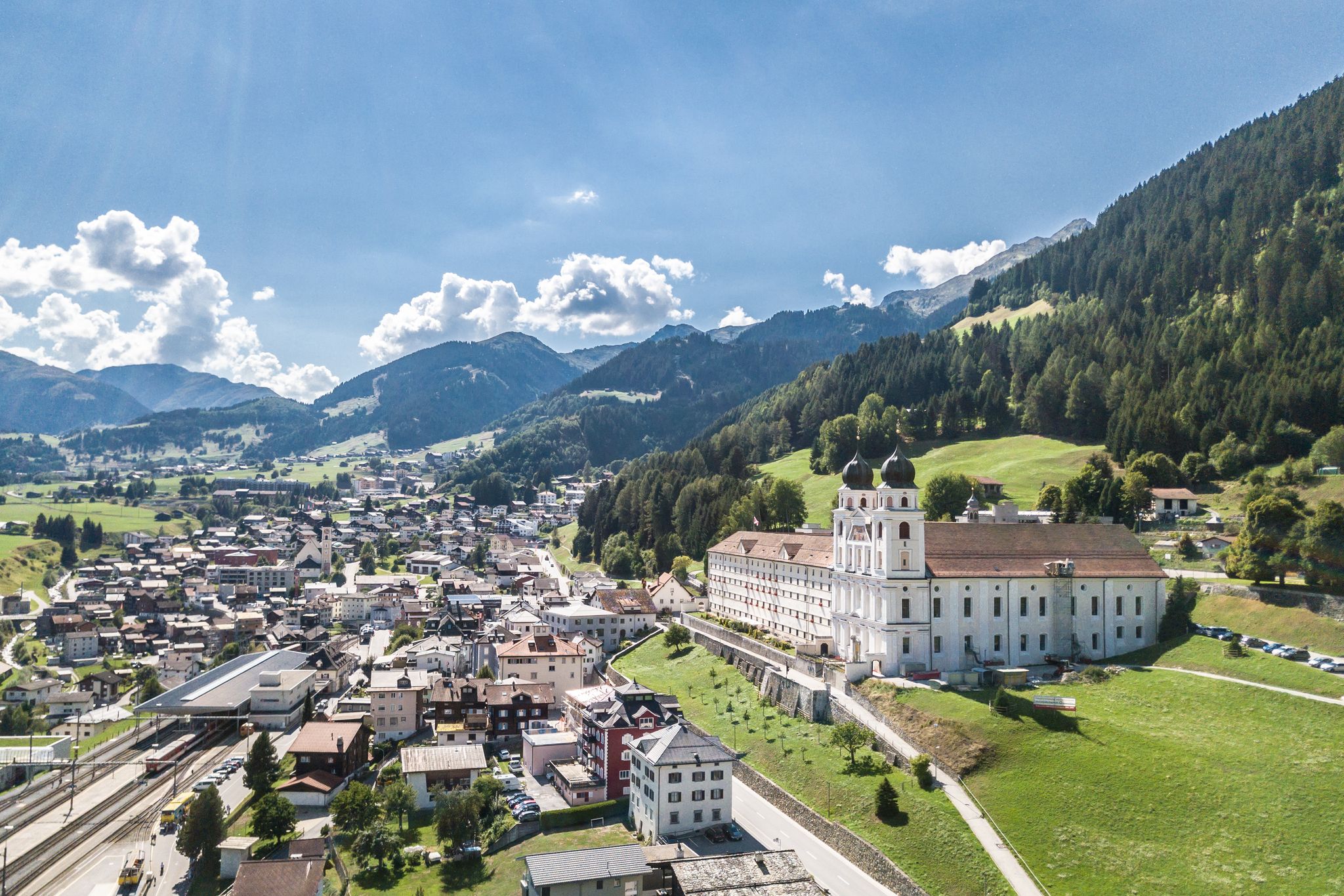
Between water, rock and forest - Grischun Cultura Surselva
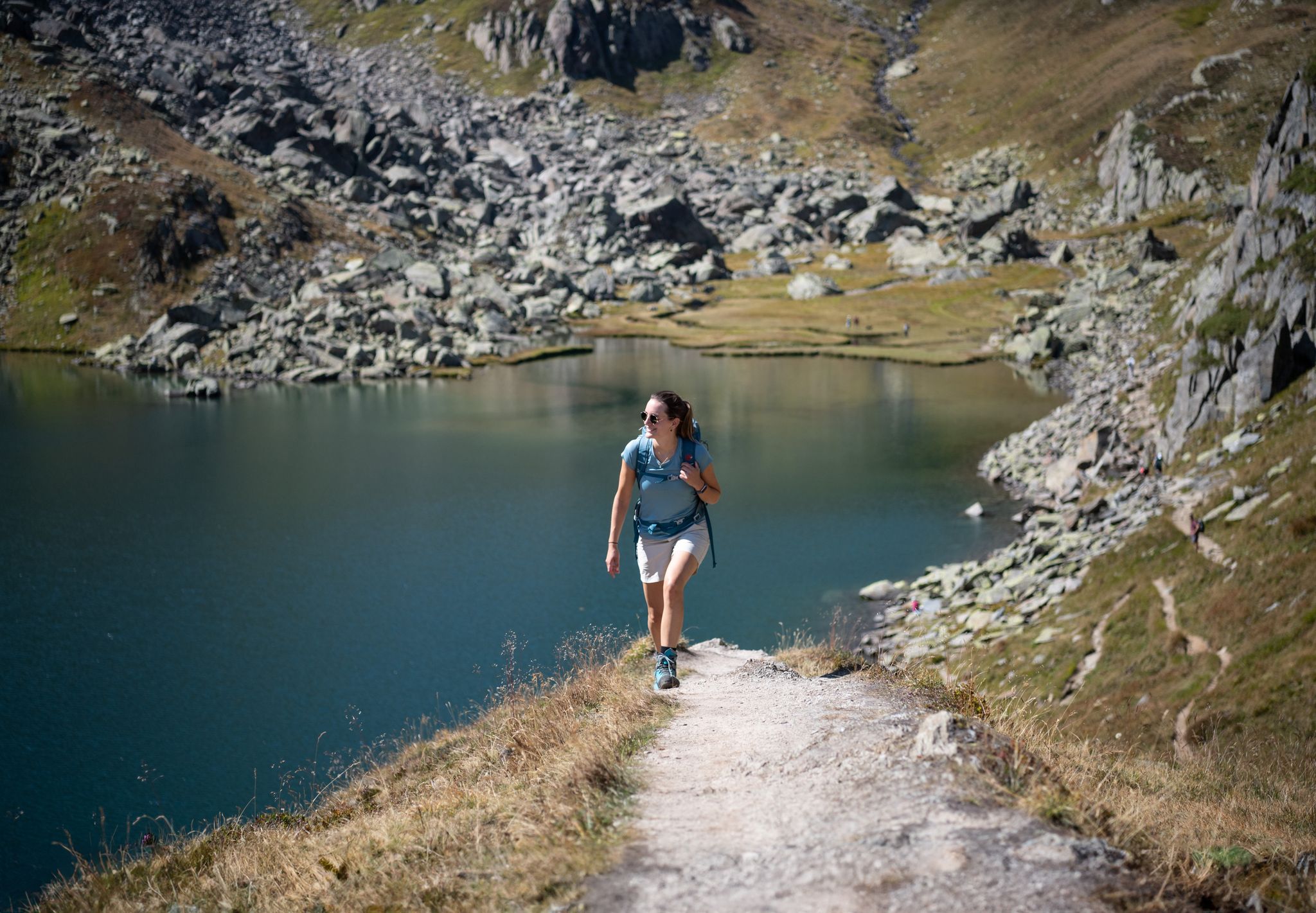
Varied hikes around the source of the mighty Rhine
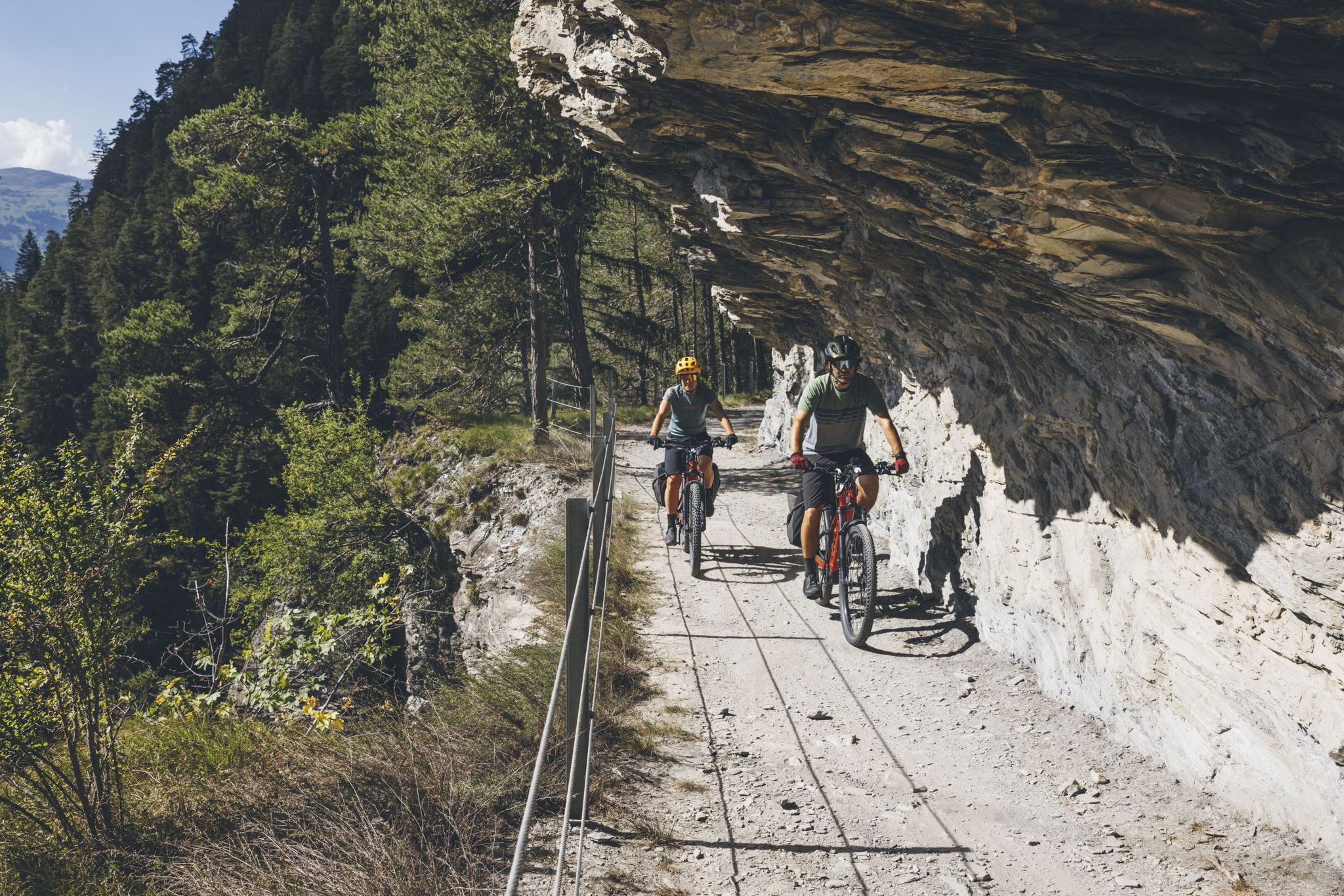
Experience the great adventure of the Glacier Bike Tour
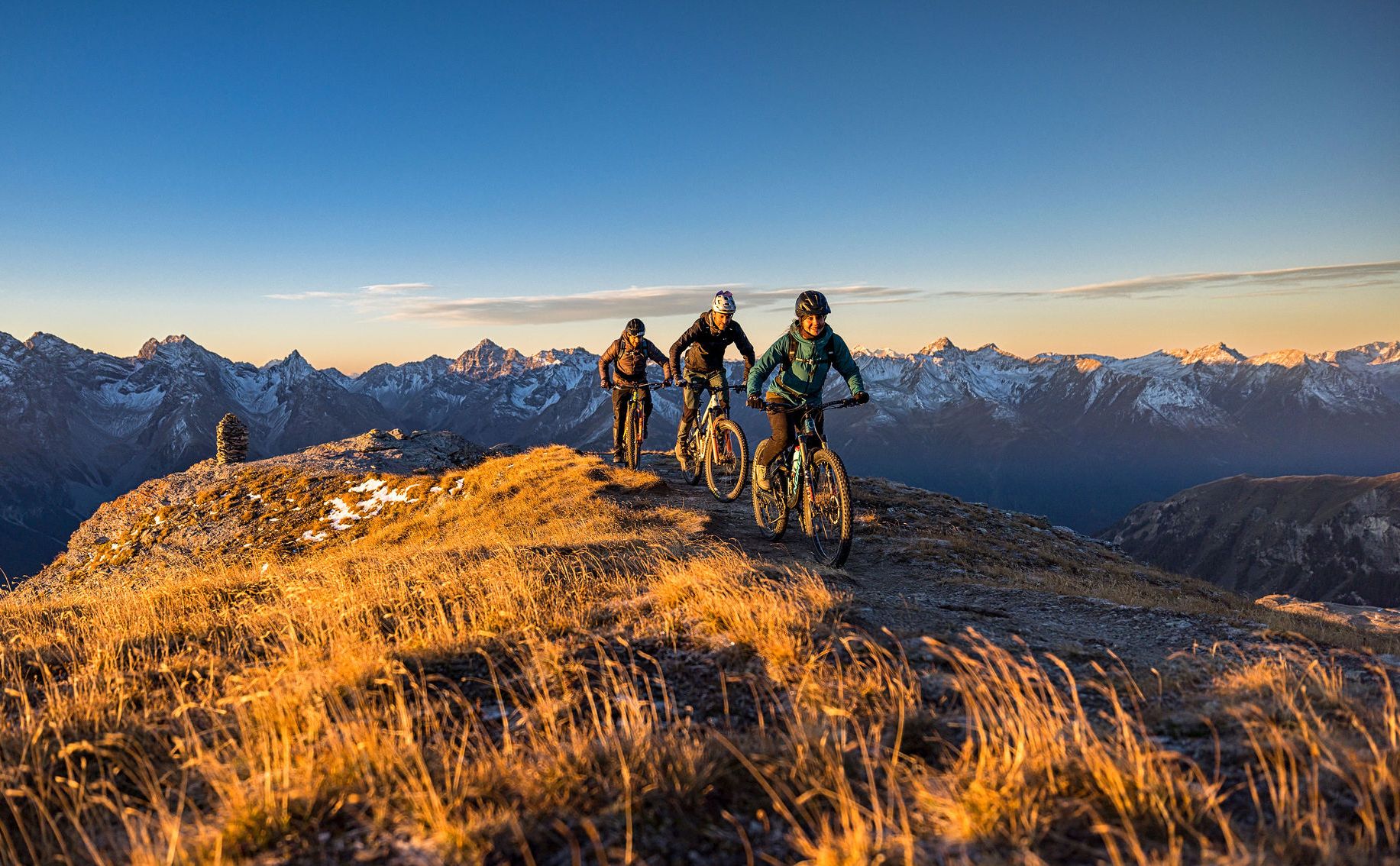
These 5 enduro bike tours will make you happy
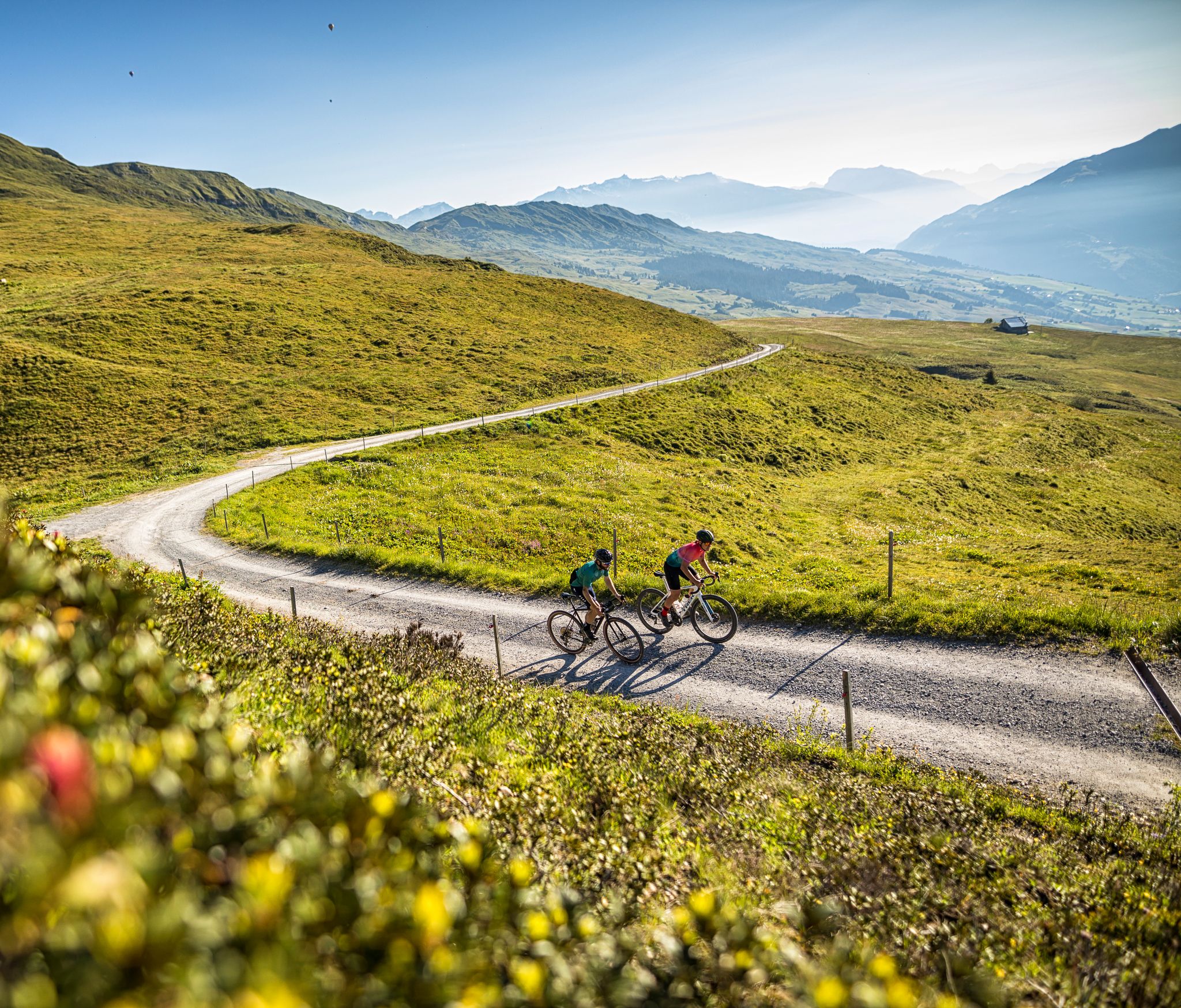
The six most beautiful gravel routes in Graubünden
Other adventures around Disentis/Mustér


Tips from the Community


We were here today 6/8/2026, at 12 o'clock, completely alone. Didn't meet anyone along the way. Magically beautiful. Delicious food and drinks at the Stalla mountain hut. Cash only.
1
0

The Oberalpsee is located at an altitude of 2,028 meters directly on the Oberalp Pass between Uri and Graubünden. The clear mountain lake is the source of the Vorderrhein and a popular destination for hikers. Surrounded by alpine landscape, it invites you to linger, take photos, and enjoy the impressive mountain scenery.
7
0


Cold lake great for cooling feet and a great place to take a break with a view of the glacier and the mountains
1
0

Griessseeli is always beautiful. This time it wasn't frozen. The colors were more grayish. They change with the seasons.
1
0

The Muttsee (formerly Mutten See, Muttensee) is a reservoir on the Muttenalp in the southernmost part of the municipality of Glarus South in the canton of Glarus in Switzerland.
2
0
In 1957, the newly founded Kraftwerke Linth-Limmern AG (KLL) began to realize the power plants that had been planned since the beginning of the 1940s by the Nordostschweizerische Kraftwerke (NOK), into which the Muttensee was to be integrated.
2
0
Frequently Asked Questions
What are some popular lakes to visit around Disentis/Mustér?
The region offers a variety of captivating lakes. Visitors frequently enjoy the Muttsee Reservoir, known as Switzerland's highest reservoir with its impressive 1054-meter dam wall. Another favorite is Lag Serein, praised for its clear, pure water and picturesque setting. Lake Oberalp, located at Oberalp Pass, is also a popular choice and serves as a starting point for hikes.
Are there family-friendly lakes around Disentis/Mustér?
Yes, several lakes are ideal for families. Bathing Lake Fontanivas, located directly in Disentis, features a water playground and surrounding meadows for relaxation. Lag da Claus in Sedrun-Surrein also offers a sandy beach for children and wooden loungers for parents, making it a great spot for a family outing.
Can I go swimming in the lakes around Disentis/Mustér?
Absolutely. Bathing Lake Fontanivas and Lag da Claus Sedrun are natural bathing lakes perfect for a refreshing dip, with water temperatures typically below 20 degrees Celsius in summer. For the more adventurous, Lag Serein is known for its cold, clear water, attracting those who enjoy a brisk swim.
What kind of natural features can I expect to see at the lakes?
The lakes around Disentis/Mustér offer diverse natural beauty. You'll find high-alpine settings with jagged peaks reflecting in still waters, as seen at Lake Oberalp. Glacier lakes like Griesslisee provide dramatic scenery at the foot of the Clariden north face. Lag da Claus Sedrun, depending on the season, features blooming water lilies, adding to its idyllic charm.
Are there hiking opportunities near the lakes?
Yes, the lakes are excellent starting points for hikes. From Lake Oberalp, you can embark on a trail to Lake Tomasee, considered the source of the Rhine. For more challenging routes, the area around Griesslisee offers alpine trails, though they can be poorly marked and involve scree. You can find various hiking routes in the region, including those around the lakes, by exploring the MTB Trails around Disentis/Mustér guide, which also lists general outdoor routes.
What unique landmarks or features can be found near the lakes?
Near Lake Oberalp at the Oberalp Pass, you'll find the world's highest lighthouse, a replica of the one that once stood at the mouth of the Rhine. The Muttsee Reservoir is notable for its 1054-meter long dam wall, the longest in Switzerland. Griesslisee is situated near the distinctive rock formation known as 'Tyyfelsfriedhof'.
Are there accessible lakes for visitors with mobility needs?
Yes, Lag da Claus Sedrun is designed to be handicapped-accessible, making it a welcoming spot for visitors with mobility needs to enjoy the lake and its surroundings.
What amenities are available near the lakes, such as cafes or restaurants?
You'll find amenities near several lakes. At Bathing Lake Fontanivas, a nearby campground restaurant offers ice cream. Lag da Claus Sedrun features a kiosk with a large panoramic terrace for snacks and drinks. Near Lake Oberalp, you can enjoy coffee and cake on a terrace overlooking the water, or visit the Badushütte for relaxation after a short ascent.
What outdoor activities, besides hiking, can I do near the lakes?
The region around Disentis/Mustér offers diverse outdoor activities. You can explore various cycling routes, including challenging loops like the 'Oberalp Pass – View of Lake Oberalp' from Acla da Fontauna, as detailed in the Cycling around Disentis/Mustér guide. Gravel biking and mountain biking are also popular, with routes like 'Runda Claustra' and 'Best of Disentis Sedrun' available in the Gravel biking around Disentis/Mustér and MTB Trails around Disentis/Mustér guides.
What do visitors particularly enjoy about the lakes in this region?
Visitors consistently praise the stunning natural beauty and the refreshing experience the lakes offer. Many appreciate the clear, pure water of lakes like Lag Serein and the serene landscapes, often with jagged peaks reflected in the water, as noted at Lake Oberalp. The diverse opportunities for swimming, hiking, and simply relaxing by the water are also highly valued.
When is the best time to visit the lakes around Disentis/Mustér?
The best time to visit is generally during the warmer months. Bathing Lake Fontanivas, for example, is open from mid-May to mid-October. This period allows for swimming, hiking, and enjoying the full range of outdoor activities before the alpine winter sets in.
Are there any lakes suitable for fishing?
Yes, anglers can fish in Lake Oberalp. It's a popular spot for those looking to combine a relaxing day by the water with some fishing.
Most popular routes around Disentis/Mustér
Most popular attractions around Disentis/Mustér

Get inspired with the komoot mobile app


Explore more
Still not found your perfect lake around Disentis/Mustér? Check out the guides of these regions to see even more beautiful places.
