Attractions and Places To See in Swaziland - Top 16
Best attractions and places to see in Swaziland, officially known as Eswatini, encompass a variety of natural landscapes and cultural experiences. The region features significant geological formations, diverse wildlife sanctuaries, and sites preserving traditional Swazi customs. Visitors can explore mountains, rivers, and protected areas, offering insights into the country's natural heritage and vibrant culture.
Best attractions and places to see in Swaziland
- The most popular attractions is Wildlife Pond, a lake that provides opportunities to observe various animals like crocodiles, antelopes, wildebeests, and diverse bird species. This pond consistently offers wildlife viewing experiences.
- Another must-see spot is Restaurant with Bird Pool, a restaurant with a bird pool. From its upper deck, visitors can view a bird pool with crocodiles and numerous birds, and observe wild boars near a campfire.
- Visitors also love Shewula Mountain Camp, a hut that serves as a community eco-tourism project. It offers facilities and views, with breakfast available for guests.
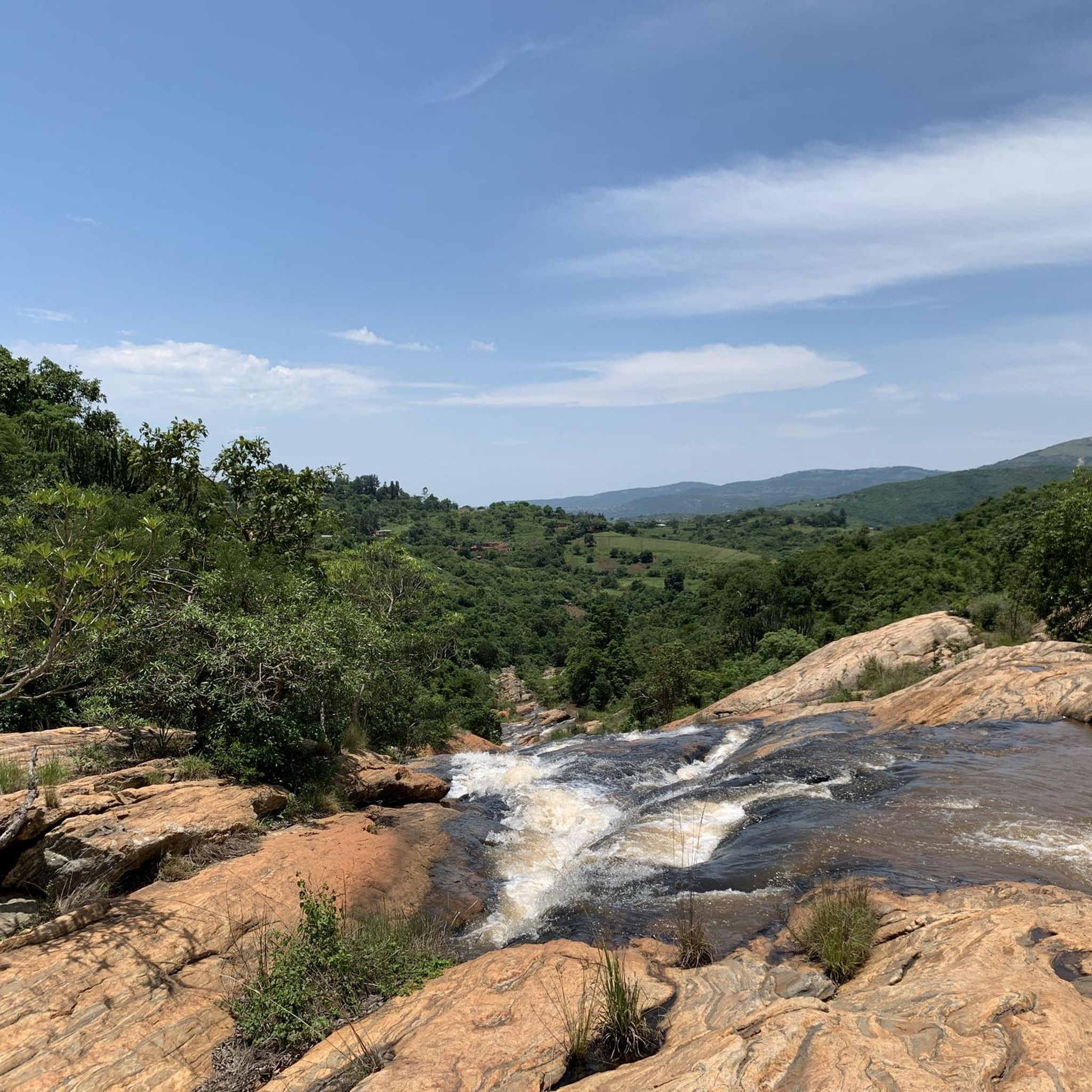
- Swaziland is known for its natural features, wildlife sanctuaries, and cultural sites. The region offers a variety of attractions, from geological formations like Sibebe Rock to craft centers such as Ngwenya Glass and Swazi Candles.
- The attractions in Swaziland are appreciated by the komoot community, with 5 upvotes and 12 photos shared by visitors.
Last updated: July 14, 2026
Wildlife Pond
Highlight • Lake
Translated by Google •
Tip by

Restaurant with Bird Pool
Highlight (Segment) • Restaurant
Translated by Google •
Tip by
Sign up now to discover places like this
Get recommendations on the best single tracks, peaks, & plenty of other exciting outdoor places.
Sign up for free
Mhlangeni River and Reservoirs
Highlight (Segment) • River
Translated by Google •
Tip by
Sibebe Rock
Highlight • Natural Monument
The best way to see it is to climb it. On top, you will find a wonderland of sculpted boulders, granite slopes and hidden forest clefts, with trails leading to caves and waterfalls. Orchids and other wild flowers carpet the grasslands from October to December, and you might spot such highveld birds as jackal buzzard, ground woodpecker and – if you’re lucky – a rare blue swallow.
After rains, the rock glistens silver with countless streams running down its bare face. It’s a magical sight from afar, but slippery and dangerous, so take care and follow only the marked trails. The road to Sibebe passes along the attractive Pine Valley, with the rock so close to the verge that in places you must crane upwards to see it. At the end lies Sibebe Trails community project, from where a well-marked and manageable path leads to the top. Guides are available.
A few well-run and well-appointed guest houses in the area have truly amazing settings and quite wonderful scenic views across this beautiful part of the Highveld, yet lie a surprisingly close hop to the centre of the country’s capital city!
thekingdomofeswatini.com/central-eswatini/sibebe-rock
lonelyplanet.com/swaziland/mbabane/attractions/sibebe-rock/a/poi-sig/1090124/355636
Tip by

Sambane Coffee Shoppe
Highlight • Cafe
Sambane Coffee Shoppe is a popular tourist destination in the vibrant Swazi Candles Centre. Nestled amidst local arts and crafts shops and bustling markets, it offers visitors a unique experience. Whether you're in need of a caffeine fix or simply want to relax and enjoy the lively atmosphere, Sambane Coffee Shoppe is the perfect spot. The cozy atmosphere and friendly staff allow you to enjoy a delicious cup of coffee while immersing yourself in the local culture. The aroma of freshly brewed coffee fills the air, inviting you to relax and take a break from exploring the surrounding shops. The children's play area makes this the perfect place for the whole family. Don't miss the chance to visit Sambane Coffee Shoppe during your visit to the Swazi Candles Centre for an authentic introduction to the local scene.
Learn more at sambanecoffee.com
Translated by Google •
Tip by

Camp Reception Hut
Highlight • Mountain Hut
Translated by Google •
Tip by

Shewula Mountain Camp
Highlight • Mountain Hut
shewulacamp.org
Breakfast is served shortly before 8:00 a.m.; If you want to leave early, book the accommodation without breakfast and visit the large shopping center in Simunye. There are also several ATMs there.
Translated by Google •
Tip by
Ngwenya Glass, Eswatini
Highlight • Structure
Since its rebirth, Ngwenya Glass has been more than an inspiring success story. It's an environmentalist's dream. The products, including a range of tableware, drinking glasses, vases, jugs, and African ornaments, are all handmade and mouth-blown from 100% recycled glass.
Read the full success story at schoonhoven.wereldwinkels.nl/nl/menu/Het_verhaal_achter/Ngwenya_Glass_uit_Swaziland
Translated by Google •
Tip by
The Swazi Candle Center
Highlight • Structure
About the company:
The candle factory was established in 1982. Its core business is making candles, both from traditional paraffin wax and soy candles. The colorful, handcrafted product range also includes wax-cased LED lights, pure vegetable glycerin soaps, and marula oil body balm.
Discover the vibrant, musical workshop where guests can interact with our artisans as they work their magic.
We currently export to over 20 countries.
Learn more at swazicandles.com
Translated by Google •
Tip by
House On Fire Arts and Cultural Centre
Highlight (Segment) • Structure
Translated by Google •
Tip by

Sign up for free to discover even more attractions in Swaziland.
Sign up for free
Already have an account?
Start today with a free account
Your next adventure awaits.
Login or Signup
Popular around Swaziland
Tips from the Community

Welcome to Sambane Sambane Coffee Shoppe is a popular tourist destination in the vibrant Swazi Candles Centre. Nestled amidst local arts and crafts shops and bustling markets, it offers visitors a unique experience. Whether you're in need of a caffeine fix or simply want to relax and enjoy the lively atmosphere, Sambane Coffee Shoppe is the perfect spot. The cozy atmosphere and friendly staff allow you to enjoy a delicious cup of coffee while immersing yourself in the local culture. The aroma of freshly brewed coffee fills the air, inviting you to relax and take a break from exploring the surrounding shops. The children's play area makes this the perfect place for the whole family. Don't miss the chance to visit Sambane Coffee Shoppe during your visit to the Swazi Candles Centre for an authentic introduction to the local scene. Learn more at https://sambanecoffee.com/
2
0
An expedition to Swazi Candles is more than just a candle experience. You'll be surrounded by talented artists and artisans. About the company: The candle factory was established in 1982. Its core business is making candles, both from traditional paraffin wax and soy candles. The colorful, handcrafted product range also includes wax-cased LED lights, pure vegetable glycerin soaps, and marula oil body balm. Discover the vibrant, musical workshop where guests can interact with our artisans as they work their magic. We currently export to over 20 countries. Learn more at https://www.swazicandles.com/
2
0
A wonderful experience to witness the glassblowing process. A large shop full of inspiration. Something for everyone! Since its rebirth, Ngwenya Glass has been more than an inspiring success story. It's an environmentalist's dream. The products, including a range of tableware, drinking glasses, vases, jugs, and African ornaments, are all handmade and mouth-blown from 100% recycled glass. Read the full success story at https://schoonhoven.wereldwinkels.nl/nl/menu/Het_verhaal_achter/Ngwenya_Glass_uit_Swaziland
3
0

This pond always offers something to see. Last time we saw a crocodile and geese, among others; today we saw a cormorant, antelopes, wildebeests, and a few meters away, bee-eaters.
0
0

Sibebe Rock, just north of Mbabane, is one of southern Africa’s most impressive geological features. This immense, three-billion-year-old volcanic slab, which rises to 1,488m and covers some 16,500ha, is the world’s largest granite dome. Only Australia’s Uluru pips it to the title of ‘world’s largest rock’. The best way to see it is to climb it. On top, you will find a wonderland of sculpted boulders, granite slopes and hidden forest clefts, with trails leading to caves and waterfalls. Orchids and other wild flowers carpet the grasslands from October to December, and you might spot such highveld birds as jackal buzzard, ground woodpecker and – if you’re lucky – a rare blue swallow. After rains, the rock glistens silver with countless streams running down its bare face. It’s a magical sight from afar, but slippery and dangerous, so take care and follow only the marked trails. The road to Sibebe passes along the attractive Pine Valley, with the rock so close to the verge that in places you must crane upwards to see it. At the end lies Sibebe Trails community project, from where a well-marked and manageable path leads to the top. Guides are available. A few well-run and well-appointed guest houses in the area have truly amazing settings and quite wonderful scenic views across this beautiful part of the Highveld, yet lie a surprisingly close hop to the centre of the country’s capital city! https://www.thekingdomofeswatini.com/central-eswatini/sibebe-rock/ https://www.lonelyplanet.com/swaziland/mbabane/attractions/sibebe-rock/a/poi-sig/1090124/355636
0
0
The Shewula Mountain Camp is the first community eco-tourism project in eSwatini and one of the most successful in the whole of southern Africa. https://shewulacamp.org/ Breakfast is served shortly before 8:00 a.m.; If you want to leave early, book the accommodation without breakfast and visit the large shopping center in Simunye. There are also several ATMs there.
0
0

From the entrance of the park you continue to the camp reception. Here you can park the car and rent a mountain bike to cycle through the park. They are not great bikes, but they are fun to do! Cost per hour 150 rand. (Approx. €7.50) per person. You will encounter various animals: wildebeest, crocodiles, turtles, kingfishers, zebras and various types of deer.
2
0

Imaginative house with a large garden - artist and event location! Works by artists from different cultures and disciplines are exhibited and sold here. Everything is very creative and colorful. A worthwhile stop in transit!
4
0
Frequently Asked Questions
What natural attractions are there for hiking and outdoor activities in Eswatini?
Eswatini offers diverse natural landscapes for outdoor enthusiasts. You can explore Sibebe Rock, one of the world's largest exposed granite domes, with hiking trails offering panoramic views. The Malolotja Nature Reserve in the highlands is excellent for hiking, featuring rugged grasslands, forested valleys, and waterfalls, including the adventurous Malolotja Canopy Tour. The Mhlangeni River and Reservoirs are also a great spot for walks, especially for birdwatching. For more hiking options, you can find routes like the 'Restaurant with Bird Pool – Bee-Eater Nesting Wall loop' or the 'Phophonyane Falls Short Hike loop' in the Hiking in Swaziland guide.
Where can I experience wildlife viewing in Eswatini?
Eswatini is home to several excellent wildlife sanctuaries. The Wildlife Pond is a reliable spot to see crocodiles, antelopes, wildebeests, and various bird species. Mlilwane Wildlife Sanctuary offers an intimate, predator-free experience with plains game like zebras and hippos, ideal for self-guided walks or cycling. Hlane Royal National Park is the largest protected area, known for reintroduced elephants, lions, and rhinos. For endangered species conservation, Mkhaya Game Reserve provides guided tours to see black and white rhinos, roan antelope, and sable.
Are there any cultural or historical sites worth visiting in Eswatini?
Yes, Eswatini is rich in culture and history. The Mantenga Cultural Village, within Mantenga Nature Reserve, is a 'living museum' where you can learn about traditional Swazi customs, tour a reconstructed homestead, and watch traditional dance performances. Lobamba, the country's cultural and spiritual capital, houses the Swaziland National Museum and the King Sobhuza II Memorial Park. You can also visit the Nsangwini Cave Paintings, ancient San rock art depicting human figures and animals, or the Ngwenya Old Mine, recognized as one of the world's oldest iron ore mines.
What are some family-friendly attractions in Eswatini?
Many attractions in Eswatini are suitable for families. Wildlife sanctuaries like Mlilwane and Hlane offer engaging safari experiences. The Wildlife Pond and Restaurant with Bird Pool provide opportunities to observe animals in a relaxed setting. For interactive experiences, the Ngwenya Glass Factory allows visitors to watch glassblowing, and The Swazi Candle Center showcases intricate candle-making. The Mantenga Cultural Village also offers an educational and entertaining insight into Swazi traditions for all ages.
Where can I find unique local crafts and souvenirs?
Eswatini is renowned for its vibrant craft scene. The Ngwenya Glass Factory is a must-visit, where you can see recycled glass transformed into beautiful hand-blown creations and purchase unique glassware. Another popular spot is The Swazi Candle Center, known for its intricate candle designs made using an ancient technique. These centers offer not just shopping but also a glimpse into the local artistry.
What are some unique dining experiences or viewpoints in Eswatini?
For a unique dining experience with a view, the Restaurant with Bird Pool offers good food and an upper deck view of a bird pool with crocodiles and numerous birds. You can also observe wild boars near a campfire. For a more casual stop, Sambane Coffee Shoppe provides a pleasant break. Many natural viewpoints, such as the summit of Sibebe Rock, offer stunning panoramic vistas of the landscape.
Are there any community-based tourism projects in Eswatini?
Yes, Eswatini is home to successful community eco-tourism initiatives. The Shewula Mountain Camp is a prime example, being the first community eco-tourism project in Eswatini and one of the most successful in Southern Africa. It offers facilities and views, with breakfast available for guests, providing a direct benefit to the local community.
What is the best time of year to visit Eswatini for outdoor activities and wildlife viewing?
The dry season, typically from May to September, is often considered the best time to visit Eswatini. During these months, the weather is cooler and drier, making it ideal for hiking and outdoor activities. Wildlife viewing is also excellent as animals congregate around water sources, and the vegetation is less dense, improving visibility for safaris.
What kind of adventure activities can I do in Eswatini?
Beyond hiking, Eswatini offers several adventure activities. The Malolotja Canopy Tour, located within Malolotja Nature Reserve, features zip-wires and a suspension bridge for an exhilarating experience. For thrill-seekers, white-water rafting on the Great Usuthu River provides challenging rapids. Many reserves also offer guided walking safaris, mountain biking, and horseback riding for a different way to explore the wilderness.
What are some lesser-known or off-the-beaten-path attractions in Eswatini?
For those looking to explore beyond the main tourist spots, consider visiting the Mlawula Nature Reserve in the eastern part of the country, which offers a wild and beautiful landscape with rare flora and fauna. The Lubombo Mountains provide striking ridges and hiking opportunities, linking diverse habitats. The rejuvenated mining town of Bulembu, with its Bulembu Mining Museum, offers historical insights and accommodation away from the more frequented areas.
Where can I find accommodation or facilities near major attractions?
Major attractions often have nearby facilities. For example, the Camp Reception Hut can serve as a starting point for exploring. Towns like Mbabane and Manzini offer a range of urban amenities, including restaurants, markets, and shops, and can serve as convenient bases. Specific reserves like Mlilwane and Hlane also have accommodation options within or very close to their boundaries. The Shewula Mountain Camp is a community-run option with facilities.
Most popular routes in Swaziland

Get inspired with the komoot mobile app


Explore more
Still not found the Highlight you’re looking for? See guides of the top attractions in other regions:
