Attractions and Places To See in Bhutan - Top 20
Best attractions and places to see in Bhutan are found within its diverse landscape, nestled in the Eastern Himalayas. The country is characterized by its spiritual heritage, with ancient monasteries and significant cultural sites. Over 70% of Bhutan is covered in forests, offering a natural environment with crystal-clear rivers and varied wildlife. This region presents a blend of cultural exploration and natural beauty for visitors.
Best attractions and places to see in Bhutan
- The most popular attractions is Tiger's Nest…
Last updated: August 25, 2026
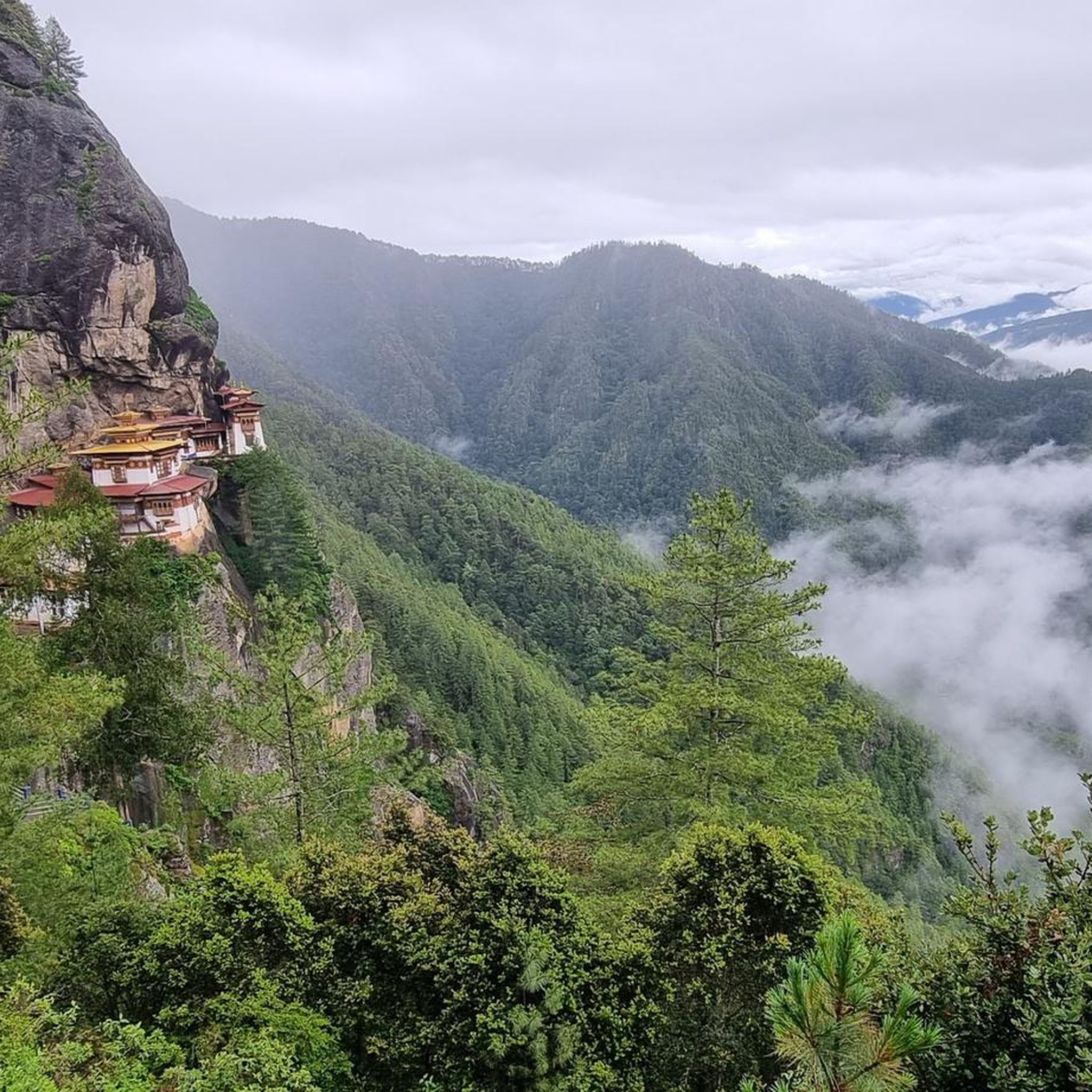
Tiger's Nest Monastery (Paro Taktsang)
Highlight • Religious Site
Translated by Google •
Tip by

Buddha Dordenma Statue
Highlight • Monument
Translated by Google •
Tip by
Sign up now to discover places like this
Get recommendations on the best single tracks, peaks, & plenty of other exciting outdoor places.
Sign up for free
Large prayer wheel along the Taktsang Trail
Highlight • Religious Site
Translated by Google •
Tip by
Horse Rental on the Taktsang Trail
Highlight • Rest Area
Translated by Google •
Tip by
Druk Wangyal Chortens at Dochula Pass
Highlight • Religious Site
Translated by Google •
Tip by
Singye Phug (Lion Cave)
Highlight • Cave
Translated by Google •
Tip by
Water-Powered Prayer Wheels on the Taktsang Trail
Highlight • Religious Site
Translated by Google •
Tip by
Punakha Dzong
Highlight • Religious Site
Translated by Google •
Tip by

National Memorial Chorten
Highlight • Religious Site
orientalarchitecture.com/sid/1636/bhutan/thimphu/national-memorial-chorten
Translated by Google •
Tip by
Motithang Takin Preserve
Highlight • Natural Monument
Translated by Google •
Tip by
Sign up for free to discover even more attractions in Bhutan.
Sign up for free
Already have an account?
Start today with a free account
Your next adventure awaits.
Login or Signup
Popular around Bhutan
Tips from the Community

We just walked up from the parking lot. Path very slippery in the rain. Wonderful place!
0
0

A Buddhist prayer wheel is a wheel or cylinder containing mantras or prayers written on a paper roll, which is activated by turning. In Tibetan Buddhism, turning the wheel is considered a way to generate positive energy and accumulate karma, and is meant to harmonize the mind with physical activity. These mills come in various sizes, from small hand-operated models to large, water- or wind-powered devices.
0
0
Walking sticks are available for rent at 100 Nu (approximately €1) each. They can be particularly useful downhill, as there are many stairs along the way. The horses are usually not on the hiking trail, but on a separate path for them.
1
0
Taktshang, also spelled Taktsang or Tiger's Nest, is a Buddhist monastery in the Paro Valley in the Kingdom of Bhutan. The word Taktshang is Tibetan and literally translates to "Tiger's Den." It is located at an altitude of 3,120 meters in the Himalayas and is only accessible by a hike of several hours or by mule. The monastery complex is a frequently photographed cultural landmark of the Kingdom of Bhutan. The monastery was consecrated in 1692 and includes the Taktsang Senge Samdup Cave, where, according to legend, Guru Padmasambhava meditated for three years, three months, three weeks, three days, and three hours in the 8th century. Padmasambhava, also known as the Guru with the Eight Names and holding the honorific title Rinpoche, brought Buddhism to Bhutan. The monastery is dedicated to him. Source: https://de.wikipedia.org/wiki/Taktshang
2
0
The Buddha Dordenma statue, a technical masterpiece, was crafted in sections and assembled on-site in Thimphu. Made of bronze and gilded with gold, the statue was erected with the help of skilled artisans. The entire project was outsourced to China, where the individual parts of the statue were manufactured and then shipped to Bhutan for assembly. Standing at an enormous 54 meters tall, the statue is one of the largest seated Buddha statues in the world. It houses 125,000 smaller Buddha statues, each meticulously crafted from bronze and gilded with gold. The statue's base contains a meditation hall, further enhancing its spiritual significance. Source: https://www.drukasia.com/bhutan/thimphu/buddha-dordenma-statue/
1
0
The Thimphu Chorten is a memorial dedicated to Jigme Dorje Wangchuck (1928–1972), the 3rd Druk Gyalpo of Bhutan. It was commissioned by his mother, Ashi Phuntsho Choden Wangchuck. Unlike most chortens, the Thimphu Chorten does not contain human remains. Instead, a photograph of Jigme Dorje Wangchuck in ceremonial attire is displayed in a hall on the ground floor. The shrine was completed in 1974 and consecrated by Düdjom Rinpoche Jigdral Yeshe Dorje. A prominent landmark of Thimphu, the chorten, with its golden ornamentation, is considered the most visible religious symbol in Bhutan and is frequently visited by worshippers from near and far. It underwent extensive renovations in 2008. Source: https://de.wikipedia.org/wiki/Thimphu-Ch%C3%B6rten
2
0
Drukpa Kunley, a religious preacher and skilled tantric practitioner, was asked by the people of Bhutan to perform a miracle. After consuming an entire cow and a goat, he joined the goat's head to the cow's skeleton, thus creating the takin. This magical animal, called Dong Gyem Tsey (Takin), became a common sight in the hills of Bhutan and was declared the national animal due to its religious significance. Source: https://www.drukasia.com/bhutan/thimphu/takin-enclosure/
2
0
Punakha Dzong is a majestic fortified monastery in Bhutan, situated at the confluence of the Pho Chhu and Mo Chhu rivers. Built in 1637 by Zhabdrung Ngawang Namgyal, it is the second oldest and second largest dzong in the country. It served as Bhutan's capital until the mid-1950s and remains an important religious and administrative center, housing sacred relics and serving as a winter residence for monks.
1
0
Frequently Asked Questions
What are some significant cultural and historical sites to visit in Bhutan?
Bhutan is rich in cultural and historical sites. A must-visit is Tiger's Nest Monastery (Paro Taktsang), an iconic Buddhist temple complex perched on a cliff. Another impressive site is Punakha Dzong, known as the 'palace of great happiness,' situated at the confluence of two rivers. In Thimphu, you can find the massive Buddha Dordenma Statue and the National Memorial Chorten.
Are there any natural viewpoints or scenic passes worth visiting in Bhutan?
Yes, Bhutan offers breathtaking natural viewpoints. The Druk Wangyal Chortens at Dochula Pass provides panoramic views of the Himalayas on clear days, featuring 108 stupas. Chele La Pass, Bhutan's highest motorable road, also offers stunning alpine scenery. The Phobjikha Valley is another natural highlight, known for its biodiversity and as a winter home for black-necked cranes.
What kind of outdoor activities, particularly hiking, can I do near these attractions?
Bhutan is ideal for outdoor enthusiasts. Many attractions are accessible via hiking trails. For example, the journey to Tiger's Nest Monastery is a significant hike. You can find various hiking routes, from easy to moderate, such as the 'Khamsum Yulley Namgyal Temple – Khamsum Yulley Namgyal Chorten loop' or the 'View of Thimphu Valley – Buddha Dordenma Statue loop'. Explore more options in the Hiking in Bhutan guide.
Are there family-friendly attractions in Bhutan?
While many sites involve hiking, some attractions are considered family-friendly. The National Memorial Chorten in Thimphu is easily accessible. The Horse Rental on the Taktsang Trail offers an alternative for families with younger children or those who prefer not to hike the entire way to Tiger's Nest.
What is the best time of year to visit Bhutan for sightseeing?
The spring months (March to May) and autumn months (September to November) are generally considered the best times to visit Bhutan. During these periods, the weather is pleasant, skies are clear, offering excellent views of the Himalayas, and the valleys are vibrant with blooming rhododendrons in spring or golden rice fields in autumn.
What unique cultural experiences can I find in Bhutan?
Bhutan offers many unique cultural experiences. Visiting temples like Khamsum Yulley Namgyal Chorten, which involves a hike through rice fields, provides insight into local life. Witnessing the daily circumambulation at the National Memorial Chorten or exploring the ancient Punakha Dzong offers a deep dive into Bhutanese spirituality and history. The Ogyen Choling Palace Museum also provides a glimpse into traditional Bhutanese noble family life.
What are the permit requirements for visiting attractions in Bhutan?
Bhutan operates under a 'High Value, Low Impact' tourism policy, which includes a Sustainable Development Fee (SDF) for most visitors. Additionally, certain monasteries and sacred sites may require specific permits or have restricted access. It's advisable to arrange your visit through a licensed Bhutanese tour operator who can manage all necessary permits and entry requirements for attractions like Tiger's Nest Monastery.
How long should I plan to spend at popular attractions like Tiger's Nest Monastery?
For popular sites like Tiger's Nest Monastery, plan for a full day. The hike itself can take 4-6 hours round trip, depending on your pace, plus time spent exploring the monastery complex. Other sites like Punakha Dzong or the Buddha Dordenma Statue might require 1-3 hours each, allowing for exploration and photography.
What transportation options are available to reach attractions in Bhutan?
Transportation in Bhutan is primarily by private vehicle with a driver, usually arranged through your tour operator. Public transport is limited and not typically used by tourists for reaching major attractions. For sites like Tiger's Nest Monastery, you'll be driven to the trailhead, and then proceed on foot or by horse for part of the ascent.
Can I find wildlife viewing opportunities near Bhutan's attractions?
Bhutan's commitment to conservation means over 70% of the country is forested, offering diverse wildlife. While not directly at every attraction, areas like Phobjikha Valley are known for black-necked cranes. Jigme Dorji National Park and Royal Manas National Park are significant wildlife sanctuaries, home to species like the Bhutan takin and snow leopard, and can be incorporated into a broader itinerary.
Are there any religious buildings with unique features in Bhutan?
Beyond the famous monasteries, Bhutan has unique religious structures. Along the Taktsang Trail, you'll encounter a large prayer wheel and Water-Powered Prayer Wheels, which are traditional and fascinating. The Khamsum Yulley Namgyal Chorten is a recently built temple offering a unique architectural style and a rewarding hike.
What is the difficulty level of the hike to Tiger's Nest Monastery?
The hike to Tiger's Nest Monastery is considered challenging due to its steep ascent and altitude (3,120 meters). It requires a good level of physical fitness. However, the trail is well-maintained, and options like horse rental are available for part of the journey, making it more accessible for some visitors.
Most popular routes in Bhutan
Most popular attractions in Bhutan

Get inspired with the komoot mobile app


Explore more
Still not found the Highlight you’re looking for? See guides of the top attractions in other regions:
