Top 20 Waterfalls in Sweden
Waterfalls in Sweden are diverse, ranging from powerful cascades to multi-tiered drops, often set within national parks or nature reserves. The country's varied topography, shaped by glacial activity, creates numerous opportunities for impressive water features. These natural attractions are found across different regions, from the northern wilderness to the southern landscapes. Many waterfalls are integrated into well-maintained trail systems, offering accessible viewing points and longer hiking options.
Best waterfalls in Sweden
- The most popular waterfalls is Danska Fall Waterfalls, a waterfall that is easily accessible and very photogenic, especially in spring. These imposing waterfalls feature their largest sections on the second part of the falls.
- Another must-see spot is Njupeskär Waterfall, a waterfall located in Fulufjället National Park. It is Sweden's highest waterfall, measuring 93 meters with a 70-meter free drop. In winter, the waterfall freezes completely, transforming into a large turquoise-blue icefall.
- Visitors also love Storforsen Rapids, a powerful waterfall on the Pite River. With a drop of 82 meters, it is one of Europe's largest uncontrolled rapids, offering footbridges for close-up views of the foaming water.
- Sweden is known for its high waterfalls, powerful rapids, and multi-cascade falls. These natural wonders are often found within protected areas, providing opportunities to explore diverse landscapes.
- The waterfalls in Sweden are appreciated by the komoot community, with more than 760 upvotes and over 190 photos shared across various highlights.
Last updated: August 17, 2026
Fulufjället National Park
Highlight • Natural Monument
Tip by

Njupeskär Waterfall
Highlight • Waterfall
Between the 1st of December and the 31st of March ice climbing is also possible at the frozen waterfall. You can pitch your tent in the parking lot.
nationalparksofsweden.se/choose-park---list/fulufjallet-national-park/experience/njupeskar---swedens-highest-waterfall
Translated by Google •
Tip by

Sign up now to discover places like this
Get recommendations on the best single tracks, peaks, & plenty of other exciting outdoor places.
Sign up for free
Danska Fall Waterfalls
Highlight • Waterfall
Translated by Google •
Tip by

Storforsen Rapids
Highlight • Waterfall
One of the four pent-up national rivers in Sweden.
With a drop of 82 meters, Storforsen is Europe's largest uncontrolled rapids.
60 m over 2 km difference in altitude.
The entire area is provided with footbridges, so that you can experience the foaming rapids up close.
There are over 20 barbecue areas and you can rest and bathe anywhere on the flat rocks.
A beautiful natural spectacle.
Apart from the tourist attraction, we did a hike through the forest and were very lucky to see a reindeer for five minutes.
What more do you want.
Translated by Google •
Tip by

Hallamölla waterfall
Highlight • Waterfall
Translated by Google •
Tip by

Trollhättan Waterfalls and Crown Bridge
Highlight • Waterfall
Translated by Google •
Tip by

Njupeskär Waterfall and Njupån Stream
Highlight (Segment) • Waterfall
sverigesnationalparker.se/en/choose-park---list/fulufjallet-national-park
Translated by Google •
Tip by
Elgåfossen Waterfall
Highlight • Waterfall
Tip by

Muddus Waterfall
Highlight • Waterfall
Translated by Google •
Tip by

Fettjeåfallet
Highlight • Waterfall
At the base, you’ll find a shelter and a small fire pit, making it a natural place to stop, rest or spend some time by the water.
Despite being relatively easy to access (at least in Summer, when snow and ice have melted) the waterfall feels tucked away in the forest, with the surrounding cliffs and flowing water creating a secluded and magical atmosphere.
Tip by

Sign up for free to discover even more waterfalls in Sweden.
Sign up for free
Already have an account?
Start today with a free account
Your next adventure awaits.
Login or Signup
Popular around Sweden
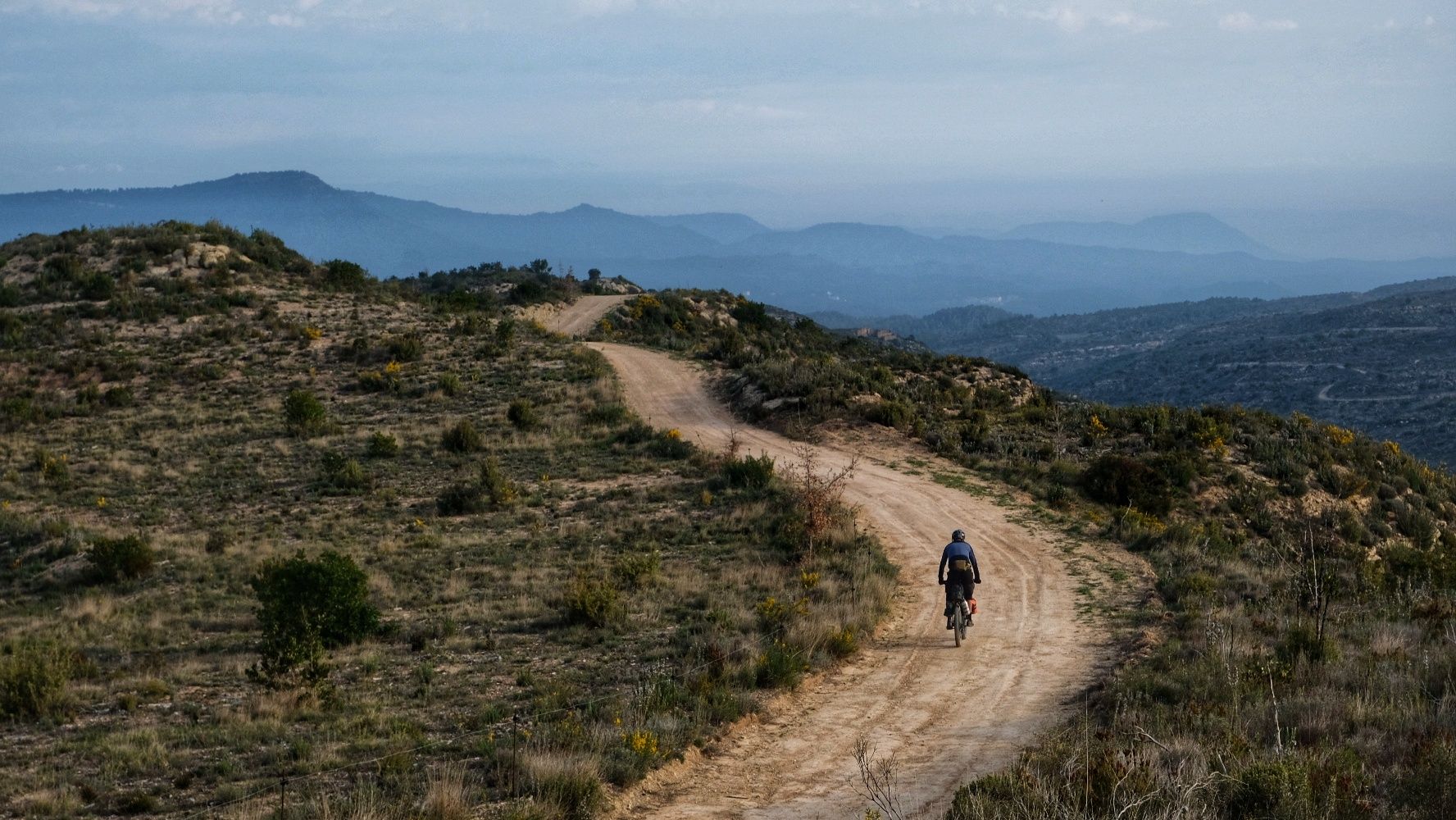
European Divide Trail — 7,600 km across the continent
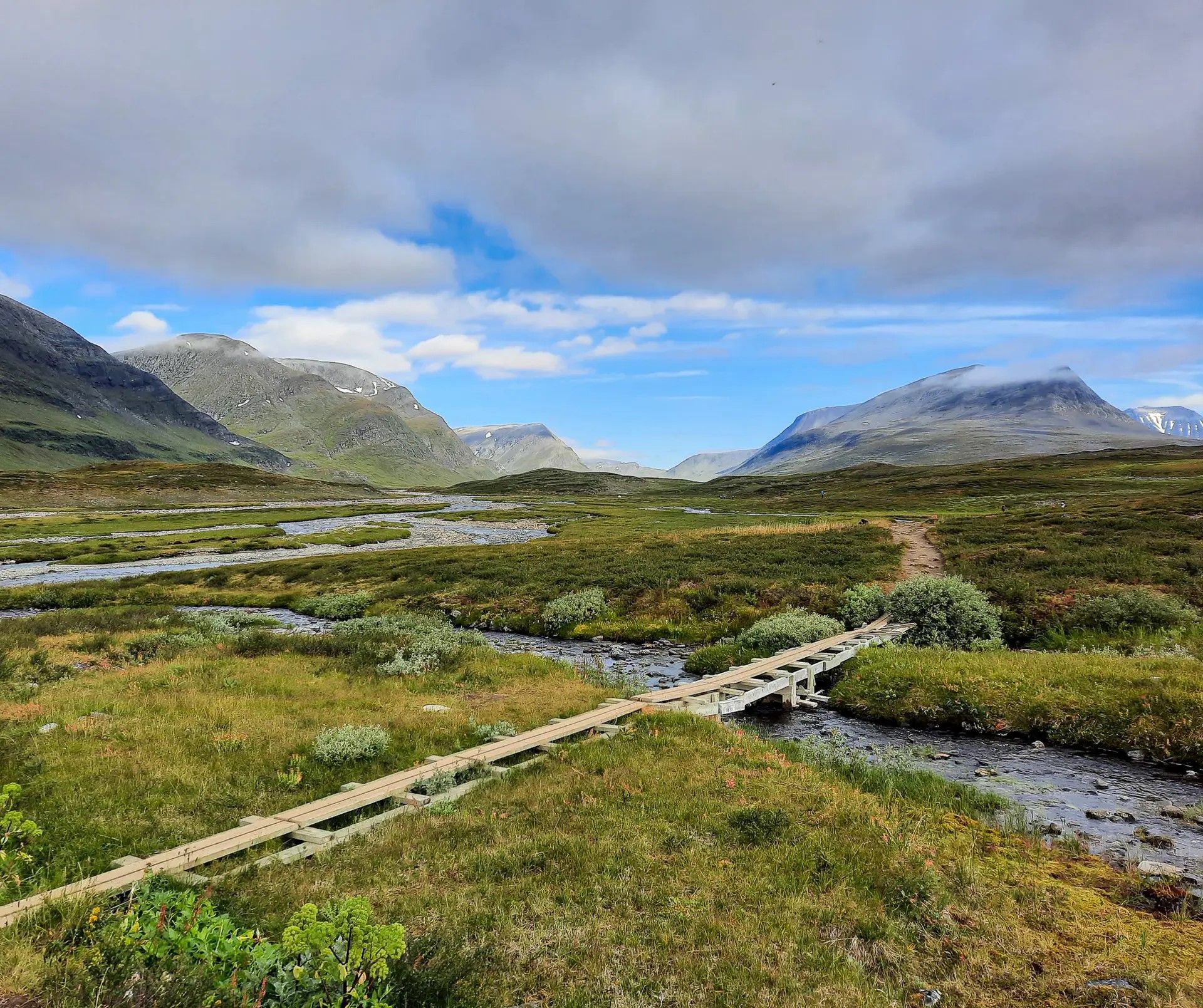
Kungsleden – In seven stages from Abisko to Nikkaluokta
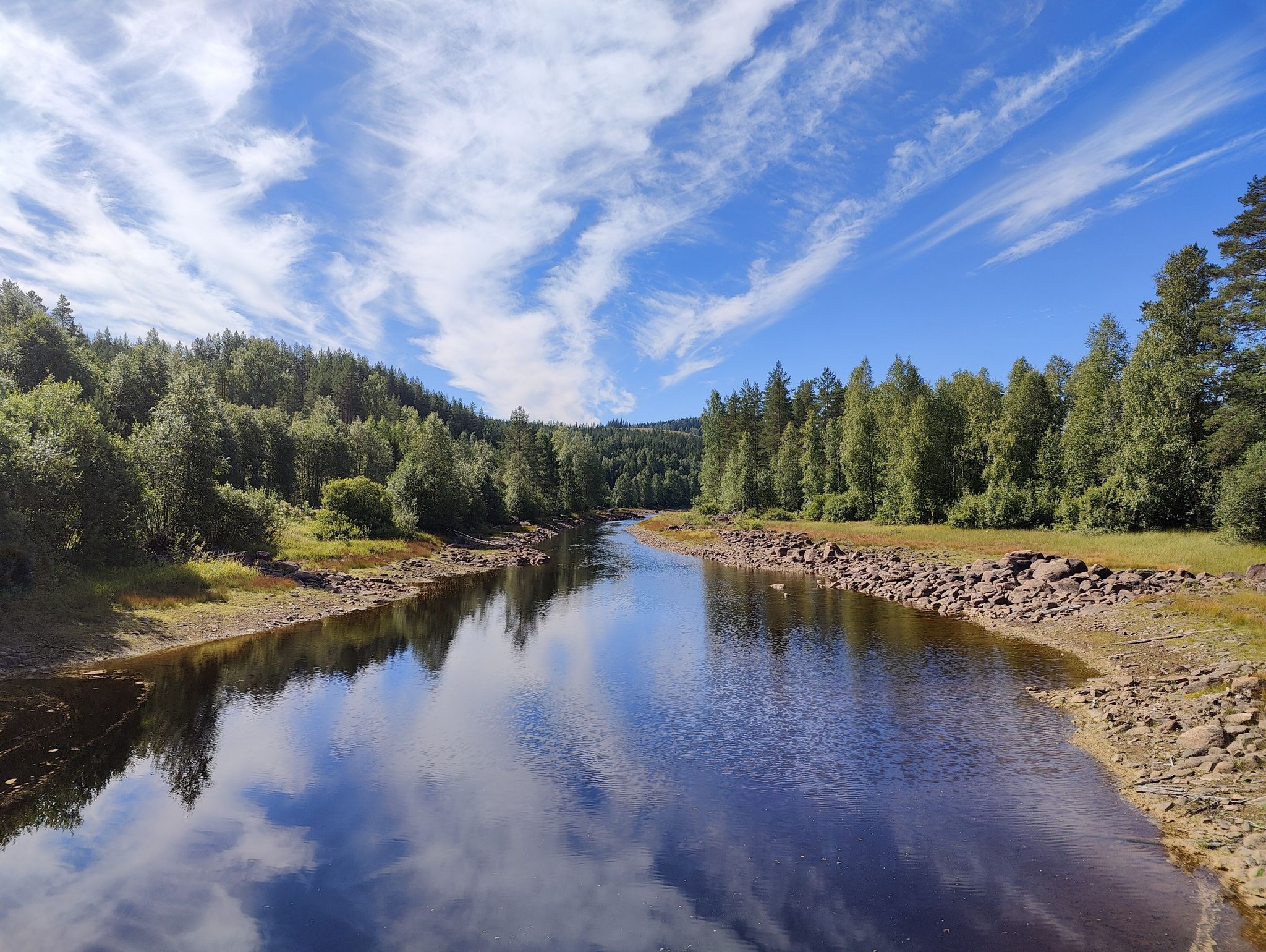
Finnskogleden – Hiking the Beautiful and Historic Forest of the Finns
Ultravasan 90 — Sweden's Classic Long-Distance Run
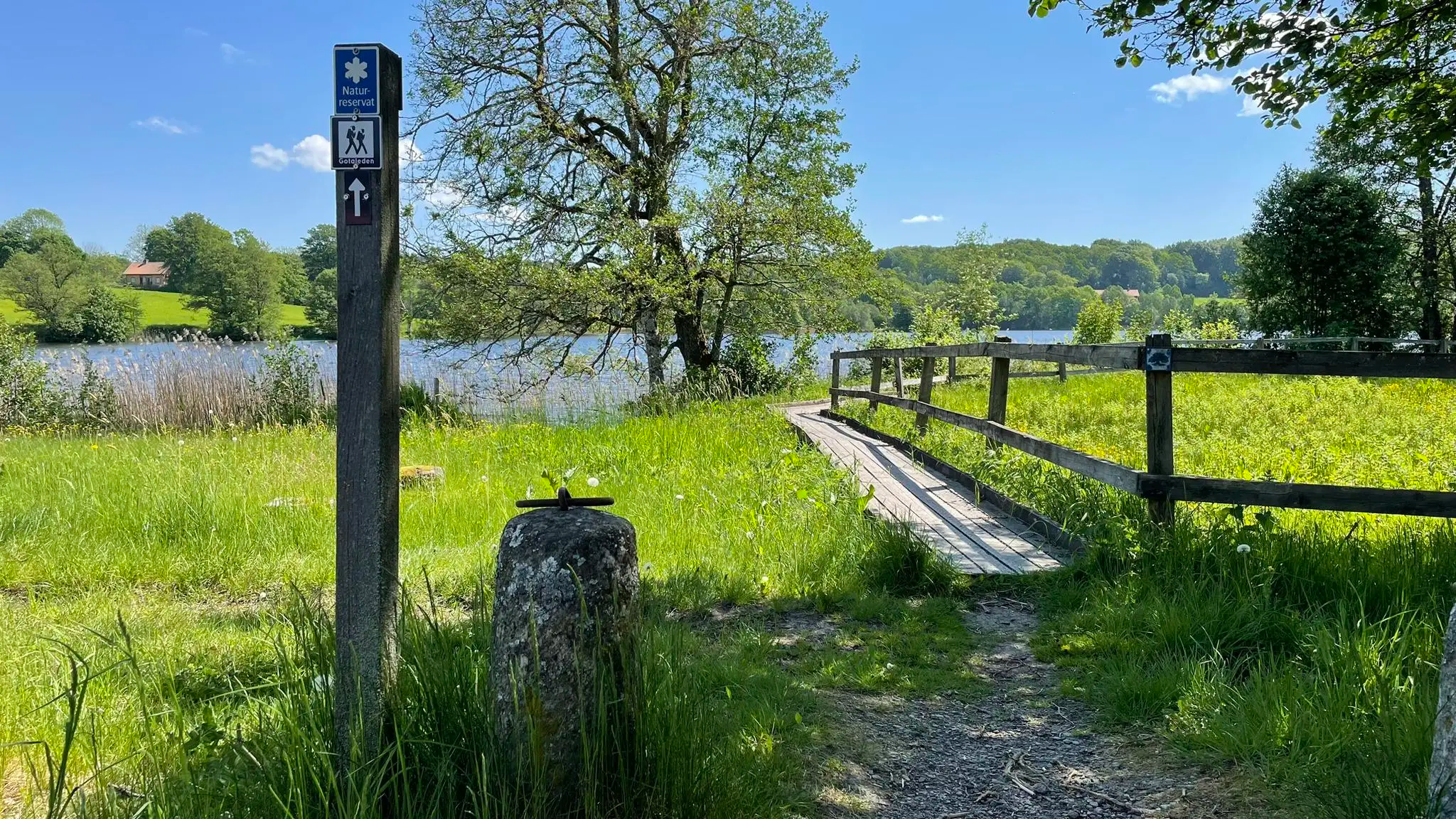
The Gotaleden trail – A great escape through western Sweden
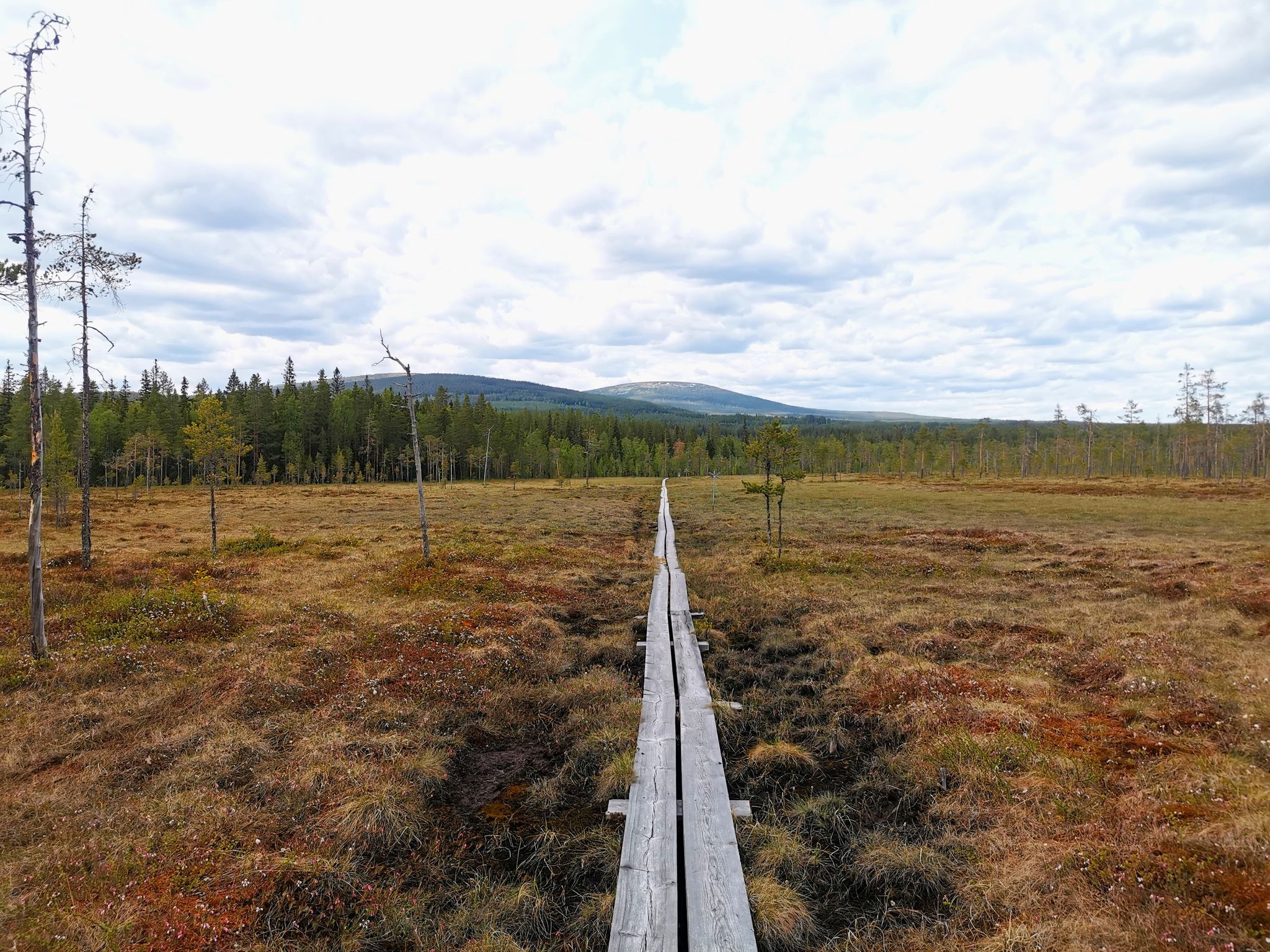
Södra Kungsleden – Hike through the heart of Sweden
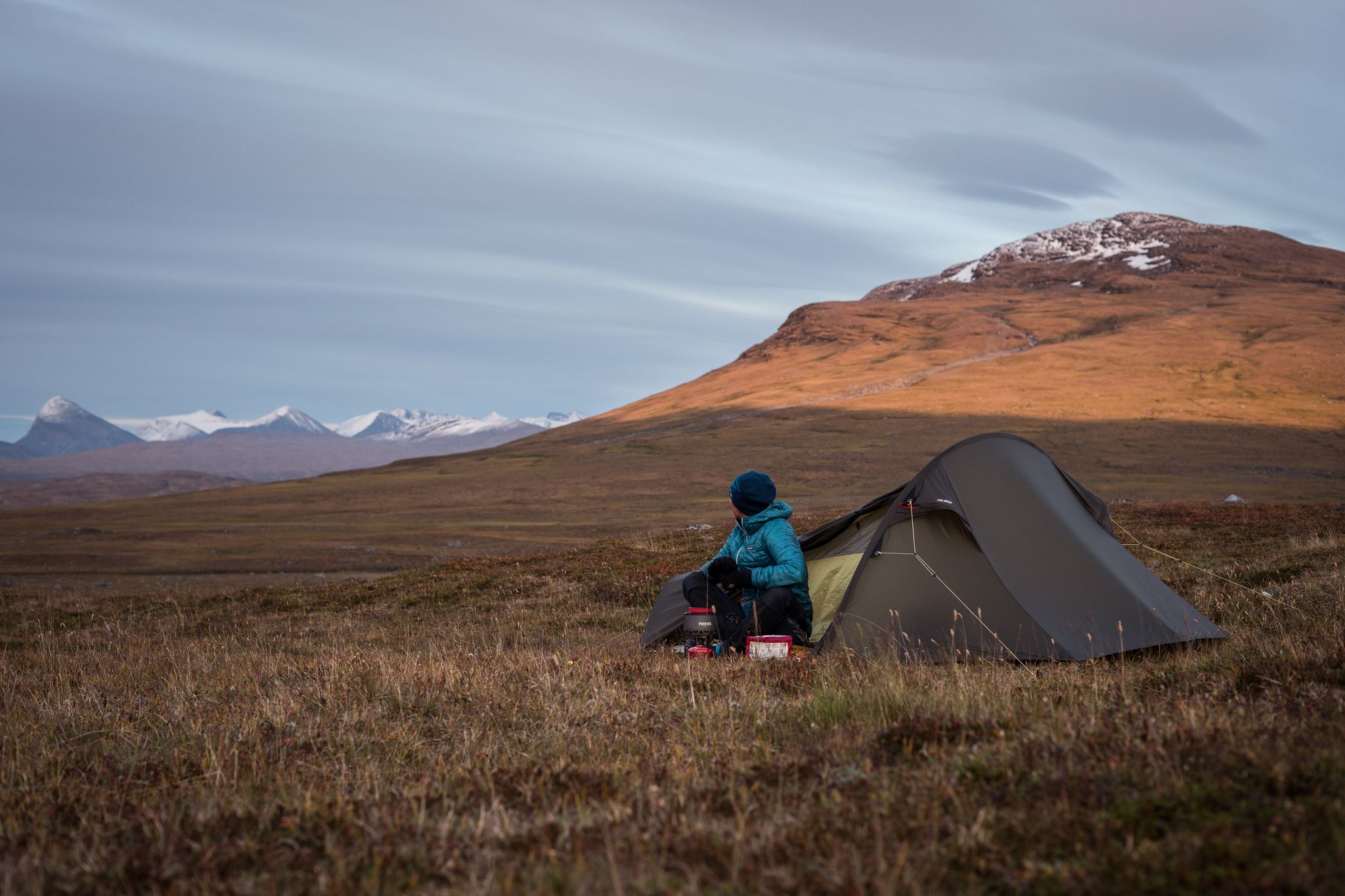
The Nordkalottleden — At the edges of the polar circle
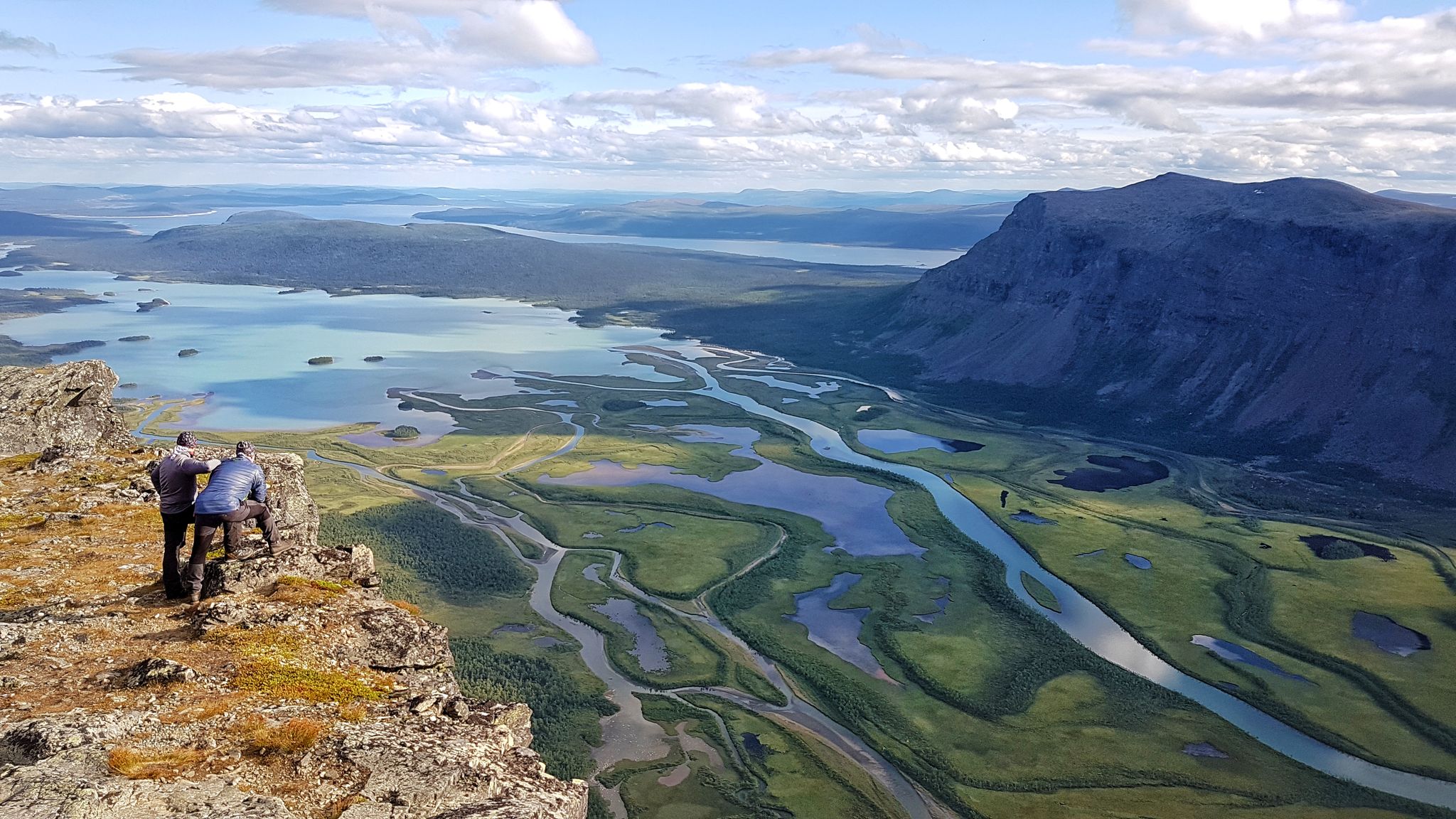
Kungsleden – On the road to the kings of Sweden
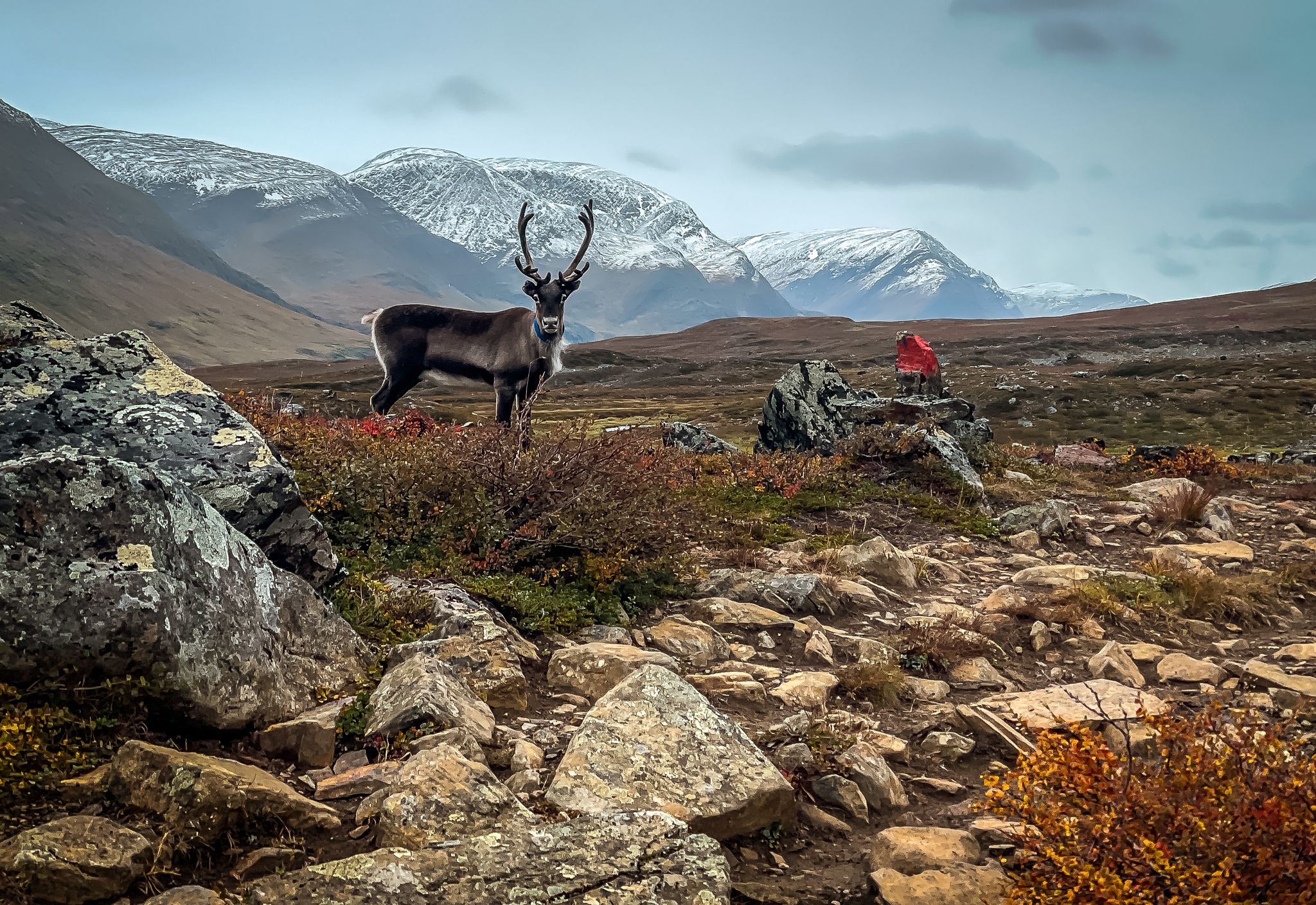
Kungsleden — Trekking in Swedish Lapland
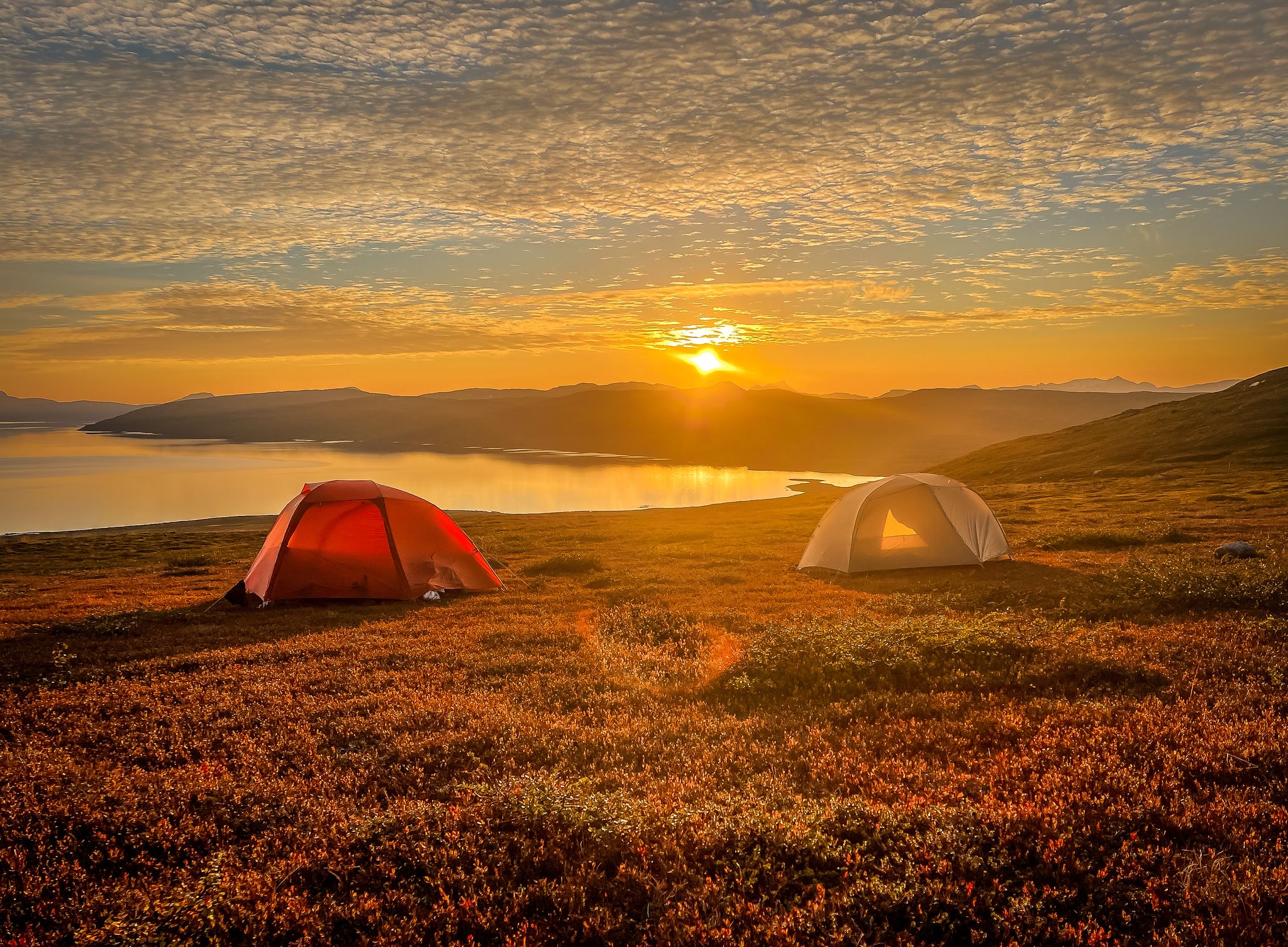
🥾 Padjelantaleden 🇸🇪 — a beginner's hike through Swedish Lapland
Other adventures in Sweden


Tips from the Community

In August 2026, the waterfalls were not turned on at all, but the view was impressive anyway. Definitely check it out!
1
0

Recently, the hiking trail has been adapted for wheelchairs with a very solid wooden path.
0
0

Very beautiful circular trail over hill and dale. In places also through marshy areas with wooden walkways. Good footwear is advisable.
0
0

Fettjeåfallet can be reached in about 30–45 minutes from the trailhead, following an easy forest path along the Stor-Fettjeån. The final section climbs gently on stone steps, leading you close to the waterfall. At the base, you’ll find a shelter and a small fire pit, making it a natural place to stop, rest or spend some time by the water. Despite being relatively easy to access (at least in Summer, when snow and ice have melted) the waterfall feels tucked away in the forest, with the surrounding cliffs and flowing water creating a secluded and magical atmosphere.
0
0

Beautiful waterfall. Unfortunately, we didn't have the full water, but it was still beautiful to see. It looks even more impressive from below than from above.
1
0

A beautiful, easily accessible waterfall. There are many spots above and below the waterfall that are ideal for swimming. The paths are not suitable for bicycles, strollers, or wheelchairs.
5
0


Yes, it's not the biggest waterfall, not even in terms of volume, but it's a very nice path to get there. It takes about 30 minutes to get there from the car park.
15
0
Frequently Asked Questions
Are there accessible waterfalls in Sweden for all visitors?
Yes, several waterfalls in Sweden offer good accessibility. For example, Njupeskär Waterfall in Fulufjället National Park features a 2-kilometer wheelchair-friendly trail from the Naturum visitor center. Storforsen Rapids also provides accessible ramps and footbridges for close-up views. Hällingsåfallet has a 150-meter footpath from the parking lot, making it easy to reach.
Which waterfalls are particularly family-friendly in Sweden?
Many waterfalls in Sweden are great for families. Njupeskär Waterfall offers easy trails suitable for children. Storforsen Rapids is a popular nature park with picnic areas and a forestry museum. Hallamölla waterfall combines natural beauty with a historic watermill, and Danska Fall Waterfalls has spots ideal for swimming in spring.
When is the best time to visit waterfalls in Sweden?
The best time depends on what you want to experience. Spring (May-June) offers the most powerful flow due to snowmelt, making waterfalls like Tännforsen, Hallamölla, and Danska Fall particularly impressive. Summer is ideal for hiking and enjoying the surrounding nature. In winter, some waterfalls like Njupeskär Waterfall freeze completely, transforming into stunning ice formations, and Ristafallet offers guided cave tours.
What kind of hiking trails can I find near Swedish waterfalls?
You'll find a variety of hiking trails. Near Njupeskär Waterfall, there's the easy 2-kilometer Lavskrikeleden and the slightly steeper 3.9-kilometer Njupeskärsslingan. Hällingsåfallet offers a short 150-meter path and a more challenging 5-kilometer trail around the canyon. The easy hikes in Sweden guide includes routes like the Njupeskärsslingan waterfall loop, which is suitable for many.
Are there any historical or cultural sites near waterfalls in Sweden?
Yes, some waterfalls are close to historical sites. Hallamölla waterfall is located next to a historic watermill, first documented in 1491. The Trollhättan Waterfalls and Crown Bridge area is known for its historical significance related to industrial development and canal systems.
Can I go ice climbing at any waterfalls in Sweden?
Yes, Njupeskär Waterfall in Fulufjället National Park is a popular spot for ice climbing. When the waterfall freezes completely in winter, it becomes a stunning turquoise-blue icefall. Ice climbing is permitted there between December 1st and March 31st.
Which waterfall in Sweden is known for its sheer power and volume?
Storforsen Rapids on the Pite River is renowned for its immense power. Often described as Europe's largest unregulated rapids, it stretches over 5 kilometers with a total drop of 82 meters. Its average flow of 250 cubic meters per second, peaking at 870 cubic meters per second during midsummer, prevents it from freezing even in the coldest winters.
Where can I see rainbows at a waterfall in Sweden?
Rainbows are a common and beautiful sight in the mist generated by powerful waterfalls. Hällingsåfallet, with its 40-meter plunge into Sweden's longest water-filled canyon, frequently offers rainbow views. Tännforsen, Sweden's largest waterfall, also often generates rainbows in its spray, especially during spring floods.
Are there any waterfalls in Sweden that have appeared in films?
Yes, Ristafallet, located about 18 kilometers from Åre, gained fame for its appearance in the Swedish film "Ronia: The Robber's Daughter." Despite being only 14 meters high, its unique 50-meter-wide flow, divided by an islet in the Indalsälven River, makes it quite cinematic.
What unique natural features can be found around Swedish waterfalls?
The areas around Swedish waterfalls often boast unique ecosystems. The continuous humidity around Tännforsen, for instance, supports as many as 21 rare lichen species. Njupeskär's surrounding area in Fulufjället National Park is home to rare mosses, lichens, and vascular plants due to constant moisture. Hällingsåfallet plunges into an 800-meter gorge, which is Sweden's longest water-filled canyon.
What outdoor activities, besides hiking, can I do near waterfalls in Sweden?
Beyond hiking, you can enjoy various outdoor activities. The Road Cycling Routes in Sweden guide offers options like the Kattegattleden. Fishing is popular at Ristafallet in spring and summer. The Storforsen Rapids area is a nature park with extensive trails and opportunities for relaxation on flat rocks.
Which waterfall is considered Sweden's highest?
Njupeskär Waterfall, located in Fulufjället National Park, holds the title of Sweden's highest waterfall. It has a total height of 93 meters, with an impressive free fall of 70 meters.
Most popular routes in Sweden
Most popular attractions in Sweden

Get inspired with the komoot mobile app


Didn’t find what you were looking for?
Looking for more great places nearby? See even more amazing waterfalls in Sweden with these guides per region:
Explore more
Happy to travel a little further afield? Then browse these guides for the best waterfalls in Sweden:
