Attractions and Places To See around Traismauer - Top 20
Best attractions and places to see around Traismauer include a rich array of historical landmarks, cultural sites, and natural features. Situated at the confluence of the Traisen and Danube rivers, the town is surrounded by plains and vineyards. Its past as the Roman equestrian fort Augustianis, part of the UNESCO World Heritage Danube Limes, is evident throughout the area. This region offers diverse points of interest for exploration.
Best attractions and places to see around Traismauer
- The most popular attractions…
Last updated: October 9, 2026
Steiner Gate, Krems
Highlight • Monument
Translated by Google •
Tip by

Old Town of Krems on the Danube
Highlight • Historical Site
Translated by Google •
Tip by

Sign up now to discover places like this
Get recommendations on the best single tracks, peaks, & plenty of other exciting outdoor places.
Danube Cycle Path 🚲 Krems–South Bank
Highlight (Segment) • Cycleway
Translated by Google •
Tip by

Zwentendorf nuclear power plant
Highlight • Monument
On April 4, 1972, the groundbreaking ceremony for the construction project "nuclear …
Translated by Google •
Tip by

Traisental cycle path between Traismauer and St. Pölten
Highlight • Cycleway
Translated by Google •
Tip by
Sign up for free to discover even more attractions around Traismauer.
Already have an account?
Start today with a free account
Your next adventure awaits.
Popular around Traismauer
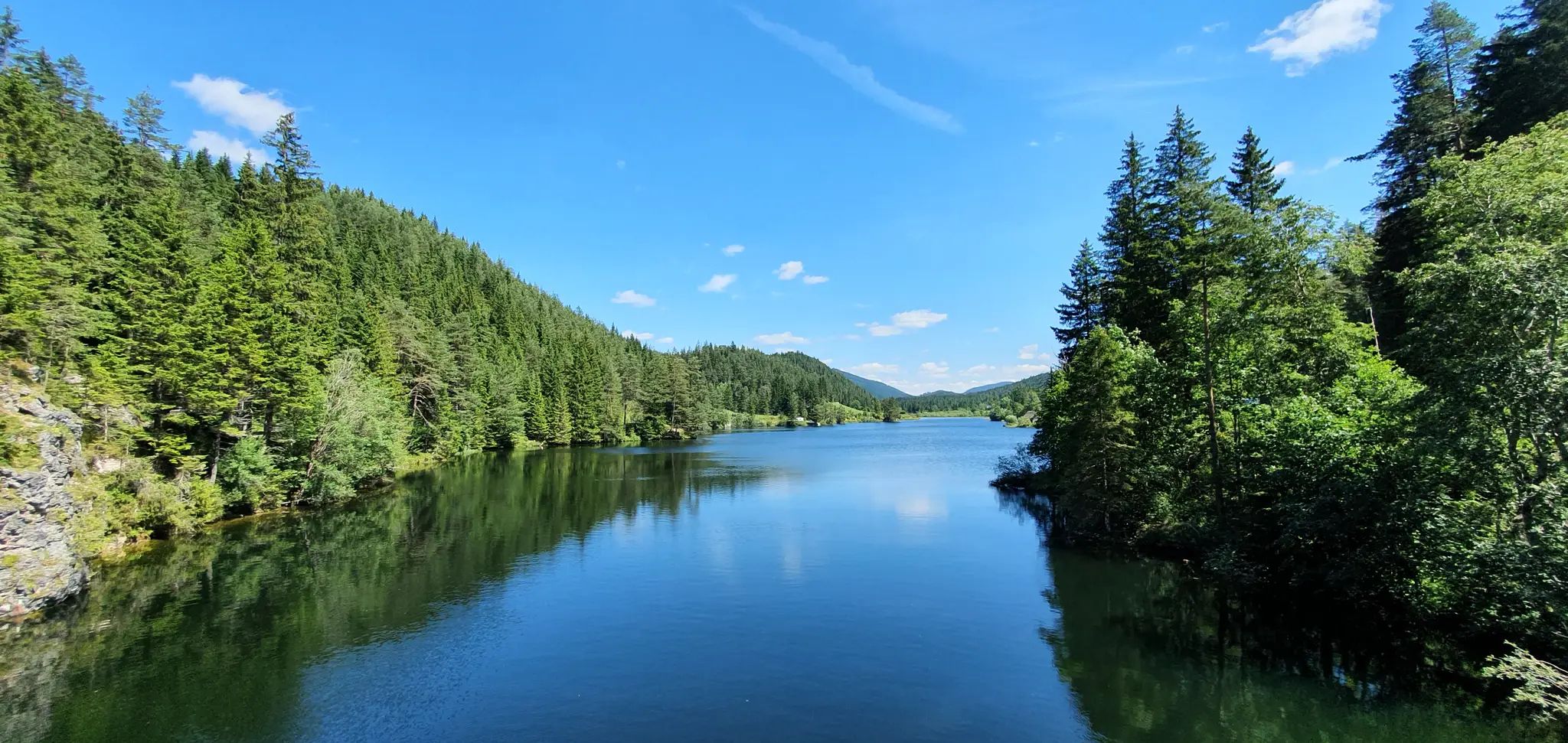
The Traisental cycle path – on a pilgrimage through the Mostviertler Alps
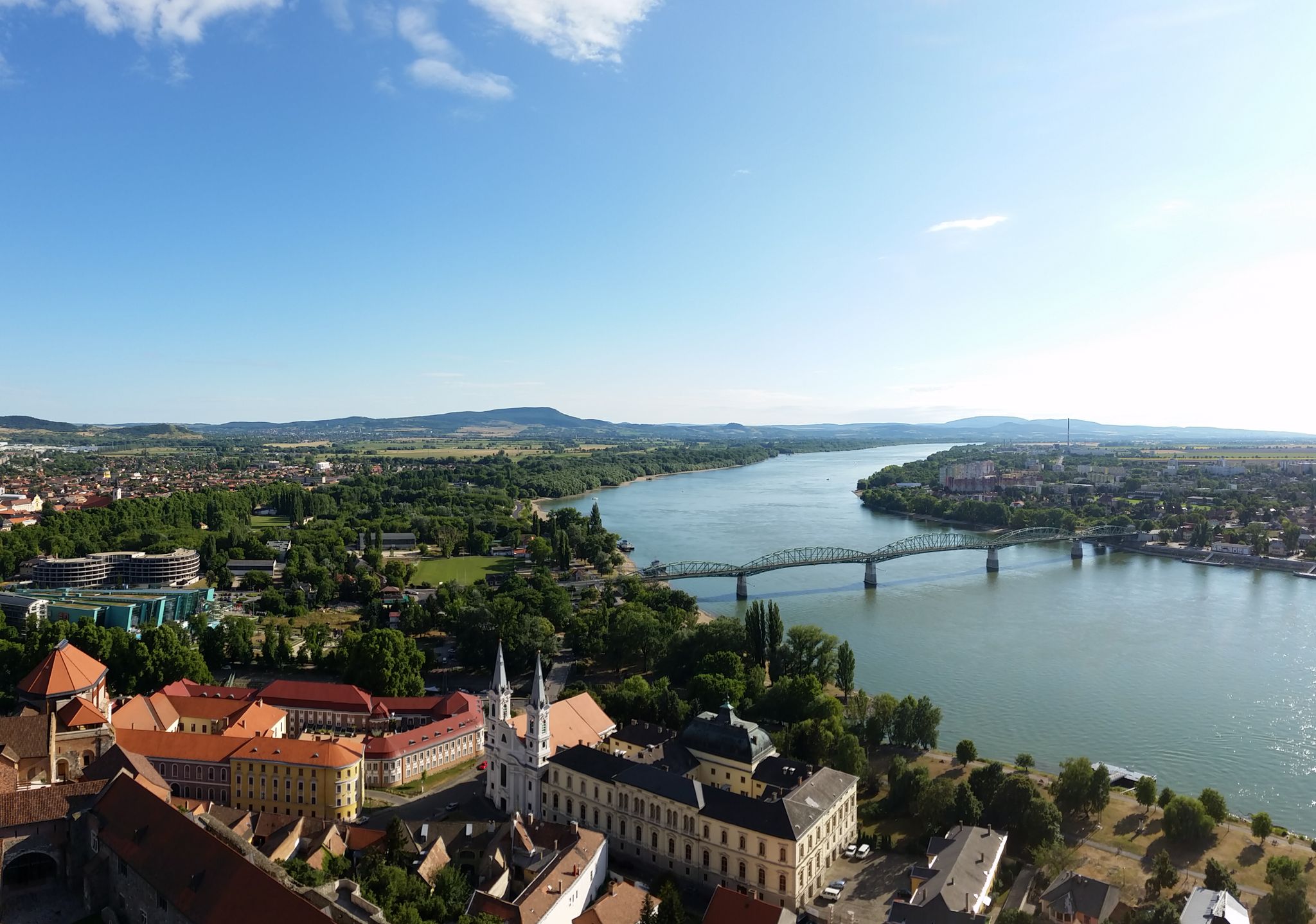
The Danube Cycle Path – From Donaueschingen to Budapest
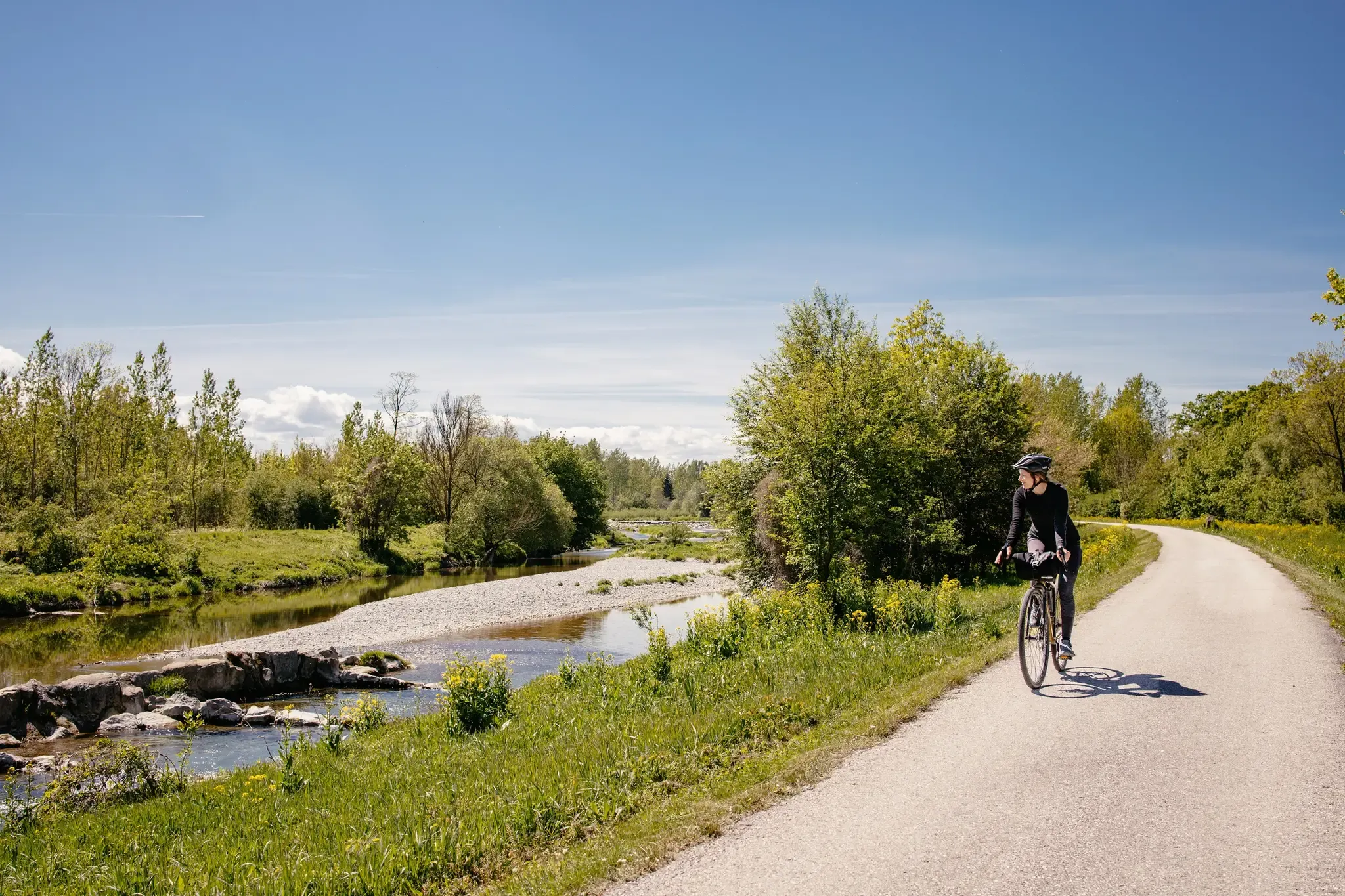
Traisental Cycle Path – river cycling through the Mostviertel Alps
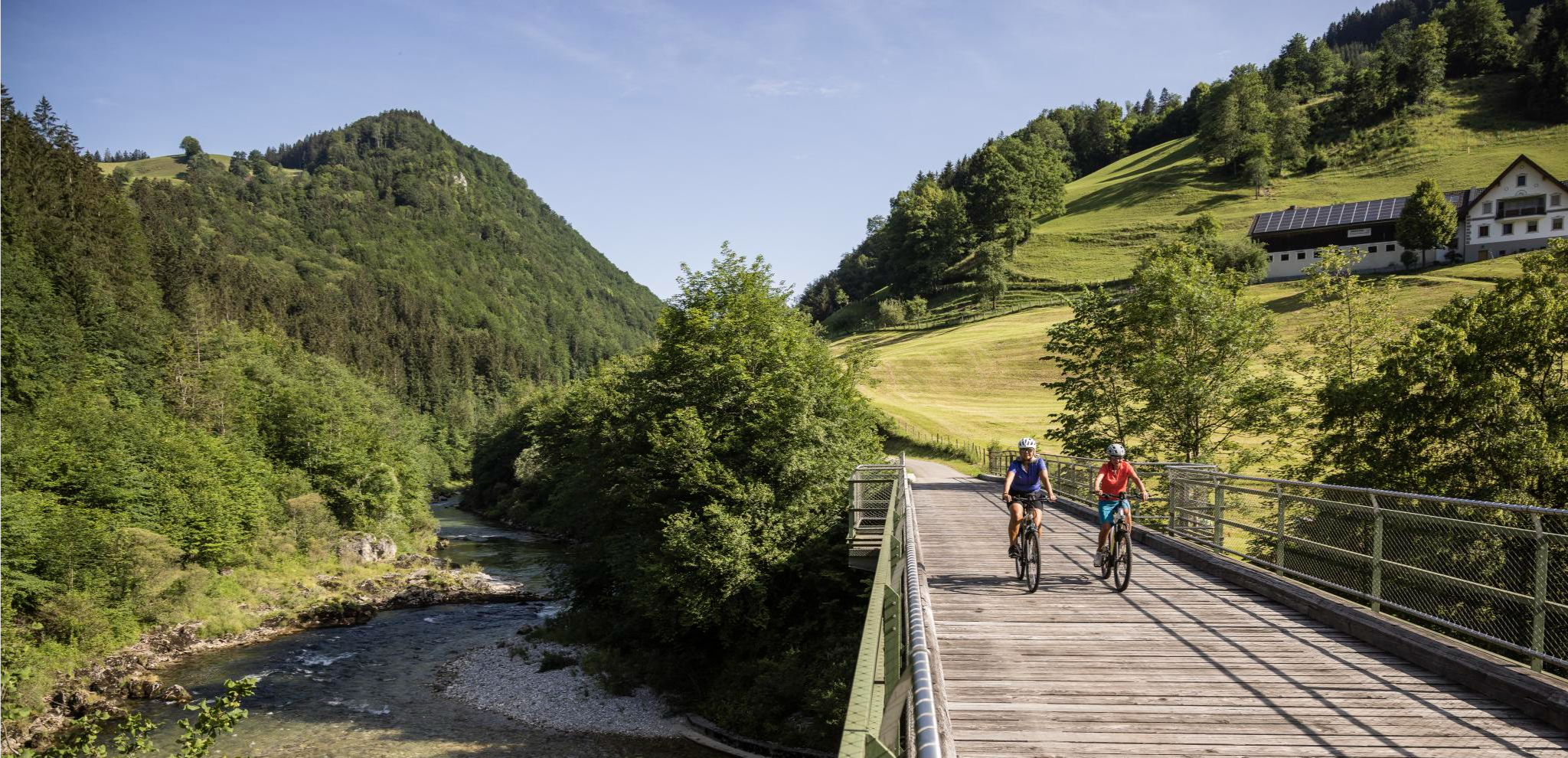
Flussradeln im Mostviertel: Genussvolle Touren entlang klarer Flüsse
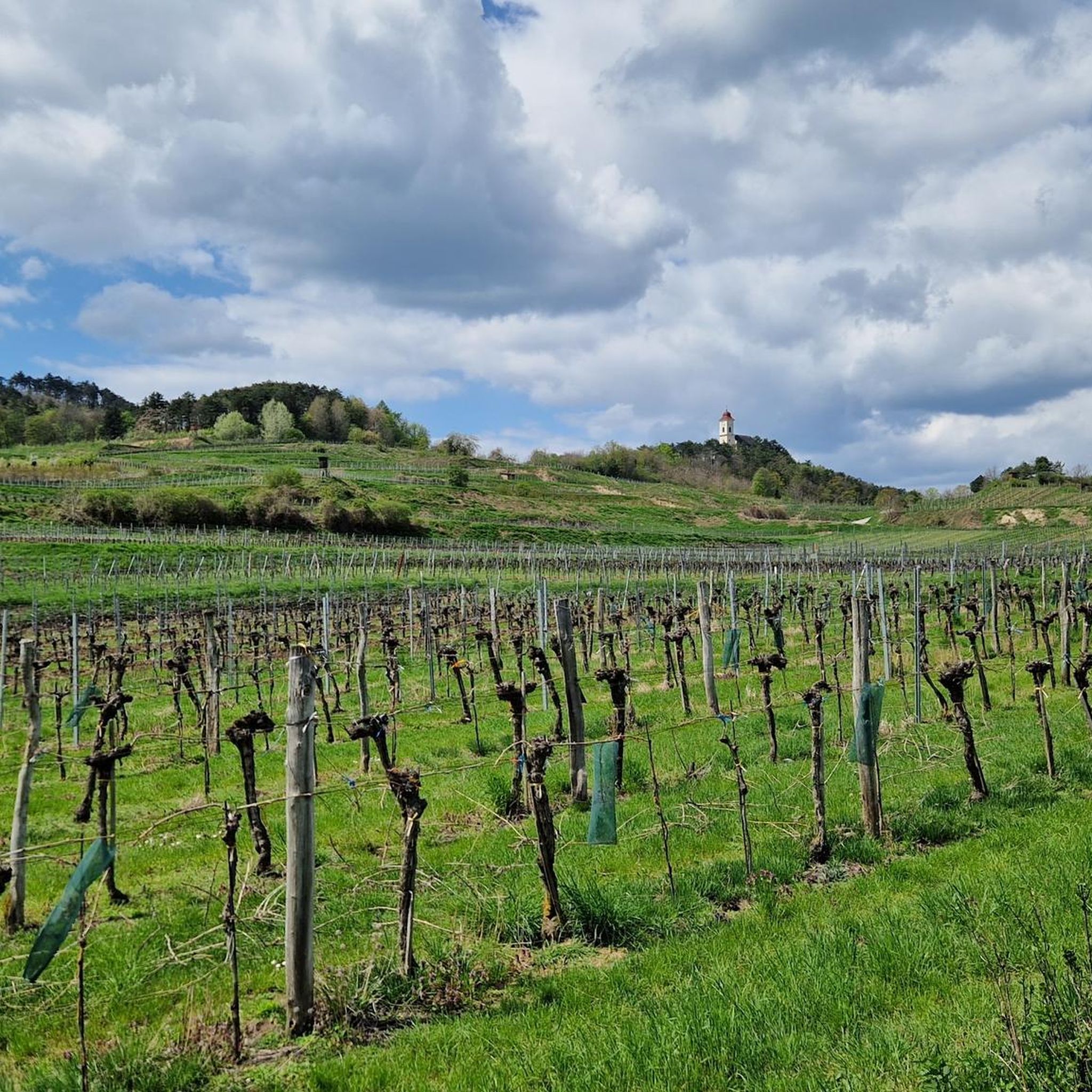
Cycling around Traismauer
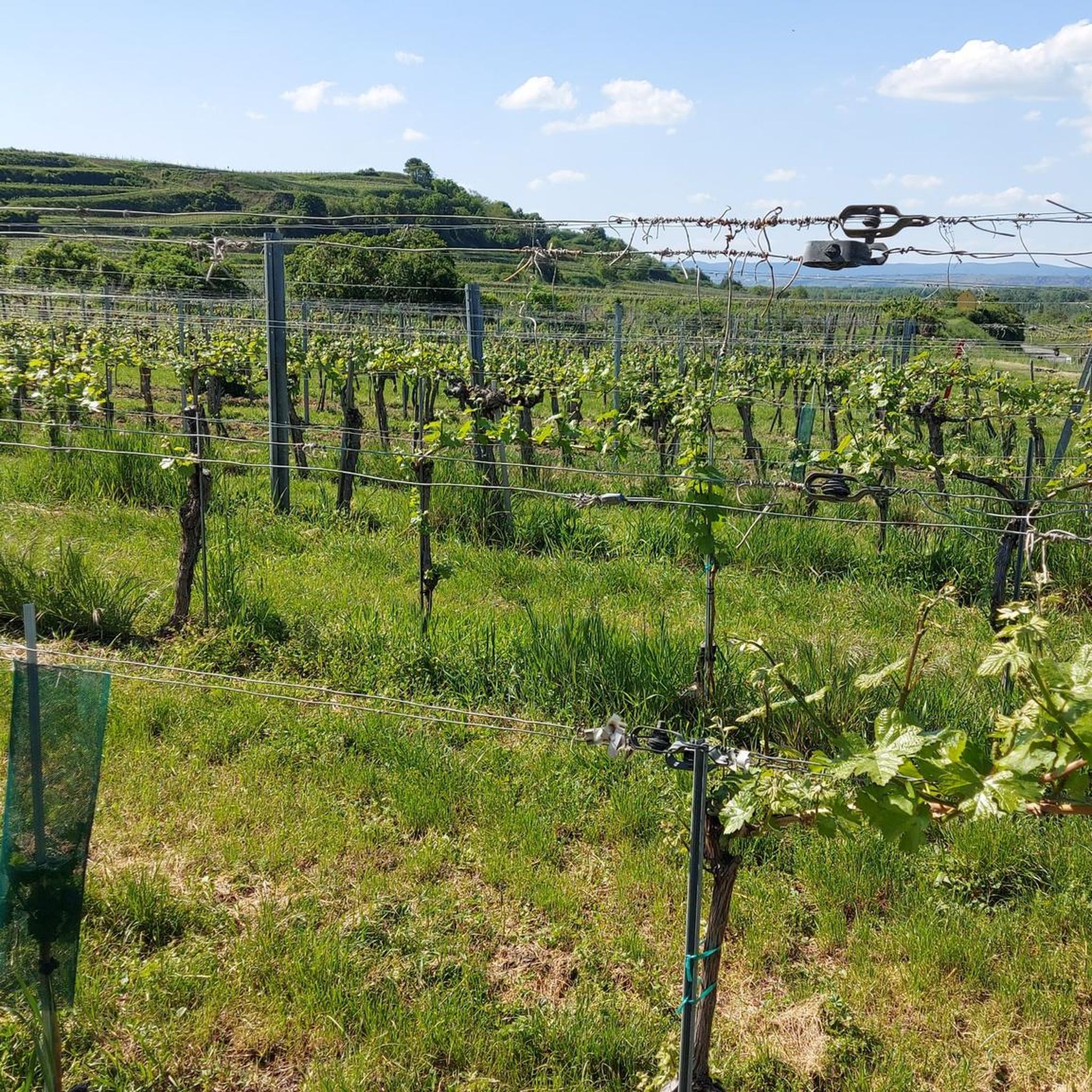
Road Cycling Routes around Traismauer
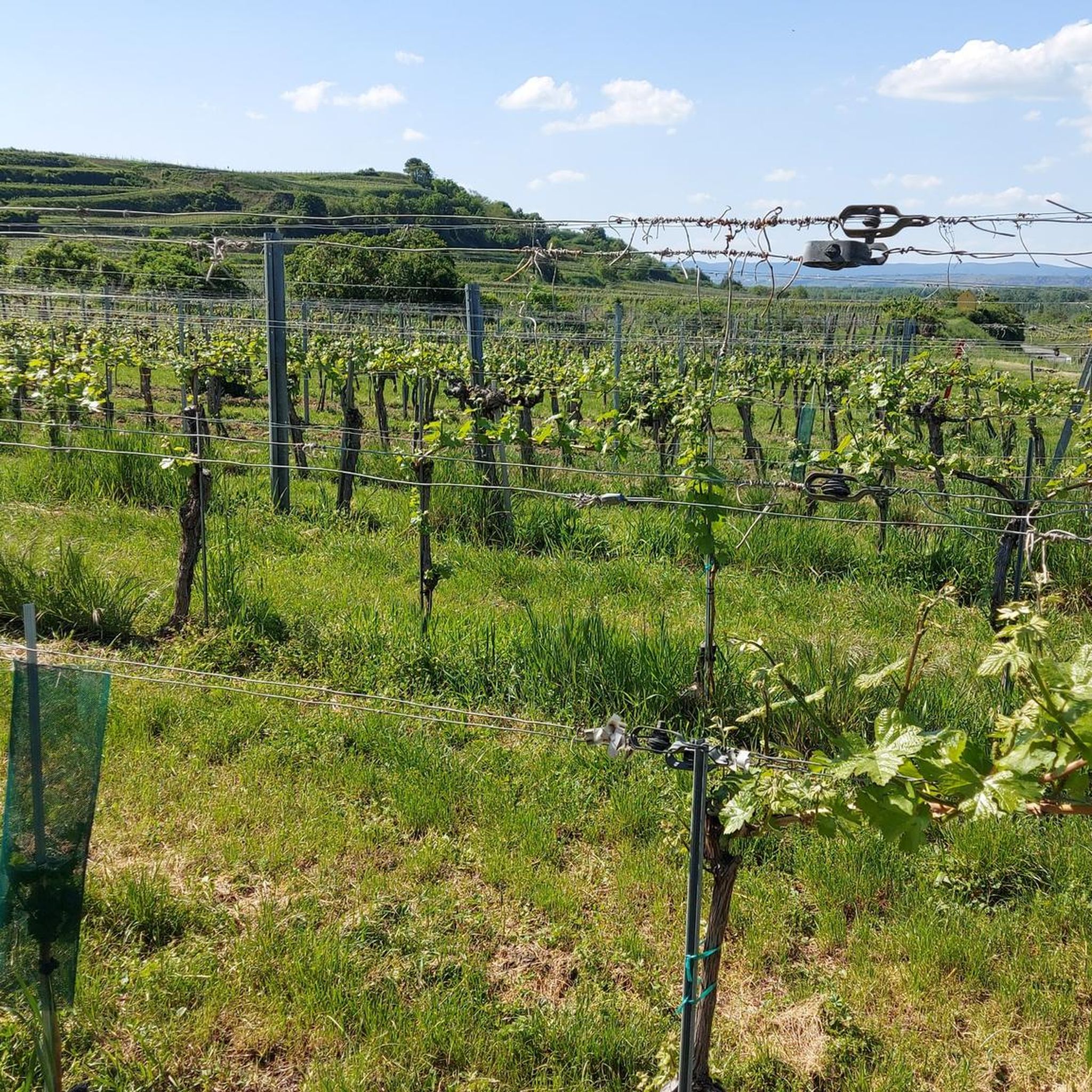
Hiking around Traismauer
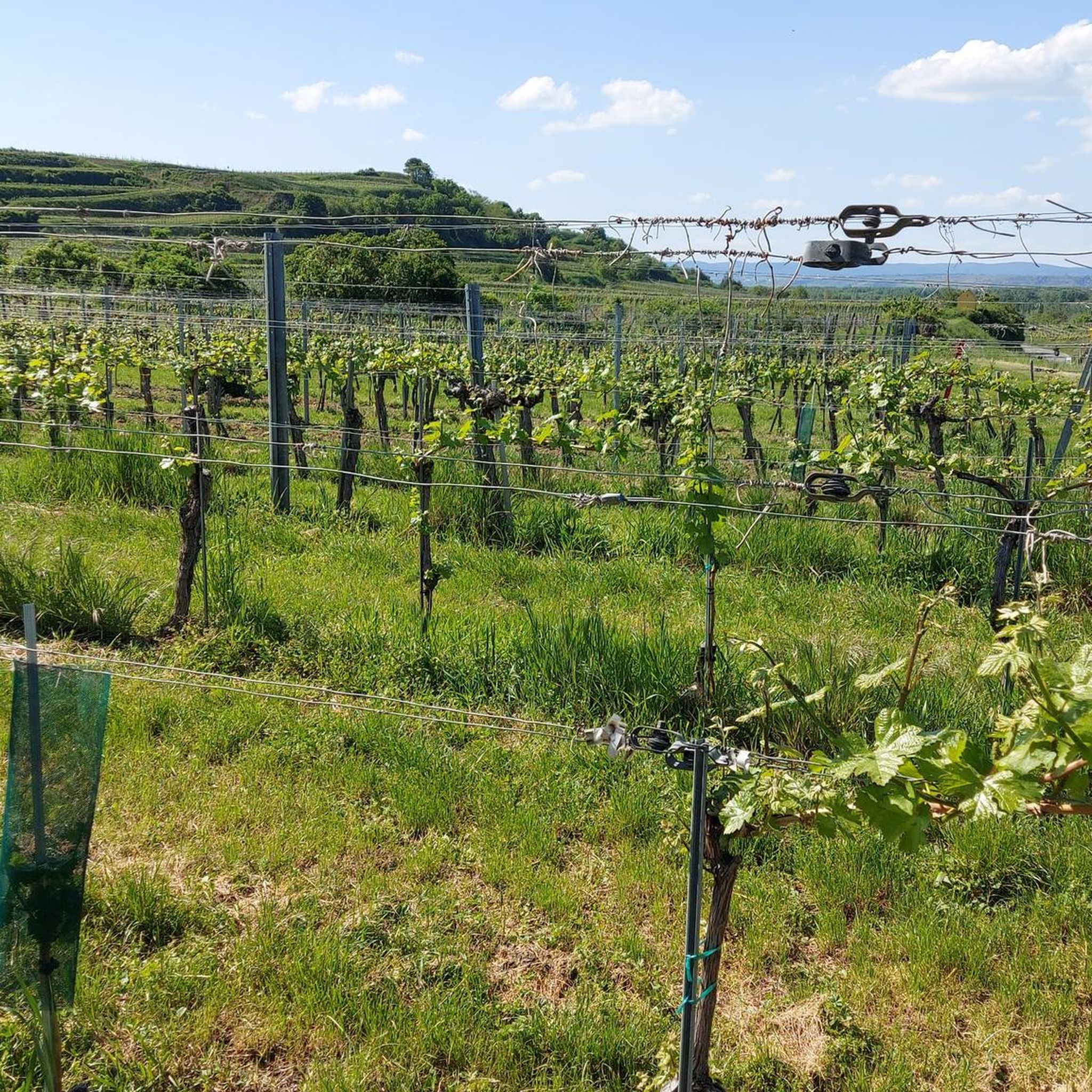
MTB Trails around Traismauer
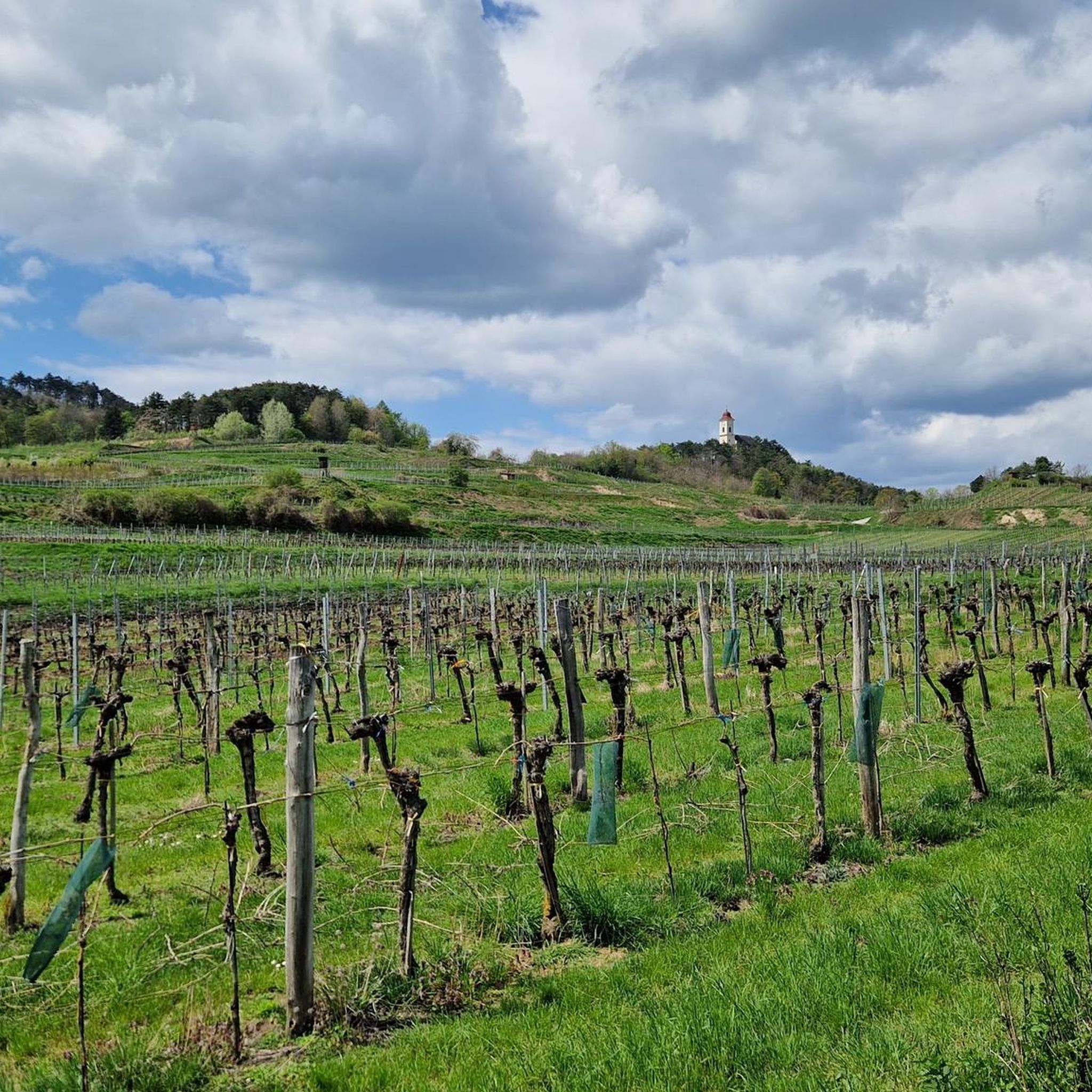
Running Trails around Traismauer
Gravel biking around Traismauer
Other adventures around Traismauer


Tips from the Community

a very snowy driving route along the Traisen
1
0

Why do I just not feel comfortable near nuclear power plants?
9
0

A really beautiful cycle path along the Traisen
3
1


The Zwentendorf nuclear power plant on the Danube, near Tulln in Lower Austria, was planned in the 1970s as Austria's first commercial nuclear power plant. Construction began in 1972 and was essentially completed in 1976. The plant was designed as a boiling water reactor with an electrical output of 730 MW and was considered modern and safe by the standards of the time. Despite its complete construction, the power plant was never put into operation. The decisive factor was the referendum on November 5, 1978, in which 50.47% of Austrians voted against its commissioning. The National Council subsequently passed a law prohibiting the use of nuclear energy for electricity generation in Austria. Thus, Zwentendorf remains the only completed but never commissioned nuclear power plant in the world. In the following decades, the plant was not dismantled but continued to be used. Since the 2000s, it has served as a training and education center for power plant and safety personnel, as a real reactor without radioactive radiation offers a unique training environment. Guided tours, technical training sessions, film shoots, and events also take place there. A photovoltaic system was later installed on the site, making it a symbol of the energy policy shift and Austria's decision against nuclear power.
8
0
The Traisen Valley Cycle Path runs from the Danube near Traismauer to Mariazell. The section between Traismauer and St. Pölten is just over 20 kilometers long and is considered a particularly family-friendly route, as it is largely flat and well-maintained. The route mostly runs directly along the Traisen River and through tranquil, scenic floodplain landscapes. Especially in the lower reaches, there are many renaturalized riverbanks that provide habitats for rare bird species, fish, and beavers. The route is also suitable for beginners and families.
15
1

The Traisen Valley Cycle Path is the ideal route for families and beginners. The Traisen Valley Cycle Path stretches from the Danube near Traismauer to Mariazell and offers particularly family-friendly sections. The approximately 20-kilometer section between Traismauer and St. Pölten is characterized by its flat and well-maintained route, making it suitable for both novice cyclists and families. This scenic route runs primarily directly along the Traisen River and leads through tranquil floodplains that invite you to linger. Especially in the lower reaches of the Traisen, you will find many renaturalized riverbanks where rare bird species, fish, and beavers have found a habitat. Enjoy nature on this relaxing bike tour, which is not only fun but also offers educational insights into the local flora and fauna. Whether with children or as a beginner, this route promises an unforgettable experience!
11
2

An entrance to the shopping mile.
4
0
Frequently Asked Questions
What historical sites can I explore in Traismauer?
Traismauer is rich in Roman history. You can visit the well-preserved Roman Gate (Wienertor), which was the eastern gate of the Roman fort. Another significant site is the Hunger Tower, a former horseshoe-shaped tower from the 4th-5th century AD, now hosting an exhibition on archaeology. Don't miss the crypt of the parish church, where you can see remains of the Roman command building. For a broader experience, the Old Town of Krems on the Danube, a UNESCO World Heritage Site, offers medieval alleys and baroque buildings.
Are there any family-friendly activities in Traismauer?
Yes, Traismauer offers several family-friendly options. The Cultural Trail of the Talking Romans is particularly engaging for children, providing a lively account of the town's Roman history across five stations, explorable on foot or by bicycle. In the summer months, the beautiful natural lakes provide spacious sunbathing and play areas. Many historical sites, such as the Steiner Gate, Krems, are also considered family-friendly.
What outdoor activities are available around Traismauer?
Traismauer is an excellent starting point for outdoor adventures. You can enjoy cycling along the Danube Cycle Path or the Traisental Cycle Path, with picturesque routes through vineyards and orchards. The region also offers numerous hiking opportunities. For specific routes, you can explore Road Cycling Routes around Traismauer, MTB Trails around Traismauer, or Hiking around Traismauer.
Where can I experience the local wine culture?
Traismauer is a renowned wine town surrounded by vineyards. You can visit numerous wine taverns (Heurigen) to enjoy regional wines. The Traismauer Tourist Information Office, located in Traismauer Castle, also offers opportunities to taste and purchase local wines, providing a direct connection to the region's viticulture.
What natural features can I find near Traismauer?
Traismauer is situated at the confluence of the Traisen and Danube rivers, creating scenic plains flanked by vineyards. You can also find beautiful natural lakes with sunbathing and play areas, and the Ecological Showcase Areas directly on the Traisen, which feature local plants and shaded resting spots for relaxation. The Danube Cycle Path 🚲 Krems–South Bank offers wonderful views of the Danube.
What is Traismauer Castle known for?
Traismauer Castle (Schloss Traismauer) has a rich history, serving as the former seat of the Roman cavalry fort and a setting in the Nibelungen saga. Today, it hosts high-class events during the annual cultural summer and houses the 'Traismauer Treasures' exhibition, showcasing ancient Roman finds and the Traismauer nativity scene, which is part of the intangible UNESCO cultural heritage.
Are there any unique or unusual attractions nearby?
For a truly unique experience, consider visiting the Zwentendorf nuclear power plant. It's the only nuclear power plant in the world that was completed but never put into operation due to a referendum, offering a fascinating glimpse into Austrian contemporary history and politics.
What are some easy hiking trails around Traismauer?
For easy hiking, consider routes like the 'Picnic Area at Hauersteig – Korkenzieher Observation Tower loop from Katastralgemeinde Ahrenberg' (3.17 km) or the 'Traisen River – Traisen Weir loop from Traismauer' (3.97 km). You can find more easy options and detailed information in the Hiking around Traismauer guide.
Can I find wheelchair-accessible paths or attractions?
Yes, some attractions and paths are noted for their accessibility. The Steiner Gate, Krems and the Danube Cycle Path 🚲 Krems–South Bank are highlighted as wheelchair-accessible. When planning your visit, it's always advisable to check specific venue details for the most current accessibility information.
What do visitors enjoy most about the area around Traismauer?
Visitors frequently appreciate the blend of historical significance and natural beauty. The well-preserved Roman heritage, the charming old towns like Mautern on the Danube — Old Town, and the scenic cycling paths along the Danube are often highlighted. The region's wine culture and the tranquil natural lakes also receive positive feedback for their relaxing atmosphere.
Where can I find tourist information in Traismauer?
The Traismauer Tourist Information Office is conveniently located within Traismauer Castle. Here, you can get assistance with planning your visit, learn more about local attractions, and even taste and purchase local wines. For more information, you can visit the Lower Austria tourism website: lower-austria.info.
Are there opportunities for cycling tours of varying difficulty?
Yes, the region caters to various cycling abilities. The Danube Cycle Path 🚲 Krems–South Bank section, for example, is mostly flat and suitable for all fitness levels. For more challenging rides, you can explore the diverse routes listed in the Road Cycling Routes around Traismauer and MTB Trails around Traismauer guides, which include easy, moderate, and more demanding options.
Most popular routes around Traismauer
Most popular attractions around Traismauer

Get inspired with the komoot mobile app


Explore more
Still not found the Highlight you’re looking for? See guides of the top attractions in other regions:
