Top 18 Castles around Wolfurt
Best castles around Wolfurt offer a blend of historical significance and scenic landscapes in the Rhine Valley. The region features a variety of castles, from ancient ruins to restored historical buildings, many providing expansive views. These sites are often nestled amidst forests or perched on hills, making them accessible via hiking routes. The area's rich past is reflected in its diverse castle architecture and preserved grounds.
Best castles around Wolfurt
- The most popular castles is Grimmenstein Castle Ruins, a…
Last updated: August 16, 2026
Alt-Ems Castle Ruins
Highlight • Castle
Translated by Google •
Tip by

Deuringschlössle
Highlight • Castle
Translated by Google •
Tip by

Sign up now to discover places like this
Get recommendations on the best single tracks, peaks, & plenty of other exciting outdoor places.
Sign up for free
Gebhardsberg Castle Ruins
Highlight • Castle
The castle was built in the last quarter of the 11th century (before 1097) by the Counts of Bregenz (Ulriche). The castle was first mentioned in a document in 1209.
Translated by Google •
Tip by

Grimmenstein Castle Ruins
Highlight • Castle
Translated by Google •
Tip by

Glopper Castle (Neu‑Ems Castle)
Highlight • Castle
Translated by Google •
Tip by

Sign up for free to discover even more castles around Wolfurt.
Sign up for free
Already have an account?
Start today with a free account
Your next adventure awaits.
Login or Signup
Popular around Wolfurt
Maximilian Trail in Germany — Lake Constance to Königssee
Vorarlberg in autumn – the 6 most beautiful hikes in the golden season
Hiking around Wolfurt
Cycling around Wolfurt
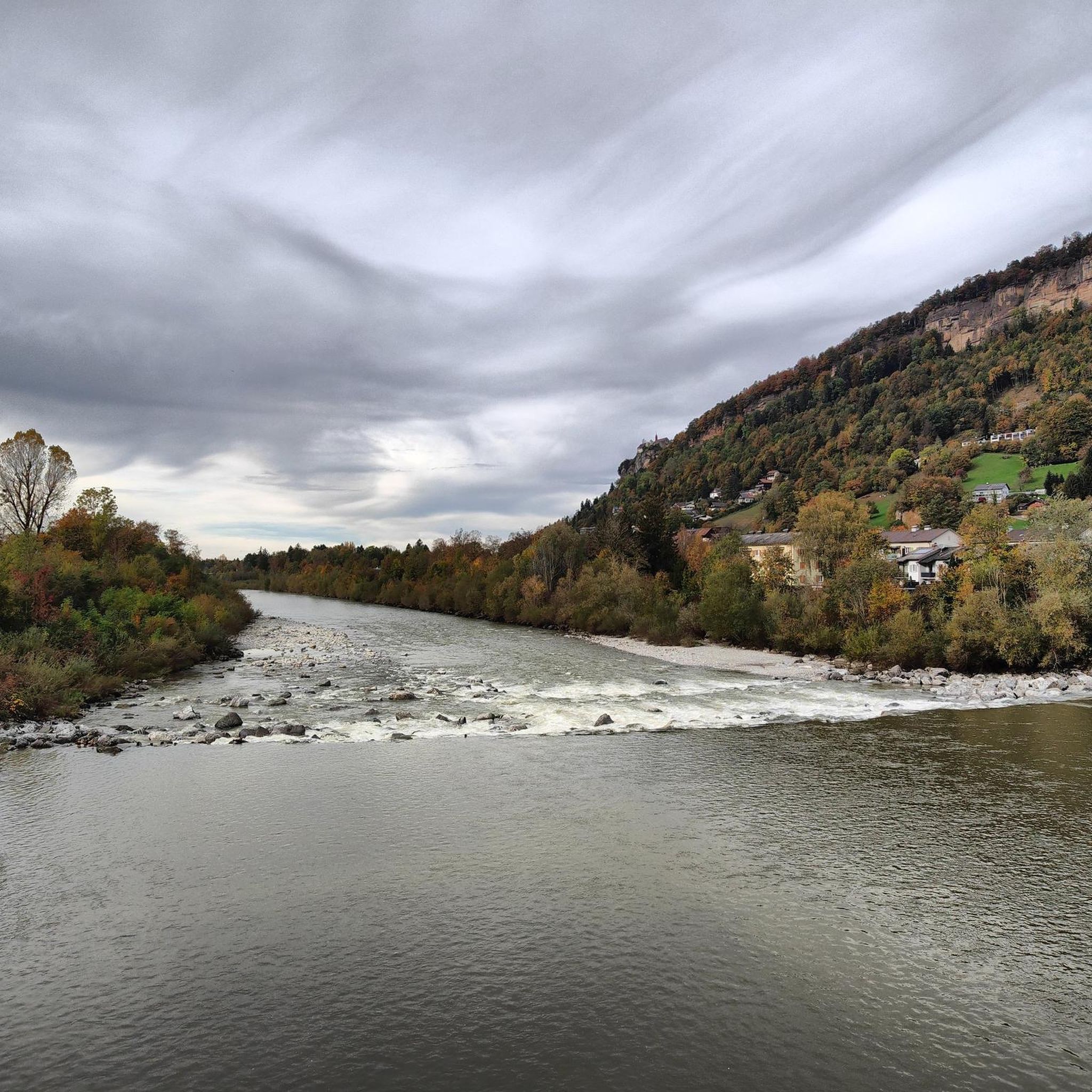
Road Cycling Routes around Wolfurt
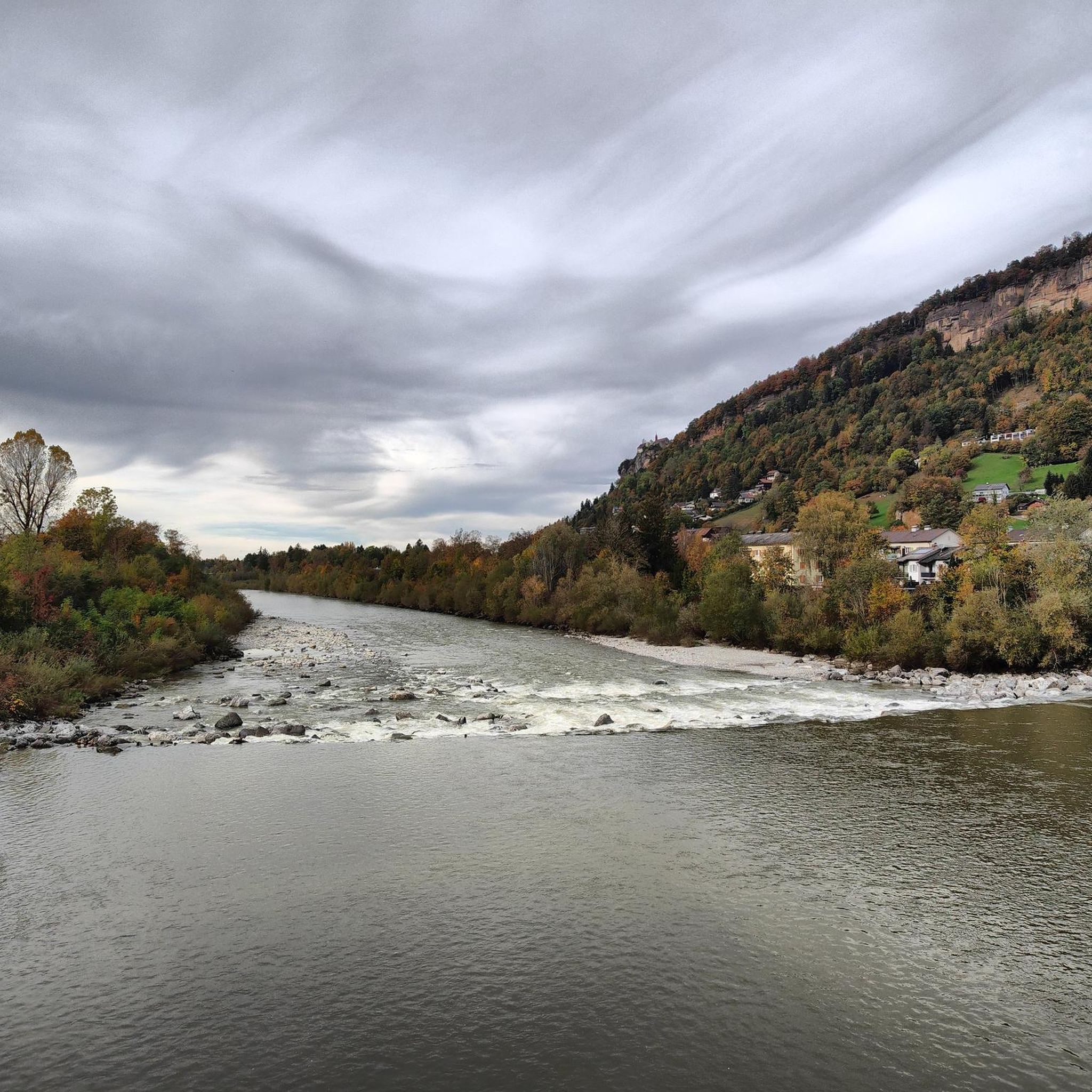
MTB Trails around Wolfurt
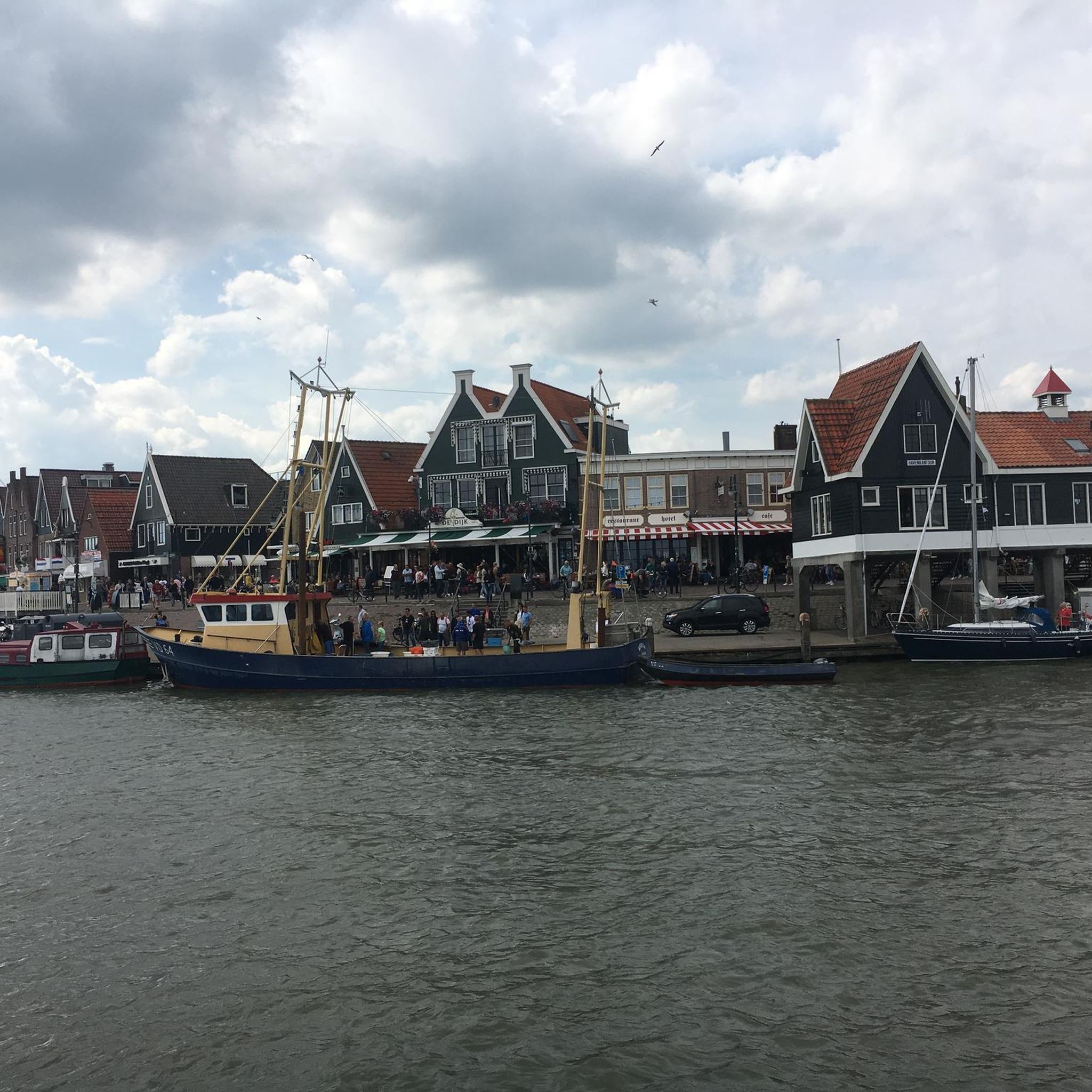
Gravel biking around Wolfurt
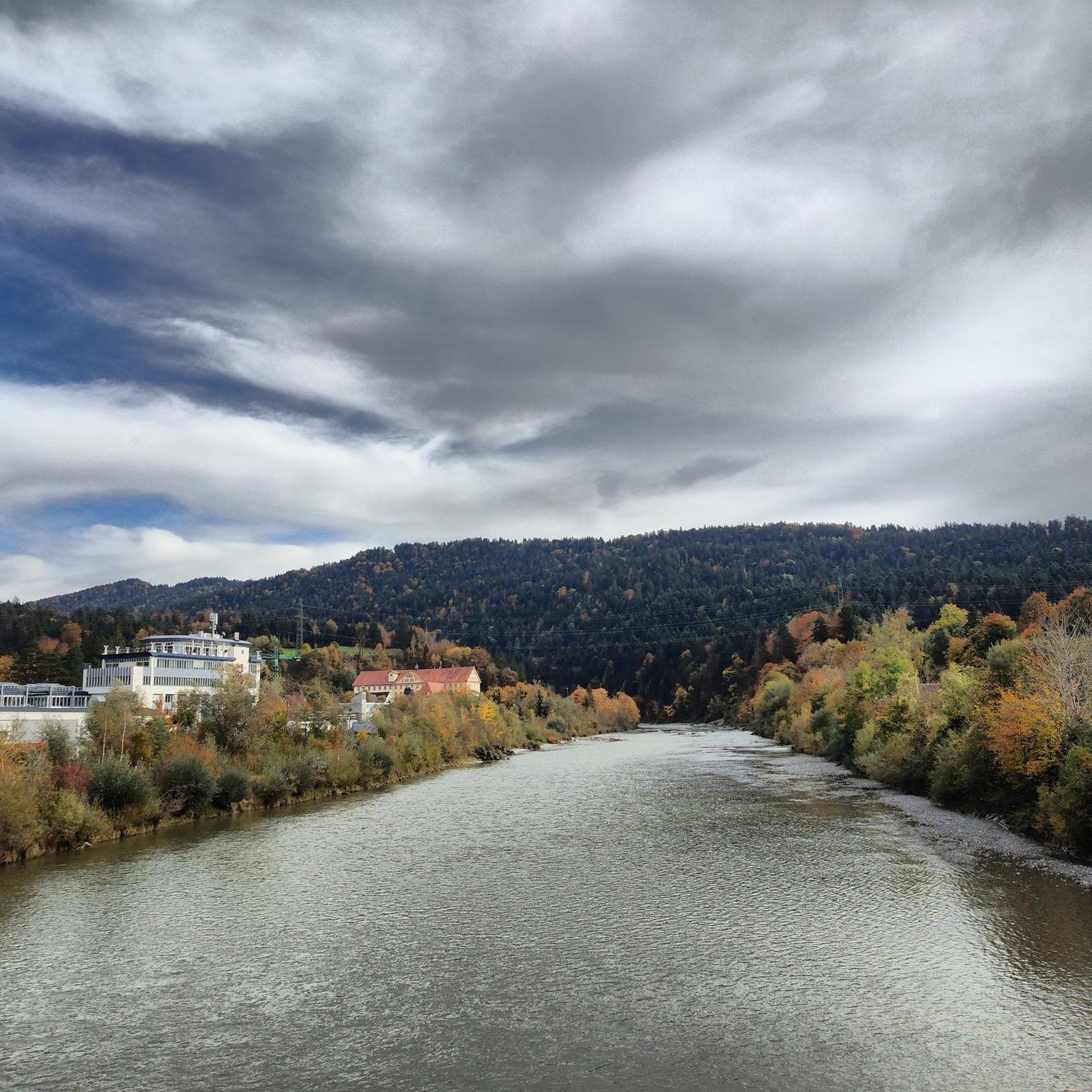
Running Trails around Wolfurt

Mountain Hikes around Wolfurt


Tips from the Community

The Deuringschlössle (also Deuringschlößle) is a former residence in the upper town of Bregenz. The core of the three-story manor house dates back to the 14th/15th century and is located in the southwest corner of Bregenz's upper town, a short distance from the city wall. In 1539, the small manor house belonged to Hans von Wolfurt. In 1647, it was damaged by the Swedes during the capture of Bregenz. Johann Albert von Deuring acquired the manor house in 1660 and had it significantly enlarged by 1702, building up the open space between the manor house and the city wall. The gun tower at the southwest corner of the city wall was raised, given an onion dome, and incorporated into the building. An extension was added to the southeast side in 1698, and the "Torkel" (wine cellar) was built to the east in 1702. Michael and Johann Georg Kuen may have significantly influenced this structural redesign. The Deuring family were wealthy timber merchants from Bregenz who were raised to the knightly nobility in 1621. The Deuringschlössle remained in the family's possession until 1801. The next owners were the governor and district captain Johann Jakob von Vicari, and twenty years later, the Imperial and Royal Rent Master Christoph Anton Kayser, who established the Rent Office here. After his death, the building was inherited by the Swiss architect Johann Anton von Tscharner-Merhart, who commissioned an interior renovation in the historicist style in 1915. In 1927, the upper floor of the former wine press was converted into an artist's studio, the so-called Knight's Hall. From 1989 to 2015, the Deuringschlössle was used as a gourmet hotel.
1
0

Around 1100, the Count of Bregenz built the castle on a rocky outcrop of the Gebhardsberg, high above the city. "Sunken in holy enthusiasm..." begins a poem inspired by Hohen Bregenz Castle. In 1143, the castle passed to the Counts of Pulllendorf, and shortly thereafter, around 1170, to Count Palatine Hugo II of Tübingen (father of Hugo I, Count of Montfort). The upper part of the castle was sold to the Habsburgs in 1451, and the lower part in 1523, and the castle became the seat of Austrian bailiffs. Converted into a fortress at the beginning of the 17th century, the Swedes blew up large sections of the castle during the Thirty Years' War. The circular wall and parts of the palace survived. The attached church became a popular place of pilgrimage in honor of Saint Gebhard. The old sacristan's house, which has since been converted into a restaurant, looks forward to your visit. Even today, the fantastic view over the Rhine Valley and Lake Constance attracts numerous visitors.
1
0

A manor house was built here between the 14th and 15th centuries. Around 1700, the gaps between the house and the city wall were closed.
0
0

Well-preserved old buildings, the likes of which are no longer found in the lower town.
0
0

The Deuringschlössle and the Martinsturm dominate the silhouette of Bregenz's upper town. The mighty bastions of the city wall and the round corner tower still show the original defensive strength. The former gun tower was extended to an octagonal shape in the 17th century and given a slightly oversized onion dome, in keeping with the spirit of the Baroque era.
6
0

Beautiful castle in the old town, very nicely located. Beautiful old houses 👍
2
0

History of Hohenbregenz Castle. The castle was built in the last quarter of the 11th century (before 1097) by the Counts of Bregenz (Ulriche). The castle was first mentioned in a document in 1209. In 1143 the castle passed to the Counts of Pfullendorf, but only remained in their possession for a short time. Just a few years later (1170) it came to Count Palatine Hugo of Tübingen (father of Hugo I, Count of Montfort). The upper part of the castle was sold in 1451 and the lower part of the castle in 1523 to the Habsburgs, who made the castle the seat of Austrian bailiffs. At the beginning of the 17th century the castle was expanded into a fortress. In 1647, towards the end of the Thirty Years' War, they were able to capture Swedish troops without a fight. They blew up the fortress in the same year by setting off five mines (see Naval War on Lake Constance 1632–1648). Source: Wikipedia
3
0

The Deuringschlössle is a former residence in the upper town of Bregenz. The building is a listed building.
6
0
Frequently Asked Questions
What are some notable castles to explore in the Wolfurt region?
Beyond the well-known Grimmenstein Castle Ruins and Alt-Ems Castle Ruins, you can also visit Deuringschlössle in Bregenz, known for its Baroque architecture. The Gebhardsberg Castle Ruins offer a gastronomic spot with historical significance, while Glopper Castle (Neu-Ems Castle) is a privately owned, impressive building worth seeing from the outside.
What is special about Schloss Wolfurt?
Schloss Wolfurt, first documented in 1217, is the primary castle in the area, known for its rich history and stunning architecture. Although largely destroyed in 1939, it was rebuilt and recently underwent extensive renovations completed in 2023. It features a restored main hall, a coffered ceiling, and a terrace with sweeping views of Lake Constance. While the interior is often reserved for private events, the exterior and expansive grounds, including a majestic linden tree and a romantic swing, are accessible for leisurely strolls and exploration.
Are there hiking trails near the castles in Wolfurt?
Yes, many castles in the Wolfurt region are accessible via hiking routes. For example, the Grimmenstein Castle Ruins are reached after a pleasant climb through the forest. The Alt-Ems Castle Ruins are part of a trail offering views over the Rhine Valley. You can find various hiking options, including easy walks, in the Easy hikes around Wolfurt guide, which includes routes like the 'Old Smithy by the Pond – Wolfurt Castle loop'.
Which castles offer the best views in the Wolfurt area?
Several castles provide excellent viewpoints. The Grimmenstein Castle Ruins offer a wonderful view of Lake Constance and the surrounding states. Alt-Ems Castle Ruins, at 740m above sea level, provides expansive views over the Rhine Valley. Schloss Wolfurt also boasts an impressive terrace with sweeping views of Lake Constance and the Rhine Valley, especially beautiful at sunset.
Are there family-friendly activities at castles near Wolfurt?
Yes, the Grimmenstein Castle Ruins are particularly suitable for family visits, featuring two barbecue areas and being an interesting 800-year-old ruin that children often enjoy exploring. The expansive grounds of Schloss Wolfurt also provide ample space for leisurely strolls and picnics, making it a pleasant outing for families.
When is the best time of year to visit castles around Wolfurt?
The Wolfurt region's castles are enjoyable throughout much of the year. Spring and autumn offer pleasant temperatures for hiking and exploring the grounds. Summer provides longer daylight hours, perfect for enjoying the scenic views and outdoor areas. Even in winter, some castle grounds can be beautiful for a peaceful walk, though access to certain areas or interiors might be limited.
Can I bring my dog to castle trails in Wolfurt?
Many outdoor areas and hiking trails around castles in Vorarlberg, including those near Wolfurt, are generally dog-friendly. However, it's always advisable to keep dogs on a leash, especially in historical sites or areas with wildlife. Specific rules for castle interiors or private grounds may vary, so check local signage.
Is parking available at castles around Wolfurt?
Parking availability varies by castle. For Schloss Wolfurt, there are usually parking options nearby, especially since it's used as an event location. For ruins like Grimmenstein or Alt-Ems, parking is typically found at the start of the hiking trails leading up to them.
How can I reach Wolfurt's castles by public transport?
Wolfurt and surrounding towns are generally well-connected by public transport. You can often reach the vicinity of castles by bus or train, followed by a walk. For Schloss Wolfurt, local bus services can take you close to the town center. For specific castle ruins, you might need to combine public transport with a hike from the nearest stop. It's best to check local transport schedules for the most up-to-date information.
What other outdoor activities can I do near Wolfurt's castles?
Besides exploring castles, the Wolfurt region offers various outdoor activities. You can find numerous running trails in the Running Trails around Wolfurt guide, including routes with views of Lake Constance. For mountain biking enthusiasts, the MTB Trails around Wolfurt guide provides challenging routes through forests and to viewpoints.
Are there cafes or restaurants near the castles in Wolfurt?
Yes, you can find dining options near some of the castles. For instance, the Gebhardsberg Castle Ruins are known for their gastronomic spot. In Wolfurt itself, and in nearby towns like Bregenz, there are cafes and restaurants where you can relax and refuel after your castle explorations.
How long does it typically take to visit castles near Wolfurt?
The duration of a visit can vary. For castle ruins like Grimmenstein or Alt-Ems, a visit might involve a hike of 1-2 hours to reach the site and explore the ruins. For Schloss Wolfurt, exploring the grounds might take 30-60 minutes, depending on your pace. If you combine a castle visit with a longer hike or a meal, plan for a half-day or full-day excursion.
Most popular routes around Wolfurt
Most popular attractions around Wolfurt

Get inspired with the komoot mobile app


Explore more
Looking for the best castles somewhere else? Discover other guides around Wolfurt:
