Attractions and Places To See around Großgmain - Top 20
Best attractions and places to see around Großgmain include a blend of historical landmarks, natural features, and cultural sites. This municipality in the Salzburg-Umgebung district of Austria is situated at the foot of the Untersberg Mountain, offering diverse landscapes. Visitors can explore ancient ruins, significant pilgrimage sites, and extensive open-air museums. The region provides opportunities for outdoor activities amidst its natural surroundings.
Best attractions and places to see around Großgmain
- The most popular attractions is Almbach Gorge (Almbachklamm), a…
Last updated: November 20, 2026
Almbach Gorge (Almbachklamm)
Highlight (Segment) • Gorge
Translated by Google •
Tip by

Historic Old Town with Residenzplatz and Residenzbrunnen
Highlight • Historical Site
Translated by Google •
Tip by

Sign up now to discover places like this
Get recommendations on the best single tracks, peaks, & plenty of other exciting outdoor places.
Sulzer Waterfall in the Almbach Gorge
Highlight • Waterfall
Translated by Google •
Tip by

Salzburg Cathedral
Highlight • Religious Site
Translated by Google •
Tip by

Mirabell Palace
Highlight • Castle
Translated by Google •
Tip by
Sign up for free to discover even more attractions around Großgmain.
Already have an account?
Start today with a free account
Your next adventure awaits.
Popular around Großgmain
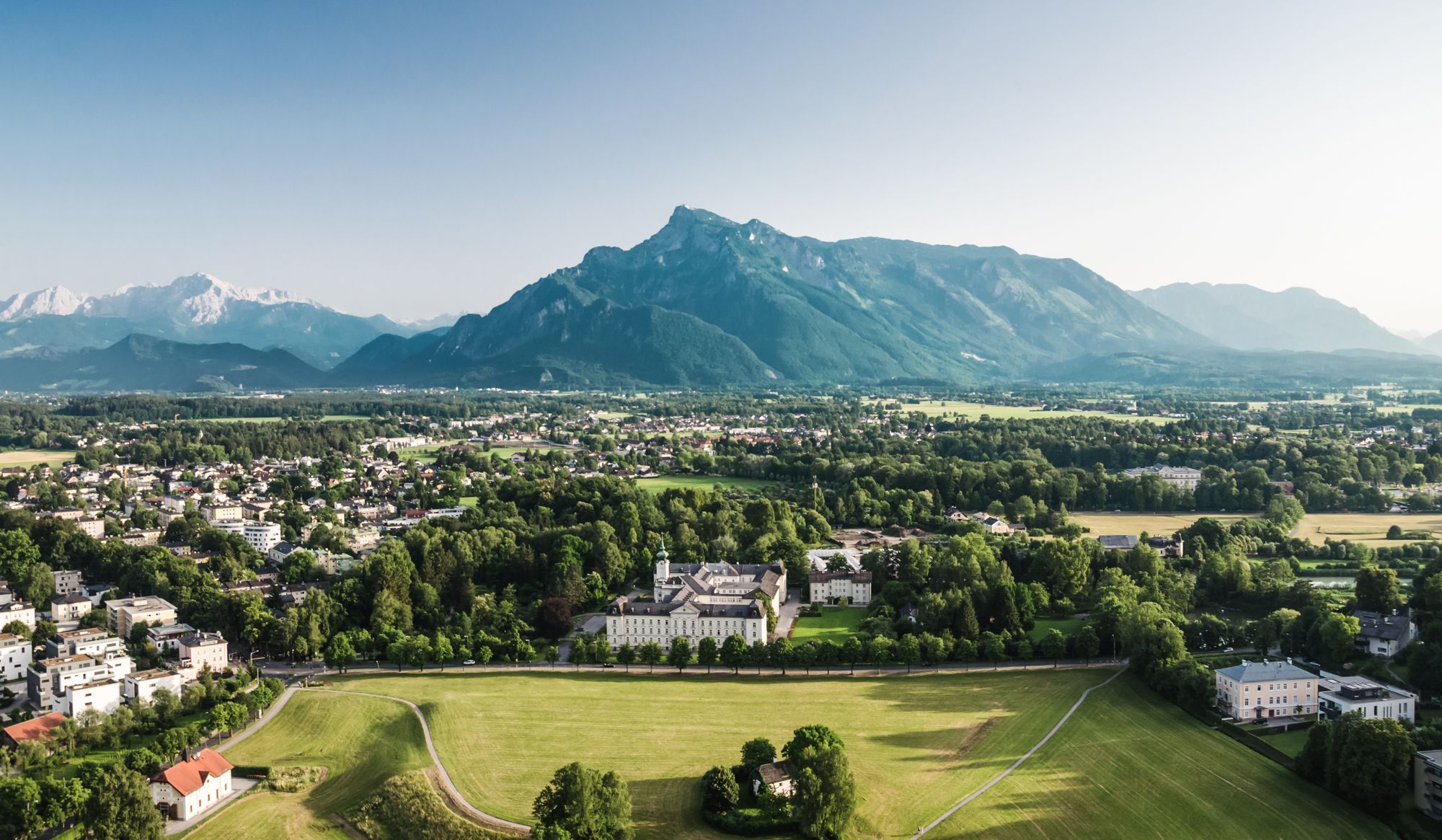
Salzburger Handwerk, Tradition und Natur
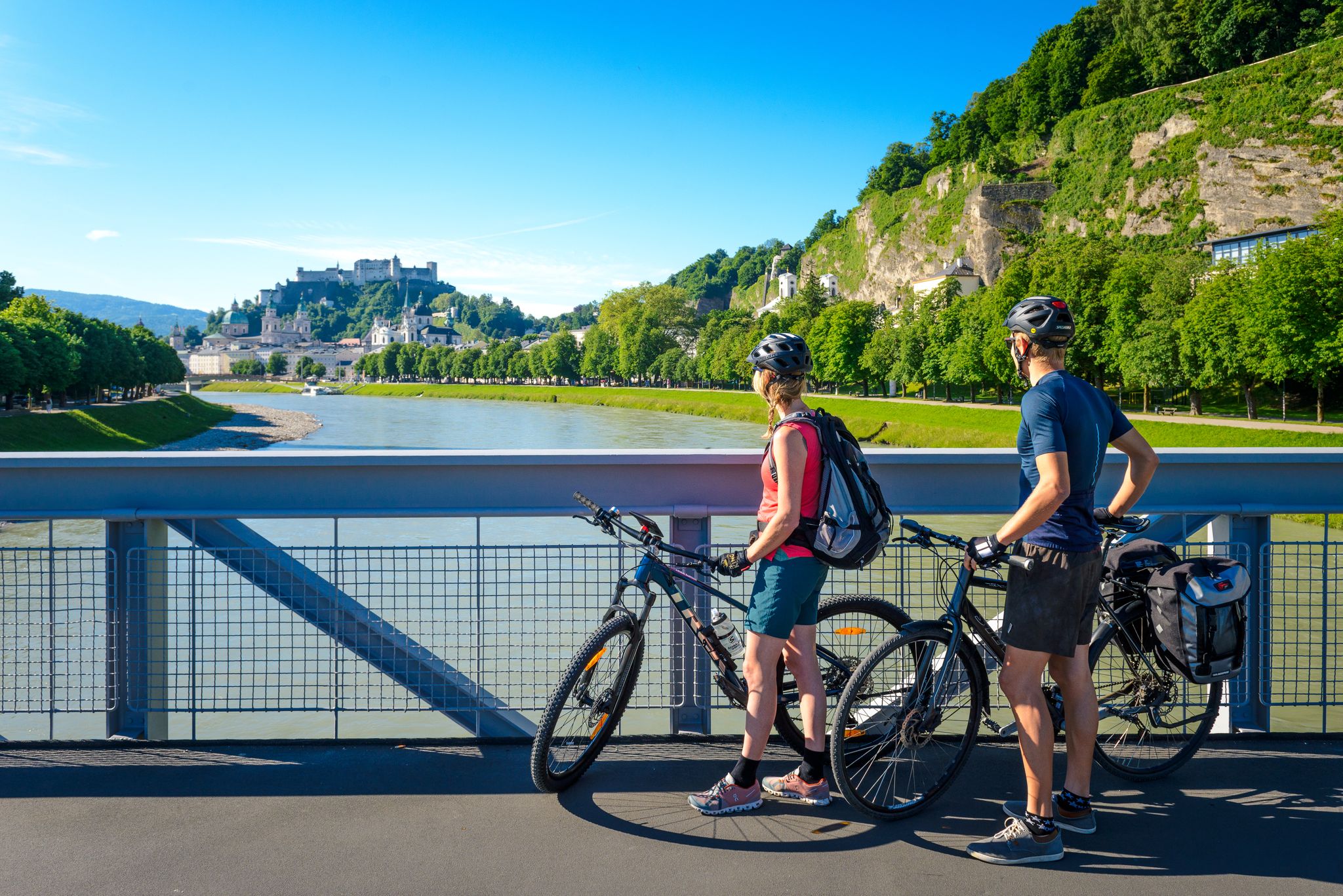
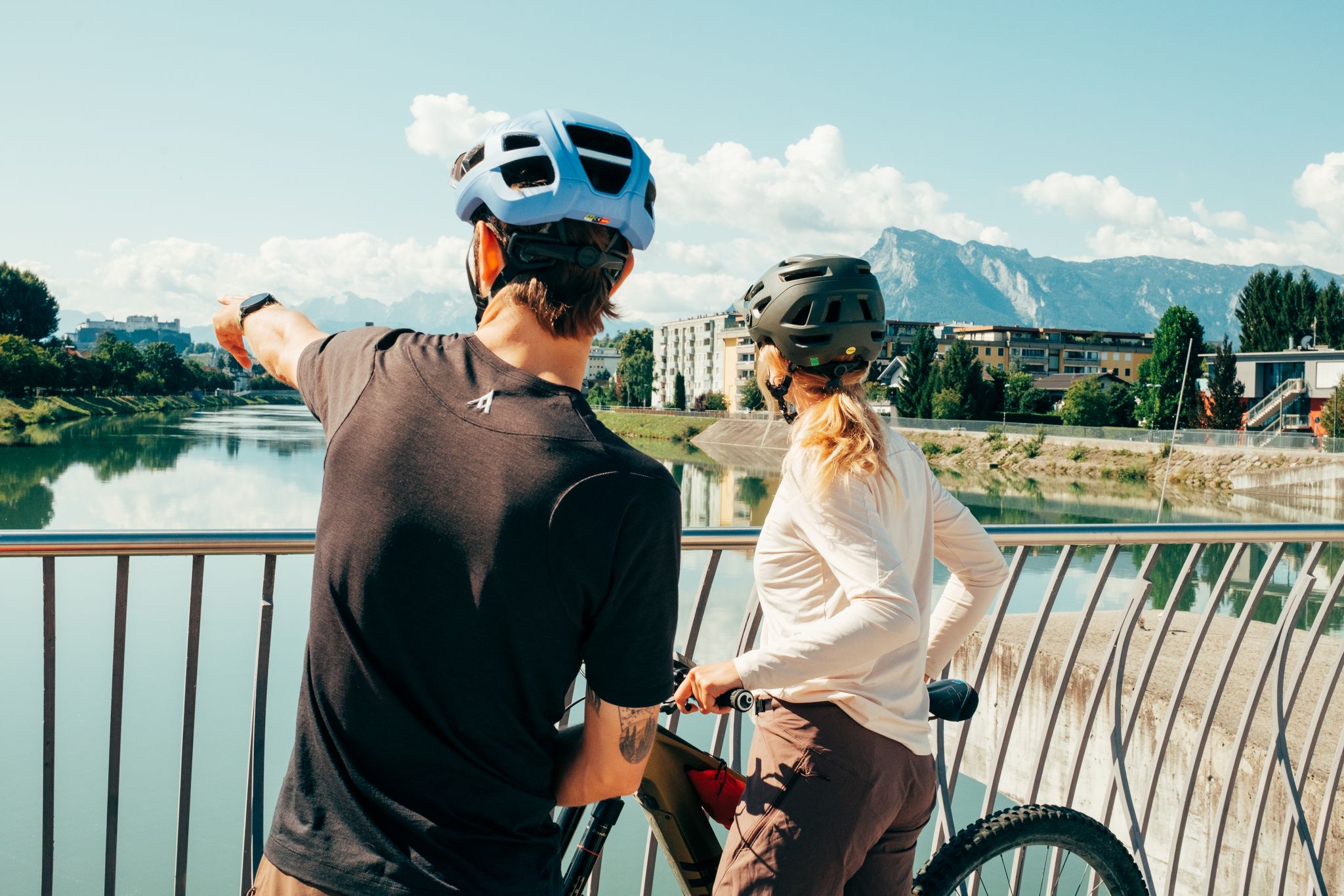
By bike into the City of Mozart — Bike rides around Salzburg
Summit hikes on the legendary Untersberg mountain
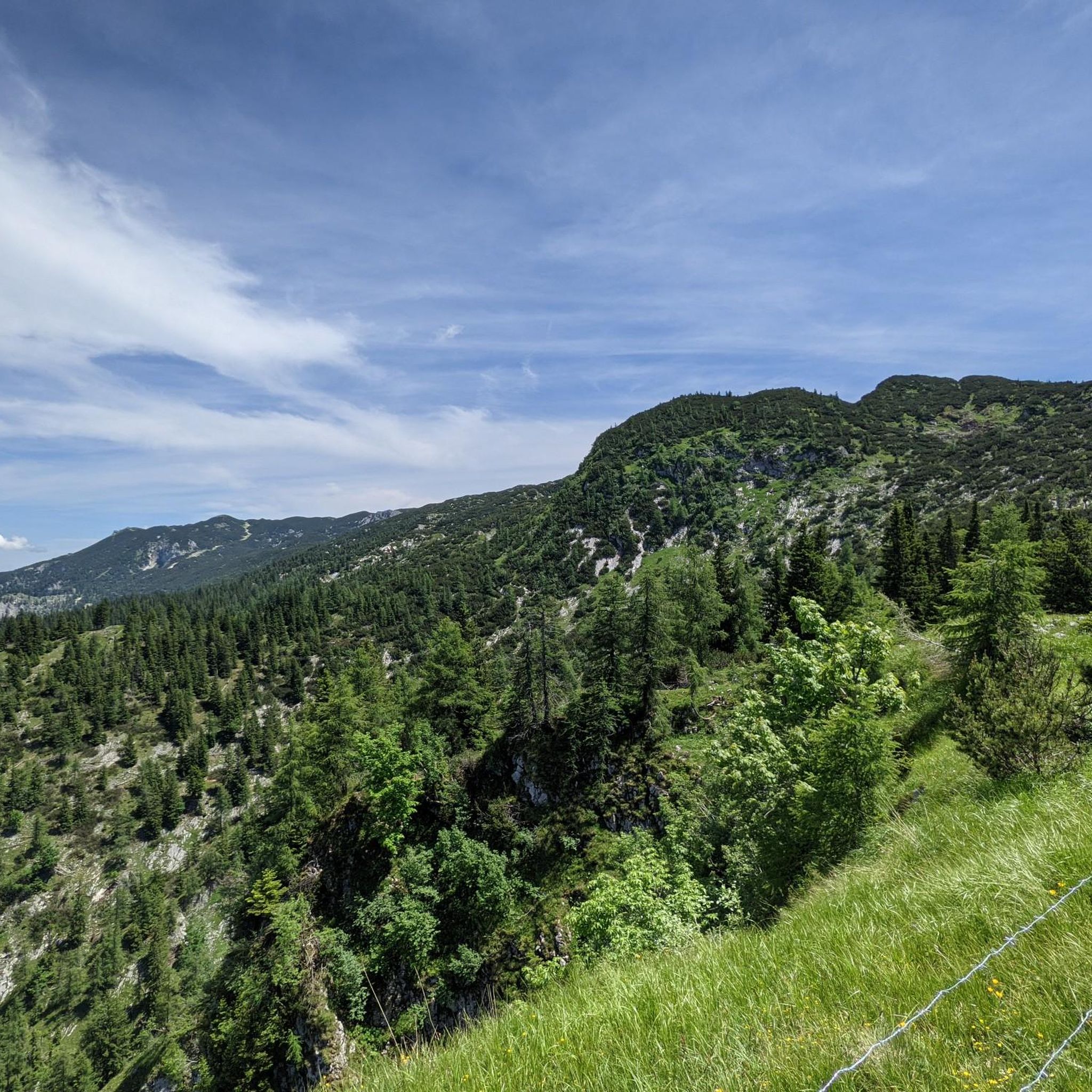
MTB Trails around Großgmain
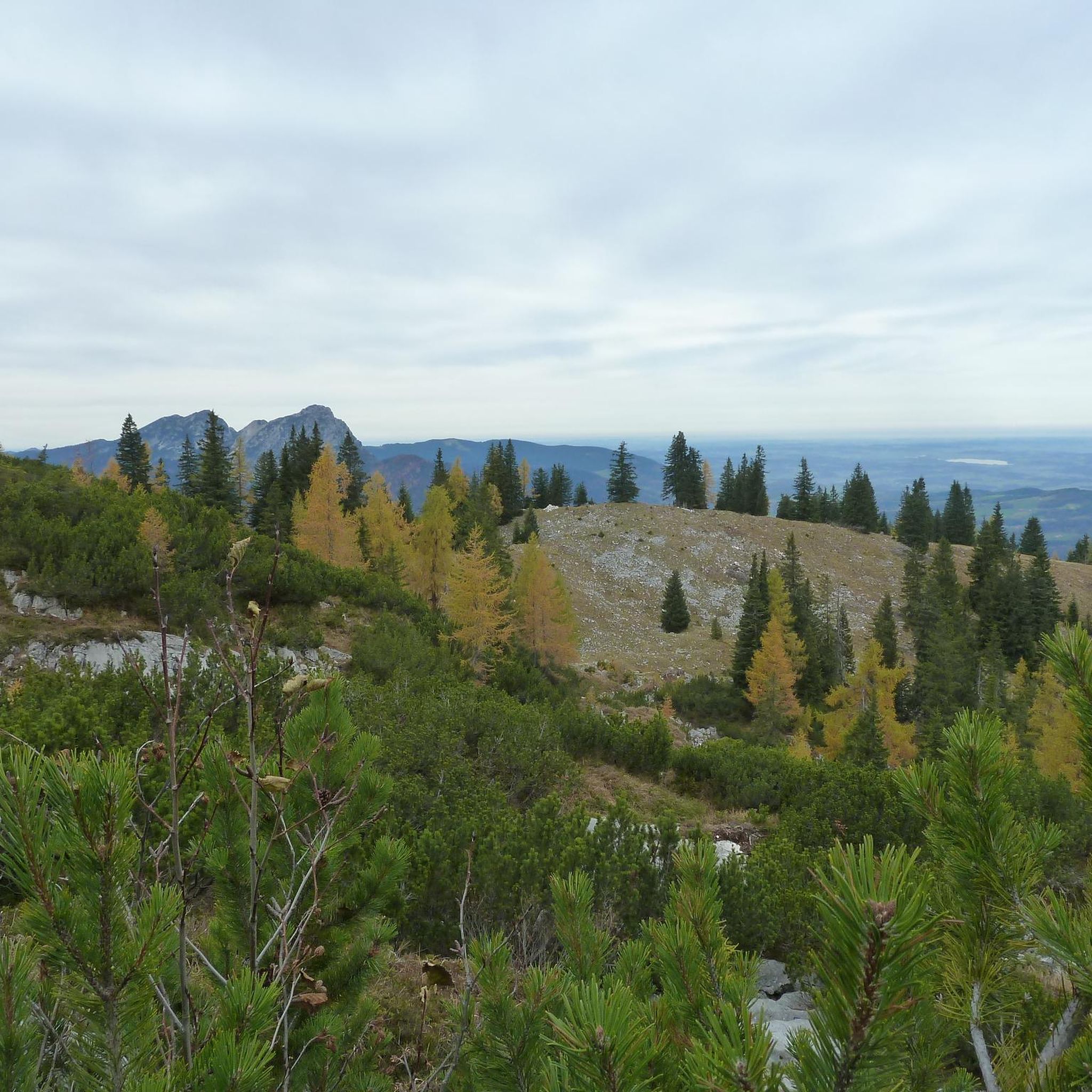
Hiking around Großgmain
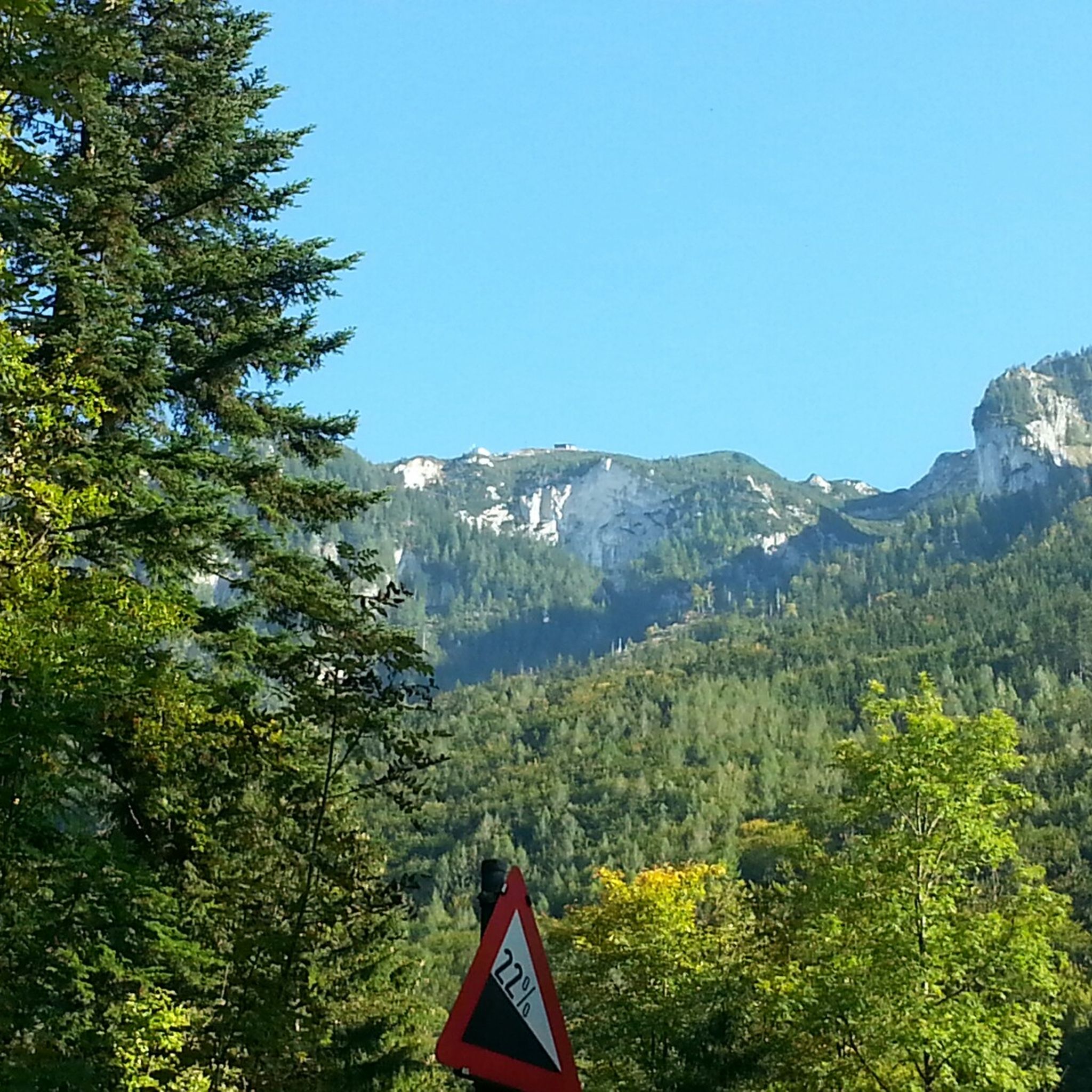
Mountain Hikes around Großgmain
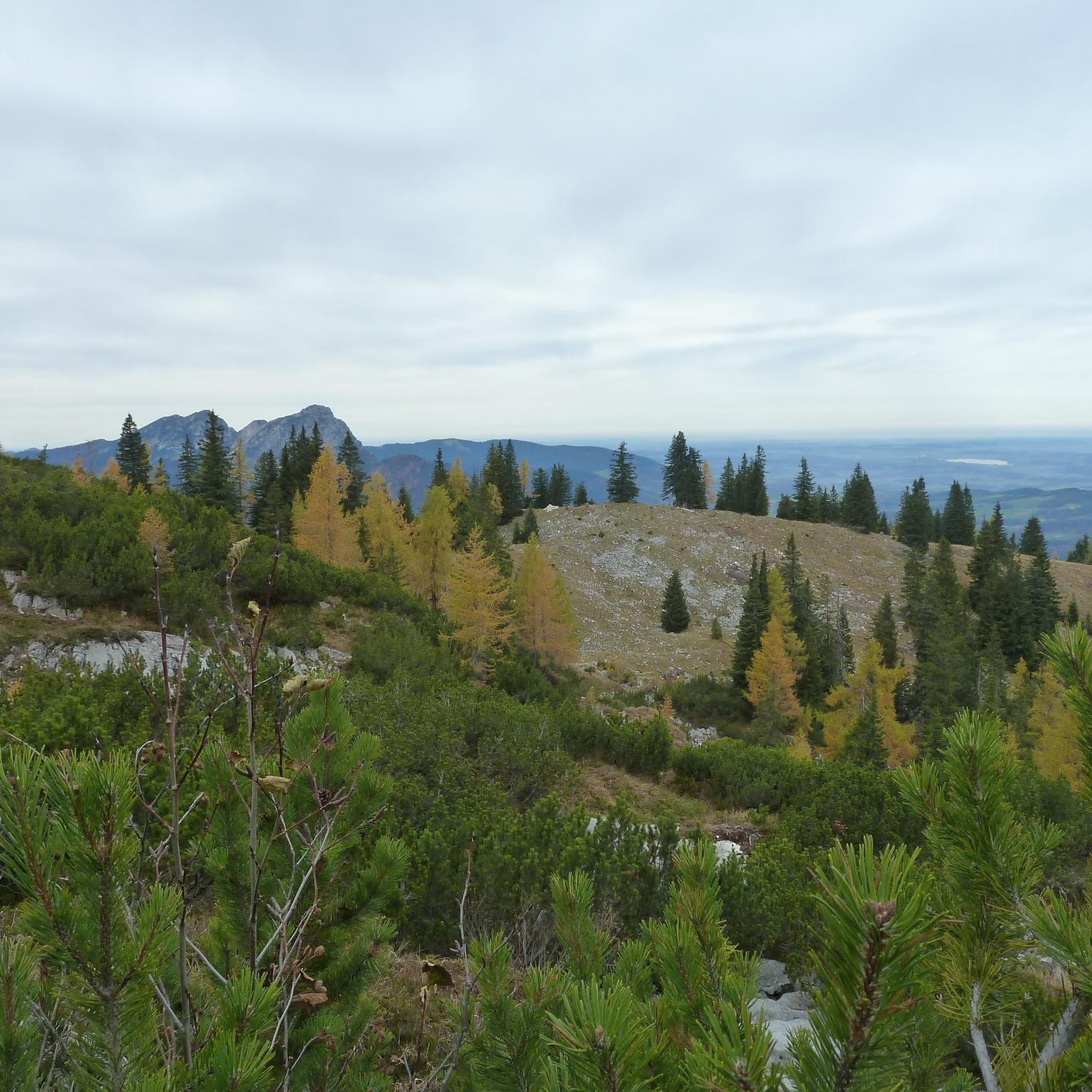
Road Cycling Routes around Großgmain
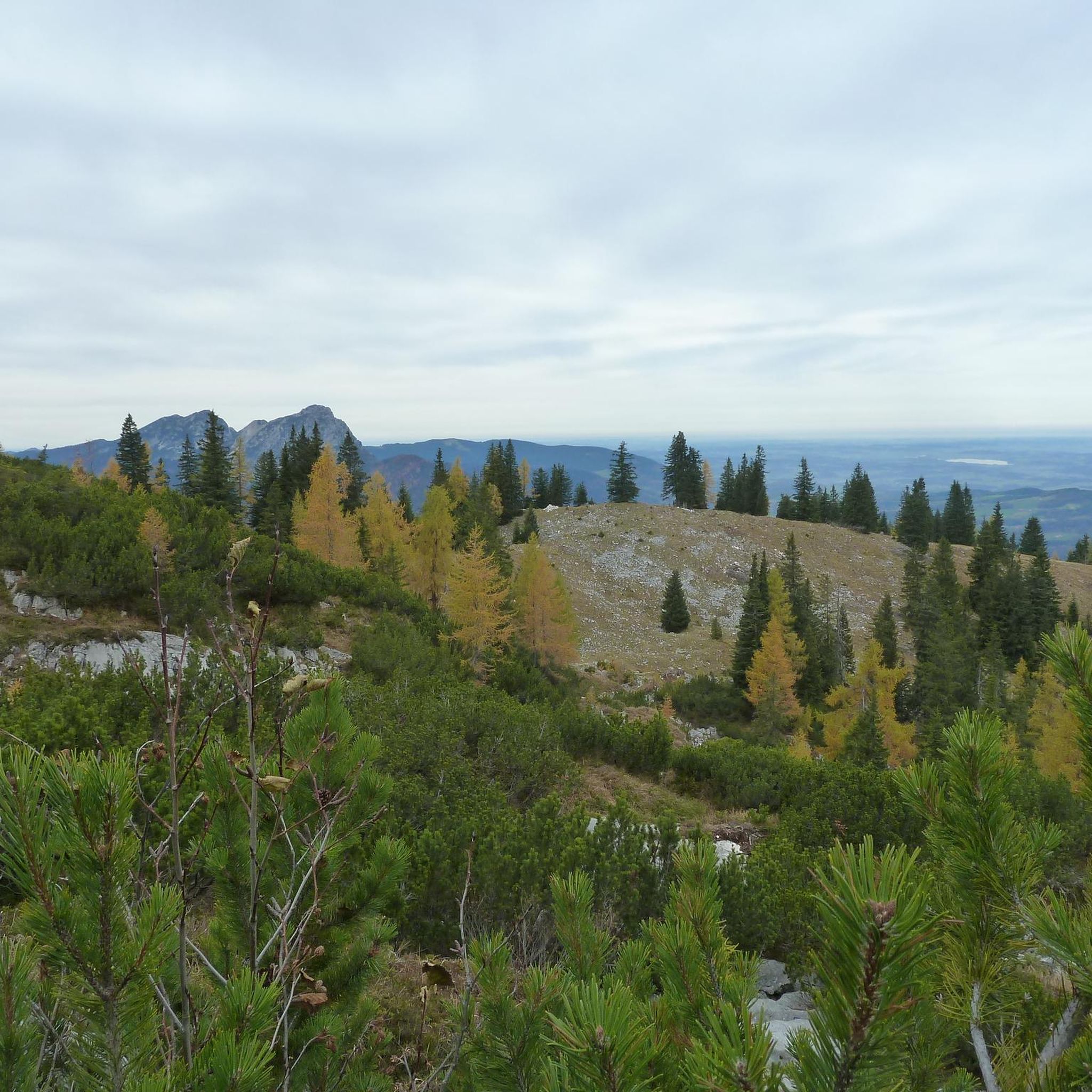
Cycling around Großgmain

Gravel biking around Großgmain
Running Trails around Großgmain


Tips from the Community

Orangery in the Mirabell Gardens, Mirabell Palace, Salzburg The Orangery in the Mirabell Gardens is more of an insider tip. It is located in the southern part of Mirabell Palace. The palm house was built around 1725 next to the large garden parterre. The name Orangery comes from the time when orange trees and exotic ornamental woods were still being cultivated. Precious, non-hardy plants were brought back to the Orangery to overwinter. Orange trees were seen as a metaphor for wealth in the Baroque period and for this reason were a must even then. The eastern part of the Orangery was used for other purposes after the Second World War and was not put back together until 1980. The Baroque Museum is now located in the southern part of the Orangery. Today, in the northern part of the building, somewhat hidden, there is a small, beautiful tropical garden. A small pool with turtles and goldfish and for bird lovers there is a very large birdcage with numerous birds to marvel at. Opening hours of the Orangery in the Mirabell Gardens Open all year round, daily from 9 a.m. to 4 p.m. Text / Source: Salzburger Saalachtal. com https://www.salzburger-saalachtal.com/ausflugsziele/stadt-salzburg/mirabellgarten/orangerie-mirabellgarten
13
0
Mirabell Palace, Salzburg The Baroque Mirabell Palace was originally built as "Altenau Palace" under the reign of Prince Archbishop Wolf Dietrich von Raitenau in 1606. The palace was created as a gift for Salome Alt, the archbishop's concubine and mother of his children. Mirabell Palace is known for its gardens, which are discussed in a separate article. Wolf Dietrich's successor and adversary, Prince Archbishop Markus Sittikus, renamed the building Mirabell Palace. Prince Archbishop Franz Anton Harrach had large sections of the building demolished and rebuilt between 1721 and 1727 according to plans by Johann Lukas von Hildebrandt. Mirabell Palace was severely damaged by the great city fire of 1818 and rebuilt in the following years according to plans by Peter Nobile. The formerly dominant tower on the east wing of the palace was destroyed, and the facade was rebuilt in the Neoclassical style. Text / Source: TSG Tourismus Salzburg GmbH, Auerspergstraße 6, Salzburg https://www.visit-salzburg.net/deutsch/sehenswuerdig/schloss-mirabell.htm
14
0

For a fee, you can listen to a concert inside the cathedral during the midday hours
7
0

Salzburg's Old Town is unparalleled. Countless beautiful buildings and alleyways stand alongside impressive structures such as Salzburg Cathedral, St. Peter's Abbey Church, and, as the highlight, Hohensalzburg Fortress, which towers majestically above everything and can be seen from almost everywhere.
12
3

The path leads over 29 footbridges and bridges and several stone stairs through the wild Almbachklamm near Marktschellenberg. Even a tunnel is crossed. At the foot of the Untersberg, the Almbach has formed a deep gorge in the terrain. The path through the Almbachklamm is three kilometers long. Trees line your path, the bubbling and roaring torrent flows next to you. Right at the entrance to the gorge you can visit the oldest marble ball mill in Germany. An adventure for the whole family – even in summer. The Almbachklamm is usually open from the beginning of May to the end of October. However, there may be changes due to weather conditions (it's best to check on the website before starting your tour). The starting point is the free Almbachklamm car park on Kugelmühlweg in Marktschellenberg. If you come by public transport, you can use bus lines 836 and 840. Further information is available at https://www.berchtesgaden.de/almbachklamm.
5
5

A beautiful and well-visited square in the old town of Salzburg.
3
2

Salzburg's Old Town is a true gem and is full of history and culture. It's hard not to be amazed by the narrow, cobbled streets and magnificent baroque buildings that characterize this part of the city. Here you can simply stroll through the streets and enjoy the atmosphere that is so different from other parts of the world. The air is filled with the sound of Mozart's music and the buzz of tourists and locals strolling through the streets. Here and there you will discover a small alley that leads to a hidden square or a shady terrace. Here you can take a break, enjoy a coffee or an ice cream and just relax. Salzburg's Old Town is also a popular place for shops and restaurants. Here you will find everything from luxury boutiques to local shops selling traditional handicrafts and souvenirs. In the cozy cafes and restaurants you can take a break and indulge in Austrian cuisine. Salzburg is of course also an important place for art and culture. Mozart was born here and many of his most famous works were composed and performed here. The city is also home to numerous theaters, concerts and operas that attract thousands of visitors every year.
19
3

Much more than Mozart, simply worth experiencing!
17
3
Frequently Asked Questions
What natural attractions can I explore around Großgmain?
Großgmain is rich in natural beauty. You can visit the impressive Almbach Gorge (Almbachklamm), known for its bubbling stream, small waterfalls, and rock formations. Within the gorge, don't miss the Sulzer Waterfall, which cascades 114 meters in five parts. The legendary Untersberg Mountain and its Nature Park offer numerous hiking trails and stunning views. Additionally, the idyllic Thumsee, a mountain lake, is perfect for easy hikes, picnics, or swimming.
Are there historical sites to visit in Großgmain?
Yes, Großgmain boasts significant historical landmarks. The Historic Centre of Salzburg, with its impressive structures like Salzburg Cathedral and Hohensalzburg Fortress, is just a few kilometers away. Within Großgmain itself, you can explore the Plainburg Castle Ruin, one of Austria's oldest castle ruins, offering magnificent mountain views. The Pilgrimage Church of Our Lady 'on the Gmain' is also a centuries-old religious and cultural site.
What cultural experiences does Großgmain offer?
For a deep dive into local culture, visit the Salzburg Open-Air Museum, one of the most spectacular highlights in Großgmain. It features 100 original buildings showcasing 500 years of rural life and farming culture. Next to the pilgrimage church, the Marien healing garden connects nature with philosophy and religion. The region also maintains many traditional customs and hosts cultural events like Maypole climbing, folk music, and farmers' markets throughout the year.
Are there family-friendly activities available in the Großgmain area?
Absolutely. The Almbach Gorge (Almbachklamm) is an adventure for the whole family, especially in summer. The Untersberg Nature Park offers a forest quiz trail and a Kneipp hiking trail suitable for all ages. The Salzburg Open-Air Museum is also a great family destination, with a museum railway to explore the extensive grounds. Many attractions in the nearby Historic Centre of Salzburg are also considered family-friendly.
What outdoor activities are popular near Großgmain?
Großgmain's landscape at the foot of the Untersberg is ideal for various outdoor activities. Hiking and mountaineering are popular, with numerous trails for all levels. You can also find excellent options for running, road cycling, and mountain biking. For specific routes, explore the guides for Running Trails around Großgmain, Road Cycling Routes around Großgmain, and MTB Trails around Großgmain.
Can I find hiking trails suitable for different skill levels?
Yes, the Großgmain area offers a variety of hiking trails. The Untersberg Nature Park provides options for all ages, including easier forest and Kneipp trails. For more challenging hikes, the Untersberg Mountain itself has routes. You can find detailed information on difficulty levels and distances in the Running Trails around Großgmain guide, which includes routes ranging from moderate to difficult.
What is the best time of year to visit Großgmain?
Großgmain offers attractions year-round. Summer is ideal for exploring the Almbach Gorge and enjoying outdoor activities like hiking and cycling. The Untersberg Nature Park is also very popular during warmer months. In winter, the Untersberg provides a challenging 7.5 km ski run for winter sports enthusiasts.
What do visitors particularly enjoy about the attractions near Großgmain?
Visitors frequently praise the natural beauty and variety of the region. The Almbach Gorge is often described as 'very beautiful and varied with great photo opportunities,' and the Sulzer Waterfall is a popular photo motif. The Historic Centre of Salzburg is celebrated for its 'unparalleled' beauty, 'countless beautiful buildings and alleyways,' and rich history and culture.
Is Großgmain a good base for exploring Salzburg City?
Yes, Großgmain's close proximity to Salzburg City makes it an excellent base. It's only a few kilometers away, allowing convenient access to renowned attractions such as Hohensalzburg Fortress, Mirabell Palace & Garden, Mozart's Birthplace, and the Salzburg Cathedral, while enjoying the tranquil setting of Großgmain.
Are there any unique natural features besides gorges and waterfalls?
Beyond the gorges and waterfalls, Großgmain is characterized by the majestic Untersberg Mountain, known for its legends and the Untersberg Nature Park. You can also visit the Untersberg Marble Ball Mill (Kugelmühle) at the entrance to the Almbach Gorge, which is Germany's last operational marble ball mill, demonstrating how marble spheres are created using water power.
Are there any trails suitable for dogs around Großgmain?
While specific dog-friendly trails are not explicitly detailed, many natural areas around Großgmain, including hiking trails in the Untersberg Nature Park and around Thumsee, are generally suitable for dogs, provided they are kept on a leash and owners adhere to local regulations. Always check local signage for any restrictions.
What winter activities are available in Großgmain?
During winter, the Untersberg Mountain transforms into a destination for winter sports. It offers a challenging 7.5 km ski run for those looking for downhill adventures. The snowy landscapes also provide opportunities for winter hiking and enjoying the serene beauty of the region.
Most popular routes around Großgmain
Most popular attractions around Großgmain

Get inspired with the komoot mobile app


Explore more
Still not found the Highlight you’re looking for? See guides of the top attractions in other regions:
