Top 20 Castles around Großgmain
Castles around Großgmain offer a connection to the region's rich history and diverse architecture. Großgmain, a municipality in the Salzburg-Umgebung district of Austria, is situated near the city of Salzburg, providing access to various historical sites. The area features a mix of palaces, fortresses, and royal residences, reflecting centuries of development. These landmarks are often set amidst scenic landscapes, providing historical context to the natural surroundings.
Best castles around Großgmain
- The most popular castles is Mirabell Palace, a castle…
Last updated: November 20, 2026
Mirabell Palace
Highlight • Castle
Translated by Google •
Tip by

View of Hohensalzburg Fortress
Highlight • Viewpoint
Translated by Google •
Tip by

Sign up now to discover places like this
Get recommendations on the best single tracks, peaks, & plenty of other exciting outdoor places.
View of Hohensalzburg Fortress and Salzburg’s Old Town from Franz-Josef-Kai
Highlight • Viewpoint
Translated by Google •
Tip by
Berchtesgaden Royal Palace
Highlight • Historical Site
Translated by Google •
Tip by

Marko-Feingold Footbridge
Highlight • Bridge
The Makartsteg is a bridge over the Salzach in Salzburg's old town. It was named after the actually rather insignificant artist Hans Makart, …
Translated by Google •
Tip by

Sign up for free to discover even more castles around Großgmain.
Already have an account?
Start today with a free account
Your next adventure awaits.
Popular around Großgmain
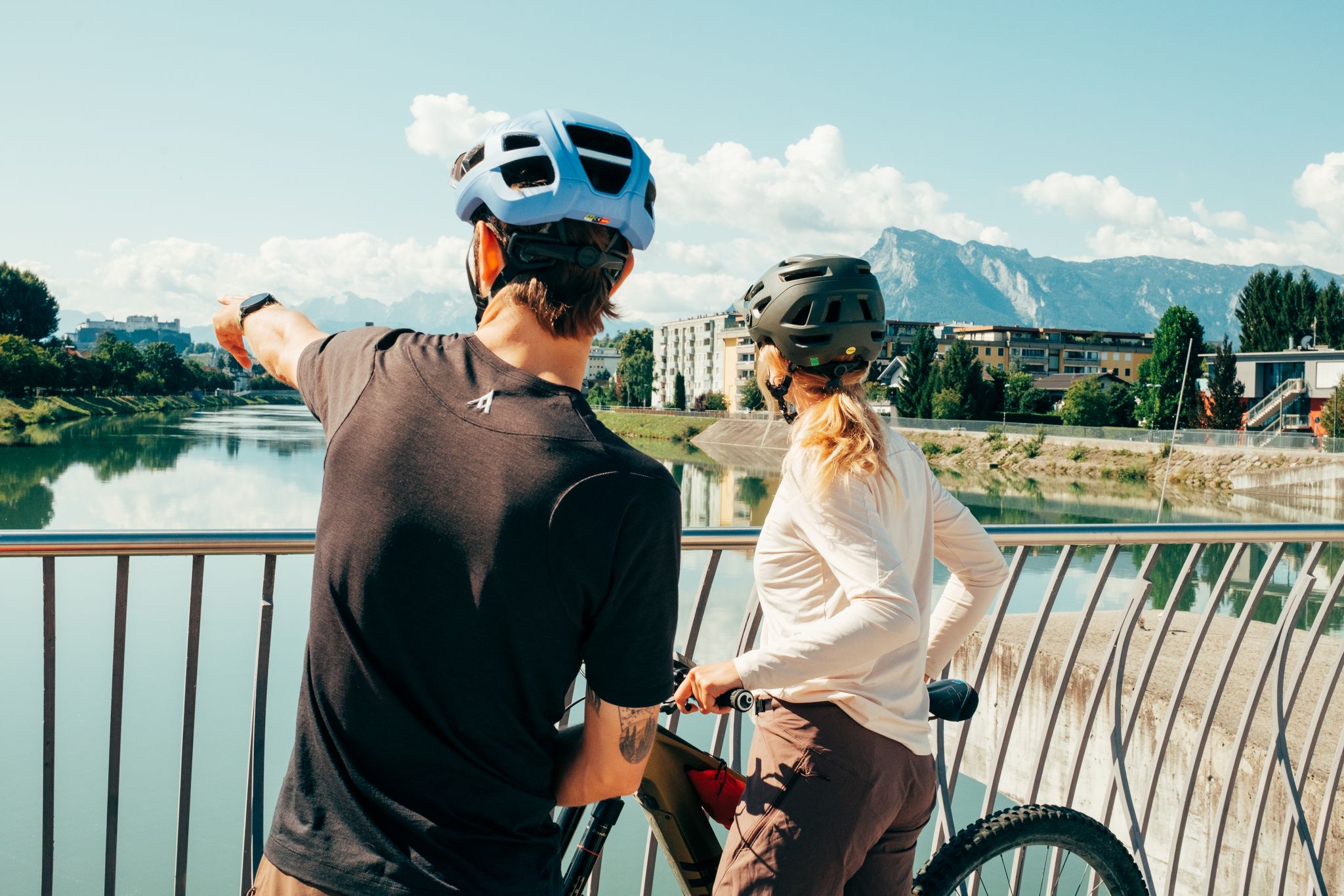
Salzburger Handwerk, Tradition und Natur
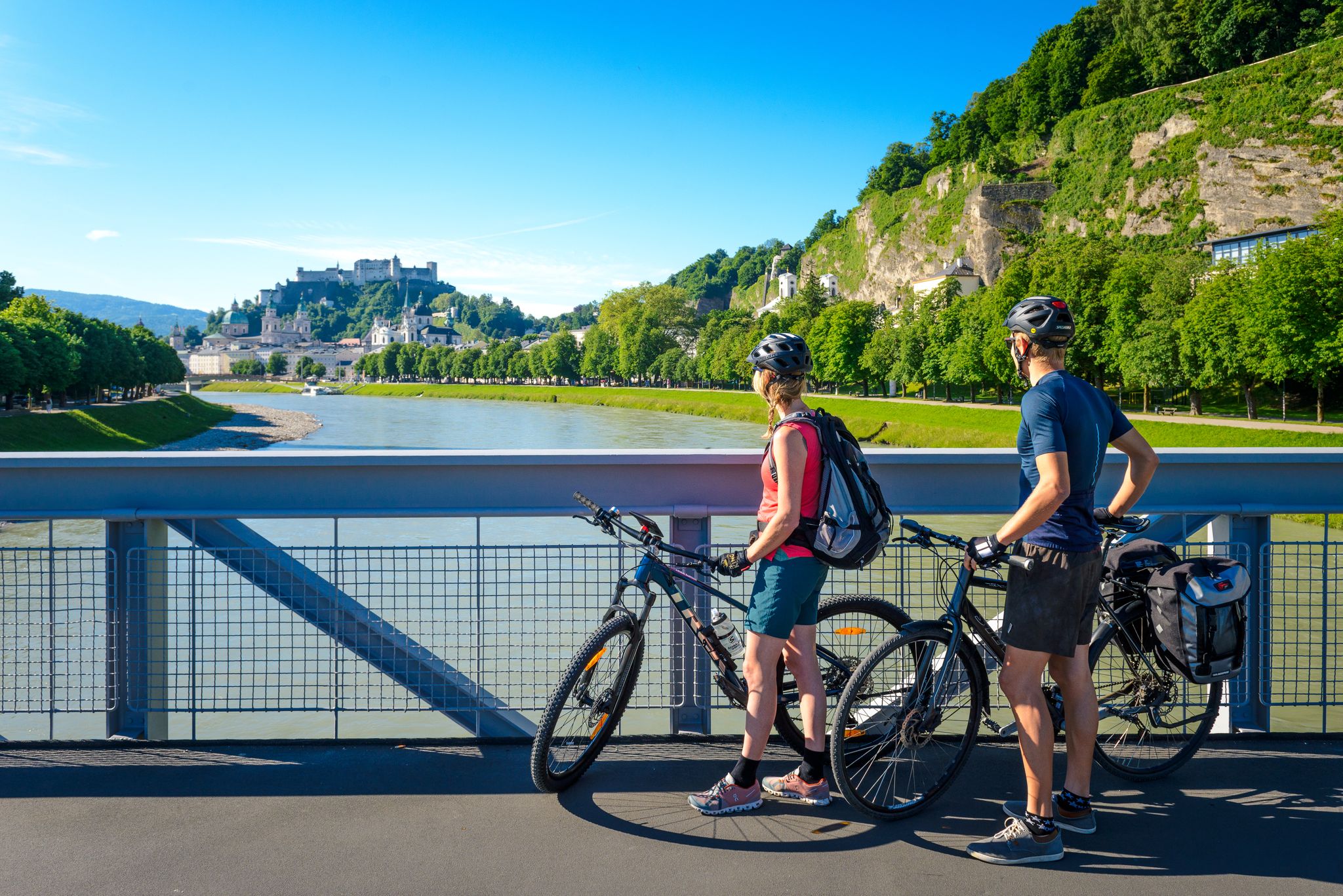
By bike into the City of Mozart — Bike rides around Salzburg
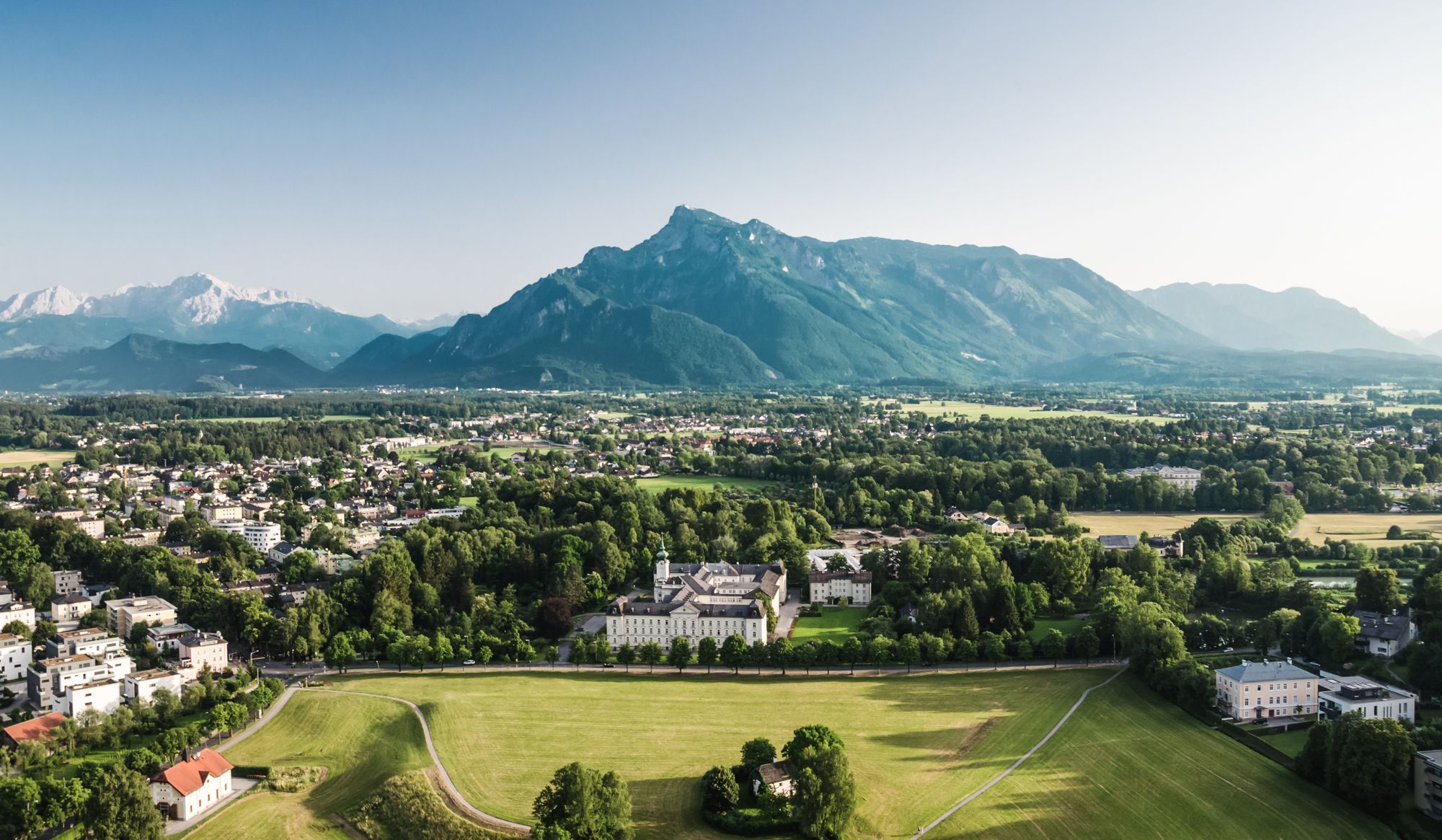
Summit hikes on the legendary Untersberg mountain
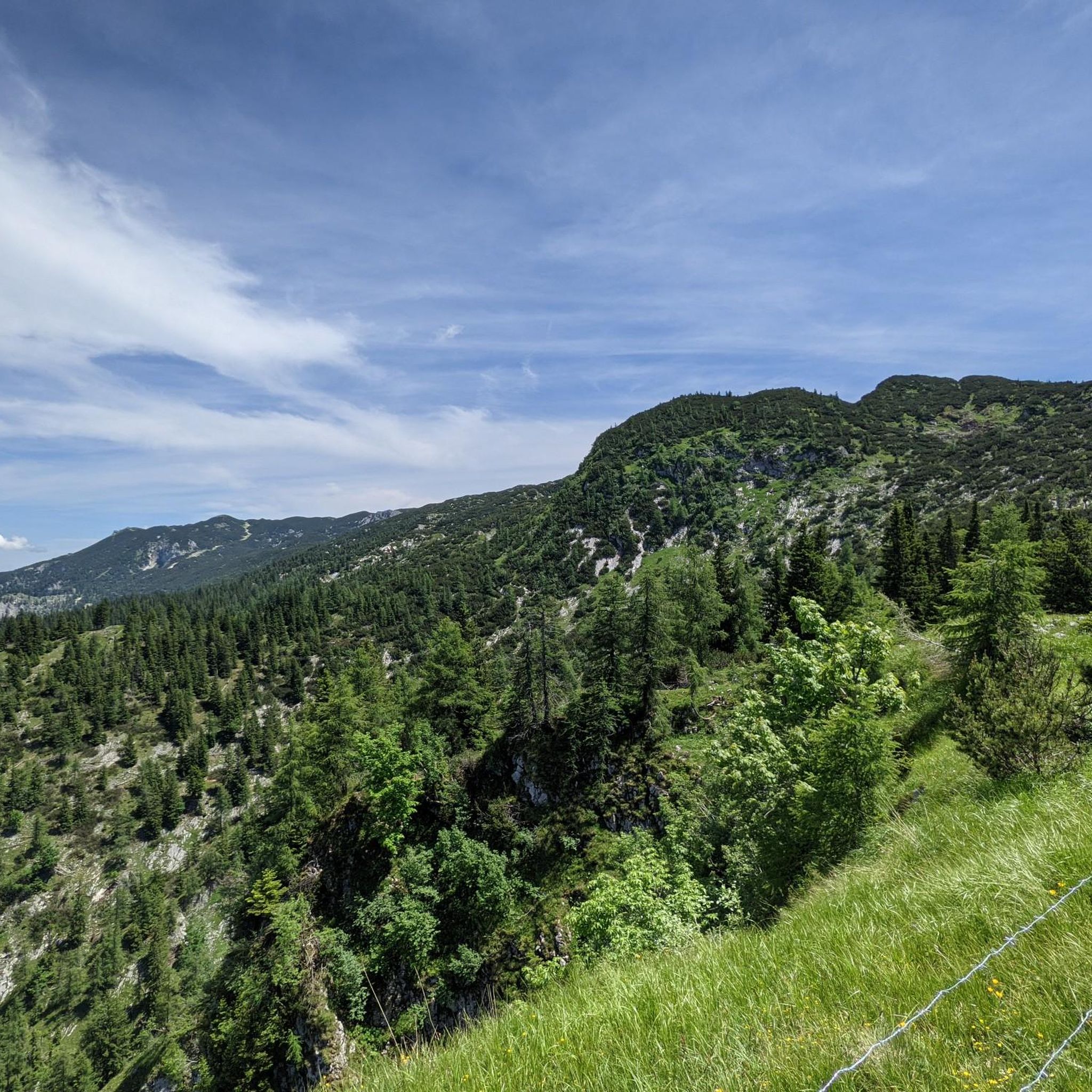
MTB Trails around Großgmain
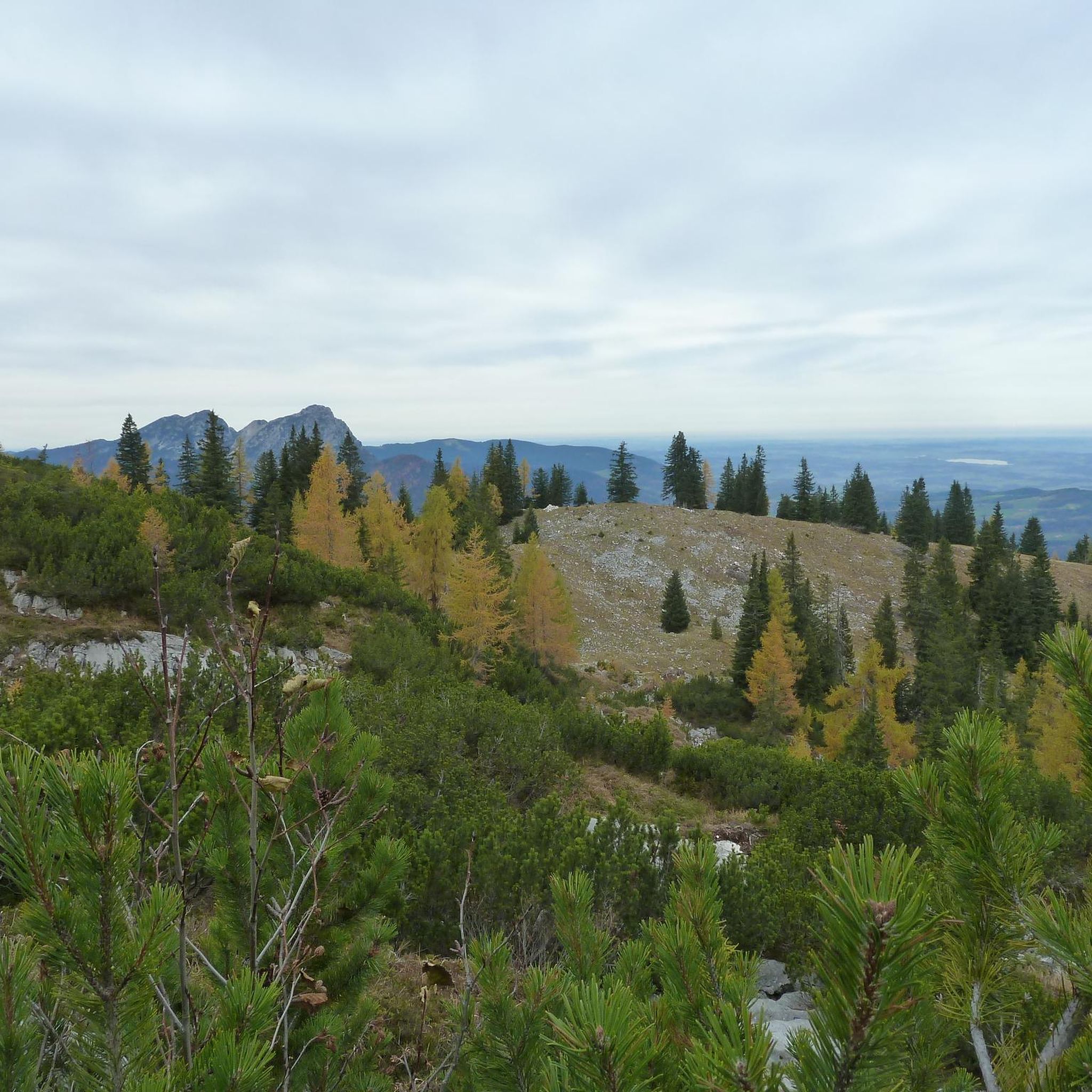
Hiking around Großgmain
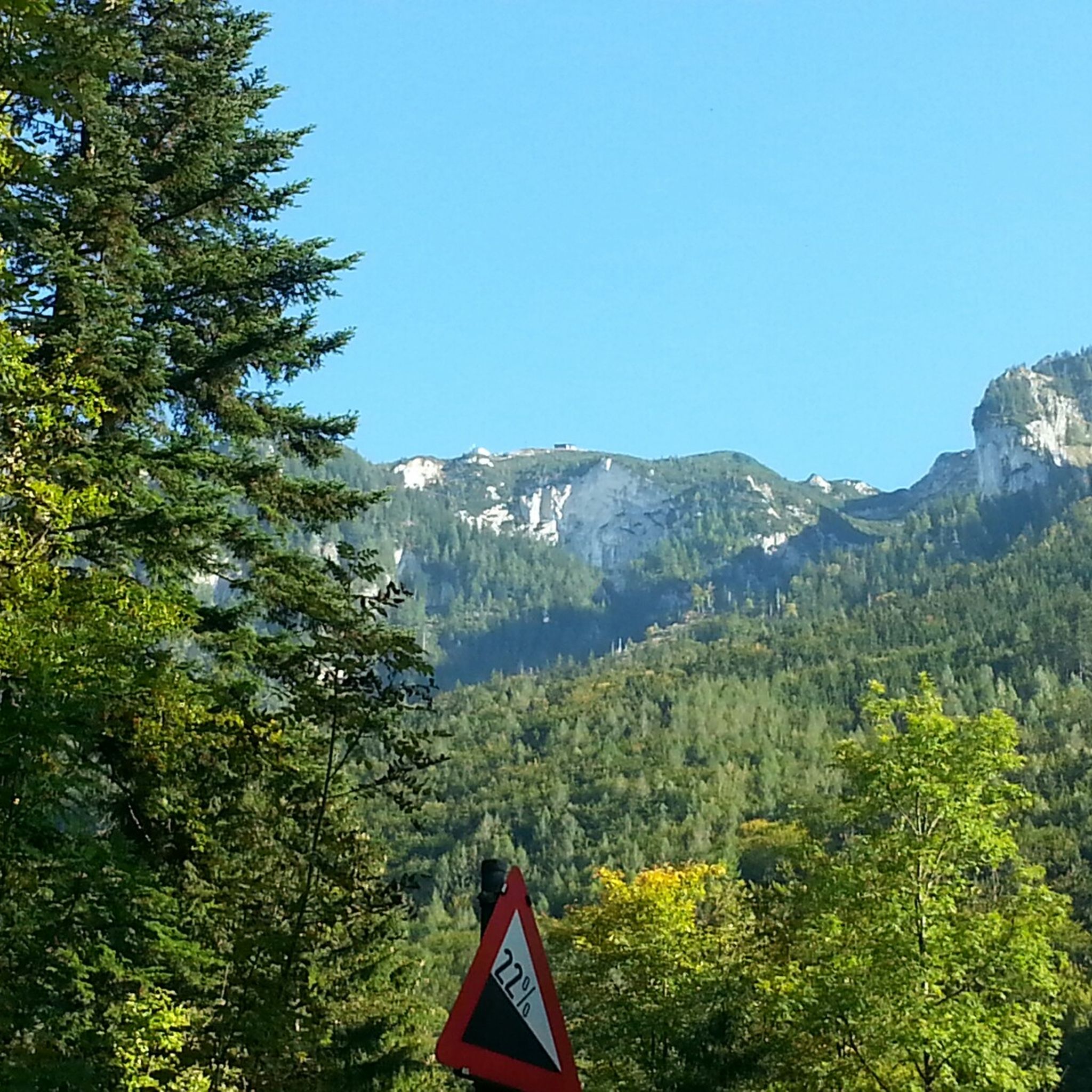
Mountain Hikes around Großgmain
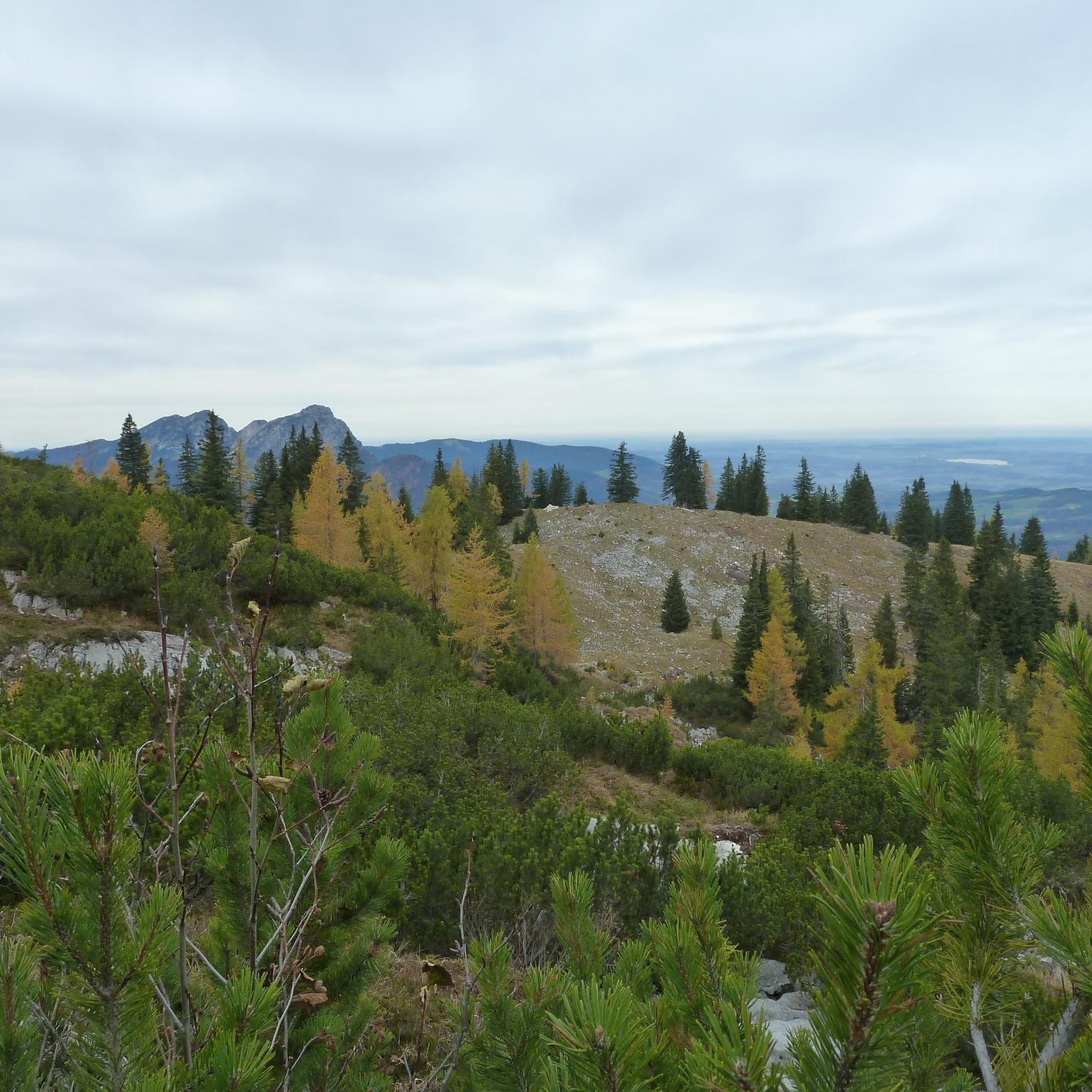
Road Cycling Routes around Großgmain
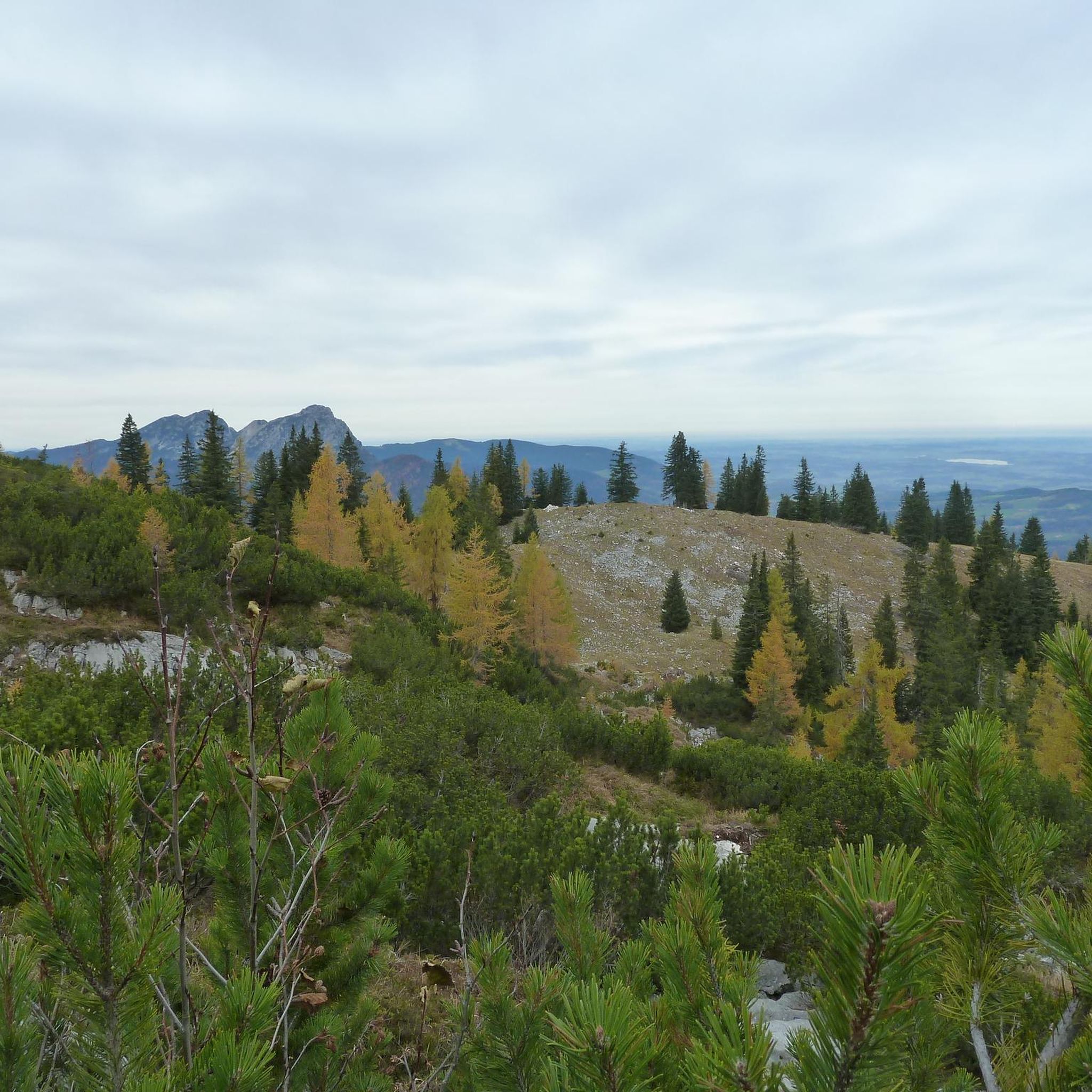
Cycling around Großgmain

Gravel biking around Großgmain
Running Trails around Großgmain


Tips from the Community

Orangery in the Mirabell Gardens, Mirabell Palace, Salzburg The Orangery in the Mirabell Gardens is more of an insider tip. It is located in the southern part of Mirabell Palace. The palm house was built around 1725 next to the large garden parterre. The name Orangery comes from the time when orange trees and exotic ornamental woods were still being cultivated. Precious, non-hardy plants were brought back to the Orangery to overwinter. Orange trees were seen as a metaphor for wealth in the Baroque period and for this reason were a must even then. The eastern part of the Orangery was used for other purposes after the Second World War and was not put back together until 1980. The Baroque Museum is now located in the southern part of the Orangery. Today, in the northern part of the building, somewhat hidden, there is a small, beautiful tropical garden. A small pool with turtles and goldfish and for bird lovers there is a very large birdcage with numerous birds to marvel at. Opening hours of the Orangery in the Mirabell Gardens Open all year round, daily from 9 a.m. to 4 p.m. Text / Source: Salzburger Saalachtal. com https://www.salzburger-saalachtal.com/ausflugsziele/stadt-salzburg/mirabellgarten/orangerie-mirabellgarten
13
0
Mirabell Palace, Salzburg The Baroque Mirabell Palace was originally built as "Altenau Palace" under the reign of Prince Archbishop Wolf Dietrich von Raitenau in 1606. The palace was created as a gift for Salome Alt, the archbishop's concubine and mother of his children. Mirabell Palace is known for its gardens, which are discussed in a separate article. Wolf Dietrich's successor and adversary, Prince Archbishop Markus Sittikus, renamed the building Mirabell Palace. Prince Archbishop Franz Anton Harrach had large sections of the building demolished and rebuilt between 1721 and 1727 according to plans by Johann Lukas von Hildebrandt. Mirabell Palace was severely damaged by the great city fire of 1818 and rebuilt in the following years according to plans by Peter Nobile. The formerly dominant tower on the east wing of the palace was destroyed, and the facade was rebuilt in the Neoclassical style. Text / Source: TSG Tourismus Salzburg GmbH, Auerspergstraße 6, Salzburg https://www.visit-salzburg.net/deutsch/sehenswuerdig/schloss-mirabell.htm
14
0
Construction & expansion of the early Hohensalzburg Fortress Under the leadership of Prince Archbishop Conrad I (1106 to 1147), a stone tower was built and over the next few years the fortified areas of the castle were continuously expanded. This trend continued throughout the 12th and 13th centuries, until most of today's fortress hill was enclosed. This area was called Bering. By this time, the Investiture Controversy had long since been settled, but Salzburg had developed economically and new conflicts between Bavaria and Babenberg and later Habsburg Austria caused new problems in the region. The "Salz Castle" became increasingly strategically important. The prosperity that Salzburg experienced in the late Middle Ages was accompanied by social unrest. Prince Archbishop Burkhard III of Weisspriach (1461 to 1466) had the four main towers that still exist today built, together with the outer fortification wall: bell tower in the north; trumpeter tower in the northeast; Krautturm in the north; and Schmied- or Arrestantenturm in the south. The Rohrbastei was built under the rule of Burkhard's successor, Prince Archbishop Bernhard von Rohr (1466 to 1481) - the rulers at that time had concerns: the miners in the south of Salzburg were becoming increasingly rebellious and the city's wealthy citizens were demanding more power and influence. But the fear of a Turkish invasion from the east was even more serious. The fortress had to be expanded further. Text / Source: TSG Tourismus Salzburg GmbH, Auerspergstraße 6, Salzburg https://visit-salzburg.net/deutsch/sehenswuerdig/festung-hohensalzburg.htm
16
1
Hohensalzburg Fortress (built between 1060 and 1088) It is often described as the largest fortification in Central Europe, it is known as a bulwark in a prominent location, and tourists from overseas often refer to it somewhat incorrectly as "Salzburg Castle": Hohensalzburg Fortress dominates the cityscape and is Salzburg's landmark. No self-respecting tourist should miss a visit to the fortress. The oldest defenses on the southern slope of the Mönchsberg date back to Roman times. Where exactly they are located and how strongly fortified the mountain really was is unclear, however. The location of today's fortress would have made sense even then: from the position of the fortress, the surroundings of Salzburg and the Salzach River can be better controlled than from any other point in the city. Prince Archbishop Eberhard (1060 to 1088) built the first castle here, on the segment of the Mönchsberg that is now known as the Festungsberg. This first castle was completed in 1077 and can be seen as the result of the Investiture Controversy: a power struggle between the Holy Roman Emperor of the German Nation, Henry IV, and Pope Gregory VII in Rome. The Archbishop of Salzburg was caught in the crossfire and sided with the Pope. Text / Source: TSG Tourismus Salzburg GmbH, Auerspergstraße 6, Salzburg https://visit-salzburg.net/deutsch/sehenswuerdig/festung-hohensalzburg.htm
15
1
Makartsteg - Bridge over the Salzach, Salzburg The Makartsteg is a bridge over the Salzach in Salzburg's old town. It was named after the actually rather insignificant artist Hans Makart, who was born and grew up in Salzburg. As a painter, he established himself in Viennese historicism, appropriately in the capital, where he contributed many very lavish paintings for the redesign of the Ringstrasse buildings. The Makartsteg is only open to pedestrians and cyclists. The current Makartsteg is the youngest and most modern bridge over the Salzach, but already the third bridge of this name. The first was built here in 1905 in the Art Nouveau style, but was torn down again in 1967 when a larger construction became necessary. This second Makartsteg became known as the "swinging bridge" because it vibrated relatively strongly. The editorial team of Visit-Salzburg.net consists mainly of people who still walked the Makartsteg with great pleasure as children; The strong vibrations and oscillations are more likely to be due to weaknesses in the construction and planning than to desired effects. And with around 20,000 people crossing the Makartsteg every day, the second bridge was soon in poor condition too. In 2000 it was demolished. One year later, the current Makartsteg was opened with a big festival including fireworks over the Salzach. Live music along the Salzach on a warm June night ensured that the people of Salzburg immediately took the new bridge to their hearts. Around 25,000 visitors attended the opening. On one side of the Makartsteg you can see the mooring of the Amadeus, the tourist boat that first dropped anchor there at around the same time. Shortly before the bridge was opened, there was a suggestion to name the bridge after the physicist Christian Doppler, who was born not far from the bridge in 1803. Doppler had been virtually forgotten for decades and was only rediscovered by Salzburg in the late 1990s. In addition to a hospital, a school and a sweet from the Fürst house were also named after him. The city administration nevertheless decided to keep the much less important Hans Makart as the namesake. Text / Source: TSG Tourismus Salzburg GmbH, Auerspergstraße 6, Salzburg https://visit-salzburg.net/deutsch/sehenswuerdig/makartsteg.htm
16
1

Beautiful castle in Berchtesgaden
4
0

Mozart City Salzburg Salzburg is an Austrian city on the border of Germany, with views of the Eastern Alps. The city is divided by the Salzach River, with medieval and baroque buildings of the pedestrian Altstadt (Old City) on its left bank, facing the 19th-century Neustadt (New City) to its right. The Altstadt birthplace of renowned composer Wolfgang Amadeus Mozart is preserved as a museum displaying his childhood instruments.
7
0

The evening tour of Berchtesgaden Castle is an insider tip. You walk through the rooms by candlelight and feel like you have been transported back in time. The tour is also worthwhile with children as it is very well explained.
4
0
Frequently Asked Questions
What is the primary historical castle located directly within Großgmain?
The main historical castle directly within Großgmain is the Plainburg Castle Ruins. Dating back to around 1100 AD, it's one of Austria's oldest castle ruins. It offers significant historical insights, including its past as a Celtic burial ground and potential Roman fort, and provides magnificent panoramic views over the Gmainer Tal.
What makes the Plainburg Castle Ruins worth visiting?
The Plainburg Castle Ruins are worth visiting for their deep historical significance as the ancestral seat of the Counts of Plain, offering a tangible connection to early medieval history. Visitors can explore impressive outer walls and the inner courtyard. Additionally, its elevated position provides magnificent panoramic views over the Gmainer Tal and surrounding mountains from a dedicated viewing platform. Entry is free during summer months.
Are there other notable castles or palaces in the broader Salzburg area near Großgmain?
Yes, the broader Salzburg area boasts several significant historical sites. These include Mirabell Palace, known for its beautiful gardens and Marble Hall, and Berchtesgaden Royal Palace, a former Augustinian Monastery showcasing various stylistic epochs. Other notable mentions are Schloss Aigen and the famous Schloss Hellbrunn, renowned for its trick fountains.
Which castles or viewpoints offer the best panoramic views of the region?
For stunning panoramic views, the Plainburg Castle Ruins in Großgmain itself provide magnificent vistas over the Gmainer Tal. Additionally, several viewpoints offer excellent perspectives of the iconic Hohensalzburg Fortress and Salzburg's Old Town, such as the View of Hohensalzburg Fortress, the View of Hohensalzburg Fortress and Salzburg’s Old Town from Franz-Josef-Kai, and the View of Hohensalzburg Fortress and Salzburg's Old Town from the Salzach Cycle Path.
Are there family-friendly castles or historical sites to visit near Großgmain?
Many of the historical sites and castles in the region are suitable for families. Mirabell Palace with its gardens, Berchtesgaden Royal Palace, and the various viewpoints of Hohensalzburg Fortress are all categorized as family-friendly. The Plainburg Castle Ruins also offer an accessible historical outing for families.
What outdoor activities can I combine with a visit to castles around Großgmain?
The region around Großgmain is excellent for outdoor activities. You can find numerous hiking trails, such as those listed in the Easy hikes around Großgmain guide. For cyclists, there are options for mountain biking and gravel biking, with guides like MTB Trails around Großgmain and Gravel biking around Großgmain. Many of these routes offer views of the natural landscape and historical landmarks.
What is the best time of year to visit the castles and historical sites in the Großgmain area?
The summer months are generally ideal for visiting the castles and historical sites around Großgmain. For example, the Plainburg Castle Ruins are typically open to the public from 9:00 AM to 7:00 PM during summer. The pleasant weather allows for comfortable exploration of outdoor areas like castle gardens and scenic viewpoints, and is also perfect for combining visits with hiking or cycling.
Are there any castles or historical sites near Großgmain that are wheelchair accessible?
Yes, Mirabell Palace is noted as wheelchair accessible, particularly its gardens and the impressive Marble Hall. Some viewpoints, such as the View of Hohensalzburg Fortress and Salzburg’s Old Town from Franz-Josef-Kai, are also categorized as wheelchair accessible, offering inclusive options for enjoying the region's historical beauty.
Can I bring my dog to the castles or surrounding areas?
While specific dog policies vary by individual castle, many outdoor areas, parks, and hiking trails around the castles are dog-friendly. For instance, the Mirabell Gardens at Mirabell Palace allow dogs, though bicycles are prohibited. It's always advisable to check specific regulations for indoor areas or protected sites before your visit.
What do visitors enjoy most about the castles and historical sites in the Großgmain region?
Visitors frequently praise the stunning views, the rich historical context, and the beautiful architecture of the castles and palaces. The combination of historical exploration with scenic natural surroundings, often accessible via cycling or walking paths, is highly appreciated. The community has shared over 400 photos and given more than 2200 upvotes across the highlights, indicating a strong positive experience.
Are there cafes or places to eat near the castles around Großgmain?
The areas around the more prominent castles, especially in Salzburg city, offer numerous cafes and restaurants. For example, near Mirabell Palace, you'll find various dining options. In Großgmain itself, and in the surrounding towns, there are local establishments where you can enjoy refreshments after exploring the Plainburg Castle Ruins or nearby trails.
How long should I plan for a visit to the castles near Großgmain?
The duration of your visit depends on the castle. For the Plainburg Castle Ruins, a visit might take 1-2 hours to explore the ruins and enjoy the views. Larger sites like Mirabell Palace and its gardens could easily fill 2-3 hours. If you plan to visit multiple castles or combine your trip with hiking or cycling, consider dedicating a full day or more to the region.
Most popular routes around Großgmain
Most popular attractions around Großgmain

Get inspired with the komoot mobile app


Explore more
Looking for the best castles somewhere else? Discover other guides around Großgmain:
