Top 16 Castles around Hörsching
Castles near Hörsching Austria are primarily found in the surrounding region, as Hörsching itself is a market town. Its location near Linz, the capital of Upper Austria, provides access to several historical castles. The area features a blend of natural landscapes and cultural heritage. These sites offer insights into the region's past and architectural development.
Best castles around Hörsching
- The most popular castles is Linz Castle, a castle situated on a hill above Linz's old town. It houses the…
Last updated: July 6, 2026
View of Ottensheim and Ottensheim Castle
Highlight • Viewpoint
Translated by Google •
Tip by

Linz Castle
Highlight • Castle
Translated by Google •
Tip by

Sign up now to discover places like this
Get recommendations on the best single tracks, peaks, & plenty of other exciting outdoor places.
Sign up for free
Traun Castle
Highlight • Castle
Translated by Google •
Tip by

Ebelsberg Castle and Traun Riverside Path
Highlight • Cycleway
Translated by Google •
Tip by

Holzheim Castle (Painherrnhof)
Highlight • Castle
Translated by Google •
Tip by
Sign up for free to discover even more castles around Hörsching.
Sign up for free
Already have an account?
Start today with a free account
Your next adventure awaits.
Login or Signup

Tips from the Community

Ottensheim Castle was founded by the high-free Wilheringers.
7
0

Good friends, nature, beach and gastronomy 🏖️
0
0

Traun Castle houses a freely accessible exhibition on the history of the castle and the nobility in the ring mantle complex.
7
1

The Linz Castle is located on a hill above the old town district of Linz directly on the Danube.
9
1

A beautiful water castle, recommended for a break.
3
1
The moated castle was first mentioned around the year 1120 (1111) with B(P)ernhard de Trune. The Trauners were a noble family that was even one of the so-called “apostle families”, but was then relegated to the ministerial status of the Otakare, later the Babenbergs and finally, from 1246, the bishops of Passau. The reason for this is probably the withdrawal of fiefs or a marriage to the “worse hand”, i.e. H. an inappropriate marriage. The brothers Wernhard and Dietrich von Traun were already ministerials. They remained in possession of their ancestral castle until 1630. Then Sigmund Adam von Traun, married to Eva von Pollheim, had to sell his rule to Werner t'Serklaes von Tilly, a nephew of the general Johann T'Serclaes von Tilly, who had already acquired the rule of Tillysburg Castle, because of his Protestant faith. He managed to break the feudal bond and convert Traun into a free property. Sigmund's Catholic son Ernst Graf von Abensperg and Traun (1608–1668) was able to regain possession of the Traun castle and estate in 1664 after a long process. After the imperially confirmed genealogical connection to the Counts of Abensberg and the resulting elevation to the rank of imperial count by Emperor Ferdinand III. Under the name Abensperg and Traun In 1653 the Trauns called themselves Counts of Abensperg and Traun. This family still owns Traun Castle today (Wikipedia).
4
1

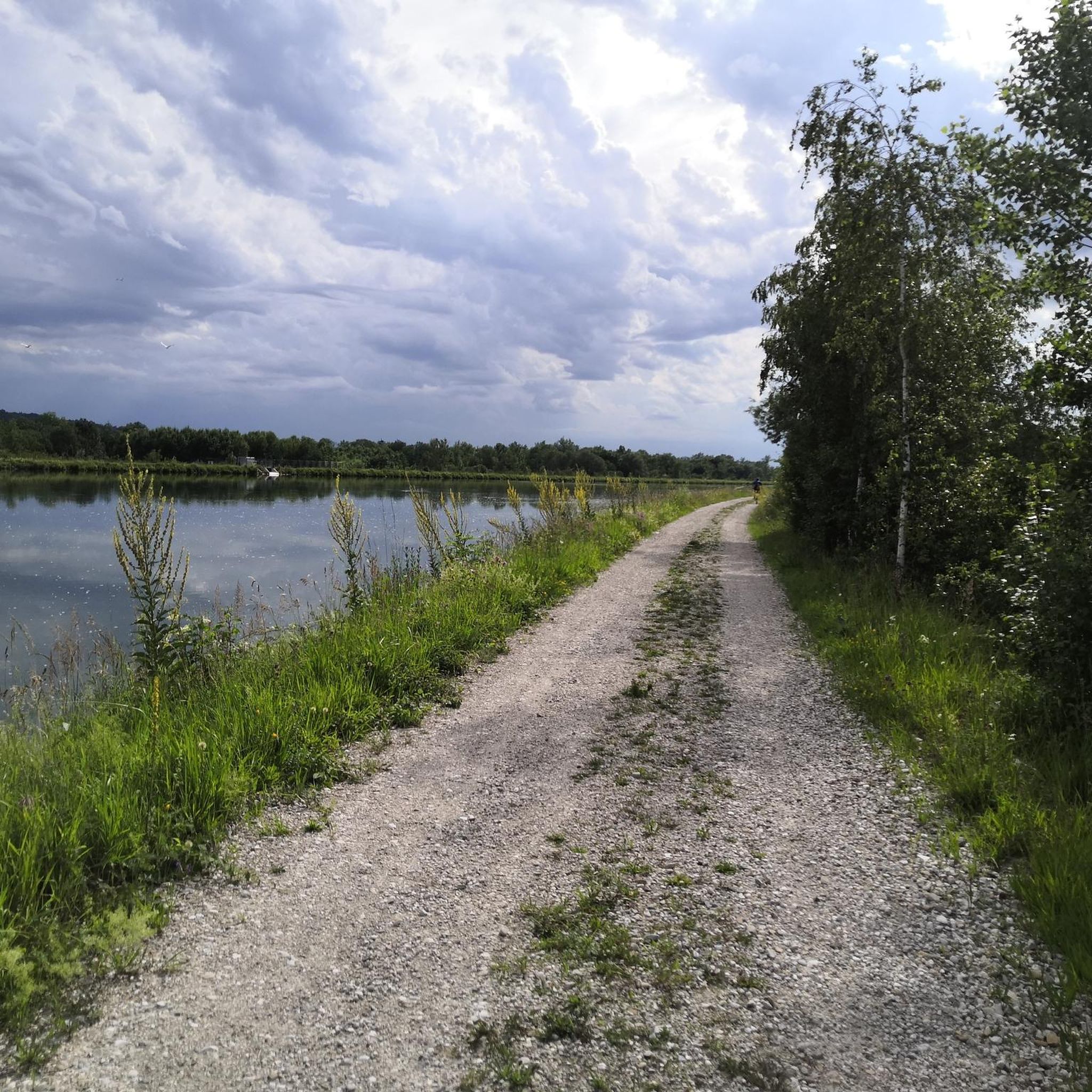
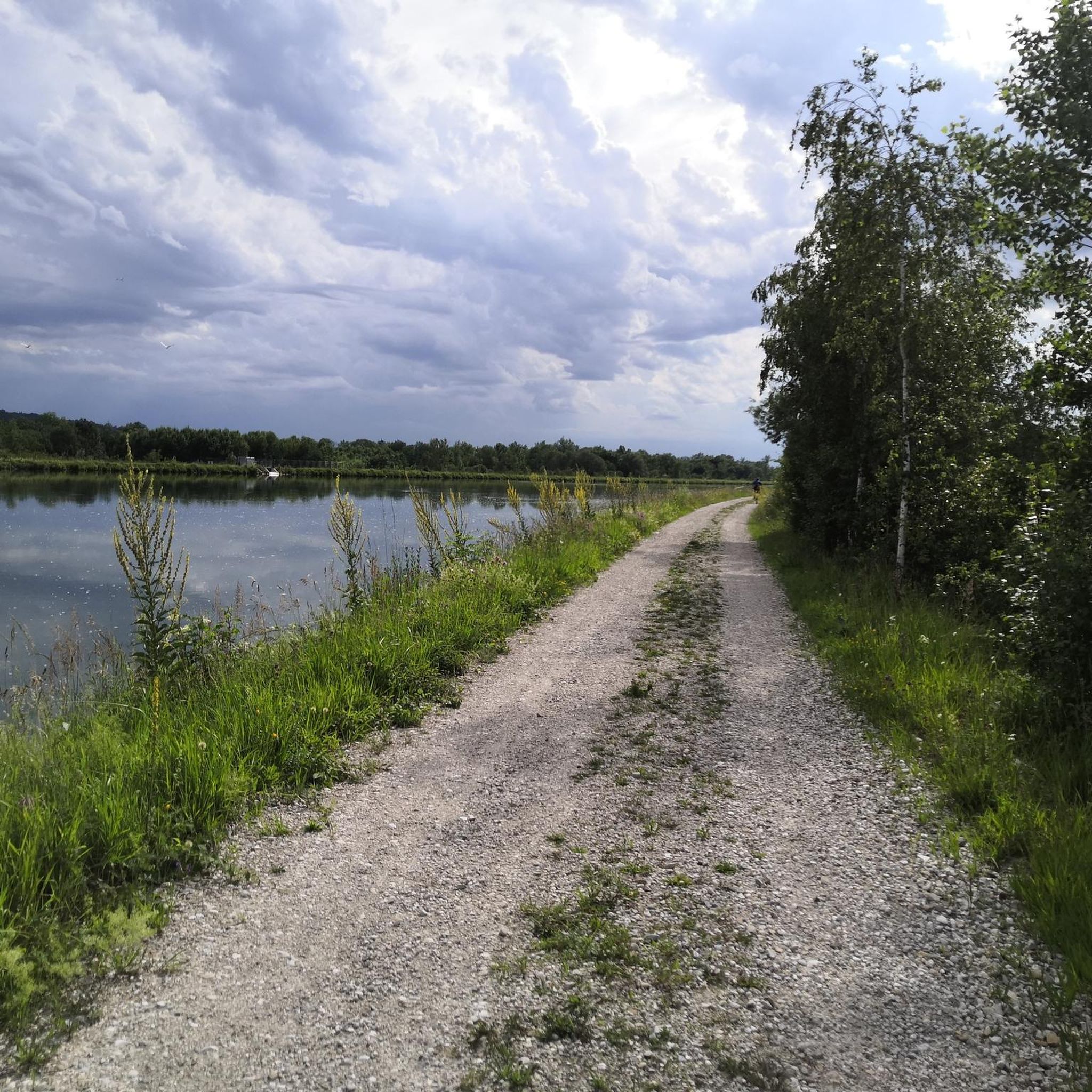
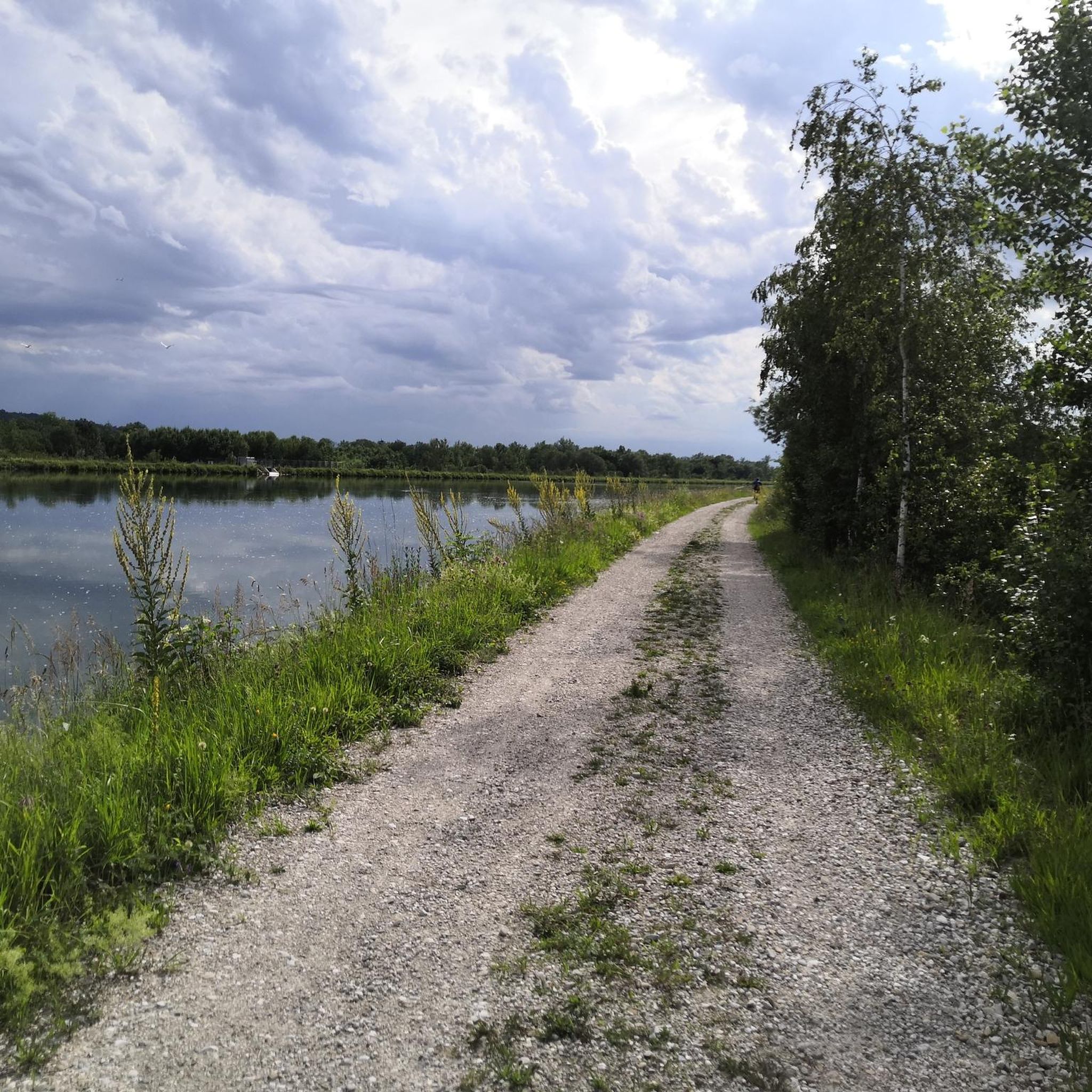
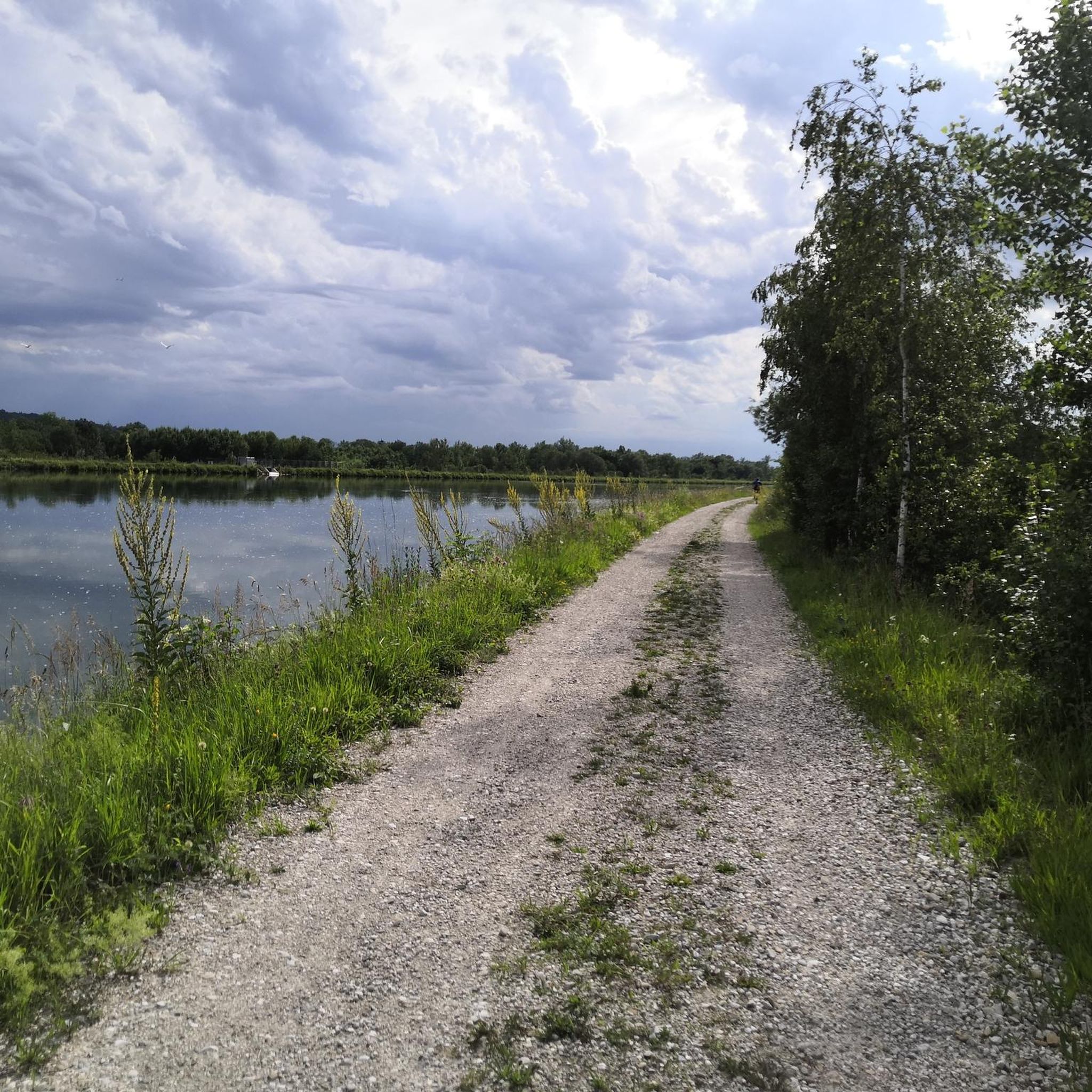
Culture cycle path Linz - Steyr - Wels
3
1
Frequently Asked Questions
What types of castles can I explore near Hörsching?
The region around Hörsching offers a diverse range of castles. You can find well-preserved historical castles like Linz Castle, which now houses a museum, and Traun Castle, which has been beautifully restored and is actively used. There are also historic sites like Ebelsberg Castle, known for its connection to a significant battle, and even castle ruins such as Spilberg Castle, offering a glimpse into medieval defensive architecture.
Are there any castles near Hörsching that are particularly family-friendly?
Yes, several castles in the vicinity are suitable for families. Linz Castle, with its museum and accessible exhibitions, is a great option. Traun Castle and Ebelsberg Castle are also listed as family-friendly, often offering engaging historical experiences or being situated near paths suitable for walks with children, like the Traun Riverside Path.
What outdoor activities can I do near these castles?
Many castles are situated in areas perfect for outdoor activities. For instance, Ebelsberg Castle is located along the Traun Riverside Path, which is excellent for cycling and walking. The broader Hörsching area offers numerous hiking trails, such as the 'Rutzinger Lake loop' or 'Blossom-rich Traunau loop'. You can find more details on these routes in the Hiking around Hörsching guide. There are also road cycling and mountain biking routes available in the region.
Which castles offer the best views?
Linz Castle is renowned for its magnificent views. Situated on a hill above Linz's old town, its south wing terrace provides panoramic vistas of the city and the Danube River. Additionally, the 'View of Ottensheim and Ottensheim Castle' highlight offers a super great view of the castle and the surrounding area.
Are there any castles that are now museums?
Yes, Linz Castle houses the Upper Austrian Provincial Museum, featuring a blend of ancient and modern architecture with extensive archaeological, scientific, and cultural exhibits. Another notable example is Hohenbrunn Castle, which has served as a hunting museum since 1963.
Can I combine a castle visit with a walk or cycle ride?
Absolutely. Many castles are integrated into scenic routes. For example, Ebelsberg Castle can be explored along the Traun Riverside Path, which is a popular cycling and walking route. You can also find road cycling routes like 'Traun Castle – Along the Krems loop from Hörsching' in the Road Cycling Routes around Hörsching guide, allowing you to visit Traun Castle as part of a longer tour.
What is the historical significance of castles in the Hörsching area?
The castles in the greater Linz area, near Hörsching, hold significant historical importance. Linz Castle, for instance, dates back to a Roman fort and served as an imperial residence for figures like Emperor Friedrich III. Ebelsberg Castle is particularly known for its role in the Battle of Ebelsberg in 1809. These sites offer a deep dive into Upper Austria's past, from medieval defense to imperial residences and military history.
Are there any lesser-known or 'hidden gem' castles worth visiting?
While the main castles are well-known, exploring sites like Holzheim Castle (Painherrnhof) can offer a unique experience. Though it now serves residential purposes, its Baroque architecture and granite portal from 1726 tell a rich story. Spilberg Castle Ruins, once an important moated castle, also provides a fascinating look at medieval defensive architecture and the impact of natural changes on historical sites.
What do visitors enjoy most about the castles around Hörsching?
Visitors particularly appreciate the blend of history, architecture, and natural beauty. The magnificent views from places like Linz Castle's terrace are a highlight. Many also enjoy the opportunity to combine castle visits with walks along riverside paths or cycling tours, experiencing the region's cultural heritage alongside its scenic landscapes. The community has shared over 400 photos and nearly 300 upvotes, reflecting a strong appreciation for these sites.
What is the best time of year to visit the castles near Hörsching?
The castles can be visited year-round, but spring and autumn offer pleasant weather for exploring both the castles and the surrounding outdoor areas. The mild temperatures are ideal for walking or cycling along paths like the Traun Riverside Path. Summer provides longer daylight hours, while winter visits can offer a unique, often quieter, experience, especially for indoor museum visits at places like Linz Castle.
Are there cafes or restaurants near the castles?
Yes, you can often find dining options near the castles. Linz Castle, for example, has a castle restaurant. In the towns where these castles are located, such as Linz or Traun, there are various cafes, restaurants, and pubs where you can relax and refuel after your visit.
How long should I plan for a visit to a castle?
The duration of a visit can vary. For a comprehensive experience at a larger site like Linz Castle, especially if you plan to explore the museum, you might want to allocate 2-3 hours. Smaller castles or ruins might take 1-2 hours. If you're combining a visit with a walk or cycle ride, plan for a half-day or full-day excursion.
Most popular routes around Hörsching
Most popular attractions around Hörsching

Get inspired with the komoot mobile app


Explore more
Looking for the best castles somewhere else? Discover other guides around Hörsching:
