The best cycling routes around Cascades
4.7
(95)
1,199
riders
61
rides
Touring cycling routes around Cascades traverse a region defined by majestic mountains, dense forests, and pristine lakes and rivers. The landscape features a blend of challenging ascents and scenic byways, alongside accessible multi-use trails. This area is characterized by dramatic peaks, glaciated terrain, and diverse aquatic habitats, offering varied terrain for cyclists. The region's natural features include volcanic landscapes, old-growth forests, and numerous waterfalls.
Best touring cycling routes around Cascades
- The most popular touring cycling route is Chesapeake and Ohio…
Last updated: August 22, 2026
5.0
(4)
28
riders
62.8km
04:42
90m
90m
Moderate bike ride. Good fitness required. Mostly paved surfaces. Suitable for all skill levels.
62.2km
04:15
310m
310m
Moderate bike ride. Good fitness required. Mostly paved surfaces. Suitable for all skill levels.

Sign up for free
28.6km
01:50
270m
270m
Moderate bike ride. Good fitness required. Mostly paved surfaces. Suitable for all skill levels.
5.0
(4)
56
riders
44.5km
03:47
130m
130m
Moderate bike ride. Good fitness required. Mostly paved surfaces. Suitable for all skill levels.
5.0
(2)
31
riders
Moderate bike ride. Good fitness required. Mostly paved surfaces. Suitable for all skill levels.
Get access to more routes and recommendations from other explorers.
Sign up for free
Already have an account?
Our route recommendations are based on thousands of hikes, rides, and runs completed by other people on komoot.
Start today with a free account
Your next adventure awaits.
Login or Signup

Tips from the Community

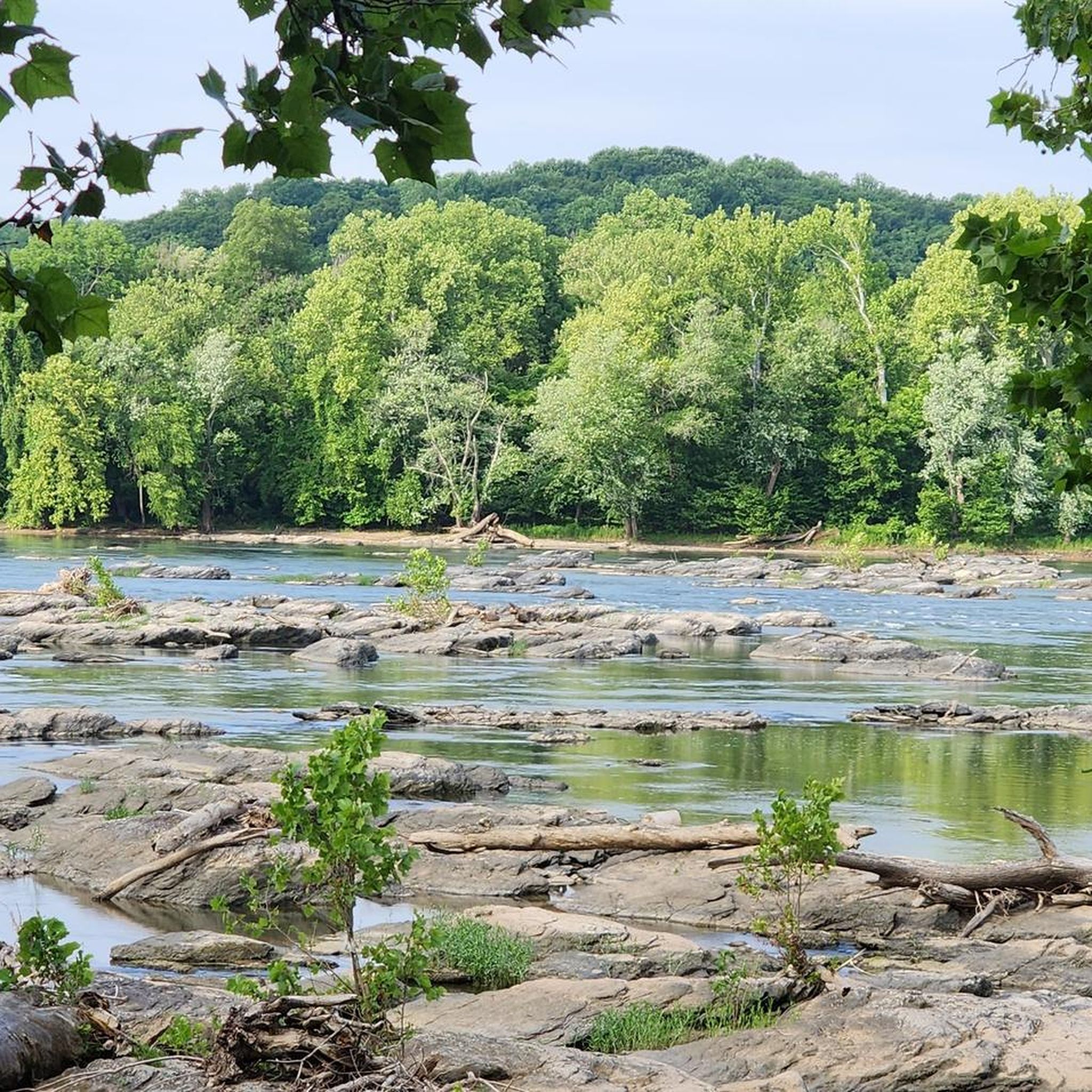
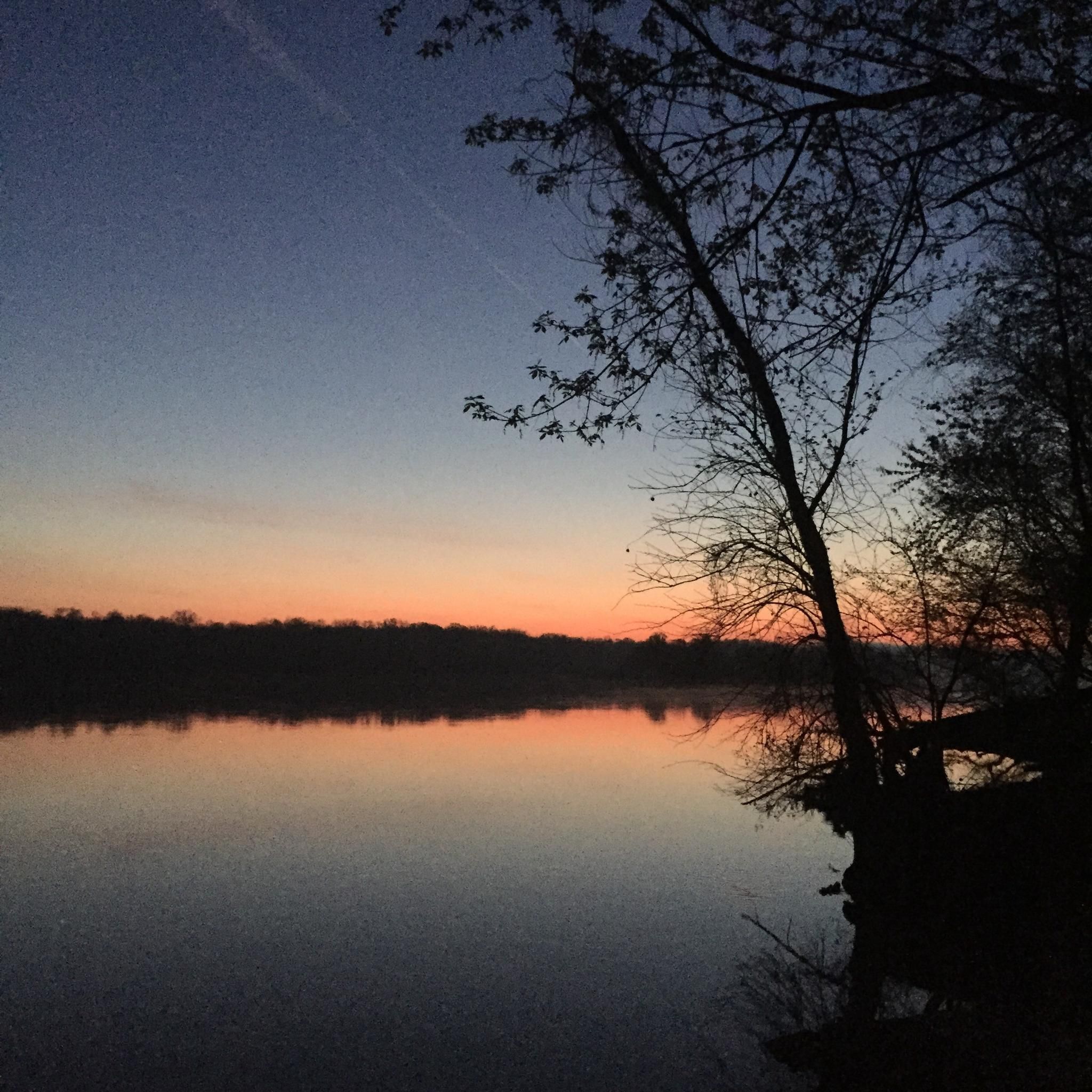
As you ride onto the wide canal bend, you’re met with serene water views—Widewater is a beautiful lake that serves as habitat for many bird and wildlife species. It’s an ideal spot to pause, do some birdwatching, and soak in the calm before continuing your journey along the Potomac and the Chesapeake & Ohio canal.
0
0
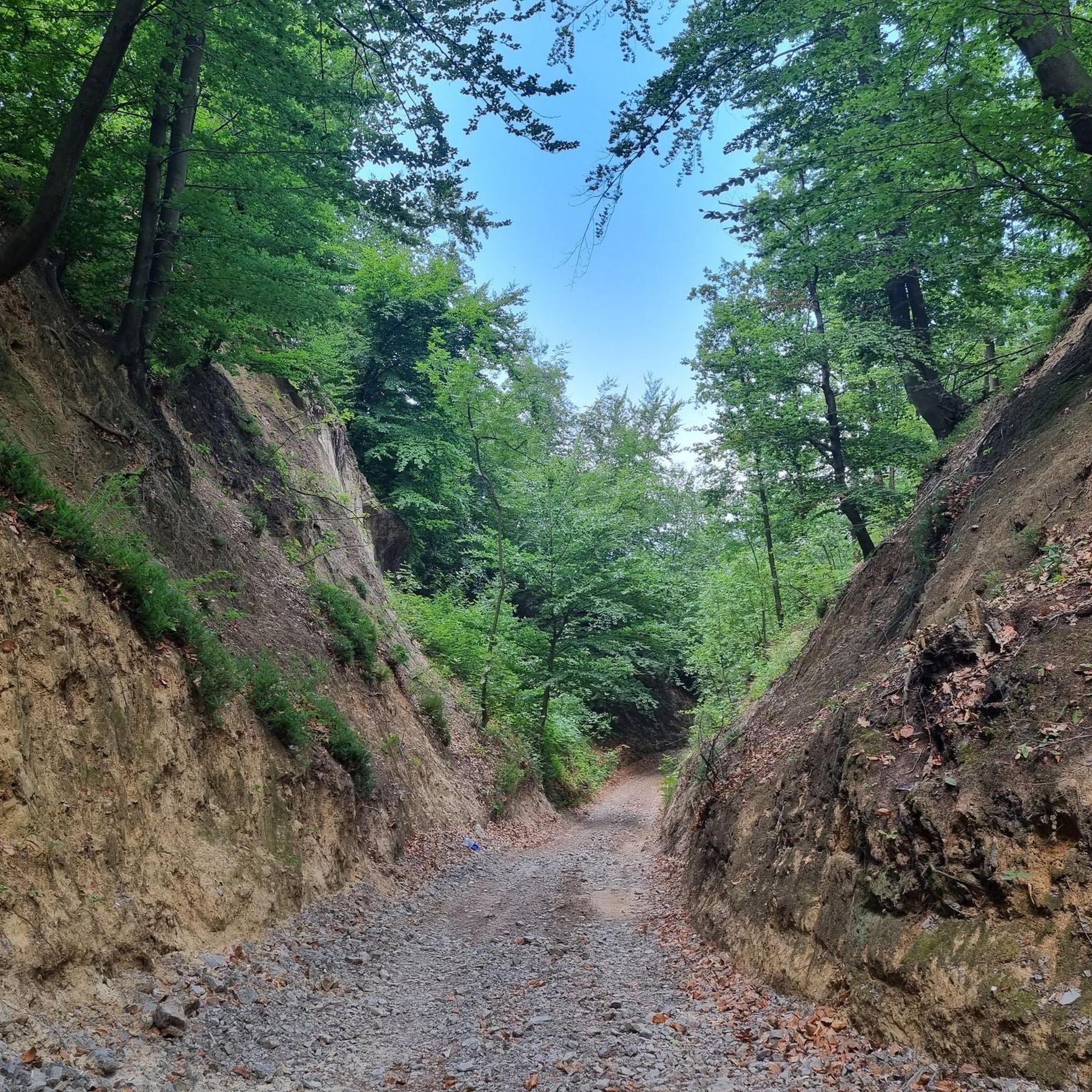
This towpath is as much about the journey as the destination. Cruise past historic locks, aqueducts, and shady woodlands along a trail with gentle grades and rich history. Pause at scenic river overlooks or old lockhouses for a quick rest.
0
0

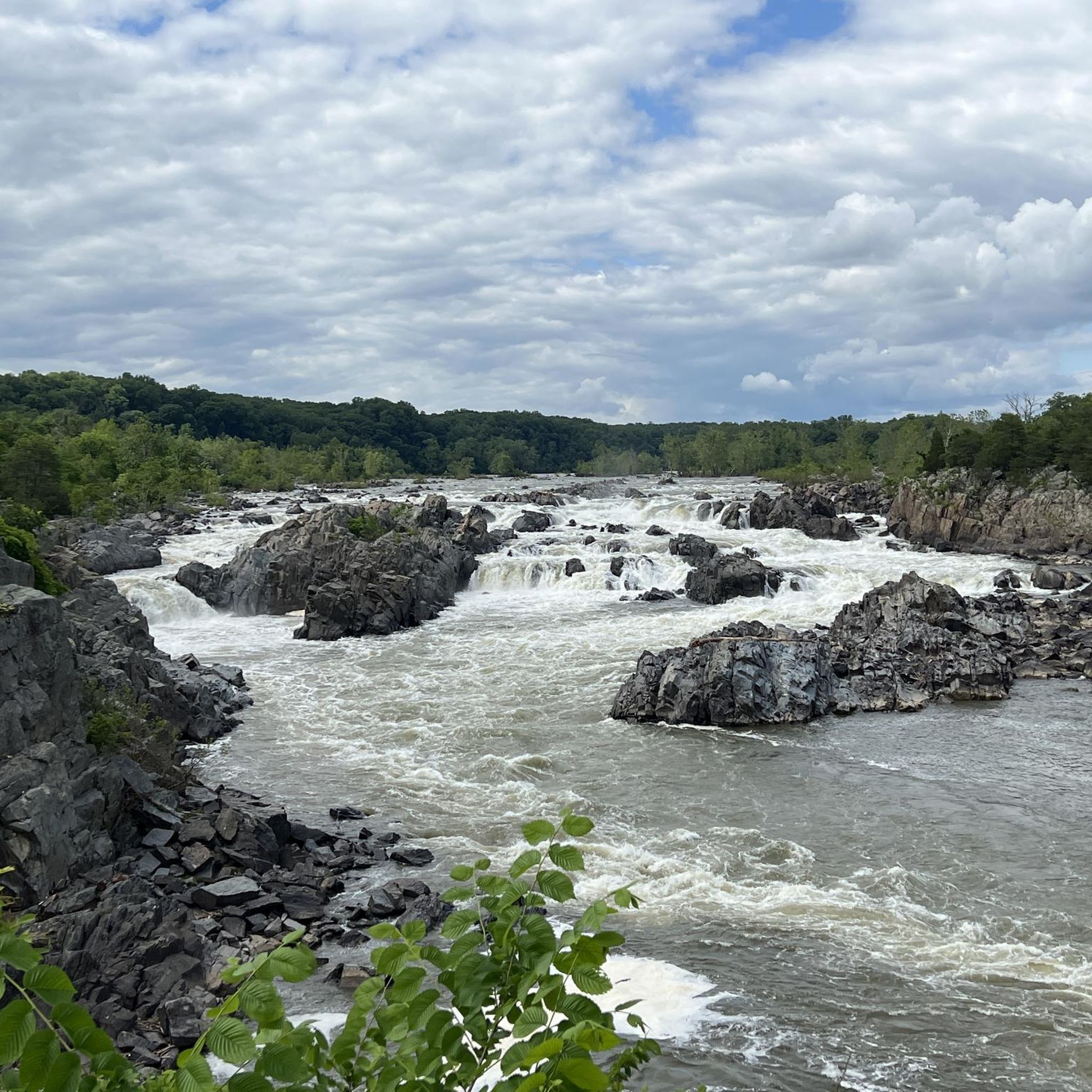
Enjoy easy access to the Great Falls, a popular destination for photographers, hikers, and expert kayakers. Though not exceptionally tall, the falls surge with force as the Potomac River carves through ancient, metamorphic rock.
1
0
Built in 1837 by the Seneca Sandstone Company, this mill was created to process the distinctive red sandstone quarried nearby. Today, the ruins, easily spotted by their red sandstone walls, are accessible via the C&O Canal towpath and are especially visible during the winter months when vegetation is dormant.
1
0
Lock 21, aka Swains Lock, is a lock house and campsite. It was built in the 1830s and transported items such as grain and coal between Georgetown and Cumberland. It was named after the Swain family and John Swain, who helped build the canal, and Jesse Swain, the lockkeeper. The family lived here until 2006.
1
0
Lock 22, aka Pennyfield Lock, was built between 1829 and 1831, and the name came from the misspelling of the Pennifield family name. It has been restored and offers overnight stays to recreate the rustic feeling from that period.
1
0

Located at mile 14.3 on the C&O Canal Towpath in Potomac, Maryland, Great Falls Park is a must-visit highlight for hikers, cyclists, and history buffs alike. A short boardwalk leads to the Olmsted Island overlook, where the Potomac River dramatically crashes over jagged rocks—one of the most scenic views near D.C. For hikers, the popular Billy Goat Trail offers three segments, with Section A featuring challenging rock scrambles and breathtaking river views. The historic Great Falls Tavern, built in 1829, now serves as a visitor center and launch point for seasonal mule-drawn canal boat rides. The towpath itself is flat and easy to navigate, ideal for walking or biking. Amenities include restrooms, picnic spots, and interpretive exhibits. Parking is available at the visitor center (fee required), or you can park for free at nearby Swains Lock and walk or ride 2.5 miles to the falls.
1
0

This ancient oak there when the US constitution was written. It’s an interesting landmark. There is a restaurant and a convenience store nearby, making it a fun excursion!
0
0
Frequently Asked Questions
How many touring cycling routes are available in the Cascades region?
There are over 50 touring cycling routes available in the Cascades region, catering to various skill levels. You'll find a mix of easy, moderate, and challenging options to explore the diverse landscapes.
What types of terrain can I expect on touring cycling routes in the Cascades?
The Cascades offer a wide variety of terrain, from relatively flat, paved multi-use trails to demanding mountain passes with significant elevation gain. You can expect a combination of paved and crushed gravel surfaces, winding through old-growth forests, past volcanic landscapes, and alongside pristine lakes and rivers.
Are there any family-friendly touring cycling routes in the Cascades?
Yes, the Cascades region includes accessible multi-use trails that are suitable for families. These often follow former rail lines, providing mostly flat elevations and a safe environment for cyclists of all ages. Look for routes that are described as 'easy' or 'moderate' for a more relaxed family experience.
What are some notable natural features or scenic viewpoints I might encounter on a touring cycling route?
The Cascades are renowned for their majestic natural beauty. Cyclists can experience awe-inspiring features such as glaciers, dramatic mountain peaks like Mount Rainier and Mount Hood, and the deep blue waters of Crater Lake. The Columbia River Gorge offers breathtaking views and numerous waterfalls, including Multnomah Falls. Many routes also traverse lush lowland forests and alpine meadows.
What is the best time of year for touring cycling in the Cascades?
The best time for touring cycling in the Cascades generally depends on the specific elevation and route. Lower elevation trails are often accessible from spring through fall. For higher mountain passes and routes, late spring to early fall (typically June through September) offers the most favorable weather conditions, avoiding snow and ice.
Are there multi-day touring cycling routes in the Cascades?
Yes, the Cascades offer options for multi-day touring. Routes like sections of the Sierra Cascades Bicycle Route provide extensive journeys through forests, volcanoes, and deserts, often involving major climbs. Other long-distance multi-use paths, such as the Palouse to Cascades State Park Trail, can also be adapted for multi-day adventures.
What is the difficulty level of touring cycling routes in the Cascades?
The Cascades cater to all levels of touring cyclists. Approximately 19 routes are considered easy, 30 are moderate, and 9 are difficult. This means you can choose anything from gentle rides along river valleys to challenging ascents over mountain passes, depending on your experience and fitness.
What do other touring cyclists enjoy most about cycling in the Cascades?
The Cascades region is highly rated by the komoot community, with an average score of 4.7 stars from over 100 reviews. Cyclists often praise the spectacular natural scenery, the diversity of trails, and the immersive experience of riding through majestic mountains, dense forests, and along pristine waterways.
Are there any specific areas known for waterfalls along touring cycling routes?
The Columbia River Gorge, which forms part of the border between Oregon and Washington, is particularly famous for its numerous waterfalls, including the iconic Multnomah Falls. Many cycling routes in this area offer opportunities to view these natural wonders.
Can I find less crowded touring cycling routes in the Cascades?
While popular routes can see more traffic, the vastness of the Cascades means there are many opportunities to find less crowded trails. Exploring routes in less-trafficked national forests or seeking out lesser-known sections of multi-use paths can provide a more secluded touring experience. Early mornings or weekdays are also good times to avoid crowds.
What kind of wildlife might I see while touring cycling in the Cascades?
The diverse ecosystems of the Cascades support a rich array of wildlife. Depending on the specific area and season, you might spot deer, elk, various bird species, and smaller mammals. In more remote areas, there's also a chance of encountering larger wildlife, so it's always wise to be aware of your surroundings.
Are there any specific challenges for touring cyclists in the Cascades?
Challenges for touring cyclists in the Cascades can include significant elevation gains on mountain passes, variable weather conditions, and mixed terrain surfaces. Some routes may also have limited services, so planning for water, food, and bike maintenance is crucial, especially on longer or more remote tours.
Most popular attractions around Cascades

Get inspired with the komoot mobile app


Explore more
Browse the best Cycling routes in other regions.
