The best cycling routes around Ferrera
4.8
(251)
4,076
riders
89
rides
Touring cycling routes around Ferrera are characterized by a remarkably flat landscape, making the region accessible for cyclists of all levels. An extensive network of dedicated cycle paths, including over 84 km within the city and province, provides safe and enjoyable rides. The area features the Po River and its delta, offering scenic routes through natural reserves and alongside historic waterways. This terrain is ideal for long-distance touring and leisurely exploration.
Best touring cycling routes around Ferrera
- The most popular…
Last updated: October 8, 2026
4.7
(21)
425
riders
57.2km
04:35
1,660m
1,660m
Hard bike ride. Very good fitness required. Mostly paved surfaces. Suitable for all skill levels.
4.8
(8)
134
riders
23.6km
02:02
860m
860m
Hard bike ride. Very good fitness required. Mostly paved surfaces. Suitable for all skill levels.

4.9
(8)
96
riders
81.7km
06:12
1,820m
1,820m
Hard bike ride. Very good fitness required. Mostly paved surfaces. Suitable for all skill levels.
5.0
(3)
52
riders
104km
08:44
3,020m
3,020m
Hard bike ride. Very good fitness required. Mostly paved surfaces. Suitable for all skill levels.
5.0
(3)
53
riders
12.8km
01:07
470m
470m
Hard bike ride. Very good fitness required. Mostly paved surfaces. Suitable for all skill levels.
Get access to more routes and recommendations from other explorers.
Already have an account?
Our route recommendations are based on thousands of hikes, rides, and runs completed by other people on komoot.
Start today with a free account
Your next adventure awaits.
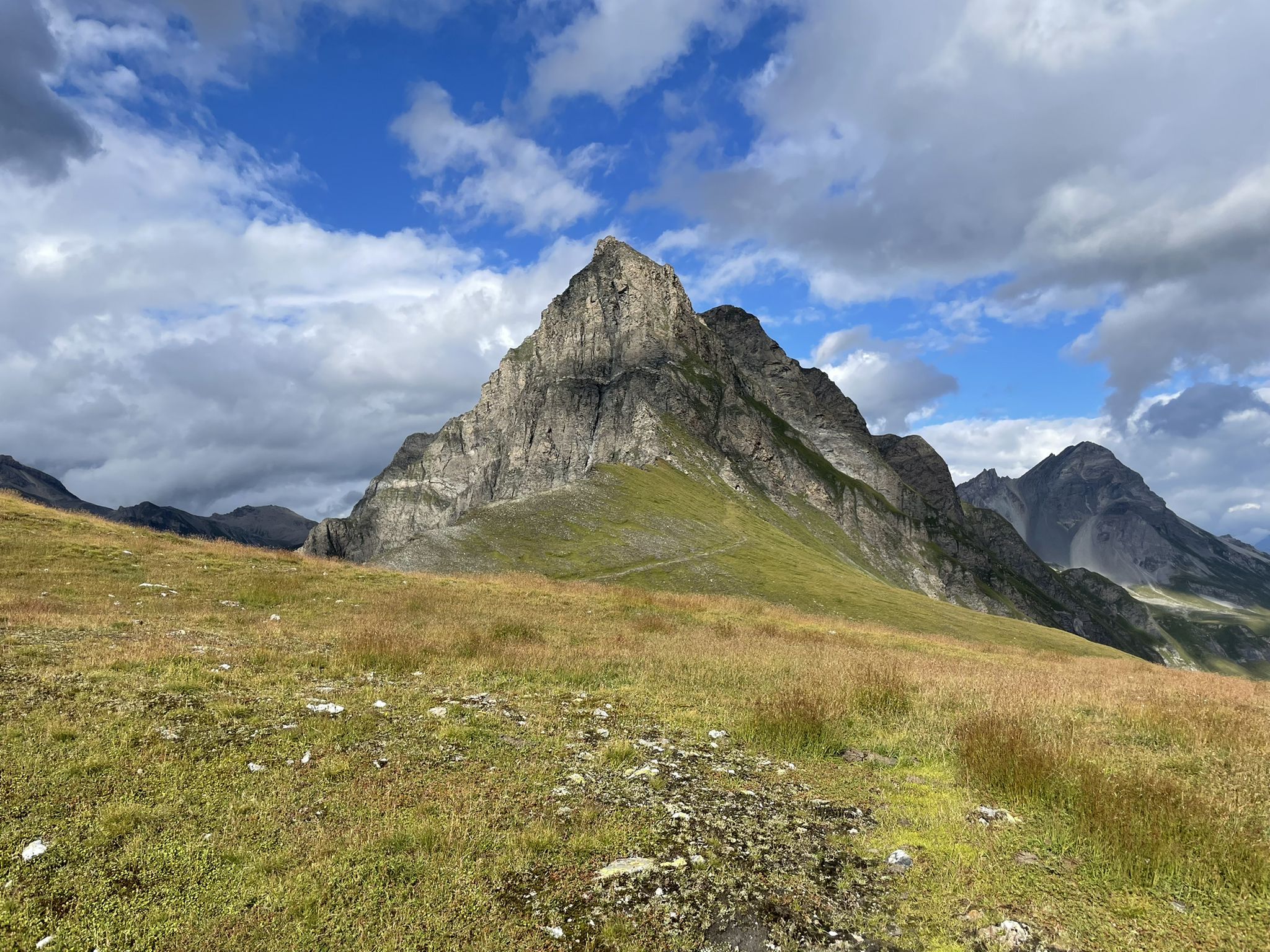
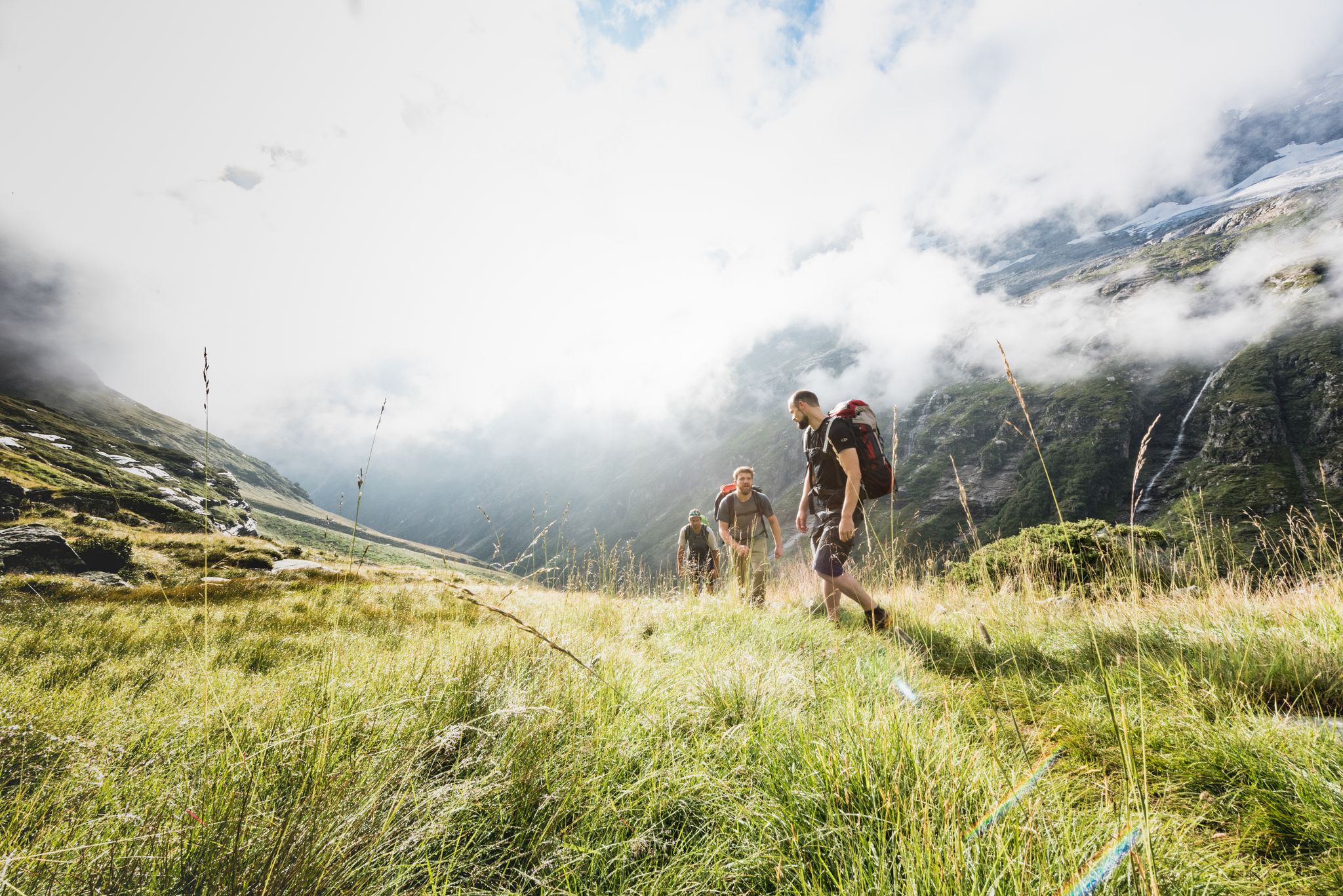



Tips from the Community

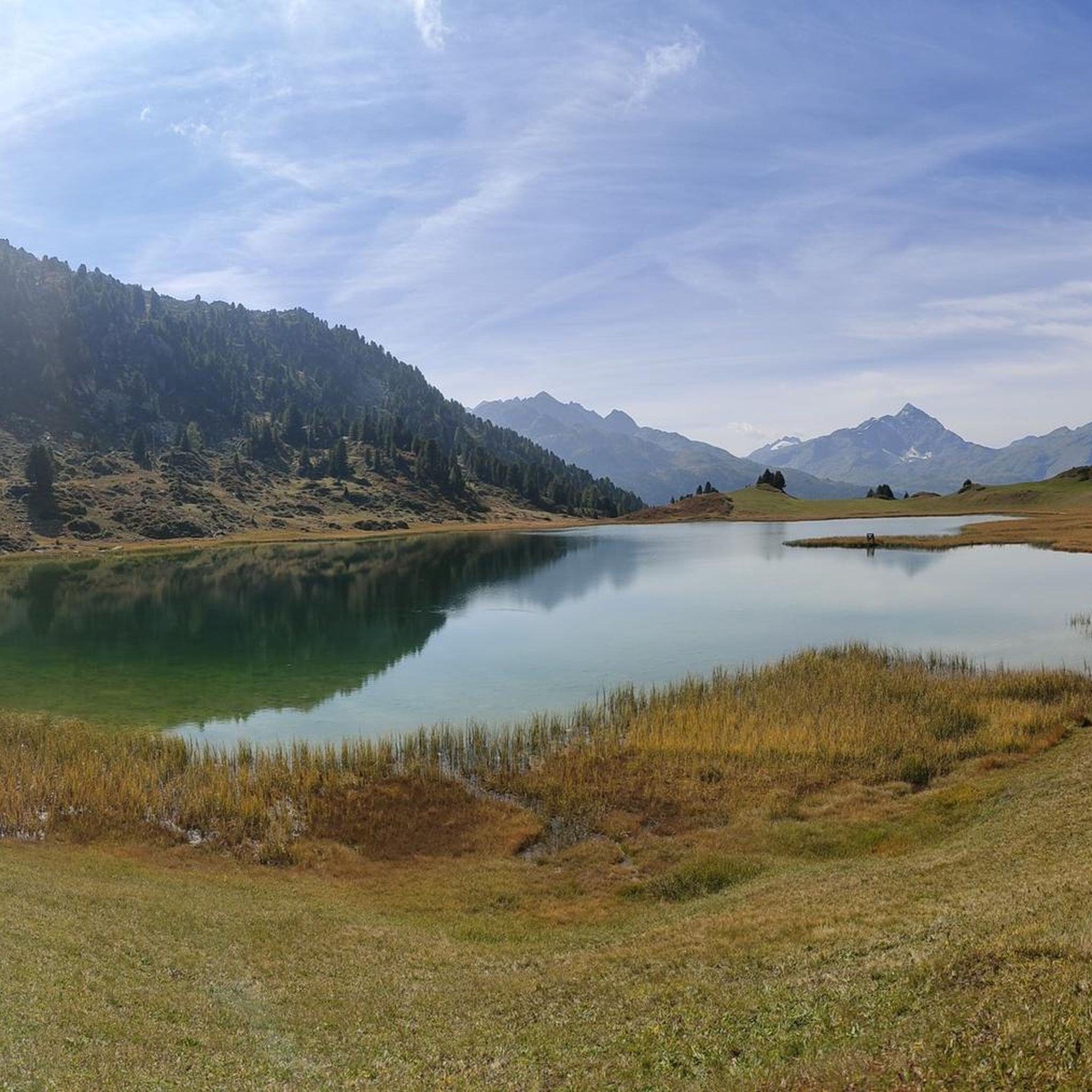
great place...a must I find
0
0

An intact village center and a turbulent history.
0
0


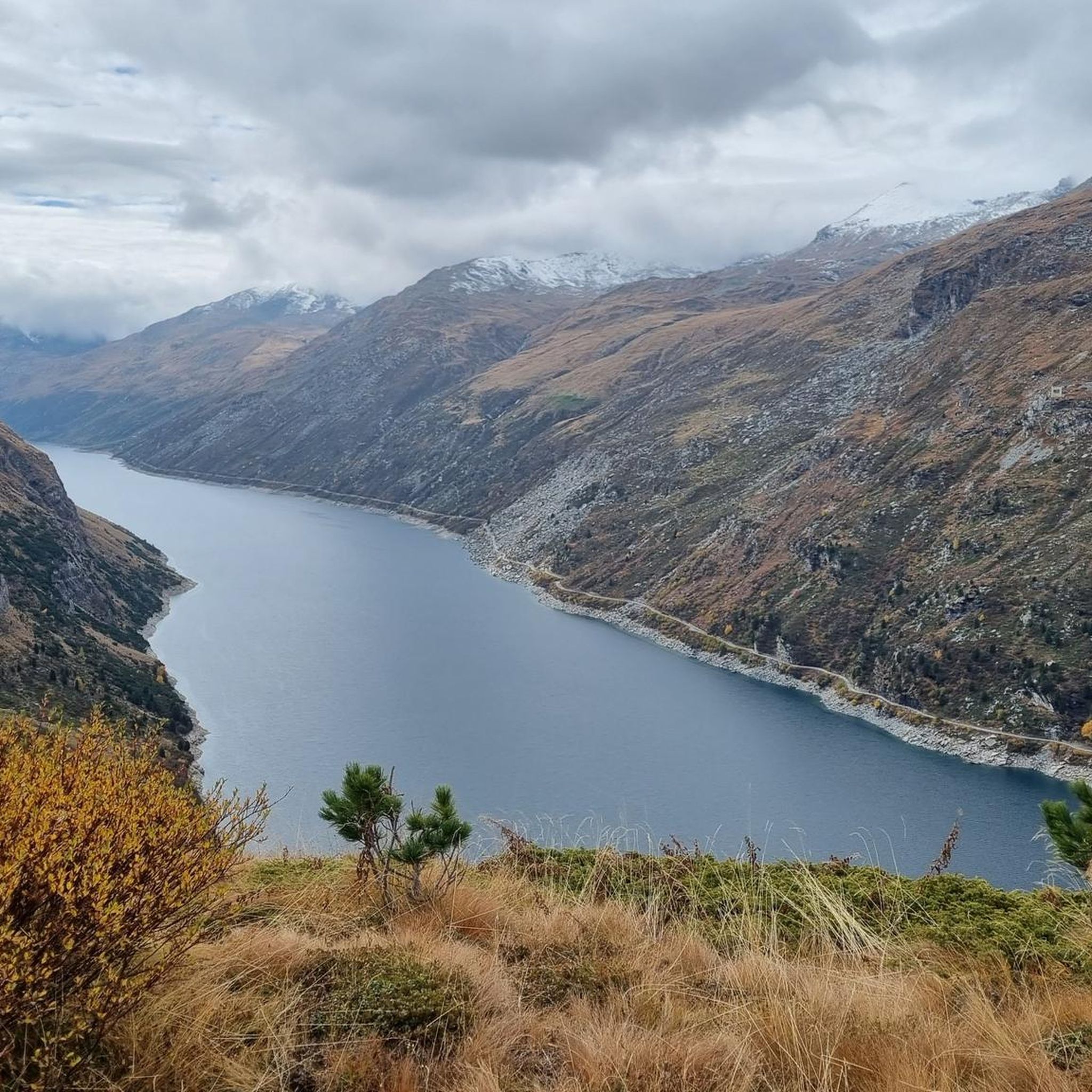
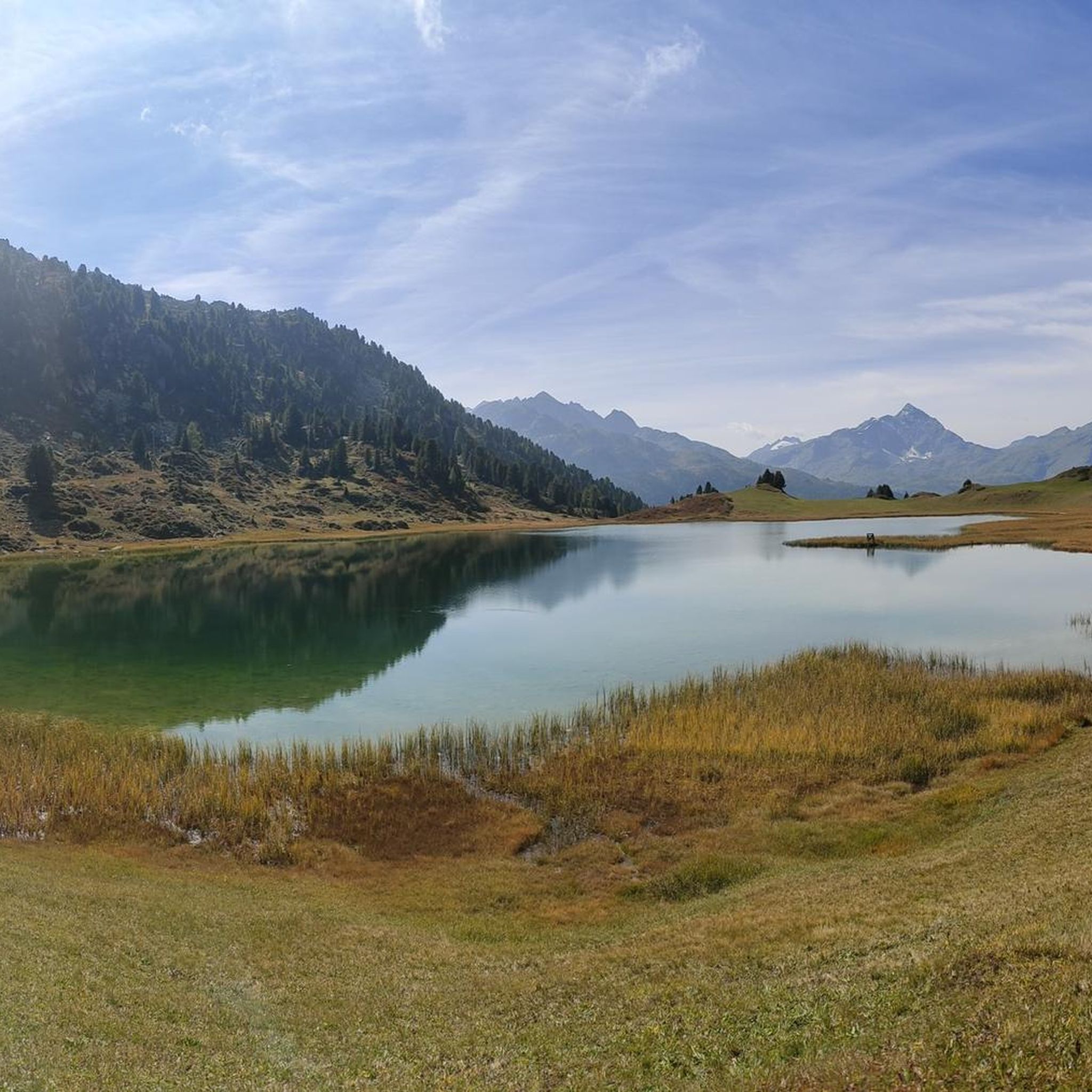
A reservoir in the Swiss canton of Graubünden, nestled in the impressive mountain landscape of the Viamala and Rheinwald regions. It stretches over a length of approximately two kilometers.
1
0

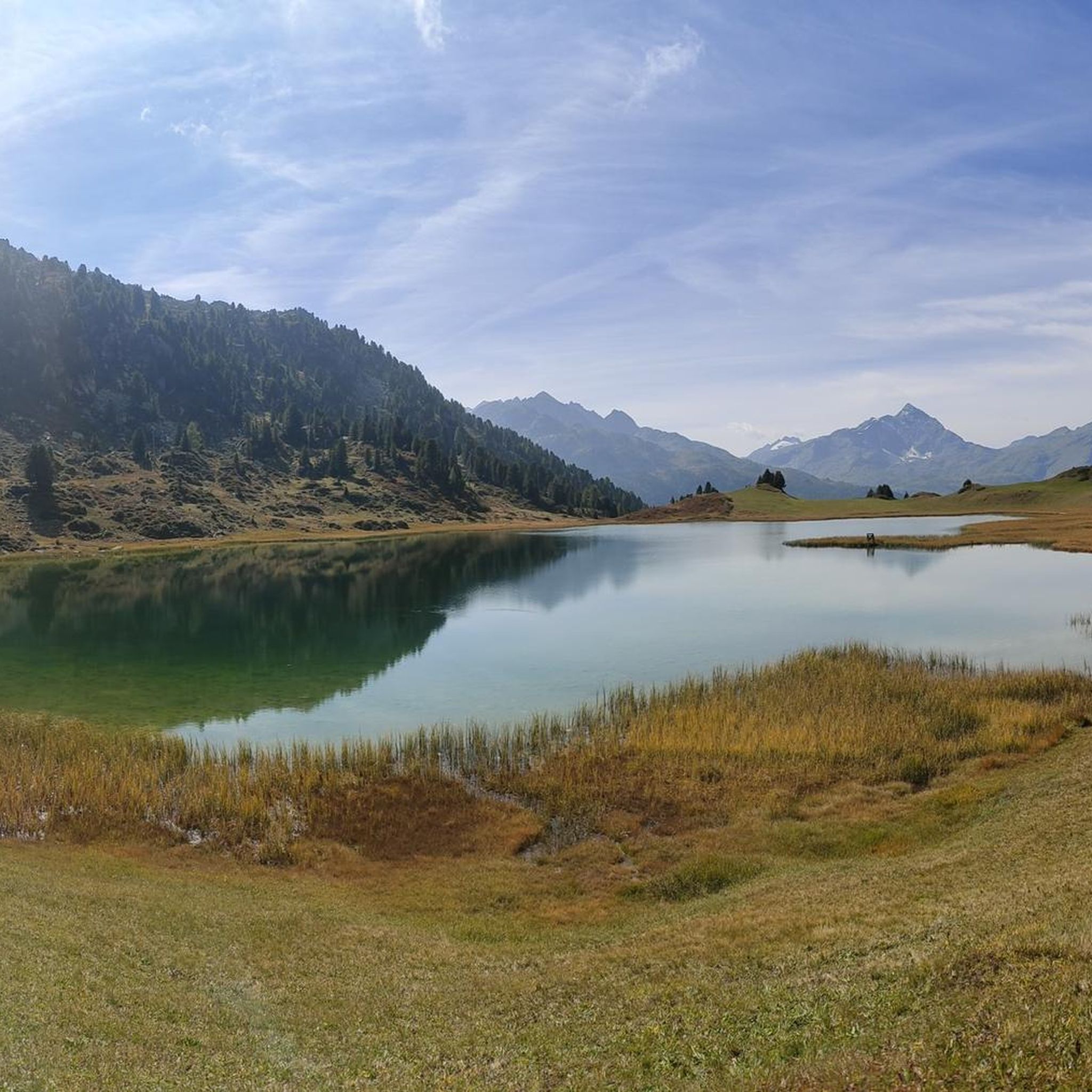
Beautiful view of the Mera from the bridge.
0
0

Frequently Asked Questions
How many touring cycling routes are available in Ferrara?
There are over 80 touring cycling routes available around Ferrara, catering to various skill levels. The komoot community has explored these routes over 3000 times, highlighting the region's popularity for cycling.
What kind of terrain can I expect when touring cycling in Ferrara?
Ferrara is renowned for its remarkably flat landscape, making it ideal for touring cyclists of all abilities. The routes primarily follow dedicated cycle paths, river paths, and quiet country roads, offering a relaxed and enjoyable experience. While the region is generally flat, some routes might include minor elevation changes, particularly those venturing into the Po Delta or along riverbanks.
Are there any family-friendly touring cycling routes in Ferrara?
Yes, Ferrara's flat terrain and extensive network of dedicated cycle paths make it very family-friendly. The route encircling Ferrara's historic city walls is particularly popular, offering a safe and scenic ride away from traffic. Many paths within the Po Delta Regional Park are also suitable for families, providing opportunities to explore nature at a leisurely pace.
What are some notable landmarks or attractions I can see while cycling in Ferrara?
Ferrara offers a rich blend of historical and natural attractions. Within the city, you can cycle past the impressive Estense Castle, the distinctive Palazzo dei Diamanti, and the historic Cathedral of Ferrara. Further afield, routes extend into the Po Delta Regional Park, a UNESCO World Heritage site known for its wetlands, lagoons, and diverse birdlife, including flamingos. The charming town of Comacchio, often called 'Little Venice,' is also a picturesque destination reachable by bike.
Are there any circular touring cycling routes in Ferrara?
Yes, Ferrara offers numerous circular touring cycling routes. A prominent example is the circuit around the city's medieval walls, providing a complete loop of the historic center. Many routes within the Po Delta Regional Park are also designed as loops, allowing cyclists to start and end in the same location while exploring the natural beauty of the area.
What is the best time of year to go touring cycling in Ferrara?
The best time to go touring cycling in Ferrara is typically during spring (April-May) and autumn (September-October). During these months, the weather is pleasant, with comfortable temperatures and less humidity, making for ideal cycling conditions. Summer can be quite hot, especially in July and August, while winter can be chilly and foggy.
Can I find places to eat or stay along the touring cycling routes in Ferrara?
Yes, Ferrara and its surrounding areas are well-equipped to welcome cyclists. The city center offers a wide array of cafes, restaurants, and accommodation options. Along the longer routes, especially those traversing the Po Delta or connecting smaller towns, you'll find agriturismi (farm stays), trattorias, and small hotels that cater to visitors. Comacchio, in particular, is known for its culinary traditions, especially eel dishes.
What do other touring cyclists enjoy most about cycling in Ferrara?
The komoot community highly rates touring cycling in Ferrara, with an average score of 4.8 stars from over 170 reviews. Cyclists frequently praise the region's flat and accessible terrain, the extensive network of well-maintained cycle paths, and the unique blend of historical sites and natural beauty, particularly the peaceful rides along the Po River and through the Po Delta.
Are there any challenging touring cycling routes in Ferrara for experienced riders?
While Ferrara is largely flat, offering many easy and moderate routes, experienced riders seeking a challenge can explore longer distances or routes that connect to more varied landscapes. For example, the 125 km Destra Po Cycle Path offers a significant long-distance journey. Some routes might also include sections with more exposure to wind or longer stretches between services, requiring greater endurance. The guide lists some more challenging routes, such as Montespluga – Splügen loop from Montespluga, which features significant elevation gain, and Roffla Gorge – Sufnersee loop from Viamala, known for substantial climbs and descents.
Is public transport or parking available near the cycling routes in Ferrara?
Ferrara is known as the 'City of Bicycles,' and cycling is a primary mode of transport. The city center is largely pedestrian and cycle-friendly. For those arriving by car, various parking facilities are available on the outskirts of the historic center. Public transport, including local buses, can connect you to different parts of the city and surrounding areas, though specific bike carriage policies should be checked in advance. Many routes are easily accessible directly from the city.
Where can I find information about cycling events or services in Ferrara?
For information on local cycling events, bike rentals, guided tours, and other services, the official tourism website for Ferrara is a great resource. You can find more details on cycling tourism in the region at visitferrara.eu. This site often provides up-to-date information on routes, facilities, and local initiatives for cyclists.
Most popular routes around Ferrera
Most popular attractions around Ferrera

Get inspired with the komoot mobile app


Explore more
Browse the best Cycling routes in other regions.
