Attractions and Places To See around Nikitsch - Top 20
Best attractions and places to see around Nikitsch include historical landmarks and religious sites. This municipality in Burgenland, Austria, is situated in the Mittelburgenland region, characterized by wide plains, rolling hills, woodlands, and wetlands. The Nikitschbach flows through the area, contributing to its natural setting. The region offers a backdrop for appreciating local flora and fauna.
Best attractions and places to see around Nikitsch
- The most popular attractions is Franz Liszt Birthplace, a historical site where Franz Liszt was…
Last updated: June 24, 2026
Franz Liszt Birthplace
Highlight • Historical Site
Tip by

Geographical Center of Burgenland
Highlight • Monument
Translated by Google •
Tip by

Sign up now to discover places like this
Get recommendations on the best single tracks, peaks, & plenty of other exciting outdoor places.
Sign up for free
Parish and Pilgrimage Church Unterfrauenhaid
Highlight • Religious Site
Translated by Google •
Tip by

Deutschkreutz Castle
Highlight • Castle
Translated by Google •
Tip by

Schloss Nebersdorf
Highlight • Castle
Translated by Google •
Tip by

Sign up for free to discover even more attractions around Nikitsch.
Sign up for free
Already have an account?
Start today with a free account
Your next adventure awaits.
Login or Signup
Tips from the Community

This building, constructed around 1770 using older components, is a good example of the numerous aristocratic country estates that were built in what was then western Hungary after the Turkish threat was averted. Nebersdorf Castle remained in the family's possession until 1939, when it was confiscated by the German authorities from its last representative, Count Ladislaus Niczky, and sold to the Heller industrial family in 1944. In 1952, they sold the castle and estate to the municipality of Nebersdorf. The municipality had the park's magnificent trees felled, the grounds divided into parcels, and sold to local residents. The castle was left to decay. In 1961, innkeeper Rudolf Golubits acquired the already very dilapidated building. He had its exterior restored starting in 1975. The ballroom was also restored to its former glory. The remaining interior rooms, which even housed livestock in the post-war period, were transformed into a tavern with the necessary ancillary rooms. Today, the restaurant is closed again, and the castle stands largely empty. However, it is in good condition and still belongs to Mr. Golubits.
1
0


Deutschkreutz Castle in central Burgenland was built in 1625 by Count Paul Nadasdy in the Italian Renaissance style and is located just 15 km from the Hungarian city of Sopron. The castle's layout is a combination typical of the border region, a combination of manor house, castle and farmyard. The four wings form a two-storey complex around a rectangular arcaded courtyard and four low corner towers covered with tent roofs protrude slightly into a former moat.
4
0

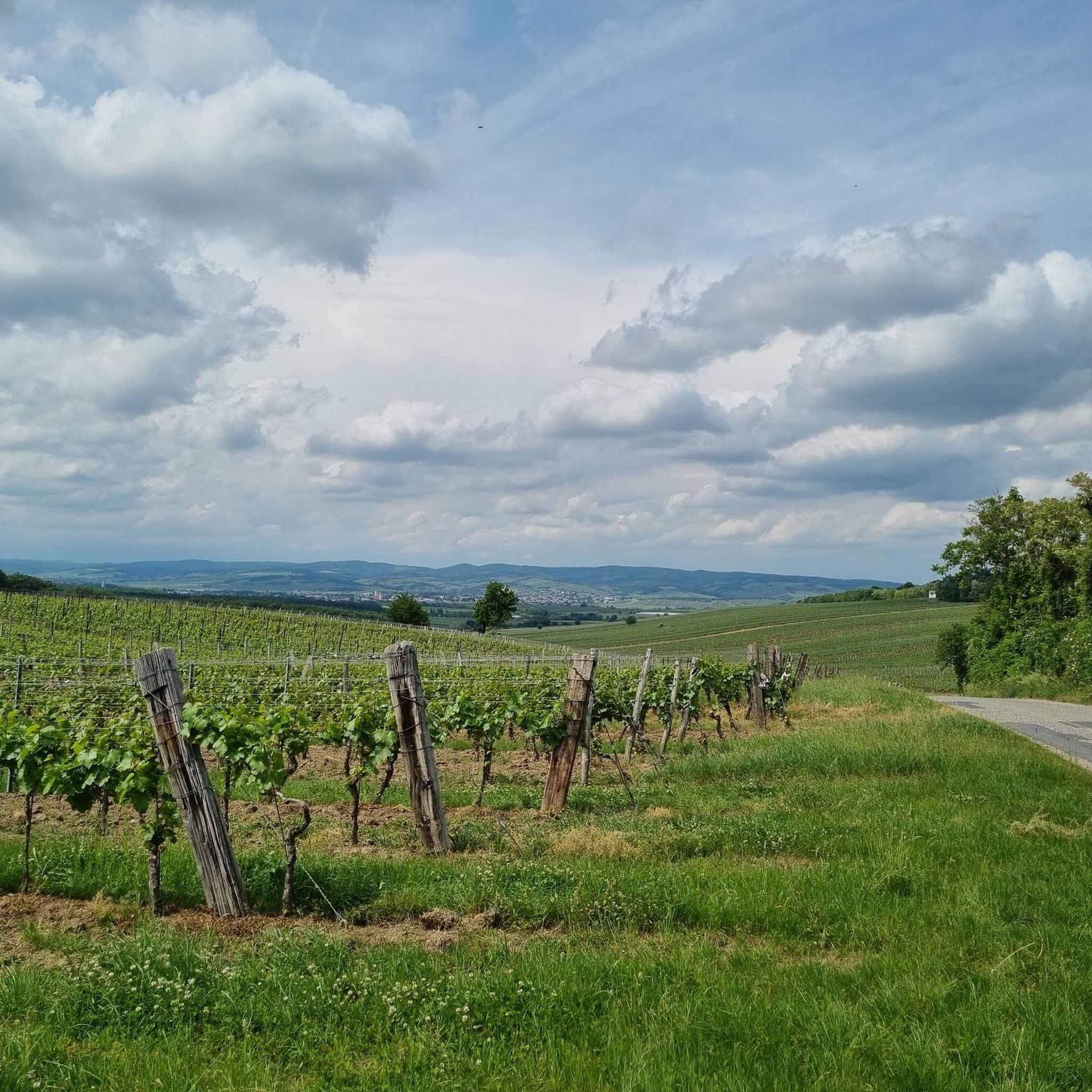
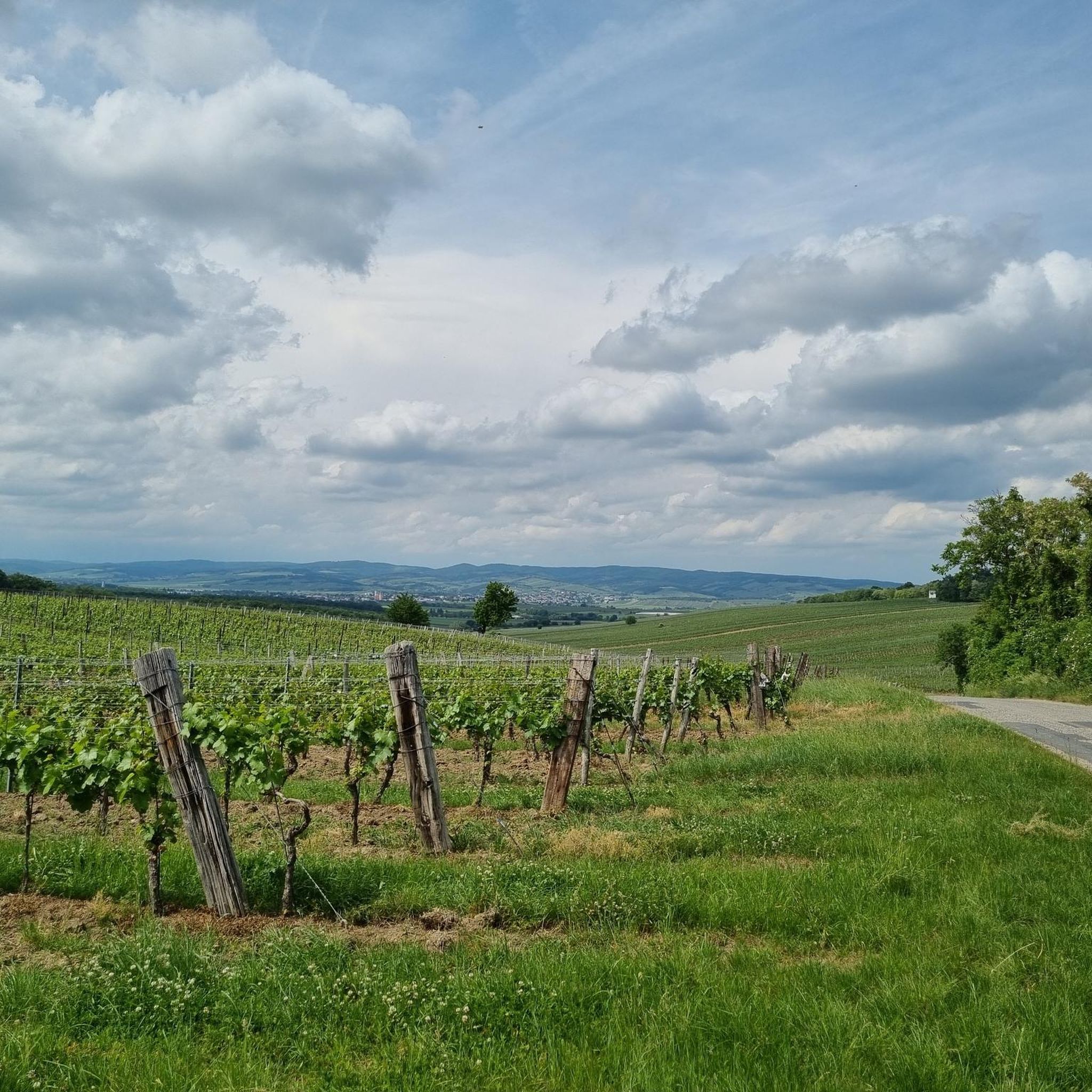
I didn't think that it would be so steeply uphill at the end. It's a great way to rediscover the area you thought you knew well.
2
0

The castle dates back to the 17th century and appears somewhat romantically dilapidated.
4
0

Small town with the (Romanesque) baptistery by Franz Liszt and a beautiful monument "Pax Mundi" - peace to the peoples of the world with the 5 continents.
1
0

Nebersdorf Castle was owned by the Niezky family from 1446 to 1939/41 (ruled in The municipality of Nebersdorf acquired the castle in 1952. Since the end of the 19th century, hardly any funds have been invested in the renovation of the castle, and the subsequent owners, including the municipality of Nebersdorf, were not interested in the continued existence of the building. The community divided the garden area into building plots and sold them. Unfortunately, the 200-year-old tree population was felled between 1954 and 1957. The castle building was finally sold in 1959 to the innkeeper Rudolf Golubits, to whom we owe the preservation of the castle, because the building had been threatened with demolition for a long time and some of the furnishings had already been reduced. After years of standing empty, it was secured after 1960 in the building stock and renovated until completion in 2008. http://www.schloss-nebersdorf.at/
0
0
In 1966, the artist Anton Lehmden acquired the then desolate castle and has been busy repairing and renovating it since then and until his death in 2018. Not only did he create his artist refuge here, but also the Lehmden Museum on over 800m² of exhibition space, which gives an overall insight into his artistic work. Guided tours can be booked. According to the pictures on the webpage, definitely worth seeing. Art events are also regularly offered. More information: https://schlossdeutschkreutz.at/
1
0
Frequently Asked Questions
What historical landmarks can I explore in Nikitsch?
Nikitsch is rich in historical landmarks, particularly religious sites. You can visit the Katholische Pfarrkirche Hl. Laurentius, built in 1931/32, which incorporates older structural elements and features a baroque interior. Other significant sites include the Gruftkapelle (Crypt Chapel), a neo-Gothic building with murals, and various historical chapels and wayside shrines like the Kapelle Hl. Maria and the Schmerzensmann monument.
Are there any notable castles in or near Nikitsch?
Yes, Nikitsch is home to Schloss Gálosháza (Nikitsch Castle), a prominent landmark located just outside the village within an expansive English park. Its origins date back to around 1300. Additionally, nearby you can find Deutschkreutz Castle, a 17th-century castle built in Italian Renaissance style, featuring a rectangular arcaded courtyard and four corner towers.
Where can I learn about famous historical figures connected to the region?
You can visit the Franz Liszt Birthplace, a historical site where the renowned composer Franz Liszt was born in 1811. It now functions as a museum dedicated to his life and work, offering insights into his connection to the region.
What kind of natural landscape can I expect around Nikitsch?
Nikitsch is situated in the Mittelburgenland region, characterized by wide plains, rolling hills, woodlands, and wetlands. The Nikitschbach flows through the municipality, contributing to its gentle, scenic backdrop. The broader Burgenland area offers a unique natural landscape for appreciating local flora and fauna, rather than dramatic mountainous terrain.
Are there family-friendly attractions around Nikitsch?
Yes, several attractions are suitable for families. The Franz Liszt Birthplace is a historical site that can be interesting for all ages. The Geographical Center of Burgenland, marked by a stone with geographical data, is also considered family-friendly. Additionally, the Deutschkreutz Parish Church is a historical site that welcomes families.
What unique cultural traditions can be found in the area?
A unique cultural tradition in the vicinity is the flag waving of Neckenmarkt, which is an intangible UNESCO cultural heritage. You can see the Flag Waver Statue in Neckenmarkt, which commemorates this tradition. The flag waving takes place annually on the Sunday after Corpus Christi, celebrating a historical event from 1620.
What outdoor activities can I do near these attractions?
The region around Nikitsch offers various outdoor activities. You can find numerous road cycling routes, mountain biking trails, and easy hikes. For example, there are easy road cycling loops like the "Therme Lutzmannsburg loop from Lutzmannsburg" (29.4 km) or mountain biking routes such as the "Deutschkreutz Parish Church – Playground and rest area loop from Deutschkreutz" (30.3 km). For hiking, consider easy trails like the "Hotel Vier Jahreszeiten – Sonnentherme Lutzmansburg loop from Lutzmannsburg" (5.9 km). You can find more details on these and other routes in the Road Cycling Routes around Nikitsch, MTB Trails around Nikitsch, and Easy hikes around Nikitsch guides.
Are there hiking trails near these attractions?
Yes, there are several hiking trails available. For easy walks, you might enjoy the "Hotel Vier Jahreszeiten – Sonnentherme Lutzmansburg loop from Lutzmannsburg" (5.9 km) or the "Blue Garden Cabin loop from Frankenau-Unterpullendorf/Frakanava-Dolnja Pulja" (3.6 km). These trails allow you to explore the gentle landscape of the Mittelburgenland region. More options can be found in the Easy hikes around Nikitsch guide.
What do visitors enjoy most about the attractions around Nikitsch?
Visitors particularly appreciate the historical and cultural depth of the region. Highlights like the Franz Liszt Birthplace are valued for their historical significance and the museum experience. The Geographical Center of Burgenland is noted as a nice place to stay and a unique landmark. The castles, churches, and numerous smaller religious monuments offer a rich tapestry of history and architecture that is highly enjoyed by the komoot community.
What is the Geographical Center of Burgenland?
The Geographical Center of Burgenland is a man-made monument located in the district of Unterpullendorf. It is marked by a stone with geographical data and is situated near the Donatus Chapel. It's considered a unique and interesting spot to visit.
Are there any accessible attractions in the area?
Yes, the Flag Waver Statue in Neckenmarkt is noted as being wheelchair accessible, making it an option for visitors with mobility considerations.
Most popular attractions around Nikitsch

Get inspired with the komoot mobile app


Explore more
Still not found the Highlight you’re looking for? See guides of the top attractions in other regions:
