Attractions and Places To See around Großmürbisch - Top 20
Best attractions and places to see around Großmürbisch, a village in Burgenland, Austria, offers a tranquil retreat amidst an idyllic landscape. The area is known for its natural beauty and abundant hiking opportunities, providing a base for exploring the southern Burgenland region. Visitors can discover diverse hiking trails and access cultural sites and historical landmarks in the vicinity.
Best attractions and places to see around Großmürbisch
- The most popular attractions is Heiligenbrunn Cellar District, a historical site known for…
Last updated: July 6, 2026
Heiligenbrunn Cellar District
Highlight • Historical Site
Translated by Google •
Tip by

Church of the Assumption of the Blessed Virgin Mary, Szentgotthárd
Highlight • Religious Site
Translated by Google •
Tip by

Sign up now to discover places like this
Get recommendations on the best single tracks, peaks, & plenty of other exciting outdoor places.
Sign up for free
Memorial Chapel Schlösslberg Mogersdorf
Highlight • Religious Site
Translated by Google •
Tip by

St. Emmerich Church
Highlight • Religious Site
Translated by Google •
Tip by

Pilgrimage Church Maria Weinberg
Highlight • Religious Site
Translated by Google •
Tip by

Sign up for free to discover even more attractions around Großmürbisch.
Sign up for free
Already have an account?
Start today with a free account
Your next adventure awaits.
Login or Signup
Tips from the Community

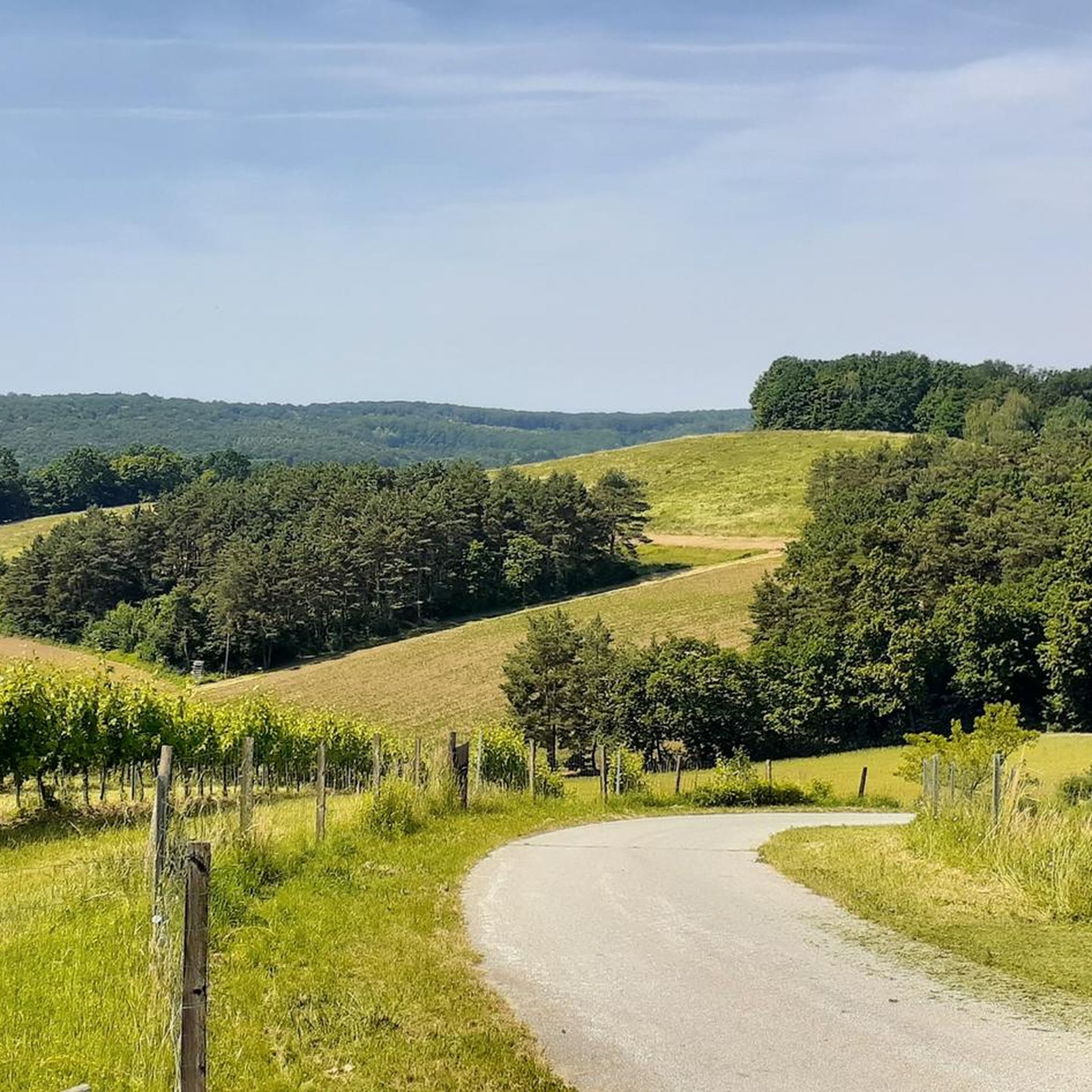
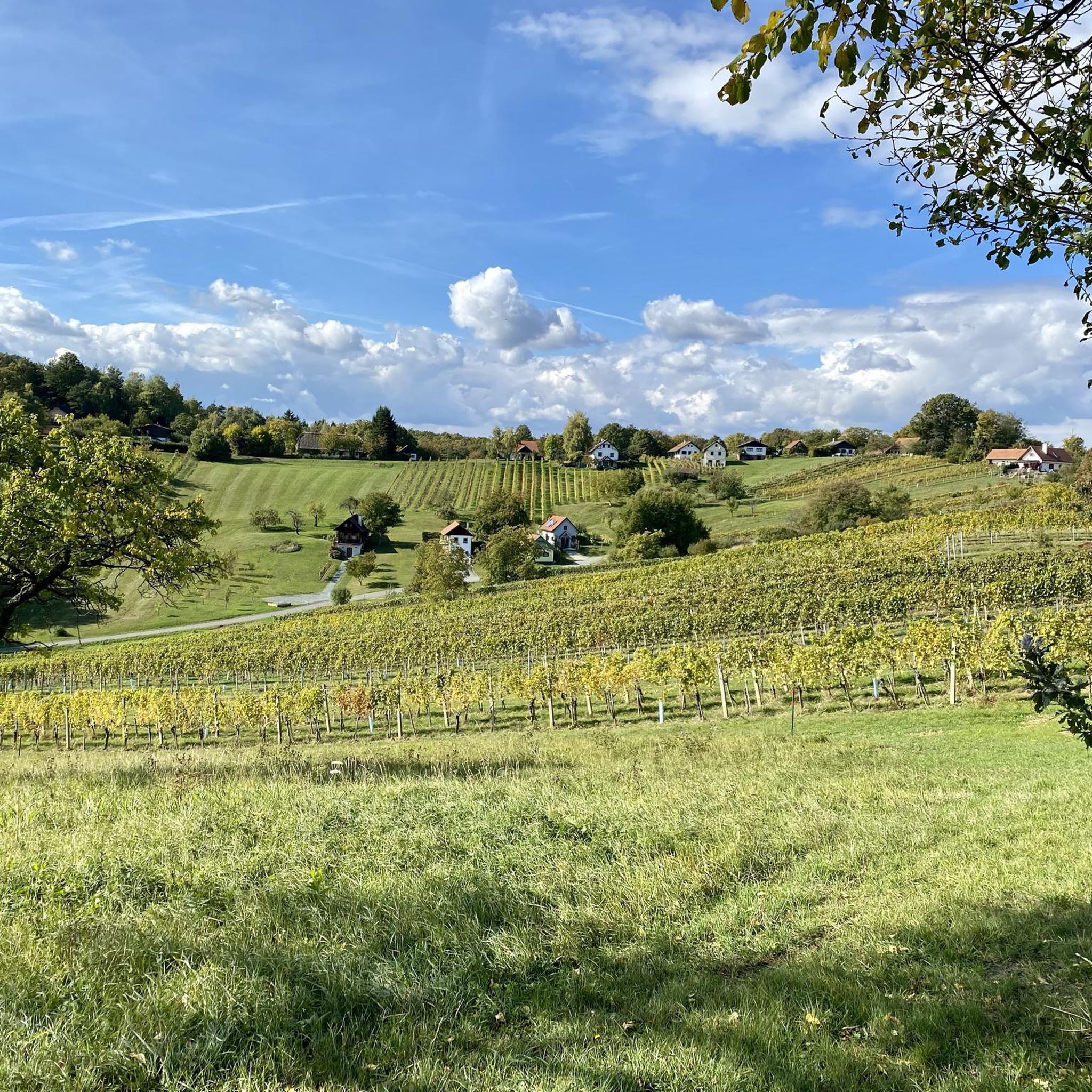
Located in the middle of the Südburgenland wine region, a gem between the villages and ideal for chilling out between sightseeing and consuming in the excursion program
0
0

A modern building right next to the Peace Cross. Worth seeing. The view from up here is at least as impressive. You'll also find several places to rest nearby. Or you can stop by the restaurant at the Kreuzstadl.
0
0
A truly beautiful church. More or less hidden away in the vineyards of Gaas, but a hike up here is definitely worthwhile.
0
0
A beautiful church, rebuilt after the World Wars as a peace project. The square around the church is also inviting for strolling and relaxing. We enjoyed our time here.
1
0

Is a former Cistercian abbey.
1
0

The patronage of this church, "Maria (or, alternatively, the Assumption of Mary," refers to one of the many memorial days or feast days honoring the Blessed Virgin Mary. It dates back to the Feast of Her Assumption into Heaven, which the (Catholic) Church celebrates annually on August 15th. In Orthodox churches, the feast is called "Dormition of the Virgin Mary." In many rural areas, it used to be customary for the population to gather bundles of herbs on this day and bless them during the festive service. This custom has been partially preserved or, in some places, revived.
0
0
The history of this memorial goes back much further than the monuments found in almost every town to the fallen soldiers of the two world wars that claimed so many lives in the first half of the 20th century. It commemorates the military conflicts of the 16th and 17th centuries, when the then "Ottoman Empire" conquered parts of the Balkans from the territory of present-day Turkey and advanced on Vienna. In 1529 and again in 1683, the army laid siege to the Austrian capital, which the Sultan called the "Golden Apple," but both times unsuccessfully. But even between these two more famous campaigns, there were hostile clashes between the Habsburg and Ottoman Empires. Here, near Mogersdorf, the imperial troops were victorious, ending the so-called Turkish War of 1663/64.
0
0

St. Emmerich's Church, consecrated in 1903, served as the parish church of Inzenhof, Tschanigraben, and several Hungarian communities until World War II. During the Iron Curtain era, it stood in no man's land between Austria and Hungary. The communists allowed the church to fall into disrepair, making it inaccessible from Austria. St. Emmerich's Church, near Güssing, offers ideal conditions for encounters between people from both sides of the still-existing border. It lies precisely on the Austro-Hungarian border strip, in a clearing amidst a vast forest, and is the only place along the border where people can meet for church service or a concert without border formalities – a place with great symbolic value.
0
0
Frequently Asked Questions
What kind of outdoor activities can I enjoy around Großmürbisch?
Großmürbisch is an excellent base for various outdoor activities, particularly hiking, mountain biking, and cycling. The region's idyllic landscape with rolling hills and woodlands provides diverse trails. You can explore routes like the easy Urbersdorfer Reservoir loop or more moderate options such as the Heiligenbrunn Cellar Quarter loop. For mountain biking, there are routes like the View of Güssing Castle – Heiligenbrunn Cellar Quarter loop, and cyclists can enjoy the Pinkatal Wine Road.
Are there any historical sites or cultural landmarks near Großmürbisch?
Yes, the area around Großmürbisch is rich in history and culture. A notable historical site is the Heiligenbrunn Cellar District, featuring over 80 preserved 18th and 19th-century wine cellars. Further afield, you can visit Güssing Castle, the oldest castle in Burgenland, or the Burgenländisches Geschichte(n)haus in Bildein for insights into regional history.
What religious buildings are worth visiting in the vicinity?
Several significant religious buildings are accessible from Großmürbisch. The Church of the Assumption of the Blessed Virgin Mary, Szentgotthárd, is recognized as one of Hungary's most beautiful baroque churches. Closer to the border, the restored St. Emmerich Church serves as a spiritual meeting place. Additionally, the Pilgrimage Church Maria Weinberg, with its origins dating back to the 12th century, is also a beautiful site.
Are there family-friendly attractions or activities available?
Many attractions around Großmürbisch are considered family-friendly. The Heiligenbrunn Cellar District offers a unique historical experience that can be interesting for all ages. Religious sites like the Church of the Assumption of the Blessed Virgin Mary, Szentgotthárd, and the Pilgrimage Church Maria Weinberg are also suitable for families. The numerous hiking and cycling trails in the region provide opportunities for active family outings.
What is the best time of year to visit Großmürbisch for outdoor activities?
The region around Großmürbisch is ideal for outdoor activities during spring, summer, and autumn. These seasons offer pleasant weather for hiking, cycling, and exploring the natural beauty and vineyards. Autumn is particularly popular for experiencing the wine culture, especially around the Heiligenbrunn Cellar District.
Can I find easy hiking trails near Großmürbisch?
Yes, there are several easy hiking trails suitable for a relaxed walk. For instance, the Urbersdorfer Reservoir loop from Glasing is an easy 2.4 km route. Another accessible option is the Ulrichsquelle Heiligenbrunn – Heiligenbrunn War Memorial loop, which is about 5 km long.
What is the significance of the Heiligenbrunn Cellar District?
The Heiligenbrunn Cellar District is a unique historical site known for its more than 80 preserved 18th and 19th-century wine cellars. These distinctive wooden structures, partly covered with straw, are the origin of the regional Uhudler wine. Visitors can explore these cellars and taste local specialties at the Buschenschanken.
Are there any viewpoints or scenic spots in the area?
While Großmürbisch itself is known for its idyllic landscape, the wider region offers scenic viewpoints. The Memorial Chapel Schlösslberg Mogersdorf, for example, is located on a hill and offers views of the surrounding area. Many hiking and cycling routes also provide picturesque vistas of the rolling hills and vineyards of southern Burgenland.
What kind of wildlife can I expect to see around Großmürbisch?
The natural environment around Großmürbisch, with its woodlands and proximity to various nature parks in Burgenland, offers opportunities for wildlife viewing. The region is part of a diverse ecosystem, and you might encounter various bird species, small mammals, and local flora during your hikes and outdoor excursions.
What is the history behind the St. Emmerich Church?
The St. Emmerich Church is located in the forest on the Austrian-Hungarian border. It was once dilapidated during the time of the Iron Curtain, as it was inaccessible to both Hungarians and Austrians. After the borders opened, it was restored through local initiative and now stands as a symbol of a borderless Europe, serving as a spiritual meeting place.
Are there any castles or palaces nearby that I can visit?
While Großmürbisch is a tranquil village, the broader Güssing district and Burgenland region boast several impressive castles. The most prominent is Güssing Castle, dating back to 1157, which houses an exhibition of art treasures. Batthyány Castle, an 18th-century residence, is also in Güssing. Further afield in Burgenland, you can find Forchtenstein Castle and Esterházy Palace in Eisenstadt.
Most popular attractions around Großmürbisch

Get inspired with the komoot mobile app


Explore more
Still not found the Highlight you’re looking for? See guides of the top attractions in other regions:
