Top 12 Castles around Markt Piesting
Castles around Markt Piesting are situated in Lower Austria, a region characterized by its historical significance and natural landscapes, including the Piestingtal. The area features medieval fortresses that once guarded strategic borders and river valleys. These sites offer insights into centuries of regional history and provide viewpoints over the surrounding hills and valleys. The landscape around Markt Piesting combines historical exploration with opportunities for outdoor activities.
Best castles around Markt Piesting
- The most popular castles is Schrattenstein Castle Ruins,…
Last updated: September 27, 2026
Schrattenstein Castle Ruins
Highlight • Castle
Translated by Google •
Tip by

Theresian Military Academy, Wiener Neustadt
Highlight • Castle
Translated by Google •
Tip by

Sign up now to discover places like this
Get recommendations on the best single tracks, peaks, & plenty of other exciting outdoor places.
Emmerberg Castle Ruins
Highlight • Castle
Around …
Translated by Google •
Tip by
Starhemberg Castle Ruins
Highlight • Castle
Driveway from the parking …
Translated by Google •
Tip by

Rákóczi Tower
Highlight • Castle
Translated by Google •
Tip by
Sign up for free to discover even more castles around Markt Piesting.
Already have an account?
Start today with a free account
Your next adventure awaits.
Popular around Markt Piesting
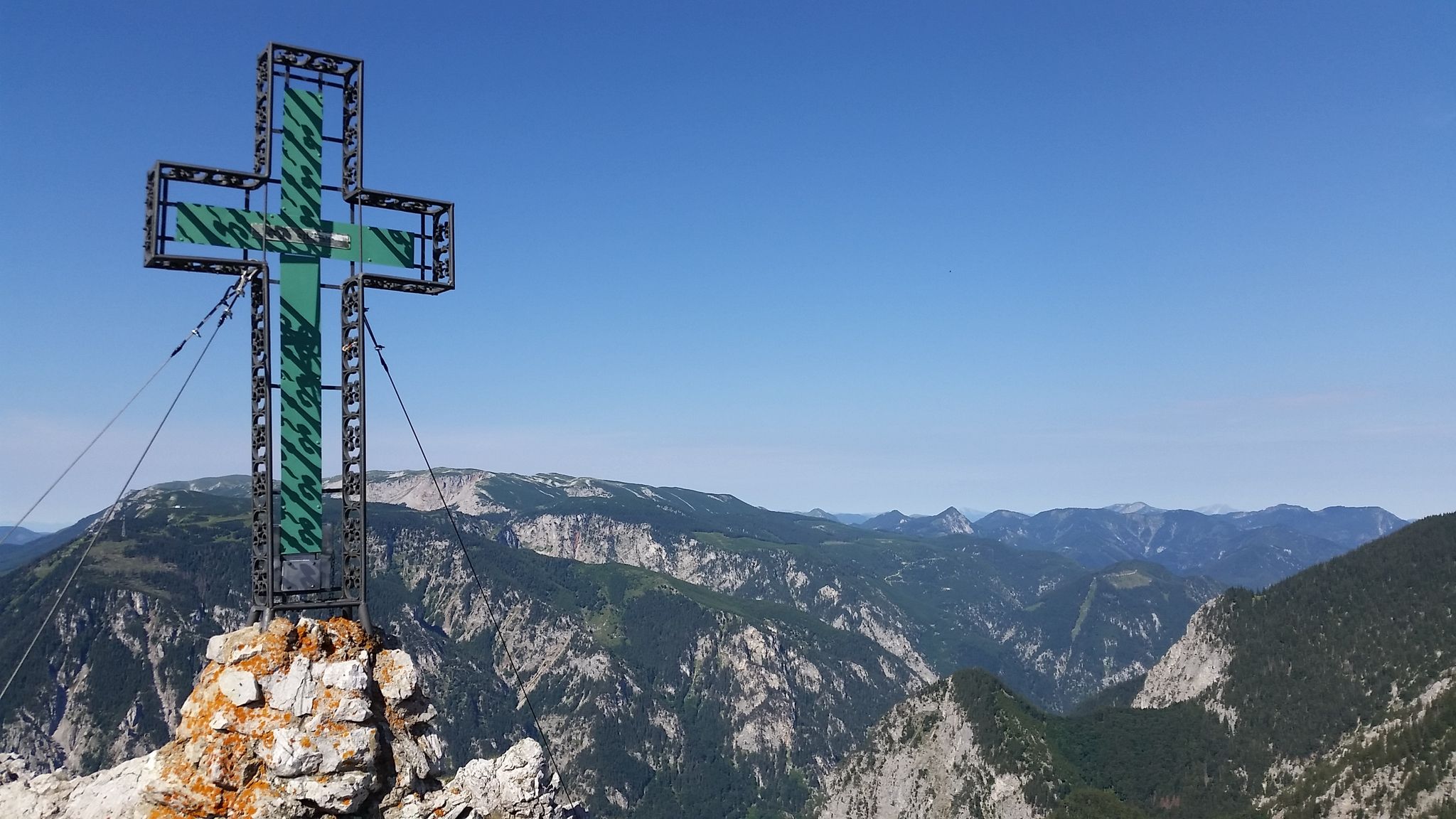
Viennese Alpenbogen – Lower Austria's most beautiful peaks
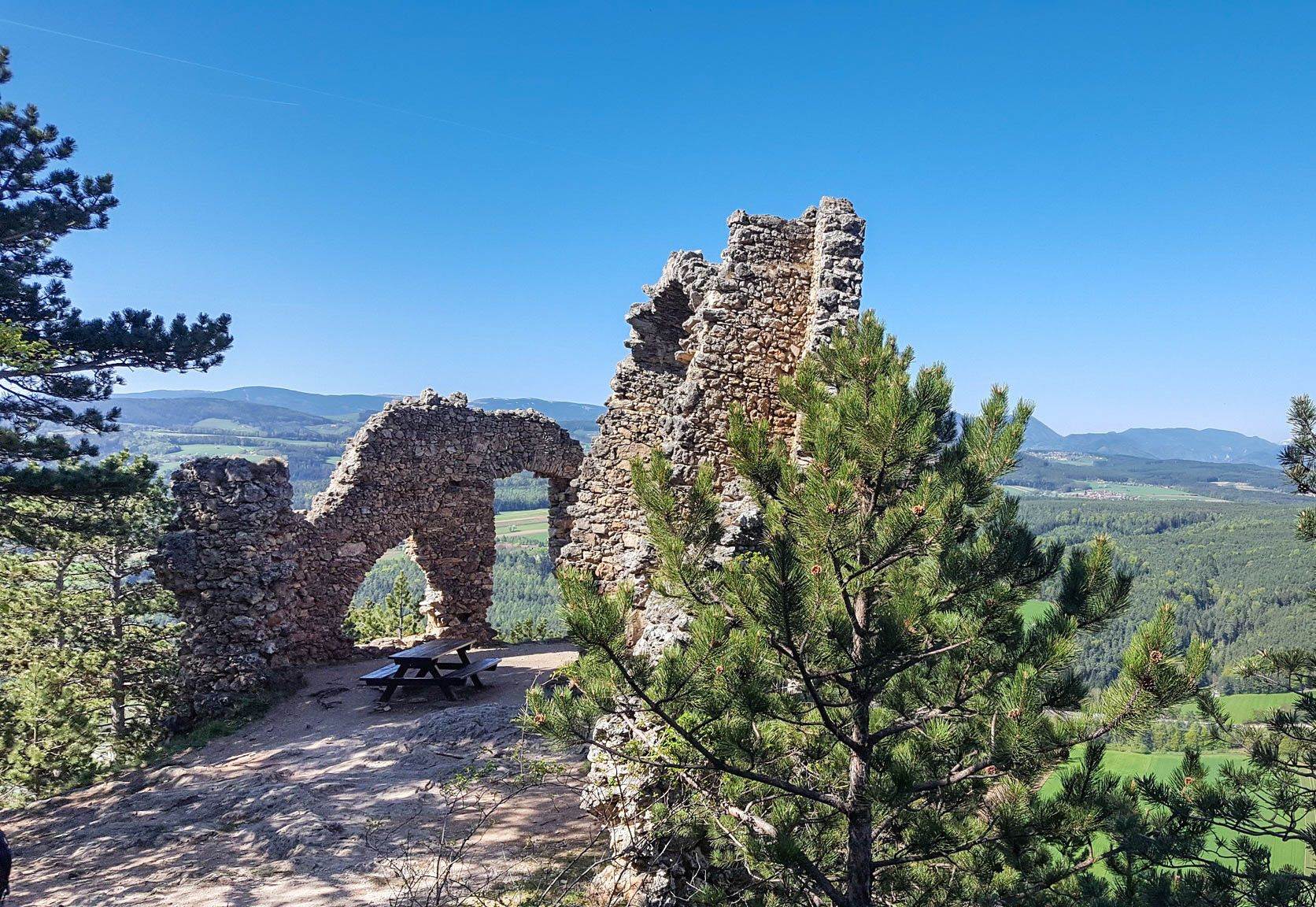
Family adventures in Vienna's local mountains
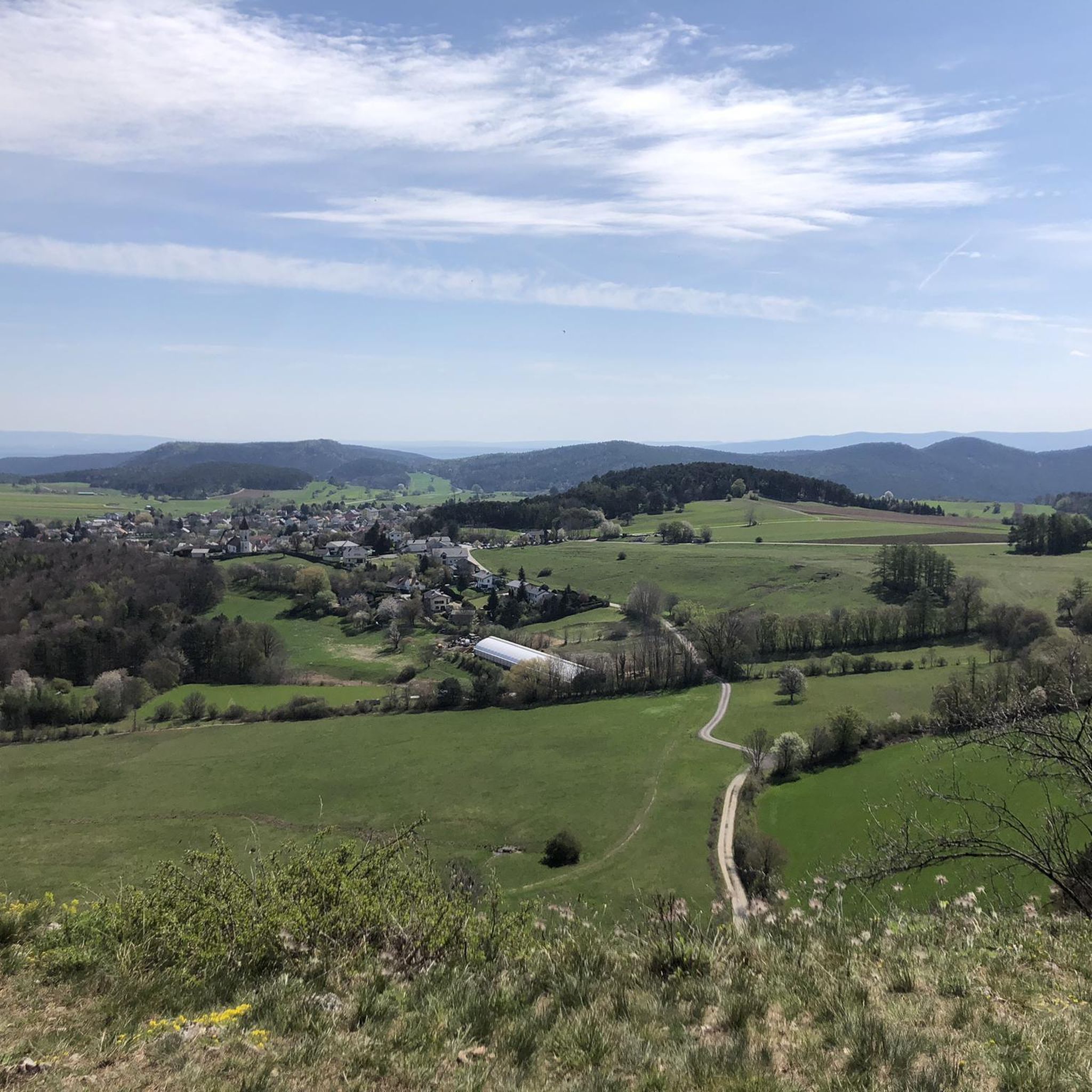
Hiking around Markt Piesting
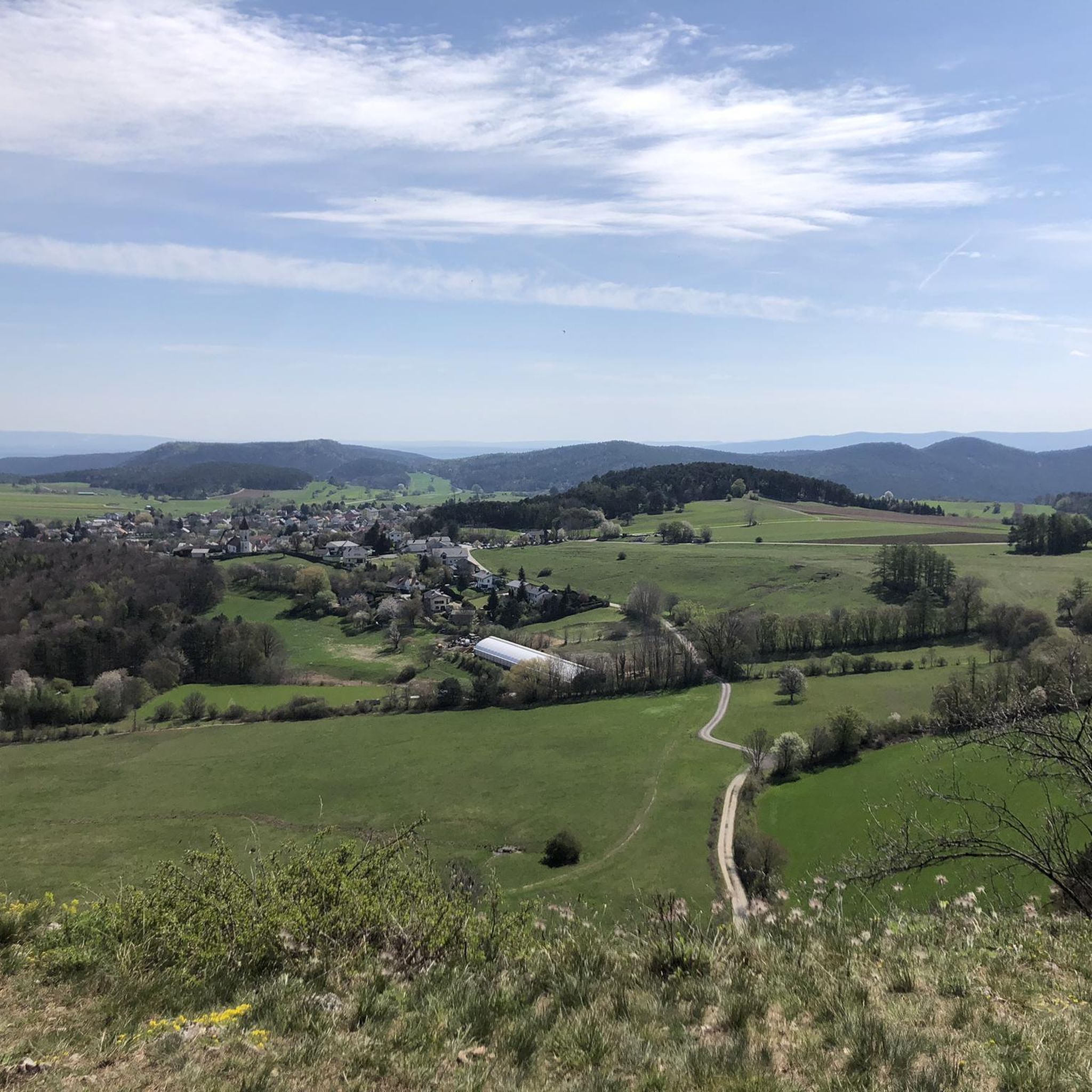
Road Cycling Routes around Markt Piesting
MTB Trails around Markt Piesting
Cycling around Markt Piesting
Gravel biking around Markt Piesting
Mountain Hikes around Markt Piesting
Running Trails around Markt Piesting


Tips from the Community

Founded in 1751 by Empress Maria Theresa, the educational institution is considered the world's oldest military academy still used for its original purpose. The historic Wiener Neustadt Castle, which previously served as the imperial residence of Frederick III and Maximilian I, among others, serves as the central campus. Today, the traditional institution, as part of the Austrian Armed Forces, is primarily dedicated to the in-depth training and further education of leaders and troop officers.
2
0
The Emmerberg castle ruins are a high medieval cliff castle in the market town of Winzendorf-Muthmannsdorf, which was first documented around 1170 and once served as an important fortification point on the northern border of the Carantanian March to guard the Prosset gorge. After more than six hundred years of use, the castle was abandoned at the end of the 18th century, after which the covering of the roofs to save building tax, as well as stone robbery, initiated its decay into ruins. Today, the facility, threatened by collapses, is privately owned and may not be entered for safety reasons.
2
0

In 1617, the corner tower of the castle had received four bells. The tower served the military academy as a watchtower, as the urban space could be very well overlooked from here. Around 1800 it was the location for an astronomical observatory, later also one of several places where meteorological measurements were taken.
0
0
An actually very interesting ruin with an intact round chapel in the gate tower and an intact smoke kitchen. Unfortunately, the ruin has been closed for some time and left to further decay.
2
0
The castle was built about 50 years after the founding of the city in 1192 as a military base for the last Babenberg, Frederick II the Quarrelsome. Over the centuries, it was continuously expanded and used for new purposes. Emperor Frederick III had the castle fundamentally rebuilt, giving it its present appearance for the most part. For Emperor Frederick III and his son Maximilian I, Wiener Neustadt was an important imperial residence. Emperor Maximilian I was born and baptized in the castle in Wiener Neustadt and spent his youth years here. From here, the Holy Roman Empire was expanded. It reached such great dimensions that "the sun never set". After the death of Maximilian I.
2
0
The name Starhemberg is derived from the original name 'starker Berg' or 'Starkenberg'. The castle is not to be confused with castles of the same name in Upper Austria, Schloss Starhemberg (Haag am Hausruck), the namesake seat of the Starhemberg princely house, and its current seat Schloss Starhemberg (Eferding). The castle ruin discussed here had no connection with the well-known family of apostles.
2
0
In the year 1182, in a deed by Margrave Otakar IV of Styria (also Ottokar), a certain "Chalhoch de Stratensteine" is attested, confirming the freedoms of Seckau Abbey, dedicated by his father. Two years later, his son "Ortolf" also appears in documents. Both names are characteristic of the Lords of Schrattenstein.
3
0

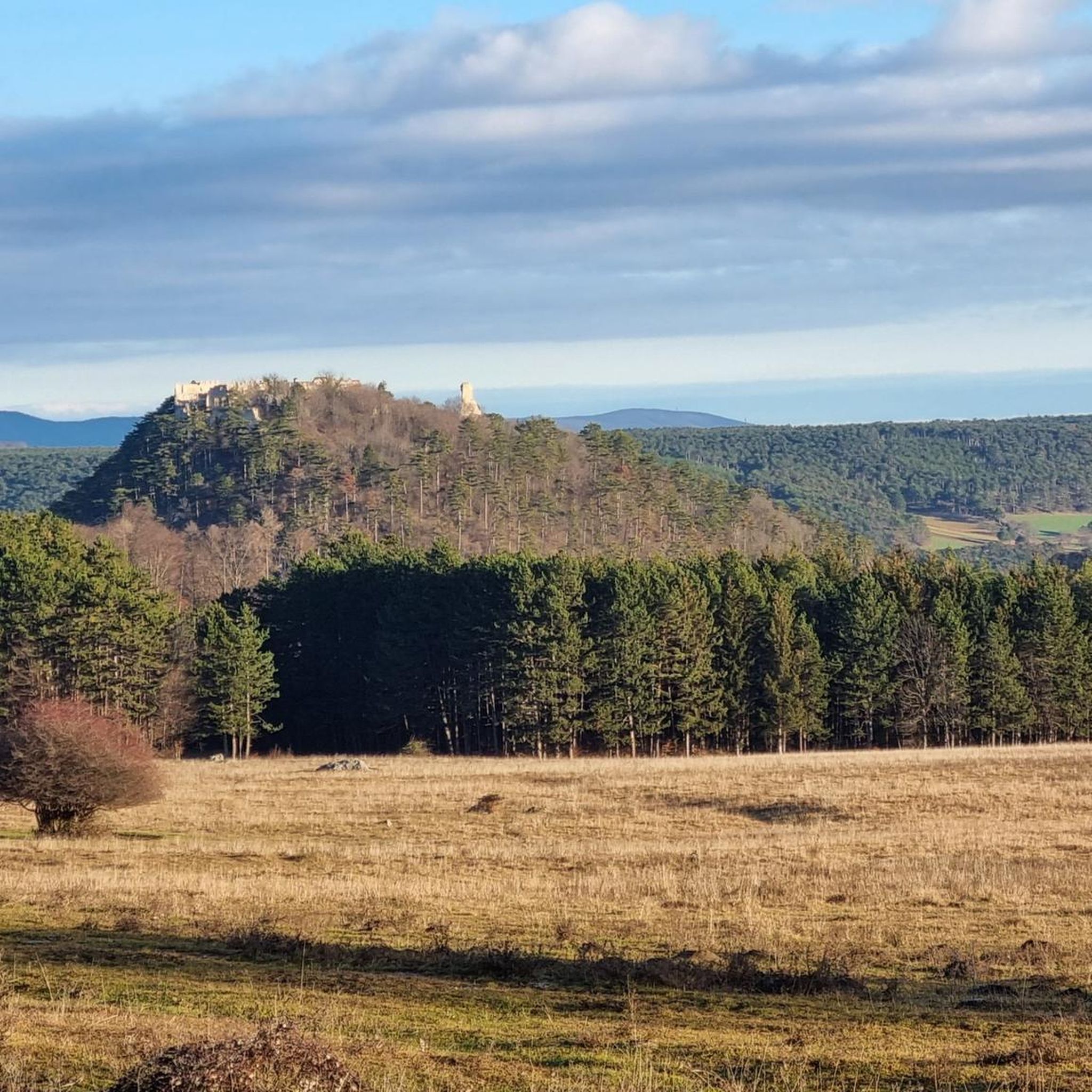
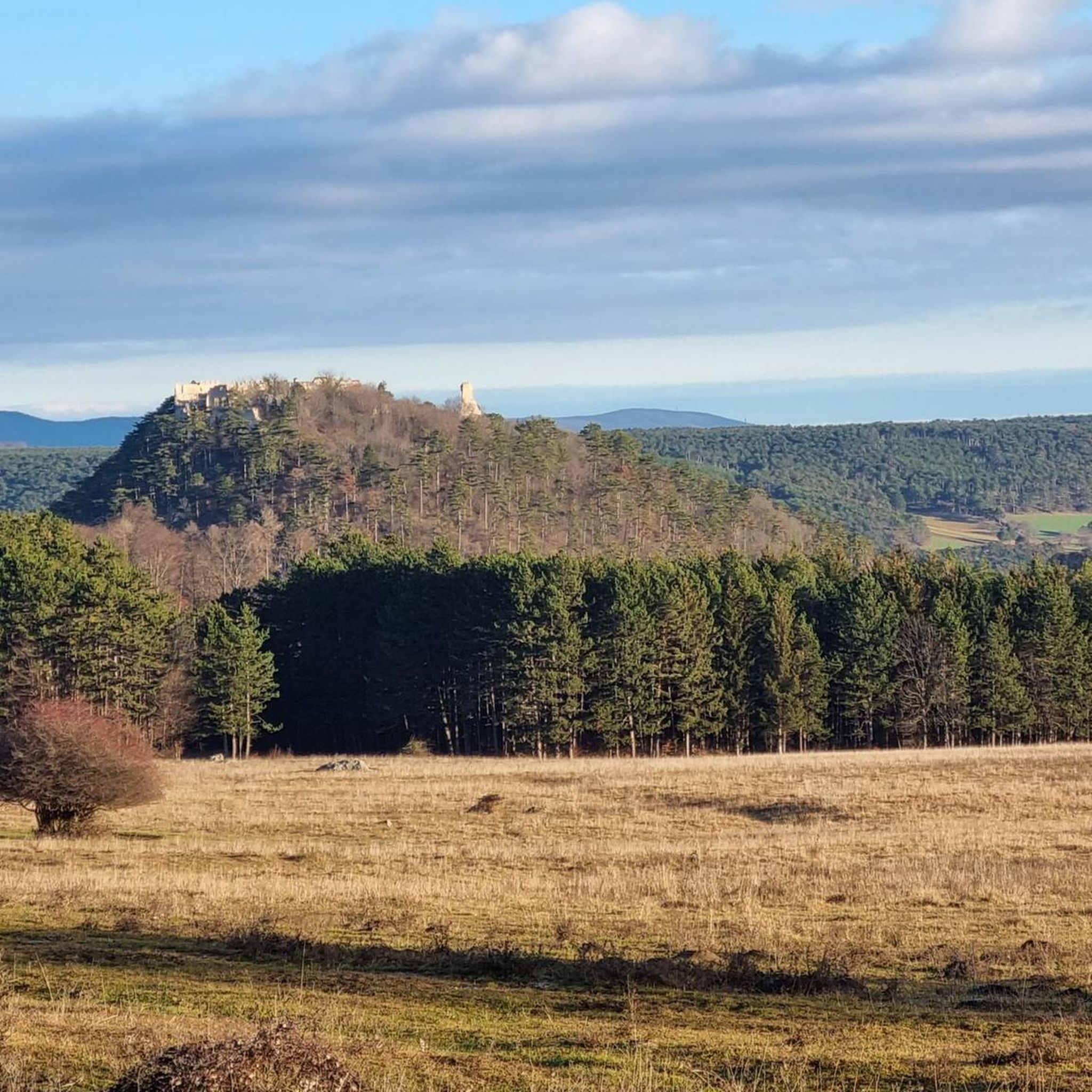
The Schrattenstein is a wooded mountain near Würflach, crowned by the romantic Schrattenstein ruins. From the summit and around the ruins, there are always magnificent views of the surrounding area and the Hohe Wand mountain. The castle ruins are freely accessible and lend the place a special, historic atmosphere. A worthwhile destination for a leisurely hike – especially beautiful in combination with the Johannesbach Gorge or the Andreassteig Trail.
5
0
Frequently Asked Questions
What kind of historical experience do the castles around Markt Piesting offer?
The castles in the region provide a deep dive into medieval history, ranging from well-preserved academies to ancient ruins. For example, the Starhemberg Castle Ruins were built in the 12th century to guard the Piesting River, while the Emmerberg Castle Ruins served as an important defensive point on the Carantanian March. Further afield, Burg Forchtenstein houses extensive collections of military equipment and treasures, offering a glimpse into centuries of regional power.
Are there any castles near Markt Piesting that are particularly good for families?
Yes, the Theresian Military Academy, Wiener Neustadt is noted as family-friendly, featuring garden areas and opportunities for cycling on its grounds. Hernstein Castle, with its romantic appearance and castle pond, also offers a pleasant family outing.
Can I combine a castle visit with hiking or other outdoor activities?
Absolutely. The Starhemberg Castle Ruins are a popular destination for hikers, with trails often combined with excursions to the nearby Hohe Wand. The easy Drobilsteig is recommended for an easier ascent. For cycling enthusiasts, there are numerous routes in the area, including those that pass by castles. You can find more information on cycling routes around Markt Piesting on the Cycling around Markt Piesting guide.
Which castles offer the best views of the surrounding landscape?
The Schrattenstein Castle Ruins, perched on a rocky outcrop, provide magnificent views over the surrounding hills as far as the Hohe Wand mountain. Similarly, the Starhemberg Castle Ruins, situated on a hilltop, offer impressive views of the Piestingtal from its north side.
What is the best time of year to visit the castles around Markt Piesting?
Spring and autumn are generally ideal for visiting, as the weather is pleasant for exploring ruins and hiking. The natural landscape surrounding many castles, like Starhemberg and Schrattenstein, is particularly beautiful during these seasons. Summer can also be good, but be prepared for warmer temperatures, especially if combining with longer hikes.
Are there any castles that are freely accessible for exploration?
Yes, the Schrattenstein Castle Ruins are freely accessible for exploration, allowing visitors to wander among its ancient walls and weathered stones. However, it's important to note that direct entry into the Starhemberg Castle Ruins has been forbidden since 2007 due to safety concerns, though the external views and surrounding trails remain a significant draw.
What are the accessibility considerations for visiting these castles?
Many of the castles, particularly the ruins like Starhemberg and Schrattenstein, are located on hilltops or rocky outcrops, requiring some walking or hiking to reach. The Emmerberg Castle Ruins are currently inaccessible for safety reasons. For more accessible options, the grounds of the Theresian Military Academy, Wiener Neustadt and Hernstein Castle may offer easier access, though specific accessibility features should be checked directly with the venues.
Are there guided tours available for any of the castles?
While not all ruins offer guided tours, Burg Liechtenstein, the ancestral seat of the House of Liechtenstein, has offered guided tours since 2010. Burg Forchtenstein also provides tours where visitors can explore secret passageways and treasure chambers. For the Theresian Military Academy, special events like children's parties have included guided visits.
What makes the Starhemberg Castle Ruins historically significant?
The Starhemberg Castle Ruins were one of the most important castles in Lower Austria during the 13th century. Built between 1140 and 1145, it guarded the Piesting River, which was then the border between Styria and the March of Austria. It served as a hiding place for archives and treasures during wartime and saw significant expansion under Duke Frederick II the Warlike.
Are there any unique architectural features to look out for in the castle ruins?
Despite their ruined state, the Starhemberg Castle Ruins still display remnants of their past, including a housing unit with a domed kitchen funnel, the inner bailey, and the western walls. Visitors can also observe a round chapel in the gate tower and an intact smoke kitchen. The Romanesque castle chapel is considered a particularly interesting part of the ruins.
What kind of cycling opportunities are there near the castles?
The region around Markt Piesting offers various cycling routes. For example, the Theresian Military Academy allows cycling on its site. You can explore routes like the 'Hernstein Castle – Vineyard Road loop' for road cycling or 'Fischauer Thermal Spa – View of the Achtersee loop' for touring bicycles. More details can be found in the Road Cycling Routes around Markt Piesting and Cycling around Markt Piesting guides.
Are there any castles that are currently used for other purposes?
Yes, Theresian Military Academy, Wiener Neustadt functions as a military academy today. Hernstein Castle is currently used as a seminar hotel and for events like parties and weddings, offering a blend of historical ambiance with modern facilities.
Most popular routes around Markt Piesting
Most popular attractions around Markt Piesting

Get inspired with the komoot mobile app


Explore more
Looking for the best castles somewhere else? Discover other guides around Markt Piesting:
