Top 10 Castles around Hohe Wand
Best castles around Hohe Wand offers a diverse landscape characterized by rocky outcrops, river valleys, and historical significance. The region features a collection of castles, many of which are ruins, perched on strategic elevations. These sites provide insights into medieval history and offer views over the surrounding terrain. The area is known for its natural beauty, providing a backdrop for exploring these historical structures.
Best castles around Hohe Wand
- The most popular castles is Schrattenstein Castle Ruins, a castle…
Last updated: November 14, 2026
Schrattenstein Castle Ruins
Highlight • Castle
Translated by Google •
Tip by

Emmerberg Castle Ruins
Highlight • Castle
Around …
Translated by Google •
Tip by

Sign up now to discover places like this
Get recommendations on the best single tracks, peaks, & plenty of other exciting outdoor places.
Starhemberg Castle Ruins
Highlight • Castle
Driveway from the parking …
Translated by Google •
Tip by

Hernstein Castle
Highlight • Castle
Translated by Google •
Tip by

Brunn Castle
Highlight • Castle
Showing Translation
Tip by

Sign up for free to discover even more castles around Hohe Wand.
Already have an account?
Start today with a free account
Your next adventure awaits.
Popular around Hohe Wand
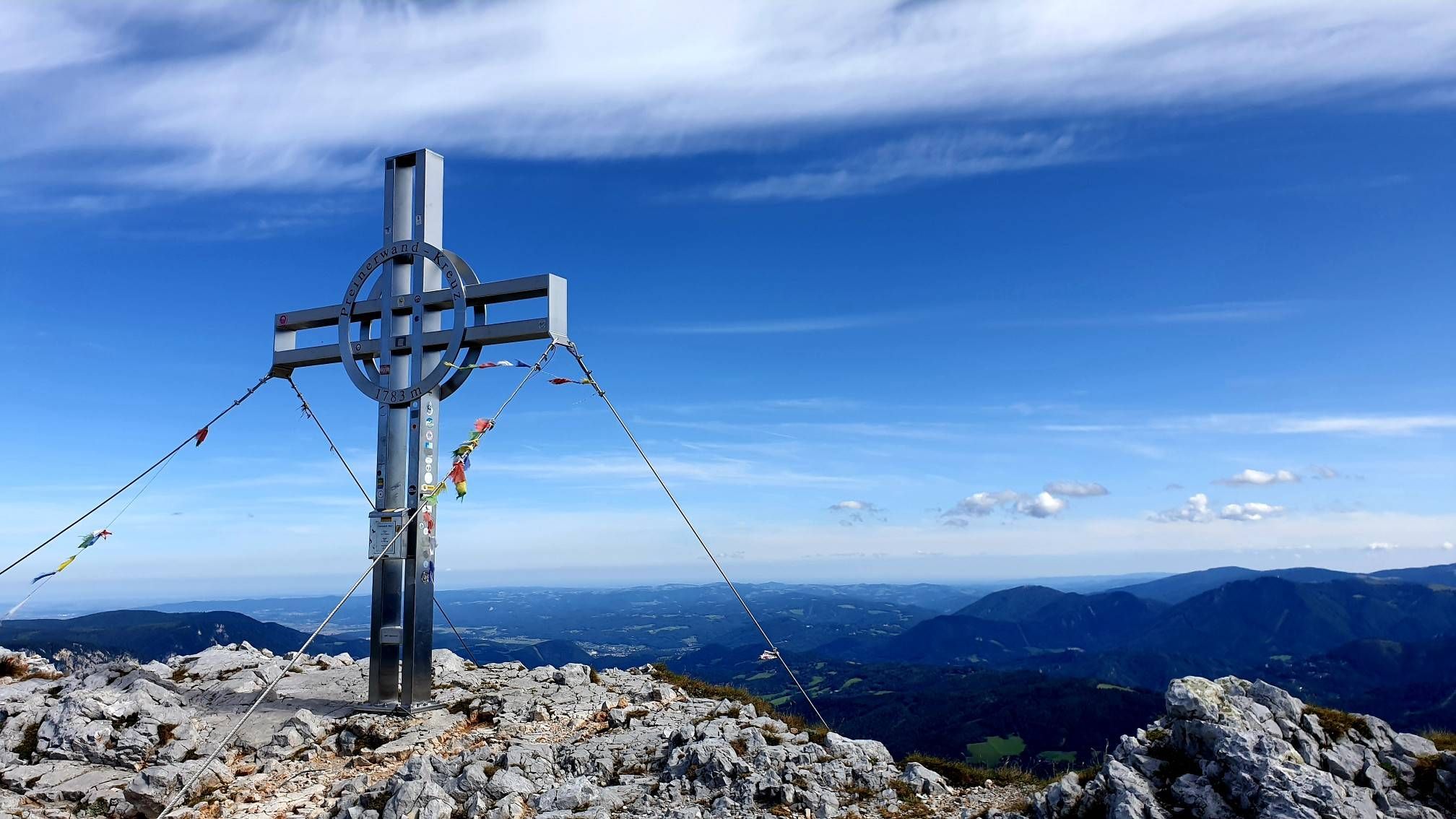
Alpine hiking on Vienna’s doorstep – Rax-Schneeberg Group Mountains
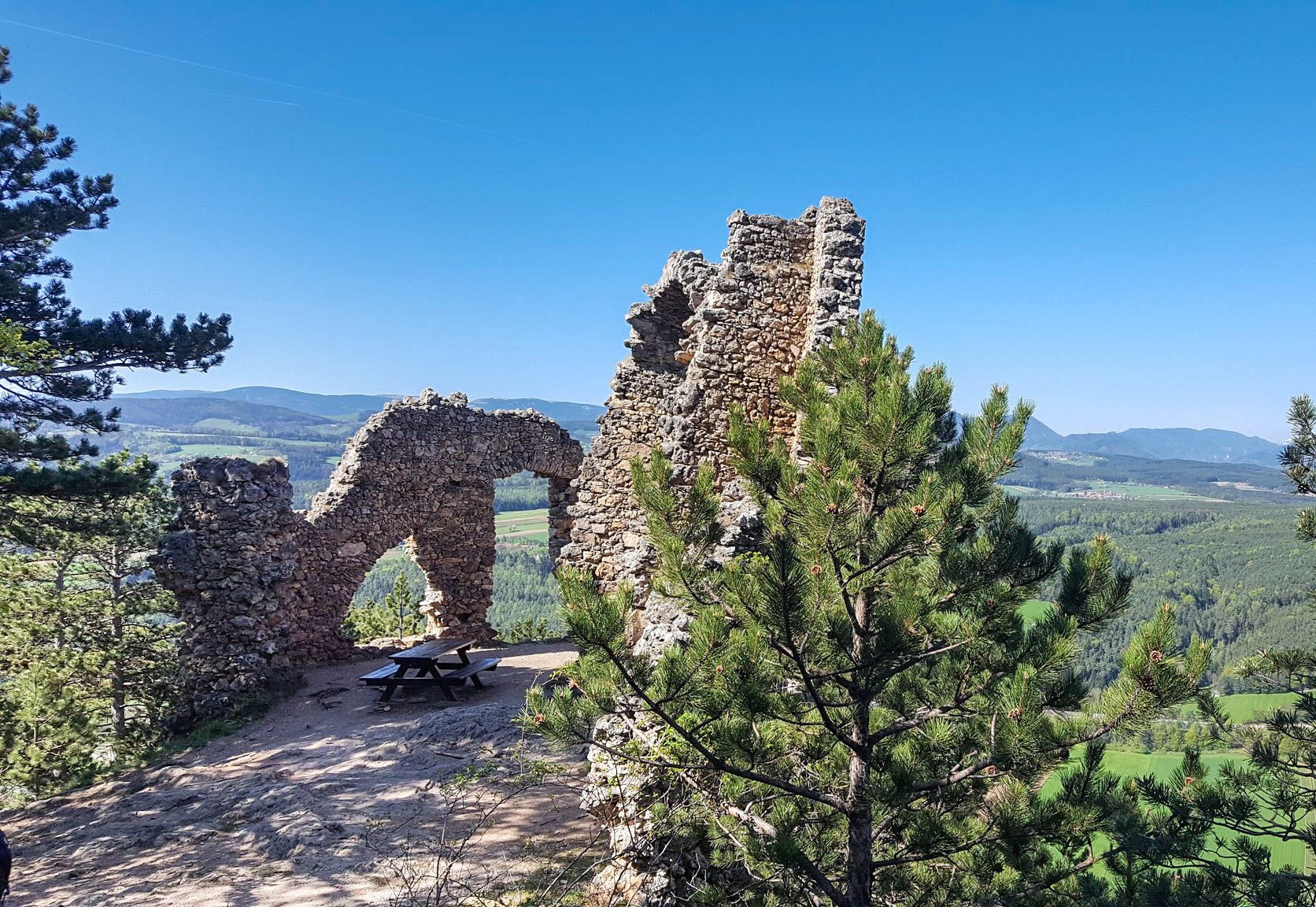
Family adventures in Vienna's local mountains
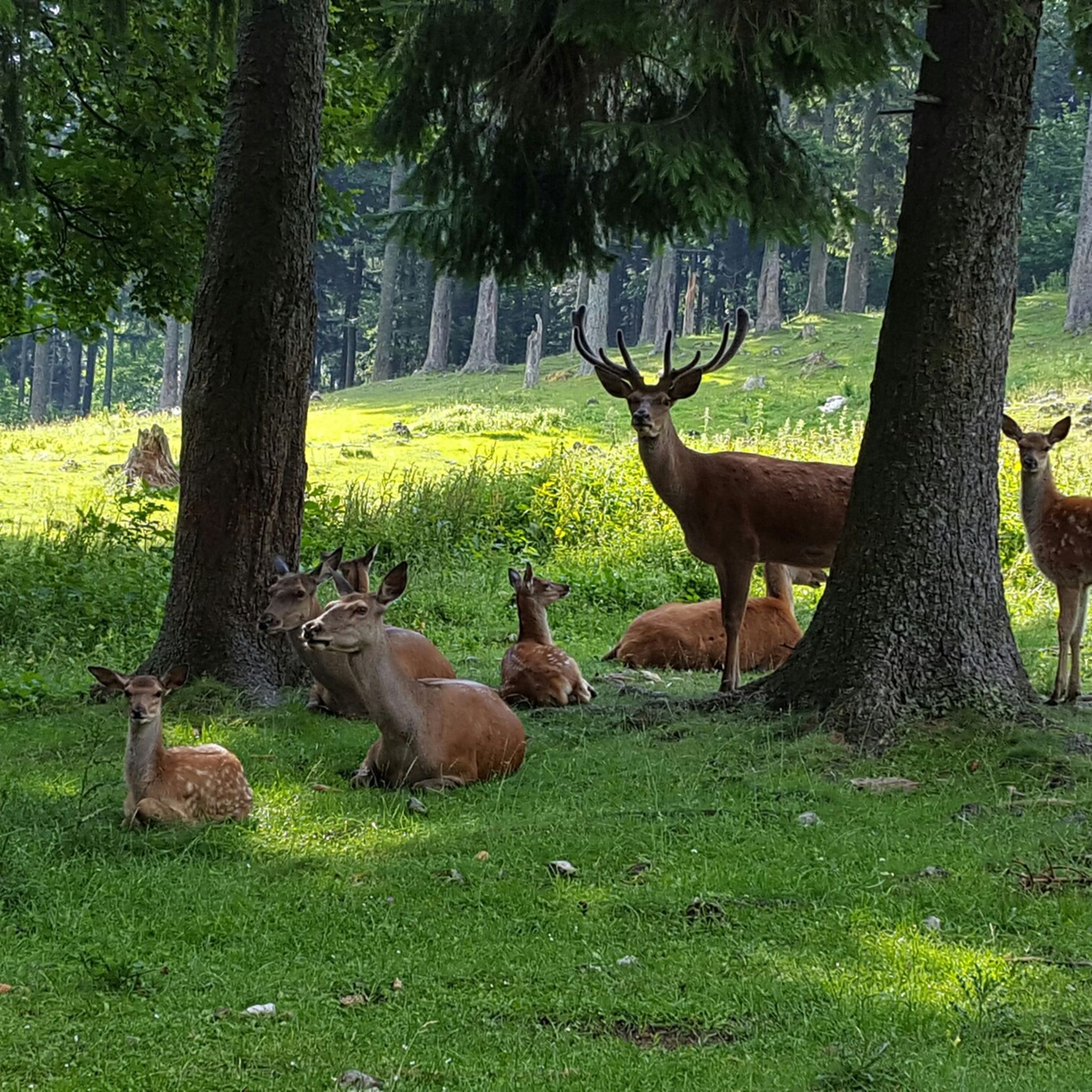
Hiking around Hohe Wand
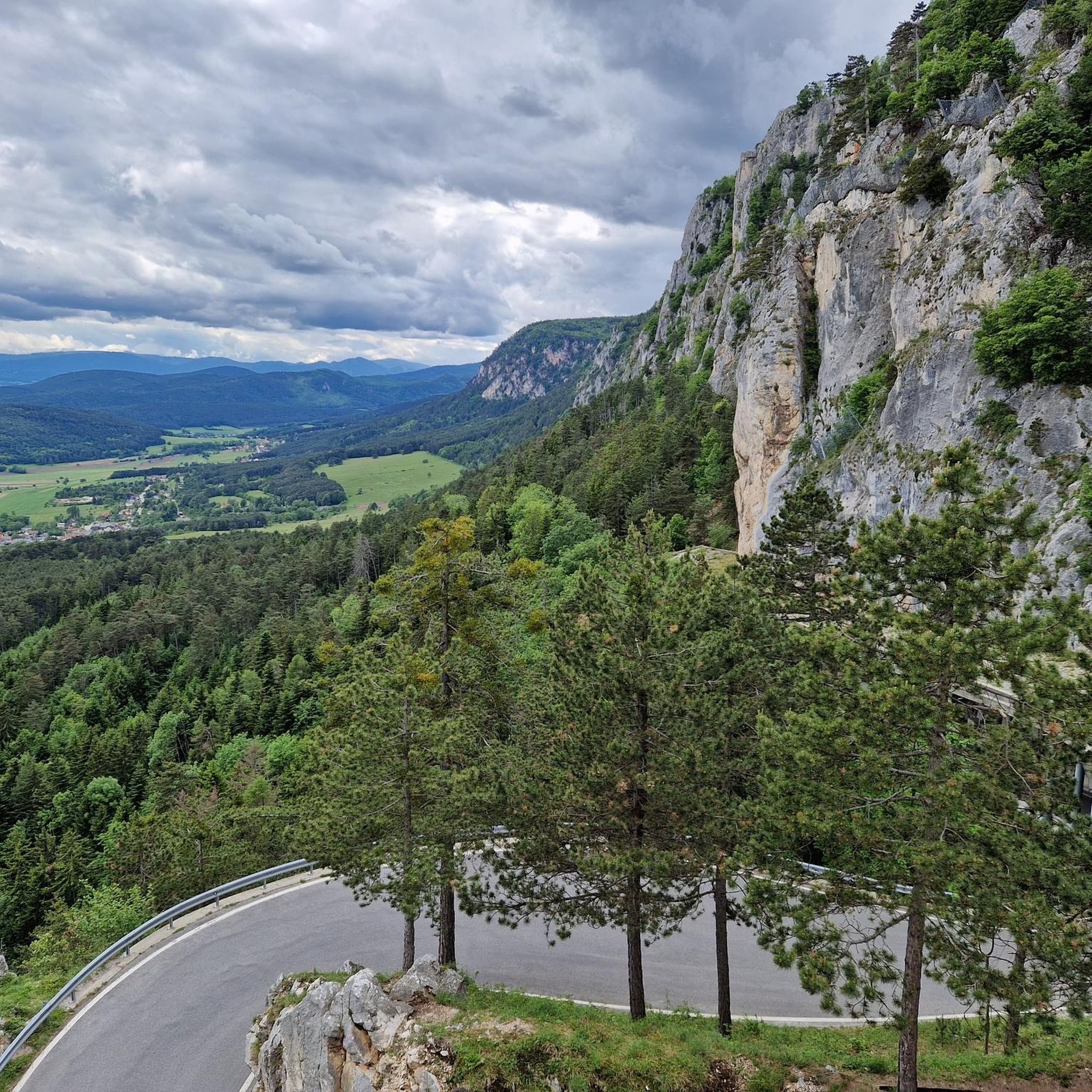
Road Cycling Routes around Hohe Wand
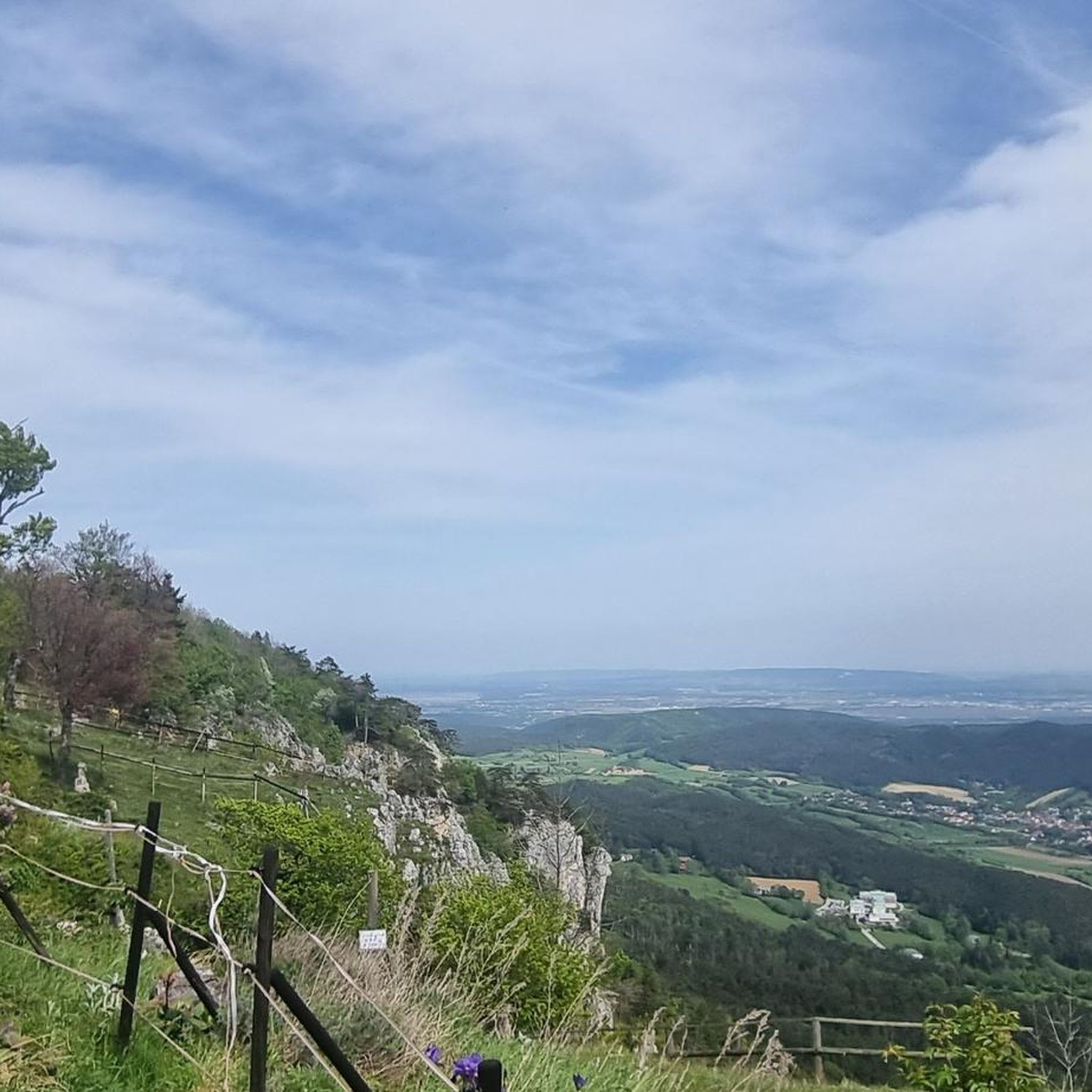
Cycling around Hohe Wand
Mountain Hikes around Hohe Wand
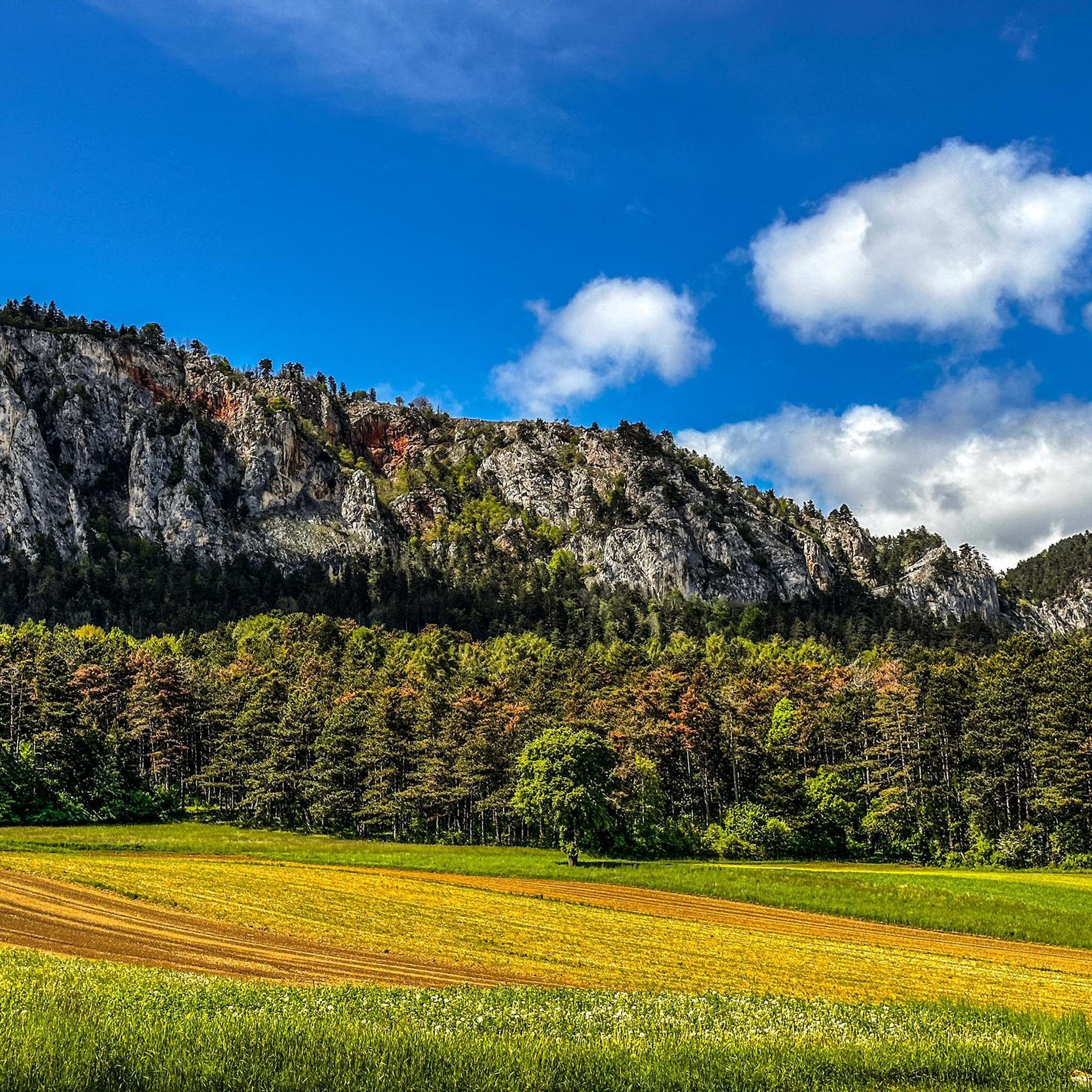
Running Trails around Hohe Wand
Gravel biking around Hohe Wand
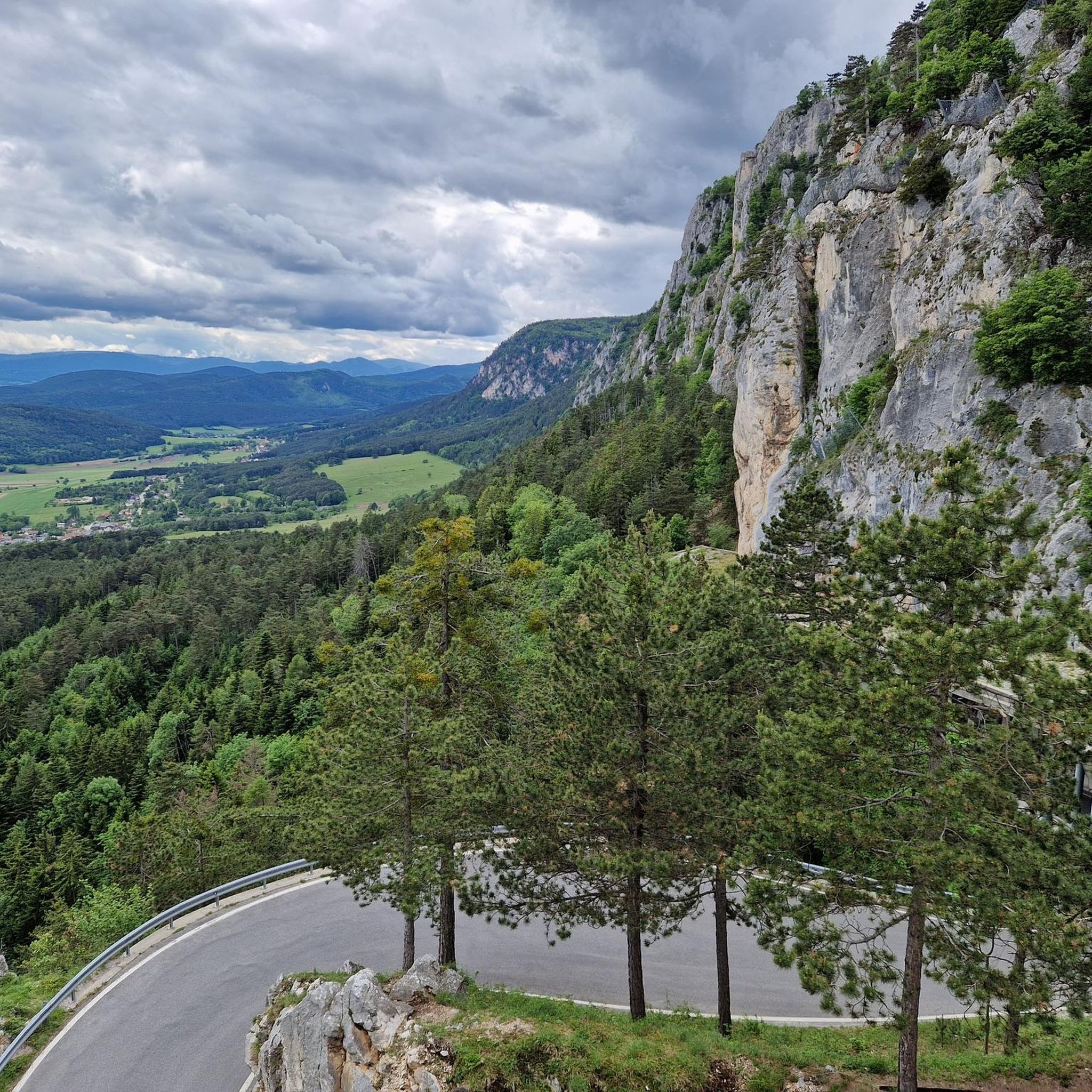
MTB Trails around Hohe Wand


Tips from the Community

Schloss Brunn - The striking, three-winged, two-story complex with a characteristic round tower looks back on a centuries-old history that began as a medieval fortress. The most important milestones in its history: • Origin as a moated castle (14th century): The complex was built in the 14th century as a fortified moated castle. It was originally owned by the Teuffenbach family and passed as a fief to the Dukes of Styria in the 15th century. • Frequent changes of ownership (16th to 18th century): Over the following centuries, the noble owners changed regularly. Among others, the castle belonged to the Rappach family (16th and 17th century), later to the Counts of Palm, and the Eissner von und zu Eisenstein family. • The devastating fire and Baroque reconstruction (1708–1711): At the beginning of the 18th century, the complex was largely destroyed by a severe fire. Prince Paul I Esterházy acquired the property and had the castle completely rebuilt in the Baroque style between 1708 and 1711. During this process, the former moat was filled in and replaced by a garden with a representative horse chestnut avenue, remnants of which still exist today. • Destruction in the Second World War (1945): Towards the end of the Second World War, the castle was severely damaged by heavy fighting and subsequent looting. A devastating fire in 1945 completely destroyed the entire historical interior as well as the valuable castle archive. Current status: Today, the estate, which is enclosed by a high garden wall, is privately owned and serves as a private residence as well as the center of an agricultural estate. An interior tour or entering the castle grounds is therefore not possible. However, a view of the historical facade, the Baroque gate, and the round tower can be easily caught from the outside.
0
0
The castle ruins of Emmerberg tower over a wooded ridge directly above the entrance to the strategically important Prossetschlucht gorge. The most important milestones in its history: • Founding for border security (around 1160/1170): The castle was built on behalf of the lords of Emmerberg and was first mentioned in documents in 1170. Together with the neighboring Starhemberg castle, it formed an important bulwark on the northern border of the then Carantanian March. • Strategic protective function: In addition to monitoring the passage to the "New World," the facility served as a refuge during enemy incursions and possessed an optical warning system (signal fires) to relay signals as far as Wiener Neustadt. • Change of ownership: After the male line of the Emmerbergers died out in 1455, the fortress changed hands several times and was expanded over the centuries with Gothic and Renaissance additions. • Artificial destruction (from 1760): Its downfall was – similar to Starhemberg – of an economic nature. To avoid the imperial roof tax, the administrator at the time, Heinrich von Heussenstein, had the roof of the fortress demolished in 1760. The structure was thus left unprotected against the elements, decayed rapidly, and was used by the villagers as a quarry. • Modern era and decay: In 1833, Archduke Rainer bought the site. Since then, the area has been owned by the Habsburg-Lothringen family. The condition steadily deteriorated; in the winter of 1997/98, the striking staircase tower in the inner courtyard finally collapsed.
0
0

The Emmerberg castle ruins are a high medieval cliff castle in the market town of Winzendorf-Muthmannsdorf, which was first documented around 1170 and once served as an important fortification point on the northern border of the Carantanian March to guard the Prosset gorge. After more than six hundred years of use, the castle was abandoned at the end of the 18th century, after which the covering of the roofs to save building tax, as well as stone robbery, initiated its decay into ruins. Today, the facility, threatened by collapses, is privately owned and may not be entered for safety reasons.
2
0

An actually very interesting ruin with an intact round chapel in the gate tower and an intact smoke kitchen. Unfortunately, the ruin has been closed for some time and left to further decay.
3
0
After a fire, the castle was rebuilt between 1708 and 1711 by Prince Paul I. Esterházy, and a garden was laid out instead of a moat. Parts of a horse-chestnut avenue have been preserved. The interior furnishings burned down in 1945.
3
0
The name Starhemberg is derived from the original name 'starker Berg' or 'Starkenberg'. The castle is not to be confused with castles of the same name in Upper Austria, Schloss Starhemberg (Haag am Hausruck), the namesake seat of the Starhemberg princely house, and its current seat Schloss Starhemberg (Eferding). The castle ruin discussed here had no connection with the well-known family of apostles.
3
0
In the year 1182, in a deed by Margrave Otakar IV of Styria (also Ottokar), a certain "Chalhoch de Stratensteine" is attested, confirming the freedoms of Seckau Abbey, dedicated by his father. Two years later, his son "Ortolf" also appears in documents. Both names are characteristic of the Lords of Schrattenstein.
4
0

The Schrattenstein is a wooded mountain near Würflach, crowned by the romantic Schrattenstein ruins. From the summit and around the ruins, there are always magnificent views of the surrounding area and the Hohe Wand mountain. The castle ruins are freely accessible and lend the place a special, historic atmosphere. A worthwhile destination for a leisurely hike – especially beautiful in combination with the Johannesbach Gorge or the Andreassteig Trail.
5
0
Frequently Asked Questions
Are there easy hiking trails to the castles around Hohe Wand?
Yes, many of the castles are accessible via hiking trails. For example, the Schrattenstein Castle Ruins are described as a worthwhile detour for hikers. While some trails might be intermediate, you can find various hiking routes around the Hohe Wand region, including easy options. Check the Hiking around Hohe Wand guide for specific routes.
How long does it typically take to visit a castle ruin?
The time required can vary. For ruins like Schrattenstein Castle Ruins, which are freely accessible and invite exploration of ancient walls, you might spend 1-2 hours, especially if you combine it with a short hike. Other ruins, like Emmerberg Castle Ruins, are currently inaccessible due to dilapidation, so viewing them from a distance might take less time.
Is there parking available near the castles?
Parking availability varies by castle. For Starhemberg Castle Ruins, you can find a driveway from the parking lot opposite the 'Zitherwirt' in Dreistetten. It's advisable to check specific access information for each castle you plan to visit.
Which castles are suitable for families with children?
Hernstein Castle is categorized as family-friendly and features a beautiful castle pond. While Schrattenstein Castle Ruins are freely accessible and offer exploration, making them potentially engaging for older children. Always consider the difficulty of the approach trails when planning a family visit.
Do the castles offer good viewpoints?
Yes, many castles around Hohe Wand are known for their strategic locations and offer excellent views. Schrattenstein Castle Ruins provide magnificent views over the surrounding hills towards the Hohe Wand mountain. Similarly, Starhemberg Castle Ruins offer beautiful views of the Piestingtal from its north side.
What other outdoor activities can I do near the castles?
The Hohe Wand region offers a variety of outdoor activities. You can explore numerous hiking trails, including those in the Hiking around Hohe Wand guide. For cyclists, there are Road Cycling Routes and MTB Trails, with options ranging from easy to difficult.
Are there any lesser-known castles to explore?
While the guide highlights popular spots, the region is rich with historical sites. Stixenstein Castle, a medieval hilltop castle, is another notable site that offers a glimpse into the region's past. Exploring the various trails might lead you to discover other less frequented historical remnants.
What is the best time of year to visit the castles around Hohe Wand?
The castles can be visited year-round. Spring and autumn offer pleasant temperatures for hiking and exploring the ruins. Summer provides longer daylight hours, while winter can offer a unique, mystical atmosphere, especially if you enjoy winter hiking. Schrattenstein Castle Ruins are particularly beautiful at sunset.
Can I bring my dog to the castle trails?
Many outdoor trails in the Hohe Wand region are dog-friendly. However, specific rules for castle interiors or protected areas may apply. It's generally recommended to keep dogs on a leash and ensure they are well-behaved, especially around historical sites and other visitors.
What should I wear for hiking to the castles?
Given the varied terrain and potential for hiking, sturdy hiking shoes are recommended. Layered clothing is advisable to adapt to changing weather conditions, especially if you plan to explore for several hours. Depending on the season, consider rain gear, sun protection, and sufficient water.
Is it possible to visit the castles in winter?
Yes, visiting the castles in winter is possible, offering a different perspective with potentially snow-covered landscapes. Trails might be icy or muddy, so appropriate winter hiking gear, including good traction footwear, is essential. Always check local conditions and accessibility before heading out.
Are there circular walks that include castles?
Yes, some castles can be incorporated into circular hikes. For instance, Schrattenstein Castle Ruins are suggested as a destination for a circular hike through the Johannesbach Gorge or from the Andreassteig Trail. You can find more circular routes in the Hiking around Hohe Wand guide.
Are there cafes or refreshments near the castles?
While specific cafes directly at every ruin are uncommon, you will often find refreshment options in nearby villages or at popular hiking trailheads. For example, the 'Zitherwirt' in Dreistetten is mentioned in relation to Starhemberg Castle Ruins, suggesting nearby amenities.
Most popular routes around Hohe Wand
Most popular attractions around Hohe Wand

Get inspired with the komoot mobile app


Explore more
Looking for the best castles somewhere else? Discover other guides around Hohe Wand:
