Attractions and Places To See in Kiavah Wilderness - Top 5
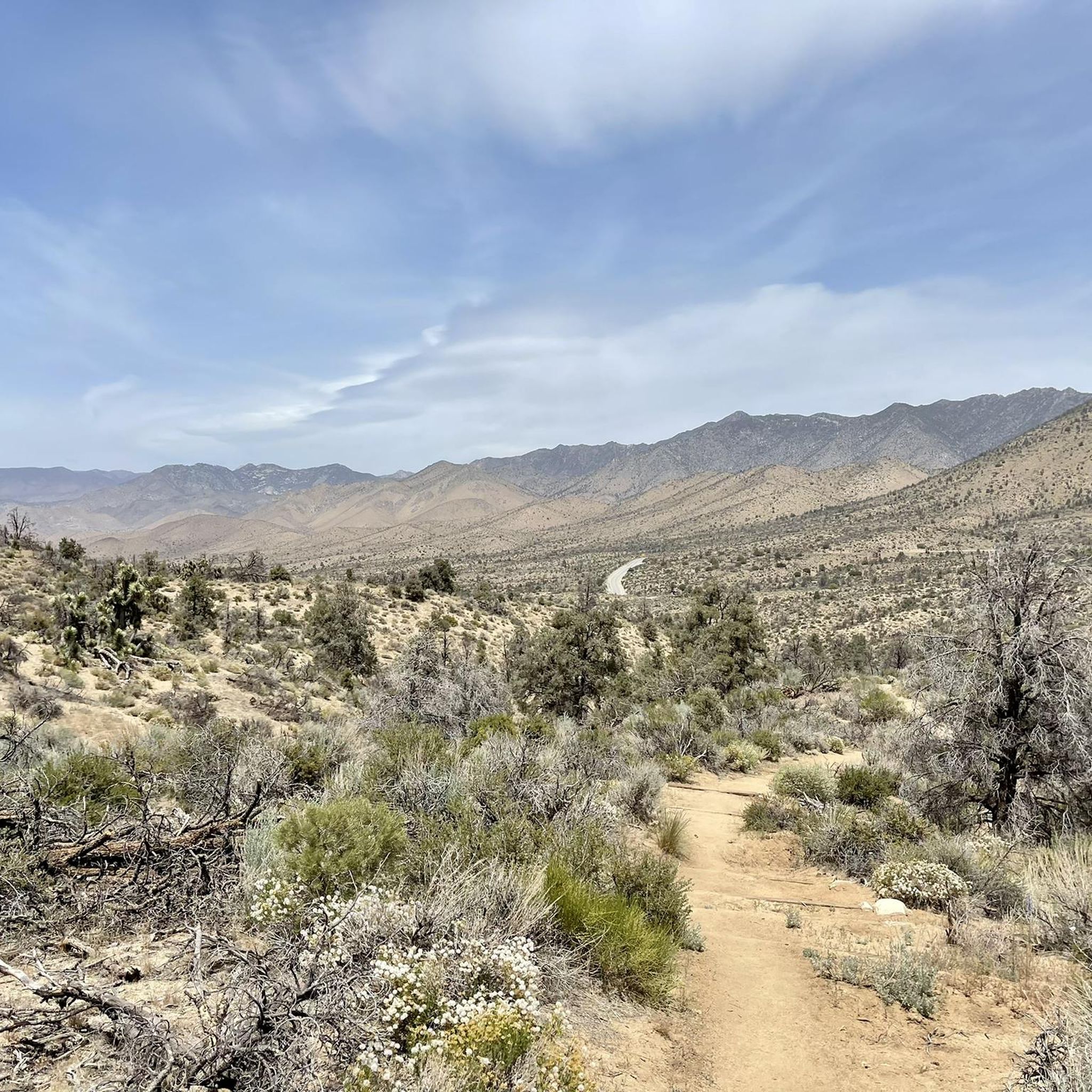
Best attractions and places to see in Kiavah Wilderness include a unique blend of desert and mountainous landscapes. This federally designated area serves as a transition zone between the Mojave Desert and the Sierra Nevada. It features diverse ecosystems, dramatic rock formations, and significant points along the Pacific Crest Trail. Visitors can explore Joshua Tree forests, rugged canyons, and various natural landmarks.
Best attractions and places to see in Kiavah Wilderness
- The most popular attractions is Walker Pass, a…
Last updated: August 22, 2026
Walker Pass
Highlight • Mountain Pass
Tip by

Bird Spring Pass with Water Cache
Highlight • Rest Area
Tip by

Sign up now to discover places like this
Get recommendations on the best single tracks, peaks, & plenty of other exciting outdoor places.
Sign up for free
Joshua Tree Forest
Highlight (Segment) • Forest
Tip by

Start today with a free account
Your next adventure awaits.
Login or Signup
Popular around Kiavah Wilderness
Tips from the Community

Walker Pass marks a subtle transition from the arid, rugged terrain of the Mojave Desert to the varied landscape of the Sierra. This is a crucial point for PCT hikers needing to resupply, as Isabella Lake is 36 miles away and offers a campground, grocery store, and fuel. Additionally, there is a bus stop at Walker Pass where Line 227 stops three times a day.
1
0

Beautiful stretch of road through a Joshua Tree forest. If you time it right and the wildflowers are blooming, it's truly spectacular!
0
0
Walker Pass is a junction between California Highway 178 and the Pacific Crest Trail. The Walker Pass Campground is just to the west of the pass and is a good option for those who are touring and looking for a good overnight spot.
1
0

Trail Magic: in the high season often directly on the pass/road by the campground Network reception: quite OK directly on the pass/road Resupply: From here you can easily hitchhike to Ridgecrest, Lake Isabella or Onyx. For northbounders: It is best to do the climb after the pass early in the morning or late in the evening, as there are only a few shady spots.
0
0

Bird Spring is an important water cache as there are no reliable water sources for 35 miles along the PCT. The next water source from here is 20 miles away (going northbound).
7
1

Water cache provided by trail fishing.
2
0
With a little patience, you can also get a ride to Ridgecrest. There are various hotels, supermarkets and restaurants.
1
0

Frequently Asked Questions
What unique natural features can I explore in Kiavah Wilderness?
The Kiavah Wilderness is a transition zone between the Mojave Desert and the Sierra Nevada, offering a unique blend of landscapes. You can explore Joshua Tree forests, especially beautiful when wildflowers are in bloom. The area also features the eroded hills and canyons of the Scodie Mountains, dramatic rock formations, and panoramic views of distant valleys and desert plains.
Are there any significant historical or cultural points of interest in the Kiavah Wilderness?
While specific public cultural sites are not detailed, the Kiavah Wilderness is part of the BLM's Jawbone-Butterbredt Area of Critical Environmental Concern, designated to protect outstanding Native American values. The Pacific Crest Trail also traverses the wilderness, offering a historical route for hikers.
What hiking opportunities are available in Kiavah Wilderness?
The wilderness provides varied trails for hiking, from easy walks to challenging climbs. A significant portion of the Pacific Crest Trail (PCT) runs through the area, including important points like Walker Pass and Bird Spring Pass. For specific routes, you can find options like Morris Peak via Walker Pass or Scodie Mountain via Pacific Crest Trail in the Hiking in Kiavah Wilderness guide.
Where can I find water sources along the Pacific Crest Trail in Kiavah Wilderness?
Reliable water sources are scarce for long stretches along the PCT in this region. An important point for hikers is Bird Spring Pass with Water Cache, which provides a vital water supply. The next water source northbound from here is approximately 20 miles away.
What is the best time of year to visit Kiavah Wilderness?
The Kiavah Wilderness experiences a transition climate. Spring (March to May) is ideal for experiencing wildflowers in bloom, particularly in the Joshua Tree Forest, and for milder hiking temperatures. Fall (September to November) also offers pleasant conditions. Summers can be very hot, and winters can bring cold temperatures and occasional snow at higher elevations.
Are there family-friendly attractions or activities in Kiavah Wilderness?
Yes, the Joshua Tree Forest is noted as a family-friendly natural monument, offering beautiful stretches of road and trails. The varied trails throughout the wilderness also include options suitable for different skill levels, making it possible to find easier walks for families.
Where can I camp in or near Kiavah Wilderness?
Dispersed camping is permitted within the wilderness, allowing for a tranquil experience under the desert sky, though self-sufficiency is required. Additionally, Walker Pass, located near the wilderness boundary, has a campground that offers more amenities.
What kind of wildlife can I expect to see in Kiavah Wilderness?
The convergence of desert and mountain ecosystems in Kiavah Wilderness supports diverse wildlife. You might spot unique desert and mountain flora and fauna, including various birds, lizards, coyotes, and yellow-eared pocket mice. The area is excellent for wildlife observation.
What is the significance of Walker Pass for visitors?
Walker Pass is a crucial mountain pass that marks the transition from the Mojave Desert to the Sierra Nevada. It's a significant point for Pacific Crest Trail hikers needing to resupply, with Lake Isabella being accessible for groceries and fuel. There's also a bus stop at Walker Pass, offering transportation options.
Are there any specific trails known for their scenic beauty or unique features?
The Cholla Canyon Trail is notable for passing three seasonal springs and their accompanying riparian areas, offering a unique ecological experience. Additionally, the trails winding through the Joshua Tree Forest are particularly scenic, especially during wildflower season.
What are the highest peaks within the Kiavah Wilderness?
The highest peaks within the Kiavah Wilderness are Skinner Peak, reaching 7,073 feet, and Pinyon Peak, at 6,768 feet. These peaks are part of the Scodie Mountains, which represent the southernmost reach of the Sierra Nevada within the wilderness.
What should I know about resupplying if I'm hiking the Pacific Crest Trail through Kiavah Wilderness?
Walker Pass is a key resupply point for PCT hikers. From here, Lake Isabella is about 36 miles away and offers a campground, grocery store, and fuel. There's also a bus stop at Walker Pass (Line 227) that goes between Ridgecrest and Lake Isabella, making resupply logistics more manageable.
Most popular routes in Kiavah Wilderness

Get inspired with the komoot mobile app


Explore more
Still not found the Highlight you’re looking for? See guides of the top attractions in other regions:
