The best running trails in William O. Douglas Wilderness
14
runners
3
runs
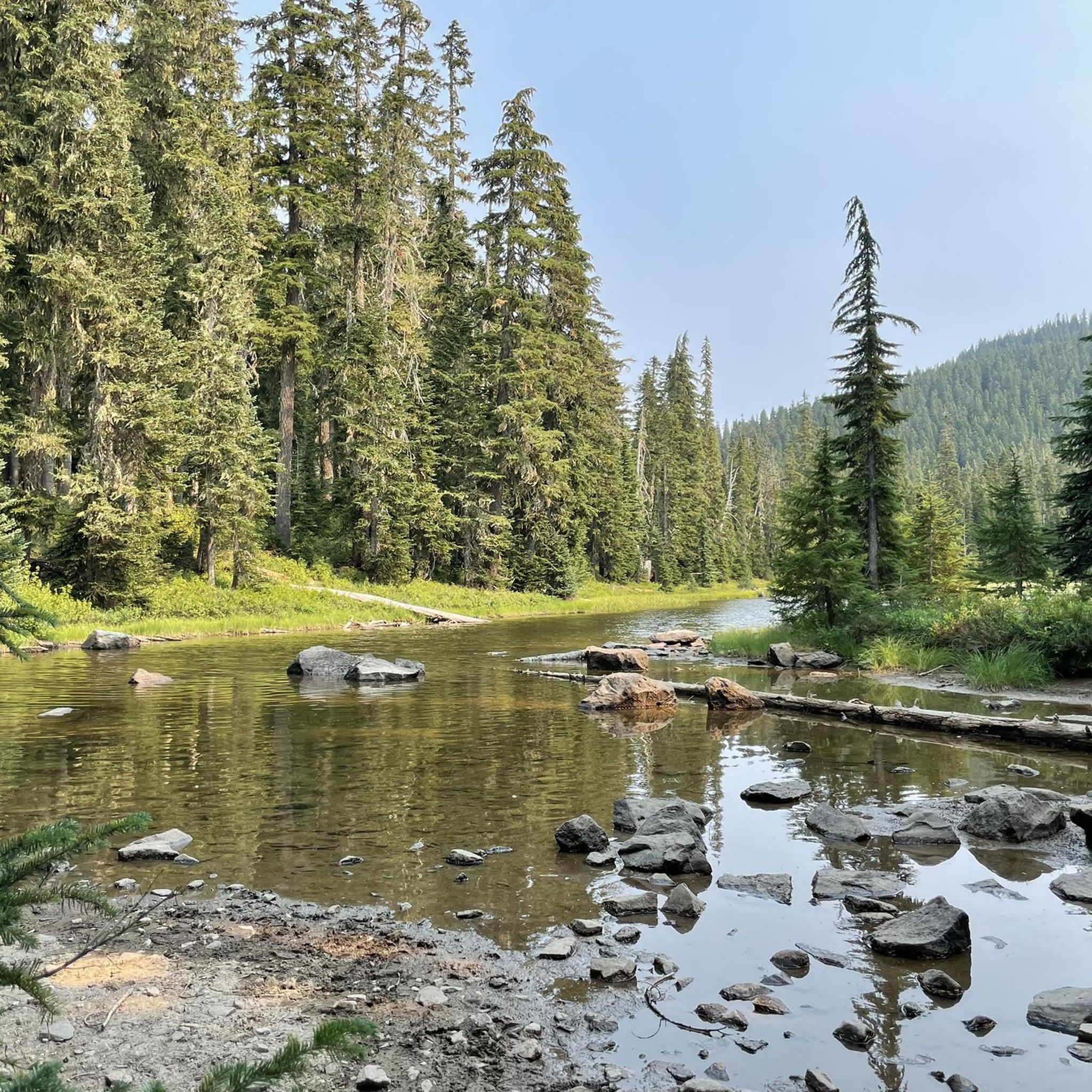
Jogging in William O. Douglas Wilderness offers diverse landscapes and an extensive trail system. The region is characterized by varied elevations, from 3,000 to 7,000 feet, encompassing high-elevation forests, volcanic plateaus, and numerous lakes. Joggers can explore approximately 250 miles of trails, including a section of the Pacific Crest National Scenic Trail, traversing subalpine meadows and dense old-growth forests.
Best jogging routes in William O. Douglas Wilderness
- The most popular jogging route is Ginette Lake – Hogback Mountain loop from…
Last updated: May 13, 2026
6
runners
20.5km
02:48
680m
680m
Hard run. Very good fitness required. Mostly paved surfaces. Suitable for all skill levels.
6
runners
35.0km
05:17
1,820m
1,820m
Hard run. Very good fitness required. Mostly paved surfaces. Suitable for all skill levels.

Sign up for free
2
runners
13.2km
02:04
730m
730m
Hard run. Very good fitness required. Mostly paved surfaces. Suitable for all skill levels.
Our route recommendations are based on thousands of hikes, rides, and runs completed by other people on komoot.
Start today with a free account
Your next adventure awaits.
Login or Signup
Popular around William O. Douglas Wilderness
Tips from the Community

Leech Lake is worth a stroll from nearby White Pass. A wide, well maintained trail leads you close to the shoreline. There are camping options at the north side. It is also a nice alternate to get back to the PCT to avoid the road walk along Highway 12.
3
0
With Ginette Lake you reach the boundary of the Goat Rocks Wilderness. It is a great spot for a break or to pitch your tent. The lake is a good water source.
4
0
You have reached the peak of the climb and you will be treated with a picturesque view of Shoe Lake below you and towering Mount Rainier. At this point you really earned a break. It is also a great spot to spend the night, although you will have to bring water, if you do not want to climb all the way down to Shoe Lake.
3
0
Frequently Asked Questions
How many running routes are available in William O. Douglas Wilderness?
Komoot features over 4 diverse running routes in the William O. Douglas Wilderness. These trails range from moderate to difficult, offering options for various fitness levels across the region's varied terrain.
What kind of terrain can I expect on running trails in William O. Douglas Wilderness?
The William O. Douglas Wilderness offers a wide variety of terrain for runners. You'll encounter significant elevation changes, from 3,000 to 7,000 feet, with paths traversing high-elevation forests, volcanic plateaus, bare ridges, and subalpine meadows. Expect a mix of soft forest floors and more rugged, exposed sections.
Are there any family-friendly running trails in the wilderness?
While many trails in the William O. Douglas Wilderness involve significant elevation gain, some sections, particularly around the numerous lakes, can be suitable for families looking for a more moderate jog. The Naches Peak Lake area, for instance, offers beautiful scenery that can be enjoyed by various ages, though specific 'family-friendly' designated running routes are less common due to the wilderness nature.
Can I bring my dog on the running trails in William O. Douglas Wilderness?
Generally, dogs are permitted on trails within the William O. Douglas Wilderness, but they must be kept on a leash to protect wildlife and ensure a pleasant experience for all users. Always check specific trail regulations before you go, as rules can vary.
What are some scenic viewpoints or natural features to look out for while running?
The wilderness is rich with stunning natural features. You can enjoy panoramic views of Mount Adams, Mount St. Helens, Goat Rocks, and Mount Rainier from various high points. Many trails lead past picturesque high-elevation lakes like Naches Peak Lake, Beusch Lake, and Snow Lake. The Dewey Lakes Overlook also offers breathtaking vistas.
Are there any loop running trails in William O. Douglas Wilderness?
Yes, the William O. Douglas Wilderness features several excellent loop running trails. Popular options include the Ginette Lake – Hogback Mountain loop from Leech Lake, which is 12.2 miles, and the Henskin Lake – Grubstake Peak loop from Crystal Mountain, a more challenging 21.5-mile route. Another great option is the Grubstake Peak – Henskin Lake loop from Crystal Mountain, at 8.1 miles.
What is the best time of year for trail running in this region?
The best time for trail running in William O. Douglas Wilderness is typically from late spring through early autumn (June to October). During these months, trails are generally free of snow, and the weather is more favorable. The subalpine meadows are particularly beautiful with wildflowers in summer.
Are there options for beginner trail runners?
While many routes in the William O. Douglas Wilderness are challenging, some trails offer more moderate sections suitable for beginners. Look for routes with less extreme elevation changes or shorter distances. The extensive trail system means there are always paths to explore as you build your experience.
What are the parking options at trailheads in William O. Douglas Wilderness?
Parking is generally available at designated trailheads throughout the William O. Douglas Wilderness. Specific parking areas can be found at popular access points like Leech Lake and Crystal Mountain, which serve as starting points for many of the featured running routes.
Are there any permits required for running in William O. Douglas Wilderness?
For day use and running, permits are generally not required for entering the William O. Douglas Wilderness. However, if you plan an overnight trip or are accessing certain areas, specific permits might be necessary. Always check with the local forest service or park authorities for the most current regulations before your visit.
What makes the running experience in William O. Douglas Wilderness unique?
The William O. Douglas Wilderness offers a truly unique running experience due to its vast, untouched landscapes. Runners can traverse through diverse ecosystems, from dense old-growth forests to open volcanic plateaus, all while enjoying breathtaking views of prominent peaks like Mount Rainier and encountering abundant wildlife such as elk and mule deer.
What should I bring for a trail run in William O. Douglas Wilderness?
Given the varied terrain and potential for rapid weather changes, it's advisable to bring layers of clothing, sufficient water, navigation tools (like a map and compass or a loaded komoot route on your device), snacks, and a first-aid kit. Proper trail running shoes with good grip are also essential for navigating the diverse surfaces.
Most popular routes in William O. Douglas Wilderness
Most popular attractions in William O. Douglas Wilderness

Get inspired with the komoot mobile app


Explore more
Browse the best Running Trails & Routes in other regions.
