The best walks and hikes in Sangre De Cristo Wilderness
4.9
(15)
339
hikers
26
hikes
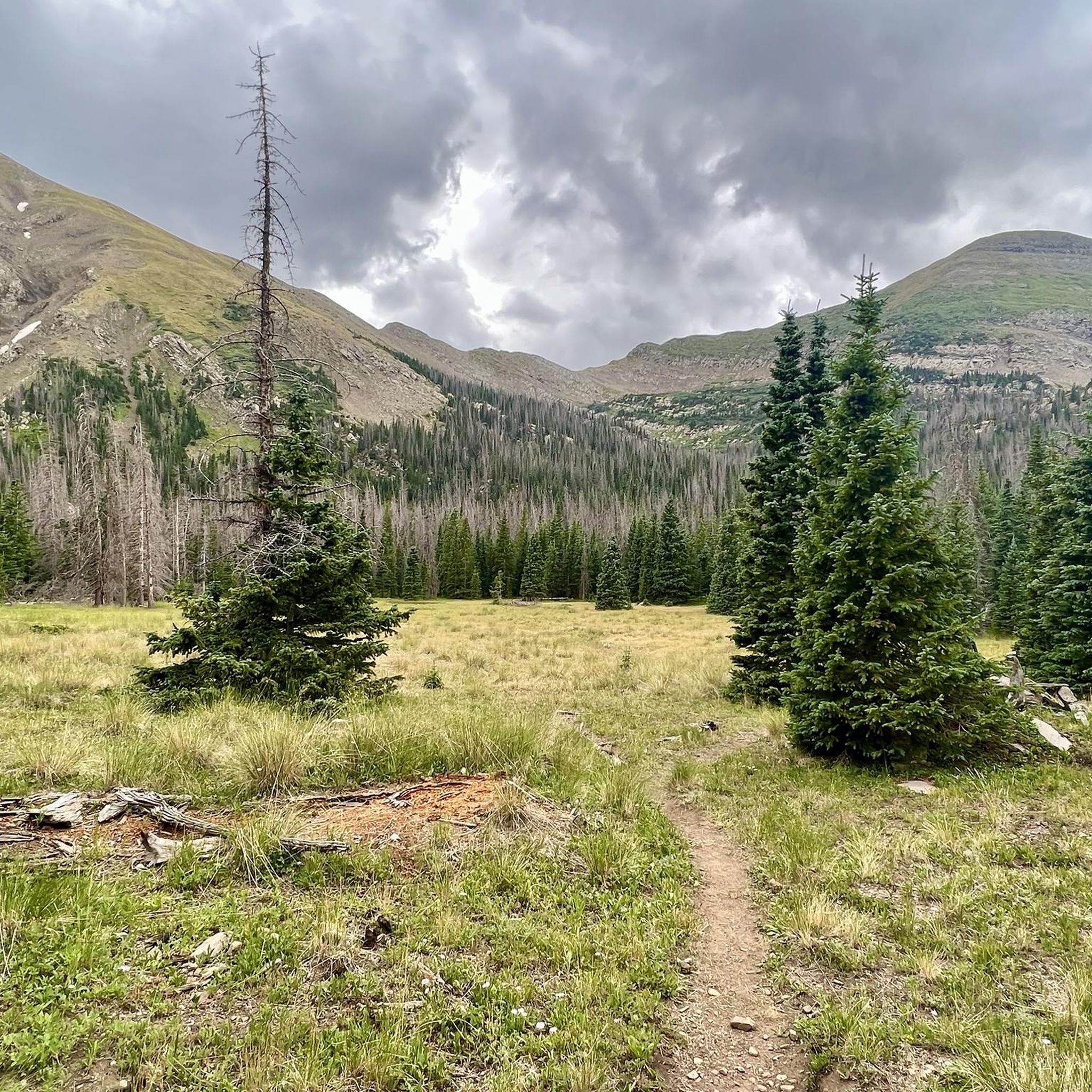
Hiking in Sangre De Cristo Wilderness explores a region characterized by dramatic vertical topography, rugged peaks, and high-altitude alpine lakes. Trails ascend through forests of aspen and spruce, reaching windswept alpine tundra at higher elevations. The wilderness features numerous pristine alpine lakes and cascading waterfalls, with elevations ranging from 8,000 to over 14,000 feet. Many routes are located near the Great Sand Dunes National Park and Preserve, offering a mix of mountain and high-desert landscapes.
Best hiking trails in Sangre De Cristo Wilderness
- The most popular hiking route is Humboldt Peak via South Colony Trail — Sangre de Cristo Wilderness, a 6.3 miles (10.1 km) trail that takes about 4 hours to complete. This moderate route features significant elevation gain as it climbs toward the peak.
- Another top favourite among local hikers is Mosca Pass Trail, a moderate 6.2 miles (10.0 km) path. The trail follows a steady ascent through varied forest environments.
- Local hikers also love the Overlook/Sand Ramp Trail – Buck Creek loop from Sand Ramp Trailhead, a 2.1 miles (3.3 km) trail leading through the landscape adjacent to the dunes, often completed in about 1 hour.
- Hiking in Sangre De Cristo Wilderness is defined by high-altitude alpine lakes, rugged mountain peaks, and forested valleys. The trail network provides options for different ability levels, from shorter day hikes to more demanding mountain routes.
- The routes in Sangre De Cristo Wilderness are highly rated by the komoot community with an average score of 4.9 stars from more than 10 reviews. More than 350 hikers have used komoot to explore Sangre De Cristo Wilderness's varied terrain.
Last updated: July 22, 2026
5
hikers
728m
00:13
20m
30m
Easy hike. Great for any fitness level. Easily-accessible paths. Suitable for all skill levels.
2
hikers
761m
00:12
10m
10m
Easy hike. Great for any fitness level. Easily-accessible paths. Suitable for all skill levels.

Sign up for free
5.37km
01:26
70m
30m
Easy hike. Great for any fitness level. Easily-accessible paths. Suitable for all skill levels.
5.0
(2)
39
hikers
9.96km
03:53
420m
420m
Moderate hike. Good fitness required. Mostly accessible paths. Sure-footedness required.
5.0
(3)
6
hikers
8.52km
02:21
150m
140m
Moderate hike. Good fitness required. Easily-accessible paths. Suitable for all skill levels.
Get access to more routes and recommendations from other explorers.
Sign up for free
Already have an account?
Our route recommendations are based on thousands of hikes, rides, and runs completed by other people on komoot.
Start today with a free account
Your next adventure awaits.
Login or Signup
Popular around Sangre De Cristo Wilderness
Tips from the Community

The Great Sand Dunes cover an area of approximately 80 km² and, at a height of approximately 230 meters, are the highest dunes in North America. The sand dunes are approximately 12,000 years old and were formed by sand deposits from the Rio Grande and its tributaries. You should be in good physical shape to hike the dunes. The constant inclines in the loose sand can be very strenuous.
2
0

Just really beautiful! A tough hike through the loose sand.
2
0
Always a good starting point for information about the area.
2
0

The Visitor Center offers some great information about trails, campgrounds and geology of the National Park. There are restrooms and potable water is available. You can buy some merchandise and maps or just enjoy the cooler temperatures during summer time. The Visitor Center is open every day of the year except Thanksgiving, Christmas, and New Year's Day.
3
0
The large parking lot is the starting point into the massiv dune field of Great Sand Dunes National Park. There are showers (to rinse off the sand), restrooms and information boards that you can visit before you enter the sandy area at the base of the majestic Sangre de Christo Mountains. A popular hike from here is to summit the High Dune which is one of the tallest sand dunes in North America. Be prepared for different weather conditions as it may be very hot in the summer months with absolutely no shade and the sand reflecting the heat. Strong winds are also possible, so bring appropriate clothing or gear to cover your face and skin. On your hike towards the dunes, you will cross Medano Creek which is a flowing river until early summer and a vast flat space during the rest of the year. If you want to spend more time in the dune field, you can obtain a backcountry permit and stay overnight in the sandy wilderness: https://www.recreation.gov/permits/4675316.
8
0
A one and a half mile roundtrip leads to a beautiful overlook. Along the way, you can already enjoy great views of the dunes while hiking through a high desert landscape with juniper trees and small forests.
3
0

A great experience hiking over the dunes. I can now empathize a little with Kara Ben Nemsi, the hero of my childhood.
4
1

The Mosca Pass lies at an altitude of 9.700 feet (~2.957 m) and marks the eastern entry into the Great Sand Dunes Preserve and National Park. From here you can follow the Mosca Trail downhill to the Great Sand Dunes Visitor Center and the Dunes itself. In contrast to the vast Sand Dunes Mosca Pass offers typical alpine flora.
1
0
Frequently Asked Questions
When is the best time of year to hike in the Sangre de Cristo Wilderness?
The prime hiking season is from late spring to early fall, typically June through September. During these months, the trails are mostly free of snow, and the weather is more stable. However, be prepared for afternoon thunderstorms, which are common in the summer. The high-altitude environment means conditions can change rapidly at any time of year.
Are there any easy, family-friendly hikes available?
Yes, there are several easier trails, particularly in the areas adjacent to the Great Sand Dunes. For a shorter, more accessible walk, consider the Overlook/Sand Ramp Trail – Buck Creek loop from Sand Ramp Trailhead. It's a relatively flat 2.1-mile (3.3 km) loop that offers great views without a strenuous climb.
What are the trail conditions like in this wilderness area?
Trails in the Sangre de Cristo Wilderness are known for being rugged and steep due to the range's dramatic vertical uplift. Expect rocky paths, significant elevation gain, and potentially multiple stream crossings. Many trails lead to high-altitude alpine lakes and can be challenging. Always check recent trail reports for the most current conditions before you go.
Are dogs allowed on the trails?
Yes, dogs are generally permitted on trails within the Sangre de Cristo Wilderness, but they must be under voice control or on a leash. Keep in mind that the terrain is rugged and wildlife is present. When hiking in the adjacent Great Sand Dunes National Park, be aware that regulations may differ, and dogs are not allowed on the main dune field.
What kind of wildlife might I see while hiking?
The wilderness is home to a diverse range of wildlife. It's common to see elk, deer, and bighorn sheep, especially at higher elevations. The area is also habitat for black bears and mountain lions, so it's important to be bear-aware and store food properly, especially if you are backpacking. Birdwatchers can also spot various species in the forests and alpine zones.
Can I go backpacking in the Sangre de Cristo Wilderness?
Absolutely. The area is a premier destination for backpacking, with numerous multi-day loop and point-to-point options. Trails like the Sand Ramp Trail offer extended journeys through the landscape. Dispersed camping is allowed, but be sure to follow Leave No Trace principles and adhere to all wilderness regulations, including proper food storage.
Are there any circular hikes or loops?
Yes, the region offers some excellent loop hikes. One of the most renowned is the Venable-Comanche Trail loop, a challenging multi-day trek known for its alpine lakes and a thrilling ridge walk. For a more moderate day hike loop, the Wellington Ditch and Overlook Trails provide a great option near the Great Sand Dunes.
What should I pack for a day hike in the Sangre de Cristos?
Given the high altitude and potential for rapid weather changes, it's crucial to be prepared. Essential items include:
- Plenty of water and a water filter.
- High-energy snacks.
- Layered clothing, including a waterproof and windproof jacket.
- Sunscreen, sunglasses, and a hat, as sun exposure is intense at altitude.
- A map and compass or GPS device, as cell service is unreliable.
- A small first-aid kit.
How do I get to the trailheads?
Access to trailheads varies. Some, like those for the South Colony Lakes, may require a high-clearance 4WD vehicle to reach the upper parking areas. Other trailheads, such as those near the Great Sand Dunes National Park and Preserve, are accessible with standard passenger cars. Always research the specific access road conditions for your chosen trail before you depart.
What do other hikers enjoy most about the Sangre de Cristo Wilderness?
The area is highly rated by the komoot community. Reviewers frequently praise the stunning alpine scenery, particularly the pristine high-altitude lakes nestled beneath rugged peaks. The sense of solitude and the challenging, rewarding nature of the trails are also common highlights for those who have explored the wilderness.
Most popular routes in Sangre De Cristo Wilderness

Get inspired with the komoot mobile app


Explore more
Browse the best Hikes in other regions.
