Attractions and Places To See in Indian Peaks Wilderness - Top 20
Best attractions and places to see in Indian Peaks Wilderness include a vast expanse of over 76,000 acres in north-central Colorado, offering a pristine alpine environment. This area is renowned for its Rocky Mountain terrain, featuring more than 50 glacier-carved lakes and numerous peaks, many named after Native American tribes. With 133 miles of trails, it provides extensive opportunities for hiking and exploring notable landmarks and natural features. The wilderness also holds cultural significance, historically used by Native American tribes…
Last updated: May 9, 2026
Monarch Lake
Highlight • Lake
Tip by

Isabelle Lake
Highlight • Lake
Tip by

Sign up now to discover places like this
Get recommendations on the best single tracks, peaks, & plenty of other exciting outdoor places.
Sign up for free
Long Lake
Highlight • Lake
Tip by

Mount Audubon
Highlight • Summit
The Mountain is characterized by a …
Tip by

Woodland Lake Trail
Highlight (Segment) • Trail
Tip by

Sign up for free to discover even more attractions in Indian Peaks Wilderness.
Sign up for free
Already have an account?
Start today with a free account
Your next adventure awaits.
Login or Signup

Tips from the Community


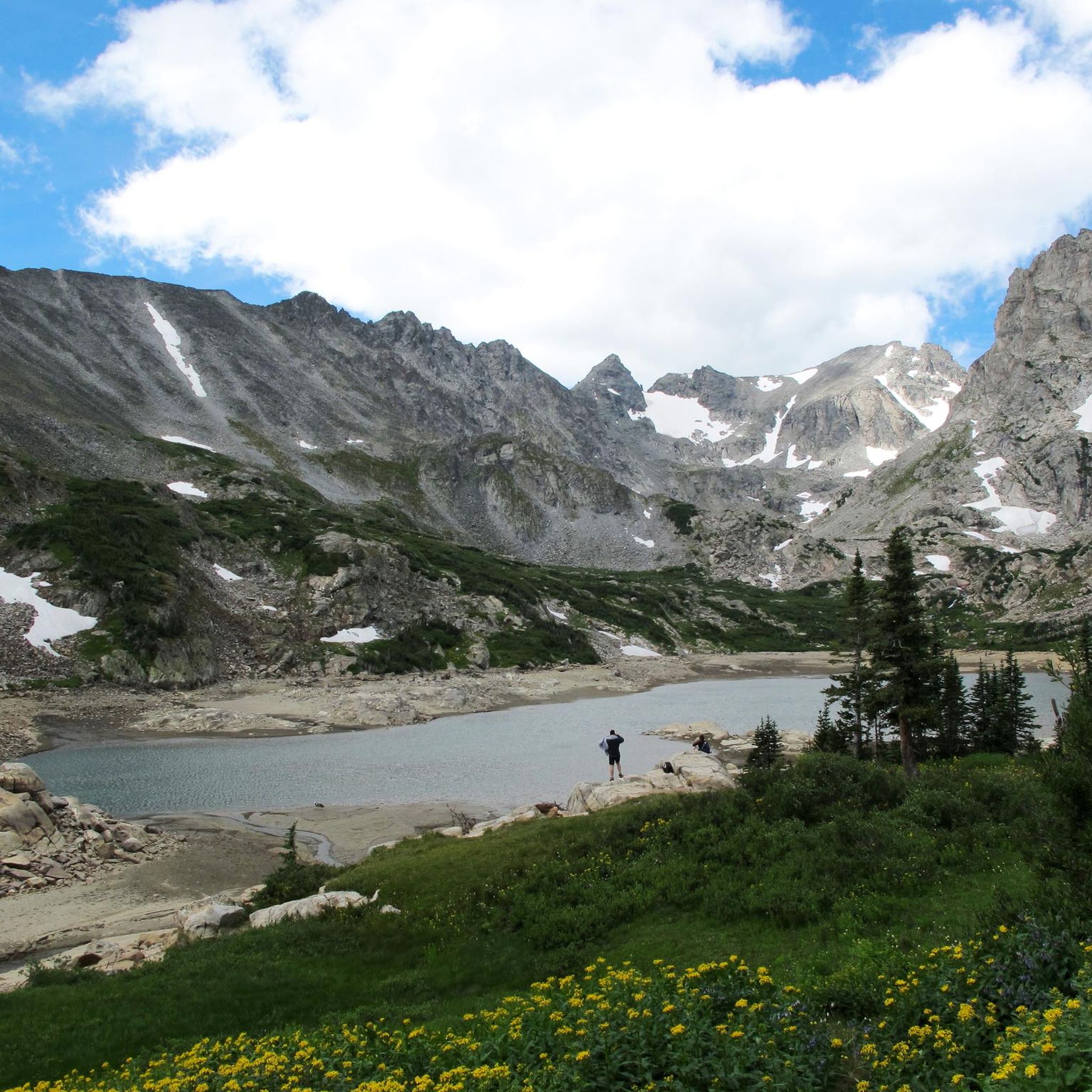
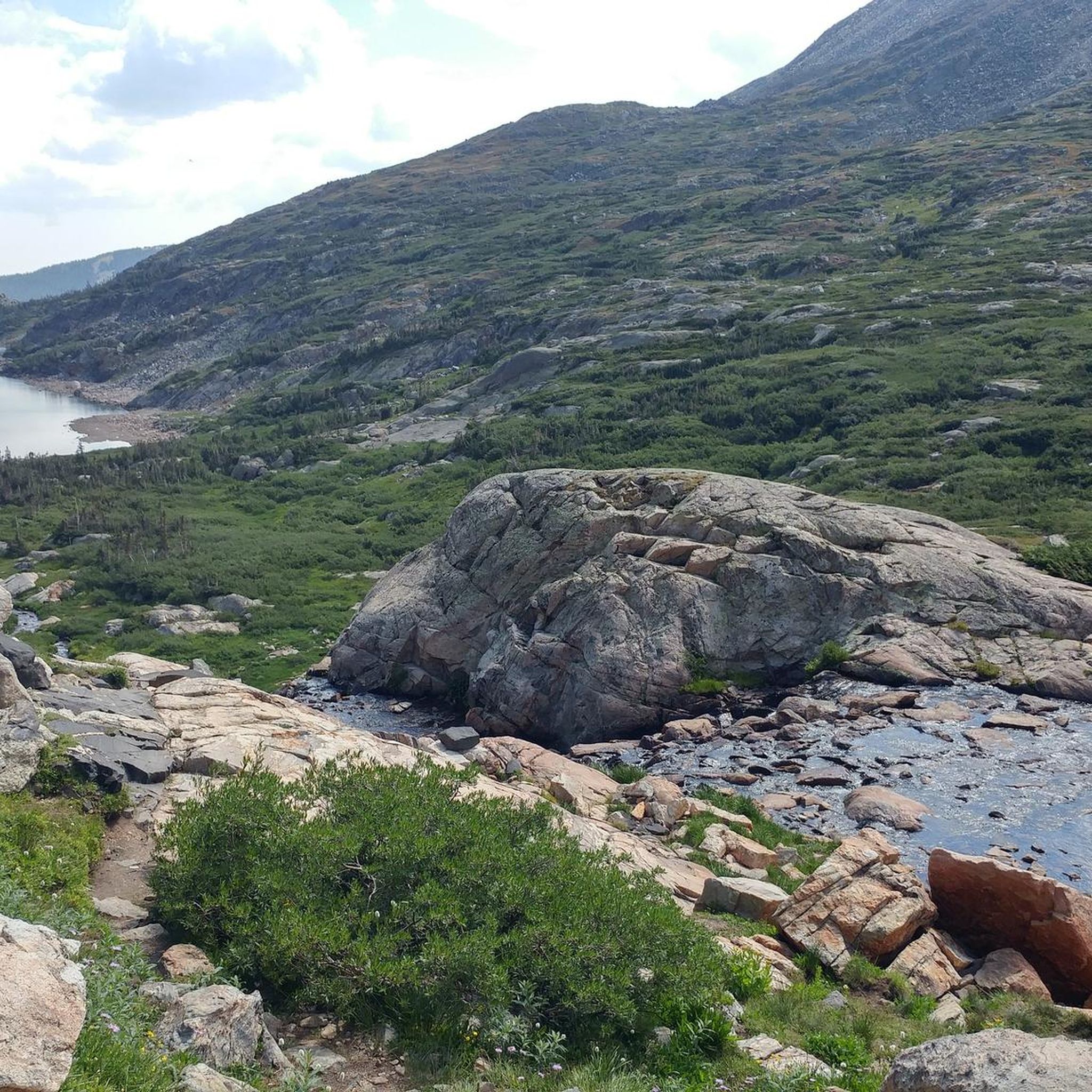
Isabelle lake still has lots of water, later in September it has often very low water
0
0

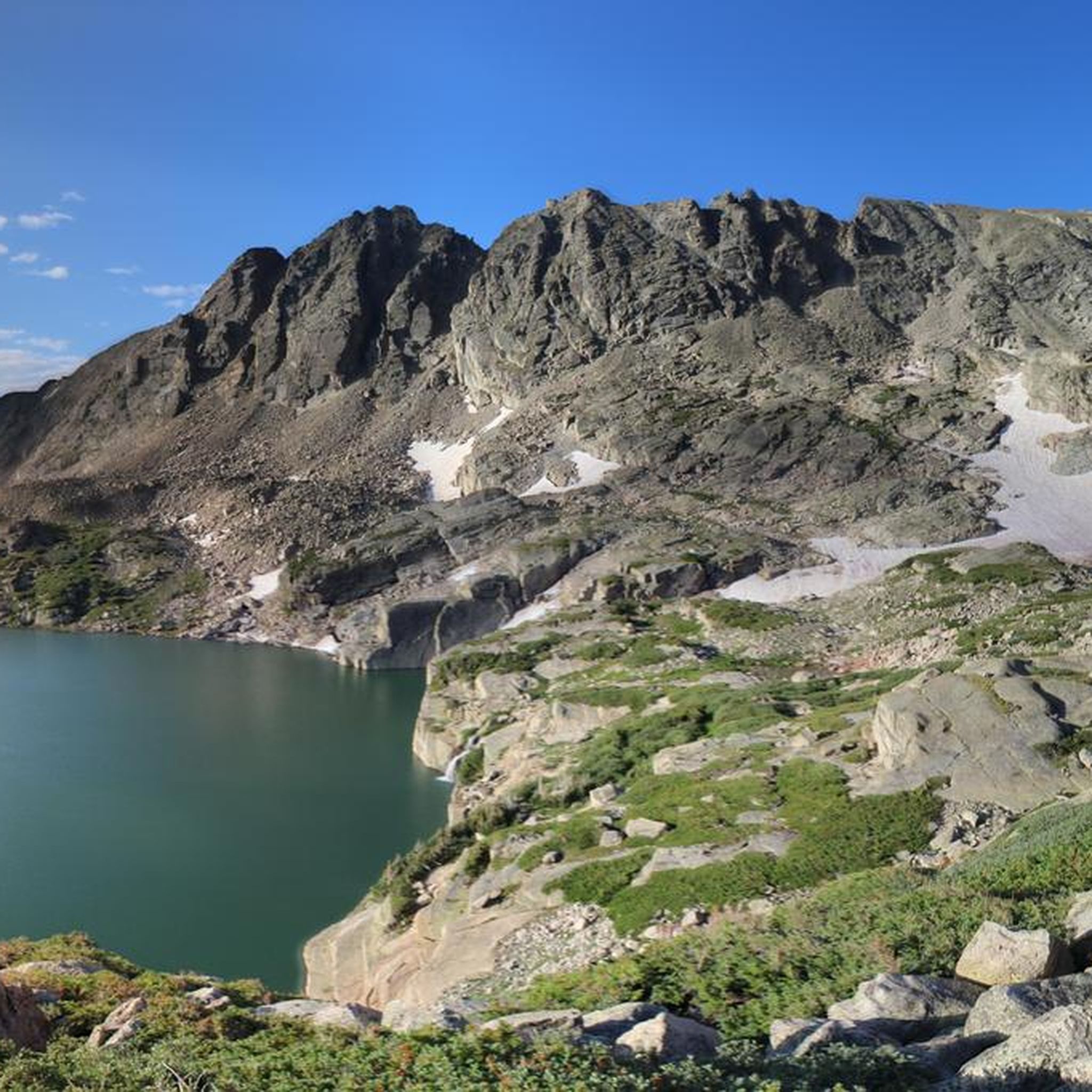
Long Lake is an alpine that sits over 10,000 feet in elevation. It's surrounded by a beautiful backdrop of the Indian Peaks. The shore around the lake is a great spot to see moose and wildflowers in the summer.
0
0

This stunning lake in Indian Peak Wilderness is surrounded by mountains and offers spectacular views. It's not too far from the parking area and is the junction point for several trails in the area, allowing for more extensive tours!
0
0

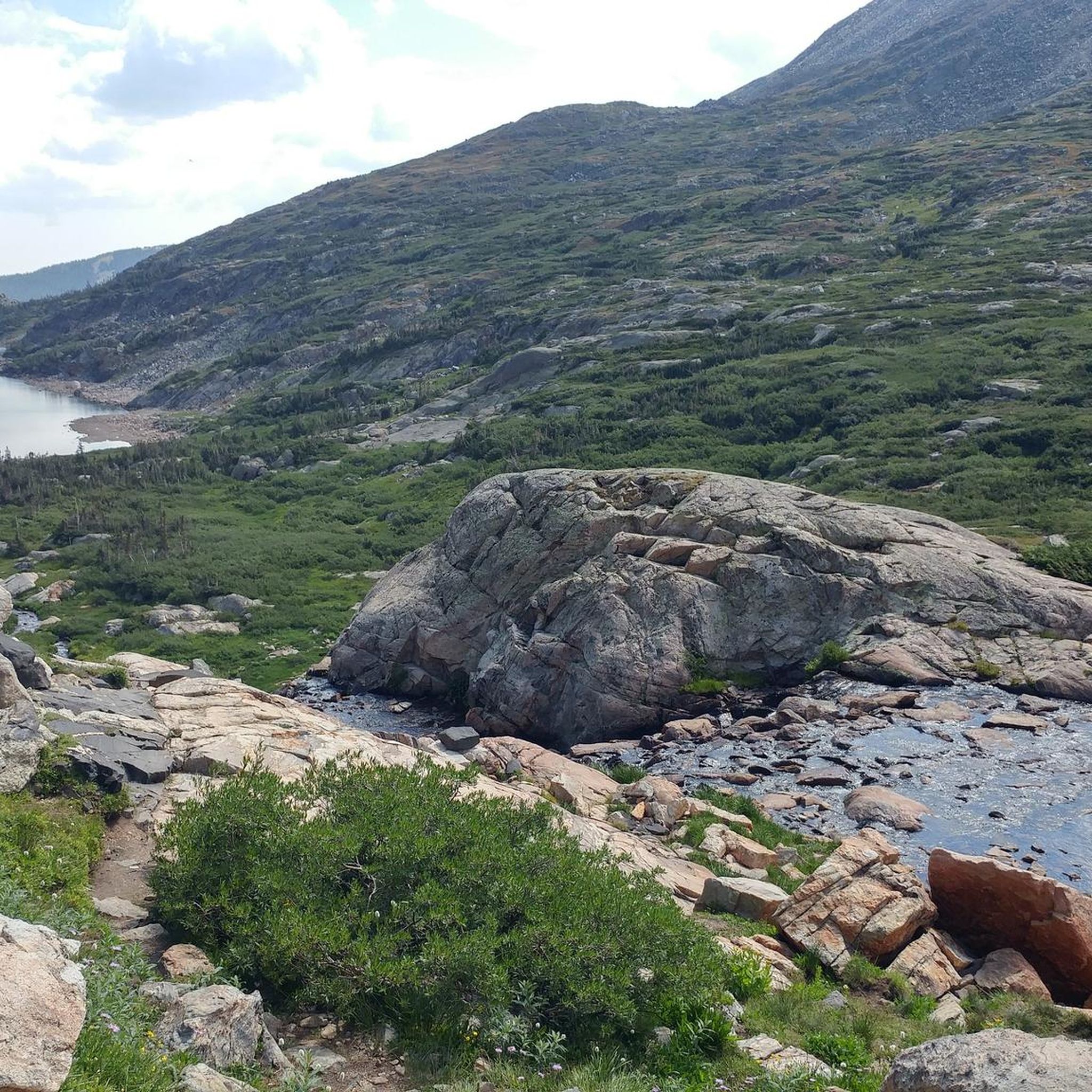
Woodland Lake Trail navigates its way into a bowl formed by the surrounding jagged peaks. At the end you can find Skyscraper Reservoir, which still has the old dam from when this was an actual reservoir for water management, yields great views of Skyscraper Peak overhead. You can take the trail that diverges up to the peak, but for many, this reservoir itself is the destination.
0
0

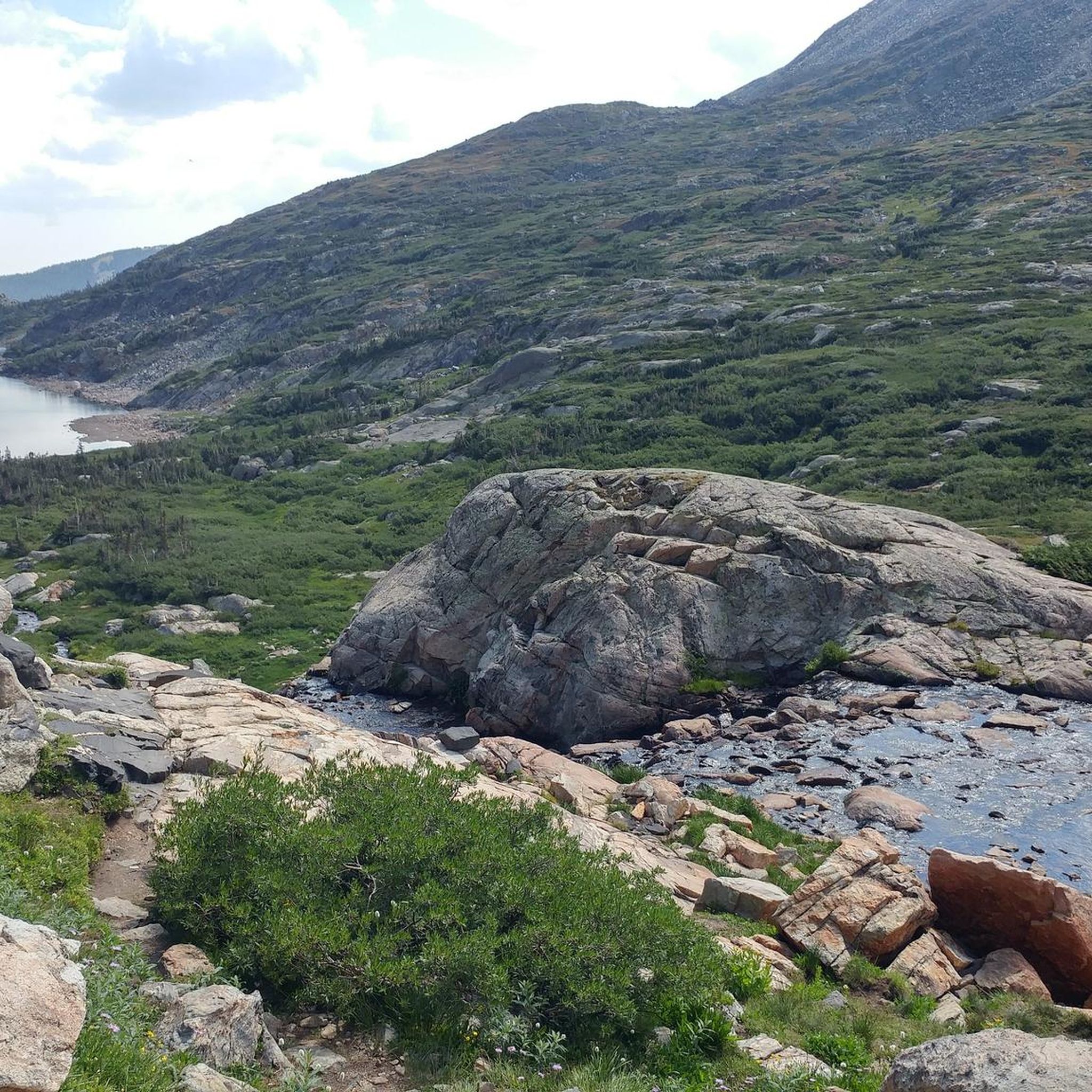
Monarch Lake is a stunning lake surrounded by trees and awesome mountain views. It is easily accessible and close to parking, so it is a great spot for hiking, paddleboarding, kayaking and fishing. There are also campgrounds and more extended hiking trails nearby that make this a great starting point for an adventure.
1
0

Monarch Lake is part of the Colorado Great Lakes. Its calm and its beauty, make it also one of the most beautiful.
0
1
The peaks visible from the lake are Navajo Peak (the cone-shaped one), Apache and Shoshone which is the most prominent on the right of the image.
0
1
Frequently Asked Questions
What are the most scenic lakes to visit in Indian Peaks Wilderness?
The Indian Peaks Wilderness is home to over 50 alpine lakes, each offering unique beauty. Isabelle Lake is renowned for its spectacular mountain reflections, with Navajo Peak, Apache, and Shoshone visible. Monarch Lake is easily accessible and surrounded by trees and mountain views, making it a great starting point for various activities. For an alpine experience above 10,000 feet, Long Lake offers a beautiful backdrop of the Indian Peaks and opportunities to spot moose and wildflowers.
Are there any family-friendly attractions or trails in Indian Peaks Wilderness?
Yes, the wilderness offers several options suitable for families. Monarch Lake is highlighted as family-friendly, offering easy access for hiking, paddleboarding, kayaking, and fishing. The Lost Lake Trail is also a popular family-friendly 4-mile roundtrip hike featuring waterfall views. Remember that timed entry reservations are required for the Brainard Lake Recreation Area during peak season, which is a common access point for many trails.
What kind of wildlife can I expect to see in Indian Peaks Wilderness?
The Indian Peaks Wilderness is rich in wildlife. Visitors often spot elk, moose, bighorn sheep, mountain goats, and mule deer. Black bears and mountain lions also inhabit the area, though they are more elusive. Over 280 species of birds can be found here, making it a great spot for birdwatching. Keep an eye out for moose and wildflowers around Long Lake during the summer months.
What are the best times of year to visit Indian Peaks Wilderness for hiking and photography?
The best time to visit for hiking and photography largely depends on your interests. Mid-July to early August is ideal for experiencing abundant wildflowers. Late September offers stunning fall colors, making it a photographer's paradise. For hiking, the summer and early fall months generally provide the most accessible conditions, though some high-altitude trails may retain snow later into the season. Always check current conditions before heading out.
Are there any challenging mountain peaks to summit in the wilderness?
Yes, the Indian Peaks Wilderness features many peaks rising above 12,000 feet, offering challenging climbs and breathtaking views. Mount Audubon, named after John James Audubon, is a notable summit with a long ridge line providing views of surrounding lakes like Blue Lake and Mitchell Lake. North Arapaho Peak is the highest point in the wilderness at 13,502 feet, offering a significant challenge for experienced hikers. Lone Eagle Peak is another dramatic spire that dominates the landscape around Crater Lake.
What historical or cultural significance does the Indian Peaks Wilderness hold?
The wilderness is named after the Native American tribes who historically used the area as a travel route and summer grounds. Evidence of their presence, such as stone tools, pottery, rock walls, and shelters, can still be found. Many prominent peaks, including Ogallala, Pajute, Pawnee, Shoshoni, Apache, Navajo, Arikaree, and Niwot Peaks, bear the names of western Native American tribes. Additionally, remnants of past mining activity are visible along the Arapaho Pass trail, reflecting the area's more recent history.
What outdoor activities, besides hiking, can I do near the attractions in Indian Peaks Wilderness?
Beyond hiking, the Indian Peaks Wilderness and its surroundings offer a variety of outdoor activities. You can enjoy paddleboarding, kayaking, and fishing, especially at easily accessible spots like Monarch Lake. For cycling enthusiasts, there are numerous gravel biking routes available, such as those found in the Gravel biking in Indian Peaks Wilderness guide. Mountain biking is also popular, with trails detailed in the MTB Trails in Indian Peaks Wilderness guide. Trail running is another option, with routes like the South Arapaho Peak via Arapaho Glacier Trail, as highlighted in the Running Trails in Indian Peaks Wilderness guide.
Are permits required for visiting or camping in Indian Peaks Wilderness?
Yes, permits are required for backcountry camping within designated zones from June to September. Additionally, if you plan to access popular areas like the Brainard Lake Recreation Area, timed entry reservations are required during peak season. It's always advisable to check the latest regulations and secure any necessary permits or reservations well in advance of your visit.
Where can I find trails that offer views of glaciers?
While Arapaho Glacier is off-limits to the public for protection, you can still find trails that offer views of other glaciers. The Arapaho Glacier Trail provides views of the Arapaho Glacier from a distance. Isabelle and Fair Glaciers are also accessible via hiking trails, offering a chance to witness these natural wonders up close.
What is the Continental Divide and how can I experience it in the wilderness?
Approximately 16 miles of the Continental Divide lie within the Indian Peaks Wilderness, offering dramatic landscapes. You can experience this iconic geographical feature by undertaking challenging multi-day backpacking routes, such as the Pawnee-Buchanan Loop, which traverses sections of the Divide. These routes provide stunning views and a true wilderness experience.
Are there any trails that lead to reservoirs with scenic views?
Yes, the Woodland Lake Trail is a great option. It navigates into a bowl formed by jagged peaks and leads to Skyscraper Reservoir. This reservoir still features its old dam from its days as a water management facility and offers excellent views of Skyscraper Peak overhead. For many, the reservoir itself is a rewarding destination.
What are some popular day hikes in Indian Peaks Wilderness?
The wilderness offers numerous popular day hikes. The Diamond Lake Trail is a 3.4-mile roundtrip featuring waterfalls and an alpine lake. The Lake Isabelle Trail, a 4.1-mile roundtrip, provides spectacular views. For a more challenging and highly recommended experience for experienced hikers, consider the Crater Lake and Lone Eagle Peak Trail. The Arapaho Pass Trail is also popular, offering access to Arapaho Pass summit and the summits of South and North Arapaho Peak.
Most popular routes in Indian Peaks Wilderness
Most popular attractions in Indian Peaks Wilderness

Get inspired with the komoot mobile app


Explore more
Still not found the Highlight you’re looking for? See guides of the top attractions in other regions:
