The best cycling routes in Devils Postpile National Monument
4.5
(2)
149
riders
6
rides
Touring cycling in Devils Postpile National Monument offers routes through a landscape shaped by volcanic activity and glacial forces. The area is characterized by its unique basalt columns, the San Joaquin River, and surrounding Sierra Nevada pine forests. Riders can expect varied terrain, from paved roads to gravel paths, with elevation changes typical of a mountainous region. This environment provides a diverse backdrop for cycling, featuring natural landmarks and scenic vistas.
Best touring cycling routes in Devils Postpile National Monument
- The most popular touring cycling route is Mammoth Mountain Resort to Devil's Postpile National Monument, a 16.9 miles (27.1 km) trail that takes 2 hours 2 minutes to complete. This route features significant elevation gain as it connects the resort area to the monument.
- Another top favourite among local touring cyclists is Twin Lakes – Duck Pass Trailhead loop from Twin Lakes, a moderate 11.1 miles (17.8 km) path. This trail offers views of the Twin Lakes area and passes through forested sections.
- Local touring cyclists also love the Mammoth Scenic Ride, a 5.8 miles (9.4 km) trail leading through pine forests and offering gentle gradients, often completed in about 27 minutes.
- Touring cycling in Devils Postpile National Monument is defined by volcanic rock formations, river valleys, and dense pine forests. The network offers options for different ability levels, from easy scenic rides to more difficult climbs.
- The guide includes highly-rated routes that showcase the best of the region's landscape. More than 100 touring cyclists have used komoot to explore Devils Postpile National Monument's varied terrain.
Last updated: October 11, 2026
3
riders
27.1km
02:02
610m
610m
Hard bike ride. Very good fitness required. Mostly paved surfaces. Suitable for all skill levels.
32
riders
15.0km
01:18
290m
300m
Moderate bike ride. Good fitness required. Mostly paved surfaces. Suitable for all skill levels.

12
riders
Hard bike ride. Very good fitness required. Mostly paved surfaces. Suitable for all skill levels.
5
riders
9.49km
00:39
160m
160m
Moderate bike ride. Good fitness required. Mostly paved surfaces. Suitable for all skill levels.
5.0
(1)
32
riders
Moderate bike ride. Good fitness required. Mostly paved surfaces. Suitable for all skill levels.
Our route recommendations are based on thousands of hikes, rides, and runs completed by other people on komoot.
Start today with a free account
Your next adventure awaits.
Popular around Devils Postpile National Monument
Tips from the Community

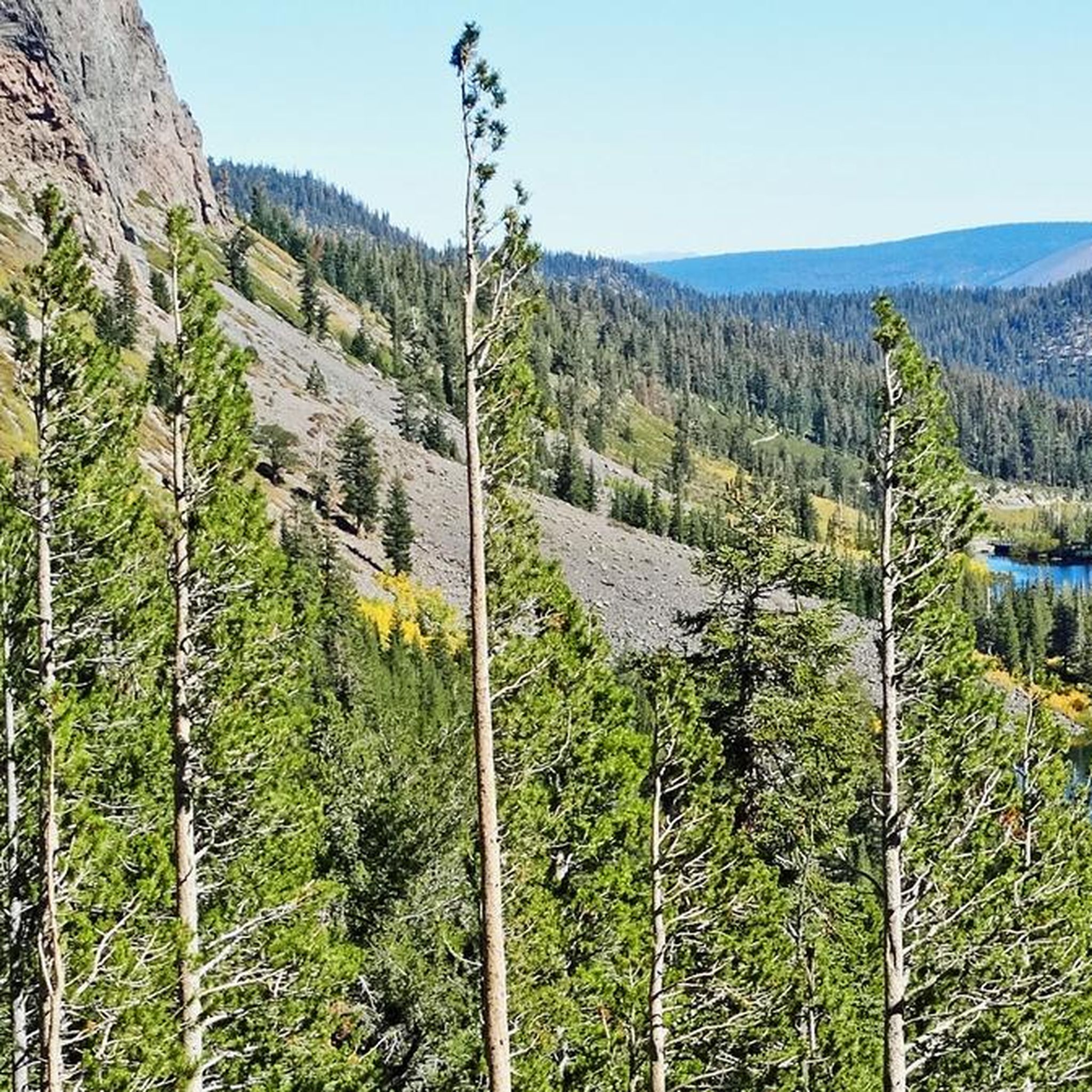
From this spot on the shore of Twin Lakes, you get a great view of Twin Falls as it plunges down the rocky cliff, framed by towering evergreens and the dramatic ridgeline of the Eastern Sierra. If you visit in early summer, you’ll catch the falls at their peak—fed by snowmelt, with distant peaks still dusted in white.
0
0

Twin Falls connects Twin Lakes and Mamie Lake. This small stretch of river cascades down the rocks, flowing through a small patch of forest. It can be viewed from the trail or the road, and if you venture a little further up, you’ll also get a view of Twin Lakes.
0
0
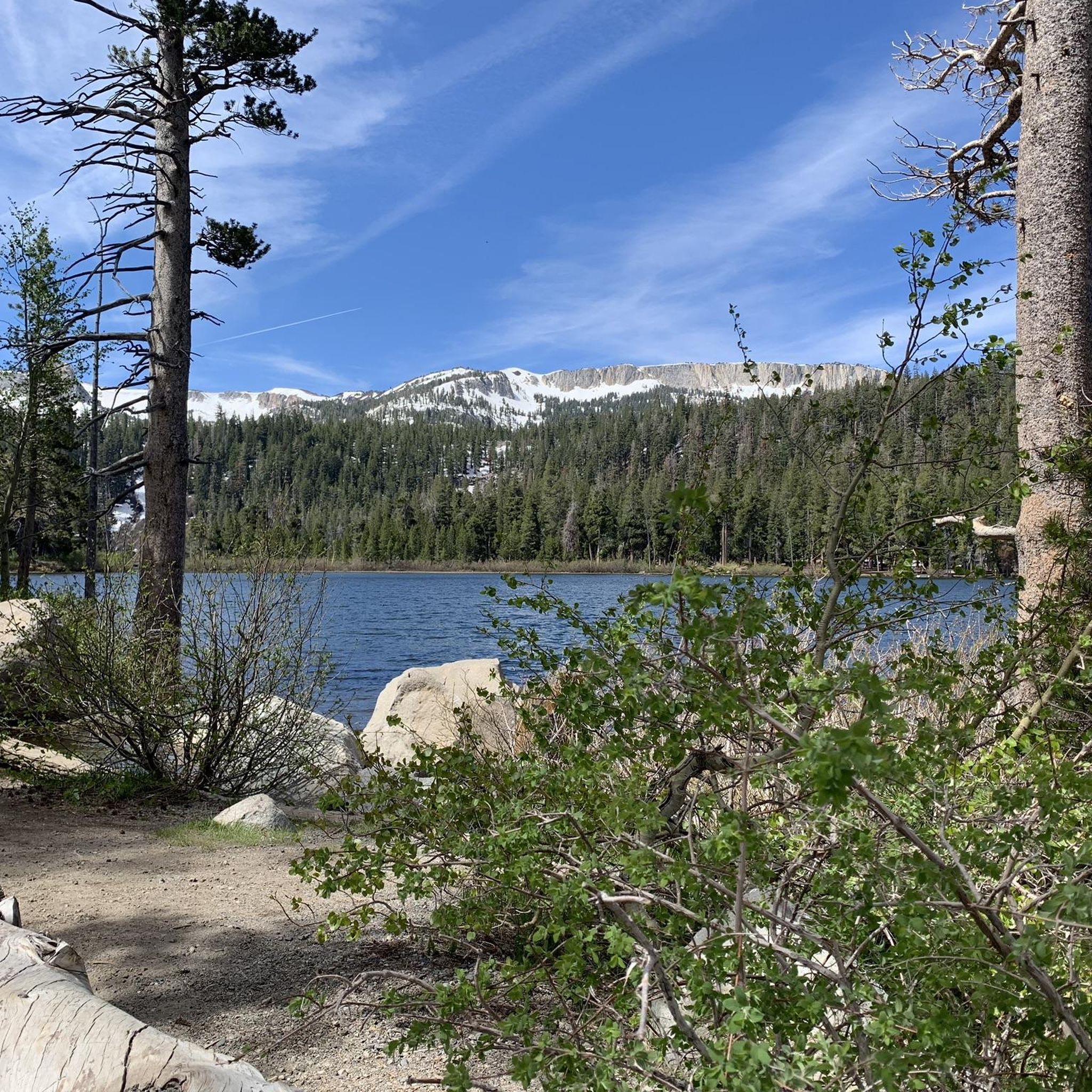
Lake Mary is nestled in front of a red basalt cliff and surrounded by forest, creating a scenic setting. In the winter, the area is blanketed in snow, making it ideal for cross-country skiing.
1
0

Great mountain lake that invites you to swim and is ideal for a short walk.
0
0

Lake Mary is the largest lake of the over one hundred lakes that comprise the Mammoth Lakes area. The lake has a campground to the northeast and two marinas offering boat and kayak rentals.
0
0

This lake is found between Lake Mary and Horseshoe Lake, and is a highly popular fishing spot. Numerous picnic areas are available for visitors to enjoy the stunning views of the water. Additionally, there are vantage points offering views of Mammoth Mountain and the spillway to Twin Lakes.
0
0
This spot along the road that leads to Twin Lakes Campground has a bridge over Mammoth Creek that offers views of the 250-foot drop of Twin Falls.
0
0
Twin Lakes, as its name suggests, is a park comprised of a set of connected lakes to the southeast of Mammoth Mountain. Eruptions of Mammoth Mountain caused the formation of lava cliffs on one side of the lakes. The other side has a campground and ski lodge.
0
0
Frequently Asked Questions
How many touring cycling routes are available in Devils Postpile National Monument?
There are 4 touring cycling routes documented on komoot for Devils Postpile National Monument, offering a range of experiences from easy scenic rides to more challenging climbs.
When is the best time of year to go touring cycling in Devils Postpile National Monument?
The best time for touring cycling in Devils Postpile National Monument is typically from late spring through early fall (June to October). During these months, the weather is generally mild, and the roads and trails are clear of snow, providing optimal conditions to enjoy the unique volcanic landscapes and pine forests.
Are there any easy touring cycling routes suitable for beginners or families?
Yes, there are easy routes perfect for beginners or families. For instance, the Mammoth Scenic Ride is a gentle 5.8-mile trail through pine forests, and the Horseshoe Lake – Horseshoe Lake loop from Red Cones Trailhead is another easy option, covering 2.1 miles with minimal elevation gain.
Where can I park my car when visiting Devils Postpile National Monument for cycling?
Parking is available at various access points around the monument and nearby areas. For routes like the Mammoth Mountain Resort to Devil's Postpile National Monument, you can often find parking at the resort or designated areas. For routes originating closer to the monument, check the specific trailheads for parking information, especially during peak season when shuttle services might be in operation to reduce traffic within the monument.
What kind of natural attractions can I see along the touring cycling routes?
The routes offer access to several stunning natural attractions. You can cycle near the iconic Devils Postpile basalt columns, witness the impressive Rainbow Falls, or enjoy views of the Middle Fork San Joaquin River. There are also specific viewpoints like the View of Devils Postpile that are accessible.
Are there any loop trails for touring cyclists in the area?
Yes, there are loop options available. The Twin Lakes – Duck Pass Trailhead loop from Twin Lakes is a moderate 11.1-mile loop that offers scenic views of the Twin Lakes area. Another loop is the Horseshoe Lake – Horseshoe Lake loop from Red Cones Trailhead, which is an easier, shorter option.
What is the most challenging touring cycling route in Devils Postpile National Monument?
The most challenging touring cycling route is the Mammoth Mountain Resort to Devil's Postpile National Monument. This 16.9-mile route features significant elevation gain, making it suitable for experienced cyclists looking for a demanding ride.
What do other touring cyclists enjoy most about cycling in Devils Postpile National Monument?
The area is highly rated by the komoot community, with an average score of 5.0 stars. Reviewers often praise the unique volcanic rock formations, the serene river valleys, and the dense pine forests that provide a diverse and scenic backdrop for cycling. The variety of routes catering to different ability levels is also frequently highlighted.
What should I pack for a summer touring cycling trip in Devils Postpile National Monument?
For a summer touring cycling trip, it's advisable to pack layers of clothing as temperatures can vary between day and night, and at different elevations. Essential items include plenty of water, snacks, sun protection (sunscreen, hat, sunglasses), a basic bike repair kit, and a first-aid kit. Always check the weather forecast before heading out.
Are there any cafes or restaurants near the touring cycling routes?
While Devils Postpile National Monument itself has limited services, the nearby Mammoth Lakes area, which serves as a common starting point for many routes, offers a variety of cafes, restaurants, and shops where you can refuel and relax after your ride. It's a good idea to plan your food and drink stops accordingly.
What kind of wildlife might I encounter on the bike trails?
Devils Postpile National Monument is home to diverse wildlife. Cyclists might spot various bird species, deer, and smaller mammals. Bear sightings are also possible, so it's important to be bear-aware, carry bear spray if permitted, and know how to react to encounters. Always observe wildlife from a safe distance and never feed animals.
Most popular routes in Devils Postpile National Monument
Most popular attractions in Devils Postpile National Monument

Get inspired with the komoot mobile app


Explore more
Browse the best Cycling routes in other regions.
