Attractions and Places To See in Glacier Peak Wilderness - Top 20
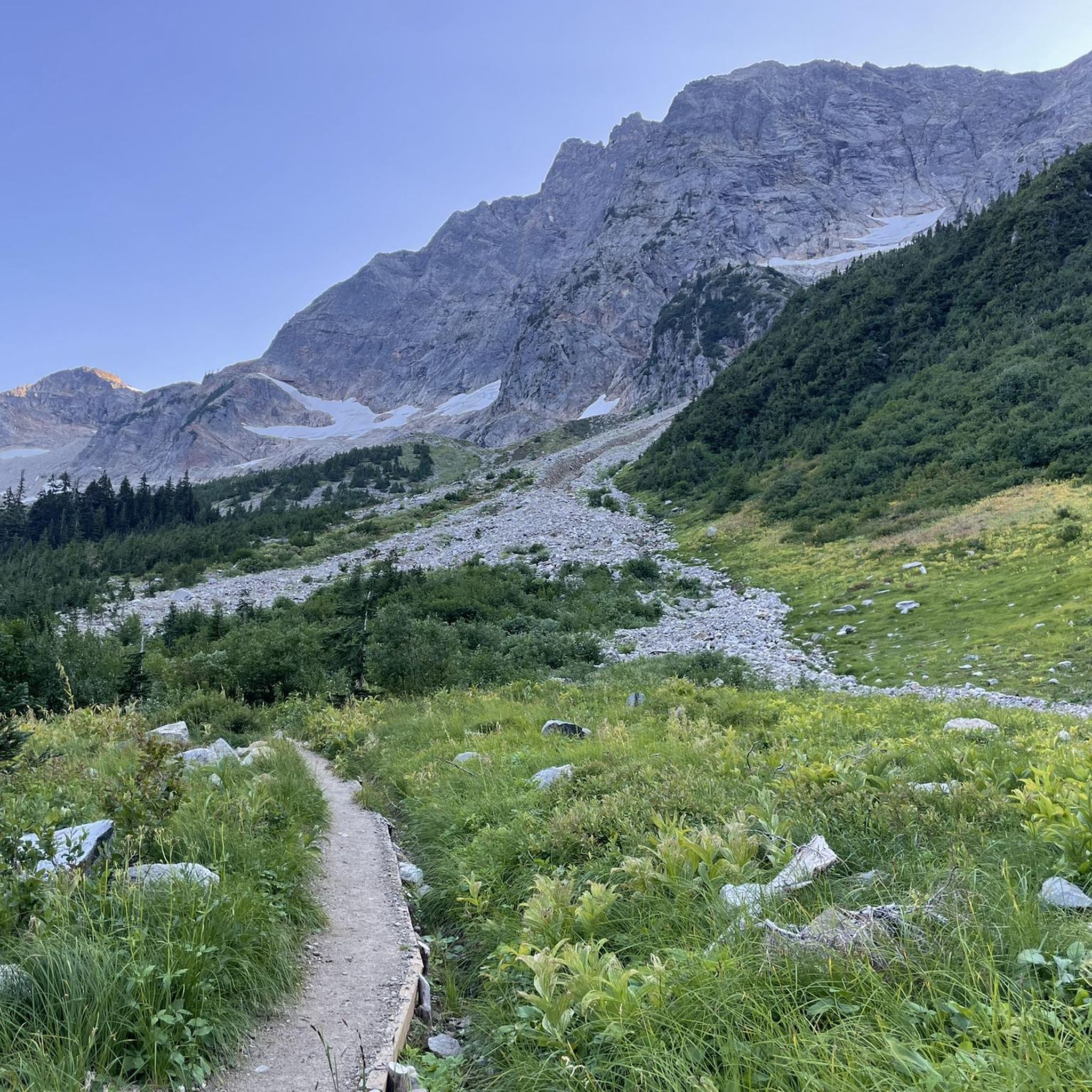
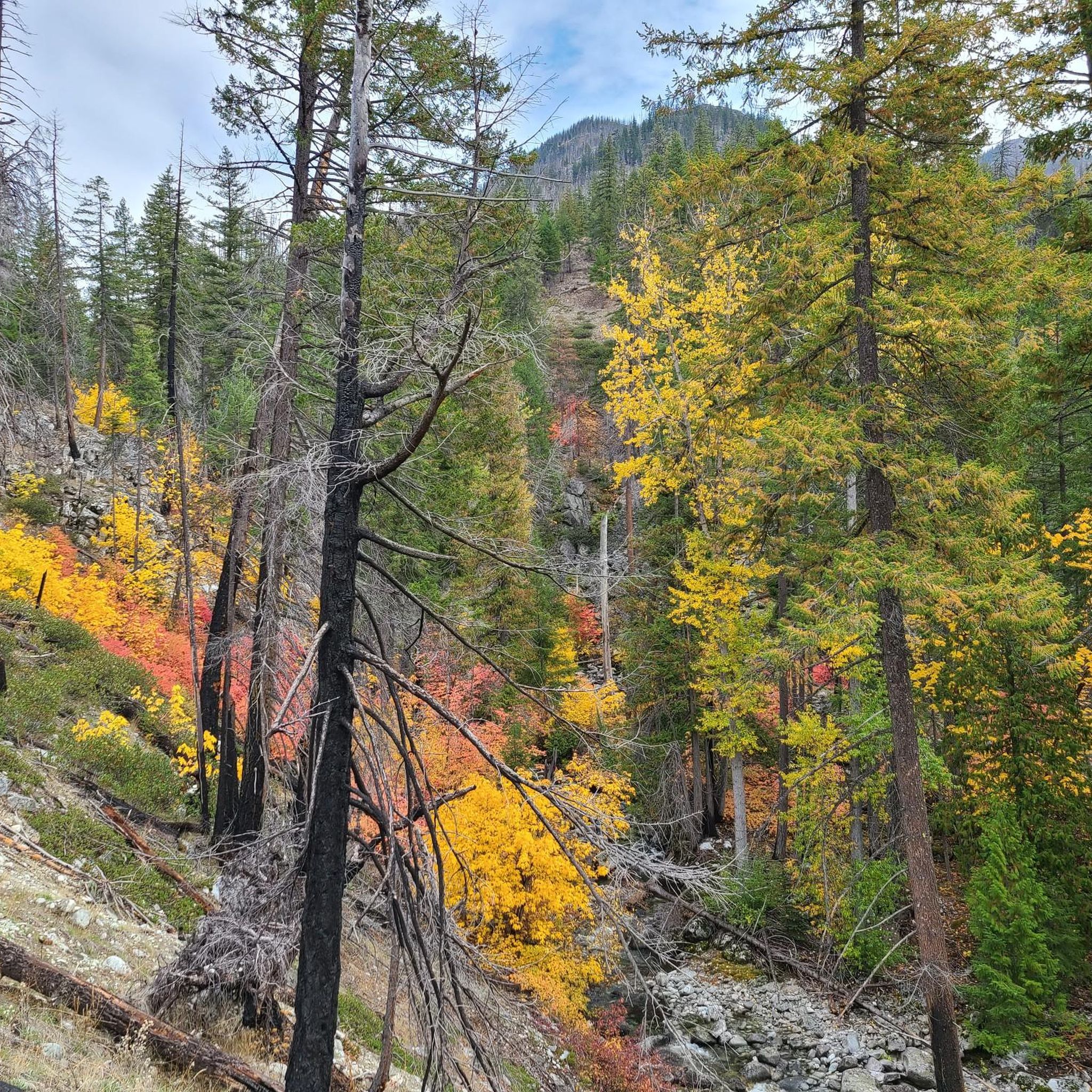
Best attractions and places to see in Glacier Peak Wilderness include a rugged and expansive natural landscape within Washington's North Cascades. This wilderness area encompasses over 566,000 acres, characterized by towering peaks, numerous glaciers, and deep valleys. It offers extensive trail systems and diverse natural features for outdoor enthusiasts. The region is dominated by Glacier Peak, a remote volcanic peak standing at 10,541 feet.
Best attractions and places to see in Glacier Peak Wilderness
- The most popular attractions is Grassy Ridge junction, a viewpoint that offers expansive vistas of towering mountains like Dome Peak, Seven Fingered Jack, and Bonanza Peak. It is a prime viewing location along the Pacific Crest Trail.
- Another must-see spot is Fire Creek Pass, a mountain pass that provides views of Glacier Peak and the surrounding North Cascades mountains. It is known for its long descents on either side.
- Visitors also love Green Mountain Lookout, a historic viewpoint. This wooden hut, constructed in 1933, offers views of Mount Baker, Glacier Peak, and the Ptarmigan Traverse group.
- Glacier Peak Wilderness is known for its numerous viewpoints, mountain passes, and historic lookouts. The area features over 200 lakes and extensive old-growth forests.
- The attractions in Glacier Peak Wilderness are appreciated by the komoot community, with 2 upvotes and 4 photos shared by visitors.
Last updated: July 12, 2026
Grassy Ridge junction
Highlight • Viewpoint
Tip by

Green Mountain Lookout
Highlight • Viewpoint
Tip by
Sign up now to discover places like this
Get recommendations on the best single tracks, peaks, & plenty of other exciting outdoor places.
Sign up for free
Fire Creek Pass
Highlight • Mountain Pass
Tip by
Pass Creek
Highlight • River
Tip by
Junction to Upper Suiattle Trail (old PCT)
Highlight • Trail
But if you want to do the strenuous and challenging hike to Gamma Hot Springs, this is your junction.
Tip by
Sign up for free to discover even more attractions in Glacier Peak Wilderness.
Sign up for free
Already have an account?
Start today with a free account
Your next adventure awaits.
Login or Signup
Popular around Glacier Peak Wilderness
Tips from the Community

At Pass Creek you will find a spacious campsite with nice flat ground and some logs to sit on. There is even a primitive toilet at this location. Pass Creek is a great water source.
4
0
Dome Peak, Seven Fingered Jack and Bonanza Peak are just a few of the towering mountains that will take your breath away when you hike along Grassy Ridge. It is one of the prime views within Glacier Peak Wilderness if you hike along the Pacific Crest Trail. A little further north you will find a nice campspot if you want to enjoy the panorama a little longer.
4
0
Fire Creek Pass promises at least two things: 1) stunning views of Glacier Peak and the surrounding mountains of the North Cascades and 2) a long descent, no matter if you hike north or southbound. That is good news after a long climb like that.
4
0
This is the junction to the old PCT. Even though it seems like a really nice shortcut, I highly recommend to follow the new PCT. The Suiattle River has a strong current and the old bridge leading over it along the old PCT was destroyed. Bushwhacking and finding a spot to cross along the old PCT takes as much time as just hiking the new safe trail. But if you want to do the strenuous and challenging hike to Gamma Hot Springs, this is your junction.
4
0
The wooden hut was constructed in 1933 by the Civilian Conservation Corps and is still in use as a fire lookout for the US Forest Service. Although the building is locked and therefore not open for public, you can rest up here and enjoy the stunning view on Mount Baker, Glacier Peak, Three Fingers, Del Campo and the Ptarmigan Traverse group – just to name a few.
2
0
Frequently Asked Questions
What are the most prominent natural features to explore in Glacier Peak Wilderness?
The wilderness is dominated by Glacier Peak itself, a 10,541-foot remote volcanic peak with more active glaciers than any other location in the lower forty-eight states. You'll also find over 200 lakes, including the scenic Image Lake, and vast old-growth forests, particularly in the Agnes Creek drainage and Suiattle River Valley. The region is also home to numerous other towering peaks like Dome Peak, Seven Fingered Jack, and Bonanza Peak.
Are there any historic sites or man-made landmarks in the Glacier Peak Wilderness?
Yes, the Green Mountain Lookout is a notable historic landmark. This wooden hut, constructed in 1933 by the Civilian Conservation Corps, still serves as a fire lookout. While not open to the public, it offers stunning panoramic views of Mount Baker, Glacier Peak, Three Fingers, Del Campo, and the Ptarmigan Traverse group.
Where can I find the best viewpoints for scenic photography in the wilderness?
For breathtaking vistas, visit Grassy Ridge junction, a prime location along the Pacific Crest Trail offering expansive views of mountains like Dome Peak, Seven Fingered Jack, and Bonanza Peak. Another excellent spot is Fire Creek Pass, which provides exceptional views of Glacier Peak and the surrounding North Cascades.
What kind of hiking trails are available in Glacier Peak Wilderness?
The wilderness offers a wide range of hiking experiences. You can find challenging routes like those leading to Gamma Hot Springs via the old PCT junction, or explore easier options. For a comprehensive list of trails, including difficulty ratings, you can explore the Hiking in Glacier Peak Wilderness guide.
Are there any easy or family-friendly hiking options in the area?
Yes, there are several easy hiking trails suitable for families. Routes like Monkey Bear Falls Trail, Howard Lake via Pacific Crest Trail, and Imus Creek Trail offer less strenuous options to enjoy the natural beauty. More details can be found in the Easy hikes in Glacier Peak Wilderness guide.
What wildlife might I encounter in Glacier Peak Wilderness?
The Glacier Peak Wilderness is home to diverse wildlife. You might spot deer, elk, bear, mountain goats, cougars, martens, lynx, and even grizzly bears, wolverines, and gray wolves. Always practice Leave No Trace principles and maintain a safe distance from all wildlife.
Are there any facilities or campsites available within the wilderness?
While the wilderness is largely undeveloped, some basic facilities can be found. For instance, at Pass Creek, you'll find a spacious campsite with flat ground, logs for seating, and even a primitive toilet, making it a convenient spot for an overnight stay or rest.
What is the best time of year to visit Glacier Peak Wilderness?
The best time to visit Glacier Peak Wilderness is typically during the late summer and early fall (July through September) when snow has melted from higher elevations, trails are generally clear, and wildflowers are in bloom in the alpine meadows. Access can be limited by snow well into early summer, and conditions can change rapidly in the fall.
Can I access hot springs in the Glacier Peak Wilderness?
Yes, the wilderness is known to have hot springs, such as Gamma Hot Springs. However, reaching them often involves strenuous and challenging hikes, requiring significant backcountry experience. The junction to the old PCT can lead towards this challenging destination.
What are some options for running trails in the Glacier Peak Wilderness?
For those interested in running, the Glacier Peak Wilderness offers several challenging and scenic trails. Options include the Cloudy Pass Trail and the Domke Lake National Recreation Trail. You can find more detailed information and routes in the Running Trails in Glacier Peak Wilderness guide.
What should I know about permits and regulations for visiting Glacier Peak Wilderness?
As part of a designated wilderness area, permits are often required for overnight stays and sometimes for day use, especially during peak seasons. It's crucial to check with the U.S. Forest Service for the most current regulations regarding permits, group size limits, and Leave No Trace principles before your visit to ensure a responsible and enjoyable trip.
Are there any specific areas known for old-growth forests?
Yes, visitors can experience vast stretches of old-growth forest within the wilderness. Notably, the Agnes Creek drainage and the Suiattle River Valley are excellent areas to immerse yourself in these ancient woodlands.
Most popular attractions in Glacier Peak Wilderness

Get inspired with the komoot mobile app


Explore more
Still not found the Highlight you’re looking for? See guides of the top attractions in other regions:
