The best walks and hikes in Four Peaks Wilderness
4.9
(18)
443
hikers
45
hikes
Hikes in Four Peaks Wilderness explore a prominent "sky island" massif rising from the Sonoran Desert floor. The region is characterized by rugged peaks, deep canyons, and a significant change in elevation. This creates a diverse landscape for hiking, with trails ascending from desert scrub through manzanita and oak thickets to Ponderosa pine forests at higher altitudes.
Best hiking trails in Four Peaks Wilderness
- The most popular hiking route is Browns Peak via Browns Trail — Four Peaks Wilderness, a 4.9 mile (7.9 km) trail that takes about 3 hours 15 minutes to complete. This difficult route involves a challenging ascent to the highest point in Maricopa County.
- Another top favourite among local hiking enthusiasts is Browns Peak via Four Peaks Trail loop — Four Peaks Wilderness, a difficult 5.0 mile (8.0 km) path. The trail provides an alternative approach to the summit with substantial elevation gain.
- Local hiking enthusiasts also love the Arizona Trail: North Four Peaks Wilderness, a 10.1 mile (16.2 km) trail leading through the northern section of the wilderness, often completed in about 5 hours.
- Hiking in Four Peaks Wilderness is defined by its rugged mountain trails, deep canyons, and forested high-elevation slopes. The trail network includes options for experienced hikers seeking a challenge as well as more moderate routes.
- The routes in Four Peaks Wilderness are highly rated by the komoot community with an average score of 4.8 stars from more than 15 reviews. More than 380 hikers have used komoot to explore Four Peaks Wilderness's varied terrain.
Last updated: September 28, 2026
10.0km
03:03
340m
310m
Hike the moderate 6.2-mile Four Peaks Trail to Arizona Trail for panoramic views of the Mazatzal Mountains and the iconic Four Peaks.
5.0
(1)
16
hikers
7.92km
03:17
550m
550m
Challenging 4.9-mile hike to Brown's Peak, Maricopa County's highest point, featuring a class 4 scramble and panoramic views.

4
hikers
8.03km
03:23
570m
580m
Hike the challenging 5.0-mile Brown's Peak, Amethyst and Four Peaks Trail Loop for 1882 feet of gain and panoramic Arizona views.
16.2km
04:58
570m
570m
Hike the moderate Four Peaks Trail #130, a 10.1-mile route with 1874 feet of elevation gain in Arizona's Tonto National Forest.
1.48km
00:32
120m
40m
Easy 0.9-mile hike in Tonto National Forest with 395 feet of elevation gain, offering panoramic views of Canyon Lake and desert landscapes.
Get access to more routes and recommendations from other explorers.
Already have an account?
Our route recommendations are based on thousands of hikes, rides, and runs completed by other people on komoot.
Start today with a free account
Your next adventure awaits.
Popular around Four Peaks Wilderness
Other adventures in Four Peaks Wilderness

Tips from the Community

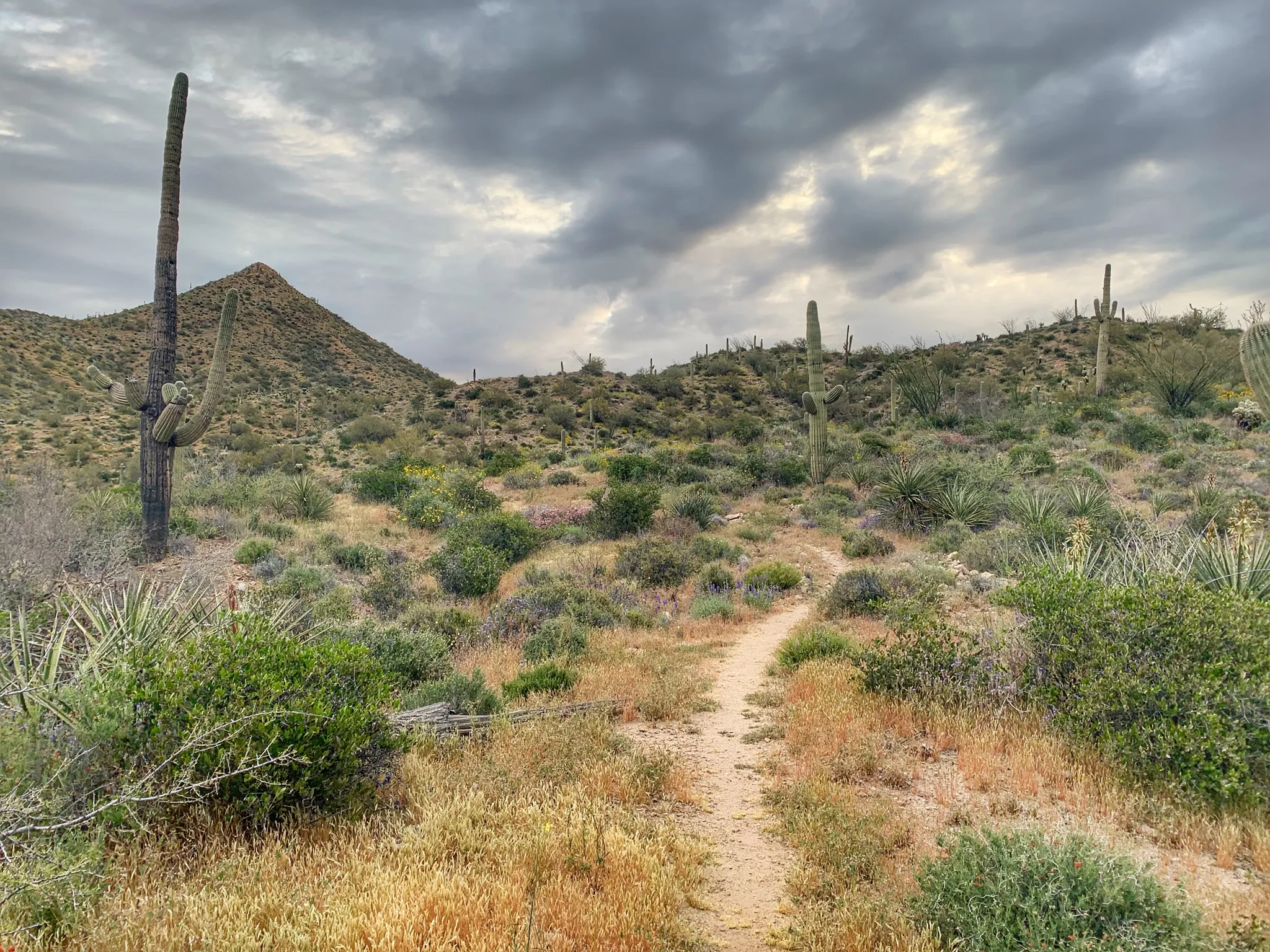
The Four Peaks Trail connects the Four Peaks ridge over to the Arizona Trail. This is a wilderness trail, so it is more primitive and less maintained than a lot of other hiking trails you might come across. A lot of the trail is in the open and offers views of the surrounding peaks and wilderness area.
0
0
The top of Browns Peak reaches up to 7,657 feet and is the tallest of the Four Peaks. It is also the northernmost peak in the Four Peaks grouping and the only summit with an actual trail that goes to the top. The hiking near the summit can be rocky and tough, but a lot of the approach trails are well-kept and great mountain trails.
0
0

From this point on the trail you have the best view of the four peaks that give the Four Peaks Wilderness its name. There are a few, but not too many places to rest as the trail is pretty narrow.
1
0
The top of Browns Peak reaches up to 7,657 feet and is the tallest of the Four Peaks. It is also the northernmost peak in the Four Peaks grouping and the only summit with an actual trail that goes to the top. The running near the summit can be rocky and tough, but a lot of the approach trails are well-kept and great mountain running trails.
0
0
There are a couple spots along this section of the Arizona Trail from which you can see the Four Peaks, which is what the Wilderness Area is named after. There are a lot of backcountry campsites on this section of the Arizona Trail, but it's also a pretty remote section so you likely won't see that many people.
0
1
Hiking northbound, this is where you leave the amazing Four Peaks Wilderness after you passed some sandstone formations. The next mountain range is the Mazatzal Wilderness – and also the last before you climb up the Mogollon Rim.
4
1
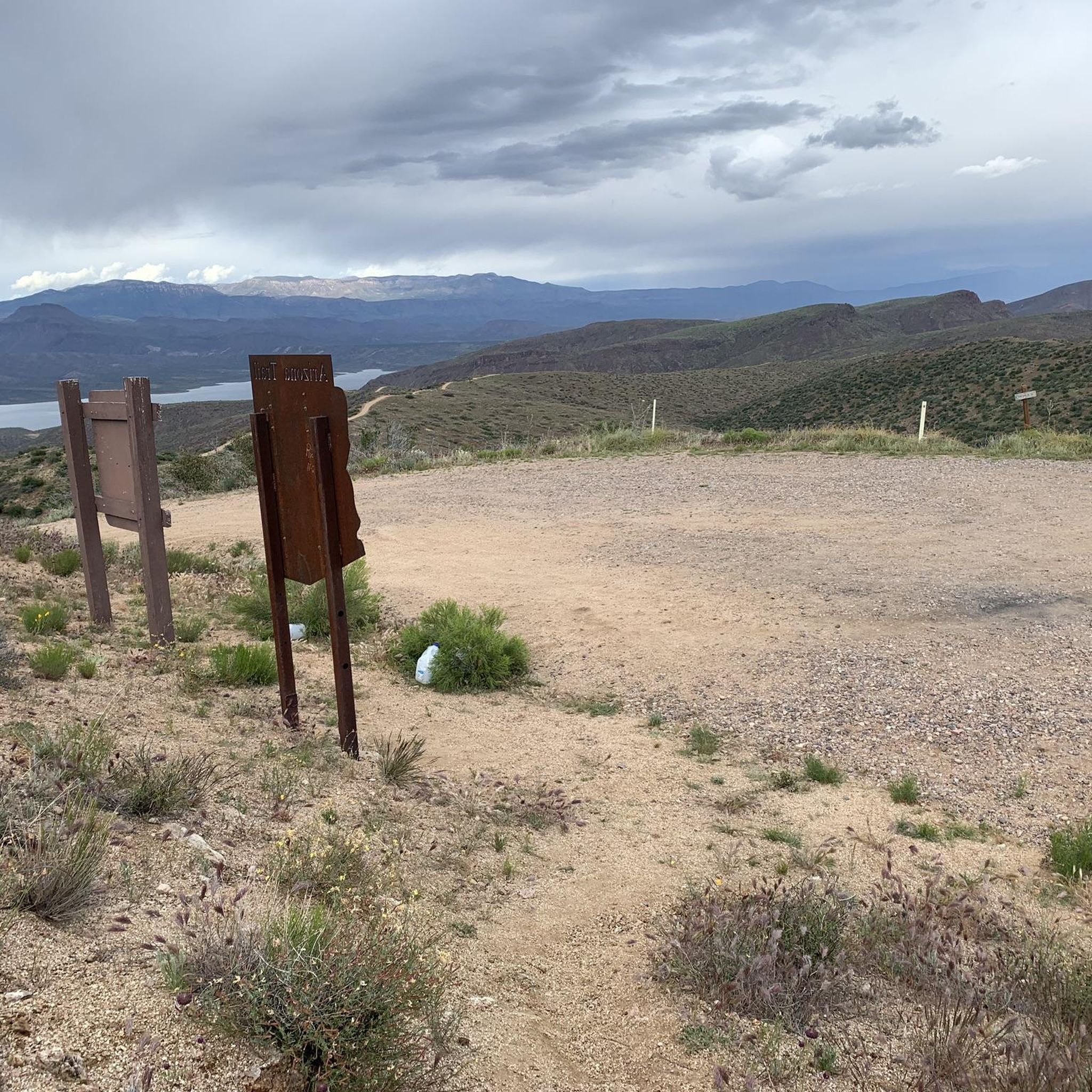
To reach this trailhead, you have to drive up Pigeon Springs Road, a backcountry road that will require 4x4. This is also a long section with roadwalk on the Arizona Trail, but with these great views it never gets boring.
2
0
From this point on the Arizona Trail, you have the best view of the four peaks that give the Four Peaks Wilderness its name.
5
2
Frequently Asked Questions
What is the best time of year to hike in the Four Peaks Wilderness?
The best seasons for hiking in Four Peaks are spring and fall, when temperatures are moderate. Winter can bring snow to the higher elevations, including the peaks, making trails icy and potentially impassable. Summer hikes are possible but should be started very early in the morning to avoid extreme heat, especially at lower elevations in the Sonoran Desert.
Are dogs allowed on the trails in Four Peaks Wilderness?
Yes, dogs are generally permitted on trails within the Four Peaks Wilderness, but they must be kept on a leash at all times. Be aware that the terrain is rugged and rocky, which can be tough on a dog's paws. Also, wildlife, including black bears and rattlesnakes, is common, so it's crucial to keep your dog close and under control.
Do I need a permit for hiking or backpacking in Four Peaks Wilderness?
No, permits are not required for day hiking or backpacking within the Four Peaks Wilderness area. However, if you plan to camp, you must follow the dispersed camping regulations of the Tonto National Forest. Always practice Leave No Trace principles to protect the natural environment.
How difficult are the hikes in this region?
The trails in Four Peaks Wilderness are generally considered rustic and challenging, best suited for experienced hikers. The terrain is rugged, with significant elevation changes and rocky paths. While there are some moderate options like the 10.1-mile Arizona Trail: North Four Peaks Wilderness, many routes are rated as difficult and require good fitness and navigation skills.
Are there reliable water sources on the trails?
No, water sources are scarce and often seasonal, so you should not rely on finding water during your hike. It is essential to carry all the water you will need for your entire trip. This is especially critical during the warmer months when dehydration is a significant risk.
What are the road conditions like getting to the trailheads?
Access roads to many trailheads, particularly those for climbing Brown's Peak, are often unpaved, rough, and rocky. A high-clearance 4WD vehicle is strongly recommended. The southern approach is known to be particularly rugged. Always check current road conditions before you go, as they can change due to weather.
Is it possible to go backpacking in the Four Peaks Wilderness?
Yes, backpacking is a great way to experience the area's remote beauty. The wilderness offers excellent opportunities for multi-day trips and dispersed camping. A good option for a long-distance trek is the Arizona Trail: Four Peaks Pass to Little Pine Flat, which covers over 15 miles. Remember to be fully self-sufficient with water, food, and navigation tools.
What kind of wildlife might I see?
The Four Peaks Wilderness is a 'sky island' ecosystem, supporting a rich diversity of wildlife. It's known for having one of the densest black bear populations in Arizona. You might also spot mule deer, javelina, coyotes, and ring-tailed cats. Keep a safe distance and never feed wildlife.
Can I hike to the Four Peaks Amethyst Mine?
While the Four Peaks Amethyst Mine is a famous feature of the area, hiking directly to it is generally not feasible for most visitors as it is on private property and the terrain is extremely difficult. The mine primarily offers access via helicopter tours. If you are an expert hiker, you may be able to arrange a guided hiking tour with the mine operators directly.
What do other hikers enjoy about the Four Peaks Wilderness?
The area is highly rated by the komoot community. Hikers frequently praise the stunning panoramic views from the peaks, which can stretch across a quarter of Arizona on a clear day. The sense of solitude and the true wilderness experience on rugged, uncrowded trails are also major highlights for visitors.
Are there any easier or family-friendly hikes in the area?
Most trails in the Four Peaks Wilderness are rugged and challenging. While there are a few routes rated as easy, the region is generally better suited for experienced hikers. For families or those seeking less strenuous walks, it's better to explore trails in the lower-elevation areas of the surrounding Tonto National Forest before attempting the high peaks.
What are some popular places for hiking in Four Peaks Wilderness?
The entire region is a popular destination for outdoor adventurers. Key spots include the main Four Peaks Wilderness Area, which is highly regarded for its extensive trail system. Many hikes begin from the Four Peaks Trail parking area, a well-known starting point. The ultimate goal for many is the Four Peaks Summit itself, offering unparalleled views after a challenging climb.
Most popular routes in Four Peaks Wilderness
Most popular attractions in Four Peaks Wilderness

Get inspired with the komoot mobile app


Explore more
Browse the best Hikes in other regions.
