The best walks and hikes in Lee Metcalf Wilderness
4.7
(23)
761
hikers
39
hikes
Hiking in Lee Metcalf Wilderness offers diverse landscapes across its approximately 259,000 acres in Southwest Montana. The region features a wide range of elevations, from 4,500 feet in canyon areas to over 11,000 feet on alpine peaks. Hikers will encounter rugged terrain, glacial formations, numerous lakes, and extensive forests. This wilderness area provides an untrammeled environment for outdoor exploration.
Best hiking trails in Lee Metcalf Wilderness
- The most popular hiking route is Lava Lake Trail — Lee Metcalf Wilderness,…
Last updated: July 22, 2026
1
hikers
7.70km
02:50
820m
0m
Moderate hike. Good fitness required. Easily-accessible paths. Suitable for all skill levels.
8.21km
02:58
830m
0m
Moderate hike. Good fitness required. Easily-accessible paths. Suitable for all skill levels.

Sign up for free
5.0
(6)
165
hikers
8.81km
03:44
470m
470m
Moderate hike. Good fitness required. Mostly accessible paths. Sure-footedness required.
5.0
(6)
160
hikers
9.79km
04:03
490m
490m
Moderate hike. Good fitness required. Mostly accessible paths. Sure-footedness required.
6
hikers
15.6km
05:18
820m
820m
Hard hike. Very good fitness required. Easily-accessible paths. Suitable for all skill levels.
Get access to more routes and recommendations from other explorers.
Sign up for free
Already have an account?
Our route recommendations are based on thousands of hikes, rides, and runs completed by other people on komoot.
Start today with a free account
Your next adventure awaits.
Login or Signup
Popular around Lee Metcalf Wilderness

Tips from the Community

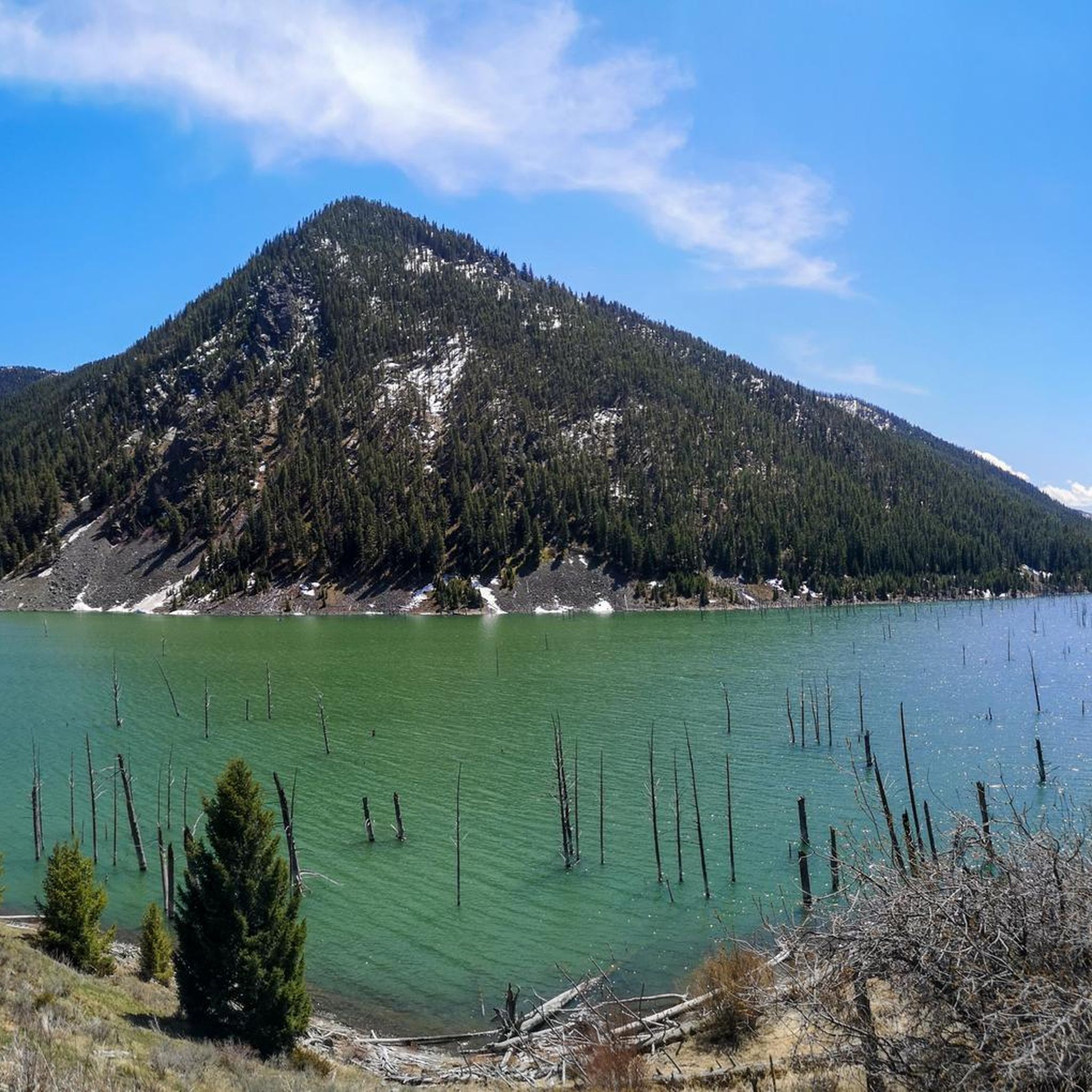
The Gallatin River lends its name to the surrounding mountain range and is a tributory of the Missouri River. Much of the scenery alongside the river is spectacular, with alpine and canyon landscapes to enjoy. This spot is the start of the Lava Lake Trail.
0
0
The Sphinx Mountain Trail gets up close and personal with two of the Madison Range's most conspicuous peaks. The saddle between the Helmet and the Sphinx provides glorious views and is well worth the trek. It's a bit of a scramble to the summit of the Sphinx but it rewards with a spectacular panorama.
0
0

Frequently Asked Questions
How many hiking trails are available in Lee Metcalf Wilderness?
The Lee Metcalf Wilderness offers a diverse network of over 25 hiking trails, catering to various skill levels. You'll find everything from moderate paths to challenging alpine ascents across its extensive terrain.
What is the best time of year to hike in Lee Metcalf Wilderness?
The prime hiking season generally runs from late spring through early fall when higher elevations are free of snow. However, the Bear Trap Canyon Unit, being at lower elevation, often provides year-round hiking opportunities due to less snowpack. Always check local conditions before heading out.
Are there easy or family-friendly hiking trails in Lee Metcalf Wilderness?
Yes, there are several trails suitable for families and those seeking an easier experience. For example, the Lava Lake Trail — Lee Metcalf Wilderness is a popular moderate route leading to a picturesque lake, ideal for a family outing. The wilderness has 3 trails rated as easy and 8 as moderate.
What kind of natural features can I expect to see while hiking?
Hikers in Lee Metcalf Wilderness will encounter a stunning array of natural features. The landscape is characterized by majestic peaks, evidence of past glaciation with alpine cirques and U-shaped valleys, and approximately 70 gem-like lakes, including Lava Lake and the Spanish Lakes. You'll also traverse thick forests, expansive meadows, and high alpine vegetation. Notable attractions include Beehive Basin Lake and Sentinel Creek.
Are dogs allowed on trails in Lee Metcalf Wilderness?
Yes, dogs are generally allowed in the Lee Metcalf Wilderness. However, as a designated wilderness area, specific regulations regarding leash laws and waste removal apply to protect wildlife and preserve the natural environment. Always practice Leave No Trace principles and ensure your dog is under control.
What wildlife might I encounter on the trails?
The Lee Metcalf Wilderness is part of the Greater Yellowstone Ecosystem and is rich in wildlife. Hikers may spot grizzly bears, black bears, moose, elk, cougars, wolves, mountain goats, bighorn sheep, and bald eagles. The Bear Trap Canyon Unit is uniquely known for being a habitat shared by both rattlesnakes and moose.
Are there any loop trails in Lee Metcalf Wilderness?
While many trails are out-and-back, some sections or combinations of trails can form loop opportunities, particularly in the more extensive units. It's recommended to consult detailed maps or komoot tours to plan specific loop routes that match your desired distance and difficulty.
Do I need a permit to hike in Lee Metcalf Wilderness?
Generally, day hiking in the Lee Metcalf Wilderness does not require a permit. However, if you plan on overnight backpacking or specific activities like horse packing, permits may be necessary. Always check with the managing agencies (Forest Service or BLM) for the most current regulations before your trip.
What are the parking options for trailheads?
Access to the Lee Metcalf Wilderness is available from 28 different trailheads, each typically having designated parking areas. These trailheads are spread across the four units of the wilderness. Specific parking availability and conditions can vary, so it's advisable to research the trailhead for your chosen route in advance.
Is public transportation available to reach the trailheads?
Public transportation options directly to the remote trailheads of the Lee Metcalf Wilderness are very limited or non-existent. Visitors typically rely on personal vehicles to access the various entry points. Some private shuttle services might operate from nearby towns like Bozeman or Big Sky, but these are not standard public transport.
What towns are near Lee Metcalf Wilderness for amenities?
The Lee Metcalf Wilderness is accessible from several nearby towns that offer amenities. Bozeman and Big Sky are prominent options, providing a range of accommodations, cafes, restaurants, and outdoor gear shops. These towns serve as excellent bases for exploring the wilderness.
What is the highest point I can reach on a hike?
The wilderness encompasses a remarkable range of elevations, with Hilgard Peak being the highest point at 11,316 feet. While reaching the summit of Hilgard Peak is a challenging endeavor, many trails lead to other towering peaks like Sphinx Mountain and The Helmet, offering incredible alpine views.
What makes the Bear Trap Canyon Unit unique for hiking?
The Bear Trap Canyon Unit is notable as the first BLM-managed wilderness in the nation. It offers a scenic 9-mile trail along the Madison River, dramatic 1500-foot cliffs, and exciting whitewater rapids. Its lower elevation also makes it more accessible for hiking year-round compared to other units.
Most popular attractions in Lee Metcalf Wilderness

Get inspired with the komoot mobile app


Explore more
Browse the best Hikes in other regions.
