The best running trails in Maroon Bells-Snowmass Wilderness
4.4
(7)
605
runners
84
runs
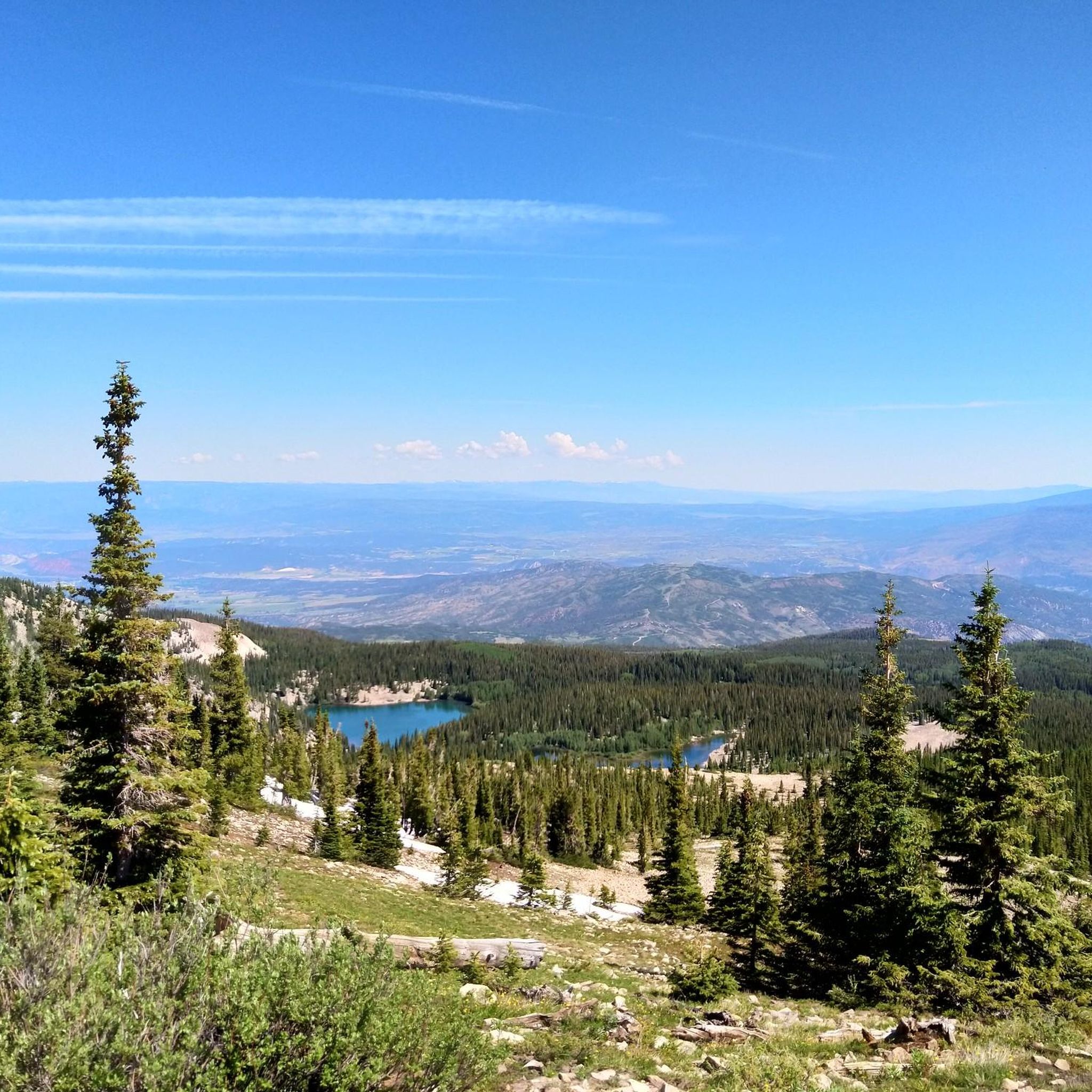
Jogging in Maroon Bells-Snowmass Wilderness offers routes through a high-altitude alpine environment, characterized by rugged peaks, pristine lakes, and dense forests. The region features significant elevation changes, providing challenging running experiences across its varied terrain. Trails often traverse remote valleys and ascend to scenic mountain passes. The landscape is primarily mountainous, with a mix of forested sections and open areas above the tree line.
Best jogging routes in Maroon Bells-Snowmass Wilderness
- The most popular jogging route is Four Pass Loop…
Last updated: May 11, 2026
38
runners
42.4km
07:09
2,230m
2,230m
Hard run. Very good fitness required. Sure-footedness, sturdy shoes and alpine experience required.
14
runners
5.88km
00:57
210m
210m
Hard run. Good fitness required. Sure-footedness, sturdy shoes and alpine experience required.

Sign up for free
8
runners
20.0km
02:53
830m
830m
Hard run. Very good fitness required. Mostly paved surfaces. Suitable for all skill levels.
7
runners
27.1km
03:15
790m
790m
Hard run. Very good fitness required. Mostly paved surfaces. Suitable for all skill levels.
5
runners
18.0km
03:36
1,390m
1,390m
Hard run. Very good fitness required. Sure-footedness, sturdy shoes and alpine experience required.
Get access to more routes and recommendations from other explorers.
Sign up for free
Already have an account?
Our route recommendations are based on thousands of hikes, rides, and runs completed by other people on komoot.
Start today with a free account
Your next adventure awaits.
Login or Signup
Other adventures in Maroon Bells-Snowmass Wilderness

Tips from the Community

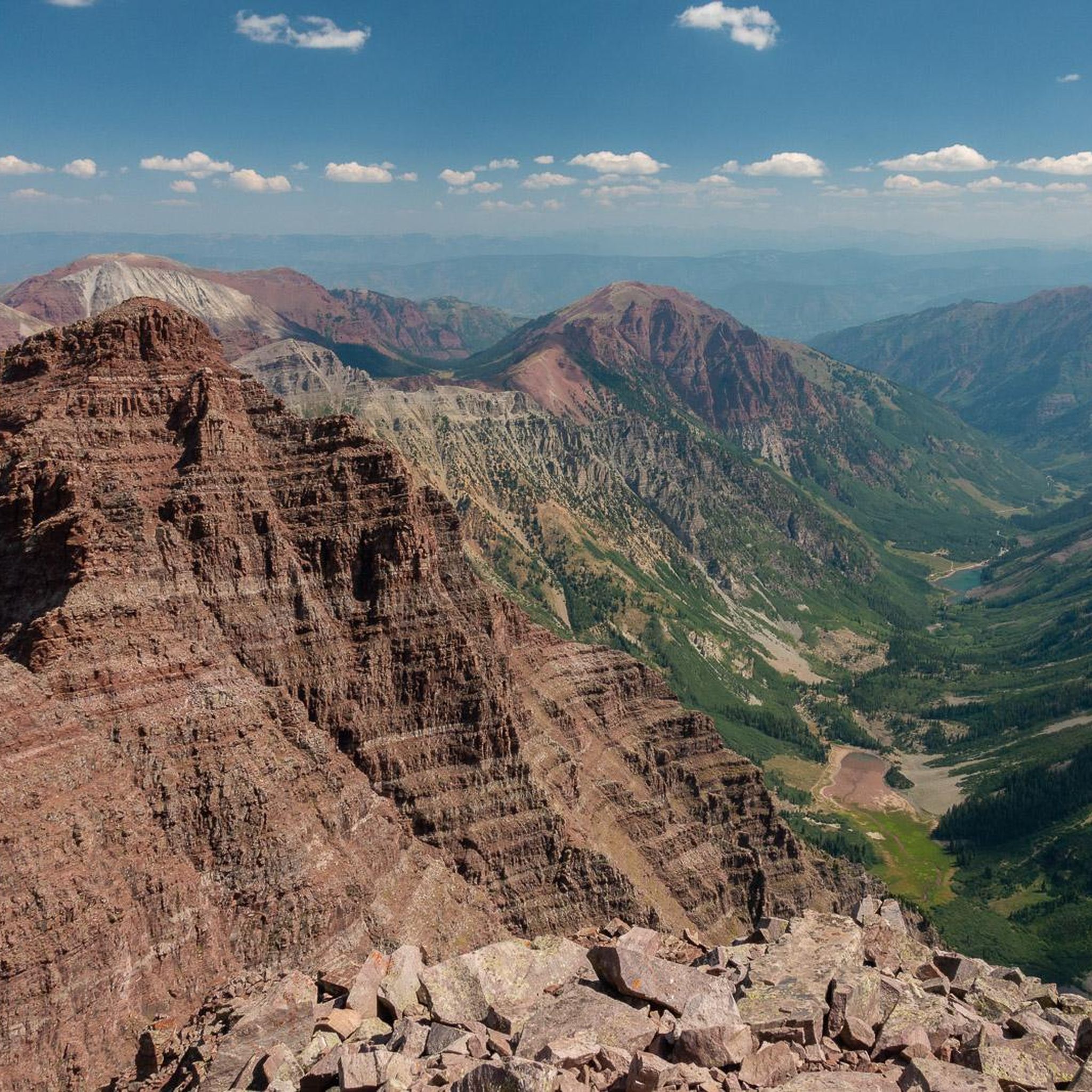
At over 12,500 feet, the air is thin. Once you reach the top, the reward is a breathtaking, 360-degree panorama. The view looking down at Crater Lake and the iconic Maroon Bells is a sight you will never forget.
0
0
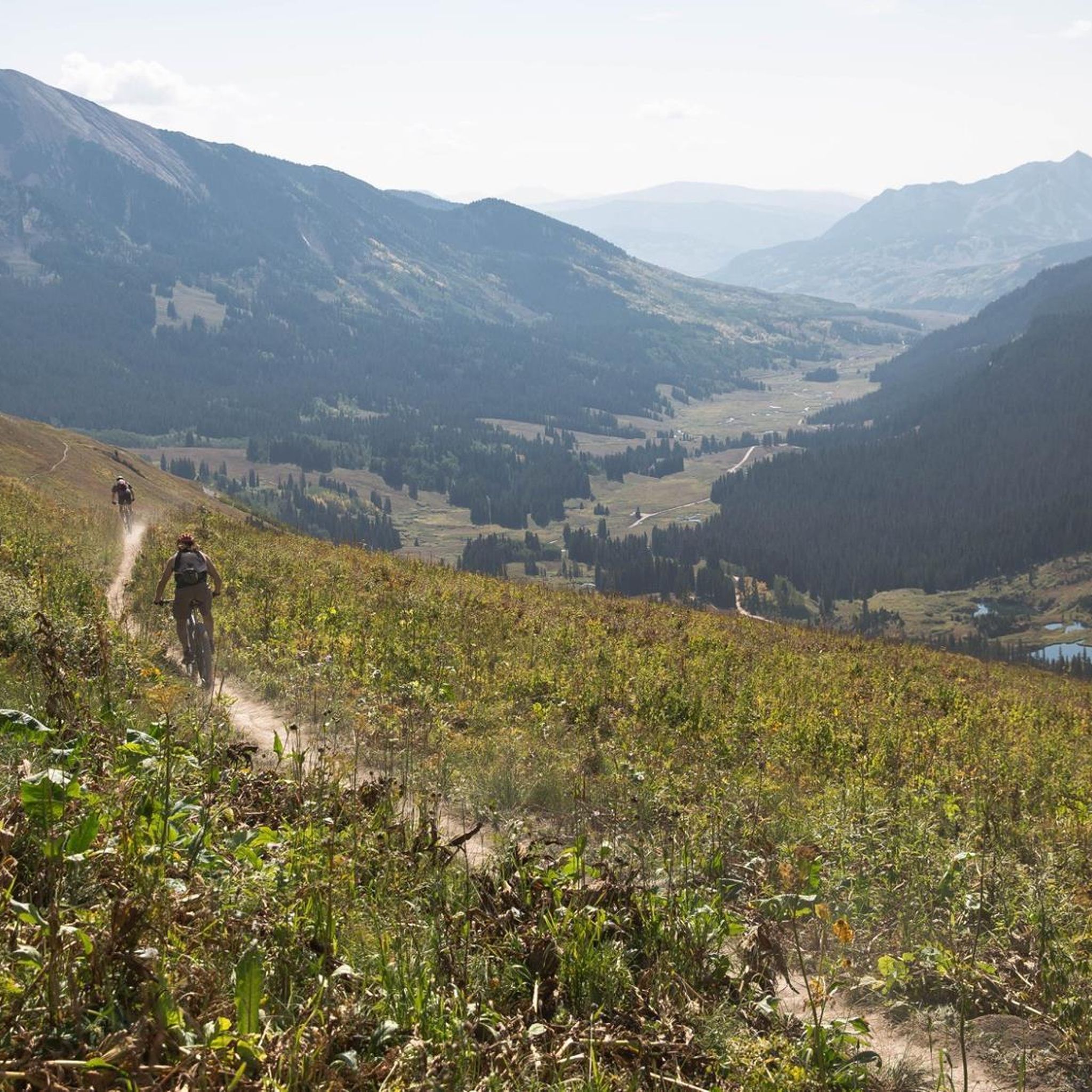
The pass gets its name for a reason—even on a warm day, you can expect strong, frigid winds at the top. You’ll be looking down on both the Crystal River Valley and the vast basins to the west. Watch your step as you go down the south side.
0
0
At over 12,400 feet, the pass is often windy and cold, even on a sunny day, but the views from the top are your ultimate reward. You'll get a perfect, bird's-eye view of Snowmass Lake, a stunning emerald jewel nestled in the valley below.
0
0
The altitude here is over 12,000 feet, so be mindful of your breathing and the thinner air. You want to get here early in case of afternoon thunderstorms. You'll be rewarded with a spectacular view of the Maroon Bells and Pyramid Peak.
0
0

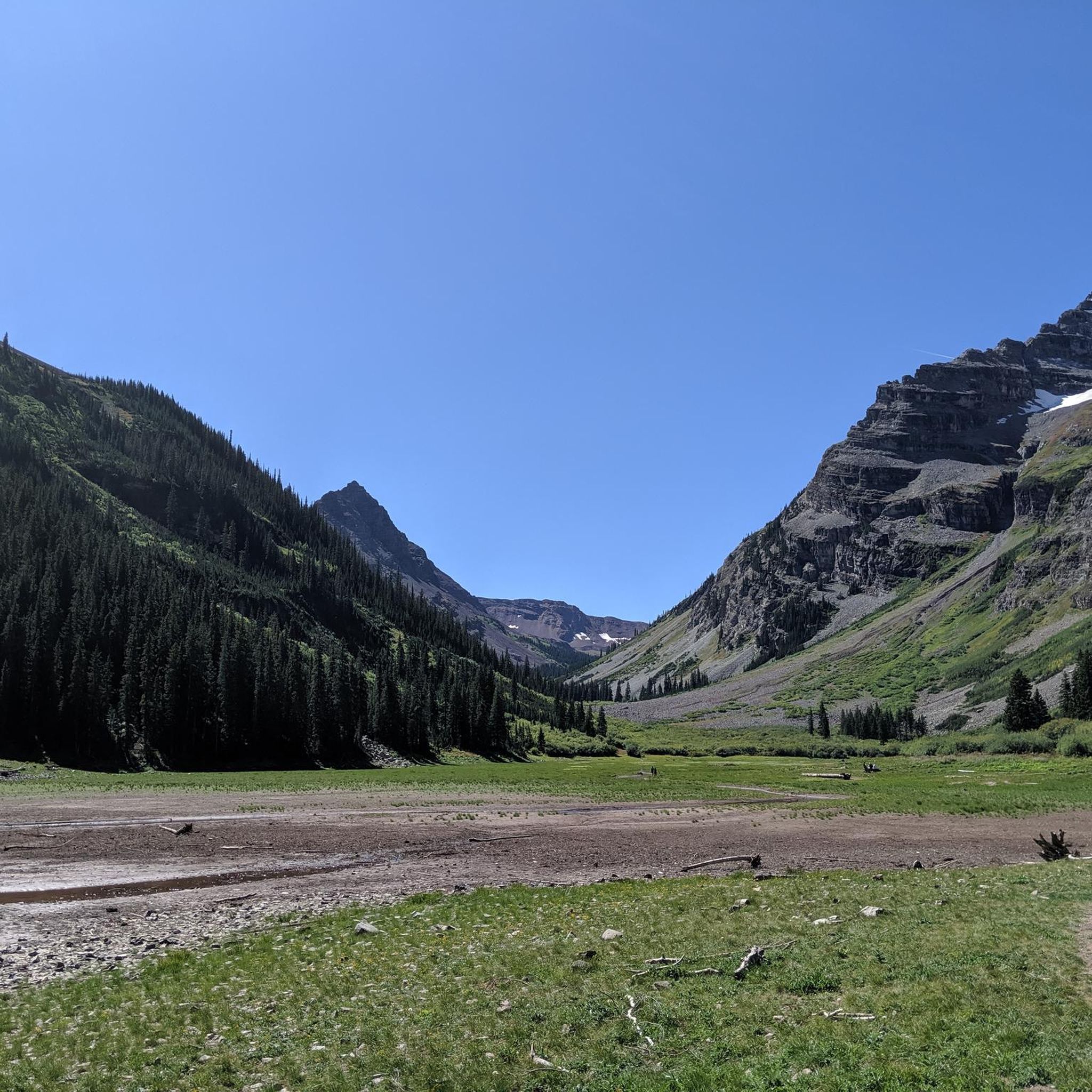
There are a lot of Crater Lakes in the United States. The best known is found in the state of Oregon. This one offers the particularity of drying up, if it is not supplied with water from mountain rivers and glaciers.
0
0
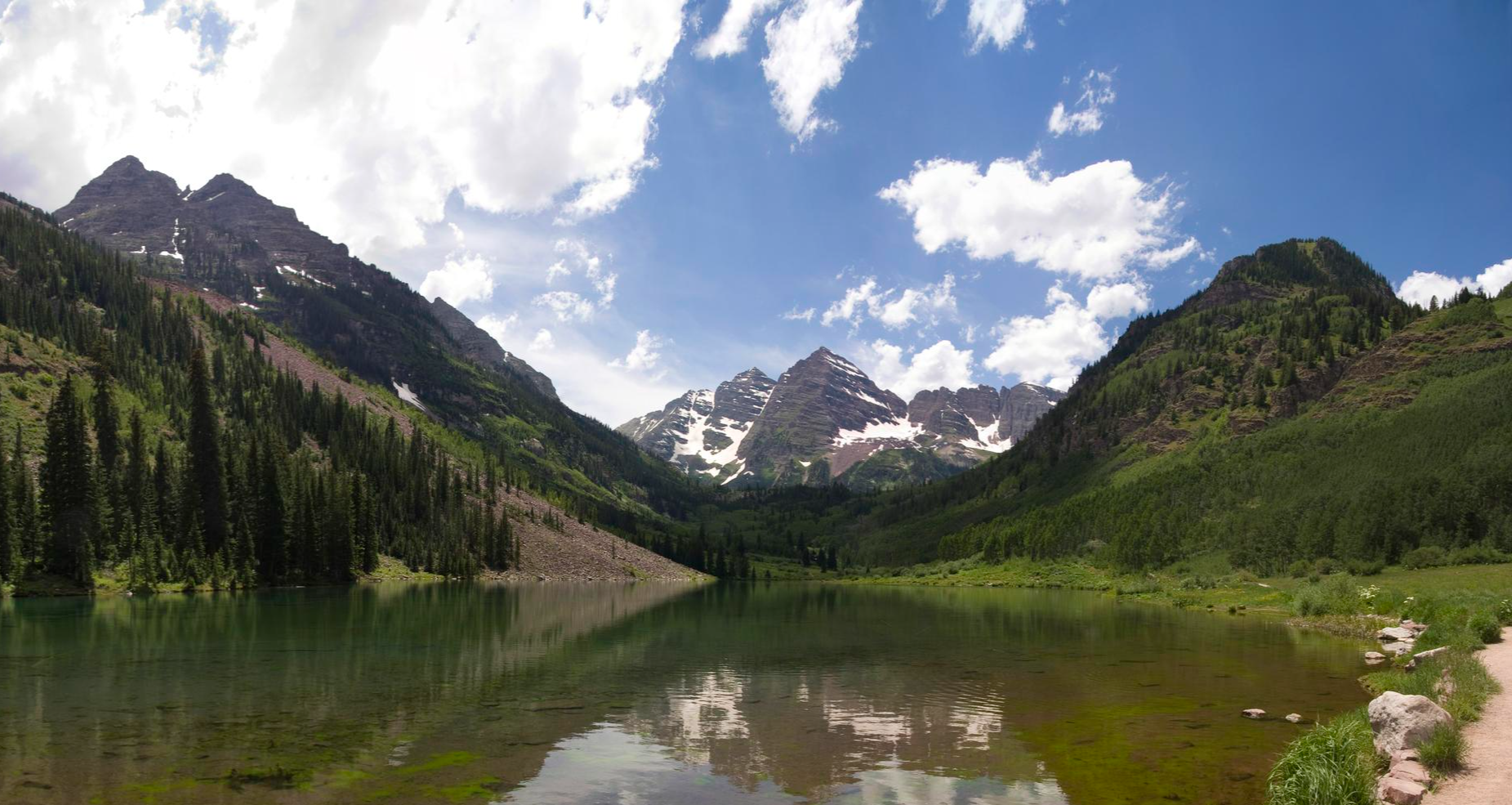
Maroon Lake, near Aspen, is undoubtedly one of the most photographed landscapes of the Rocky Mountains of Colorado. It occupies a basin dug by glaciers during a glaciation, and later closed by a dam naturally formed during landslides and rock falls from the slopes upstream.
2
0
Frequently Asked Questions
How many running trails are available in Maroon Bells-Snowmass Wilderness?
The Maroon Bells-Snowmass Wilderness offers a substantial network of over 70 running trails. These routes cater to various fitness levels, with 3 easy, 29 moderate, and 42 difficult options, ensuring a diverse experience for all runners.
Are there any easy or beginner-friendly jogging routes in the Maroon Bells-Snowmass Wilderness?
While many routes in the Maroon Bells-Snowmass Wilderness are challenging due to significant elevation changes, there are a few easier options. The guide identifies 3 routes suitable for beginners or those looking for a less strenuous run. These typically feature gentler inclines and shorter distances.
What kind of scenery can I expect along the running trails in Maroon Bells-Snowmass Wilderness?
Jogging in Maroon Bells-Snowmass Wilderness immerses you in a high-altitude alpine environment. You'll encounter rugged peaks, pristine lakes like Crater Lake and Thomas Lakes, and dense forests. Many trails also lead to scenic mountain passes such as Trail Rider Pass or West Maroon Pass, offering expansive views.
Are there any loop or circular running routes in the area?
Yes, the Maroon Bells-Snowmass Wilderness is known for its iconic loop trails. One of the most popular and challenging is the Four Pass Loop, a 26.4-mile route that navigates high mountain passes and offers extensive alpine scenery. Many other trails also offer opportunities for creating shorter loops or out-and-back runs.
What is the best time of year for running in Maroon Bells-Snowmass Wilderness?
The best time for running in Maroon Bells-Snowmass Wilderness is typically from late spring through early fall (June to September). During these months, trails are generally free of snow, and the weather is more predictable. However, always check current conditions as high-altitude weather can change rapidly.
Are dogs allowed on the jogging trails?
Generally, dogs are permitted on trails in the Maroon Bells-Snowmass Wilderness, but they must be kept on a leash to protect wildlife and ensure a pleasant experience for all users. Always practice Leave No Trace principles, including packing out all pet waste. Specific regulations may apply to certain areas or during certain times, so it's always best to check local signage.
Are there any family-friendly running routes suitable for children?
For families, consider routes with less elevation gain and shorter distances. While many trails are difficult, some sections of the more popular routes, like the initial part of the Maroon-Snowmass Trail to Crater Lake, can be enjoyed by families looking for a scenic, shorter outing before turning back.
What are the parking options for accessing the running trails?
Parking availability varies by trailhead. Popular trailheads, especially those leading to the Maroon Bells area, often require reservations or have shuttle bus systems in place during peak season. For other trailheads like Capitol Creek Trail or Conundrum Creek Trail, parking lots are available but can fill up quickly, especially on weekends. It's advisable to arrive early or consider carpooling.
Are there any less crowded running routes to explore?
To avoid crowds, especially during peak season, consider exploring trails that are longer or require more effort, as these tend to filter out casual visitors. Routes like the Maroon Peak Trail, while challenging, can offer a more solitary experience compared to the most popular spots. Early mornings or weekdays are also good times to find quieter trails.
What do other runners enjoy most about jogging in Maroon Bells-Snowmass Wilderness?
The area is highly rated by the komoot community, with an average score of 4.7 stars. Reviewers often praise the stunning alpine scenery, the challenge of the high mountain passes, and the sense of wilderness immersion. The diverse terrain, from dense forests to open alpine meadows, is also frequently highlighted as a major draw.
Are permits required for jogging or overnight stays in the Maroon Bells-Snowmass Wilderness?
Yes, permits are often required for overnight stays in the Maroon Bells-Snowmass Wilderness, especially for popular areas like the Four Pass Loop or Conundrum Hot Springs. While day-use permits for jogging are not always necessary, specific areas or shuttle services might require reservations or fees. Always check the latest regulations with the U.S. Forest Service or local authorities before your visit.
What are the typical elevation gains on running routes in this wilderness area?
Running routes in Maroon Bells-Snowmass Wilderness are characterized by significant elevation changes. Even shorter, difficult trails can have hundreds of meters of ascent, while longer routes like the Four Pass Loop feature over 2,200 meters (7,200 feet) of elevation gain. Runners should be prepared for strenuous climbs and descents.
Most popular routes in Maroon Bells-Snowmass Wilderness
Most popular attractions in Maroon Bells-Snowmass Wilderness

Get inspired with the komoot mobile app


Explore more
Browse the best Running Trails & Routes in other regions.
