Attractions and Places To See in Pecos Wilderness - Top 9
Best attractions and places to see in Pecos Wilderness include a rugged mountain landscape within the Sangre de Cristo Mountains, featuring elevations ranging from 8,400 feet to over 13,000 feet. This area is characterized by deep canyons, broad mesas, forested slopes, and alpine peaks. The wilderness is home to numerous high-altitude lakes and the Pecos River, known for trout fishing. Over 250 miles of trails provide access to its natural features.
Best attractions and places to see in Pecos Wilderness
- The most popular attractions is Hermit's Peak Trail, a trail that passes first through forested, then rocky areas. This challenging trail offers viewpoints and leads to a summit.
- Another must-see spot is Nambe Lake, a lake that is a popular destination for a hike into the backcountry. It is known for its alpine landscape within the Santa Fe National Forest.
- Visitors also love Winsor Trail, a trail that is the main access trail to Nambe Lake. Its shaded sections make it suitable for hiking.
- Pecos Wilderness is known for its mountain peaks, alpine lakes, and extensive hiking trails. Visitors can explore a variety of natural landscapes and challenging routes.
- The attractions in Pecos Wilderness are appreciated by the komoot community, with 4 upvotes and 3 photos shared.
Last updated: July 12, 2026
Winsor Trail
Highlight • Trail
Tip by

Nambe Lake
Highlight • Lake
Tip by
Sign up now to discover places like this
Get recommendations on the best single tracks, peaks, & plenty of other exciting outdoor places.
Sign up for free
Lake Katherine
Highlight • Lake
Tip by

Tesuque Peak
Highlight • Summit
Tip by

Santa Fe Baldy
Highlight • Summit
Tip by

Sign up for free to discover even more attractions in Pecos Wilderness.
Sign up for free
Already have an account?
Start today with a free account
Your next adventure awaits.
Login or Signup


Other adventures in Pecos Wilderness

Tips from the Community

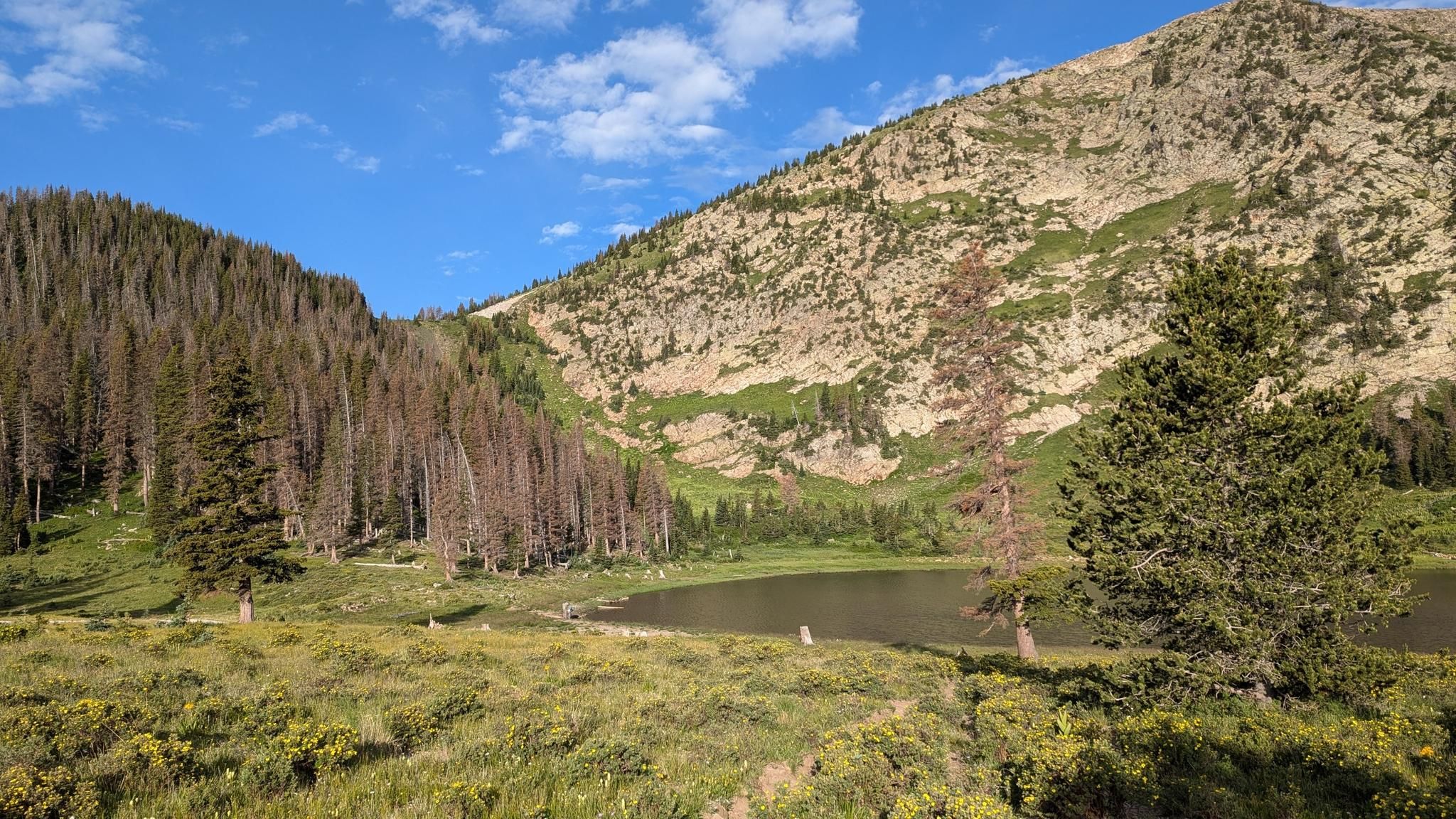
Nestled beneath the rugged cliffs of Santa Fe Baldy, Lake Katherine is one of the most iconic alpine lakes in the Pecos Wilderness. Reached via the Winsor Trail, the final ascent opens onto a glacial cirque where turquoise waters mirror the surrounding peaks. Campsites dot the nearby forest, offering a peaceful overnight setting. At over 11,700 feet, it’s a high-altitude gem that rewards the climb with unforgettable views.
0
0

At 12,047 feet, Tesuque Peak is one of the tallest mountains in the Sangre de Cristo Range in New Mexico. The peak reaches above treeline, and you get to share the summit with some radio and cell towers.
0
0
At 12,047 feet, Tesuque Peak is one of the tallest mountains in the Sangre de Cristo Range in New Mexico. The peak reaches above treeline, and you get to share the summit with some radio and cell towers.
0
0

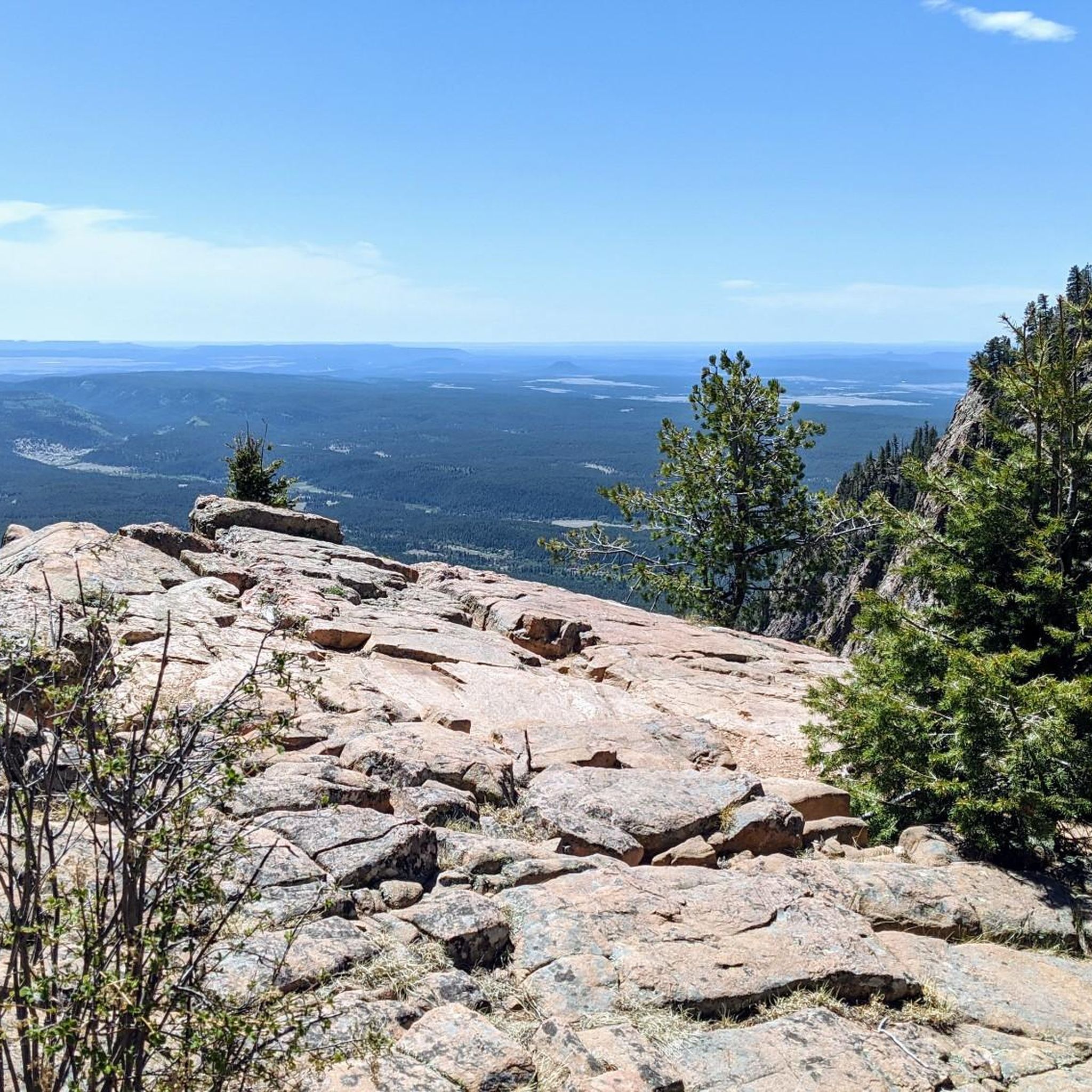
Santa Fe Baldy sits among the Sangre de Christo Range and is the tallest mountain near Santa Fe. At 12,622 feet, the summit offers beautiful views of the Pecos Wilderness, the Rio Grande valley and the Jemez Mountains.
0
0

Winsor Trail is the main access trail to get to Nambe Lake. Due to its nicely shaded run, it is a great hike even during the heat of the summer.
2
0
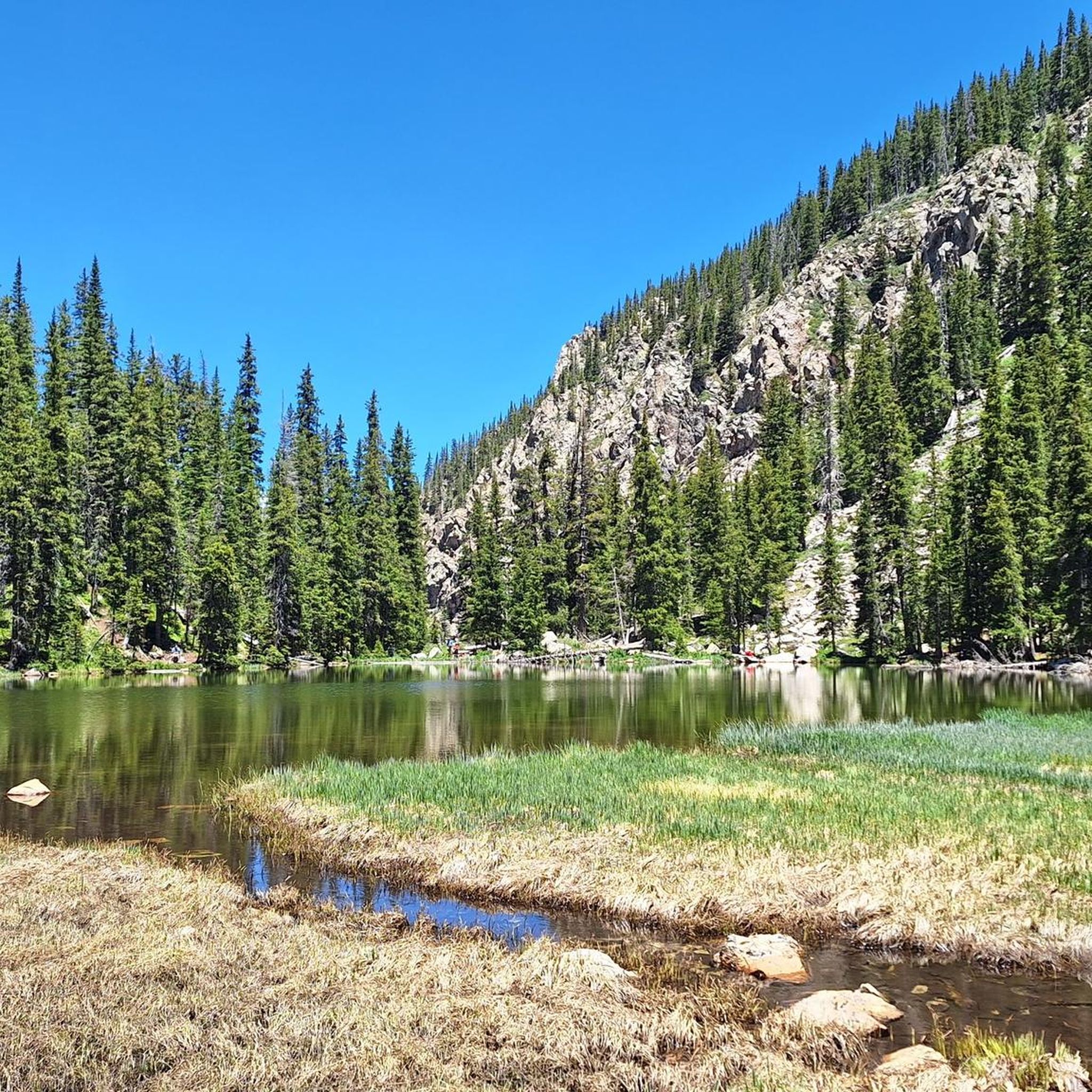
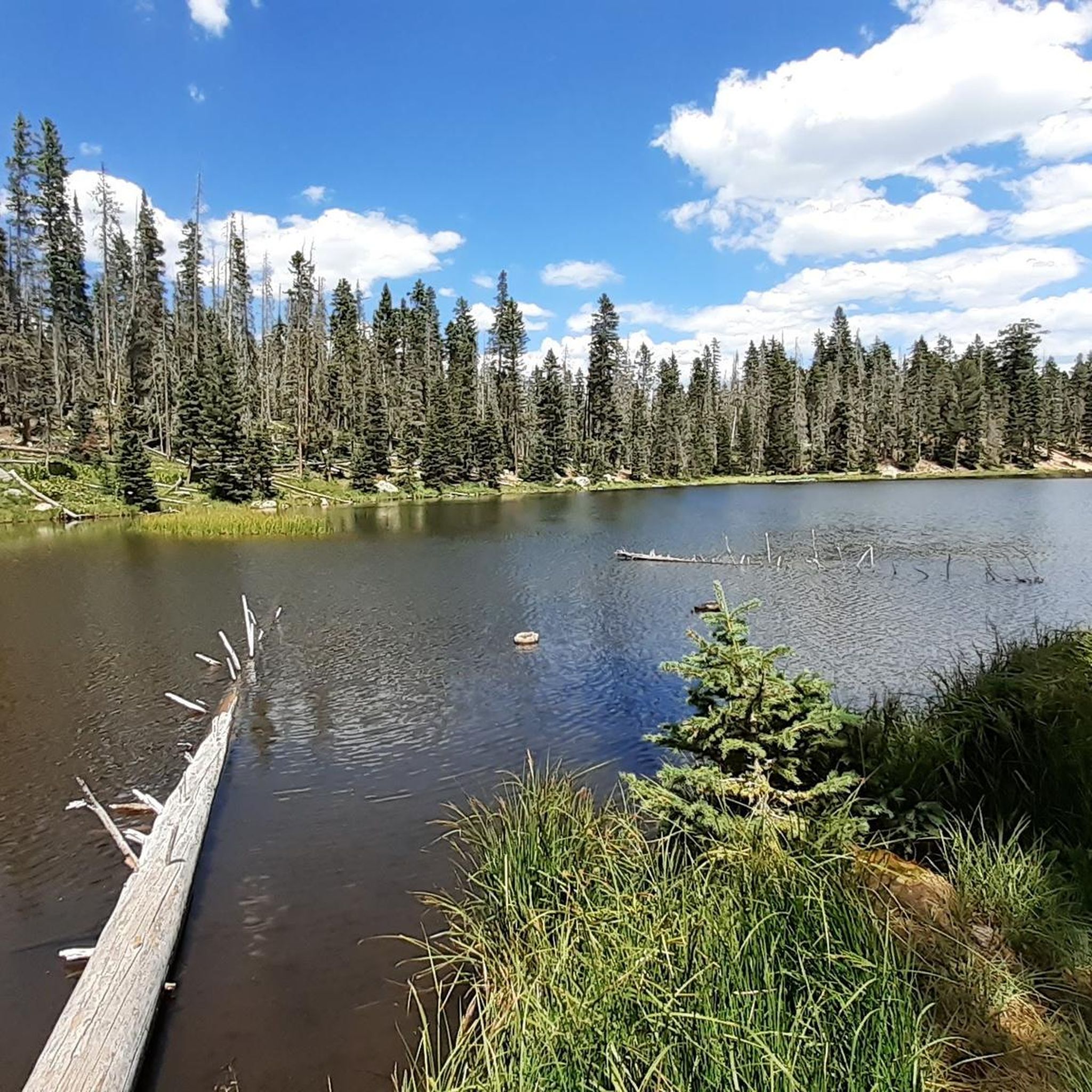
Located in the heart of the Santa Fe National Forest, Nambe Lake is a popular destination for a hike into the backcountry – and for good reason! The alpine landscape is a true gem and a great change from the desert scenery of New Mexico.
4
0
Frequently Asked Questions
What are some of the most popular hiking trails in the Pecos Wilderness?
The Pecos Wilderness offers over 250 miles of trails. Among the most popular are Hermit's Peak Trail, known for its challenging ascent and viewpoints, and Winsor Trail, which provides shaded sections and serves as a main access point to Nambe Lake. Jack's Creek Trail is also a favorite, leading through forests and meadows towards alpine terrain near Pecos Baldy Lake.
Which mountain peaks offer the best views in the Pecos Wilderness?
For panoramic vistas, consider hiking to Tesuque Peak, one of the tallest mountains in the Sangre de Cristo Range, reaching above treeline at 12,047 feet. Other notable peaks include Truchas Peaks, the second-highest point in New Mexico, Santa Fe Baldy, and Pecos Baldy, all offering expansive wilderness views.
Are there any notable alpine lakes to visit in the Pecos Wilderness?
Yes, the wilderness is dotted with stunning high-altitude lakes. Nambe Lake is a popular backcountry destination known for its beautiful alpine landscape. Other serene lakes include Pecos Baldy Lake, Stewart Lake (famous for summer wildflowers), Spirit Lake for solitude, and Monastery Lake, which is well-stocked for fishing.
What historical or cultural sites can I explore near the Pecos Wilderness?
Just outside the wilderness, you can visit the Pecos National Historical Park. This significant site preserves the ruins of Pecos Pueblo and Spanish colonial missions, offering insights into over 10,000 years of human culture. You can walk the Ancestral Sites Trail, see the remains of two mission churches, and explore the Glorieta Pass Battlefield, a key Civil War site.
What kind of wildlife can I expect to see in the Pecos Wilderness?
The Pecos Wilderness is rich in diverse wildlife. Visitors often spot elk, deer, black bears, mountain lions, and coyotes. It's also home to various bird species and one of America's healthiest herds of Rocky Mountain bighorn sheep.
Are there family-friendly hiking options in the Pecos Wilderness?
While many trails are challenging, some sections or shorter routes can be suitable for families. For example, the Waterfall Trail near Hyde Memorial State Park is an easy option. When planning, look for trails described as 'easy' or 'moderate' and consider the elevation gain and distance. Always check current trail conditions before heading out.
What is the best time of year to visit the Pecos Wilderness?
The best time to visit the Pecos Wilderness for hiking and outdoor activities is typically from late spring through early fall (May to October). During these months, trails are generally clear of snow, and the weather is more favorable. Summer brings wildflowers, while fall offers stunning autumn foliage. Winter conditions can be harsh, with heavy snow and challenging access.
What are some other outdoor activities available near the Pecos Wilderness attractions?
Beyond hiking, the Pecos Wilderness and surrounding areas offer excellent opportunities for cycling and mountain biking. You can find various routes for touring bicycles and mountain bikes. For specific routes and details, explore the Cycling in Pecos Wilderness guide or the MTB Trails in Pecos Wilderness guide.
Are there any waterfalls in the Pecos Wilderness?
Yes, the diverse scenery of the Pecos Wilderness includes impressive waterfalls, some reaching 100 feet. You can find specific routes that highlight these natural features. For more information on trails leading to waterfalls, check out the Waterfall hikes in Pecos Wilderness guide.
What are the regulations for bringing dogs on trails in the Pecos Wilderness?
Dogs are generally permitted in the Pecos Wilderness, but they must be kept on a leash to protect wildlife and ensure a pleasant experience for all visitors. Always practice Leave No Trace principles, including packing out all pet waste. Check with the Santa Fe National Forest or Carson National Forest for any specific, updated regulations before your visit.
Where can I find camping facilities or accommodation near the Pecos Wilderness?
Popular bases for accessing wilderness trails include Jack's Creek Campground and Holy Ghost Campground, both offering camping facilities. Pecos Canyon State Park also provides opportunities for camping. For more extensive amenities, the city of Santa Fe is a short drive away, offering a wider range of accommodation, cafes, and restaurants.
What are the permit requirements for hiking or backpacking in the Pecos Wilderness?
Generally, permits are not required for day hiking in the Pecos Wilderness. However, for overnight backpacking trips, a free wilderness permit is typically required. These permits can often be obtained at trailheads or ranger stations. It's always best to check with the local Forest Service office (Santa Fe National Forest or Carson National Forest) for the most current regulations and any specific area restrictions before your trip.
Most popular routes in Pecos Wilderness
Most popular attractions in Pecos Wilderness

Get inspired with the komoot mobile app


