The 3 Most Amazing Peaks in Pecos Wilderness
Best mountain peaks in Pecos Wilderness are found within a high-elevation expanse in the Sangre de Cristo Mountains of north-central New Mexico. This wilderness features diverse landscapes, including deep canyons, broad mesas, forested slopes, and alpine tundra. The area is known for its impressive peaks exceeding 12,000 feet (3,700 m) in elevation. Hikers and backpackers visit for expansive views, alpine lakes, and abundant wildlife.
Best mountain peaks in Pecos Wilderness
- The most popular mountain peaks is Hermit's Peak Trail,…
Last updated: July 12, 2026
Tesuque Peak
Highlight • Summit
Tip by

Santa Fe Baldy
Highlight • Summit
Tip by

Sign up now to discover places like this
Get recommendations on the best single tracks, peaks, & plenty of other exciting outdoor places.
Sign up for free
Hermit's Peak Trail
Highlight (Segment) • Trail
Tip by

Deception Peak
Highlight • Summit
Tip by
Overlook from the Hamilton Mesa
Highlight • Viewpoint
Tip by
Start today with a free account
Your next adventure awaits.
Login or Signup


Other adventures in Pecos Wilderness

Tips from the Community

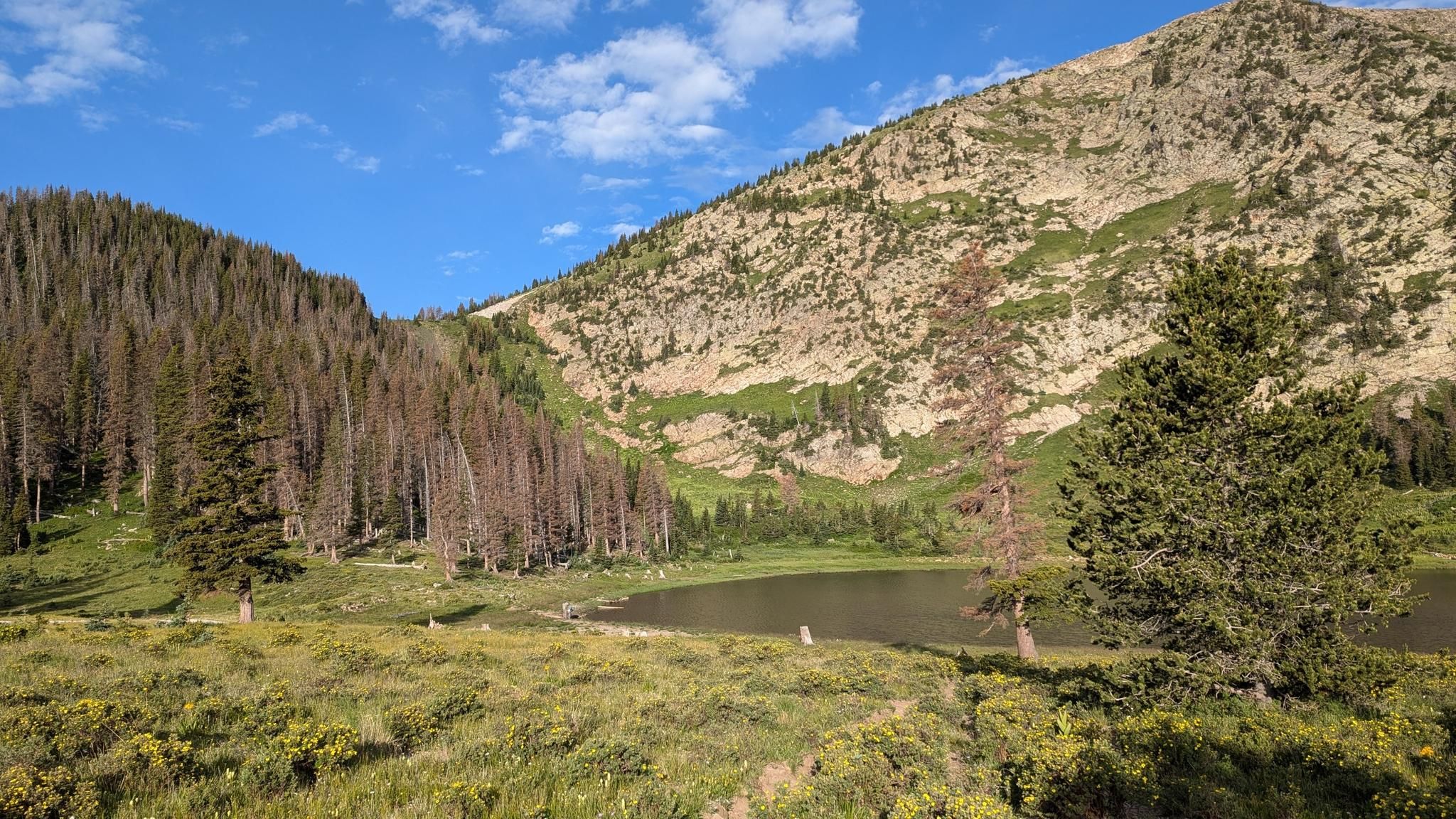
At 12,047 feet, Tesuque Peak is one of the tallest mountains in the Sangre de Cristo Range in New Mexico. The peak reaches above treeline, and you get to share the summit with some radio and cell towers.
0
0
At 12,047 feet, Tesuque Peak is one of the tallest mountains in the Sangre de Cristo Range in New Mexico. The peak reaches above treeline, and you get to share the summit with some radio and cell towers.
0
0

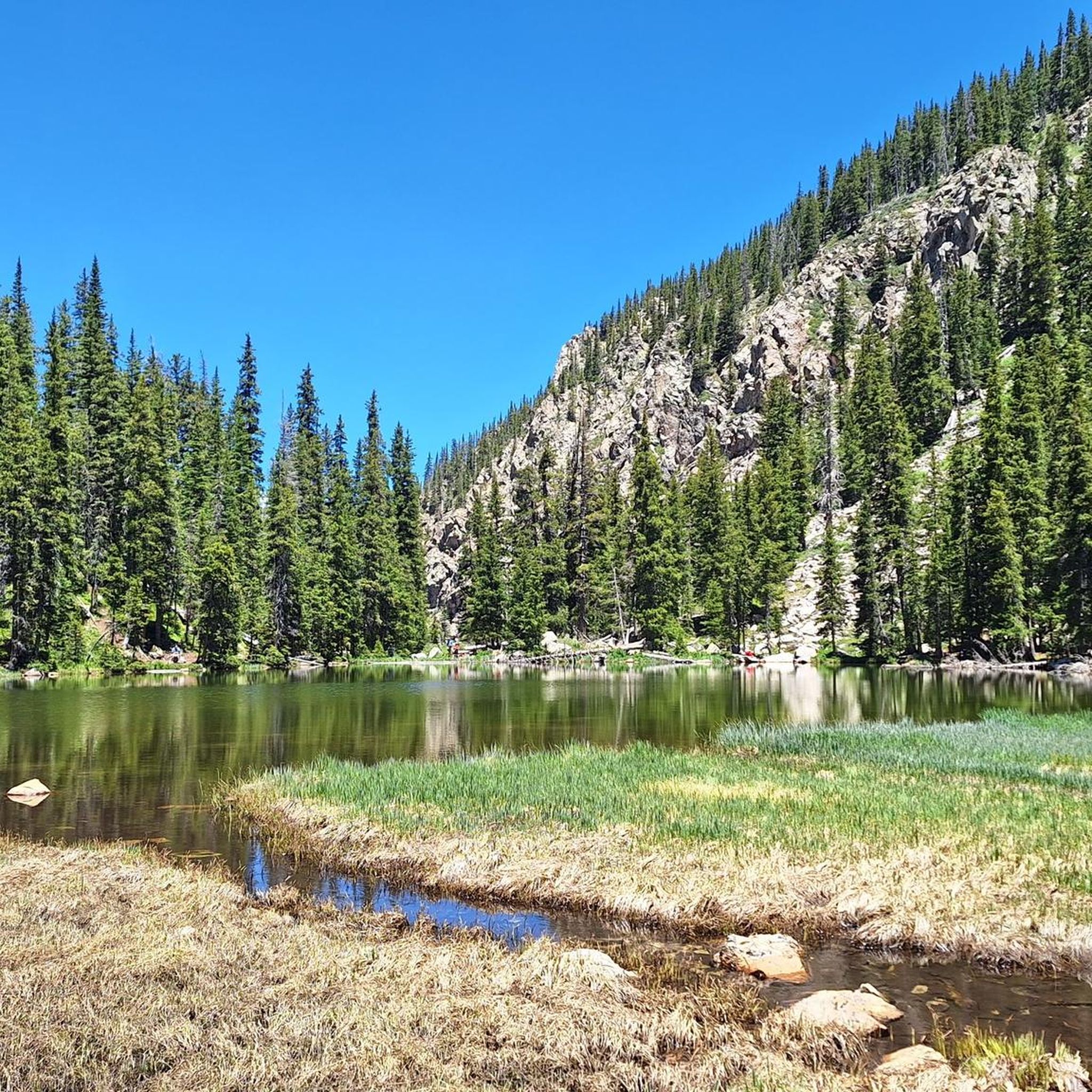
Santa Fe Baldy sits among the Sangre de Christo Range and is the tallest mountain near Santa Fe. At 12,622 feet, the summit offers beautiful views of the Pecos Wilderness, the Rio Grande valley and the Jemez Mountains.
0
0
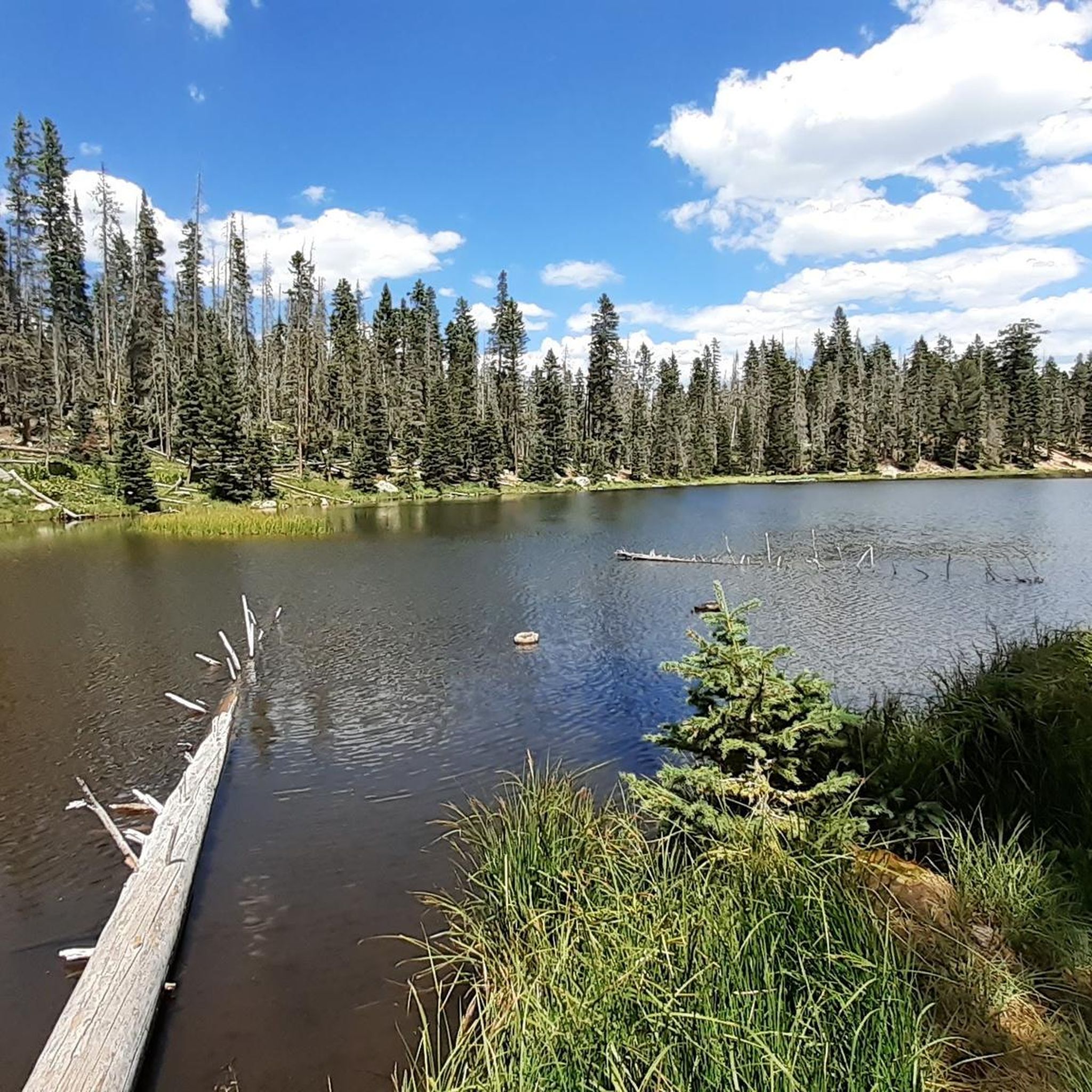
At 12,360 ft, Deception Peak is a close neighbor to Lake Peak and offers sweeping views of the Pecos Wilderness area.
0
0

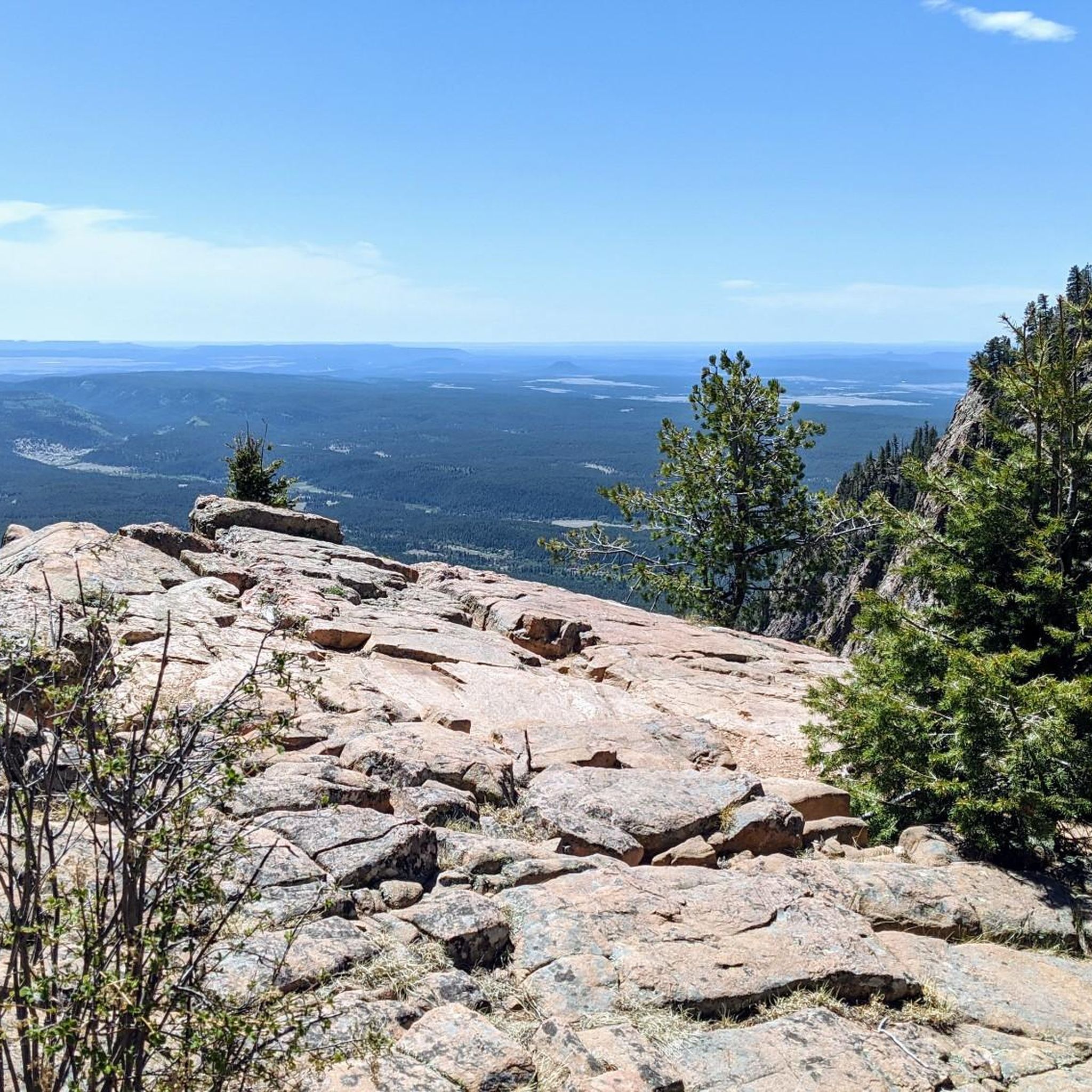
From the 3,197 meters of altitude of the Hamilton Mesa, you can see the Truchas Peaks on the horizon. A very beautiful landscape!
0
0
The trail leading to Hermit Peak is rather steep and passes first through forested, then rocky areas. Unfortunately as a result of extensive fires the forest has been partly destroyed by flames and even the trail is sometimes lost, but with the help of komoot the peak is easy to reach.
0
0
Frequently Asked Questions
What are some of the most prominent mountain peaks in the Pecos Wilderness?
The Pecos Wilderness is home to several impressive peaks. Among them are Truchas Peak, the highest point in the wilderness, and Santa Fe Baldy, known for its panoramic views. Other notable summits include East Pecos Baldy, Deception Peak, and Tesuque Peak.
What is the general difficulty of hiking mountain peaks in the Pecos Wilderness?
Hiking the mountain peaks in the Pecos Wilderness generally ranges from challenging to very challenging, often involving significant elevation gain and rocky terrain. Peaks like Truchas Peak and Santa Fe Baldy require good physical condition. Even trails like Hermit's Peak Trail are steep and recommended for experienced hikers.
What is the best time of year to hike the mountain peaks in the Pecos Wilderness?
The best time to hike the mountain peaks in the Pecos Wilderness is typically from late spring through early fall (June to September). During this period, snow has usually melted from higher elevations, and weather conditions are generally more stable. Fall offers spectacular aspen colors, particularly around Santa Fe Baldy.
Are there family-friendly trails or activities near the Pecos Wilderness peaks?
While many of the high peaks are challenging, there are family-friendly hiking options in the broader Pecos Wilderness area. You can find easier trails like the Middle Fork Trail or the Black Canyon Trail Loop. For more options, explore the Family-friendly hikes in Pecos Wilderness guide.
What natural features and viewpoints can I expect to see from the Pecos Wilderness peaks?
From the Pecos Wilderness peaks, you can expect breathtaking panoramic views of the Sangre de Cristo Mountains, the Rio Grande valley, and the Jemez Mountains. Many peaks offer views of alpine lakes such as Lake Katherine, Pecos Baldy Lake, and Nambe Lake. The Overlook from the Hamilton Mesa provides a beautiful landscape view of the Truchas Peaks on the horizon.
What kind of wildlife might I encounter on the mountain trails in the Pecos Wilderness?
The Pecos Wilderness is home to diverse wildlife. Hikers often spot elk, deer, and various bird species. At higher elevations, you might even catch a glimpse of bighorn sheep or mountain goats, particularly around peaks like Deception Peak.
What makes Truchas Peak a significant destination in the Pecos Wilderness?
Truchas Peak, at 13,103 feet (3,990 m), is the highest point in the Pecos Wilderness and the second highest in New Mexico. It's a challenging but rewarding destination, offering expansive views and access to the Truchas Peaks massif, which includes South, Middle, West, and North Truchas Peaks. The area around Pecos Baldy Lake serves as a popular base for ambitious hikes to these summits.
What outdoor activities are available near the mountain peaks in the Pecos Wilderness?
Beyond peak bagging, the Pecos Wilderness offers a variety of outdoor activities. You can find numerous hiking trails, including easy and moderate options. There are also dedicated running trails, such as those found in the Running Trails in Pecos Wilderness guide. The alpine lakes also provide opportunities for fishing.
Can Lake Peak and Deception Peak be hiked together?
Yes, Lake Peak and Deception Peak are close neighbors and are often summited together as part of a challenging loop hike. The route between them involves some class 3 scrambling sections but rewards hikers with stunning scenery and the chance to see mountain goats.
Are there any permits required for hiking in the Pecos Wilderness?
While specific permits for day hiking are generally not required for most areas of the Pecos Wilderness, it's always advisable to check with the local Forest Service office for the most current regulations, especially for overnight backpacking or specific entry points. Some areas might have fire restrictions or other seasonal rules.
Where are the main trailheads for accessing the Pecos Wilderness peaks?
Access to the Pecos Wilderness peaks is available from various trailheads. For example, Santa Fe Baldy is accessible via the Winsor Trailhead near the Santa Fe Ski Basin. East Pecos Baldy can be reached via the East Pecos Baldy Trail (Trail 275). Many routes also start from areas like Jack's Creek or the Pecos Canyon.
Most popular routes in Pecos Wilderness
Most popular attractions in Pecos Wilderness

Get inspired with the komoot mobile app


