Attractions and Places To See in Southern Nantahala Wilderness - Top 5
Best attractions and places to see in Southern Nantahala Wilderness, a federally protected area spanning North Carolina and Georgia, features steep, forested mountains and numerous streams. This wilderness is characterized by diverse forest ecosystems and holds cultural significance for the Cherokee people. The area offers a rugged landscape with high peaks, waterfalls, and unique bogs, providing a natural escape for outdoor exploration.
Best attractions and places to see in Southern Nantahala Wilderness
- The most popular attractions is Big Laurel Falls…
Last updated: July 16, 2026
Big Laurel Falls
Highlight • Waterfall
Tip by

Appalachian Trail - Blue Ridge Gap
Highlight (Segment) • Trail
Tip by
Sign up now to discover places like this
Get recommendations on the best single tracks, peaks, & plenty of other exciting outdoor places.
Sign up for free
Standing Indian
Highlight • Summit
Tip by
Appalachian Trail
Highlight (Segment) • Trail
Tip by
Standing Indian Shelter
Highlight • Mountain Hut
Tip by
Start today with a free account
Your next adventure awaits.
Login or Signup
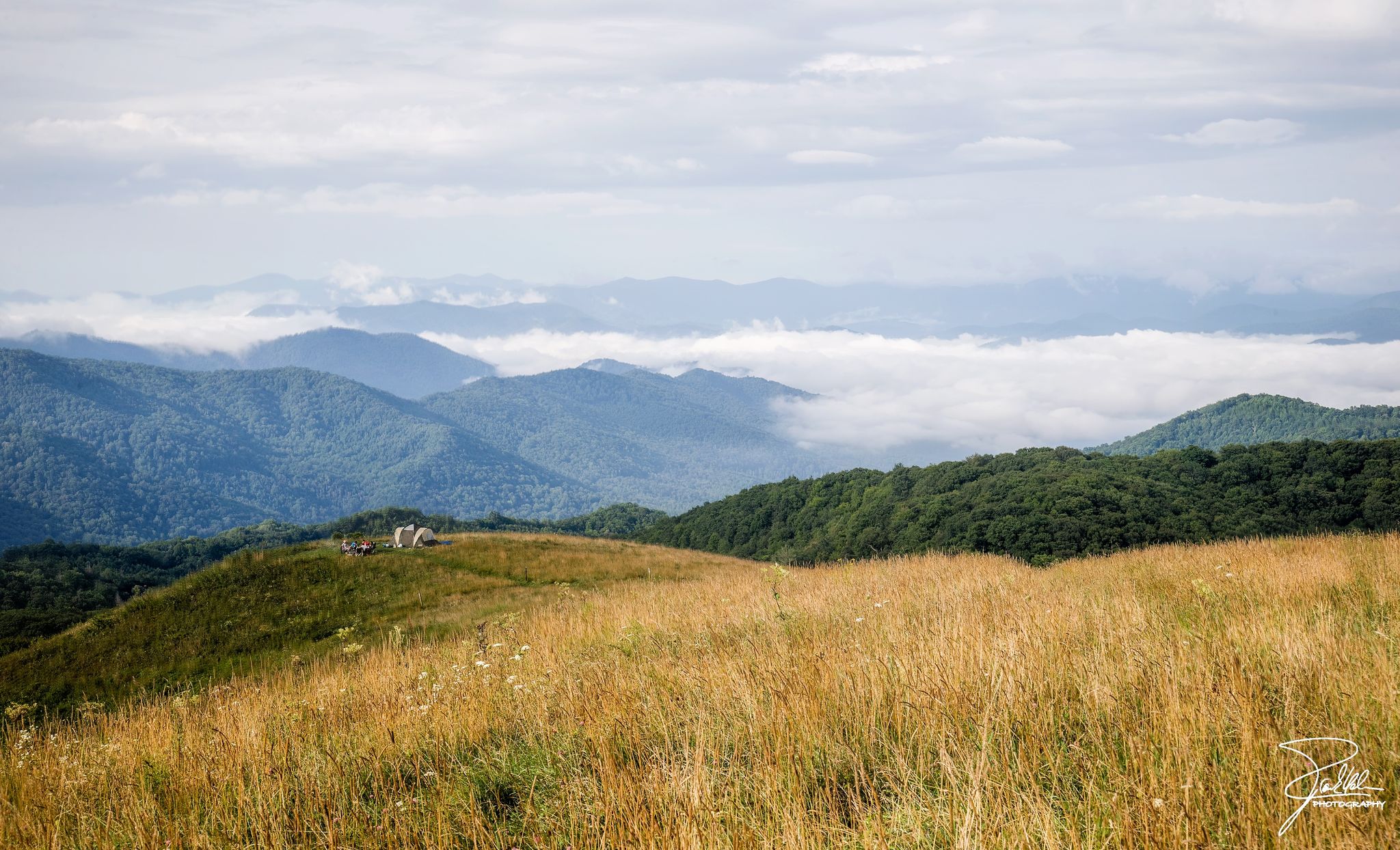
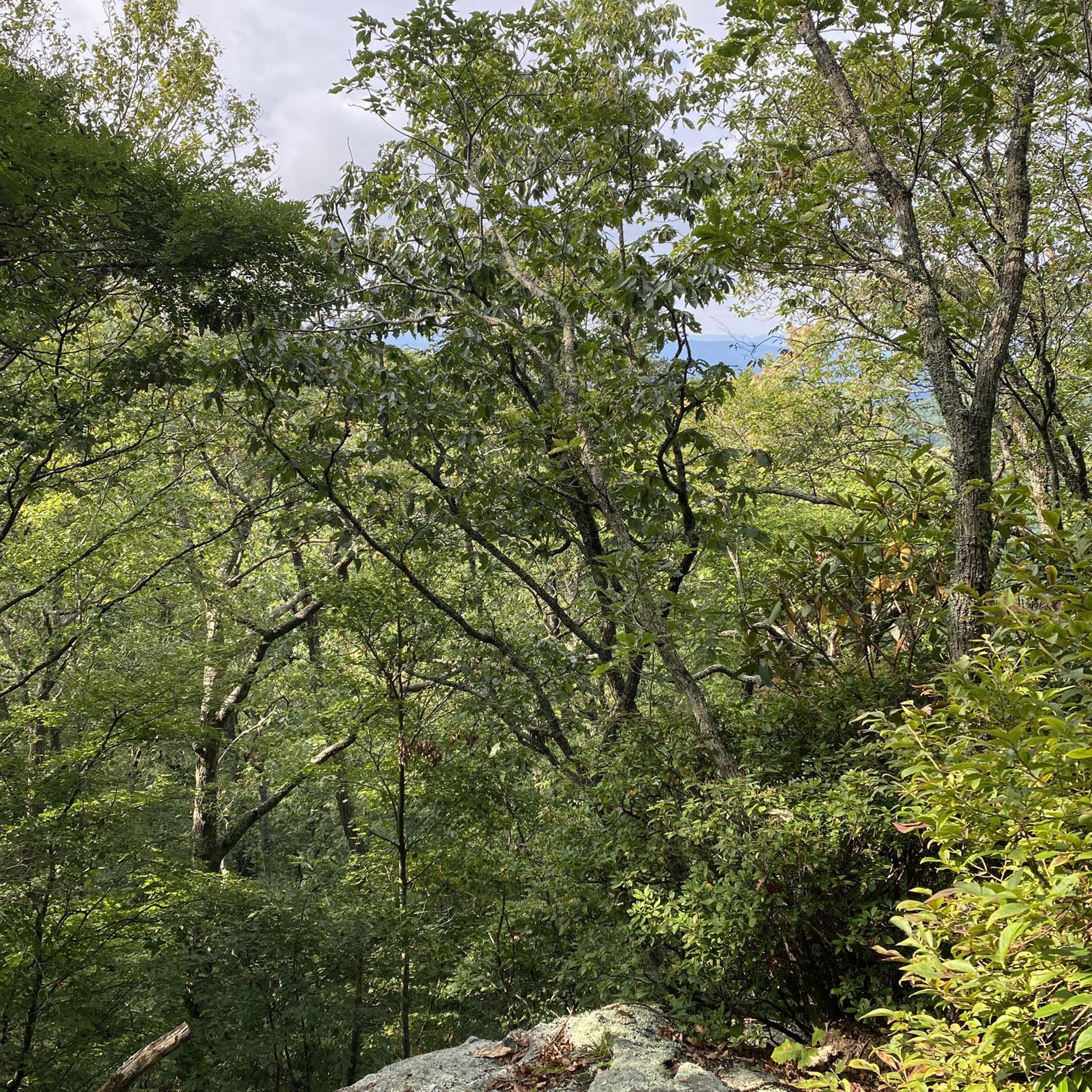


Other adventures in Southern Nantahala Wilderness

Tips from the Community

From Blue Ridge Gap you can hike the Appalachian Trail, crossing the border between Georgia and North Carolina. The trail can be steep and rocky in some sections, but nothing too hard. The Southern Nantahala Forest is known for its history of bear activity, be cautious, and carry bear spray and a bear canister with you in case you're doing an overnight trip.
0
0
This section of Appalachian Trail gives access to different summits and waterfalls, connecting Standing Indian Shelter, and passing by Standing Indian Mountain.
1
0
This small cabin surrounded by forest offers shelter to Appalachian Trail hikers, a simple shelter with a table and some benches.
0
0
Standing Indian Mountain, at 5499 ft, is the highest point along Nantahala River. This Mountain was part of the Cherokee territory, and its name in the native language was Yunwitsule-nunyi, which translates to "where the man stood." This is a beautiful hike in any season, with abundant forest and amazing summit views.
0
0
This waterfall is located in a lush and green valley, surrounded by rhododendron trees. The trail leading there follows Hemp Patch Branch Creek, with a series of shallow waterfalls along the way.
0
0

Walk to the right from the at to the top of the ridge.
0
1
Frequently Asked Questions
What natural features can I explore in the Southern Nantahala Wilderness?
The wilderness is rich with natural beauty. You can discover numerous waterfalls, including Big Laurel Falls, and several 'balds' or open, treeless summits like Wayah Bald and Hightower Bald, which offer expansive views. The area also features diverse forest ecosystems, from spruce and fir on ridges to mixed hardwoods, and unique bogs that support rare plant and animal species. Multiple streams feed into the Nantahala, Hiwassee, and Tallulah rivers.
Are there any significant waterfalls to visit in the Southern Nantahala Wilderness?
Yes, the wilderness is home to several picturesque waterfalls. Big Laurel Falls is a popular choice, located in a lush valley with a trail following Hemp Patch Branch Creek. Other notable waterfalls include High Falls, Denton Creek Falls, Oversoul Falls, Bull Cove Falls, and Fall Branch Falls, accessible via various trails.
What are the highest peaks or best viewpoints in the Southern Nantahala Wilderness?
The highest point is Standing Indian Mountain, standing at 5,499 to 5,502 feet, offering amazing summit views. Other 'balds' like Wayah Bald (with an observation tower), Wesser Bald, Hightower Bald, and Eagle Mountain also provide expansive and breathtaking vistas across the landscape.
What hiking opportunities are available in the Southern Nantahala Wilderness?
The wilderness offers outstanding hiking and backpacking opportunities. Beyond the Appalachian Trail, you can explore a network of loop trails around the Standing Indian Campground, such as the strenuous 5-mile hike to the top of Standing Indian Mountain, the Big Indian Loop (8 miles), and Hurricane Creek Loop Trail (5.5 miles). Other options include the Lower Ridge Trail, Beech Creek Loop, Pickens Nose Trail, and Eagle Mountain Trail. For more details, check out the Hiking in Southern Nantahala Wilderness guide.
Can I hike a section of the Appalachian Trail in the Southern Nantahala Wilderness?
Absolutely. A significant portion of the Appalachian Trail (AT) traverses this wilderness, with approximately 32 miles in North Carolina and 4 miles in Georgia. This section provides access to various summits and waterfalls, connecting to sites like Standing Indian Shelter and passing by Standing Indian Mountain. A notable section is Appalachian Trail - Blue Ridge Gap, which crosses the state border.
What is the cultural significance of the Southern Nantahala Wilderness?
The area holds deep cultural significance for the Cherokee people. They referred to the Blue Ridge Mountains as the 'Great Blue Hills of God' and named the region 'Nantahala,' meaning 'Land of the Noonday Sun.' Standing Indian Mountain itself is tied to Cherokee lore, with its name 'Yunwitsule-nunyi' translating to 'where the man stood.' You can also find historical remnants of old railway lines and mica mining pits, offering glimpses into the area's industrial past.
When is the best time to visit the Southern Nantahala Wilderness for hiking and scenery?
The Southern Nantahala Wilderness is beautiful in any season. Late spring and early summer are particularly vibrant, with stunning displays of purple rhododendron and flame azaleas along the Appalachian Trail. During spring and summer, the area is alive with flowering plants like rhododendrons, mountain laurel, dogwoods, and azaleas. Fall offers spectacular foliage, while winter provides a rugged, serene experience for those prepared for colder conditions.
What is the difficulty level of trails in the Southern Nantahala Wilderness?
Trails in the Southern Nantahala Wilderness range from easy to difficult. For example, the trail to Big Laurel Falls is generally considered intermediate, while sections of the Appalachian Trail, such as near Blue Ridge Gap, can be steep and rocky. The hike to Standing Indian Mountain is strenuous. It's advisable to check specific trail descriptions for elevation gain and terrain before heading out.
Are there any shelters available for hikers in the Southern Nantahala Wilderness?
Yes, the Standing Indian Shelter is a small cabin surrounded by forest that offers a simple shelter with a table and benches for Appalachian Trail hikers.
What outdoor activities can I do near these attractions besides hiking?
Beyond hiking, the Southern Nantahala Wilderness and its surroundings offer various outdoor activities. The Nantahala River within the Standing Indian Basin provides excellent trout-fishing opportunities. You can also find mountain biking and cycling routes in the area. For more information on these activities, explore the MTB Trails in Southern Nantahala Wilderness and Cycling in Southern Nantahala Wilderness guides.
Are there family-friendly hiking options in the Southern Nantahala Wilderness?
While many trails can be rugged, some sections are more accessible. The trail to Big Laurel Falls, following Hemp Patch Branch Creek, features shallow waterfalls and is generally considered intermediate, making it a good option for families with some hiking experience. Always check trail difficulty and length to ensure it's suitable for your family.
Can I go primitive camping in the Southern Nantahala Wilderness?
Yes, primitive camping is available in certain areas of the wilderness, such as Hurricane Creek, which is located beyond the developed Standing Indian Campground. This allows for a more rugged and immersive outdoor experience.
Most popular routes in Southern Nantahala Wilderness

Get inspired with the komoot mobile app


