Attractions and Places To See in Ansel Adams Wilderness - Top 20
Best attractions and places to see in Ansel Adams Wilderness include towering granite spires, glacially sculpted gorges, and pristine alpine lakes. This protected area in California's Sierra Nevada is known for its dramatic mountain formations like the Ritter Range and its connection to photographer Ansel Adams. With over 340 miles of trails, it offers extensive opportunities for outdoor recreation, including portions of the John Muir Trail and Pacific Crest Trail.
Best attractions and places to see in Ansel Adams Wilderness
- The most popular attractions is Thousand Island Lake, a lake known for its shimmering stone islands and reflections of Banner Peak. It is considered one of the most beautiful lakes in the Sierra Nevada.
- Another must-see spot is Donohue Pass, a mountain pass that offers views into a valley with blue shimmering lakes. This pass is part of the John Muir Trail and Pacific Crest Trail, often snow-covered until early summer.
- Visitors also love Garnet Lake, a stunning alpine lake. The John Muir Trail continues north from here to Thousand Island Lake.
- Ansel Adams Wilderness is known for its high-alpine lakes, challenging mountain passes, and extensive trail networks. The region offers a variety of natural monuments and viewpoints to explore.
- The attractions in Ansel Adams Wilderness are appreciated by the komoot community, with 48 highlights featuring photos and 12 upvotes.
Last updated: July 20, 2026
Thousand Island Lake
Highlight • Lake
Since this area is especially popular in the summer, you'll need an Inyo Natioal Forest permit to stay overnight, which you can apply for online six months prior your hike here: recreation.gov/permits/233262
Tip by

Garnet Lake
Highlight • Lake
Tip by
Sign up now to discover places like this
Get recommendations on the best single tracks, peaks, & plenty of other exciting outdoor places.
Sign up for free
Donohue Pass
Highlight • Mountain Pass
Tip by
Iva Bell Hot Springs ⛲ backpacking hike from Devil's Postpile National Monument, via Rainbow Falls and Fish Creek Trail
Highlight (Segment) • Natural Monument
Permits for Fish Creek AA14 must be obtained online or at Inyo Forest Service Visitor Centers upto 6 months in advance. If ordered online, must be picked up latest by 9 am on the day of the hike at the Mammoth Lakes Welcome Center. (recreation.gov/entranceDetails.do?contractCode=NRSO&parkId=72203&entranceId=315396)
The road to Reds Meadow and Devils Postpile is closed in winter. Backpackers visiting in winter must be prepared to ski, snow shoe or hike into the Reds Meadow Valley. Usually from the last week of June, vehicles can enter at night and be parked at the trailhead. However, during daytime hours one must park at the Adventure Center and take a paid shuttle bus (ca 30 min).
Mountain elevations in this area traditionally have ice and snow until late June or early July.
Fish Creek trail follows the general route of an old wagon trail. Starting near Reds Meadow Resort shuttle stop # 10 or the Rainbow Falls trailhead shuttle stop #8 the trail passes multiple junctions with the John Muir, Devils Postpile and Rainbow Falls trails. The Fish Creek trail follows Crater Creek to the Fish Creek Valley. Beyond Iva Bell Hot Springs, the trail goes to Cascade Valley and eventually connects to the John Muir and Pacific Crest Trails near Purple Lake or Tully Hole.
This is an active bear area; check food storage maps on the USFS Webpage for where you must use bear resistant food containers to secure food and trash. fs.usda.gov/recarea/inyo/recreation/hiking/recarea/?recid=20502&actid=51
If done as a sidetrip from the John Muir Trail near Reds Meadow, it is about 12 miles to Iva Bell with a drop of 1,500 ft and then a climb of 1,000. To rejoin JMT after the Springs, continue about 5 miles and climb 2,700 ft. The first section south of the JMT on Fish Creek Trail can be exposed and hot and passes thru a burn area. Total mileage is similar to staying on the JMT, but there is more elevation change.
There are at least 6 well maintained pools, and several others, created by visitors over the years to enjoy the water from the many hot sources on the slope at the end of the valley. Best way to find the Springs is to notice warmer runoff as it crosses Fish Creek Trail.
Do not camp right next to a hot spring pool.
Tip by

Cinnamon Bear Spur Trail
Highlight • Trail
There are also some nice spots to pitch your tent, if you plan to stay here.
Tip by
Sign up for free to discover even more attractions in Ansel Adams Wilderness.
Sign up for free
Already have an account?
Start today with a free account
Your next adventure awaits.
Login or Signup
Popular around Ansel Adams Wilderness
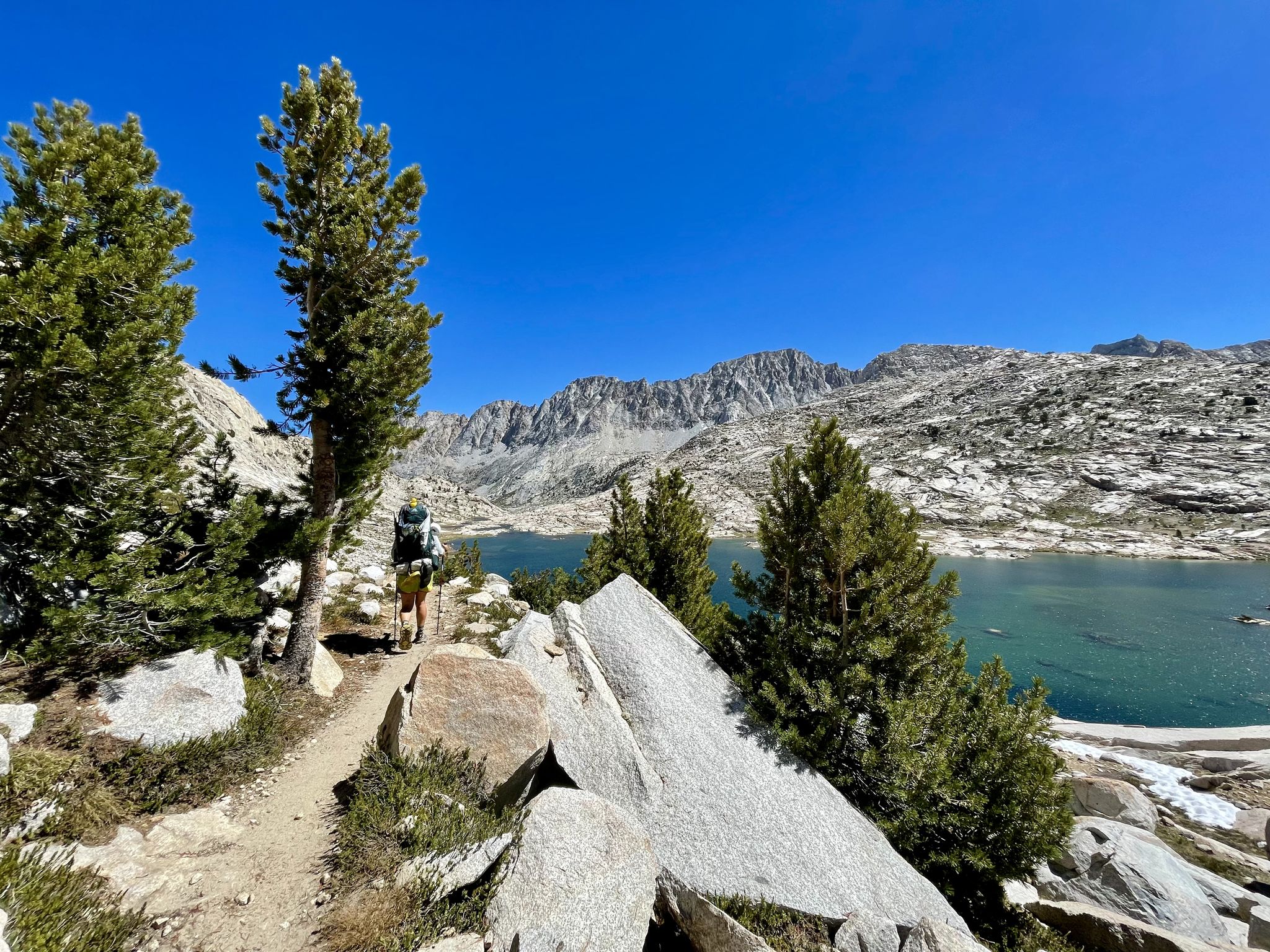
John Muir Trail – Along the legendary trail through the magical Sierra Nevada
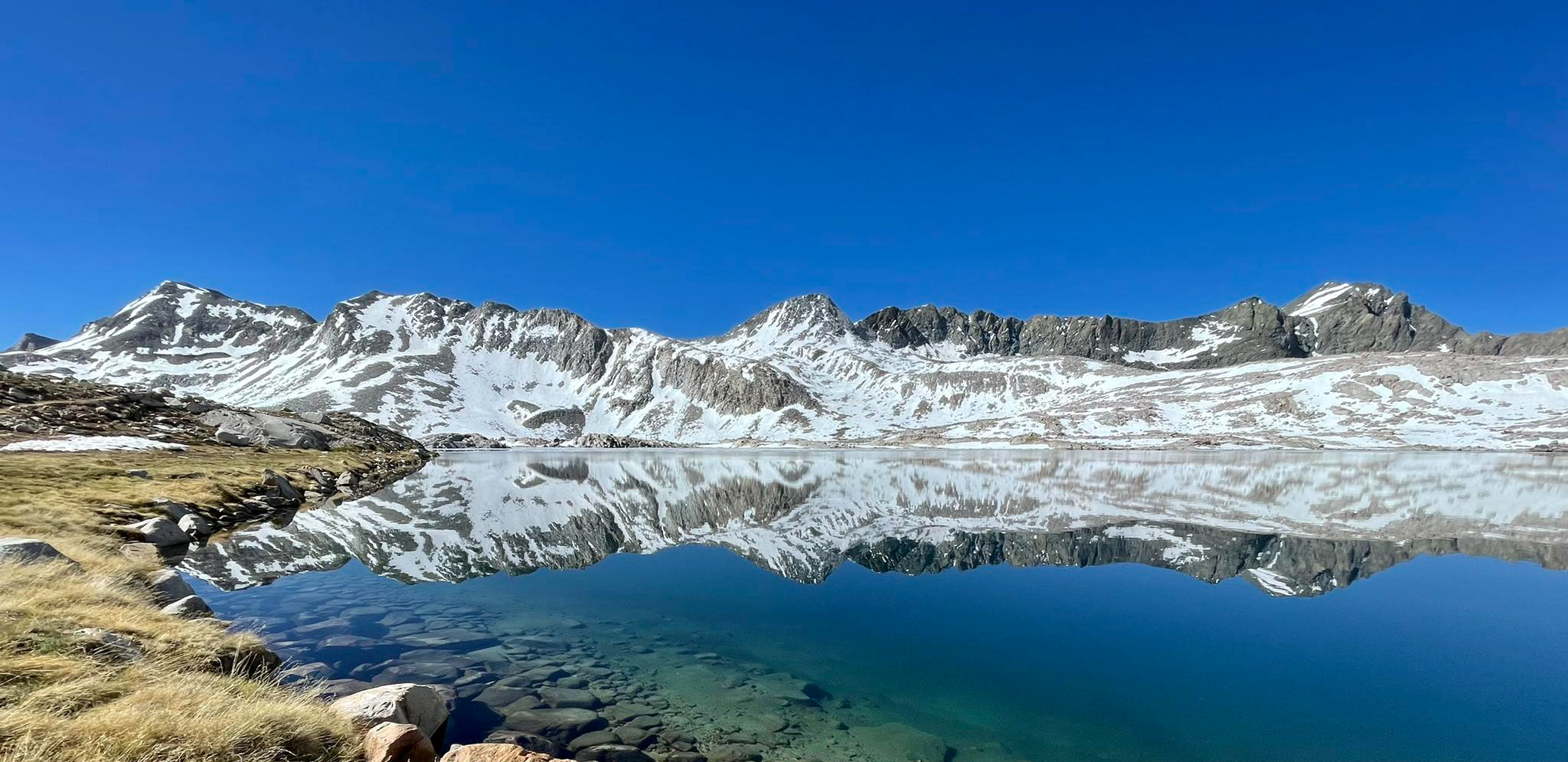
The Sierra High Route — Solitude in California's alpine country
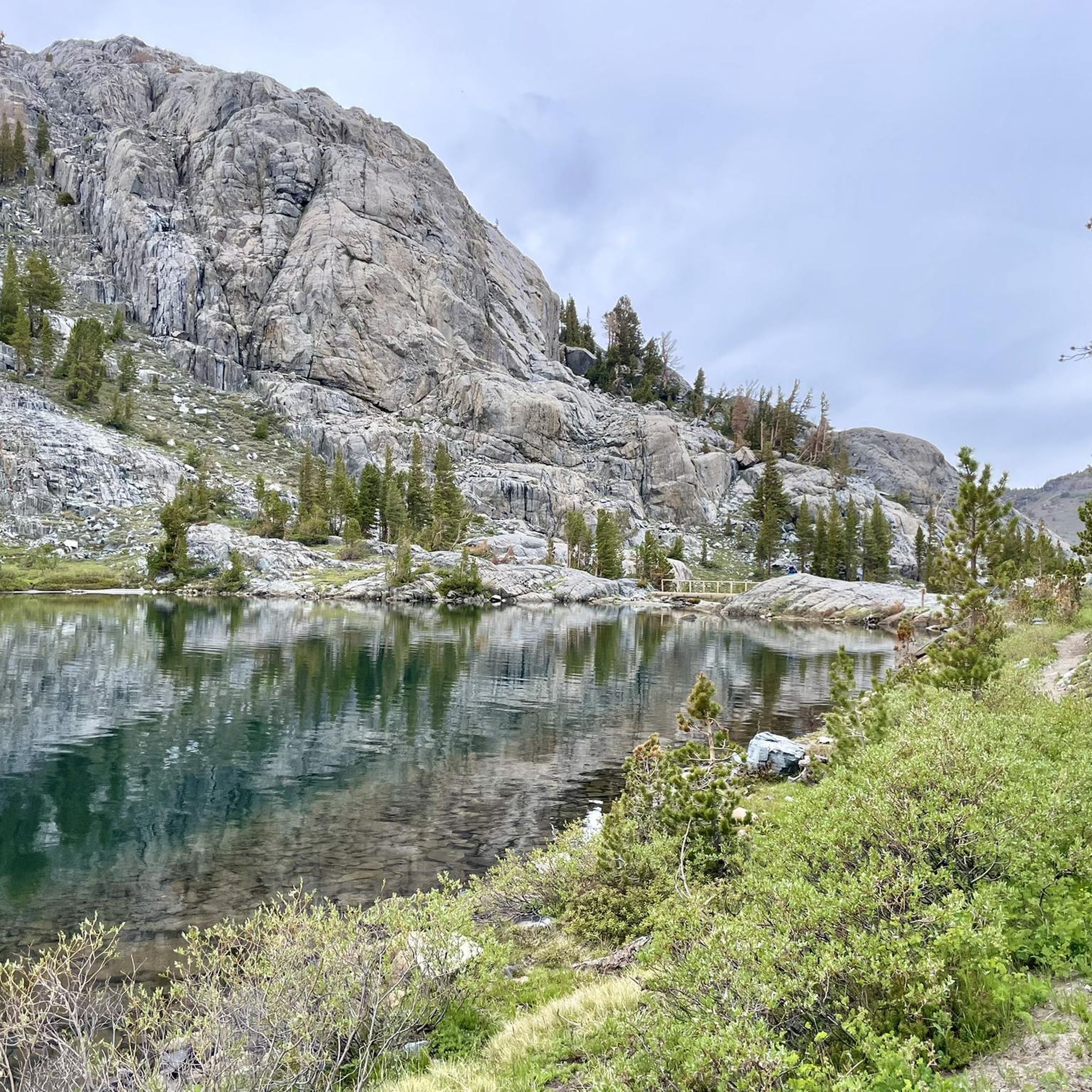
Hiking in Ansel Adams Wilderness
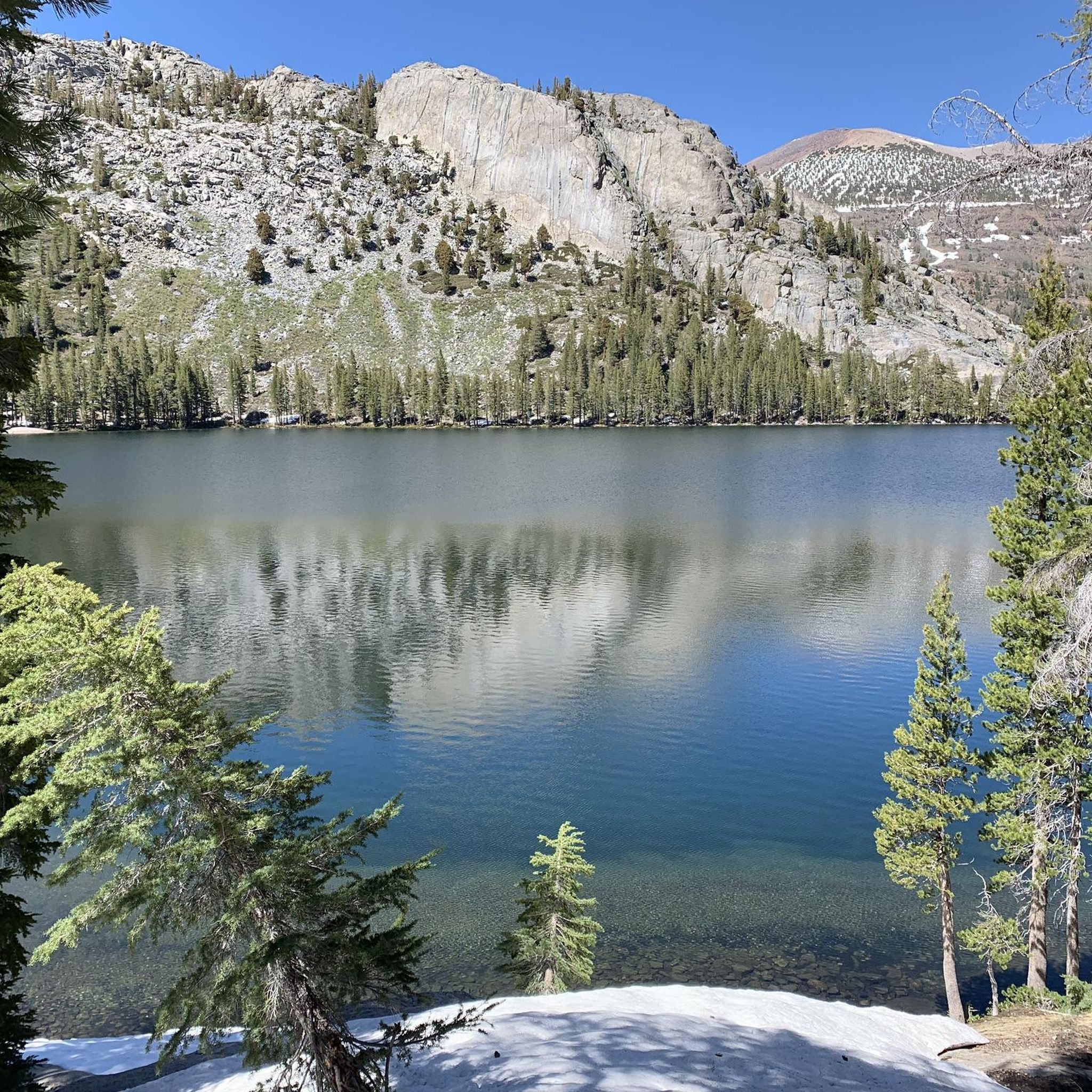
Running Trails in Ansel Adams Wilderness
MTB Trails in Ansel Adams Wilderness
Road Cycling Routes in Ansel Adams Wilderness
Cycling in Ansel Adams Wilderness

Gravel biking in Ansel Adams Wilderness


Tips from the Community

Thousand Island Lake is one of the most beautiful lakes in the Sierra Nevada. It's name comes from the shimmering stone islands that make up it's unique and a true postcard motif. On its eastern shore, the Pacific Crest and John Muir Trail converge again.
0
0
Donohue Pass is the last major pass along the PCT if you hike northbound. It is snow covered until early summer or late spring. The view into the valley with blue shimmering lakes is stunning. The climb from the north side (hiking southbound) is much steeper than from the south side.
5
0
Thousand Island Lake is one of the most beautiful lakes in the Sierra Nevada. It's name comes from the shimmering stone islands that make up it's unique and a true postcard motif. On its eastern shore, the Pacific Crest and John Muir Trail converge again. Since this area is especially popular in the summer, you'll need an Inyo Natioal Forest permit to stay overnight, which you can apply for online six months prior your hike here: https://www.recreation.gov/permits/233262
5
0
If you come from Garnet Lake and reach the San Joaquin River in late spring or early summer during snow melt, you might not be able to cross it safely to get to the Thousand Island Trail on the east side. There is no bridge and the tree trunks are not to be trusted. As an alternative, you can hike a spur trail that you will not find in a paper map, but trust me, it is there. Follow it and you will get to a section where you enter the trail to Shadow Lake. The spur trail is not maintained and sometimes overgrown, so you might need some route finding skills. If you want to cross the river before the spur trail intersects with the Shadow Lake trail, there are some spots, where the river is less raging. There are also some nice spots to pitch your tent, if you plan to stay here.
2
0
From Garnet Lake the John Muir Trail continues north to Thousand Island Lake. An alternative route to the right of the bridge leads to the beautiful and secluded Altha Lake. Note that if you continue to hike down that way, there is no bridge over the Middle Fork San Joaquin River. In a low snow year, it is fordable, but not so much in a high snow level year. If you still want to take that route, there is a spur trail along the south shore of the river. You can cross the river further downstream or continue until the spur trail connects with the Shadow Lake Trail again.
7
0

Agree that this is worth gold.Beautiful as it can be. Was here 3 years ago hiking JMT.
1
2


The John Muir Trail crosses the river exiting 1000 Island Lake's East shore on a wooden log bridge
2
1
Frequently Asked Questions
What are the most notable natural features in the Ansel Adams Wilderness?
The wilderness is renowned for its towering granite spires, glacially sculpted gorges, and pristine alpine lakes. Key features include the dramatic Ritter Range, with its iconic peaks like Mount Ritter and Banner Peak, and the sharp, jagged spires known as The Minarets. The North and Middle Forks of the San Joaquin River also carve deep canyons through the area.
Which lakes are particularly scenic in the Ansel Adams Wilderness?
The Ansel Adams Wilderness is home to numerous stunning high-alpine lakes. Among the most popular are Thousand Island Lake, famous for its shimmering stone islands and reflections of Banner Peak, and Garnet Lake, another beautiful alpine gem. Other notable lakes include Ediza Lake, Minaret Lake, Shadow Lake, and Gem Lake.
Are there any unique geological formations to see?
Yes, the wilderness and its immediate surroundings offer striking geological formations. The jagged peaks of The Minarets within the Ritter Range are a prime example of dramatic mountain scenery. Adjacent to the wilderness, Devils Postpile National Monument features remarkable basaltic columns formed by ancient volcanic activity, later smoothed by glaciers.
What hiking opportunities are available in the Ansel Adams Wilderness?
With over 340 miles of trails, the Ansel Adams Wilderness is a premier hiking destination. Portions of the renowned John Muir Trail and Pacific Crest Trail traverse the backcountry. Popular routes include trails from Agnew Meadows leading to Ediza Lake, the Fish Creek Trail, and the Rush Creek Trail to Agnew and Gem Lakes. For more detailed hiking options, you can explore the easy hikes in Ansel Adams Wilderness guide.
Are there any challenging backpacking routes for experienced hikers?
Absolutely. The Ansel Adams Wilderness offers several challenging routes for experienced backpackers. The John Muir Trail and Pacific Crest Trail sections within the wilderness provide demanding multi-day treks. The Sierra High Route, an off-trail route, runs along the base of the Ritter Range. Additionally, the backpacking trip to Iva Bell Hot Springs from Devils Postpile National Monument is a challenging, multi-day adventure.
What kind of outdoor activities can I do in the Ansel Adams Wilderness besides hiking?
Beyond hiking, the Ansel Adams Wilderness offers diverse outdoor activities. Climbing is popular, especially on The Minarets. You can also enjoy camping, fishing, and swimming in the alpine lakes. For those interested in cycling, there are options for gravel biking and cycling. In winter, the area transforms into a haven for cross-country skiing, accessible from nearby Mammoth Mountain and June Mountain ski areas.
Are there easy or family-friendly trails in the Ansel Adams Wilderness?
While much of the wilderness is rugged, there are easier options. The easy hikes in Ansel Adams Wilderness guide lists several routes suitable for families, such as the Wildflower Loop Trail and the Middle Fork San Joaquin River loop from Sotcher Lake, which are generally shorter and have less elevation gain.
What is the best time of year to visit the Ansel Adams Wilderness?
The best time to visit for hiking and backpacking is typically from late spring to early fall (June through September), when most trails are free of snow. However, mountain passes like Donohue Pass can remain snow-covered until early summer. Winter offers opportunities for cross-country skiing, but access to many areas is limited due to road closures and snow conditions.
Are permits required for visiting or camping in the Ansel Adams Wilderness?
Yes, permits are generally required for overnight stays in the Ansel Adams Wilderness, especially during peak season. For popular areas like Thousand Island Lake, you'll need an Inyo National Forest permit, which can often be applied for online up to six months in advance. Specific trailheads, such as those for the Iva Bell Hot Springs hike, also require permits. It's advisable to check with the Forest Service for current regulations.
How can I access the trailheads in the Ansel Adams Wilderness?
Many trailheads are accessible via areas like Agnew Meadows. For destinations near Devils Postpile National Monument, such as the starting point for the Iva Bell Hot Springs hike, a shuttle bus service is often required during daytime hours in summer, with parking available at the Adventure Center. Roads to areas like Reds Meadow and Devils Postpile are typically closed in winter.
What is the cultural and historical significance of the Ansel Adams Wilderness?
The wilderness holds deep cultural and historical significance. For thousands of years, it was home to various Native American tribes, whose presence is evidenced by archaeological sites. More recently, the wilderness was expanded and renamed in 1984 in honor of Ansel Adams, the renowned landscape photographer. His iconic photographs of the Sierra Nevada played a crucial role in raising public awareness and support for wilderness preservation, making the area a pilgrimage for those seeking to experience the landscapes he captured.
What can I expect when visiting Donohue Pass?
Donohue Pass is a challenging mountain pass that offers breathtaking views into a valley with shimmering blue lakes. It is a significant point along both the John Muir Trail and the Pacific Crest Trail, often marking the boundary with Yosemite National Park. Hikers should be prepared for potential snow cover until early summer, and the climb from the north side is considerably steeper than from the south.
Where can I find hot springs in the Ansel Adams Wilderness?
The most notable hot springs within the Ansel Adams Wilderness are the Iva Bell Hot Springs. This destination requires a challenging backpacking trip, typically from Devils Postpile National Monument via the Fish Creek Trail. Visitors can find several well-maintained pools to enjoy the warm waters from the natural sources.
Most popular routes in Ansel Adams Wilderness
Most popular attractions in Ansel Adams Wilderness

Get inspired with the komoot mobile app


Explore more
Still not found the Highlight you’re looking for? See guides of the top attractions in other regions:
